Bali traffic can make you second-guess everything. This private scooter lesson in Kuta is interesting because you get pickup across several Bali areas and a structured ramp-up from basics to real-street confidence. I especially like that the training stays safety first from the start.
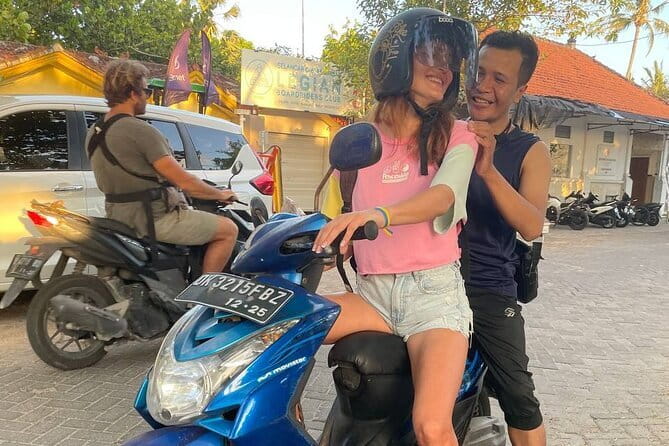
I also like the hands-on flow: you cover scooter components and controls, then practice balance, acceleration, turning, and braking in a calm space nearby. From the feedback I’ve read, instructors like Iqbal and Chris tend to keep things clear and pressure-free, so first-timers can actually get it.
One consideration: at $31 per group (up to 1), solo riders may feel the price sting if you’re only looking for a quick intro. If you’re planning to rent right away, though, that focused time can be worth it.
In This Review
- Key Highlights Worth Your Attention
- What You’re Really Buying: Confidence for Bali Scooter Traffic
- Pickup and the Start Location: Easy, But Know Where to Go
- The Lesson Flow: Theory First, Then Controlled Practice
- 1) Short theory on how the scooter works
- 2) Practical drills: balance, turning, braking, and acceleration
- 3) Safety knowledge and Bali-specific street behavior
- Where You Practice: From Quiet Control to Real Street Feel
- Start in a wide open area
- Move to a quiet village street once you’re ready
- Instructor Style: Patient Coaching Makes the Difference
- Price and Value in Bali: $31 for 2 Hours, Up to 1
- Practical Tips Before You Go
- Who This Scooter Lesson Is Best For
- Should You Book This 2-Hour Private Scooter Lesson in Bali?
- FAQ
- Is this lesson private or shared?
- Do you get pickup in Bali?
- Where does the lesson start?
- Where does the lesson take place during the training?
- What skills do you learn during the 2 hours?
- Do you practice on actual streets?
- What should I bring or know about fitness?
- What if the weather is bad or I need to cancel?
Key Highlights Worth Your Attention
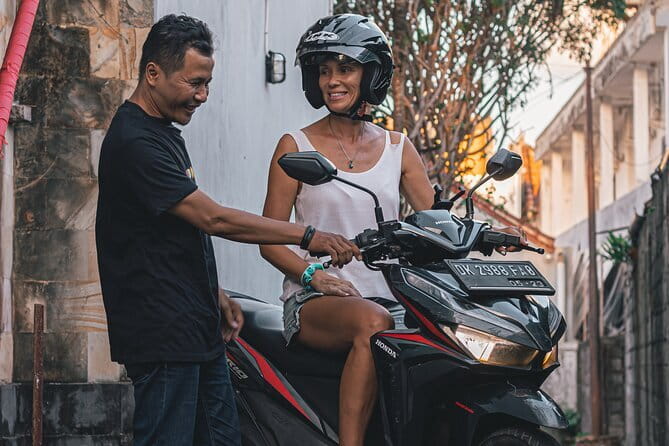
- Pickup in Kuta, Seminyak, Jimbaran, Uluwatu, Sanur, and Denpasar so you don’t start your lesson stressed
- Begin with theory, including how the scooter works and how to get moving safely
- Practice core skills like turning and braking before you face tricky street moments
- Defensive riding approach inspired by standards used for Gojek driver lessons
- Progress to a quiet village street once you feel ready, not before you’re comfortable
What You’re Really Buying: Confidence for Bali Scooter Traffic
Renting a scooter in Bali is common. Learning how to ride it there—on roads where everyone’s flow is slightly different—is the hard part. This lesson is designed to shorten that gap.
You’re not just being shown how to start the engine and point forward. You get a guided system: learn the scooter, practice the motions, then get taught the street mindset for Bali. That matters because scooter mistakes in tight traffic usually come from one of two things: you freeze, or you react late.
The best part for me is that the lesson respects your pace. You begin in a nearby open area (often a parking lot or empty field), so you can build control without the constant pressure of cars, buses, and motorbikes everywhere. Then, when you can handle the scooter smoothly, you move to quieter street practice. That step-by-step feel is what helps most first-timers shift from anxiety to actual control.
You can also read our reviews of more tours and experiences in Kuta.



Pickup and the Start Location: Easy, But Know Where to Go
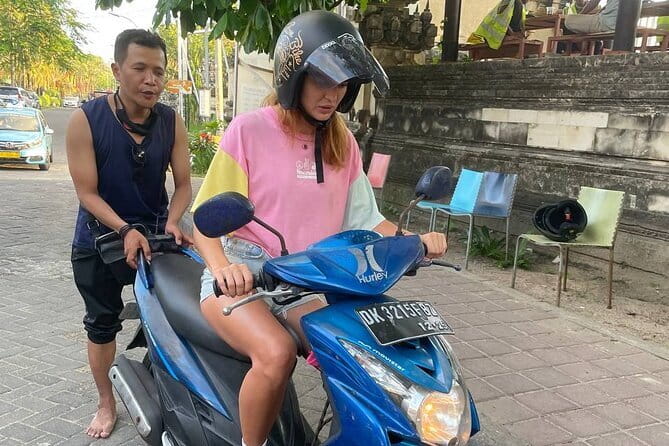
The lesson starts at Airport Scooter Lesson on Jl. Mataram, Kuta. If you’re staying in Kuta, Seminyak, Jimbaran, Uluwatu, Sanur, or Denpasar, pickup is offered from your location in those areas.
Why this matters: scooter training is already mentally demanding. If you have to wrestle with finding the meeting point, navigating your first scooter ride, or figuring out where your instructor is waiting, it can throw off your focus. Pickup reduces that friction right at the beginning.
Your destination during the lesson is a wide nearby area—something like a parking lot or an empty field—so you’re not immediately thrown into traffic. That setup gives you a runway to learn the bike without the constant threat of surprise.
After the lesson, the activity ends back at the meeting point. So you get a clean start and a clean finish without ending up stranded.
The Lesson Flow: Theory First, Then Controlled Practice
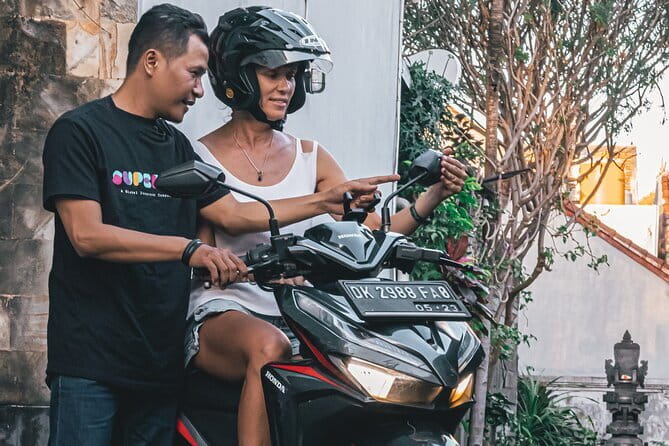
The total time is about 2 hours, and it’s a private session (only your group). That’s a big deal. If you’re worried about looking clumsy or going too slow, private coaching can remove the extra stress.
1) Short theory on how the scooter works
You get a brief theoretical session explaining the mechanics and functions of each component. In plain terms, this is where you learn what’s supposed to do what: how to start the scooter properly, what your controls are doing, and how acceleration and braking should feel.
That’s the part many first-timers skip when they rent on arrival. Then they spend their first day fighting basic friction instead of learning actual riding.
2) Practical drills: balance, turning, braking, and acceleration
Next comes the hands-on practice. The lesson specifically covers:
- acceleration
- balance
- turning
- braking
- mastering fundamental skills
You’ll usually feel it click faster when you’re repeating the same basic movements. It’s also easier to fix one problem at a time. If you’re tense, the instructor can adjust your technique before that tension turns into panic later on the road.






3) Safety knowledge and Bali-specific street behavior
After the core skills, you get crucial knowledge and safety tips for riding confidently on main roads. The instruction uses a defensive riding standard based on lessons for a Gojek driver.
What that means in practice (without pretending traffic rules are identical everywhere): you’re trained to think ahead, keep your space, and ride in a way that accounts for other drivers’ unpredictable moves. You’re being taught a mindset, not just a checklist.
You’ll also learn that Bali riding culture differs from other locations. That part is important because it helps you stop expecting roads to behave the way they do at home—or even the way they might in other parts of Indonesia.
Where You Practice: From Quiet Control to Real Street Feel

A lot of scooter lessons either stay in a parking lot forever, or they throw you into busy roads too soon. This one tries to bridge that gap with a practical rule: you only progress after you feel at ease.
Start in a wide open area
Your early practice happens in a nearby wide spot, such as a parking lot or empty field. This is where you build the motions: smooth acceleration, gentle braking, controlled turning. You’re training your hands and feet to work together without the added challenge of traffic flow.
Move to a quiet village street once you’re ready
Once you’re comfortable, the lesson progresses to a quiet village street. That’s the sweet spot for beginners. It’s not a free-for-all. It’s real enough that you learn how the scooter behaves at street pace, but quiet enough that you can focus on technique instead of surviving.
From the instruction design, you can see the logic: build comfort first, then add the first taste of street dynamics. It’s a safer path than jumping straight into the chaos of major intersections.
Instructor Style: Patient Coaching Makes the Difference
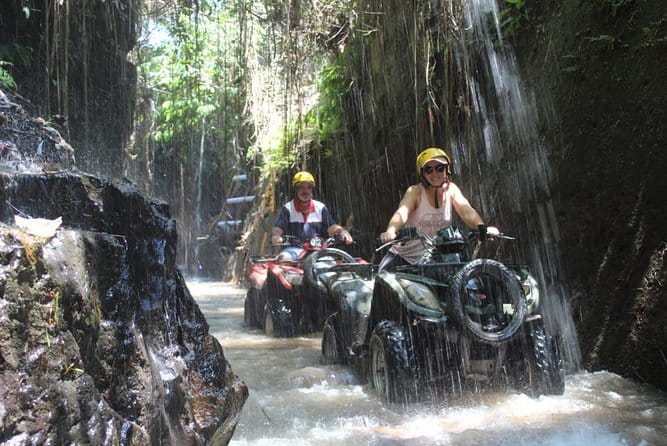
In scooter lessons, the instructor matters as much as the method.
The strongest feedback centers on how patient and encouraging the instructors are. People learned faster because the teaching style stayed calm while covering practical details—like how to start the engine and how to handle intersections in Bali.
Two names stood out:
- Iqbal, described as very patient and clear, especially around the basics and navigating intersections
- Chris, praised for making the experience easier from the start and helping learners gain confidence quickly
This kind of coaching changes the lesson. When your instructor corrects you gently and clearly, you can focus on what to do next instead of getting stuck in fear.
Also, private lessons help here. You’re not waiting your turn while the instructor manages other riders. Your attention stays on the skill you’re currently practicing.
Price and Value in Bali: $31 for 2 Hours, Up to 1

Here’s the honest value conversation.
This lesson costs $31 per group (up to 1) for about 2 hours. Because it’s private, you’re paying for focused time rather than splitting a trainer across multiple people.
If you’re riding solo and you already feel confident on scooters, $31 may feel like extra money for a short confidence check. One learner even pointed out that it can seem overpriced for a solo situation. That’s a fair reaction if you’re only looking for a quick nudge.
But if you’re new to scooters—or you’re planning to rent right after landing—this kind of training can be one of the best expenses you make. It’s not just about convenience. It’s about reducing the chance you’ll spend your first days:
- struggling with basics
- getting overwhelmed by intersections
- feeling unsafe in traffic
- learning the hard way
Think of it as paying for coaching so you can ride sooner with better habits. For many first-timers, that feels like good value.
If you’re deciding whether to book, ask yourself one question: are you planning to rent a scooter right away? If yes, this lesson can turn that plan into something safer and less stressful.
Practical Tips Before You Go
You don’t need to be an athlete. The experience asks for a moderate physical fitness level. That usually means you should be comfortable enough to balance and control the scooter repeatedly and handle short moments of being seated and steady.
You also should plan around conditions. The experience requires good weather. If weather isn’t suitable, you’ll be offered a different date or a full refund.
Before your lesson day, I’d do two things:
- decide if you want a scooter for exploring right after (so you can justify the training time)
- mentally prepare for a learning curve, not a instant transformation
The instructors are there to help you get there. Your job is simply to show up and be willing to practice.
Who This Scooter Lesson Is Best For

This private lesson is a strong fit if:
- you’re new to scooters and want a structured start
- you’re going to rent a scooter in Bali soon
- you prefer calm, patient coaching
- you’re worried about traffic, intersections, or just not knowing what to expect
It’s also ideal if you want pickup from your area. The lesson starts with less hassle when someone meets you where you’re already staying.
If you’re already a confident scooter rider, you might still learn something useful—especially the Bali-specific safety mindset and how the instruction addresses intersections—but you may feel the time could be longer or the cost harder to justify.
Should You Book This 2-Hour Private Scooter Lesson in Bali?
My call: book it if you’re new or nervous about Bali traffic and you plan to rent a scooter afterward.
The training flow makes sense: theory to understand the controls, drills to build muscle memory, then quiet street practice to apply it. The coaching style—patient, calm, and focused on real street situations like intersections—shows up clearly in the feedback, including with instructors like Iqbal and Chris.
Skip or reconsider if you’re already comfortable riding scooters and you’re only seeking minimal instruction. In that case, the $31 per group (up to 1) price may feel like paying for something you already can do.
If you do book, you’ll get the best outcome by treating the lesson like training, not a one-time ride. Practice what they teach and ask questions if something feels unclear. That’s when the confidence really shows up.
FAQ
Is this lesson private or shared?
It’s a private tour/activity. Only your group participates.
Do you get pickup in Bali?
Yes. Pickup is offered from areas including Kuta, Seminyak, Jimbaran, Uluwatu, Sanur, and Denpasar.
Where does the lesson start?
The meeting point is Airport Scooter Lesson, Jl. Mataram, Kuta, Kec. Kuta, Kabupaten Badung, Bali 80361, Indonesia.
Where does the lesson take place during the training?
The practice destination is a wide nearby location such as a parking lot or empty field.
What skills do you learn during the 2 hours?
You learn scooter basics through a brief theory session, then practice acceleration, balance, turning, and braking. You also get safety tips for riding confidently on main roads.
Do you practice on actual streets?
You do quiet street practice. After you feel at ease and confident, the lesson progresses to a quiet village street.
What should I bring or know about fitness?
You should have a moderate physical fitness level, since you’ll be practicing control and balance on the scooter.
What if the weather is bad or I need to cancel?
The experience requires good weather. If it’s canceled due to poor weather, you’ll be offered a different date or a full refund. You can cancel for a full refund up to 24 hours in advance.