Wae Rebo turns travel up to 11. This two-day trip puts you in the traditional Mbaru Niang cone houses and gives you real context for life in a remote Flores village.
What I like most is the way you get both the setting and the meaning: mountain air + culture in the same package.
Second, I love that the experience is run with real logistics, not guesswork. Pickup, transfers, and the village schedule feel tight, and guides like Hardy and Freddy have a knack for explaining what you’re seeing. The only real drawback is the physical reality: it’s a long, uphill trek after a rough drive, so you’ll need to be ready for effort and stairs-like walking.
In This Review
- Key highlights you shouldn’t miss
- Why Wae Rebo Is Worth the Detour from Labuan Bajo
- Getting There: Labuan Bajo to Denge and the Ride on Rough Roads
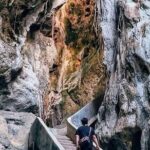
- The Trek to Wae Rebo: What the 5 km Uphill Feels Like
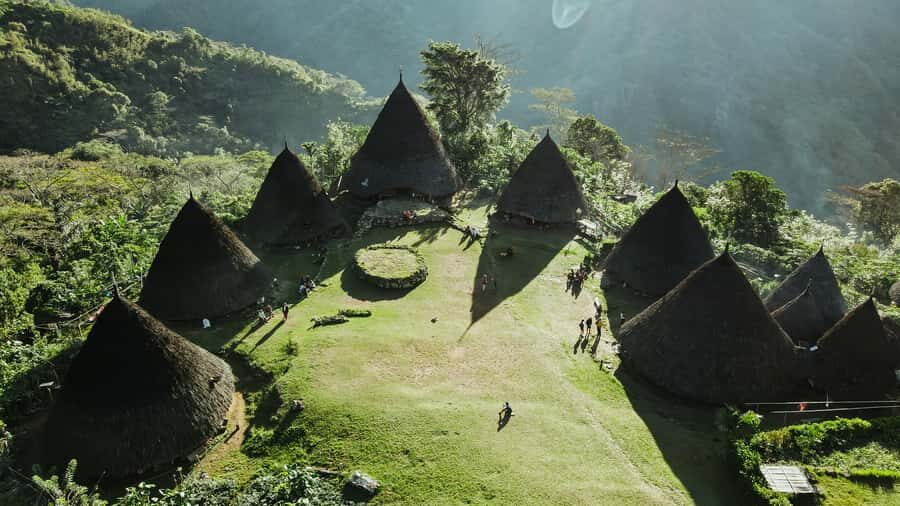
- First Night in Mbaru Niang Cone Houses and the Waelu’u Welcome
- Day Two Free Time, Possible Spider Web Rice Fields, and Heading Back
- Guides, Local Meals, and Culture Moments That Make It Real
- Price Value at $146: What You’re Really Paying For
- What to Pack and How to Behave in a Remote Village
- Who This Tour Fits Best (and Who Should Skip It)
- Should You Book This 2D1N Wae Rebo Tour?
- FAQ
- Is this tour shared with other people?
- What meals are included during the 2 days?
- Do I stay inside the traditional cone-shaped house in Wae Rebo?
- How does transportation work from Denge to the Wae Rebo entrance?
- Is the Lingko Spider Web Rice Fields stop guaranteed?
- Do I get picked up from my hotel in Labuan Bajo?
Key highlights you shouldn’t miss
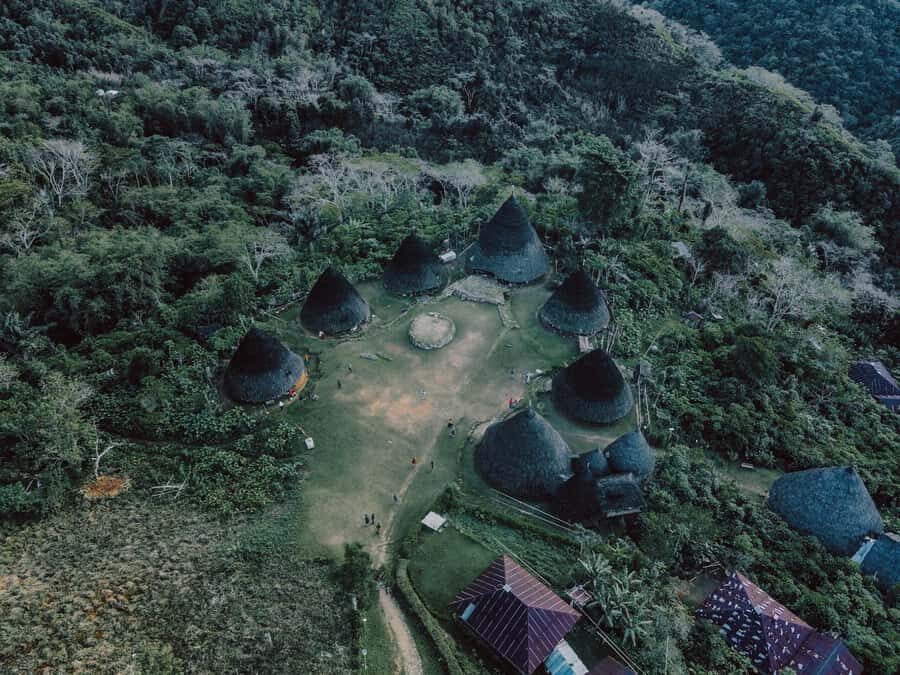
- Mbaru Niang cone houses (one night): wood-and-thatch homes that rise upward, with a simple, authentic feel
- Waelu’u welcome and ritual: you’ll be folded into the village schedule right away with a ceremony
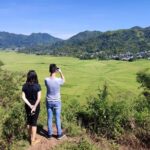
- The trek up to Wae Rebo: a serious uphill walk with sweeping views along the way
- Lingko spider web rice fields stop: possible on Day 2 when timing and conditions allow
- English-speaking guides with local storytelling: guides such as Freddy and Liann are praised for making culture click
- Safety-first driving on bad roads: several guides/drivers are specifically noted for keeping the trip smooth and calm
Why Wae Rebo Is Worth the Detour from Labuan Bajo
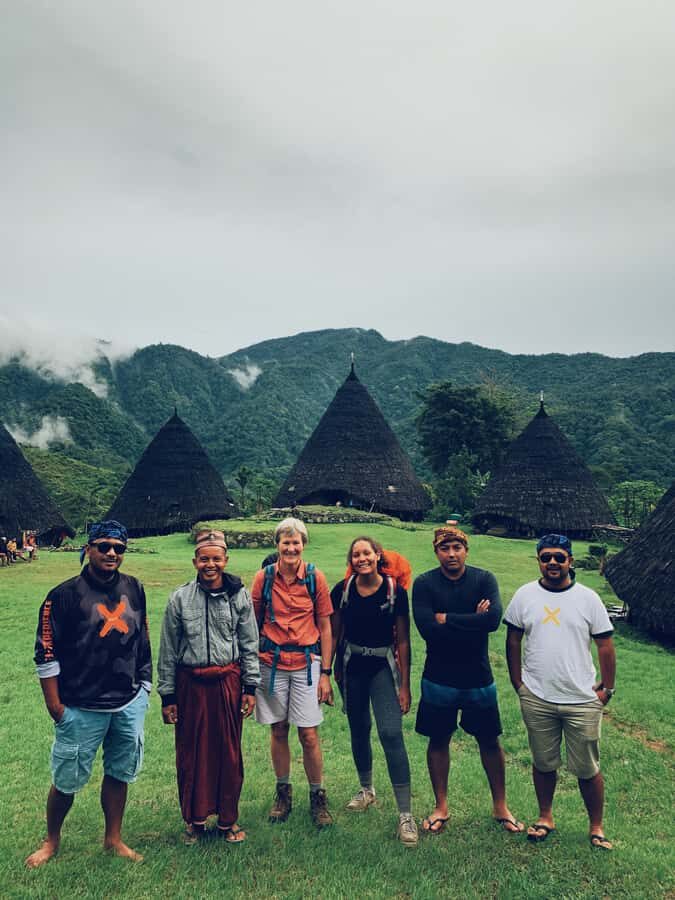
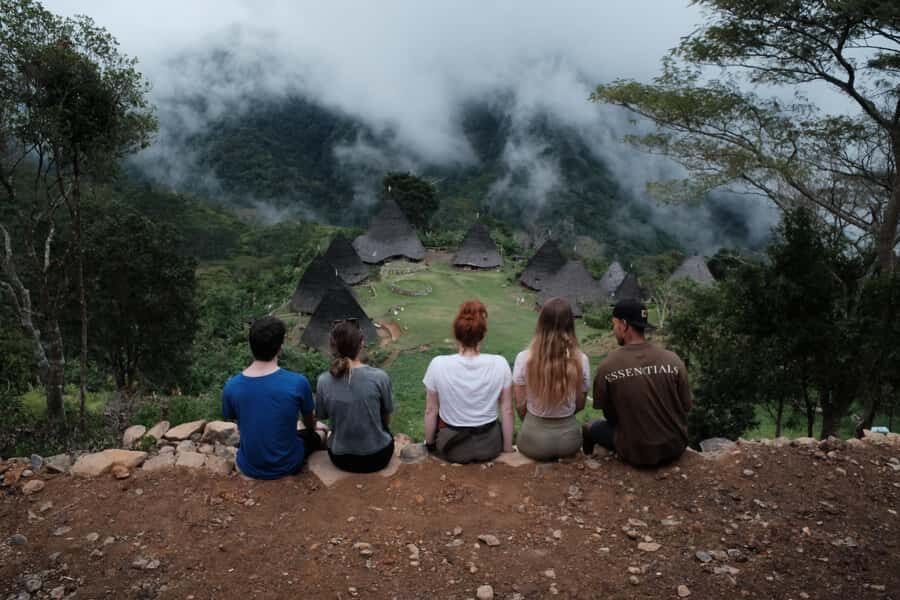
Wae Rebo sits in a corner of Flores that feels far from everything. The village is considered one of the best traditional communities on the island, and that reputation isn’t just marketing. You’re surrounded by mountains and forest, and the village itself feels like it was built for the weather and terrain, not for tourists.
What makes Wae Rebo special is the balance: you don’t just watch a view from a viewpoint. You learn how the village works—through walking routes, cultural stops, and stories explained by your guide. And because you spend the night inside the traditional cone-shaped homes (Mbaru Niang), you get the part many day trips miss: the slower rhythm of village life after the crowds settle.
This is also the kind of trip that changes how you look at Flores. Along the drive and trek, your guide points out local plants and explains the area’s culture and history—so when you reach the village, it lands with meaning, not just photos.
You can also read our reviews of more tours and experiences in Labuan Bajo.

Getting There: Labuan Bajo to Denge and the Ride on Rough Roads
Most of the “work” of this tour happens before you ever touch a trail. You’ll start with hotel pickup in the Labuan Bajo area, usually with a pickup window around 07:00–08:00. The day is long on purpose, because Wae Rebo isn’t next door.
From Labuan Bajo, you’ll go to Denge Village (roughly a 3-hour drive, and in practice you should plan for 3–4 hours depending on road conditions). Some guests describe the roads as really bad, with bumpy tracks, bridges, and winding routes. The good news: the tour includes a driver who’s used to these roads, and multiple reviews mention drivers who handled the journey calmly and safely.
At Denge, you’re not thrown into chaos. You’ll also get a meal break—brunch at Lembor—which matters because later you’ll be climbing. Then there’s a small transport step: you’ll take a taxi motorcycle from Denge to the Wae Rebo sanctuary entrance. It’s not glamorous, but it reduces wasted energy and helps you start the hike at the right point.
Two practical tips that make this part easier:
- Keep some cash and small bills handy. You’ll likely want snack or refreshment options if you get hungry between scheduled meals.
- Wear shoes you trust on uneven ground. The roads to Denge can be rough, and you’ll want stable footing once you’re off the vehicle.
The Trek to Wae Rebo: What the 5 km Uphill Feels Like
The trek is the main physical test of the whole experience. After arriving from the Denge area, you’ll hike toward Wae Rebo in the afternoon, with the plan calling for roughly 02:00 PM–05:00 PM trekking time.
In real terms, you should expect:
- A steep uphill climb (reviews often describe it as around a couple of hours, with one guest noting a 5 km ascending hike).
- Uneven trails where pace matters more than speed.
- Big payoffs as you climb—because you’ll get mountain views and jungle plants along the way, not just a treadmill workout.
This isn’t the place for sandals, or the “I’ll just try it” mindset. The tour encourages light, comfortable clothing plus waterproof gear, and you’ll be happier if your shoes are real hiking/running shoes with grip.
If you’re choosing between good photos and good pacing, prioritize pacing. Your guide will likely point out local plants and details, and you’ll enjoy that more if you’re not gasping every minute. And if you tend to get anxious around heights, treat that as a real consideration—this isn’t marketed as an easy stroll.
First Night in Mbaru Niang Cone Houses and the Waelu’u Welcome
Day 1 ends the way many people dream travel should end: you arrive, you’re welcomed, you slow down, and you sleep in a place that actually matches the village.
When you reach Wae Rebo, you’ll join a welcome ritual (Waelu’u) and have a drink—coffee or tea. This isn’t just a ceremonial checkbox. You’ll be guided into the village’s rhythms, and your guide’s storytelling helps you understand what you’re seeing and why it matters.
Then comes the best part for many visitors: the stay itself.
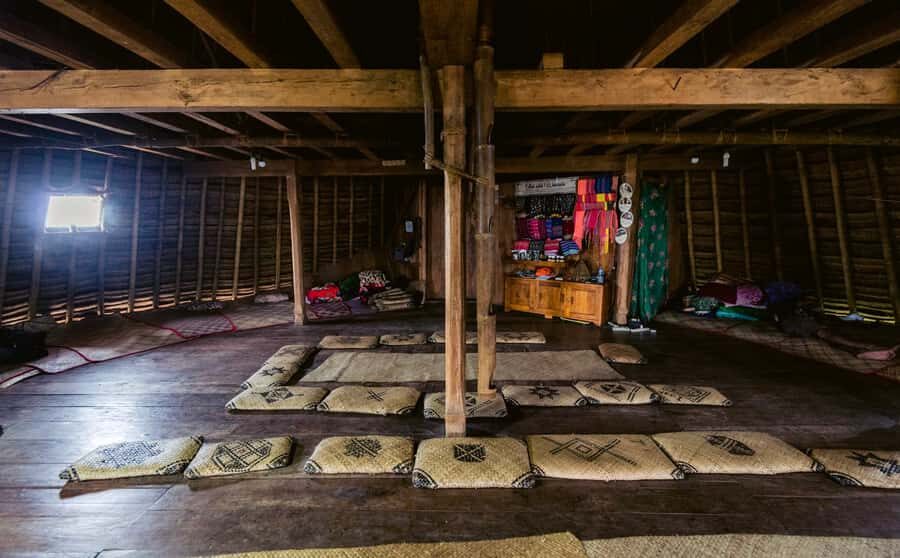
You’ll sleep in a Mbaru Niang, the cone-shaped traditional wooden house with a thatched roof that rises upward. It’s simple, not “comfort camping,” and that’s exactly why it feels authentic. Reviews repeatedly call the stay magical and note the primitive facilities as part of the experience—not a flaw in the tour.
After settling in, your evening includes:
- A cultural activity to help you understand village life
- Dinner with local people and other guests
- Time to rest once the day’s travel and walking catch up with you
A small but important note: the tour includes free-flow mineral water, and smoking and drinking alcohol are prohibited. That keeps things respectful in a community space.
What I like about the way this night is structured is that it doesn’t dump you into a schedule with no breathing room. You get welcomed, fed, and then you stop. Night in the village is part of the story.
Day Two Free Time, Possible Spider Web Rice Fields, and Heading Back
Day 2 starts early, but not brutally early: there’s a morning call and breakfast from about 06:00 AM–07:00 AM, then you get a free-program window from 07:00 AM–09:00 AM.
That free time is your chance to enjoy Wae Rebo without the pressure of constant narration. You can take photos, walk around, and absorb the village atmosphere while you still have cooler morning light.
Then it’s back down to Denge. The plan calls for leaving Wae Rebo around 09:00 AM–12:00 PM, followed by preparing for the return trip and lunch.
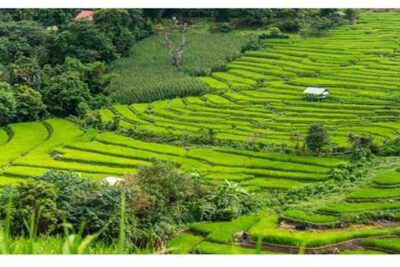
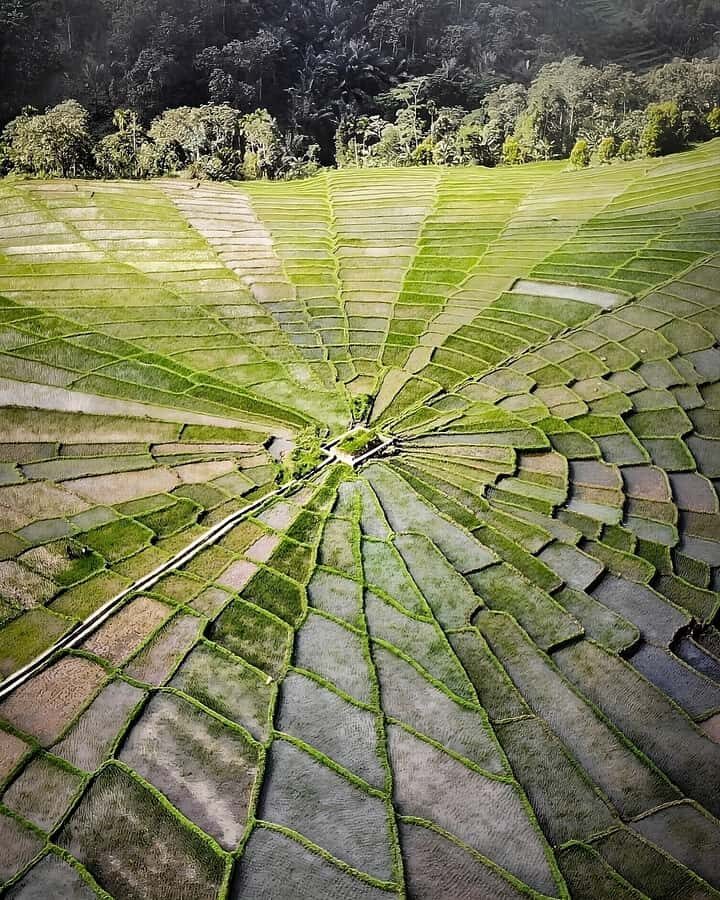
After that, there’s a bonus stop: Lingko Spider Web Rice Fields. The schedule makes it clear this is tentative and depends on time, route conditions, and whether the rice field harvest timing works out. So don’t count on it like it’s guaranteed, but if conditions are decent, it’s a meaningful cultural landscape feature tied to local agricultural patterns.
Finally, you’ll make the return to Labuan Bajo and end the tour around 03:00 PM–06:00 PM.


Guides, Local Meals, and Culture Moments That Make It Real
A lot of Flores tours sell views. This one is more about the why behind the views.
Your experience is shaped heavily by your English-speaking guide, and the reviews show a strong pattern: guides like Hardy, Freddy, Liann, and Ardis/Arditz are praised for being friendly, well-organized, and very knowledgeable about the culture, history, and local economy.
Here’s what “knowledgeable” looks like in a practical way:
- You don’t just get told facts. You’re shown where they fit into daily life.
- Your guide helps you connect the village traditions with what you see around you during the trek and in the community.
- Guides also point out plants and details along the walk, so the trail becomes informative, not just tiring.
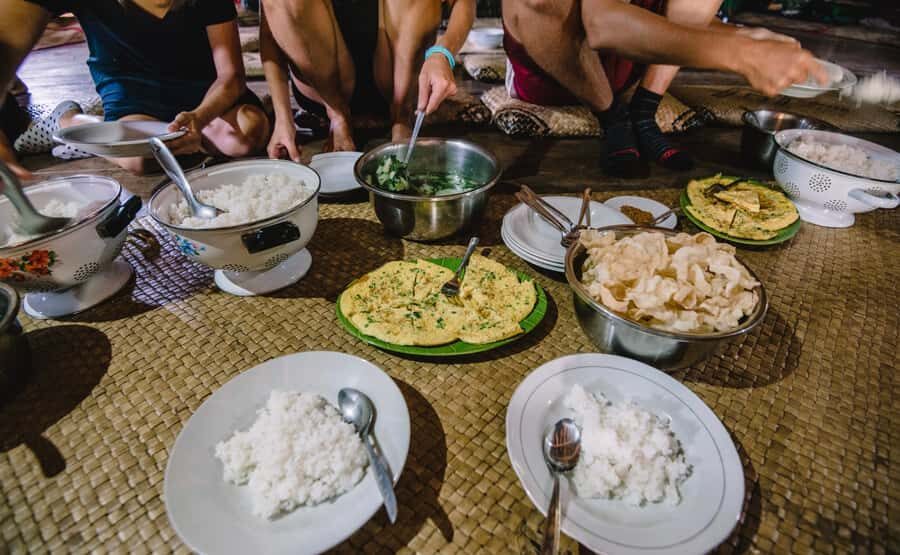
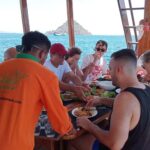
Food also plays a role. You’re covered with lunch on Day 1 and Day 2, dinner on Day 1, and breakfast on Day 2. That means you don’t have to hunt for meals after a long ride and hike. One reason that matters: after a trek, quick, reliable meals keep you from wasting energy searching.
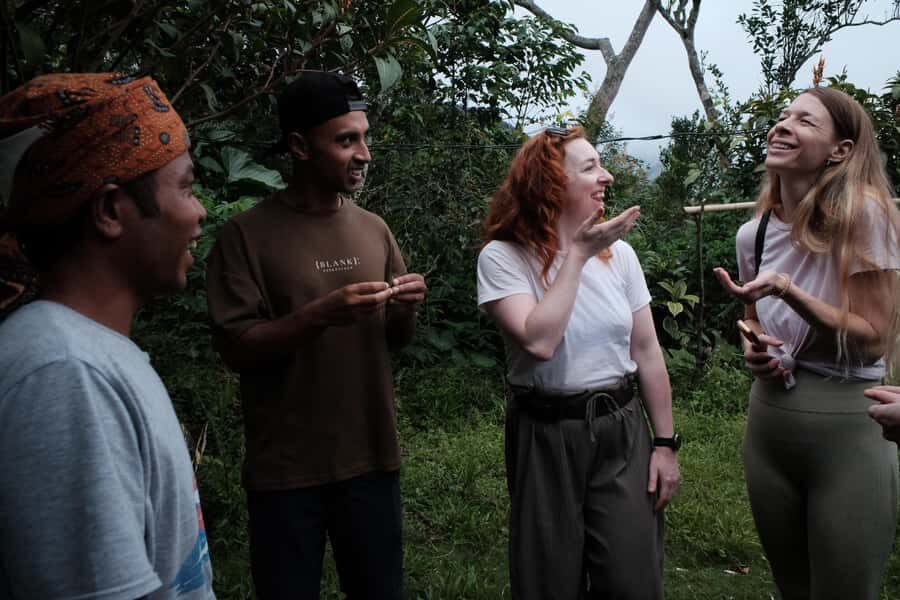
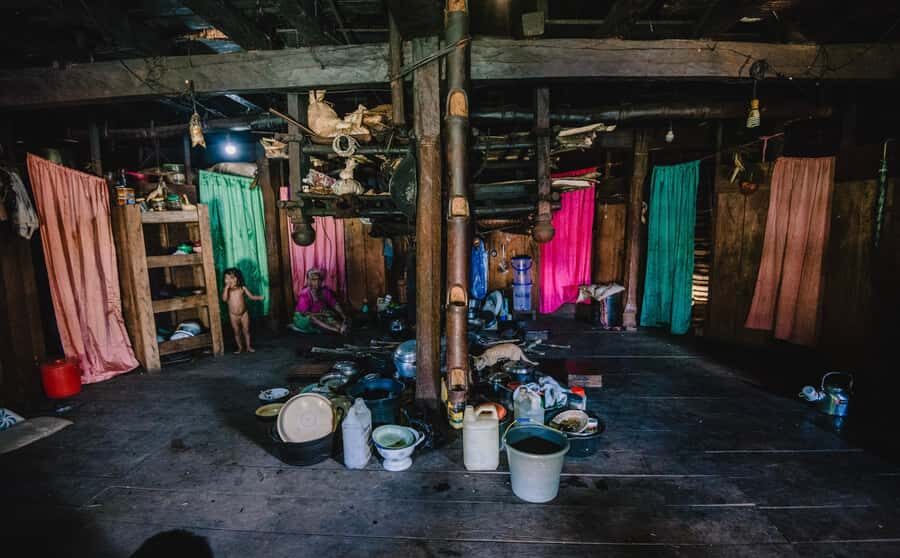
Several reviews also mention special moments like chatting with villagers in their homes and being guided into resident huts to see how they cook and live. That’s the kind of interaction that makes a remote village visit feel respectful rather than extractive.
And yes—photos matter here. Multiple guests mention guides who use professional cameras and even drones, helping you capture the village from angles you can’t easily get yourself.
Price Value at $146: What You’re Really Paying For
At $146 per person for 2 days, this isn’t the cheapest thing you can do from Labuan Bajo—but it’s also not just paying for a view.
Look at what’s included:
- Round-trip transfers from Labuan Bajo area
- One night accommodation in a local village house (Mbaru Niang)
- Meals: lunch Day 1 & 2, dinner Day 1, breakfast Day 2
- Admission to attractions and the Waelu’u ritual fee
- English-speaking guide
- Taxi motorcycle segment from Denge to the sanctuary entrance
- Insurance included
- Free-flow mineral water
When you price it like a “remote access” experience, the value makes more sense. You’re paying for the hard parts: getting to a difficult place, coordinating multiple travel segments, and including village fees and overnight logistics. A DIY plan would be much more complicated, and you’d be responsible for the coordination that makes the schedule work.
The one “cost” you should mentally budget for is personal comfort: the trip is physically demanding. If you go in expecting easywalking vacation energy, you might feel disappointed. If you go in prepared for effort, the price feels fair for what’s included.
What to Pack and How to Behave in a Remote Village
This tour gives you a packing list for a reason. The weather can turn, trails can get muddy, and you’re on foot.
Bring:
- Change of clothes
- Rain gear
- Hiking/running shoes
- Hat and sunglasses
- Camera
- Water (and remember mineral water is included)
- Jacket (layering helps)
- First aid kit and personal medication
- Cash
And wear:
- Light, comfortable clothing (dri-fit is suggested)
- Waterproof items for the day you’re on the trail
Behavior rules are clear and worth following:
- No alcohol or drugs
- No littering
- Don’t feed animals
- No explosive substances
- Smoking is not allowed
- Drinks in the vehicle aren’t allowed
- Party groups are not allowed
If you want the trip to feel respectful—and have the village welcome you warmly—your best tool is to keep your actions low-key and your attitude patient. A remote village visit is a two-way street.
Who This Tour Fits Best (and Who Should Skip It)
This tour isn’t for everyone, and the limits aren’t hidden.
It’s not recommended for:
- Pregnant women
- People with impaired physical mobility
- People with high blood pressure
- People with epilepsy or similar medical conditions noted by the operator
- People with vertigo or altitude sickness
- Wheelchair users
- People over 70, and especially over 80
Also:
- It is not stroller and wheelchair-accessible
So who should book?
- If you want a real village stay and you’re okay with a tough trek, you’ll likely love it.
- If you enjoy guided storytelling and cultural context (not just a check-the-box photo stop), this hits the mark.
- If you like meeting people and you’re curious about daily life, you’ll get more out of the experience.
If you’re unsure, be honest about your physical tolerance. A steep uphill trek plus a long driving day can tax you even if you’re generally fit.
Should You Book This 2D1N Wae Rebo Tour?
If your priority is Wae Rebo as a living culture, not just a day-trip view, I think you should book. The strongest reason is the combination: the overnight in Mbaru Niang, the Waelu’u welcome, the guided cultural explanations, and the fact that meals and village fees are handled for you.
Before you hit reserve, ask yourself two questions:
- Can I handle a steep uphill hike and a long day of driving?
- Am I excited to trade hotel comfort for a simple village night?
If the answer is yes, this tour is one of the more complete ways to reach Wae Rebo without turning your trip into a logistics puzzle.
FAQ
Is this tour shared with other people?
Yes. It’s an open trip, meaning you’ll join other guests on the same tour.
What meals are included during the 2 days?
Lunch is included on Day 1 and Day 2, dinner is included on Day 1, and breakfast is included on Day 2.
Do I stay inside the traditional cone-shaped house in Wae Rebo?
Yes. You’ll have 1-night accommodation in a local village house in Wae Rebo (Mbaru Niang).
How does transportation work from Denge to the Wae Rebo entrance?
You’ll take a taxi motorcycle from Denge to the Waerebo sanctuary entrance, then continue on foot toward the village.
Is the Lingko Spider Web Rice Fields stop guaranteed?
It’s tentative. It’s planned for Day 2 if there’s enough time and if the route and rice field harvest conditions are decent.
Do I get picked up from my hotel in Labuan Bajo?
Yes. Hotel pickup and drop-off are included, covering hotels within the Labuan Bajo area. Your operator will reconfirm the pickup time in advance.