You can spot orangutans from a slow-moving boat. This 4-day private kelotok ride up Borneo’s rivers is built around calm animal viewing, from Tanjung Puting National Park to the famous Camp Leakey area, with guides like Ana and Alan (also known as Alanconda) helping you read the rainforest.
I especially love two things: the chef-cooked meals served on board every day, and the way the crew keeps the boat moving slowly so you actually get time to watch primates and birds without feeling rushed.
One possible drawback: the animal-center rules are strict—no touching and no talking at the sites—so you’ll need to stay calm and quiet even when the action is amazing.
In This Review
- Key Highlights You’ll Feel on This Tour
- A Private Klotok Ride That Fits the Animals’ Schedule
- Price and Value: What $591 Buys You in Borneo
- Who This 4-Day Orangutan Boat Trip Is For
- Day 1 in the Kumai and River Life Zone: Arrival to Tanjung Puting
- Day 2 at Camp Leakey: The Rehabilitation Story You Can See
- Day 3: Pondok Tanggui, the 9:00 Feeding Window, and Optional Jungle Time
- Day 4: Downstream Wildlife Watching and Back to Pangkalan Bun
- Your Floating Home: Meals, Crew Service, and a Slow Boat Rhythm
- Animal Center Etiquette: No Touching, No Talking (and Why You’ll Be Happier With It)
- The Tree-Planting in Your Name: A Small Act With a Real Link
- Practical Tips to Make Your Sightings Go Better
- Should You Book This Orangutan Kelotok Tour?
- FAQ
- What’s included in the tour price?
- Do I need to buy tickets separately for the national park or camps?
- Is this tour private or shared?
- What are the rules at the animal centers?
- Is an optional night trek included?
- What about food options for vegetarians?
- Are alcoholic drinks included?
- How far in advance can I cancel for a refund?
Key Highlights You’ll Feel on This Tour
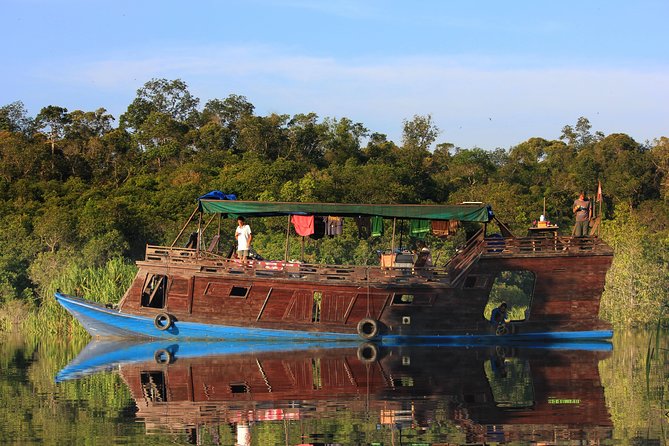
- Private boat pace: small-group touring (max 12) that slows down for wildlife moments
- Orangutan viewing at feeding/recovery sites: frequent chances to see orangutans from platforms and along the river
- Camp Leakey access: a stop tied to the long-running orangutan rehabilitation work connected to Prof. Birute MF. Galdikas
- Optional night trek: time in the jungle after dark to look for nocturnal creatures
- On-board meals plus snacks and coffee: food included for breakfast, lunch, and dinner
- Tree-planting in your name: a tangible, rainforest-support gesture linked to orangutan feeding enrichment
A Private Klotok Ride That Fits the Animals’ Schedule
This is not a sprint through Borneo. It’s a 4-day houseboat-style kelotok trip, where the day’s rhythm follows the best viewing windows—especially the morning feeding times at orangutan spots. That matters, because primates don’t show up on human demand.
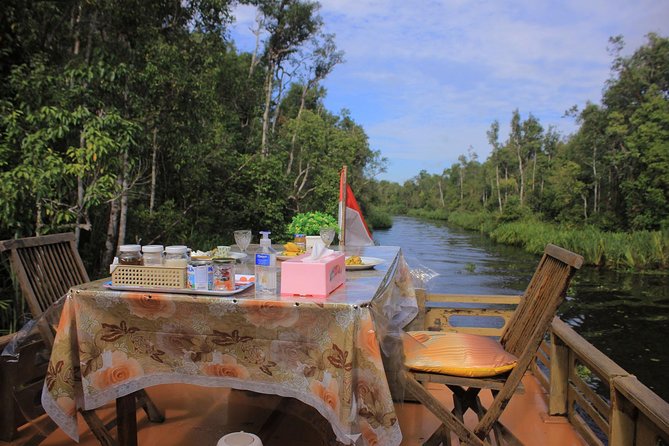
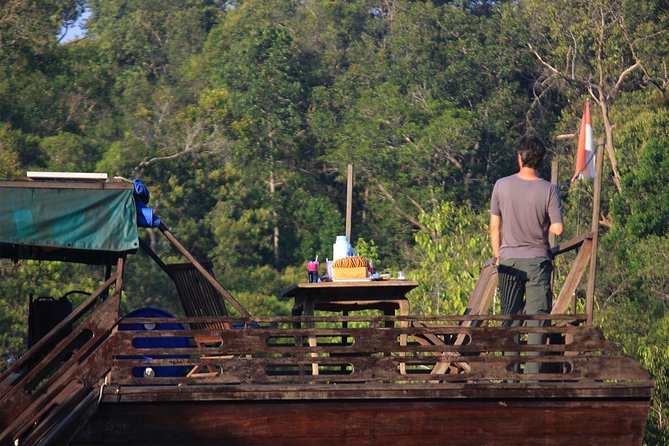
What you get for the price is a blend of comfort and access. You’re cruising on a wooden boat, with an on-board chef handling meals, while you stop at key areas such as Tanjung Puting National Park sites and Camp Leakey. And because it’s private (only your group), you’re less stuck in the slow-moving shuffle of a big bus day.
You can also read our reviews of more tours and experiences in Pangkalan Bun.
Price and Value: What $591 Buys You in Borneo
At $591 per person, this tour sits in the mid-to-higher range for Indonesia. The value comes from the combination: a multi-day private river cruise, entrance permits/tickets for traveler/camera/boat, meals (3 breakfasts, 3 lunches, 3 dinners plus snacks, coffee and pops), and round-trip transfer support from Pangkalan Bun or Kumai.
Where the price feels most justified is the “total package” feel:
- You don’t spend your time organizing meals.
- You don’t need to coordinate multiple transport legs yourself.
- You’re paying for guides who help you spot wildlife and understand what you’re seeing.
- The itinerary is timed for orangutan feeding/recovery viewing, not random stops.
That said, there are a couple things to plan for. Alcohol is not included, and if you want to film with a drone you’ll need the right permit (SIMAKSI is not included). Also, the tour does require a minimum number of travelers—if that minimum isn’t met, the date/experience can change or you can get a full refund.
Who This 4-Day Orangutan Boat Trip Is For
This tour is a strong match if you want wildlife watching in a way that respects the animals’ space. The rules are part of the deal: at the centers, no touching and no talking. If you’re the kind of traveler who enjoys quiet observation—binoculars, slow scanning, patient waiting—this will feel rewarding.
It’s also a good fit for:
- Families with children age 3+ (kids must be with an adult)
- Couples who want a private boat experience
- Birdwatchers and nature lovers who like primates, birds, and river fauna beyond just orangutans
If you’re hoping for lots of social noise, heavy nightlife, or casual interaction with animals at close range, this is not that kind of trip. Here, you watch from allowed areas, follow the staff’s guidance, and let the rainforest do its thing.
Day 1 in the Kumai and River Life Zone: Arrival to Tanjung Puting
Day 1 starts when you arrive in Pangkalan Bun. You’ll be met and transferred to Kumai to board the kelotok. Before you even reach the main national park areas, you’ll cruise river sections where you can see everyday life along the water.
Once you leave the Kumai River, you head toward areas like the Sekonyer River. This leg isn’t just travel time. It’s where you’ll often start picking up the “Borneo signals” first—birds, movement in the trees, and the sense that the boat is sliding through a living corridor.
What I like about Day 1 pacing is that it doesn’t land you in the deep end right away. You settle into boat life, you get used to the slow cruising style, and you build momentum toward the more focused primate stops on later days.
Day 2 at Camp Leakey: The Rehabilitation Story You Can See
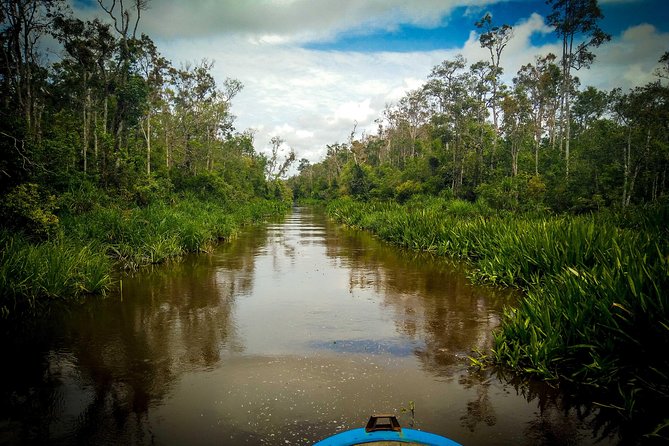
Camp Leakey is one of those names you’ll hear over and over when people talk about orangutan conservation. Here, you’ll go by boat to reach the camp area, including a side-creek cruise through tea-colored water—exactly the kind of detail that makes you feel like you’re actually moving through the habitat rather than just being transported to a viewpoint.
This is also where the story behind the camp matters. The stop is connected to long-term orangutan rehabilitation work that Prof. Birute MF. Galdikas began studying in the early 1970s. Even if you don’t memorize every date, you’ll feel the purpose: you’re not just watching animals for photos. You’re seeing conservation in action.
One practical note: at these centers, the no-touching and no-talking rules help keep the animals calm and reduce human pressure. You’ll do better on Day 2 if you treat it like a quiet viewing session with strict boundaries, not like an attraction where you can lean in.
Day 3: Pondok Tanggui, the 9:00 Feeding Window, and Optional Jungle Time
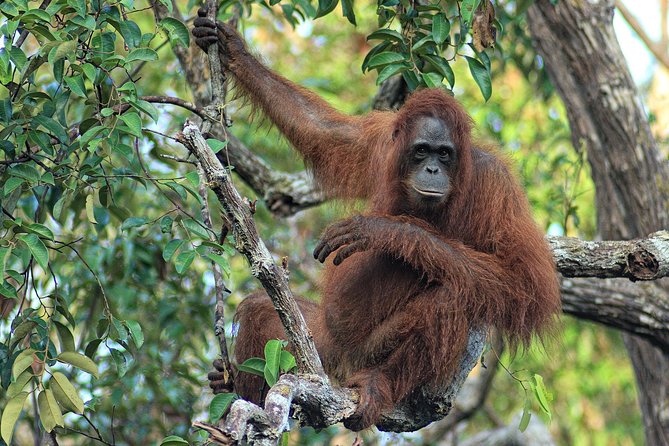
Day 3 is built around a morning rhythm. After breakfast, you head to Pondok Tanggui, where orangutan feeding is scheduled for 9:00 AM. If you’re the kind of person who wakes up early on purpose, you’ll enjoy this day. The morning timing often lines up with better wildlife activity.
After the feeding session, there’s an optional jungle walk for about 2 hours. This is where your experience can feel more like “being in the forest” rather than only watching from the boat. You’ll want sturdy shoes and a willingness to move at a jungle pace (not a city pace). If you choose the walk, you’ll typically get a different view of how the forest layers sit on top of each other—where birds call from, where primates travel, and what kinds of plants show up near the trails.
The rest of the day continues with river cruising and wildlife spotting time. The crew’s approach is part of what people rave about: they keep an eye out while you move, then they’re ready to stop when the chance appears—so you’re not just waiting for the next scheduled stop.
Day 4: Downstream Wildlife Watching and Back to Pangkalan Bun
After breakfast, you’ll have around 2 hours of wildlife spotting while the boat slowly cruises downstream toward Kumai. This downstream segment is one last chance to see what you might have missed earlier: different birds, more movement along the trees, and the kind of “one more sighting” moment that makes the last morning feel special.
Then you leave Kumai in the morning and get transferred back to Pangkalan Bun for your hotel or airport. The schedule guidance is that you’ll generally be taken back before 12:00 PM on your last day, with some flexibility.
If your flight timing is tight, plan to be flexible on Day 1 too. It’s preferable to arrive before 1:00 PM on the first day so the flow from airport to boarding isn’t rushed.
Your Floating Home: Meals, Crew Service, and a Slow Boat Rhythm
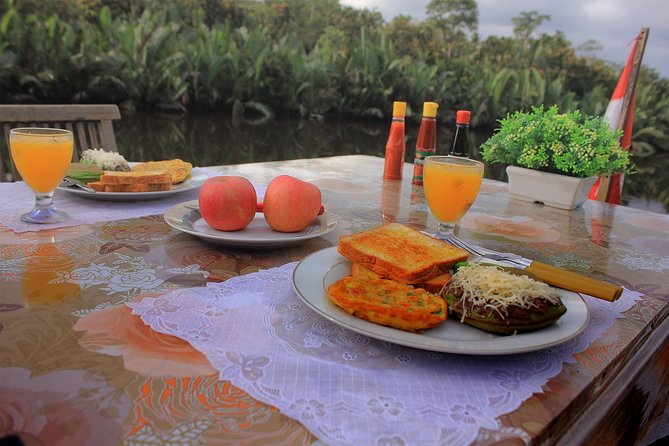
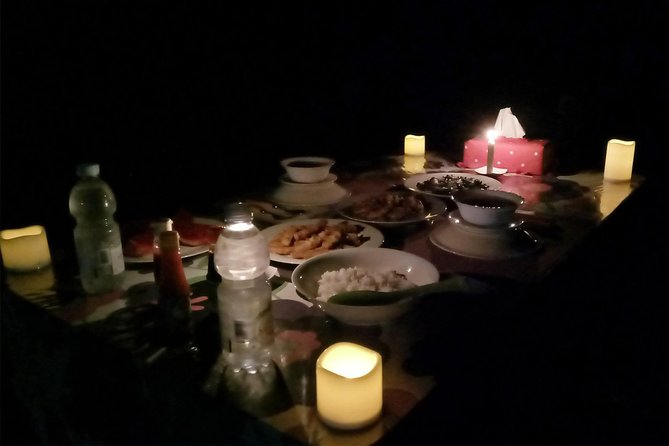
This is the part I’d call the practical comfort win. You sleep aboard the boat, and meals are handled for you—3 breakfasts, 3 lunches, 3 dinners, plus snacks, coffee, and pops. Vegetarian meal options are available, so you’re not stuck trying to piece together meals after a long day in the jungle.
From guest impressions, the boats are described as clean and comfortable. Some mention convenient charging for camera batteries, and mosquito nets show up in how people describe the beds. Even when your day is outdoors-heavy, the boat becomes a real reset: shower/change time, food arrives without you planning it, and you can rest while the boat team manages the day-to-day.
The crew’s “modus operandi” (their method) is worth highlighting: cruising slowly so everyone has time to watch, then stopping when animals are spotted. That reduces the stress of frantic searching and turns the day into a series of calm sightings.
Animal Center Etiquette: No Touching, No Talking (and Why You’ll Be Happier With It)
The rules at the centers are clear: no touching and no talking. It can feel strict at first, especially if you’re excited and want to chat while you watch. But it also makes the experience better. Quiet viewing reduces noise and helps keep the animals at ease.
Also, you’ll notice how much easier it is to spot wildlife when you’re not talking. Keep your movements slow, listen for calls, and let the guide’s pointing do the work. Even if you’re focused on photography, you’ll get the most out of it by treating these stops like controlled viewing zones rather than a free-for-all.
If you’re traveling with kids, this rule is even more important. A good strategy is to set expectations early: we watch quietly here, we don’t chase, and we let the animals choose whether they come close.
The Tree-Planting in Your Name: A Small Act With a Real Link
One of the most memorable “non-photo” moments is the chance to plant a tree in your name. The tour ties this to a forest planted to enrich the orangutans’ diet.
It’s not a magic fix for conservation, but it’s a meaningful add-on. For many people, it gives the trip a long tail: you leave with an action tied to rainforest support, not just a few hours of wildlife viewing.
If you like experiences that combine wonder with something tangible, this is the kind of extra that makes the trip feel more purposeful.
Practical Tips to Make Your Sightings Go Better
A few real-world habits help on a river wildlife trip like this:
- Bring a light but real rain plan. Tropical weather can swing fast, and you’ll spend hours outdoors or semi-outdoors.
- Pack for quiet viewing. Small gestures matter. Keep your voice down and expect to be asked to follow center rules.
- Use camera strategy, not camera frenzy. You’ll get better results by waiting for the moment than by constantly moving.
- Arrive on time for boarding. The guidance says arriving before 1:00 PM on Day 1 is preferable, and you’ll be taken back before 12:00 PM on Day 4.
- Plan drone expectations carefully. Drone filming requires a permit, and SIMAKSI is not included.
- If you’re a vegetarian, say so early. Vegetarian meal options exist, but you’ll want your needs clearly on the booking.
If you like, you can also note the guide styles you respond to. Names like Ana and Alan (Alanconda) show up in guest experiences, which is a good sign that the guiding element is taken seriously. A strong guide helps you translate movement in the canopy into something you can actually identify.
Should You Book This Orangutan Kelotok Tour?
I’d book it if you want a private, multi-day boat trip focused on real wildlife viewing—orangutans included—under rules that protect the animals. The value is strongest when you factor in: meals all days, entrance permits, transfers, and a schedule built around viewing windows like the 9:00 feeding time.
I’d think twice if you hate quiet rules at animal centers or if you expect a more social, high-energy interaction style. The trip is about patience and observation, not “mingling.”
If you’re traveling with a child (age 3+) or you want a memorable rainforest experience that feels cared for—clean boat, attentive crew service, and a calm viewing pace—this 4-day Pangkalan Bun to Tanjung Puting and Camp Leakey route is a strong choice.
FAQ
What’s included in the tour price?
Meals are included (3 breakfasts, 3 lunches, 3 dinners, plus snacks, coffee, and pops), along with return airport or accommodation transfers in Pangkalan Bun or Kumai. Entrance permits/tickets for traveler, camera, and boat are included too.
Do I need to buy tickets separately for the national park or camps?
The tour includes entrance permit/tickets (including traveler, camera, and boat). You don’t need to purchase separate admission based on the info provided.
Is this tour private or shared?
It’s a private tour/activity. Only your group participates, with a maximum of 12 people per booking and a minimum of 2 people.
What are the rules at the animal centers?
At the centers, there is a rule set to protect the animals: no touching and no talking is allowed.
Is an optional night trek included?
The night trek is described as optional, with the aim of seeing nocturnal creatures. The rest of the trip includes scheduled feeding and wildlife viewing.
What about food options for vegetarians?
Vegetarian meal options are available.
Are alcoholic drinks included?
Alcoholic drinks are not included. They’re available to purchase.
How far in advance can I cancel for a refund?
You can cancel up to 6 days in advance for a full refund. If you cancel 2–6 days before, you get a 50% refund. Cancel less than 2 days before the start time and you won’t receive a refund.