Shipwreck snorkeling in Amed is surprisingly easy. This 5-hour plan links Bali’s east coast beaches with a boat ride to the Amed wreck area and a couple of high-score snorkel stops, so you spend your time in the water, not guessing. I really like the small-group feel (up to 9 people), which keeps things calmer when you’re suiting up and moving between spots.
What I like even more: you get snorkeling gear and a friendly English-speaking guide, so you’re not stuck figuring out equipment last minute. The one catch is weather and water clarity. On a day with murkier water, it can be harder to clearly see parts of the shipwreck, and your best plan is to stay flexible and enjoy the fish-and-coral snorkeling even if the wreck view isn’t perfect.
In This Review
- Key highlights you’ll care about
- Amed and the Japanese Shipwreck Point: why this snorkeling day works
- Pickup, timing, and getting to Lipah Beach with air-conditioned comfort
- Boat ride to the Amed wreck area: what your morning feels like
- Japanese Shipwreck Point snorkeling: coral on the ship and real spotting chances
- Lipah Beach and Vienna Beach: calm water, white sand vibes, and fish variety
- Gear, guide, and the small-group advantage
- Lunch on your terms and what to bring for a comfortable sea day
- Price and value: what $44 covers (and why it’s not just the snorkel)
- Who should book this Amed trip, and who should skip it
- Should you book the Amed Japanese Shipwreck snorkeling tour?
- FAQ
- How long is the Amed snorkeling trip to the Japanese shipwreck?
- Where does the tour go for snorkeling?
- How much does it cost?
- Is snorkeling gear included?
- Is lunch included in the price?
- Do I get hotel pickup and drop-off?
- What is the meeting point policy if I’m running late?
- Is the tour guide English-speaking?
- What transportation is used?
- Is this tour suitable for people with mobility impairments?
- Can I cancel and get a refund?
Key highlights you’ll care about
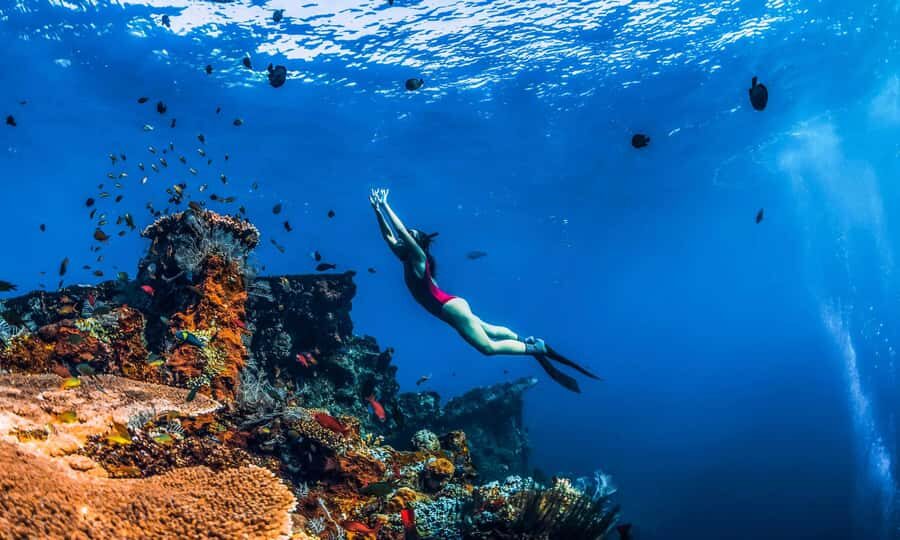
- Japanese Shipwreck Point: A focused snorkeling stop with the ship itself, plus coral growth around it
- A boat ride over clear water: You start from Lipah Beach and cross to the wreck area
- Multiple east-coast snorkel spots: Japanese Shipwreck Point, Lipah Beach, and Vienna Beach in one outing
- Up to 9 people: Less crowd pressure, more time to get comfortable in the water
- Gear provided: Mask, snorkel, fins, and a life vest if you need one
- Air-conditioned transport (optional pickup): Makes the morning transfer much easier
Amed and the Japanese Shipwreck Point: why this snorkeling day works
This trip is built around one big idea: Bali snorkeling is best when you minimize logistics. You’re not driving around looking for the right beach at the right time. Instead, you get a morning pickup option, a transfer to Lipah Beach, then a boat ride to the Amed wreck area. After that, you keep moving to another snorkel spot and end at Vienna Beach.
The payoff is variety. A wreck site gives you a different underwater “set” than a sandy bay. You get a chance to watch coral attached to something man-made, then shift to beaches where the water often feels calmer for relaxed snorkeling. The structure also matters. You snorkel in time blocks, not all day in one place, so you can enjoy the reef without feeling fried.
And yes, the wreck has a big draw. The coral growing over the sunken ship is the headline. But even when the wreck view isn’t crystal clear, the water can still offer a strong mix of reef fish and other marine life.
You can also read our reviews of more tours and experiences in Amed.
Pickup, timing, and getting to Lipah Beach with air-conditioned comfort
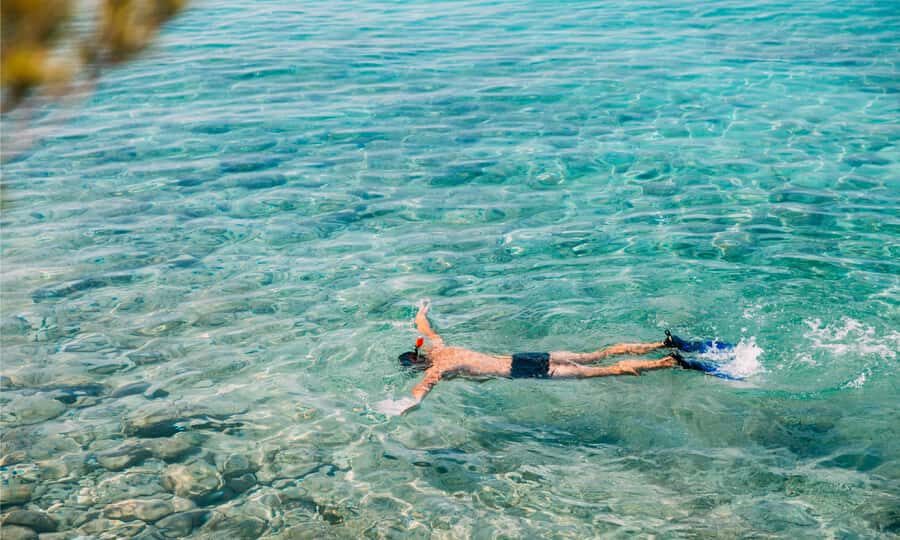
Your day starts with a pickup option (if you choose it). The driver contacts you the evening before to confirm the exact pickup time, which helps a lot when your schedule is already crowded. If you’re not using pickup, you’ll meet at one of the listed drop-off locations and should plan to arrive about 10 minutes early.
That 10-minute rule is worth respecting. The group moves on to the next stop, and the guide only waits up to 10 minutes. Morning traffic on Bali can be unpredictable, and travel times on maps can be overly optimistic. I’d rather you show up a little early than spend the first part of your trip stressed.
Once everyone’s together, the transfer portion takes time—about 1.5 hours and then another transfer segment of around 1 hour in the day’s flow. The good news is that transport is in an air-conditioned vehicle if you selected that option. After a hotel wake-up, that comfort is a quiet upgrade.
Boat ride to the Amed wreck area: what your morning feels like
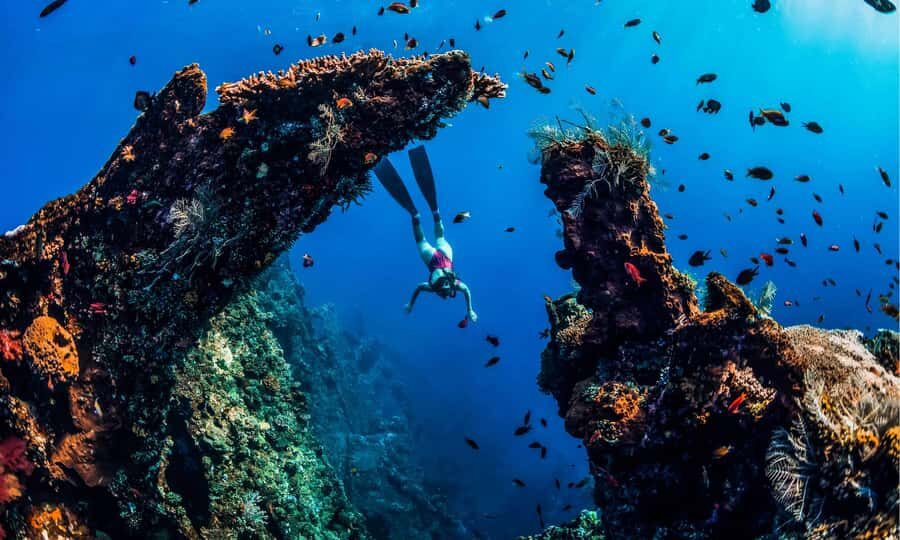
From Lipah Beach, you board a traditional boat and head across to the wreck area. This part is short enough to keep it fun, but long enough for your brain to switch from land travel mode to sea-visit mode.
The boat ride matters because it changes what you can see. You’re going out into open water where the reef and the wreck are positioned, instead of trying to do everything from one shoreline point. The plan also implies calm rhythm: you travel, then you snorkel, then you move again.
The water quality is the variable. In general, you’re looking for clear, inviting conditions. Still, conditions can shift during the day. One reason I like this tour style is that even if visibility is less than perfect, the day doesn’t collapse into a single disappointment. You have more than one snorkel stop to balance the experience.
Japanese Shipwreck Point snorkeling: coral on the ship and real spotting chances
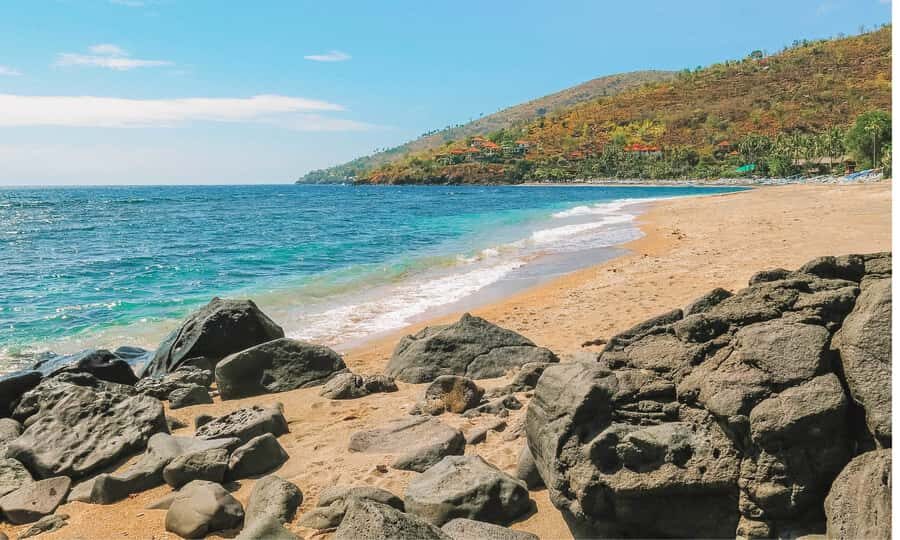
This is your main snorkeling anchor: Japanese Ship Wreck Point, with about 1.5 hours in the water. The concept here is simple but powerful. A wreck is a built-in structure, and in the ocean, structure equals life. Coral grows over it, fish hang around it, and sea creatures often treat it like a natural landmark.
You can expect a good chance of seeing reef fish and coral. The highlights also mention the possibility of spotting parrotfish and turtles, and even manta rays depending on conditions. The key point for you: these aren’t guarantees, but they’re plausible targets in this area and this kind of site.
One practical truth: if the water turns cloudy, the wreck can look less defined. That’s not a tour “failure.” It’s the ocean. On lower-visibility days, the guide’s job becomes more about making the most of what you can see—fish behavior, coral patches, and any nearby movement that could be a turtle passing through.
The snorkeling format helps here too. You’re not rushed. You get time in one spot to adjust, float, and look around. If you’re the type who likes to scan steadily instead of panicking at the first sighting, you’ll probably do well.
Lipah Beach and Vienna Beach: calm water, white sand vibes, and fish variety
After the wreck stop, the tour shifts to Lipah Beach for about 1 hour of snorkeling. Lipah tends to feel like a change of pace from the structured wreck area. Here, you’re more likely to enjoy a relaxed swim over reef and fish activity close to shore or in easier-to-read sections of water.
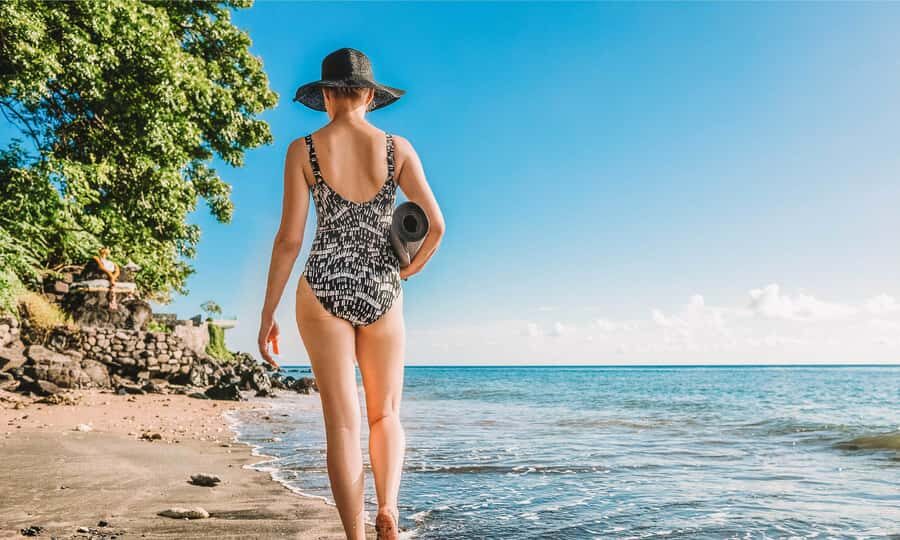
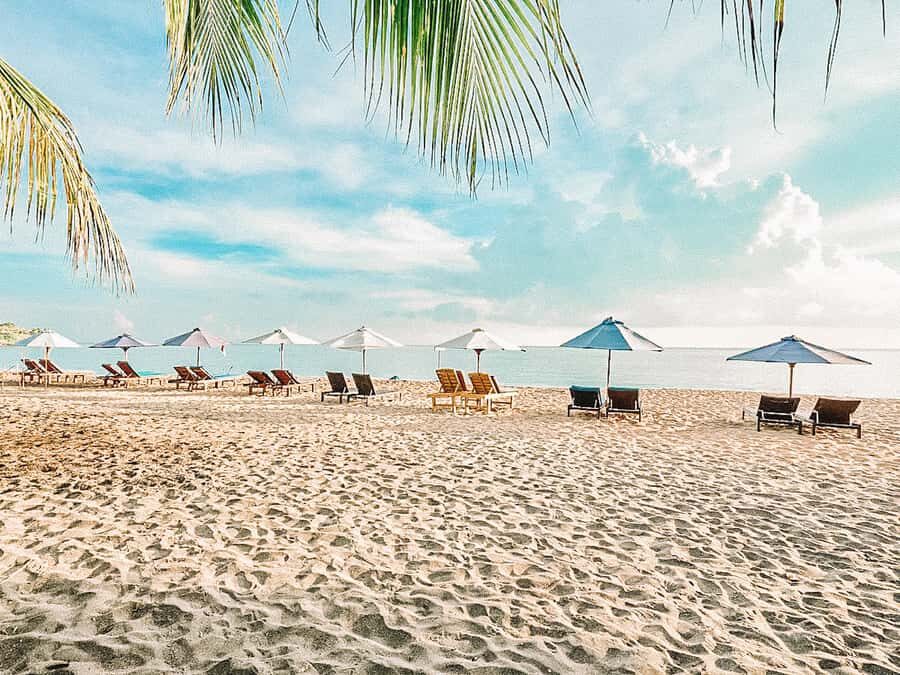
Then, later in the day, you head to Vienna Beach. The description calls it a paradise-style beach with white sand and calm waters, and it notes unique marine life. Even if Vienna is more “beach snorkel” than “wreck snorkel,” it’s valuable because it rounds out the day. One site gives you structure; another gives you a calmer underwater experience.
Why this combo is a smart use of a limited trip day: it reduces the odds that one single spot defines your whole memory. If the wreck is hard to see, Vienna and Lipah can still deliver rewarding underwater moments. If Lipah is calmer than you expected, Vienna can feel like the final soft landing.
And there’s another small win: these are all on Bali’s east coast, so you’re staying in one region instead of burning half your day changing roads.
Gear, guide, and the small-group advantage
This is one of the easiest tours to join because snorkeling gear is included. That typically means you’ll be given a mask, snorkel, and fins. If you want extra help for buoyancy, there’s a life vest option. For many people, that’s the difference between snorkeling feeling comfortable versus feeling like a workout.
The guide is professional and speaks English. Based on what I’d watch for when choosing any snorkeling tour, here’s your practical checklist: can you ask simple questions, do you understand the safety basics, and does the guide keep the group organized? With this tour, the setup is built for that—so you’re not stuck guessing where to go after the boat ride.
Group size is the other quiet advantage. Up to 9 people keeps the flow manageable. You’re less likely to have a dozen people crowding a single entry point. It also makes it easier for the guide to notice who’s comfortable and who needs a minute before getting in.
One more detail worth noting: you’ll get mineral water, and lunch is available on your own expense. Small, but it helps keep energy steady.
Lunch on your terms and what to bring for a comfortable sea day
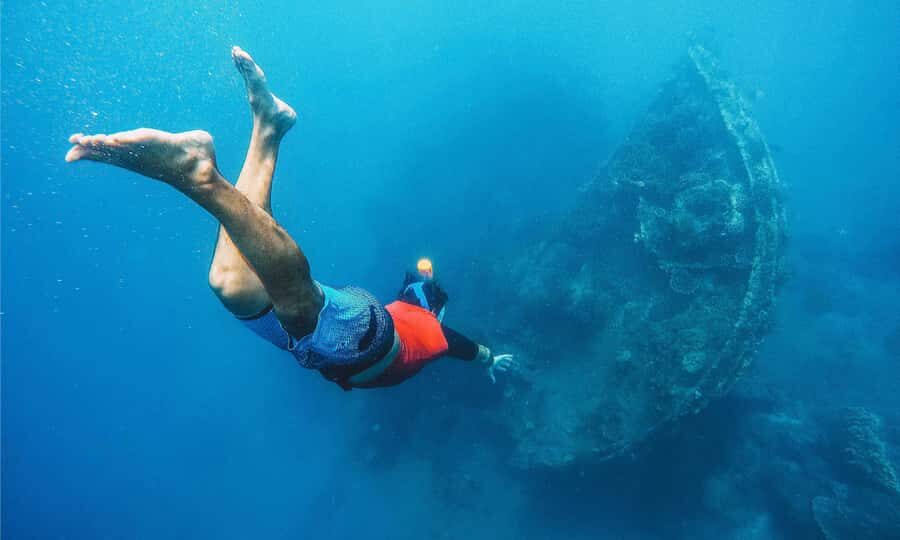
You’ll stop at a local restaurant for lunch, and it’s on your own cost. That gives you control over what you eat, which matters because snorkeling can make you hungry in a hurry.
Since lunch isn’t included, I’d plan for cash. The tour info specifically calls for bringing cash, plus the usual beach-day kit: swimwear, a change of clothes, a towel, sandals, a camera, sunscreen, and cash. If you’ve ever done a beach tour where you forgot sunscreen, you already know how fast that becomes a regret.
A couple of comfort tips that fit this exact schedule:
- Bring a towel you’re okay getting sandy.
- Wear sandals with a strap so you can handle wet surfaces.
- Pack sunscreen even if you think clouds will help. East coast sun can be sneaky.
- Keep your camera accessible for the moments you’ll want to share right away.
Also, the day runs tight enough that a towel and dry clothes ready at the end are more than convenience. They’re how you avoid the uncomfortable “wet-to-transport” feeling.
Price and value: what $44 covers (and why it’s not just the snorkel)
At $44 per person, this tour prices itself as a value option for a half-day sea outing in Amed. The main reason it feels fair is what’s included: pickup and drop-off if you choose that option, air-conditioned transport if selected, a guide, insurance, snorkeling gear, a boat ride, local fees and taxes, and mineral water. You’re also covered for local costs that often get added at the last second on independent plans.
The only major thing not included is lunch and personal expenses. That’s pretty standard for tours, but it’s still the part you should budget for separately.
If you’re weighing DIY versus tour: the tour saves time. You’re handed the route, the schedule, and the equipment. For many people, that matters more than saving a few dollars. And because there are multiple snorkeling stops, the cost is spread across a full morning, not a quick in-and-out.
That also means you should use the time well. Ask the guide questions before you enter the water. Listen for any safety instructions. If you do that, you’ll get more snorkeling time that feels confident rather than chaotic.
Who should book this Amed trip, and who should skip it
This tour is a good match if you want:
- A structured 5-hour snorkeling day without rental headaches
- The chance to visit the Japanese Shipwreck Point and then relax at other beach snorkel areas
- A small group (up to 9), so the pace stays friendly
It’s also a solid pick if you’re staying around Amed or can do pickup. Even if you don’t opt for pickup, the meeting point approach is straightforward.
It’s not suitable for people with mobility impairments, based on the tour info. That’s a real planning factor because you’re moving between vehicles, beach access, and boat steps.
If you’re a strong swimmer, you’ll probably enjoy the ride and time in the water even more. If you’re not a confident swimmer, the included life vest can help, but the tour still assumes you can participate in typical snorkeling activities.
Should you book the Amed Japanese Shipwreck snorkeling tour?
I’d book it if you want one clean answer to a common problem: where do I snorkel in Amed without turning my day into transport logistics? The tour’s value is in the combination—wreck-focused snorkeling plus beach snorkeling later, guided and equipped, with air-conditioned land travel and a short boat ride.
I’d think twice if your heart is set on seeing every detail of the ship clearly no matter what. On days when visibility drops, you may not get a perfect wreck view. Still, the tour doesn’t leave you stranded with nothing. The plan includes other snorkel stops where marine life and reef features can still make the day worthwhile.
If you’re the type who likes calm planning and good setup—gear ready, group size controlled, and a guide handling the transitions—this is the kind of tour that fits.
And if the water does give you a clear look at the shipwreck and coral, you’ll likely leave with that rare mix: something iconic to point at, plus the feeling of floating over real reef life.
FAQ
How long is the Amed snorkeling trip to the Japanese shipwreck?
The duration is 5 hours.
Where does the tour go for snorkeling?
You’ll visit the Japanese Ship Wreck Point, Lipah Beach, and Vienna Beach, plus the day includes other snorkel spots around Amed Beach and the area.
How much does it cost?
The price is $44 per person.
Is snorkeling gear included?
Yes. Snorkeling gear is included, and it can include items like a mask, snorkel, fins, and a life vest if needed.
Is lunch included in the price?
No. Lunch is available at a local restaurant, but it’s not included, so you’ll buy it at your own expense.
Do I get hotel pickup and drop-off?
Pickup and drop-off are included if you select the option. If not, you’ll meet at the listed meeting point.
What is the meeting point policy if I’m running late?
Your guide waits a maximum of 10 minutes. Heavy morning traffic is expected, so plan extra time.
Is the tour guide English-speaking?
Yes, the tour includes a live English-speaking guide.
What transportation is used?
If you select pickup/transport, you travel by air-conditioned vehicle. You’ll also take a traditional boat ride as part of the snorkel day.
Is this tour suitable for people with mobility impairments?
No. It is not suitable for people with mobility impairments.
Can I cancel and get a refund?
Yes. Free cancellation is available up to 24 hours in advance for a full refund.