Golden-water snorkeling in Amed is rare. This tour strings together four snorkeling stops plus cultural sights like Tirta Gangga, so your day feels like more than just another reef swim. I especially like that the plan is flexible and guided, meaning you’re not guessing where to go once you’re in the water.
Two standouts: you’ve got a shot at sea turtles at Turtle Point, and you also visit the WWII-era Japanese Shipwreck, which is now a thriving marine habitat. The guide format matters here—people highlight how the crew helps you line up the best spots and even captures footage for you.
One consideration: conditions and visibility can change, so the shipwreck can be clear and full of life one day and less impressive the next. Also, the trip isn’t for weak swimmers, and it’s not the one I’d choose for anyone who can’t handle time in open water.
In This Review
- Key highlights you’ll care about
- Bali Amed’s Japanese Shipwreck and Turtle Point: why this day feels different
- The price: $40 is the value lever here
- Before you go: what to bring and what matters most
- Getting to Amed: transfers, shared rides, and realistic timing
- The boat setup: lockers, changing room, and a small-crew feel
- Stop 1: the WWII Japanese Shipwreck (and why visibility can be hit or miss)
- Stop 2: Turtle Point sea turtles—how to maximize your chances
- Stop 3: the underwater temple area—coral, fish, and respectful behavior
- Stops 4: Lipah Bay and Jemeluk Bay—how the bays change what you see
- Bread feeding and why it’s part of the show
- The longer option: Tirta Gangga and Virgin Beach stops
- The guide and driver factor: names you might meet and why it matters
- What the water is like: clarity, fish density, and real expectations
- Photos and video: GoPro add-on and how to think about it
- Who this snorkeling day suits best
- Should you book: my quick decision guide
- FAQ
- How long is the snorkeling part?
- What sites do you snorkel at?
- Is hotel pickup available?
- What snorkeling gear is provided?
- What should I bring?
- Is lunch included?
- Do I need to be able to swim?
- What if the sea is rough or conditions change?
- Is there an underwater temple etiquette rule?
Key highlights you’ll care about
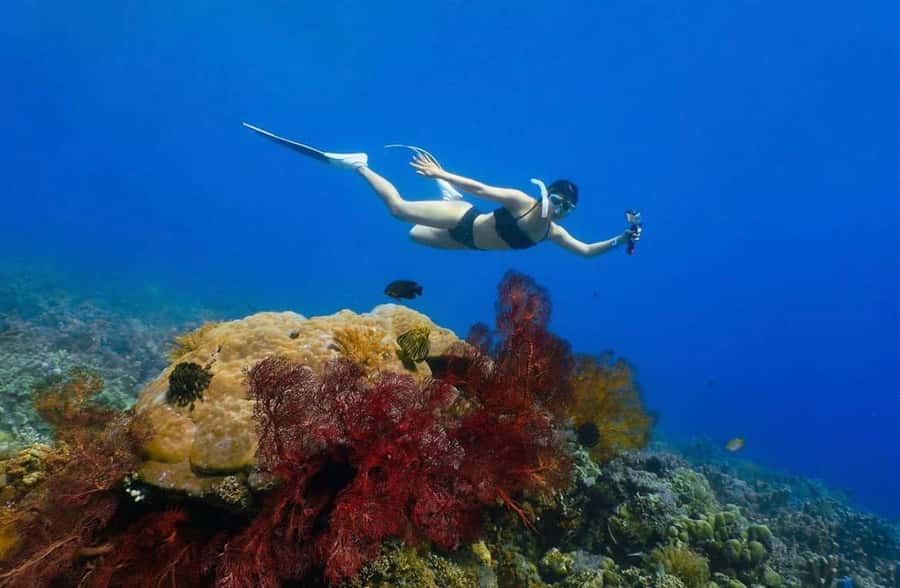
- WWII Japanese Shipwreck: history meets current-day marine life in the same swim
- Turtle Point chances: a real focus on spotting sea turtles, not just random reefs
- Underwater temple stop: corals, fish schools, and a respectful cultural setting
- Four snorkeling areas in one day: shipwreck plus bays that change what you see
- Small-boat energy: many small-group vibes and lots of attention in the water
- Optional add-ons like GoPro: easy way to get better footage without wrestling your camera
Bali Amed’s Japanese Shipwreck and Turtle Point: why this day feels different
Amed snorkeling has a reputation for clear water, but what makes this tour stand out is how it’s built. Instead of one long stop, you hit multiple sites with different underwater characters—wreck, turtle area, and temple/coral zones—so the day doesn’t blur together.
I like that the crew keeps the experience simple and practical: you get equipment, you’re guided to the best spots, and you’re given time to float and look without rushing. That’s especially valuable at places like Turtle Point, where spotting takes patience and a calm eye.
The other big reason this works: the tour is friendly to different comfort levels in the water. It’s designed for all skill levels, but you still need to be a confident swimmer and be comfortable with sea conditions that can be changed by weather.
You can also read our reviews of more tours and experiences in Karangasem Regency.
The price: $40 is the value lever here
At $40 per person, this is priced like a solid local-value activity rather than a luxury full-day. What you’re paying for is not just time in the water—it’s access to several snorkeling zones, boat support, entry fees, guide time, and equipment (mask, snorkel, fins).
You also get fish-feeding bread and basic beach-to-reef convenience: towels, lockers, a changing room, and mineral water. Lunch is not included, so budget for that separately if you add the full sightseeing day.
One more value note: you can add transfer options depending on where you’re staying. If you’re in places like Sanur, Kuta, Nusa Dua, Ubud center, and Jimbaran, the return transfer is included, which can be the difference between an easy day and an expensive taxi day.
Before you go: what to bring and what matters most
Bring swimwear and a change of clothes—plan on getting wet and then staying comfortable on the ride back. Sunscreen is important, and cash is a good idea because tipping and optional add-ons come up in real life.
A few rules help you understand what to expect: pets aren’t allowed, and alcohol and drugs aren’t. Most importantly, snorkeling requires calm sea conditions, and sites may change depending on weather and timing for safety.
If you’re not comfortable with open-water swimming, this is not the day to push it. The tour isn’t recommended for non-swimmers, people with low fitness, serious medical conditions, or anyone pregnant.
Getting to Amed: transfers, shared rides, and realistic timing
Pickup is optional depending on your chosen option. You can be collected from many areas across Bali, including Candidasa, Amed, Sanur, Kuta, Jimbaran, Uluwatu, Nusa Dua, Ubud, and Kintamani.
If you’re using transfer, expect it to be shared. That means you might wait a bit while the van lines up other stops. In reviews, some people mention long drives from farther areas like Nusa Dua—so if you’re coming from the south, mentally pack patience.
Be ready about 10 minutes before pickup time. That tiny habit makes the whole day smoother, especially when you’re traveling between coast points and visiting Tirta Gangga and Virgin Beach on the longer option.
The boat setup: lockers, changing room, and a small-crew feel
Once you’re at the start point in Amed, you’ll get your snorkeling kit: mask, snorkel, fins. There’s a towel and a locker, and there’s access to a changing room so you can handle wet gear without turning the day into chaos.
The boat is part of the charm. Multiple accounts describe small, straightforward craft and a crew that’s hands-on once you’re suited up. That matters because snorkeling goes better when you’re not guessing what the captain wants or where to go next.
If you’re very particular about facilities, keep expectations realistic. People do flag that on-site facilities aren’t the best, so come prepared rather than hoping for a resort-style setup.
Stop 1: the WWII Japanese Shipwreck (and why visibility can be hit or miss)
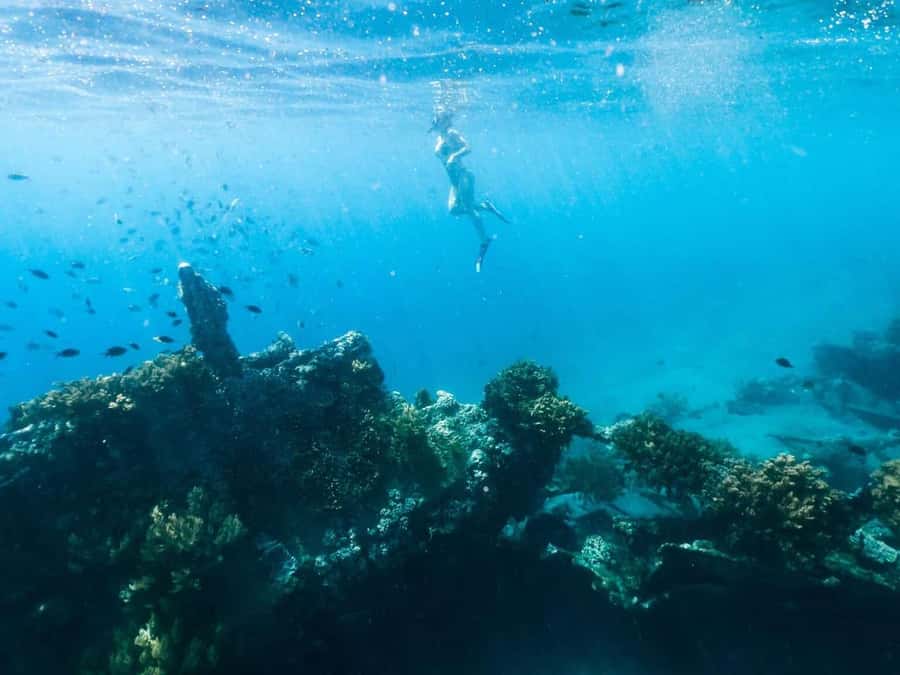
This is the headline stop. You’re snorkeling at the Japanese Shipwreck, a WWII relic that’s now a marine habitat, so you’re not just seeing rock—you’re seeing a neighborhood of fish life.
The best part is that wreck sites tend to create structure: nooks, edges, and textures that fish use as cover and feeding spots. With the guide directing where to float, you can spend your energy looking instead of scanning the whole area randomly.
Now the downside: visibility can vary. One person reports murky, low-visibility conditions at the shipwreck and only snorkeled there briefly. That’s the real risk with wrecks anywhere—on some days the water clarity is perfect, and on others it’s less so.
Stop 2: Turtle Point sea turtles—how to maximize your chances
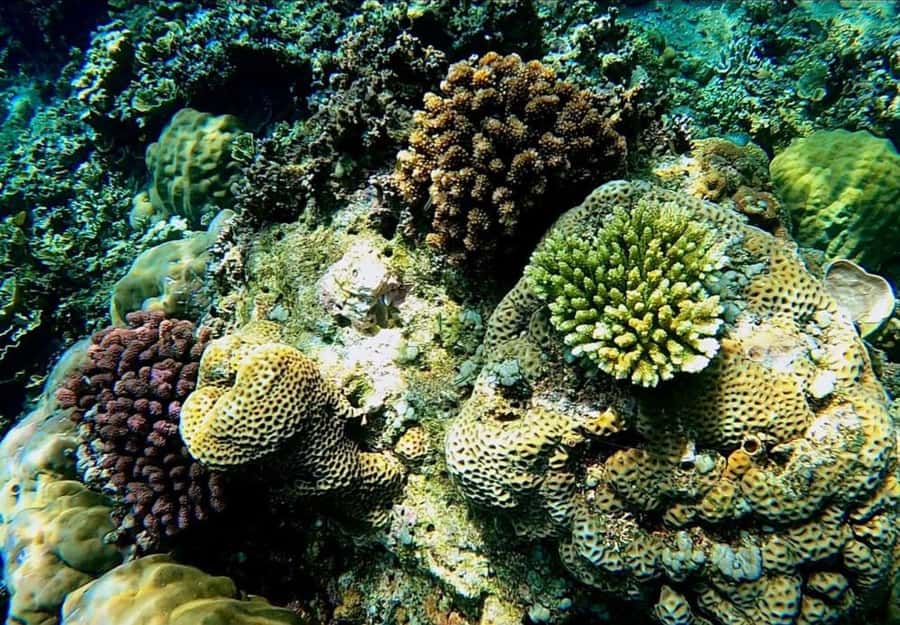
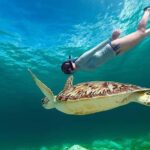
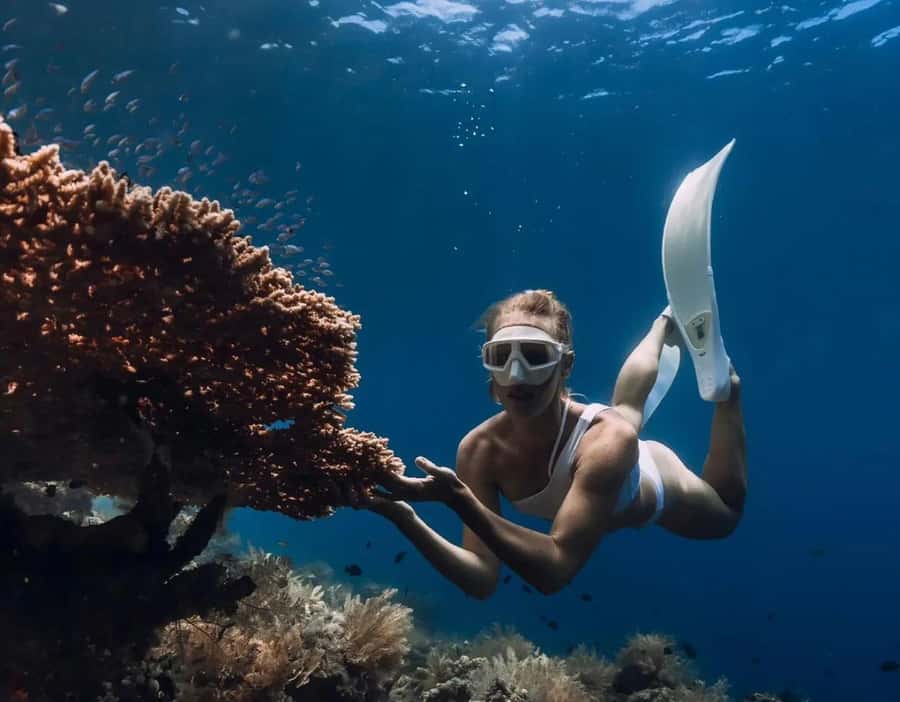
Turtle Point is where the tour earns its hype. You’re specifically set up for a sea turtle encounter, and the water conditions in Amed often make spotting possible when you keep your breathing slow and stay patient.
A turtle sighting isn’t always a guarantee, but the tour’s design gives you time and direction for the search. Guides help you position and identify what to look for, which makes a big difference because turtles don’t always surface right next to you.
When turtles show up, the experience is calm and mesmerizing—just you, the reef, and slow-moving wildlife. This is also the kind of stop where a GoPro add-on can pay off, since footage quality improves when you keep your hands free and track movement naturally.
Stop 3: the underwater temple area—coral, fish, and respectful behavior
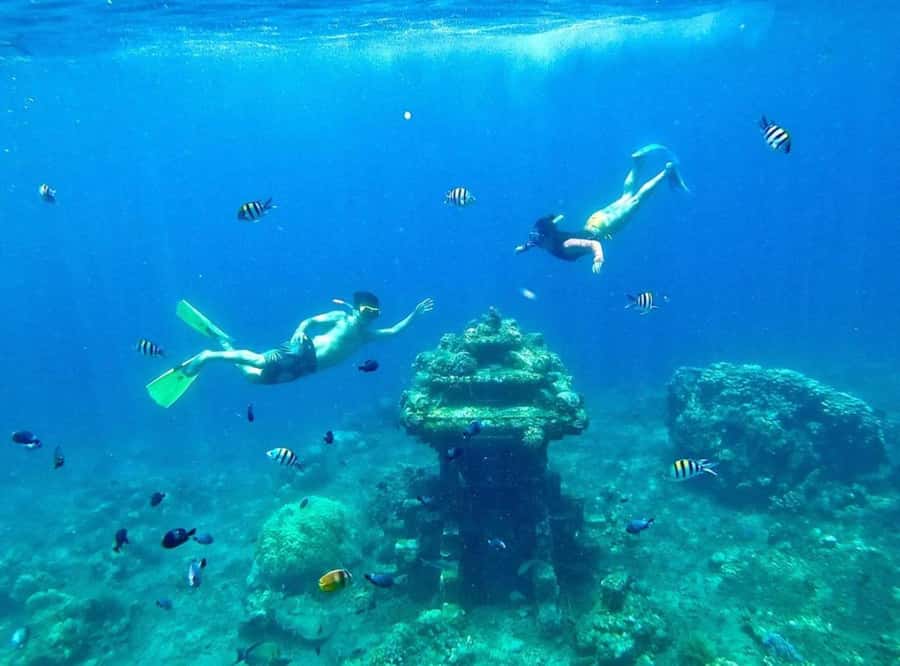
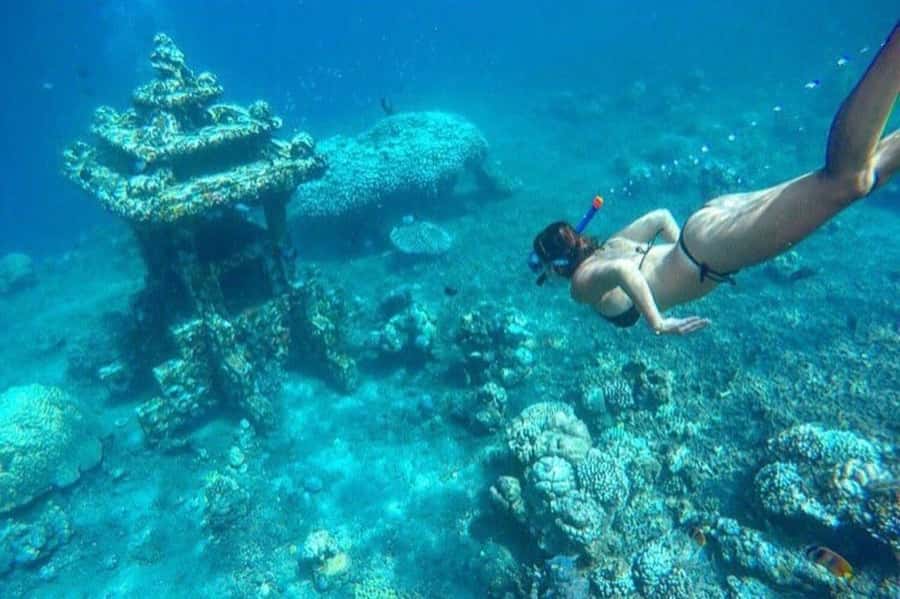
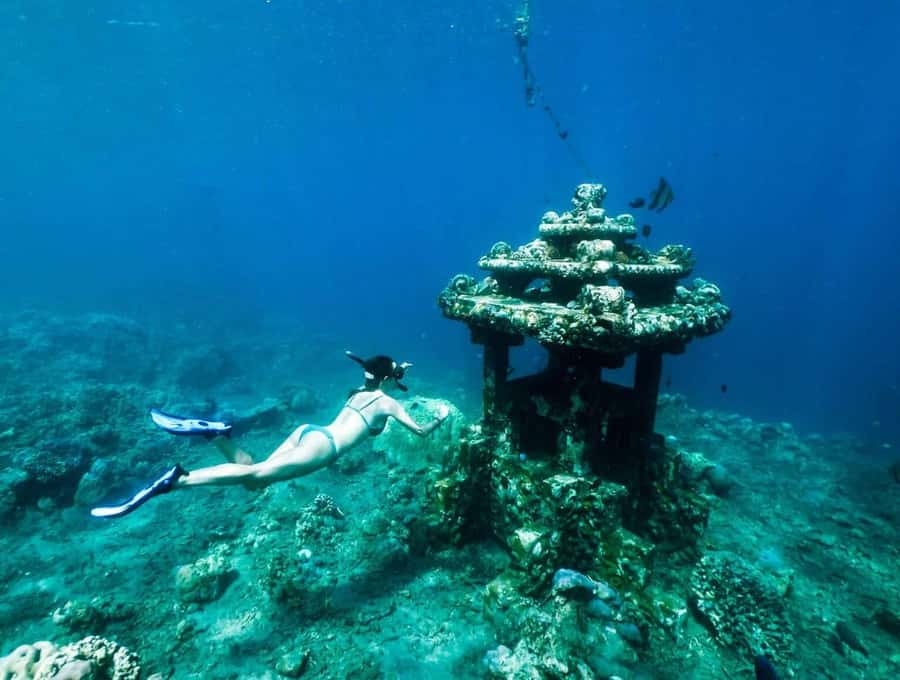
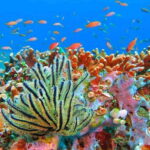
Another standout is the underwater temple area. You’ll see stone structures with coral attached and plenty of small fish movement in the same zone, creating that mix of natural reef life and cultural place-making.
This is also where you need to behave with care. The site is cultural, so you should not touch coral or stand on structures. That’s not just rules-for-rules—touching damages living reef, and it also shows respect for the meaning locals attach to the spot.
Practically, this stop rewards slow observation. Don’t rush from one side to the other; float, watch fish patterns, and enjoy how corals and fish create a “living wall” around the temple area.
Stops 4: Lipah Bay and Jemeluk Bay—how the bays change what you see
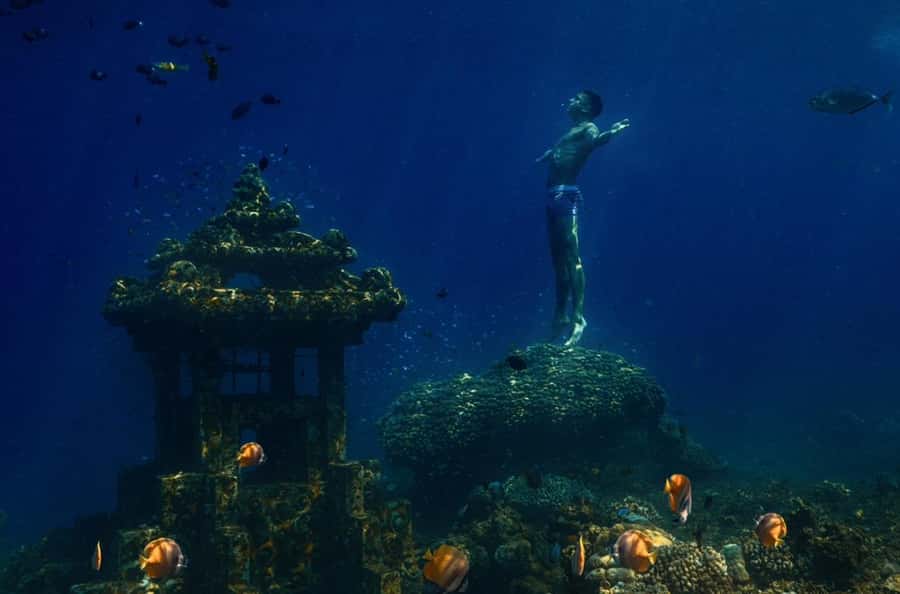
The plan includes snorkeling at Lipah Bay and Jemeluk Bay in addition to Turtle Point and the shipwreck. Even if you’re not told every micro-detail ahead of time, bay snorkeling usually changes the experience: sometimes there’s more reef texture, sometimes more open fish travel lanes, and sometimes the water feels different depending on current and depth.
What I like about this structure is that you’re not stuck repeating the same view. If one location is less clear or has fewer big animals, another stop can still deliver plenty of fish life and reef detail.
It also spreads your time in the water. Instead of one long session where everyone gets tired at the same moment, you cycle through sites and keep the day feeling fresh.
Bread feeding and why it’s part of the show
You’re given bread for fish feeding. This can be fun, but it’s also useful for snorkeling beginners because it draws fish into view and helps you understand how the reef “works” with bait, cover, and movement.
Just remember that fish behavior can cluster fast when food appears. Stay respectful and steady, and don’t chase. The best experience is calm watching, not frantic splashing.
The longer option: Tirta Gangga and Virgin Beach stops
If you choose the longer day option (up to about 12 hours), you add guided visits to Tirta Gangga and Virgin Beach. This is a nice balance when you want more than water time.
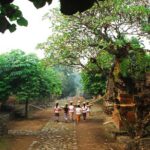
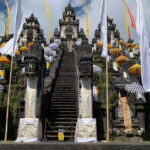
Tirta Gangga gives you a culture-and-landscape break on land, and it also adds context for Bali beyond just snorkeling. Virgin Beach is a coastal stop that pairs well with a day already centered on the sea—think of it as the wind-down and photo time after you’ve had your reef moments.
The tradeoff is obvious: the full day means more riding and more sitting between stops. If you easily get restless on long drives, the shorter snorkeling-focused timing could be a better fit.
The guide and driver factor: names you might meet and why it matters
Amed days can be great or stressful depending on how smoothly you’re handled. A clear theme from service quality is how guides guide—helping you into the right spots, staying attentive, and offering space when you want photos or a quieter moment.
If you get Putu (including Putu Adi), you’ll likely get a cheerful, patient vibe and help finding turtles and good snorkeling routes. People also mention drivers like Wayan, including Wayan Sue, for friendly conversation and safe, on-time transport over longer routes.
Another name that comes up is Nyoman, described as patient and kind, and also someone who helps with GoPro-friendly filming and gives people water in hot conditions. These details aren’t fluff; they affect your comfort and your confidence once you’re in the water.
What the water is like: clarity, fish density, and real expectations
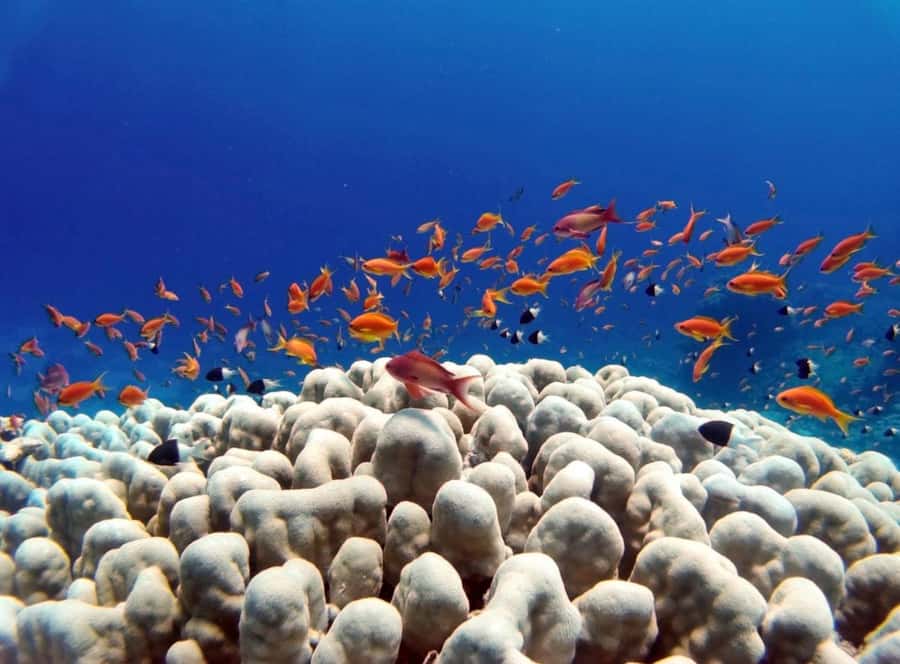
Clear water is a repeated highlight. Many people describe crystal clarity and plenty to see—fish in large numbers, reef structure, and frequent wildlife movement.
But keep expectations grounded. Visibility depends on the day, and one stop might be murky while another shines. That’s why hitting multiple sites helps: you’re not betting the entire experience on a single patch of water.
Also note a small environmental reality check. One person mentions plastic in the water and says the area could use cleanup. That doesn’t ruin the trip, but it’s worth remembering as you float and look at reef edges.
Photos and video: GoPro add-on and how to think about it
If you want next-level footage, consider a GoPro option. People mention that guides help with filming, and they also mention that GoPro rental can be offered with a specific price (one mentioned figure was 200 IDR).
Even if you’re not buying it, ask your guide how filming will work. The best footage usually comes when someone helps place you in the path of fish or turtle movement, rather than you trying to operate a camera while maintaining buoyancy.
Who this snorkeling day suits best
This tour is best for adults and older kids who can swim confidently and enjoy wildlife spotting. It’s a great match if you want:
- sea turtles as a priority (not a hope)
- multiple snorkeling zones in one day
- a guide who helps you see more than you would on your own
It’s not a fit for children under 10, non-swimmers, people with mobility impairments or wheelchair users, pregnant women, or people over 70. Also avoid it if you have serious medical conditions or low fitness and you know open-water time will stress you.
Should you book: my quick decision guide
Book this tour if you’re going to be in Amed and you want the mix of WWII shipwreck + turtle-focused snorkeling + an underwater temple in one day. The price is hard to beat for boat support, equipment, multiple stops, and guide help—especially if your pickup option includes transfer convenience.
Skip or reconsider if you’re sensitive to long travel time, if you’re not a confident swimmer, or if you’re the type who hates uncertainty in visibility. The shipwreck stop can be affected by murkiness and low visibility, so it’s smart to be flexible.
If your goal is a memorable, guided snorkeling circuit with a strong chance at turtles, this is a very reasonable call.
FAQ
How long is the snorkeling part?
The snorkeling session is listed as about 3 hours in Amed.
What sites do you snorkel at?
The included snorkeling sessions are at the Javanese Shipwreck, Turtle Point, Lipah Bay, and Jemeluk Bay. The underwater temple area is part of the snorkeling experience as well.
Is hotel pickup available?
Yes, pickup is optional and available from several Bali areas including Candidasa, Amed, Sanur, Kuta, Jimbaran, Uluwatu, Nusa Dua, Ubud, and Kintamani. Return transfer is included for hotels in Sanur, Kuta, Nusa Dua, Ubud center, and Jimbaran, and a surcharge applies outside that area.
What snorkeling gear is provided?
You get snorkeling equipment including mask, snorkel, and fins.
What should I bring?
Bring swimwear, a change of clothes, sunscreen, and cash.
Is lunch included?
No, lunch is not included.
Do I need to be able to swim?
Yes. Participants should be confident swimmers, and the activity is not recommended for non-swimmers.
What if the sea is rough or conditions change?
Calm sea conditions are required, and snorkeling spots may change depending on weather and timings may be adjusted for safety reasons.
Is there an underwater temple etiquette rule?
Yes. The underwater temple is a cultural site, so you should behave respectfully and do not touch or stand on coral or structures.