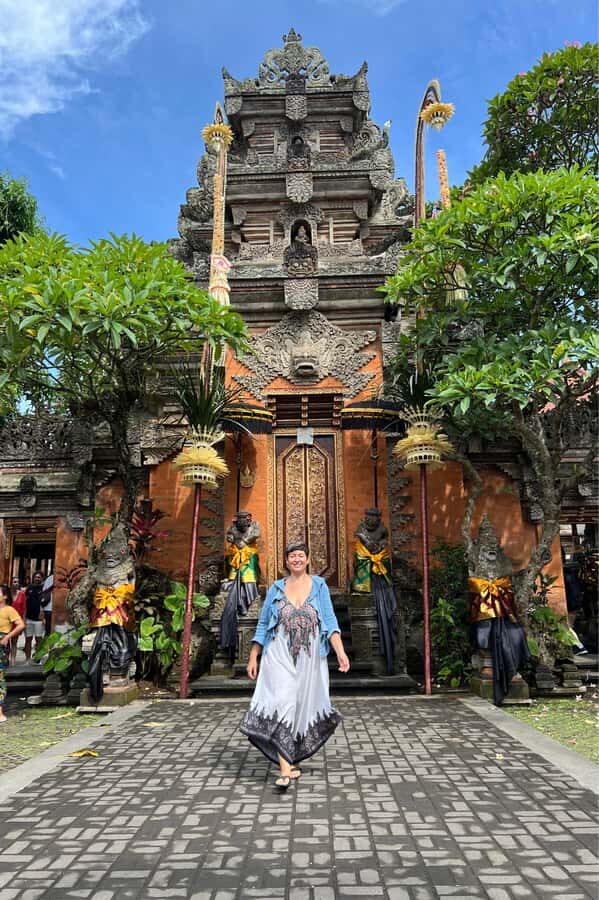
Bali turns craft days into real souvenirs. This Balinese art tour is built around three famous creative areas, with guided time and hands-on workshops so you’re not just watching from the sidelines. I like that it stays practical: you get pickup, an English-speaking driver, and a full day plan with breaks and shopping windows.
What I especially love is the combination of guided visits plus workshop time at each stop. Celuk, Gianyar, and Mas Village each include a guided tour, free time, and an arts & crafts market visit, so you can learn and then actually browse. Plus, there’s a stated 25% off for every purchase, which can matter a lot if you’re planning to buy gifts.
One consideration: the day has multiple shopping stops and workshop blocks, so it’s not the best fit if you want a slow, temple-and-nature day with zero retail time. Also, this tour isn’t suitable for wheelchair users or people with mobility impairments, and you’ll want comfortable shoes for the walking and market areas.
In This Review
- Key points at a glance
- A private 8-hour art day with easy logistics
- From pickup to Kintamani breakfast: plan your morning pace
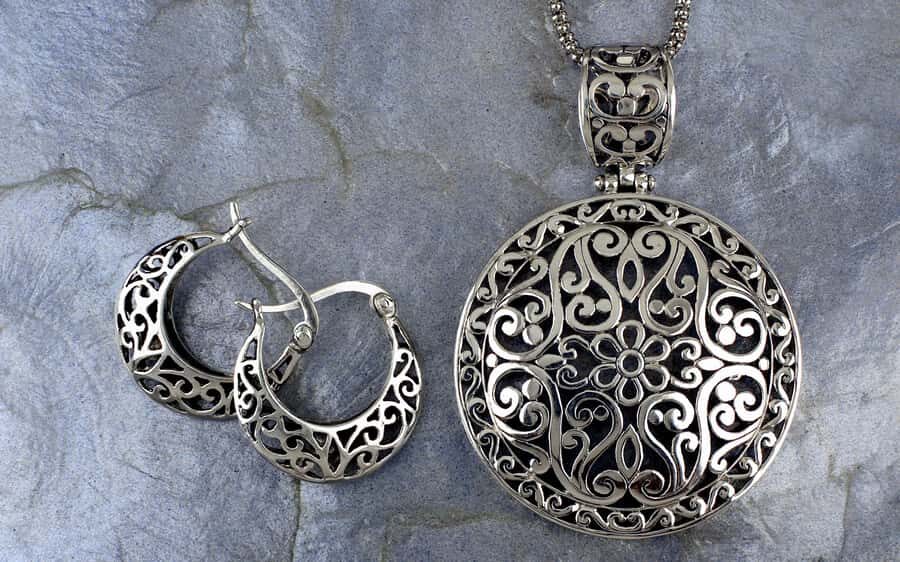
- Celuk: where a 2-hour workshop turns craft into something you can own
- Gianyar: market browsing with a shorter workshop window
- Mas Village (Ubud): guided time, markets, and a 1.5-hour workshop
- Shopping with the stated 25% discount: how to make it work for you
- Price and value: what you’re really paying for
- Practical tips so you enjoy the workshops (not just the shopping)
- Should you book this Balinese art tour?
- FAQ
- How long is the Bali Highlights of Balinese Art Tour?
- What does it cost, and how many people are in a group?
- Where are the pickup locations?
- Where are the drop-off locations?
- What’s included in the tour price?
- What should I bring?
- Is it suitable for wheelchair users or people with mobility impairments?
Key points at a glance
- Celuk workshop (2 hours) gives you proper hands-on time, not a quick look.
- Gianyar market + 1-hour workshop is shorter, which helps if you want variety without fatigue.
- Mas Village (Ubud) workshop (1.5 hours) rounds out the day with more craft shopping and guided guidance.
- 25% off for every purchase can make the shopping portion feel less like a gamble.
- Hotel pickup and drop-off in Canggu, Ubud, Kuta, Seminyak, or Denpasar City keeps logistics easy.
- Breakfast in Kintamani is included, but entrance tickets to the area aren’t.
A private 8-hour art day with easy logistics
This tour is priced per group, not per person—$36 per group up to 5—so if you’ve got friends or family, the math gets friendly fast. You’re in a private car charter with an English-speaking driver (the driver can also speak Indonesian), and that makes the day feel calm. No waiting in a long line of strangers. No guessing where to go next.
It’s a full 8 hours, with pickup and drop-off options in five areas: Canggu, Ubud, Kuta, Seminyak, and Denpasar City. That flexibility matters in Bali because travel time can vary a lot depending on traffic and where you’re staying.
Also, you get included breakfast in Kintamani at any restaurant, plus mineral water. That may sound like a small line item, but after a morning pickup and multiple craft stops, it’s a real comfort.
You can also read our reviews of more tours and experiences in Celuk.

From pickup to Kintamani breakfast: plan your morning pace
You can start from the area that’s closest to you—your driver will pick you up from one of the listed zones. Then the day flows into breaks and stops that keep energy up. The structure is simple: you travel, you pause, you get a guided visit, you shop a bit, and you do a workshop.
Breakfast is included in Kintamani. Here’s the one practical catch: tickets to enter the Kintamani area are not included. So if there is an entrance fee involved when you arrive, you’ll need to cover it yourself. If you’re budgeting tight, keep a little extra aside so you don’t get surprised later.
Tip: wear comfortable clothes, not your fanciest outfit. You’ll be doing walking, standing, and browsing in arts & crafts markets where you’ll likely want to move freely.
Celuk: where a 2-hour workshop turns craft into something you can own
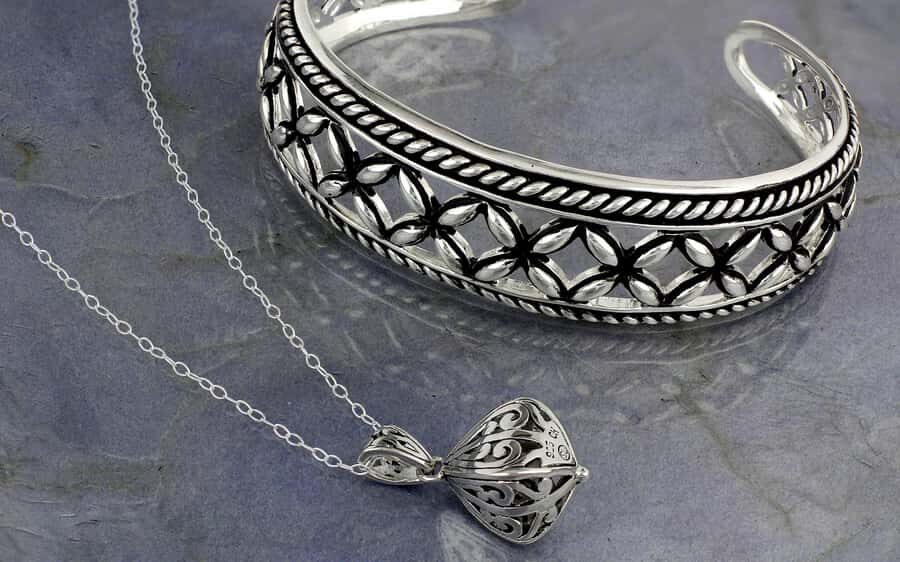
Celuk is one of the strongest parts of the route. The day doesn’t just tell you where to look—it gives you time to learn and time to make sense of what you’re buying.
At Celuk, you get:
- a break time and a photo stop
- a visit with a guided tour
- free time plus shopping
- an arts & crafts market visit
- and a workshop block lasting 2 hours
Why this works for you: a workshop is where a craft tour stops being sightseeing and becomes a real experience. Even if you’re not an expert in silver or jewelry or fine crafts, the guided part helps you ask the right questions and spot better workmanship when you’re shopping afterward.
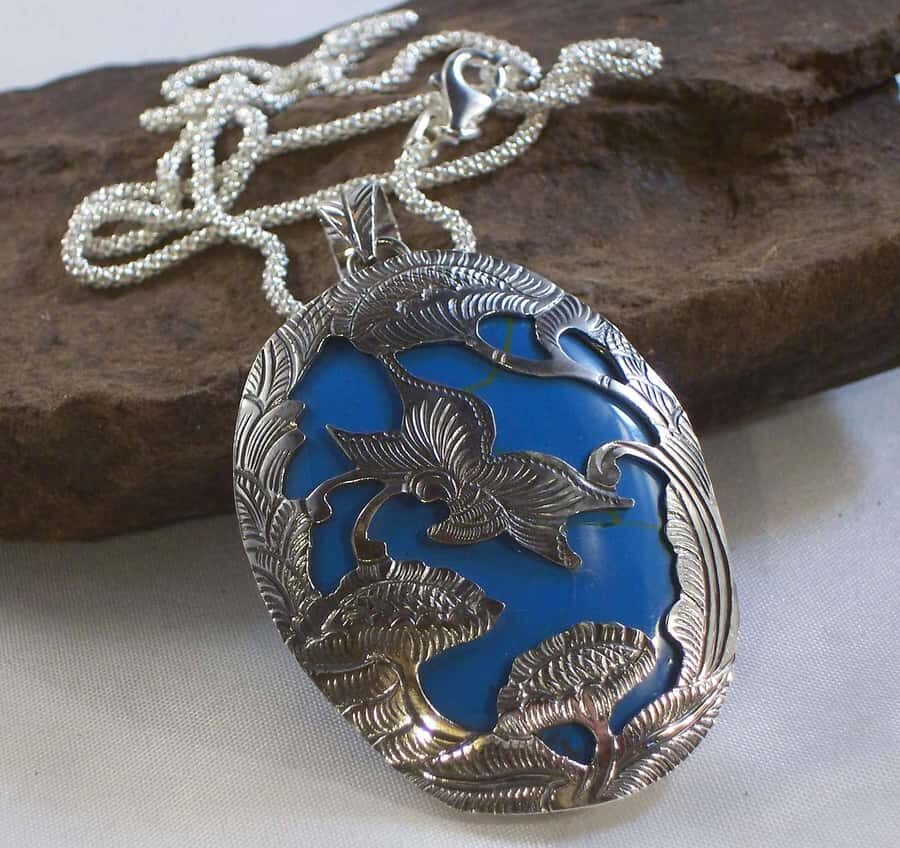
And because 25% off for every purchase is part of the tour’s stated perks, Celuk is the moment where shopping may make the most sense. If you’re going to buy something handmade, you want enough time to compare options and decide what feels worth the money to you—not just what’s sitting closest to the entrance.
If you’re bringing cash, this is the part of the day where you’ll appreciate it. The tour information explicitly asks you to bring cash, and that usually means purchases and small add-ons will be smoother when you have it on hand.
Gianyar: market browsing with a shorter workshop window
After Celuk, the route moves to Gianyar, with a similar rhythm but a slightly tighter schedule. At this stop you’ll have:
- break time
- a guided visit
- free time and shopping
- an arts & crafts market visit
- and a 1-hour workshop
The shorter workshop window is a plus if you like variety. You still get hands-on time, but you’re not stuck in a long block if you want to move on and compare pieces across stops.
This stop is also good if you’re shopping for gifts. You’ll have free time plus markets, so you can think in categories—small items, wearable pieces, or something decorative—then use the guided tour to narrow down what’s genuinely handmade and what fits your budget.
One careful note: because there’s shopping time at multiple stops, it’s easy to drift into impulse buys. My advice is to set a target before you arrive—like one gift you’re sure you want, plus one “maybe” item. Then you spend the workshop and guided tour time deciding what earns a spot in your bag.
Mas Village (Ubud): guided time, markets, and a 1.5-hour workshop
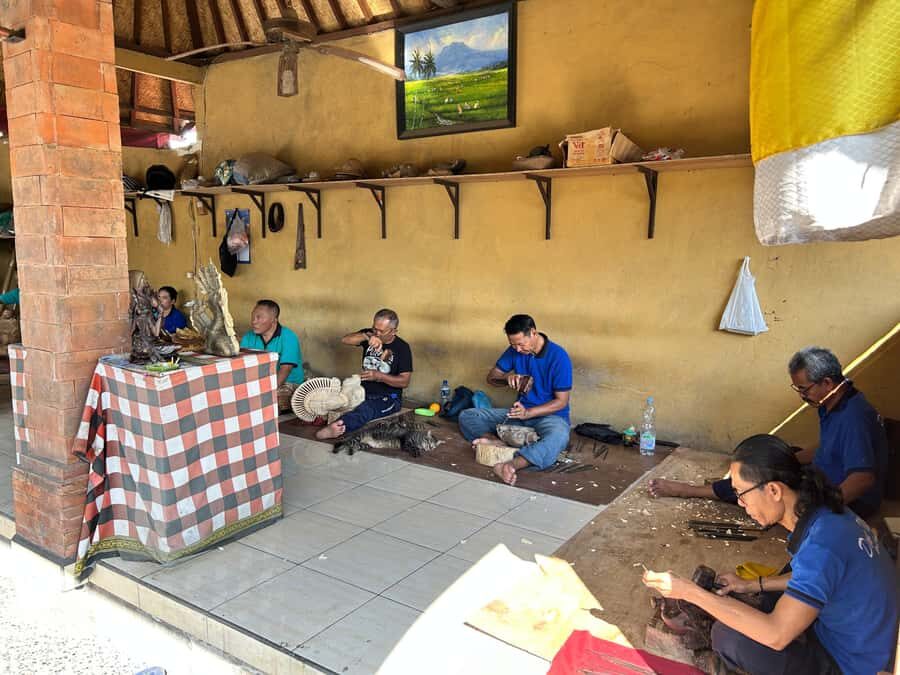
Mas Village in Ubud is the final craft-heavy stop on the day. You’ll have the same kind of structured flow:
- break time
- photo stop
- guided tour
- free time and shopping
- arts & crafts market visit
- and a 1.5-hour workshop
This length—between Gianyar’s 1 hour and Celuk’s 2 hours—often hits a nice balance. If you’re the type who likes to watch first, ask questions second, and then decide later, Mas Village is a good place for that pace.
Why I think it’s a smart closer: by the time you reach Mas, you’ve already learned enough from the earlier stop(s) to shop with sharper eyes. You also have the tour’s stated benefit that you can order by request for a special gift or special own. If you’re hoping to bring home something personal—something you picked with meaning rather than random browsing—this is the time to speak up and ask what’s possible.
Also, your Mas stop comes with guided time and markets. That’s helpful because it reduces the odds of feeling lost in a busy craft area. You’ll know where to look and how to approach purchases without feeling rushed.
Shopping with the stated 25% discount: how to make it work for you

The 25% off for every purchase is the tour’s clearest money-moving perk. If you’re planning to buy something anyway, that discount can make the tour feel like a better deal than a generic driver day.
But to make it actually worth it, you’ll want to shop smart:
- Decide your “budget ceiling” before you start browsing.
- Compare items across stops, not just at the first booth.
- If you’re ordering a special gift, be clear about what you want and ask questions during guided time (that’s when you’ll get the clearest answers).
One more practical point: personal expenses aren’t included. So anything beyond the agreed shopping purchases—small extras, snacks, or anything you choose to add—comes out of your pocket. The tour also says parking and toll fees aren’t included, so if those come up during driving or stopovers, you’ll handle them separately.
If you want to keep the day smooth, bring cash (the tour says to), wear comfortable shoes, and give yourself permission to say no. You’re not on a hard sell schedule—you have free time built in at each stop.
Price and value: what you’re really paying for
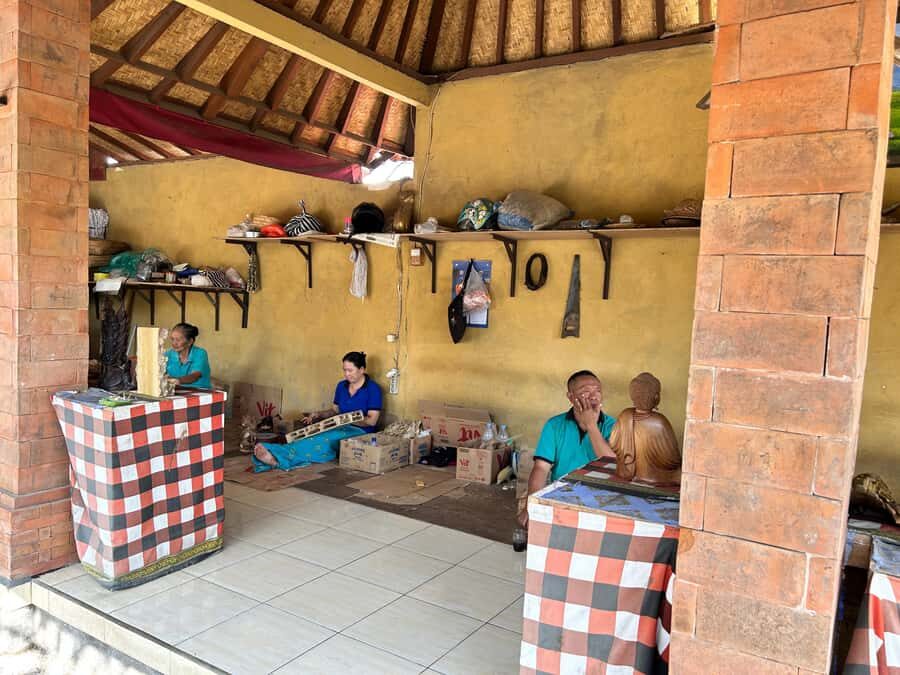
Let’s talk about the $36 price tag. On paper, it’s easy to question how a private full-day craft route can be that low. Here’s the value equation based on what’s included:
Included:
- hotel pickup and drop-off
- private car charter and petrol
- English-speaking driver
- breakfast in Kintamani (at any restaurant)
- mineral water
Not included:
- personal expenses
- parking and toll fees
- extra time charge if you extend the day (IDR 75k per hour)
- ticket to enter Kintamani area
So where the value comes from is the bundled transport and guiding. Instead of booking a driver separately, paying for a guide later, and then trying to stitch together three craft locations yourself, the tour gives you one package for the day.
Who benefits most:
- small groups up to 5 people
- first-timers who don’t want to organize routes and timing
- gift shoppers who want structured craft stops and workshop time
When it might not feel as great:
- if you don’t plan to buy anything and don’t care much about workshops
- if you strongly dislike shopping portions (because free time and markets are built into every craft stop)
- if you’re sensitive to additional costs like parking/tolls or a Kintamani entrance ticket
Practical tips so you enjoy the workshops (not just the shopping)
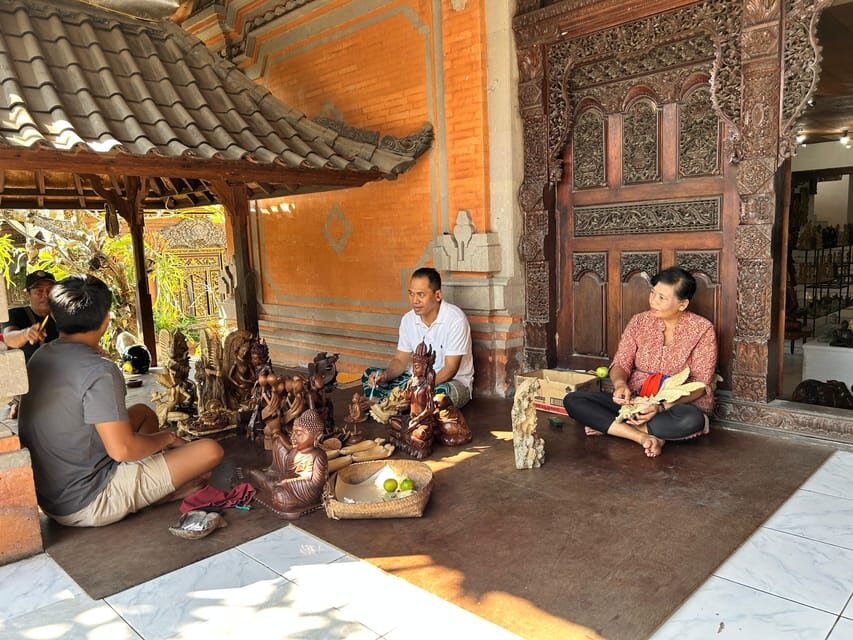
This day moves with breaks and photo stops, but you’ll still be on your feet and walking through market areas. A few things to do before you go:
- Bring cash for purchases and any on-the-spot needs.
- Wear comfortable shoes and clothes that can handle walking and heat.
- Expect a private day, but still plan your energy like it’s a full day out.
One other constraint: pets aren’t allowed. And this tour isn’t suitable for people with mobility impairments or wheelchair users. If that’s you, it’s worth looking for a different format with fewer walking-heavy market stops.
Also, if your schedule runs long and you want extra time, there’s a stated extra charge of IDR 75k per hour. If you want to avoid that cost, keep your decisions tight—know what you want to buy before you ask for extensions.
Should you book this Balinese art tour?
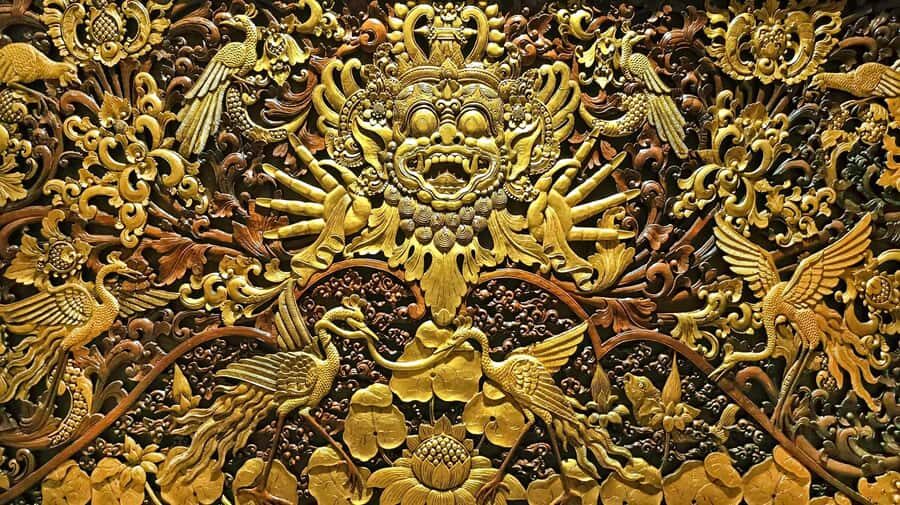
I’d book it if you want a hands-on craft experience with guided visits, workshops, and enough free time to shop without feeling rushed. The Celuk + Gianyar + Mas Village sequence is a solid way to see different craft areas in one day, and the inclusion of breakfast plus hotel pickup/drop-off makes it easier than DIY planning.
I’d skip (or seriously reconsider) if you hate shopping days. This tour includes markets and shopping time at each stop, and the overall structure is designed around crafts and purchases. Also, if you need wheelchair access or have mobility limitations, this one isn’t a match.
If you’re mainly looking for scenery, quiet temples, or long photo walks with minimal retail, you’ll probably feel better choosing a different type of Bali day. But if your priority is handmade Balinese art and bringing something home that has a story, this tour is one of the more practical ways to do it.
FAQ
How long is the Bali Highlights of Balinese Art Tour?
It’s listed as an 8-hour experience.
What does it cost, and how many people are in a group?
The price is $36 per group, up to 5 people.
Where are the pickup locations?
Pickup is available from Canggu, Ubud, Kuta, Seminyak, and Denpasar City.
Where are the drop-off locations?
Drop-off is available in Canggu, Seminyak, Denpasar City, Kuta, and Ubud.
What’s included in the tour price?
Pickup and drop-off from your hotel, private car charter, an English-speaking driver, petrol, breakfast in Kintamani, and mineral water.
What should I bring?
Comfortable shoes, comfortable clothes, and cash.
Is it suitable for wheelchair users or people with mobility impairments?
No. The tour is not suitable for wheelchair users or people with mobility impairments.