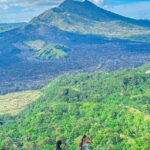
That first glow over Mount Agung feels unreal. This is a midnight-to-sunrise hike on Bali’s highest volcano, built around a real challenge, serious guides, and the spiritual pull of the Besakih area. Mount Agung isn’t just a viewpoint here, it’s a living landscape that matters to Balinese ceremony and belief.
I especially like two parts of this experience. First, you get private local guiding plus the kind of focus that makes a tough climb more manageable, with pacing, hand-on-help when footing gets sketchy, and safety-first attention. Second, the tour includes practical climb support: pickup, headlamp/torch, hiking poles, gloves, water, entrance fees, insurance, and breakfast at the top so you’re not just suffering for a photo.
The big consideration is difficulty. This is a challenging trek with steep final sections that can require crawling, and the program isn’t suitable for beginners or anyone dealing with altitude sickness.
In This Review
- Key points before you go
- Sunrise on Mount Agung: The Bali Challenge You Remember
- Pickup at 8:30–9:00 PM: Why the Night Drive Matters
- Besakih Route: Jungle Start to the Hard Final Climb
- Sunrise Timing and Breakfast: The Part That Makes Cold Worth It
- Pasar Agung Shorter Climb: Still a Real Hands-On Workout
- Guides and Drivers: The Safety and Comfort You Don’t Want to DIY
- Price and Value: What $92 Really Buys You
- What to Bring: The “Small” Items That Save Your Day
- Weather, Rescheduling, and Real Expectations
- Who Should Book (and Who Should Skip)
- Should You Book This Mount Agung Sunrise Trek?
Key points before you go
- A midnight start for sunrise: You’re hiking in the dark, with a headlamp setup included.
- Besakih Temple as the launch point: Spiritual sites shape the whole route and mood.
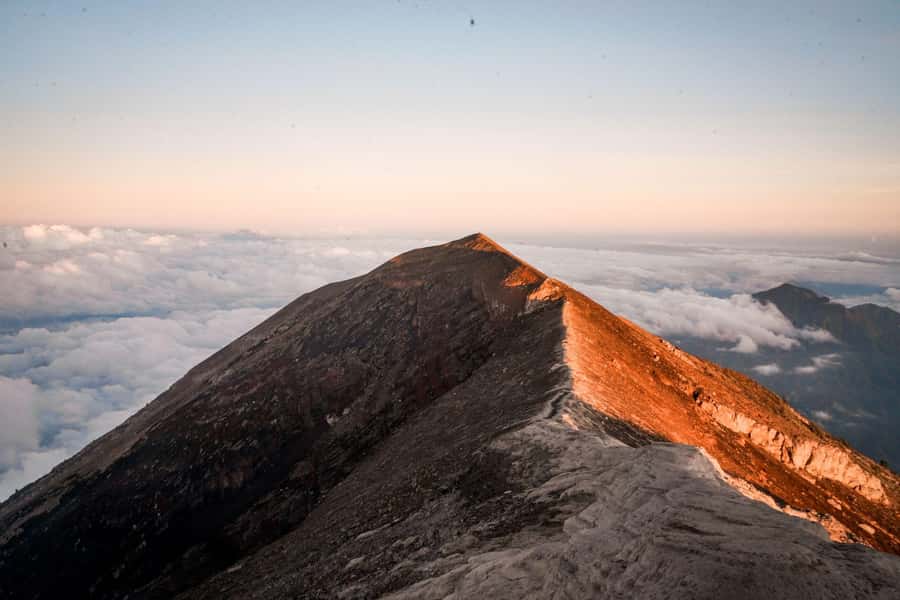
- Real “hands-on” climbing: Expect steep, uneven terrain, especially on the way up.
- Breakfast at the summit: Food and warmth matter when it’s cold and windy.
- Options for different intensity: Besakih route is longer; Pasar Agung route is shorter but still a climb.
- Guides do the heavy lifting: People highlight guide skill like timing, pacing, and safe downhills.
Sunrise on Mount Agung: The Bali Challenge You Remember
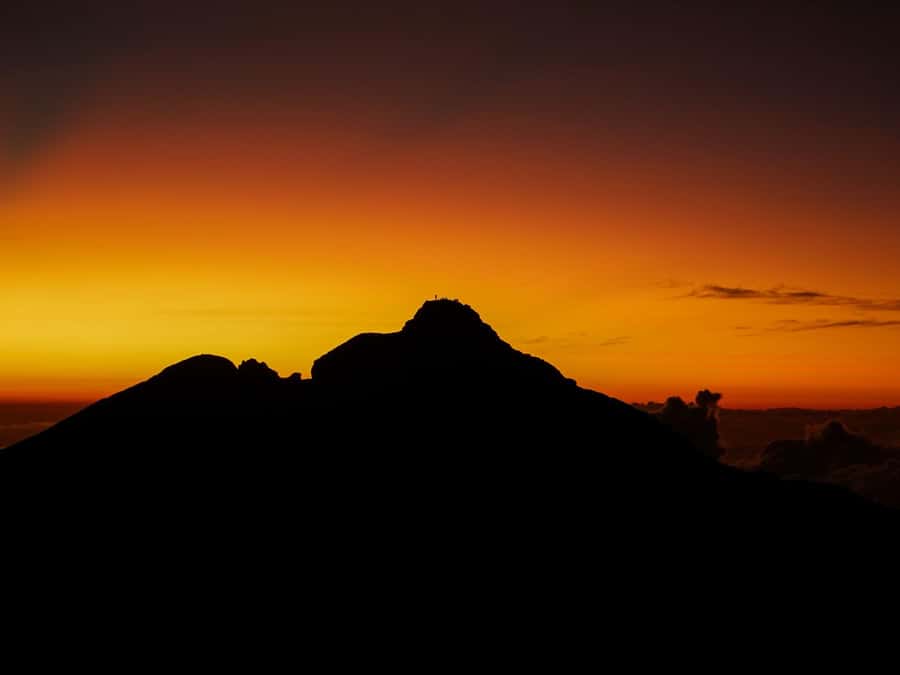
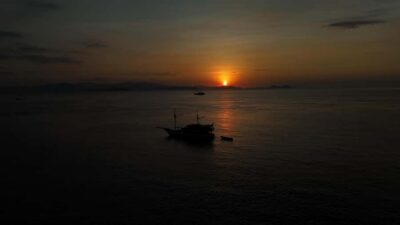
If Bali is your “show me the magic” place, Mount Agung sunrise is the moment that feels like it’s written in capital letters. You start at night, climb through darkness and cold, and then the island’s big silhouette turns into morning. It’s not a gentle stroll. It’s a climb with discipline.
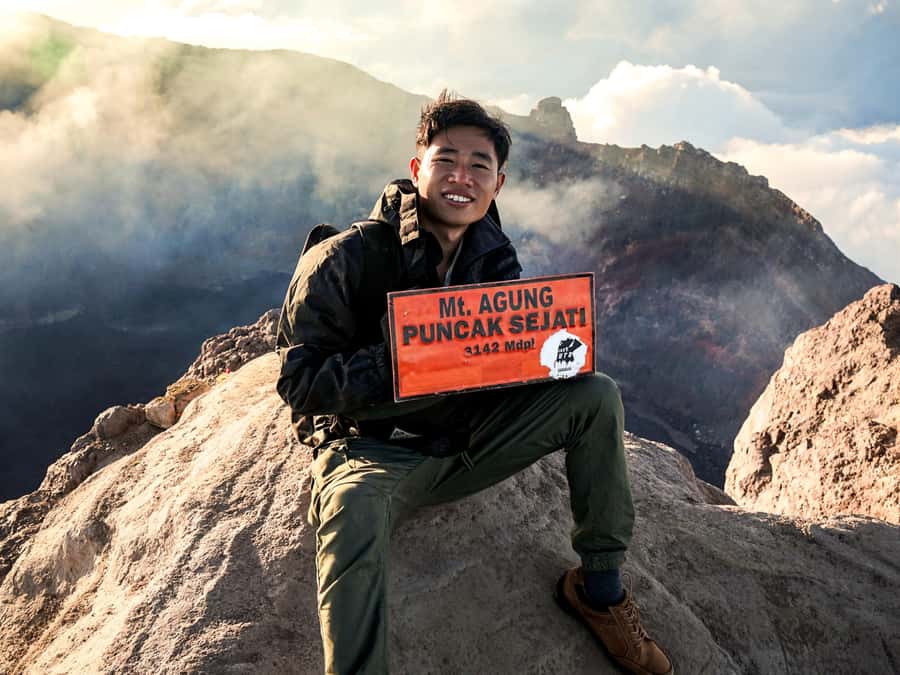
Mount Agung sits at 3,142 meters, and the Balinese connection is the other half of the experience. The trek routes you near Besakih Temple, commonly called the mother temple of Bali, so you’re not just chasing scenery. You’re also stepping into the spiritual atmosphere that makes this volcano so important in local life.
Here’s what makes this trek genuinely appealing for many people: you’re not doing it alone. You get a private guide, and the included gear (headlamp, poles, gloves) removes a lot of the logistical friction that can turn an “adventure” into a hassle.
You can also read our reviews of more tours and experiences in Bali.
Pickup at 8:30–9:00 PM: Why the Night Drive Matters
This tour runs as a full-day outing (around 10–12 hours total), and the timing starts early, depending on where you’re staying. You’ll be collected around 8:30 PM to 9:00 PM, with pickup covering most major areas like Kuta, Legian, Seminyak, Canggu, Denpasar, Sanur, Ubud, Nusa Dua, and Jimbaran. Drop-off is also included in multiple Bali areas.
That night pickup isn’t random. It’s what lets you begin your hike close to the correct hours so you can aim for sunrise timing. In practice, you’ll want to treat the ride like part of the hike. Try to stay awake enough to get oriented, but plan to conserve energy for the climb.
If you’re staying in the Uluwatu area, there’s an additional $20 cash fee mentioned for that pickup coverage. That’s worth factoring in when you budget.
Besakih Route: Jungle Start to the Hard Final Climb
Most versions you’ll see focus on starting near Besakih Temple, then trekking through the Besakih jungle region before pushing toward the summit. This is the more involved route and, based on the route notes, it covers about 7 kilometers in roughly 6 to 7 hours (including the ascent climb time).
What I like about a Besakih start is the pacing. You don’t go from zero to maximum immediately. You get a gradual ramp where you can settle your rhythm, figure out your grip, and learn how your guide expects you to move in the dark.
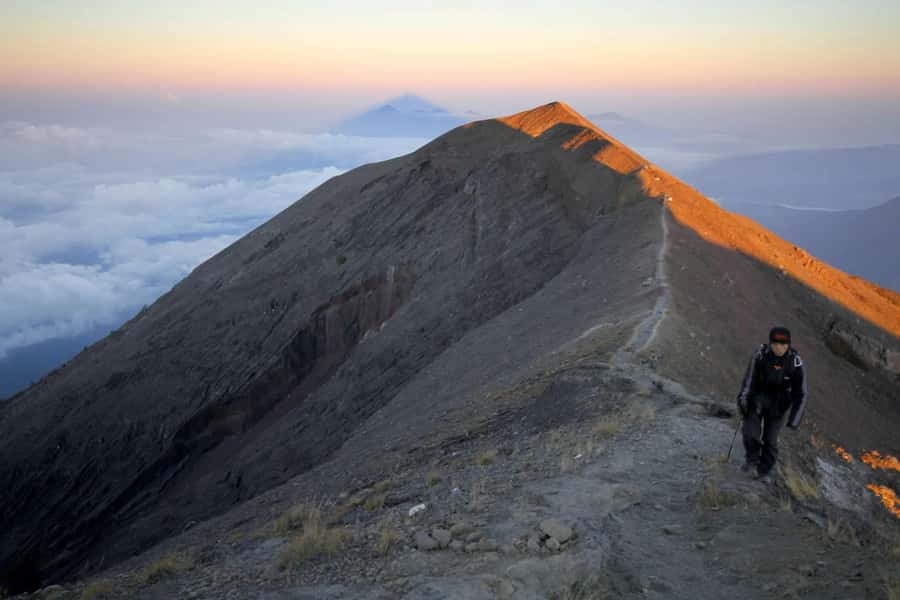
You should also be ready for the real character of Mount Agung: the final stretch. This is where things get steep. The description calls out that the last section may require crawling, which is a polite way of saying you’re going to use your hands. That’s not a problem if you’re mentally prepared for it, and it’s exactly where having a capable guide makes a big difference. When a guide slows you down to secure footing, it usually prevents energy-draining slips.
Also remember the terrain shape. On a climb like this, you’re working uphill, then you face a tough downhill. One of the most practical tips you can take into the hike: your shoes matter more than you think, because loose sand and stones can make the descent a grind if you don’t have strong grip.
Sunrise Timing and Breakfast: The Part That Makes Cold Worth It
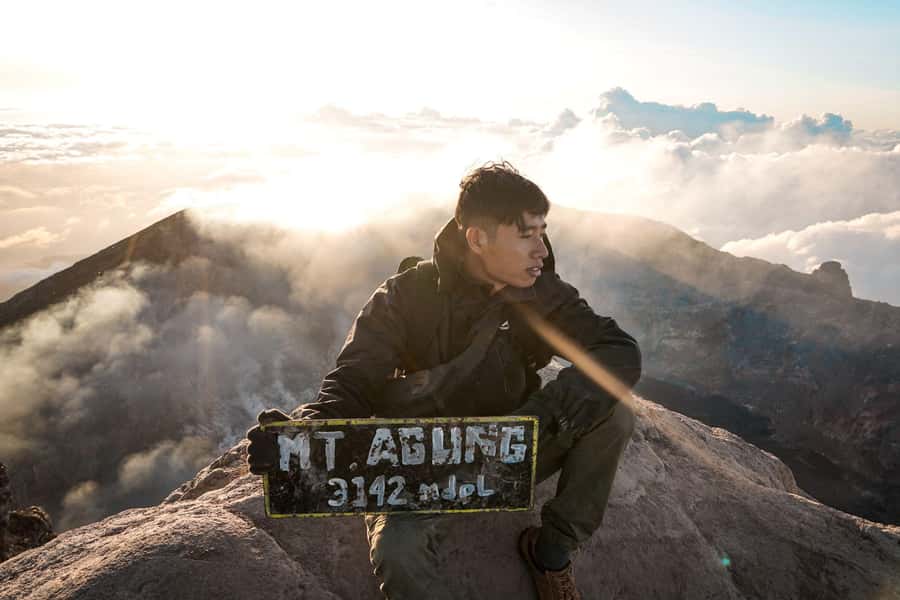
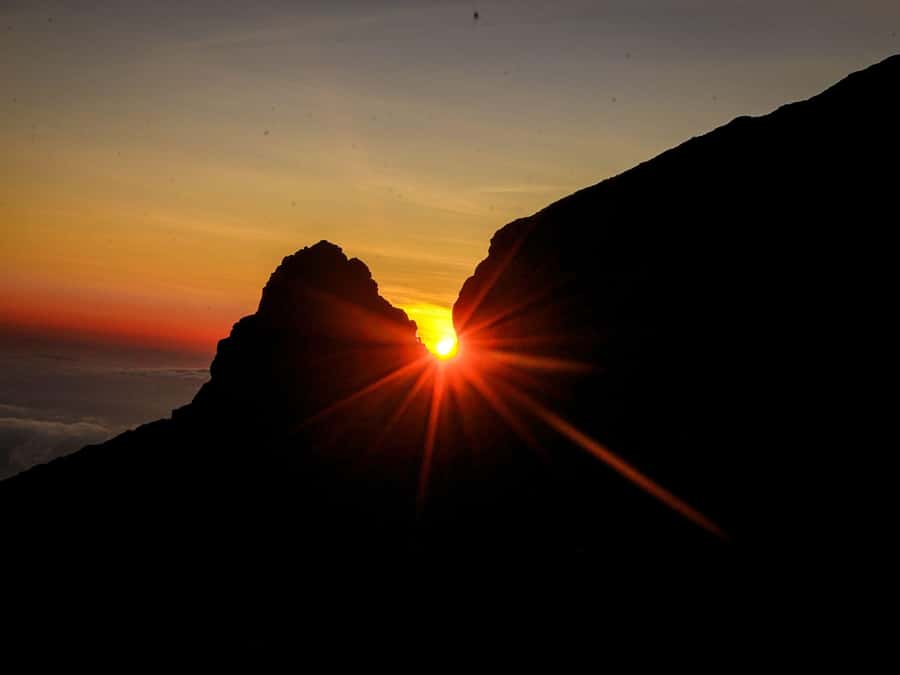
The tour is built around getting you to the summit area before sunrise light changes the scene. The Besakih-based option is described as starting around 11:00 PM, which lines up with that midnight-to-dawn rhythm.
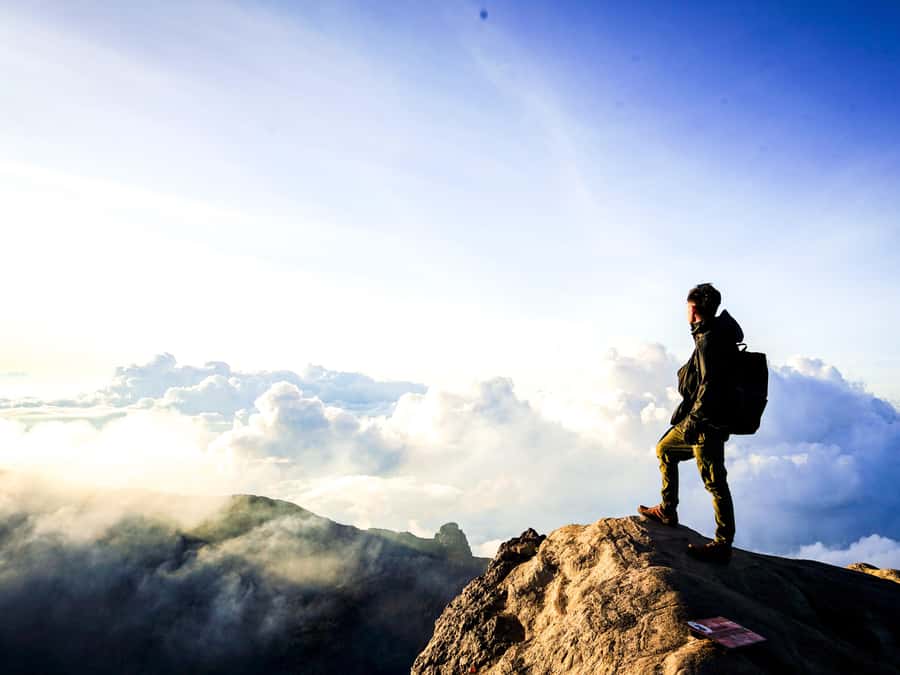
Once you’re up top, breakfast is included. That detail is more important than it sounds. When you reach the summit in pre-dawn cold, your body feels stiff and your breath feels louder. Food helps. You’re not just waiting for the sky to turn; you’re recovering while it happens.
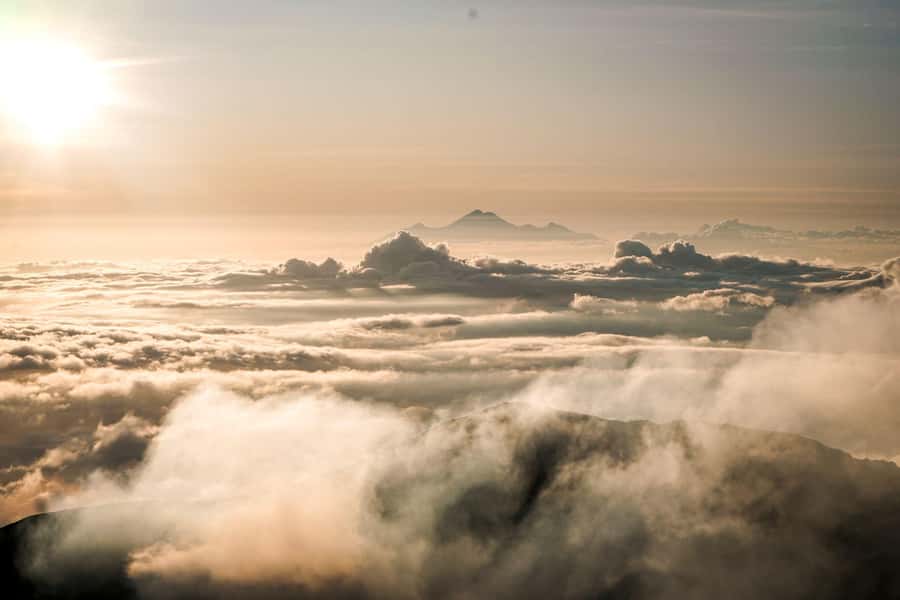
The views are the payoff: you can see wide areas of Bali, including the Caldera Batur and Lake Batur mentioned as part of the sunrise panorama. You’re looking across island-scale geography, not just a nearby ridge, and that makes the moment feel “big” in a way normal hikes rarely do.
One more practical thing: bring patience for photo conditions. Sunrise setups can be windy and cold, and light arrives quickly. It’s not always about getting perfect shots. It’s about experiencing the change in real time while you’re still warm enough to enjoy it.
Pasar Agung Shorter Climb: Still a Real Hands-On Workout
If you’re drawn to the sunrise goal but worried about time or endurance, there’s a shorter Mount Agung climbing option starting from Pasar Agung Temple. The climb is described as about a 1,500-meter ascent in around 3 to 4 hours.
Don’t confuse “shorter” with “easy.” One review note you should treat seriously: the Pasar Agung hike is more of a literal climb than a walk, and you may need to use your hands for stability most of the time. So your body still gets the mountaineering work. The difference is that the overall time is reduced, which can help you avoid turning the climb into an all-night stress test.
You’ll also get panoramic views, with the information mentioning vistas about 250 meters below the summit. That’s a helpful target if you’re trying to manage fatigue. You still get rewarding scenery even if the summit time window is tighter.
Guides and Drivers: The Safety and Comfort You Don’t Want to DIY
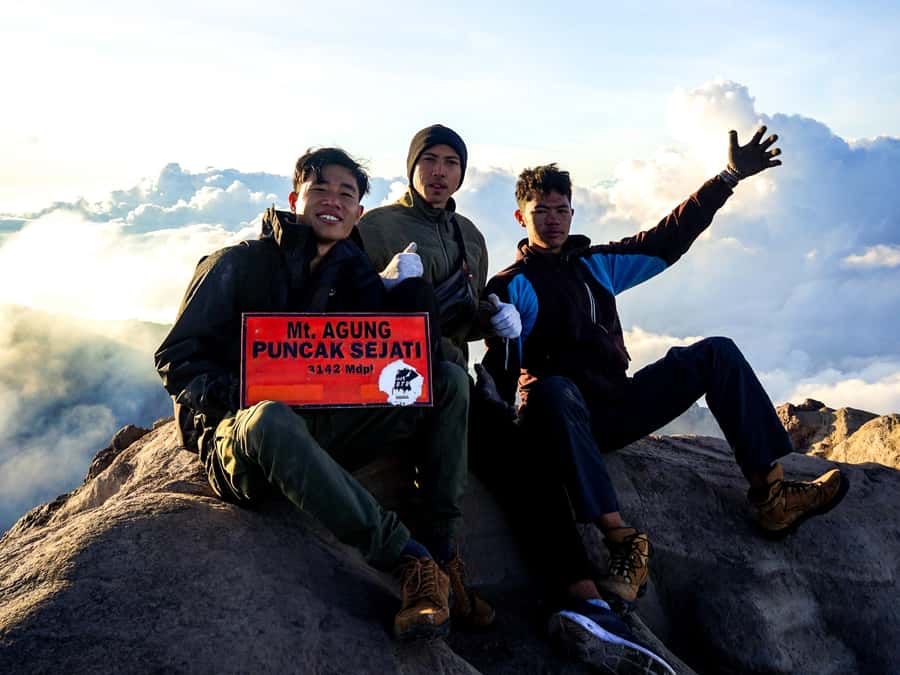
This is one of those tours where the guide can make or break the experience. You’re dealing with steep volcanic terrain, darkness, and cold mornings. A private guide handles the route rhythm and the safety decisions that keep you moving steadily.
In the feedback you provided, guide names keep showing up: people mention guides like Mudia, Juna, Leni, Khaki, and Juno. The common thread isn’t just friendliness. It’s technical support and pacing—help with tricky footing, patience when you need to catch your breath, and timing so you’re at the top before the sunrise window closes.
Drivers also matter for this kind of outing. Since pickup is around 8:30 PM–9:00 PM and you’re returning the same day, comfortable transport reduces pre-hike stress. Names like Kadek, Made, and Gunawan are mentioned as punctual and supportive. Even small things like being on time and driving safely help you start the climb with less friction.
Practical bonus: several reviews highlight extra snacks and added supplies during the climb. The tour includes drinking water, but it seems guides may also bring additional support for people who need it.
Price and Value: What $92 Really Buys You
At $92 per person for a 12-hour experience with hotel transfers, private guide, entrance fees, gear, insurance, and summit breakfast, the price feels fair when you look at what’s bundled.
Here’s what you’re paying for that you’d otherwise have to solve:
- Transfers: pickup/drop-off from a wide range of Bali areas
- A private local trekking guide: the biggest risk-management item on a steep climb
- Included gear: hiking poles, headlamp/torch, gloves
- Food and hydration: breakfast on top and drinking water
- Entrance fees and insurance: less admin, less chance of getting stuck at a checkpoint
What’s not included is also clear: GoPro and personal expenses. That means you should still plan for small costs like cash for personal needs during the day. Also note the tour prohibits alcohol and drugs, which keeps the climb safer.
If you’re trying to decide whether the cost is worth it, use this test: would you be comfortable arranging your own guide, managing pickup timing, and handling cold-start gear? For most people, the $92 buys peace of mind.
What to Bring: The “Small” Items That Save Your Day
This is where you can dramatically improve your odds of having a good time. The tour specifically lists what to bring: hiking shoes, a jacket, hiking pants, and a waterproof bag.
Add a few smart priorities based on how these climbs feel:
- Bring shoes with grip. Volcanic grit and loose stones make the descent tougher.
- Layers matter. It can get cold at the summit, so don’t pack light for sunrise conditions.
- Use a waterproof bag or cover so your phone and essentials survive sweat and damp early-morning air.
- Wear gloves or accept that gloves are provided, but don’t assume one-size-fits-all comfort. Gloves help when your hands get numb.
Headlamp is included, but a backup habit is useful if you’re the type who worries. At minimum, make sure your headlamp is charged or batteries are in good shape when you start.
Also, consider a hat. When wind hits at elevation, a hat helps more than you’d expect.
Weather, Rescheduling, and Real Expectations
The tour operates in most weather conditions. If severe weather shows up, it may be rescheduled or cancelled for safety. That’s the right approach for volcanic terrain, because visibility and footing are everything.
So how should you plan mentally? Treat sunrise as a goal, not a promise. Even on clear nights, conditions can be changeable. Your job is to stay flexible and keep the climb safe.
Also, treat this trek as physically serious. The tour notes it’s not suitable for beginners or anyone with health issues, and it’s not suitable for altitude sickness sufferers. If you’ve struggled with altitude before, take that warning seriously.
Who Should Book (and Who Should Skip)
This trek is a great fit if you:
- want a real challenge and don’t mind climbing in the dark
- enjoy sunrise experiences where the payoff is huge and earned
- like having a guide to manage pacing and safety
- can handle cold mornings and steep terrain
It’s not the right choice if you:
- are a beginner hiker
- get altitude symptoms easily
- have medical limitations that make steep climbs or rapid elevation exposure risky
- aren’t comfortable with a route that may require hands-on scrambling
One note from the experience notes you shared is a kind-but-important reminder: some people overestimate themselves. If your guide suggests an easier approach, take it seriously. It’s usually about getting you safely to your goal without turning the descent into a disaster.
Should You Book This Mount Agung Sunrise Trek?
I’d book it if you want a Bali experience that feels like an accomplishment, not a casual sightseeing loop. The included gear, private guide support, breakfast at the top, and full transfers make it good value for what you’re doing at altitude.
Skip or reconsider if you know steep climbs and cold, early-morning starts stress you out, or if altitude is a known issue for you. This is not the day to “see how it goes.”
If you can handle the challenge, this is one of those tours where sunrise is only half the story. The other half is the climb itself, the guide-led confidence, and the way the whole island looks when morning finally arrives.