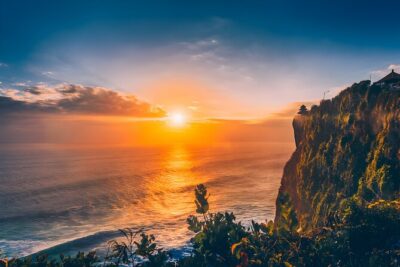
Seeing the sunrise over Bromo’s crater rim is the main draw, and it’s paired with the blue fire show inside Kawah Ijen. I also like how the trip is built around professional English-speaking guides and a tight small-group pace, so you’re not left guessing what to do. One clear consideration: this is a time- and car-heavy trip, and the accommodations are basic once you get out near the volcanoes.
You’ll start early, drive far, and spend a lot of the day moving toward viewpoints and craters. That sounds intense, but it’s exactly why the experience works. The route, transport, fees, and key guiding are handled for you, so you can focus on the volcano moments.
In This Review
- Key moments to remember
- From Bali to Java: the start is a ferry and a very early morning
- Day 1 at Bromo: settling in for the early wake-up
- Day 2 Sunrise at Mount Bromo: crater rim views and that jeep advantage
- Day 3 Kawah Ijen before sunrise: blue fires inside an active crater
- How hard is it, really: crater edges, long drives, and realistic expectations
- Food, toilets, and sleep: what’s included and what you’ll need to bring
- Price and value at $348: what you’re really paying for
- Guides that set the tone: professional, caring, and good at timing
- Who this Bali volcano trip suits best (and who should skip it)
- Should you book this Mount Bromo and Kawah Ijen trip?
- FAQ
- Where are the pickup points in Bali and Surabaya?
- What language is the tour guide?
- Is this a private tour or a group tour?
- What’s included in the price?
- Do I need to bring a towel?
- Is hot water available at both overnight stops?
- Are toilets provided with toilet paper?
- Is WiFi available during the trip?
- Is the tour suitable for kids or mobility needs?
- What should I bring and what’s not allowed?
Key moments to remember
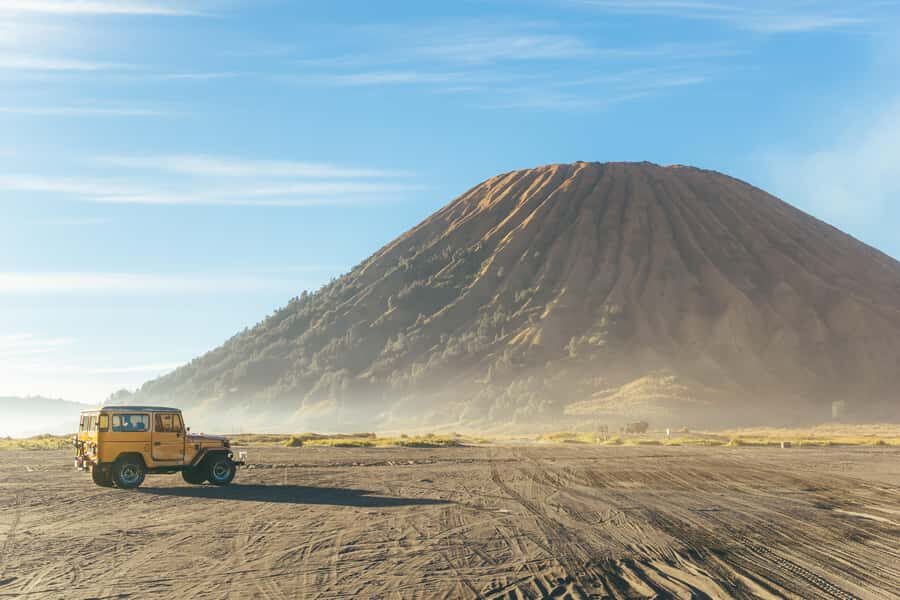
- Sunrise from the Bromo caldera with wide views of Bromo, Batok, and Semeru
- Jeep transport near Bromo to reduce the longest slog
- Crater-edge walking at Bromo where you can hear the active volcano roar
- Kawah Ijen blue fires at pre-dawn followed by sunrise inside the crater
- Crowd-smart timing when dates get busy, with time kept at the crater
From Bali to Java: the start is a ferry and a very early morning
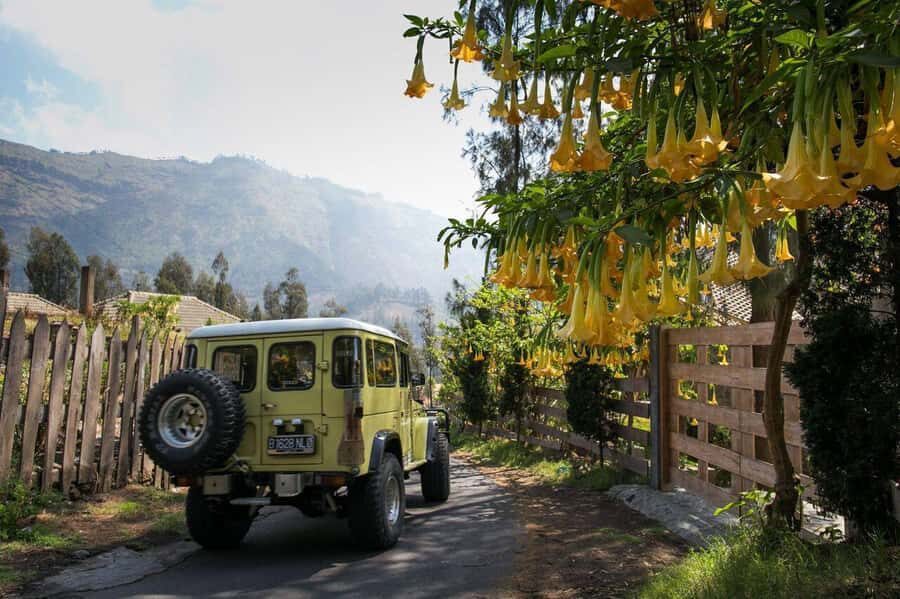
This trip is designed to move you from Bali over to eastern Java for volcano time that most people only see in photos. You leave from South Bali at 6:00 AM (with pickup also available in Ubud), and you’ll connect via a ferry crossing as part of the outbound and return route.
The practical effect is simple: you trade an easy, slow day for real volcano access. You’ll feel it in your schedule right away, especially if you’re not used to pre-dawn travel. If you know you hate motion, ask for the front seat when you can, since the road can be bumpy and the driver can help with options for motion sickness.
You can also read our reviews of more tours and experiences in Mount Bromo.
Day 1 at Bromo: settling in for the early wake-up
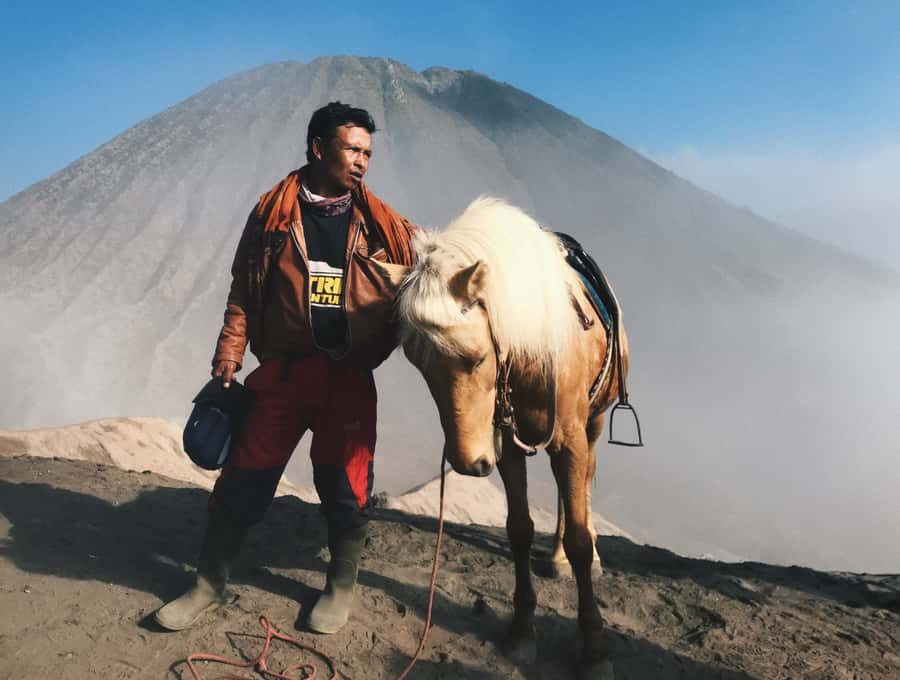
Day 1 is about getting you out to the Bromo area and set up for sunrise. After pickup options like Gusto Gelato & Caffé in Seminyak or Coco Supermarket (Monkey Forest) in Ubud (and also Surabaya pick-up), you’ll leave Bali behind and make your way to Mount Bromo, an active volcano in the Tenger-Bromo region.
You’ll stay overnight at Bromo, which matters more than it sounds. Staying nearby lets sunrise happen without an exhausting midnight drive. It also sets expectations: you’re not booking a beach hotel; you’re booking a functional base for crater views.
Day 2 Sunrise at Mount Bromo: crater rim views and that jeep advantage
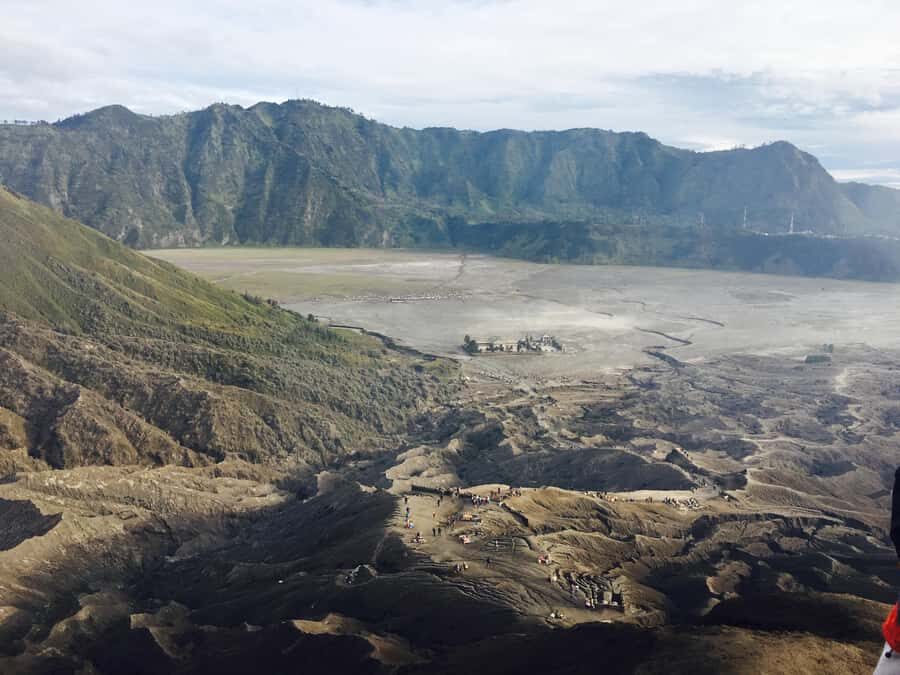
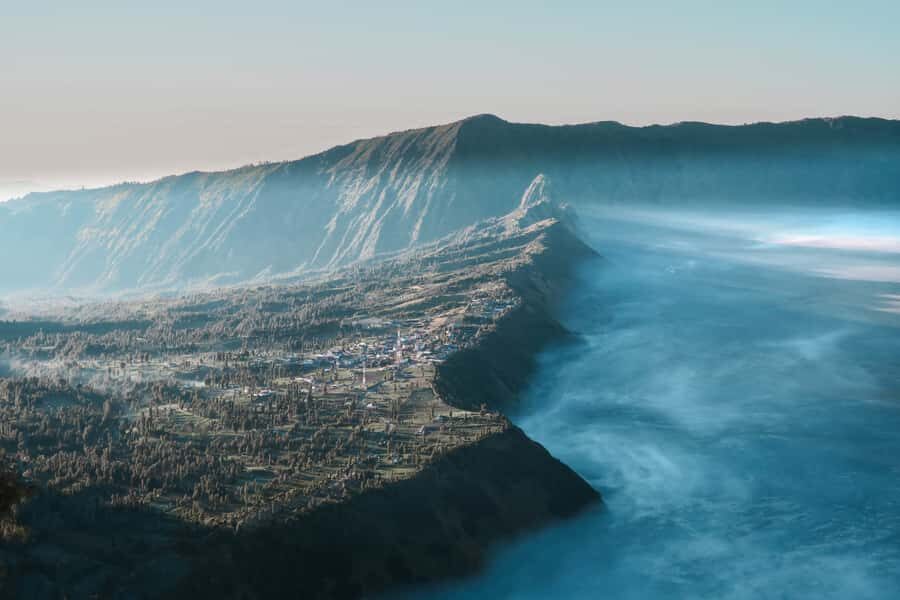
Your second day centers on one big goal: an epic sunrise from the Bromo caldera area. You’ll see views across the volcanic skyline of Bromo (around 2,300 meters), Batok (about 2,600 meters), and Semeru (about 3,300 meters), depending on weather and cloud cover.
Then comes the part that turns “watching volcanoes” into a visceral experience: climbing up to get a look into the Bromo crater and balancing near the active rim. The tour includes jeep transport at Bromo, which helps you spend more time where it counts and less time stuck in a long approach.
A couple of notes that help you plan your photos: this is dawn viewing, so visibility is everything. Bring comfortable shoes you can trust on uneven ground. If you want a smoother experience for photos and timing, going with a small group and a guide who knows where to position you is a real advantage.
Day 3 Kawah Ijen before sunrise: blue fires inside an active crater
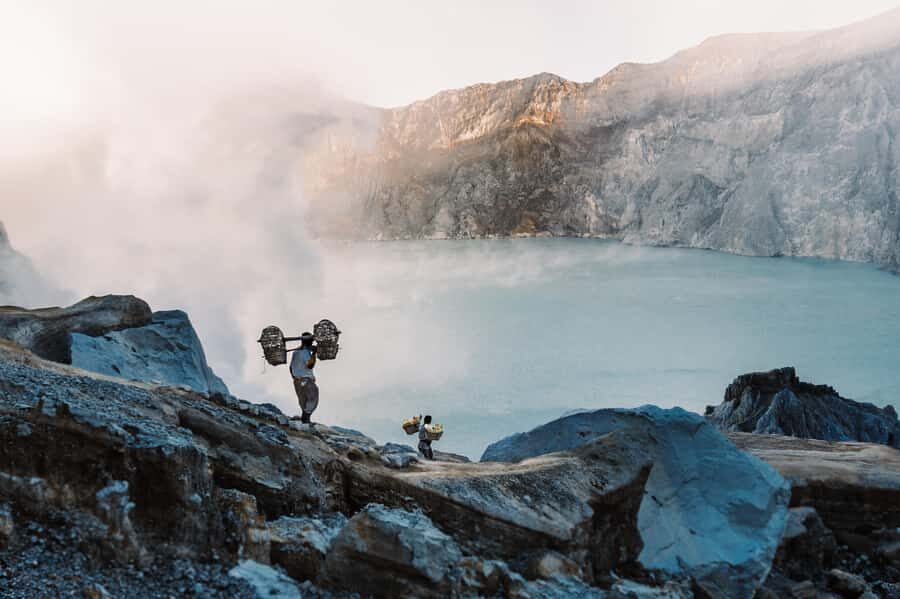
Kawah Ijen is where the trip earns its reputation. You head out pre-dawn to reach Ijen, then you ascend to the top and later descend into the crater to watch the blue fires phenomenon. After that, you’ll enjoy sunrise from inside the active volcano crater—a setting that feels completely different from any viewpoint platform.
This is the kind of experience that rewards patience. You’re dealing with low light, steep steps, and changing conditions. The payoff is that you see why people talk about Ijen as more than a “pretty volcano.” It’s an active, working environment.
Also think about crowd flow. On busy dates, the plan can keep you at the crater a bit longer so you’re not rushed out before the best moments. That kind of scheduling can make a huge difference to how peaceful the sunrise actually feels.
How hard is it, really: crater edges, long drives, and realistic expectations
Let’s be honest about the workload. Even if you’re not climbing mountains all day, you are dealing with pre-dawn departures, crater walking, and a lot of time on the road. One of the most common comments about this trip is that the drives are long. It’s worth it, but it won’t suit everyone.
Footing matters. The experience includes balancing near active craters, so you’ll want shoes with solid grip. You’re also going to want a towel and comfortable clothes you don’t mind getting dusty. If you’re sensitive to noise, Java can be loud, so earplugs are a smart bring.
This tour isn’t listed as suitable for people with mobility impairments, and it’s not for children under 6. If you have any walking limits, ask before you book and be clear about what you can manage.
Food, toilets, and sleep: what’s included and what you’ll need to bring
The included meals are local and described as not spicy, with vegetarian options available. Drinks are usually simple tea or ginger tea. That’s not a bad thing—it just means you’re eating regional food during a physically demanding trip, not searching for international menus at every stop.
Sleep is basic by design. You’ll have accommodation at Bromo and Kawah Ijen, but details matter:
- Hot water at Bromo is available
- No hot water at Kawah Ijen
- Towels and soap are not provided, so bring your own
- WiFi is not reliable through the trip, with the exception of the hotel reception on day 2
- Toilets in Java may not include toilet paper, so plan for that
This is one of those trips where packing smarter beats packing more. Bring a towel, toiletries you trust, and a backup plan for toilet paper. It’s also normal to expect limited room comfort when you’re staying close to the volcano sites.
Price and value at $348: what you’re really paying for
At $348 per person, you’re not just paying for transport. You’re paying for the glue that makes volcano mornings actually work:
- Comfortable car or mini bus from Bali
- Ferry as part of the route
- Entrance fees to Bromo, Kawah Ijen, and related areas
- Professional guides at Bromo and Kawah Ijen
- Jeep transport at Bromo
- Accommodation at both volcano areas
- Food and beverages during the included meals
- Added items needed for the Kawah Ijen climb
If you tried to DIY this, the hard part wouldn’t be seeing volcanoes. It would be coordinating early timing, entrance fees, guides, local transport, and crater access without losing daylight. The guide component matters most at Ijen, where timing and safe crater movement are key.
What’s not included is also worth understanding: personal expenses and food/drinks outside meals. So budget a little buffer for snacks or anything you want beyond what’s included.
Guides that set the tone: professional, caring, and good at timing
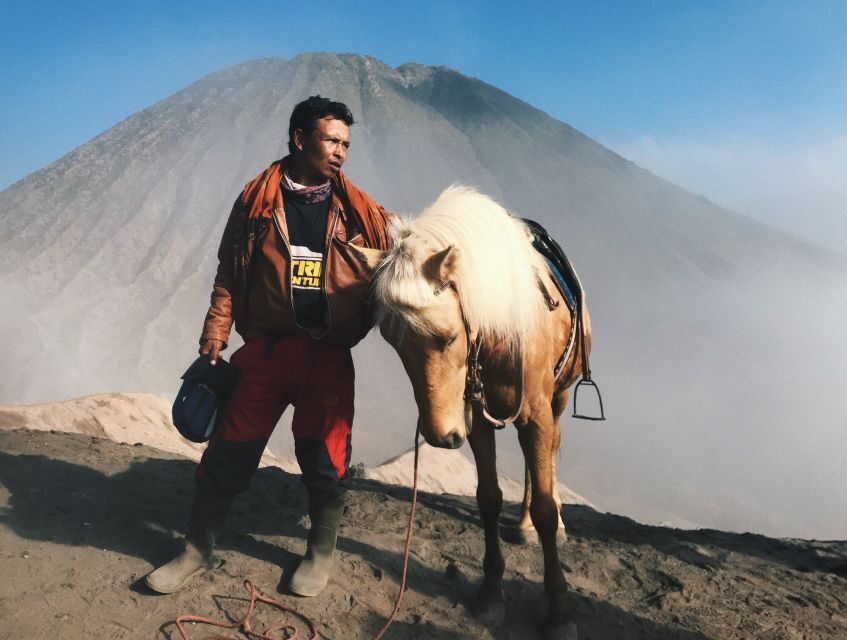
A huge part of the value here is how the experience is guided. The trip includes live English guidance, and people often highlight the team’s professionalism and care—especially names like Pierrick and Eppy that have come up in the experience of other guests.
This matters because volcano trips are half navigation and half weather management. A good guide keeps the schedule realistic, manages the group, and knows when to prioritize the crater moments over rushing to the next viewpoint. It’s also what helps solo travelers feel safe when you’re out in rural areas with early starts.
If weather shifts, the route can be modified depending on conditions. That flexibility is part of why a guided trip is usually less stressful than doing it on your own.
Who this Bali volcano trip suits best (and who should skip it)
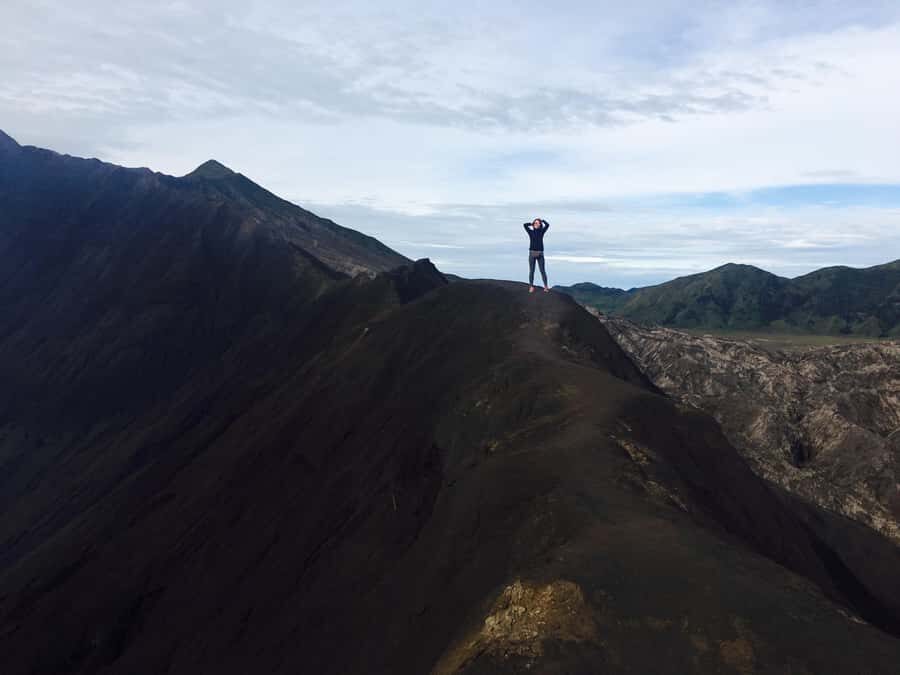
This is a strong fit if you:
- Want two iconic volcano experiences in a tight timeframe
- Can handle early mornings and a lot of driving
- Enjoy walking with a purpose, especially near craters
- Prefer a small group with an English-speaking guide
You should reconsider if you:
- Don’t do well with long car hours or motion sickness
- Need step-free access or have mobility limits
- Are traveling with lots of luggage (large bags aren’t allowed)
- Expect luxury comfort (the stays near the volcano are basic)
Should you book this Mount Bromo and Kawah Ijen trip?
I’d book it if you want a true volcano-focused itinerary with the hard logistics handled: ferry, transport, entrance fees, guides, and the key sunrise and crater access. The value at $348 makes more sense when you factor in guided crater walking, jeeps, and accommodations near Bromo and Ijen—things that are hard to replicate cheaply on your own.
Also, it’s set up to give you flexibility: free cancellation up to 24 hours in advance and reserve now, pay later options. That’s useful if your Bali plans are still evolving.
If you want an experience that feels hands-on—sunrise over volcanic calderas and blue fires from inside an active crater—this is the kind of trip that delivers.
FAQ
Where are the pickup points in Bali and Surabaya?
You can be picked up in South Bali, with meeting points listed as Gusto Gelato & Caffé (Seminyak) and Coco Supermarket (Monkey Forest area, Ubud). For Surabaya, pickup options include the city, train station, airport, or your hotel.
What language is the tour guide?
The tour includes a live tour guide in English.
Is this a private tour or a group tour?
The tour offers small group availability.
What’s included in the price?
Transportation by comfortable car or mini bus, outbound and return ferry, entrance fees to Bromo, Kawah, and Ijen, professional guides at Bromo and Kawah Ijen, jeep transport at Bromo, accommodation at Bromo and Kawah Ijen, and food and beverages.
Do I need to bring a towel?
Yes. Towels are not provided, and it’s recommended to bring your own towel and toiletries.
Is hot water available at both overnight stops?
Hot water is available at Bromo, but it is not available at Kawah Ijen.
Are toilets provided with toilet paper?
Toilets in Java do not include toilet paper, so you’ll need to bring your own.
Is WiFi available during the trip?
You should expect no WiFi during the whole trip, except at the hotel reception on day 2.
Is the tour suitable for kids or mobility needs?
It’s not suitable for children under 6 and not suitable for people with mobility impairments.
What should I bring and what’s not allowed?
Bring comfortable shoes, a towel, comfortable clothes, and your passport or ID card (copy accepted). Luggage or large bags aren’t allowed, and alcohol and drugs are not allowed.