One full day of Bali culture in one ride. This private tour strings together traditional dance, craft villages you can tailor, and a waterfall break with temple stops. It’s a smooth way to see the Bali you came for without playing map-chicken all day.
I especially like the human touch from your guide, often Wayan—friendly, practical, and willing to adjust if you’ve already done a similar temple stop. The result is a day that feels personal instead of cookie-cutter.
My other favorite part is the way the tour builds in real local pauses: lunch with rice-field views and several hands-on craft moments, not just quick photo stops. One thing to consider: it’s a full 7 to 8 hours, so it’s best if you’re okay with a packed but well-paced schedule rather than a slow hangout day.
In This Review
- Key things to know before you go
- Private Bali pickup at 8:15am: no self-drive stress
- Barong & Kris Dance: the good-vs-evil story, told through movement
- Craft village choices: Celuk, Mas, Tohpati, or Batuan
- Tegenungan Waterfall: photos, cooling off, and wet footwear reality
- Kemenuh rice-field lunch: a simple meal with a great view
- Goa Gajah (Elephant Cave): ancient temple details you can actually see
- Pura Puseh Desa Batuan: Tri Kahyangan temple architecture
- Batik process viewing: how the cloth gets its pattern
- What you’re really paying for: value in included tickets and time
- Pacing, photos, and what to bring for a comfort-first day
- Should you book this Bali traditional dance, waterfall, and temple day?
- FAQ
- What time does the tour start?
- Where does pickup happen?
- How long is the tour?
- Is this a private tour?
- How many people can be in the vehicle?
- What’s included in the price?
- Is lunch included?
- Can I choose which craft village stops I want?
- Do I need to pay for admission tickets?
- Is free cancellation available?
- What’s the cancellation deadline?
Key things to know before you go
- Private pickup from your hotel or from the port at 8:15am, with drop-off afterward
- Barong & Kris dance included, with the good-vs-evil story explained through performance
- Choose-your-craft-village options like Celuk (gold/silver), Mas (wood carving), Tohpati (batik), or Batuan (painting)
- Tegenungan Waterfall stop with time for photos and even a bath if you want
- Rice-field lunch in Kemenuh at a local restaurant (Sumampan Kemenuh)
- Entrance fees included across the stops, plus air-conditioned private transport and bottled water
Private Bali pickup at 8:15am: no self-drive stress
This is built for convenience. You get pickup at 8:15am from your hotel or directly from the port area in Tanjung Benoa, then you’re returned there or dropped back at your hotel later. The big win is mental: you spend energy looking at Bali, not navigating Bali.
Transport is handled in an air-conditioned vehicle with private driving. That matters on a long day because Bali traffic and heat can wear you out fast. Also included are bottled water, parking fees, and the entrance fees for the sites you visit—so you’re not constantly hunting for tickets or guessing whether something is covered.
One practical detail: group size is capped. It’s private for your booking, but the car capacity depends on the vehicle (up to 6 people in a regular car, or up to 12 in a bigger Hiace-style vehicle). If you hate crowd noise, choose a smaller group slot when you can.
You can also read our reviews of more tours and experiences in Tanjung Benoa.



Barong & Kris Dance: the good-vs-evil story, told through movement
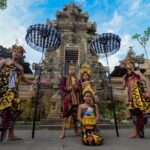
The day’s first big cultural show is the Barong & Kris dance. This is a traditional performance where the story follows the fight between good and evil, with Barong as the good character and Rangda as the evil one.
What I like about including a dance early is how it frames everything else you’ll see later—temples, offerings, and rituals make more sense when you’ve already met the classic characters and the moral drama they represent. It also gives your day a clear anchor: you’re not just driving from one site to the next.
Timing-wise, plan on about an hour. It’s not a long show, but it’s substantial enough to feel like you actually attended something, not just watched a quick clip.
Craft village choices: Celuk, Mas, Tohpati, or Batuan
One of the best value parts here is that you can steer the craft stops. Instead of forcing you through one “standard” route, the tour lets you request the villages you most care about, from the options below.
- Celuk Village for gold and silver handicrafts
- Mas Village for wood carving
- Tohpati Village for batik
- Batuan Village for painting
The tour keeps each craft stop to about an hour, so you get enough time to watch how the work is done and ask questions, without spending the entire day in one workshop.
Here’s why this matters in real life: Bali crafts aren’t just souvenirs. They’re tied to technique, family trade, and local style. Even when you don’t buy anything, you’ll leave with a clearer sense of what you’re looking at when you shop back at home.
A quick practical tip: if you have a shopping goal (say, a batik piece or a carving), tell your driver early so the day can match your pace. If you’re sensitive to shopping pressure, ask to focus more on viewing and less on browsing.
Tegenungan Waterfall: photos, cooling off, and wet footwear reality
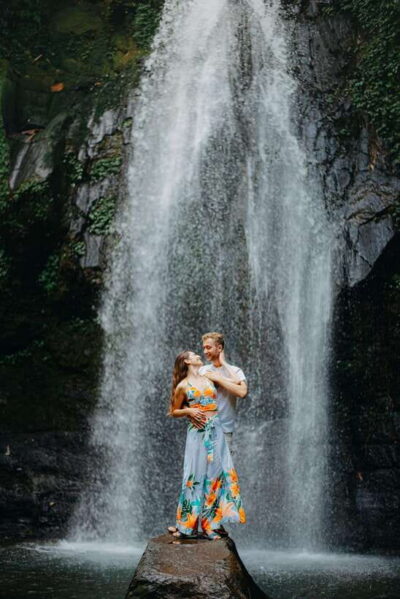
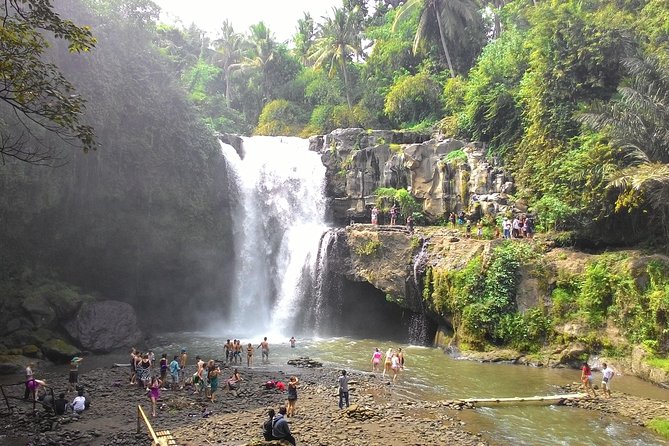
Next comes the Tegenungan Waterfall stop, with about an hour on-site. The tour highlights the scenery and the cool atmosphere, and it even allows for a bath if you want to get in the water.
That can be a great reset in the middle of a long day—but treat it like real nature time, not a spa visit. Water can be slippery, and getting in usually means you’ll want secure footing. Plan for wet shoes or sandals you don’t mind getting dirty.
Photo-wise, Tegenungan is exactly the sort of place where you’ll want to play with angles and shade. The waterfall gives you built-in drama in the background, so even casual snapshots look like you tried.
If you’re not into getting wet, the hour still works well for walking, looking, and capturing photos without needing to swim.
Kemenuh rice-field lunch: a simple meal with a great view
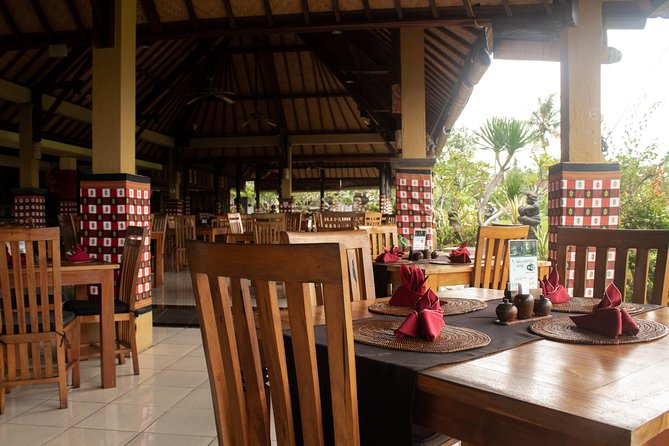
Lunch is served in Kemenuh, specifically at a local restaurant in Sumampan Kemenuh village, with views across rice fields. You’ll get about an hour here, and the tour includes lunch—so you’re not stuck deciding what to eat while your day is running on tight timing.
I like lunch spots like this because it breaks up the “temple + craft + temple” rhythm with something calmer. It also gives you a sense of how Bali farming shapes everyday life. Even if you’re not a big foodie, the setting makes the meal feel like more than just refueling.
One small planning note: rice-field restaurants can be bright and breezy. If you get chilly easily indoors or near open dining spaces, bring a light layer.



Goa Gajah (Elephant Cave): ancient temple details you can actually see
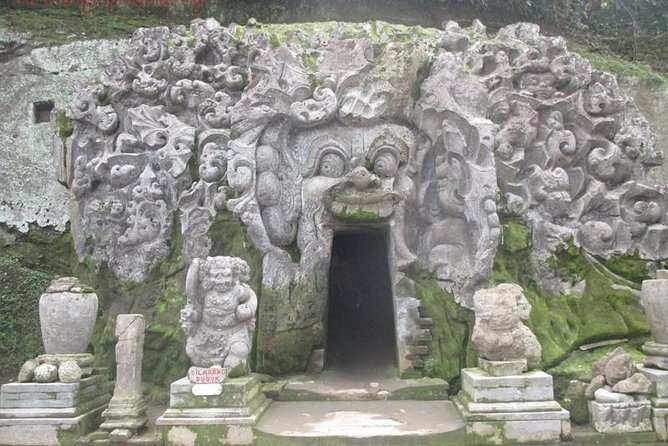
After lunch, the day turns back toward temples with Elephant Cave, also known as Goa Gajah. This stop is about an hour, and the key idea is that the temple is an ancient cave site with strong art and historical value.
What you’ll notice in places like this is how textures and carvings guide your attention. You’re not just looking at one main object—you’re scanning stone features around the cave environment. Time matters here; give yourself enough minutes to slow down, look up, and notice the different elements.
A cave temple can feel dim compared to the Bali daylight outside, so bring the mindset of “short viewing, lots of details.” If you rush, you miss the best parts.
Pura Puseh Desa Batuan: Tri Kahyangan temple architecture

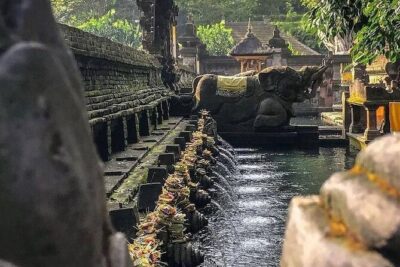
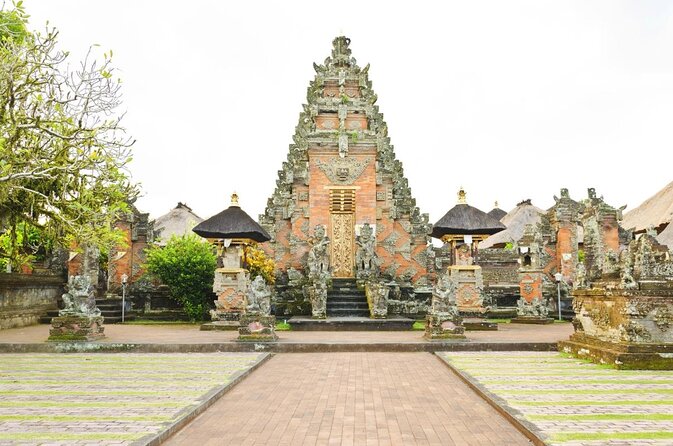
Next up is Pura Puseh Desa Batuan, described as one of the popular and beautiful village temples in the Tri Kahyangan system. You’ll spend about an hour here, and the site emphasizes Balinese architecture elements like split gates and stone guardians.
Even if you’re not studying temple design, this is the kind of stop that rewards basic awareness: temples aren’t random structures. They’re organized spaces with visual cues—gates, guardian figures, and layered symbolism.
What’s helpful here is that the tour keeps you moving but still gives time to take in the layout. It’s not “walk past a gate and leave.” You get to actually experience the atmosphere of a working village temple.
Also worth knowing: if you’ve already visited one temple on another tour, ask your guide about alternatives. In practice, guides like Wayan can sometimes swap a temple stop when it overlaps with what you’ve already seen.
Batik process viewing: how the cloth gets its pattern
The tour includes a stop connected to batik—at Legong Fine Art of Batik. The focus is watching the process of making batik (Balinese traditional clothes).
Expect a more process-focused experience than a typical store stop. Even when you don’t catch every step, watching the workflow helps you understand why batik is more than a print. It’s a craft with stages and tools, and that context makes any later purchase feel more informed.
You’ll get about an hour. If your main interest is batik, consider budgeting attention here. If you’re also planning to shop, this stop can help you spot quality differences later—like how the pattern looks and how carefully the work is done.
What you’re really paying for: value in included tickets and time
At $65 per person, this tour is priced like a lot of “single-category” Bali activities, but you get a full mix in one day: a traditional dance, multiple craft options, a waterfall stop, lunch, and two temple experiences—plus the cost of entrance fees.
Why that’s good value: in Bali, the costs for entry tickets and transport can stack up fast. Here, the tour includes private transportation, parking fees, bottled water, and entrance fees to the sites you visit. You’re not piecing the day together at multiple checkout counters.
Time value is also real. You’re on a tight schedule from pickup at 8:15am through the day’s series of stops (about 7 to 8 hours total). That’s enough time to see a lot without feeling like you’re on a one-hour layover between sights.
There’s one trade-off to be honest about: because it’s a full itinerary day, you don’t get unlimited free time at each stop. If you want long stretches for relaxing, shopping, or slow wandering, you may prefer a tour with fewer stops or more flexible scheduling.
Pacing, photos, and what to bring for a comfort-first day
This kind of Bali day runs on heat, walking, and photo moments. To keep it comfortable, I’d plan like this:
- Wear breathable clothes you can move in, since you’ll be outside a lot.
- Bring light rain protection if you’re visiting during the wet season.
- Pack water habits in mind: the tour includes bottled water, but you’ll still want to sip often.
- For the waterfall, be ready for wet surfaces if you go for the bath—closed or secure footwear is your friend.
For photos, don’t just shoot the obvious view. Use a mix of wide shots (waterfall and rice fields) and detail shots (craft materials, stone carvings). The batik and craft stops are where close-ups help you remember what you learned.
Also, since you’ll be indoors and outdoors across the day, consider your phone battery. With all the photo opportunities, it’s easy to run down power before the last temple.
Should you book this Bali traditional dance, waterfall, and temple day?
Book it if you want a private, no-driving-day that covers the “big Bali hits” in one go: Barong dance, craft village time you can choose, Tegenungan Waterfall, a rice-field lunch, and classic temple culture like Goa Gajah and Pura Puseh Desa Batuan.
Skip or adjust if you hate schedules. This is a full day with multiple stops, so it’s not built for long lounging or repeat visits. It’s also best if you’re okay with short-to-medium viewing time at each location—enough to see and understand, not enough to become an expert in every stop.
If you do book, you’ll get the most out of it by communicating your preferences early—especially which craft villages you want and whether you’ve already visited certain temples. With a guide like Wayan, that kind of clarity can make the day feel tailored instead of rushed.
FAQ
What time does the tour start?
Pickup starts at 8:15am.
Where does pickup happen?
Pickup is offered from your hotel or from the port.
How long is the tour?
The duration is about 7 to 8 hours.
Is this a private tour?
Yes. It’s a private tour, meaning only your group participates.
How many people can be in the vehicle?
Maximum group size is up to 6 people per booking for a regular car, or up to 12 people for a bigger car (Hiace).
What’s included in the price?
The tour includes hotel pickup and drop-off, lunch, bottled water, parking fees, private transportation (air-conditioned vehicle), fuel surcharge, and entrance fees for the sites visited.
Is lunch included?
Yes. Lunch is included at a local restaurant with views across rice fields in Sumampan Kemenuh village (Kemenuh area).
Can I choose which craft village stops I want?
Yes. You can request craft villages such as Celuk (gold and silver), Mas (wood carving), Tohpati (batik), or Batuan (painting).
Do I need to pay for admission tickets?
Entrance fees to the sites are included. Some stops are listed as included admission, while others may indicate free admission, but overall site entry is covered.
Is free cancellation available?
Yes. You can cancel for a full refund up to 24 hours before the experience starts.
What’s the cancellation deadline?
You must cancel at least 24 hours in advance of the experience’s start time for a full refund.