Petang is a quiet Bali village day on a bike. I like how the ride spends most of the time in rice fields near Ubud, and you also get real cultural stops like ancient temples and local craft centers. For $32, it feels like a practical way to see more than just views from the roadside.
One thing to plan for: this tour isn’t for everyone. It’s not suitable if you can’t ride a bike or if you have back problems, and it isn’t listed for wheelchair users or people over 95.
In This Review
- Key Things You’ll Notice on This Petang Cycling Tour
- Why Petang’s Rice-Field Cycling Feels More Like Real Bali
- Temple Stops and Craft Centers: More Than Photos
- Ancient Balinese temples
- Hero monuments
- Craft centers: silver jewelry and black bee farming
- Lunch After the Ride: Included, Simple, and Local
- The Guide, the Pace, and the Safety Setup
- Safety equipment matters more than you think
- For people who want structure
- What to Bring for a Comfortable Bali Bike Day
- Price and Value: Is $32 Actually a Good Deal?
- Who This Tour Fits Best (and Who Should Skip It)
- Should You Book the Ubud Petang Country Side Cycling Tour?
- FAQ
- What is the Bali cycling tour cost?
- Where does the tour take place?
- Does the price include lunch?
- Is hotel pick-up and return included?
- What else is included besides the ride and lunch?
- What language is the guide?
- What stops do you make during the tour?
- Will I see rice farming?
- What should I bring?
- Is this tour suitable for everyone?
- Can I cancel and still get a refund?
Key Things You’ll Notice on This Petang Cycling Tour
- 70% of the route through rice fields, so you’re actually moving through the farming landscape
- Ancient Balinese temples and hero monuments, not just a quick photo stop
- Local craft centers, including silver jewelry making and black bee farming
- Lunch included at a local restaurant among village homes, plus mineral water
- Group-paced cycling with an English-speaking guide, using professional safety gear
- Hotel pick-up and return included, which makes the day easier to manage
Why Petang’s Rice-Field Cycling Feels More Like Real Bali
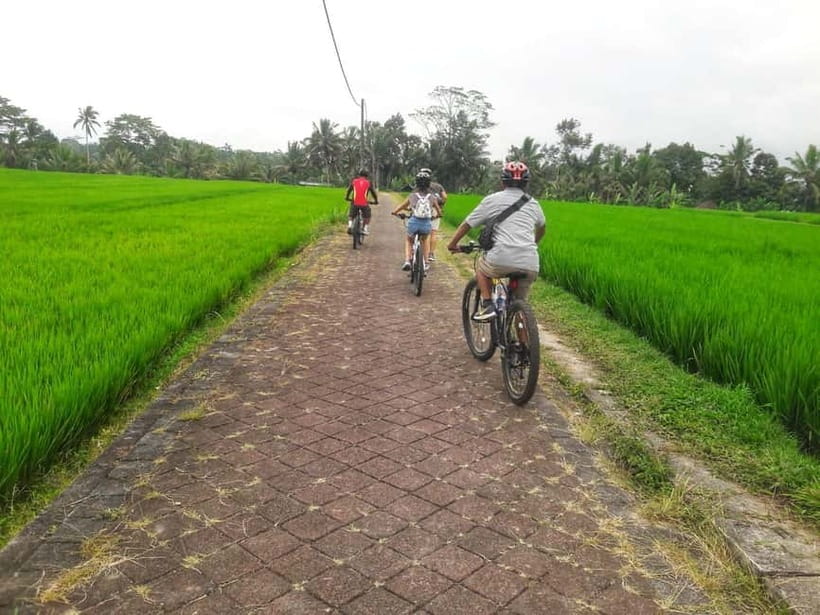
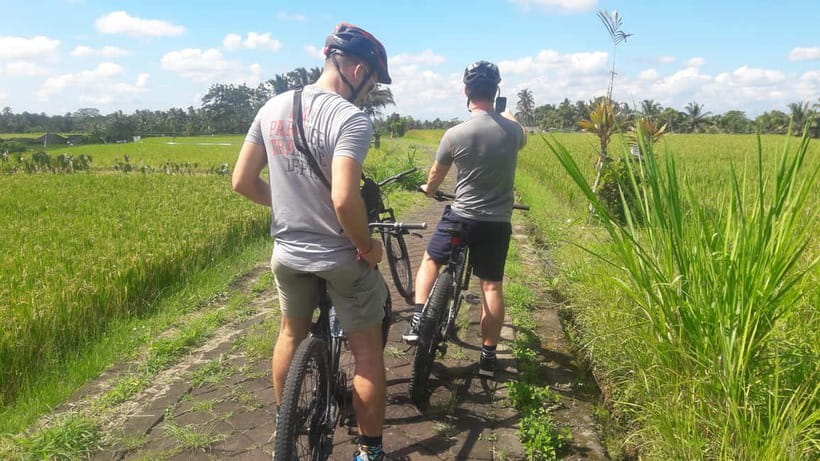
Petang sits about a 30-minute drive from Ubud, and the tour is built around that shift from tourist center to working village life. The standout detail is the route is 70% rice fields, which means your day isn’t just “ride to a viewpoint.” You’re passing farmland as it functions: you may see farmers planting or harvesting rice, depending on what’s happening that day.
That matters because rice farming in Bali is not a background detail. It’s daily work, seasonal rhythm, and family knowledge passed on by doing. When you bike through the fields, you’re not stuck watching from a distance. You can look at how water, paths, and fields connect to homes and temples nearby.
You’ll also notice how the ride weaves through traditional village areas, not just open farmland. That mix is one of the reasons this tour works well for people who want more than a simple nature walk.
Practical note: you’ll be outside for most of the experience, so plan around sun and heat. The tour specifically tells you to bring sunscreen and a hat, which is the best clue you need.
You can also read our reviews of more tours and experiences in Kuta.


Temple Stops and Craft Centers: More Than Photos
This is where the day becomes more than scenic cycling. Along the way, you hit several stops tied to Balinese culture and local livelihoods, including ancient temples and hero monuments.
Ancient Balinese temples
The tour includes visits to ancient Balinese temples. Even if you’re not a deep Balinese history person, these stops are useful because they show you how spirituality lives beside everyday farming. You get a chance to slow down, look closely, and understand that religious sites aren’t separate from village life here.
Hero monuments
You’ll also stop at hero monuments. That adds a different kind of context, moving beyond daily routines into how communities remember and honor people important to their shared story.
Craft centers: silver jewelry and black bee farming
One of the more interesting parts is the craft focus. The tour includes local craft centers where you can see silver jewelry making and black bee farming.
Why that’s valuable: it links culture with practical skills. Silver work is the kind of craft that takes patience and training. Black bee farming is closer to agriculture and resource use. You’re not just learning what Bali looks like—you’re seeing what people do for income and for sustaining traditions.
Tip for your visit: bring your curiosity, not just your camera. If you ask simple questions in plain English, you’ll usually get clearer answers than trying to memorize big cultural explanations.



Lunch After the Ride: Included, Simple, and Local
Cycling tours can do lunch in two ways: either it’s an add-on and you wonder if it’s worth it, or it’s truly part of the experience. Here, lunch is included, with lunch at a local restaurant among village homes and complimentary mineral water.
Even better, the tour includes a cold face towel, which sounds small until you’ve been outside in the sun. It helps you feel human again before the rest of the day ends.
What I like about this setup for real-world value: it removes one of the biggest “holiday time sinks.” You don’t have to hunt for food, translate menus, or wonder if the place will be good. You can focus on cycling and culture, then eat where the schedule expects you to eat.
Diet info isn’t listed in the details you provided. If you have allergies or a specific dietary need, it’s smart to ask before booking.
The Guide, the Pace, and the Safety Setup
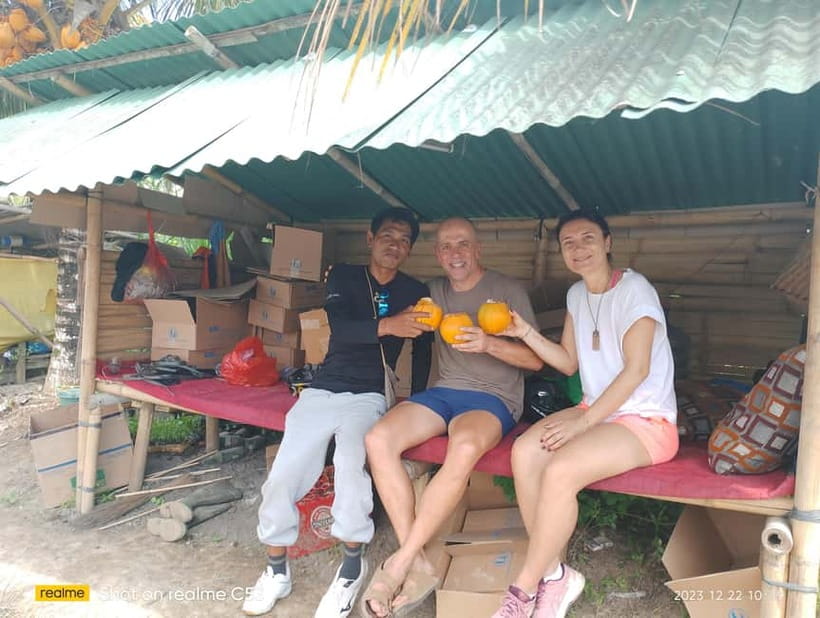
Good guide energy can make or break a countryside day. This tour includes a professional and fully trained cycling guide and international standard safety equipment. It also has hotel pick-up and return, plus it runs in English.
There’s also a comfort factor here: the tour pace is decided by the group, and the guide is described as accommodating to needs and extra requests. That’s not just nice customer service. It means you’re less likely to feel rushed or stuck in a tempo that doesn’t match your stamina.
Safety equipment matters more than you think
Cycling in rural areas means you’re sharing roads and paths with normal local traffic. Having the right safety gear included is the kind of detail that keeps a day fun instead of stressful.
For people who want structure
If you like a plan with stops—temples, monuments, craft centers, then lunch—this gives you that. You’re not navigating. You’re participating.
What to Bring for a Comfortable Bali Bike Day
The tour’s packing list is short, which I like. It keeps you from overthinking.
Bring:
- Hat
- Camera
- Sunscreen
- Comfortable clothes
I’d add one practical thought based on how these rides work: wear clothing you don’t mind getting a little dusty. Countryside cycling usually isn’t a “dress-up” moment.
Also, since the tour is not suitable for people who can’t ride a bike, make sure your balance and comfort are good before you go. If you’re rusty, this is not the day to “learn on the spot.”
Price and Value: Is $32 Actually a Good Deal?
At $32 per person, this tour is priced like a value day. The bigger question is what you get for that price, because Bali has plenty of cheap tours that quietly charge you later.
Here’s what’s included:
- entrance tickets
- insurance
- professional cycling guide
- international standard safety equipment
- lunch and complimentary mineral water
- cold face towel
- hotel pick-up and return
When you total that up, $32 starts making sense. You’re not just paying for someone to lead you down a road. You’re paying for logistics (pick-up and return), access (entrance tickets), and on-tour comfort (lunch, water, towel).
The only listed extra is personal expenses. So if you keep spending controlled, you can predict your total budget pretty well.
For many people, the best part of this price isn’t the number. It’s the fact that your day stays simple and guided from start to finish.
Who This Tour Fits Best (and Who Should Skip It)
This cycling tour is a strong match if you:
- can ride a bike comfortably
- want a countryside route near Ubud with lots of rice fields
- like a guided day with cultural stops (temples, hero monuments, craft centers)
- want lunch included without planning a meal
It’s not suitable if:
- you have back problems
- you can’t ride a bike
- you use a wheelchair
- you are over 95 years old
That list is important because it’s not vague. It tells you the tour expects a certain physical ability and comfort level on a bike.
If you’re deciding between this and a walking tour, this one is for cycling confidence. If you’re not sure, choose the option that matches your ability. It’s a better day when you’re focused on the views and the culture, not forcing your body.
Should You Book the Ubud Petang Country Side Cycling Tour?
I’d book it if your goal is a guided, active, countryside day that connects rice farming, temples, and local crafts in one trip. The combination of 70% rice-field cycling, cultural stops, and included lunch is a smart formula for getting a lot of real village texture without complicated planning.
I’d think twice if cycling isn’t your thing, if you have back issues, or if you want a totally low-effort experience. This tour is built around pedaling and being outside for a good chunk of the day.
If you’re a first-time visitor to the Ubud area and you want something more meaningful than a quick scenic ride, this is one of the better value directions to take.
FAQ
What is the Bali cycling tour cost?
It costs $32 per person.
Where does the tour take place?
It’s in Bali, Indonesia, in and around the village of Petang, about a 30-minute drive from Ubud.
Does the price include lunch?
Yes. Lunch is included, along with complimentary mineral water.
Is hotel pick-up and return included?
Yes. Hotel pick-up and return are included.
What else is included besides the ride and lunch?
The tour includes entrance tickets, insurance, a professional cycling guide, international standard safety equipment, and a cold face towel.
What language is the guide?
The tour is offered in English.
What stops do you make during the tour?
You’ll visit ancient Balinese temples, hero monuments, and local craft centers, including silver jewelry making and black bee farming.
Will I see rice farming?
The route takes you through rice fields, and you may witness farmers planting or harvesting rice depending on what’s happening that day.
What should I bring?
Bring a hat, camera, sunscreen, and comfortable clothes.
Is this tour suitable for everyone?
It is not suitable for people with back problems, people who can’t ride a bike, wheelchair users, or people over 95 years old.
Can I cancel and still get a refund?
You can cancel up to 24 hours in advance for a full refund.