Morning in Ubud feels different. This 7 AM small-group tour pairs walking meditation in rice fields with hands-on spiritual practice, ending with the Melukat purification ritual. I especially like how the day slows you down and gives you simple steps to quiet your mind instead of just watching ceremonies from the sidelines.
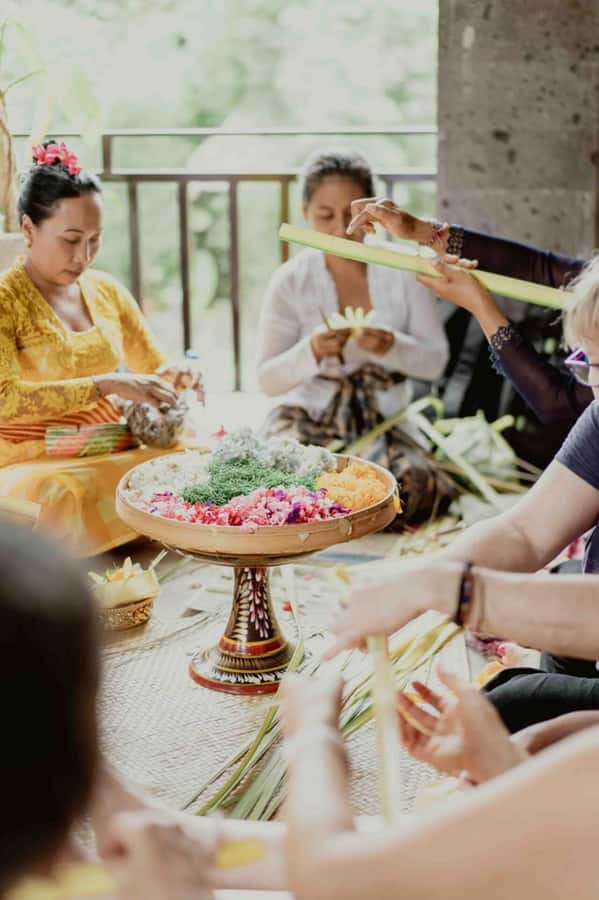
The second big win is the Canang Sari offering-making. You don’t just learn the story; you make your own canang using materials you’re shown, while local women explain the idea behind daily offerings: gratitude and balance between what you can see and what you can’t.
One consideration: it starts early and runs rain or shine, and it comes with real cultural rules (temple restrictions, plus the tour isn’t suitable for pregnant women, people with serious health issues, or back problems). If you need a late start or a fully comfortable day, this may feel like too much.
In This Review
- Key highlights at a glance
- Why this Ubud spiritual cleansing tour feels practical, not performative
- The 7 AM start: walking meditation in Ubud rice fields
- Making Canang Sari offerings with local guidance
- Melukat purification: the holy springs ritual that centers the whole day
- Temple visit and respectful dress: what to plan for
- Meals and drinks: good inclusion, not an afterthought
- Price and value: why $55 can make sense for what’s included
- Who this tour suits best (and who should reconsider)
- Logistics that affect your comfort (small details, big impact)
- What you’ll likely remember: the emotional arc of the day
- Should you book the Bali Ubud spiritual cleansing and meditation healing tour?
- FAQ
- What time does the tour start?
- Where do I meet the guide?
- Is pickup available?
- How long is the tour?
- What food and drink are included?
- What should I bring and wear?
- What is the dress code for temple activities?
- Who shouldn’t join this tour?
Key highlights at a glance
- Rice-field walking meditation at 7 AM to reset your body and focus fast
- Hands-on Canang Sari making with explanations from local women
- Melukat purification at holy springs using prayers, holy water, and symbolic gestures
- Temple stop included with an entrance ticket already covered
- Meals and drinks included with vegetarian, vegan, and non-veg options
Why this Ubud spiritual cleansing tour feels practical, not performative
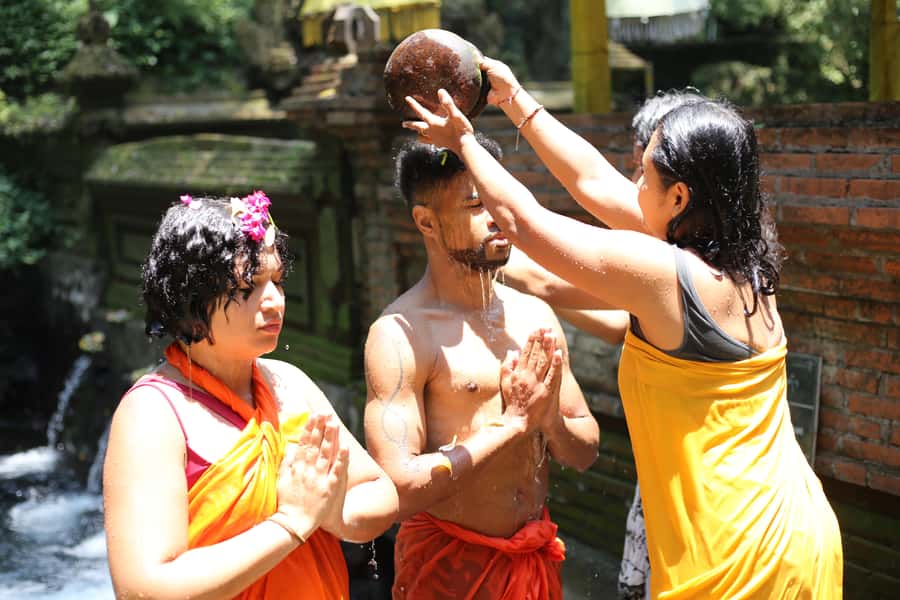
If you’ve ever taken a tour where you end up with photos and no inner change, this one works differently. It’s built around participation: walking meditation, creating offerings, then a guided purification ritual. Each step gives you something to do with your attention—so by the time you reach the holy springs, you’re not just observing, you’re prepared.
Also, the rhythm fits Bali. Ubud mornings tend to be calm, and starting at 7 AM matters. The light is softer, the heat hasn’t fully arrived, and the rice-field setting supports that whole mind-body reset idea without needing fancy explanations.
You’ll get a small group too (limited to 10 participants). That keeps the day from turning into a rushed conveyor belt, and it helps you ask questions during the offering and purification parts.
The 7 AM start: walking meditation in Ubud rice fields
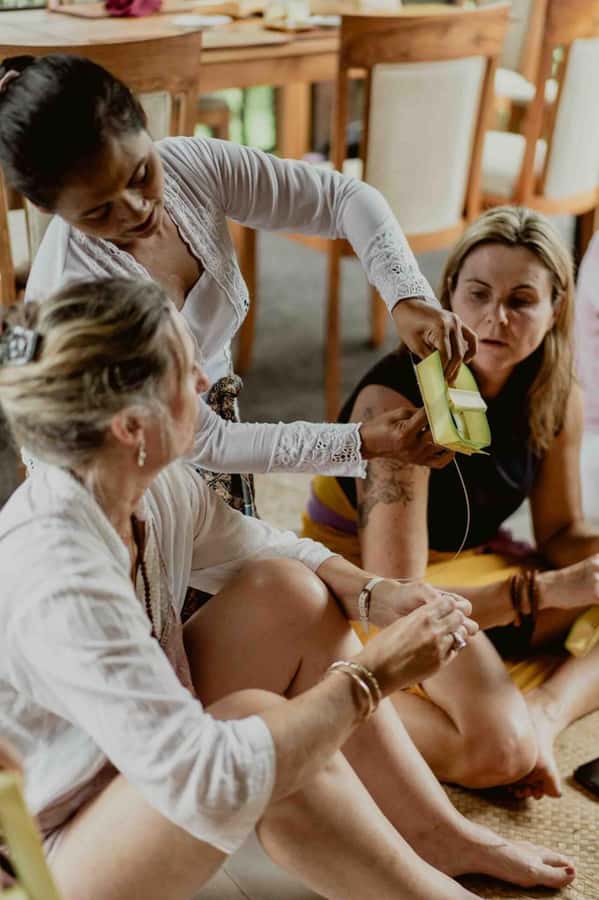
Your morning begins at Pranasanti Yoga in Ubud. From there, you head into the rice fields for a walking meditation. What I like here is that it’s not only about walking slowly. You get a brief orientation first—why rice fields matter culturally, and how this kind of mindful movement is used as a wellness practice.
During the walk, the goal is simple: connect mind, soul, and body, and get your attention back to the present. In plain terms, this is a chance to stop letting your phone and calendar run your brain. Even if you’ve tried meditation before, walking it in a rural, green setting is easier to stick with than sitting still indoors.
Practical tip: wear comfortable shoes you can walk in on uneven ground. This isn’t a paved-stroll kind of day.
Making Canang Sari offerings with local guidance
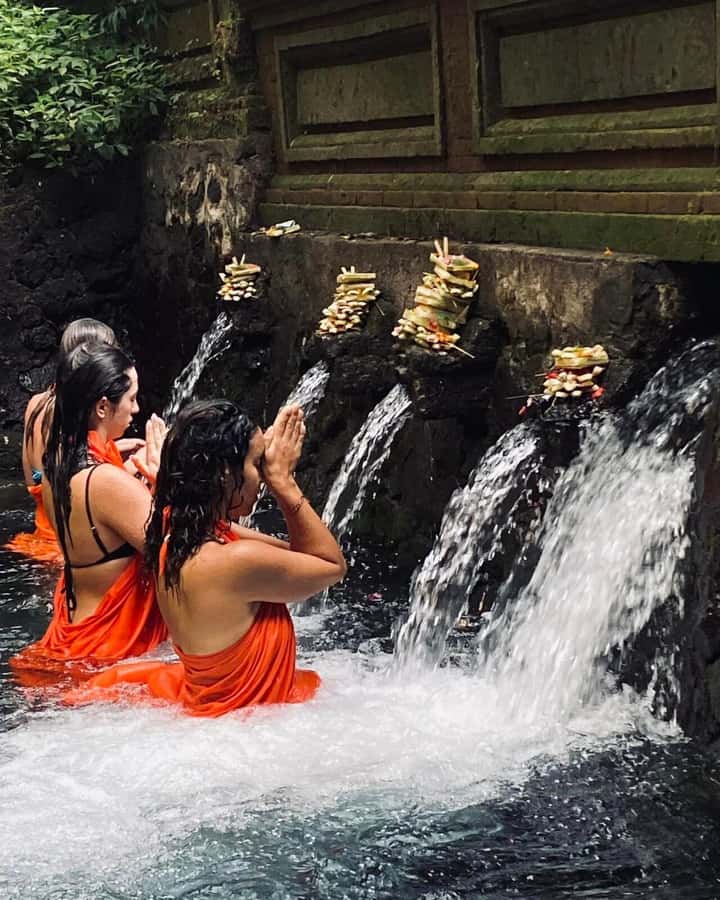
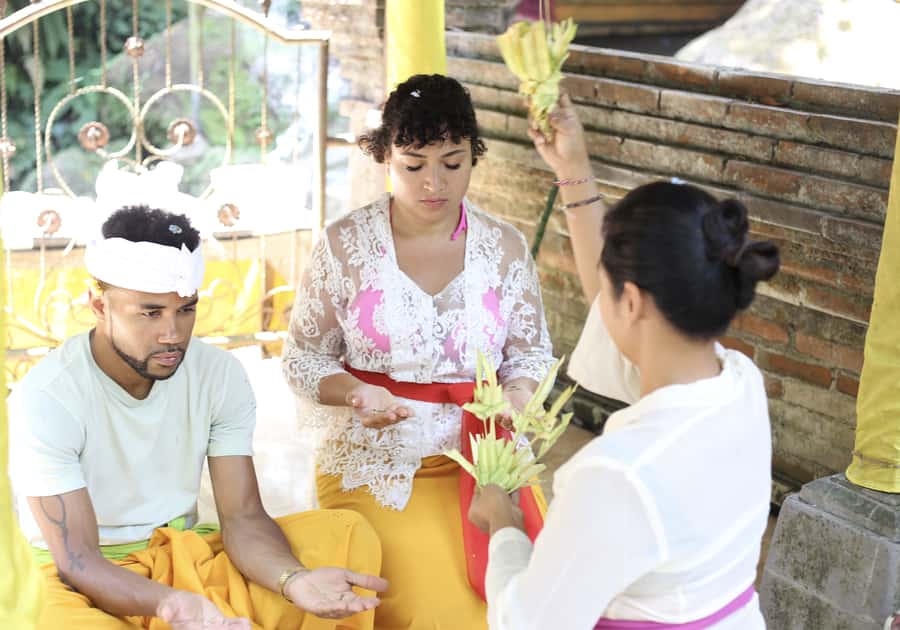
After the meditation, you move to the next hands-on piece: Canang Sari offering creation. You’ll learn and make offerings alongside local women, who explain how these daily pieces fit Balinese life.
The key idea you’ll hear: offerings are a way of expressing gratitude and maintaining balance between the seen and unseen worlds. That may sound mystical, but the process is very concrete. You’ll be shown materials and how to assemble them, and you’ll create your own canang. That action—hands busy, mind present—helps the meaning land in a real way.
Why this matters for value: it’s included, it’s guided, and you leave with understanding you can carry home. You’re not just collecting a lesson; you’re practicing the ritual form.
Also, you’ll likely feel that shift from “tour mode” to “participation mode.” For many people, this is the moment the day becomes personal.
Melukat purification: the holy springs ritual that centers the whole day
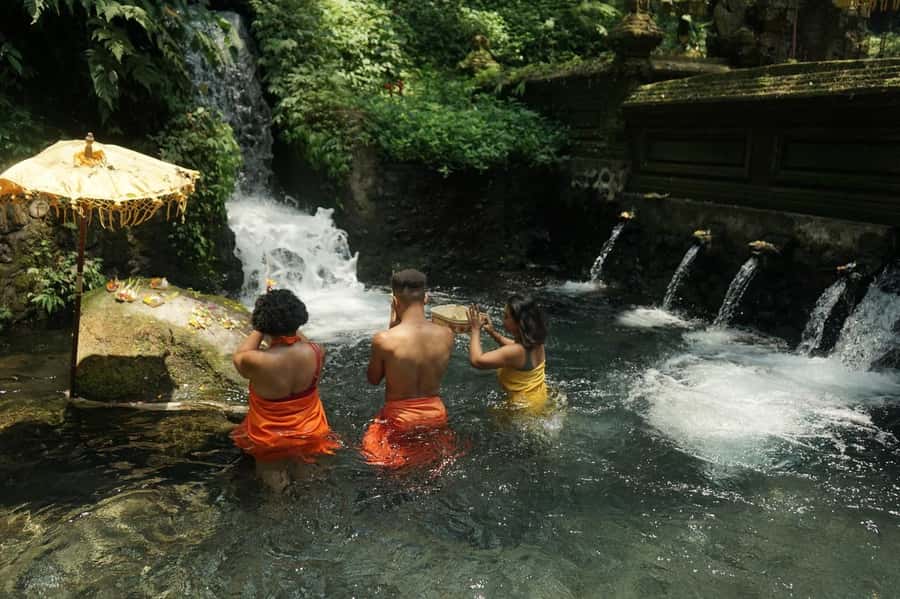
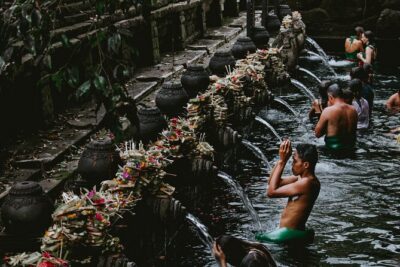
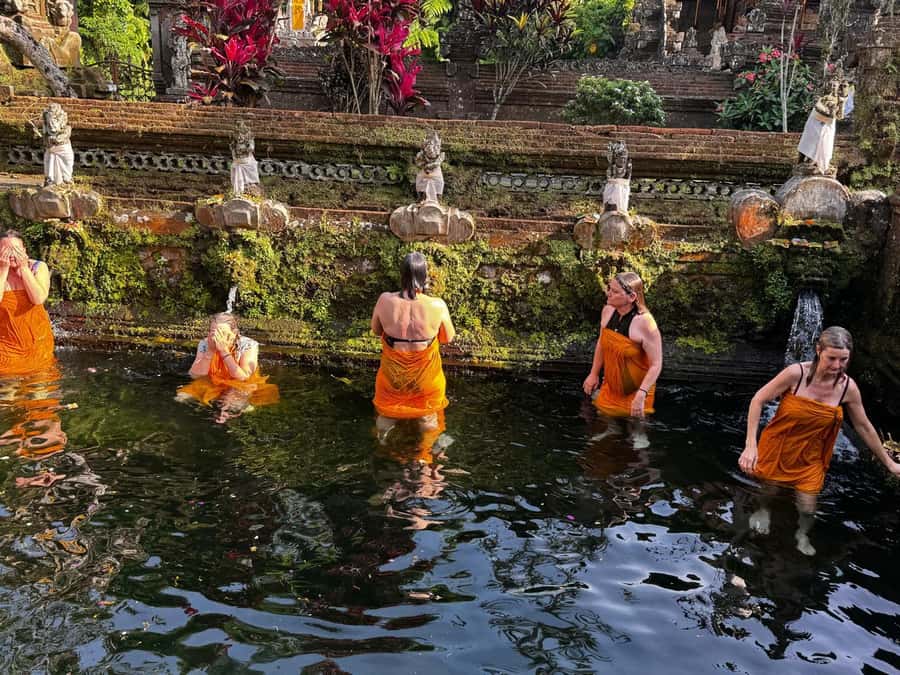
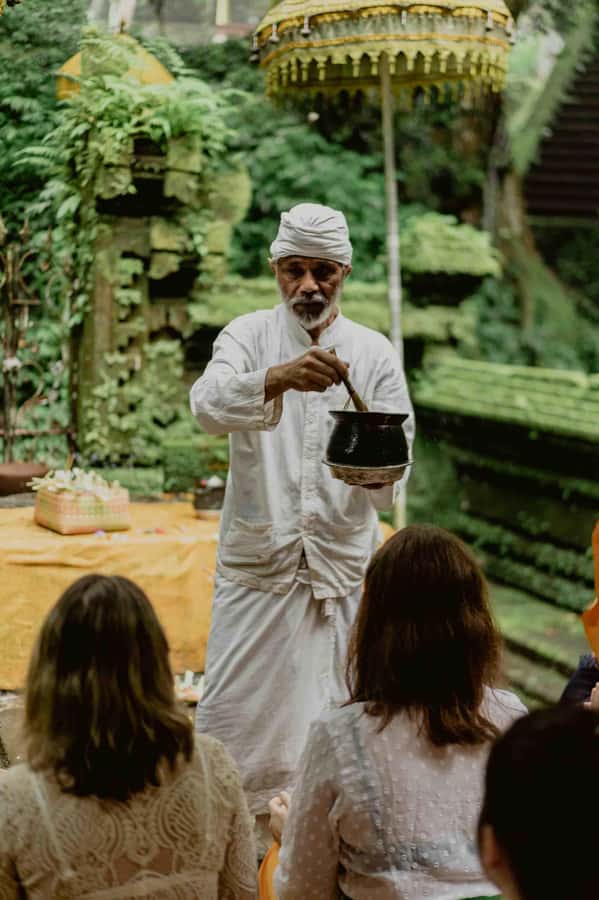
The final spiritual anchor is Melukat—a sacred purification ritual focused on cleansing and spiritual awareness. By the time you reach this part, the morning’s mindfulness and offering-making have already helped you slow down.
Here’s what to expect from the purification in practical terms:
- You’ll be guided through the ritual at holy springs.
- The process uses holy water, prayers, and symbolic gestures.
- The intention is to cleanse mind, body, and spirit, and help remove negative influences so you can restore balance.
One important thing to understand: Melukat isn’t framed as a quick reset. It’s presented as a spiritual journey—so come with patience, respect, and a willingness to follow guidance even if your own beliefs are different.
Potential drawback to keep in mind: some people find ritual water and chanting-style parts emotionally intense. If you know you get overwhelmed easily, tell your guide so they can support you in the safest, most comfortable way.
Temple visit and respectful dress: what to plan for
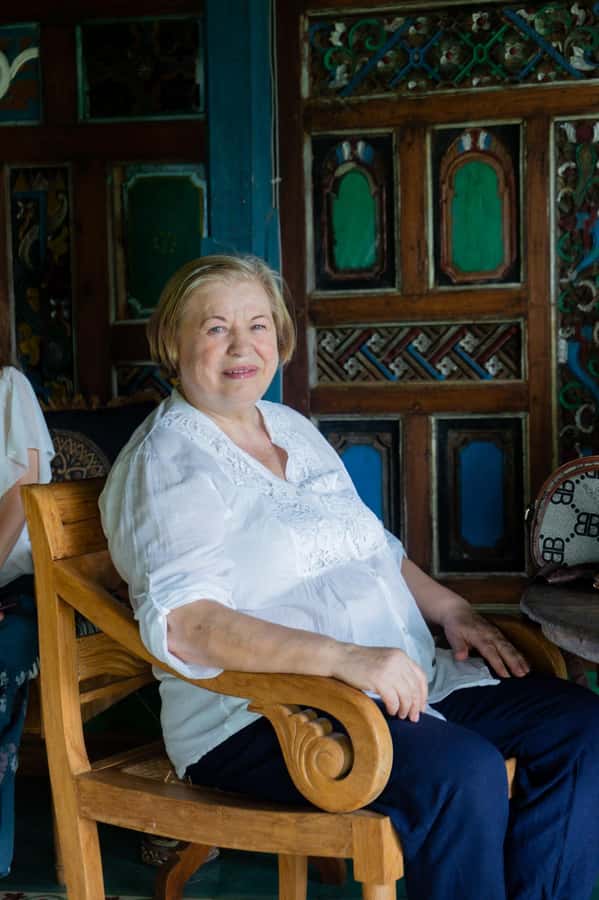
Part of the day includes a temple entrance ticket. Temple time comes with standard expectations in Bali: respectful behavior and appropriate clothing.
You should plan to wear:
- Comfortable clothes you can walk and sit in
- Something suitable for both rice-field walking and temple visits
The tour provides sarongs for temple activities, which makes this easier than it would be for independent travel. Still, you’ll feel more comfortable if your base outfit isn’t too fragile or restrictive.
Cultural rule you need to know: temple activity is not allowed for women during menstruation. If that affects you, you’ll want to choose a different day or a different tour.
Meals and drinks: good inclusion, not an afterthought
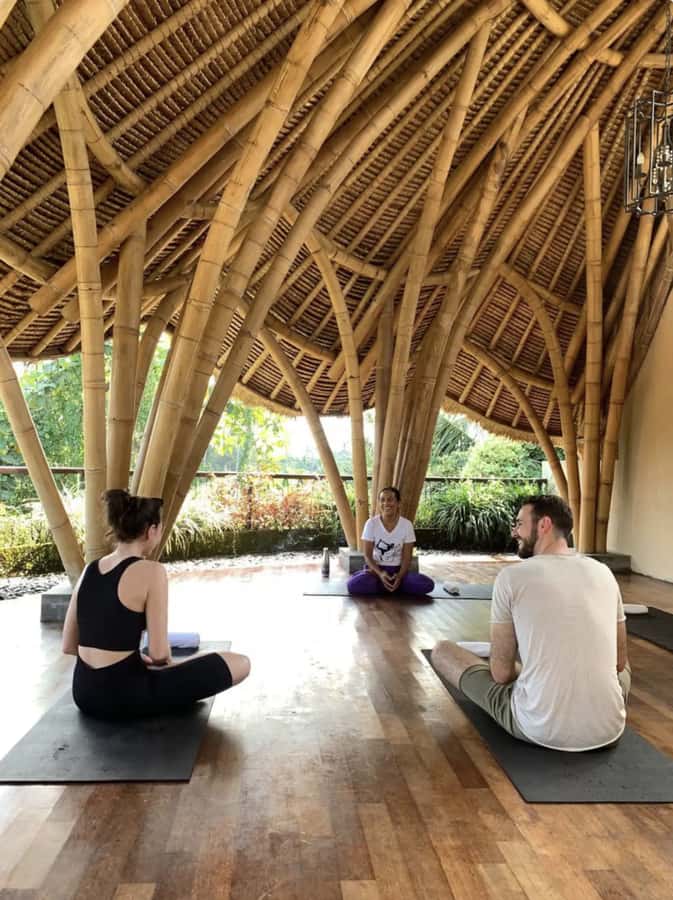
Food is handled well here. You’ll get:
- A drink (water, coffee, or tea)
- Food with vegetarian, vegan, or non-veg options
- Western or Indonesian style choices
This matters because spiritual days can burn energy fast—early start, walking meditation, then you’re outside around temples and springs. Having real meals included means you don’t end up stressed looking for something that fits your diet.
If you’re vegan or vegetarian, this type of inclusion is a big value point. You’re not negotiating at random cafes while the rest of the group is doing the spiritual part of the day.
Price and value: why $55 can make sense for what’s included
At $55 per person for a 6-hour experience, the value hinges on what you don’t have to organize yourself.
You’re covered for:
- Guided Melukat at holy springs
- Entrance ticket to the temple
- Drinks
- Meal with multiple dietary options
- Guided Canang Sari offering creation
- Morning walking meditation in the rice fields
Compared with planning a private driver plus admission plus a teacher for the ritual components, this price usually feels fair. It’s especially good if you want the structure and explanations that make these practices understandable.
If you’re the type who dislikes group travel, the small-group limit (10 people) helps. You get a guided experience without a huge crowd flattening the personal attention.
Who this tour suits best (and who should reconsider)
This is a strong match if you:
- Want a calmer Bali day that’s hands-on, not just sightseeing
- Like mindful practices and meaningful cultural context
- Prefer small groups and guided steps
- Want included meals that fit vegetarian or vegan diets
You should reconsider if you:
- Are pregnant or have serious health conditions
- Have back problems (the day includes walking and ritual standing/sitting)
- Use a wheelchair (not suitable per tour info)
- Need a late start or a fully low-mobility day
- Are traveling with kids under 8 (not suitable)
And one more practical note: bring cash. You might need it for personal extras during the day, since personal expenses aren’t included.
Logistics that affect your comfort (small details, big impact)
Weather matters because the activity proceeds rain or shine. That’s Bali, but it’s also why you’ll want to be ready:
- Wear clothes that can handle wet conditions
- Consider rain gear even if it looks clear when you leave
- Bring a change of clothes since you’ll be near water during the cleansing ritual
Don’t forget:
- Comfortable shoes
- Comfortable clothes
- A respectful mindset around temple rules
Optional pickup can help too. Pickup is available in the Ubud area, but if you’re outside Ubud you’ll need a different option for transfers.
Language is another practical plus: the tour runs in English and Indonesian, so you should be able to follow both instruction and explanations.
What you’ll likely remember: the emotional arc of the day
This day has a natural progression:
- Quiet your mind during the walking meditation in the rice fields.
- Create something meaningful through Canang Sari making.
- Go through a cleansing ritual at the holy springs as guided purification.
What I find compelling is how the steps reinforce each other. The offering-making isn’t just a craft; it’s practice for intention. The purification isn’t just water; it’s guided symbolic movement while you’re already mentally present.
That’s why people often call this a true highlight of their trip—not because it’s flashy, but because it changes the way you feel during the rest of your Bali days.
Should you book the Bali Ubud spiritual cleansing and meditation healing tour?
Book it if you want a structured, small-group Bali spiritual experience that includes real participation: meditation, making offerings, and a guided Melukat purification at holy springs. The price is reasonable for the amount of guidance, ritual access, and included meals.
Skip it (or choose a different format) if you need a slower pace, can’t meet the temple rules, or have health or mobility limits that make walking and ritual participation difficult.
If you go in with respect, patience, and comfy shoes, you’ll likely come away feeling calmer and more grounded—exactly the kind of Bali day that doesn’t disappear when the photos end.
FAQ
What time does the tour start?
The activity begins at 7 AM. Please arrive on time at the meeting point.
Where do I meet the guide?
The meeting point is Pranasanti Yoga, Ubud.
Is pickup available?
Pickup is optional in the Ubud area. You’ll need to be ready in your hotel lobby for pickup.
How long is the tour?
The tour duration is 6 hours.
What food and drink are included?
You get a drink (water, coffee, or tea) and food with choices that can be vegetarian, vegan, or non-veg. You can choose Western or Indonesian style.
What should I bring and wear?
Bring comfortable shoes, a change of clothes, and comfortable clothes. You should also bring cash.
What is the dress code for temple activities?
Wear comfortable clothing suitable for walking and temple visits. Sarongs are provided for temple activities.
Who shouldn’t join this tour?
The tour is not suitable for pregnant women, people with serious health conditions, people with back problems, wheelchair users, children under 8, and people over 95.