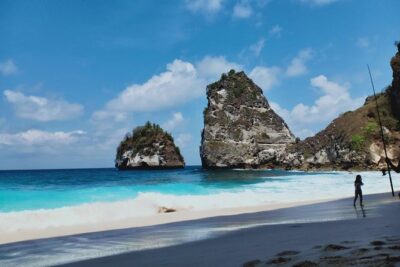
Cliff sunsets meet a crowded chant show. I love the Uluwatu cliff views at golden hour and I love the Jimbaran Bay seafood BBQ on the sand afterward. The catch is the Kecak show can feel long and packed into tight seating.
This is a classic south Bali “one evening, three highlights” setup: hotel pickup, temple-and-sunset time, the Kecak fire dance performance, then dinner. If you want the logistics handled and prefer not to arrange transport on your own, this format is convenient and usually good value for the time you save.
My main watch-out: you’re on a schedule, so you may feel some waiting around, and the crowd at the amphitheater can make it hard to slow down and soak everything in. That matters most if you’re picky about the show.
In This Review
- Key things to know before you go
- How the 3:00 pm timing shapes the whole experience
- Uluwatu Temple on the cliff: views, stairs, and monkey rules
- Kecak at Uluwatu: what the 1-hour show is really like
- Jimbaran Bay seafood BBQ: why people remember this dinner
- Price and logistics: does $88 deliver real value?
- Comfort, safety, and the “side trip” problem
- Who this tour is best for
- Should you book this Uluwatu Temple, Kecak show, and Jimbaran lobster dinner?
- FAQ
- What time does the tour start?
- How long does the experience take?
- Where is hotel pickup offered?
- What is included in the ticket price?
- What should I wear?
- Can I cancel for a refund?
Key things to know before you go
- Sunset timing is the whole point: you start at 3:00 pm so you can reach Uluwatu for dusk.
- Expect a crowd for Kecak: you sit in a concrete amphitheater and the fire dance happens in the same busy setup.
- Jimbaran dinner is the payoff: your meal is a beachside seafood platter style dinner with sambal.
- Walking is real: uneven paths and stairs at the temple call for comfy shoes.
- Monkeys are bold: keep distance and don’t feed, touch, or tease them.
How the 3:00 pm timing shapes the whole experience
Your evening starts at 3:00 pm, and the tour runs about 6 to 8 hours. That means you’re not rushing to the beach first. Instead, you’re using the late afternoon to hit Uluwatu Temple for sunset views, then catching the Kecak performance as the sky darkens.
This timing is smart if you’re visiting Bali on a tight schedule. It’s also why the views can feel dramatic: Uluwatu is perched high above the Indian Ocean, so the light is doing most of the work for you. The downside is you’ll likely have a bit of waiting time before the show, because seating and show start times need to be managed for everyone arriving together.
If you’re the type who hates standing around, plan to make your “waiting” time useful. Bring sunscreen, water, and a light layer for when the sea air cools down after sunset.
You can also read our reviews of more tours and experiences in Kuta.


Uluwatu Temple on the cliff: views, stairs, and monkey rules
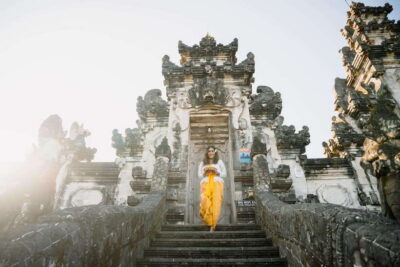
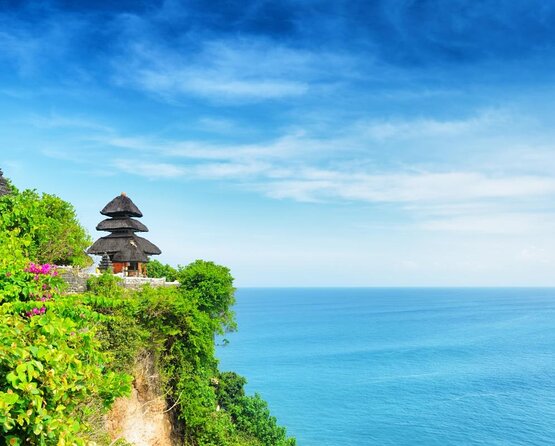
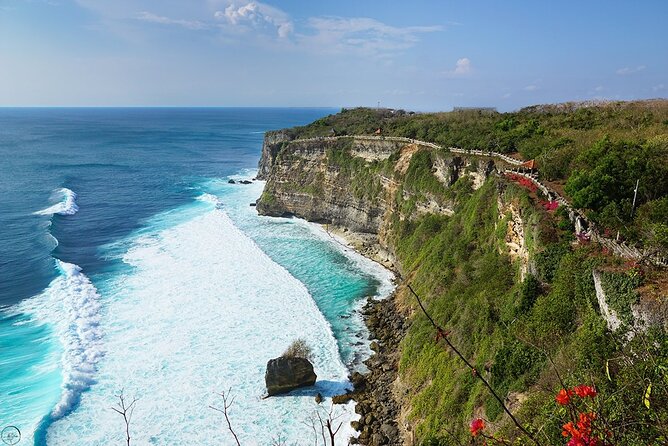
Uluwatu Temple sits on the Bukit Peninsula on the southern coast. It’s dramatically high up—about 90 meters (300 feet) above the shoreline—and it’s considered one of Bali’s revered temples. The site dates back to the 10th century, and even if you don’t know the full story of Balinese Hindu tradition, the setting gives you instant context: ocean, cliff, worship, and human scale all at once.
What you’ll like here is the “walk-with-your-eyes” experience. You’ll see the coastline stretching out, and the cliff edges give you plenty of photo angles—especially as the light shifts toward sunset. One thing I’d call out: paths around temples are rarely flat. The tour notes uneven paths and stairs, so you’ll be happiest if you wear shoes you can trust on rocky ground.
And then there are the monkeys. Uluwatu is known for them, and the tour specifically advises you not to feed, touch, or tease them. In practice, that means you should keep your belongings secured and avoid letting snacks or bags hang loose. If a monkey looks interested, your safest move is calm stillness and distance.
A final consideration: at least some visitors found parts of the temple area restricted during their time there. You might not see every corner up close, so don’t build your night around the idea of wandering freely everywhere.
Kecak at Uluwatu: what the 1-hour show is really like
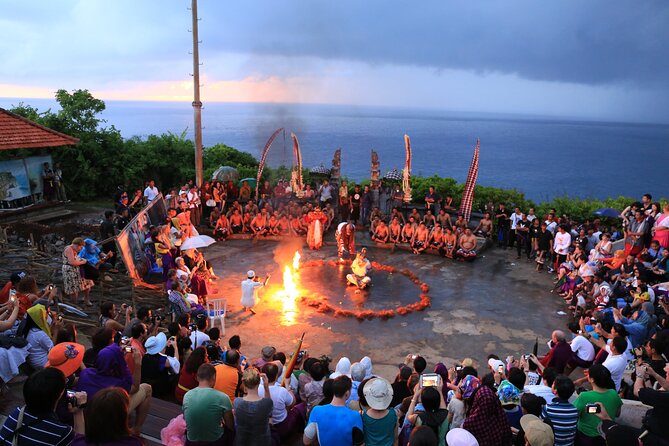
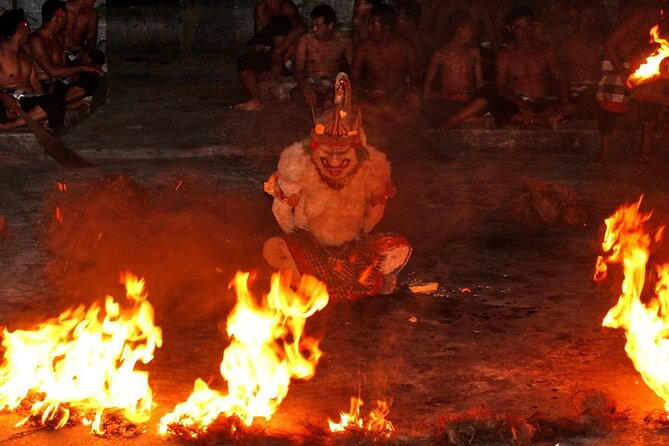
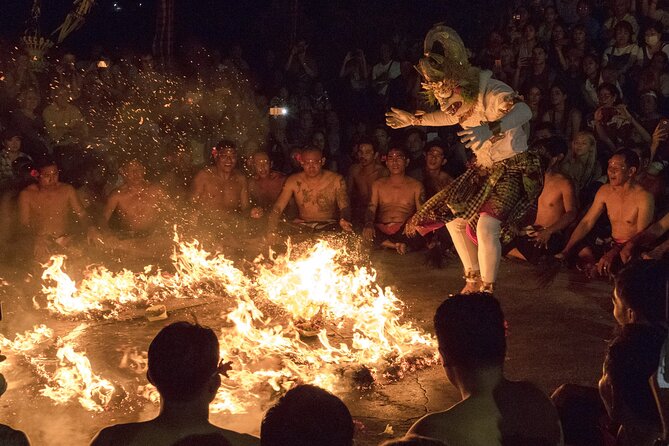
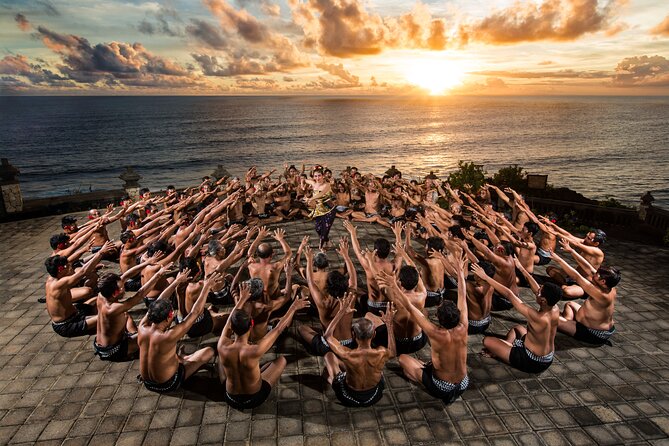
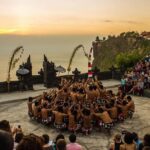
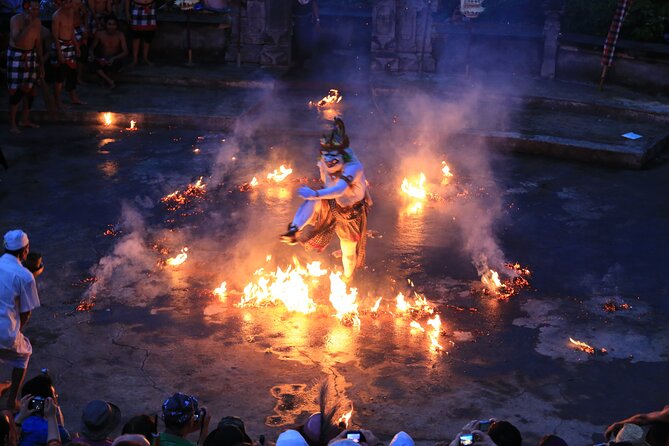
After you arrive, you’ll settle in for the Kecak Uluwatu performance. This is a traditional Balinese dance built around chanting and coordinated movement, performed in a circle around a torch. The fire dance is part of the show, and the setting is the big advantage: you’re watching it with ocean darkness and sunset fading behind you.
The show is scheduled for about 1 hour. Some people find that hour moves fast, especially when the chanting gets going and the costumes and story elements click. Others feel the beginning is slower and more repetitive, and a few say the show runs longer than they expected emotionally, even if the schedule is clear.
Here’s the practical reality that affects your enjoyment: the amphitheater is designed to hold a lot of people, and it can feel packed. Several accounts mention tight seating—some even describe people squeezed into concrete seating and leaving less-than-ideal space for viewing. If you want a better sightline, arrive early for seating and be ready to stay seated once the crowd settles.
One useful tip from firsthand accounts: getting in early helps you avoid the worst of the crush. Another helpful detail: having a printed page explaining what’s happening onstage can make a big difference, especially if you don’t understand the story being told.
Also, keep your expectations honest. Kecak is not a modern theater production. It’s rhythmic, communal, and visual in a different way than Western stage shows. If you love that kind of performance, you’ll likely call it a standout. If you need constant action, the chanting repetition may test your patience.
Jimbaran Bay seafood BBQ: why people remember this dinner
When the show ends, you head to Jimbaran Bay for dinner. This is the part many people talk about most, because it combines food and setting in a way that feels instantly Bali.
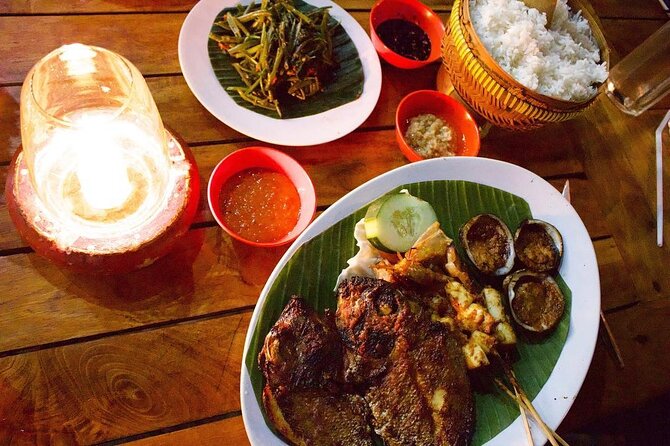
You’re served a seafood barbecue dinner on the beach under the night sky. Your platter-style meal includes grilled items such as fish, prawns, clams, and squid, plus rice and spinach, finished with sambal, the spicy Indonesian condiment. The dinner is described as a lobster menu dinner, which is a nice touch if you want to try lobster without planning ahead.
What makes it work for your trip is the “right after the show” flow. You’re not just eating—you’re transitioning from performance intensity to a calm, salty beach meal. The sound of waves and the candle-like atmosphere (as people describe it) turns dinner into an event, not just a stop.
Value-wise, several accounts praise the freshness and cooking quality. A few also mention drawbacks: some dinners reportedly arrive darker on the tables with limited visibility, some note the dinner felt overpriced for portion value, and at least one mention says lobster wasn’t cooked to their expectations or drinks weren’t included. So I’d frame it this way: you’re paying for the setting plus the convenience of a full meal arranged for you.
If you want the best outcome, go hungry, pace yourself, and don’t assume this will replace a great restaurant you’d choose on your own. Think of it as a memorable seaside BBQ experience that fits the schedule.
Price and logistics: does $88 deliver real value?
At $88 per person, you’re paying for more than a ticket. You’re buying a full evening package: hotel pickup and drop-off from major south Bali areas, an English-speaking licensed guide, air-conditioned transport, entrance fees, parking, and your dinner.
This matters because south Bali evenings are busy. Transport alone can eat into your time (and your energy), especially if you try to schedule Uluwatu and Jimbaran independently. With this tour, you’re paying for timing discipline and fewer moving parts.
Where the value can wobble is in what you personally care about most. If you love temples and sunset views, the Uluwatu stop makes sense even if the show isn’t your favorite. If your priority is the dinner, Jimbaran is often the best part, but that doesn’t mean the Kecak component will automatically satisfy you.
Also remember: this is a shared-group tour. That can mean you’re grouped with other guests, and some people report extra waiting time before the show. It’s the trade-off for the included transportation and dinner.
On the human side, guide quality can vary. One guest specifically named Wiyasa as a standout guide who provided temple context. Another mentioned a host named Benny as being inflexible about timing and seats. The point for you: read the room on timing, but also treat this as a tour where you should be proactive about what you want (for example, seating early at Kecak).


Comfort, safety, and the “side trip” problem
Most of the experience is straightforward: pick up in the late afternoon, drive to Uluwatu, enjoy the temple and show, then head to Jimbaran for dinner, then drop off.
But a few practical issues show up in accounts that you should take seriously. Some people report that the Kecak amphitheater process can run with crowds and waiting. A few mention that the guide or driver seemed to rush the timeline at the end, cutting time at dinner. One guest described a side stop to a kopi luwak plantation that was not what they expected. Another described a very negative experience related to driving safety and route behavior.
I can’t predict how it will go for you. What I can say is this: if you’re the type who wants full control, consider confirming in advance whether any extra stops are planned. If you’re uncomfortable with tight schedules, build your mindset around “show-and-dinner momentum,” not a slow, independent stroll.
One more comfort note: you’ll likely sit for long stretches. At Uluwatu, seating is described as concrete. If you have back issues, plan for that and bring a small cushion or wear supportive clothing.
Who this tour is best for
This tour fits best if you want:
- A sunset-first plan without self-driving
- A cultural performance plus a major Bali dinner setup in one evening
- The convenience of pickup and drop-off from common south Bali hotel zones
It’s less ideal if:
- You strongly dislike crowded venues
- You’re not interested in Kecak beyond the setting
- You prefer unstructured time at each location
If you’re celebrating something special, the sunset + beach dinner combo can feel romantic in the way only a cliff-and-ocean setting can. If you’re traveling with limited patience for waiting, you may want to bring your own calm tools: snacks if allowed, water, and a good playlist for the “in-between” time.
Should you book this Uluwatu Temple, Kecak show, and Jimbaran lobster dinner?
I’d book it if you’re going for the full south Bali vibe in one evening: temple cliff views, a traditional performance, and a beach BBQ dinner that turns into the memorable part of your night. The included pickup, entrances, and dinner packaging are exactly what help it feel worth the money.
I’d hesitate if you’re sensitive to crowds, you hate long set-piece performances, or you’re hoping to spend lots of time exploring the temple area freely. The Kecak show is the make-or-break segment for many people, and it can feel repetitive if you don’t click with the format.
If you do book, do it with a plan: arrive early for better seating at Kecak, wear shoes for stairs, keep your distance from monkeys, and go into dinner expecting a set-menu-style platter rather than a luxury dining experience.
FAQ
What time does the tour start?
The tour starts at 3:00 pm.
How long does the experience take?
It runs about 6 to 8 hours.
Where is hotel pickup offered?
Pickup is offered from major hotels in Kuta, Seminyak, Sanur, Jimbaran, and Nusa Dua areas. For other areas, there may be an additional charge, and pickup from non-listed areas is not recommended.
What is included in the ticket price?
You get pickup and drop-off, an English-speaking licensed guide, skip-the-line admission for the Kecak fire dance performance, entrance fees and parking fees, an air-conditioned vehicle, and the Jimbaran seafood dinner (lobster menu). Fuel surcharge and government fees are also included.
What should I wear?
Wear comfortable walking shoes. The temple paths can be uneven and there are stairs.
Can I cancel for a refund?
Yes. Free cancellation is allowed up to 24 hours in advance of the experience start time for a full refund.