Five temples, one long temple day. This private Bali circuit links Besakih Temple and Tirta Empul with Kehen, Gunung Kawi Sebatu, and Goa Gajah so you can see a lot of Hindu Bali in a single (busy) outing. I like the practical setup: hotel pickup and round-trip transfers from Ubud or south Bali in an air-conditioned vehicle, plus a driver who can explain what you’re seeing. I also like the emotional hit of Tirta Empul’s purification ritual and the big, atmospheric presence of Besakih.
One thing to watch: it’s a 10-hour day with real walking and stairs, especially at Gunung Kawi Sebatu. If you’re not into long drives between sites, or if you want more time per temple, plan on a steady pace and keep your footwear and comfort in mind.
In This Review
- Key Points to Know Before You Go
- Why This Bali Temple Circuit Works on a Time-Crunched Trip
- Hotel Pickup, Clean Vehicle, and the Driver-First Experience
- Kehen Temple: Royal-Era Bali in a 30-Minute Stop
- Besakih Temple: The Mother Temple on a Volcano’s Slopes
- Tirta Empul: Purification Springs and How to Watch Respectfully
- Gunung Kawi Sebatu: Hundreds of Steps, Real Temple Effort
- Goa Gajah (Elephant Cave): Carvings, Archaeology, and a Cooler Stop
- Price and Value: Is $51.29 Worth It?
- Getting the Most From Your Driver: Clear Expectations Help
- Temple Etiquette and Packing Tips That Actually Matter
- Who This Tour Is Best For
- Quick Booking Decision: Should You Book This?
- FAQ
- What temples are included in this tour?
- How long is the tour?
- Are entrance fees included?
- Do I get hotel pickup and private transportation?
- How much walking is involved?
- Do I need to bring a sarong?
- What happens if the weather is bad?
Key Points to Know Before You Go

- Ubud and south Bali hotel pickup saves you from figuring out routes and traffic on tight roads
- Tirta Empul purification springs is the spiritual highlight many people come for
- Besakih, the Mother Temple gives you context for how Bali’s Hindu culture is organized
- Gunung Kawi Sebatu involves hundreds of steps and a short descent before you reach the shrines
- Entrance fees are not included, so budget extra for tiket masuk wisata at each stop
- Private means it’s just your group, with a professional English-speaking driver and bottled water included
Why This Bali Temple Circuit Works on a Time-Crunched Trip
This is a solid choice when you want multiple major temple stops without self-driving across Bali. You get private transportation and a driver who handles the logistics, so you can focus on temples, details, and photos instead of white-knuckle turns and parking puzzles.
It’s also built for people who like structure. The stops are grouped into a full-day loop with clear visit windows: Kehen first (about 30 minutes), then Besakih (about 45 minutes), Tirta Empul (about 45 minutes), Gunung Kawi Sebatu (about 30 minutes), and finally Goa Gajah (about 30 minutes). That schedule won’t feel leisurely, but it does help you actually see everything that’s included.
The tradeoff is that it can feel like a lot. The day includes driving time between areas and temple time inside. If you’re the type who wants to linger for long conversations or sunrise-level calm, this route may feel rushed. If you want a good overview and solid photos without the stress, it’s an efficient plan.
You can also read our reviews of more tours and experiences in Kuta.



Hotel Pickup, Clean Vehicle, and the Driver-First Experience
The big practical win here is pickup and transfers. You’re picked up from Ubud and south Bali hotels, and you ride in an air-conditioned vehicle with bottled water included. You also get petrol and parking fees handled, which removes a bunch of little headaches that add up on a full-day tour.
In the best versions of this tour, the driver is more than a chauffeur. One review highlighted Mr. Agus as helpful and fun, and that he guided them safely through the day. Another review mentioned a polite driver, a clean and comfortable vehicle, and helpful on-the-ground support for getting photos at the temples. That combination matters because Bali temple visits are easier when someone helps you with timing and where to stand.
Still, here’s the balanced note: this is primarily a private transportation experience with a professional English-speaking driver, not a guaranteed long-form guide at every site. If you want deep, lecture-style history at each stop, you should set that expectation clearly when you book and ask for what kind of explanations you’ll receive. If the vibe you want is more narrative than driving, that conversation is key.
Kehen Temple: Royal-Era Bali in a 30-Minute Stop
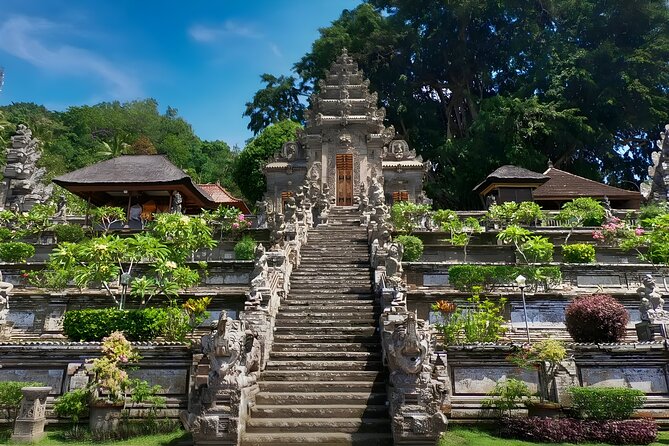
Kehen Temple is one of those places that works well early in the day because it’s long enough to feel meaningful, without swallowing your entire schedule. It’s a temple from the 11th century tied to the royal kingdom of Bangli, and it’s known as one of Bali’s most beautiful older temple sites.
In about 30 minutes, you can take in the architectural layout and get a sense of the style before the day ramps up into bigger, more demanding locations. The key thing to know is that temple quality here is visual and atmospheric—don’t expect a full, hour-long museum experience. If you like wandering a bit, you’ll enjoy this stop.
Practical tip: treat Kehen as a warm-up. Use it to get your balance with temple etiquette and walking pace, then you’ll be more comfortable when Besakih and Tirta Empul ask more of your time and attention.
Besakih Temple: The Mother Temple on a Volcano’s Slopes
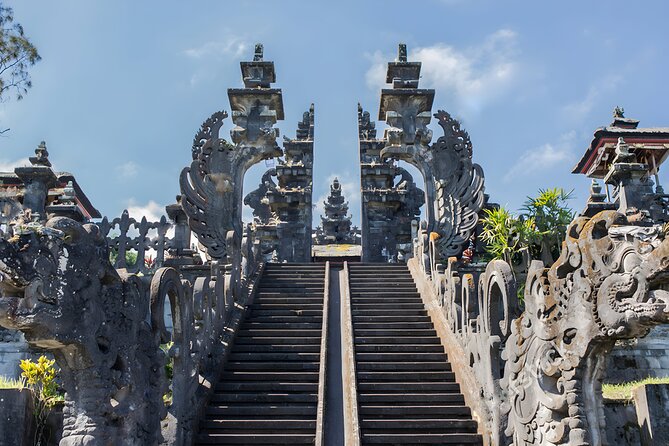
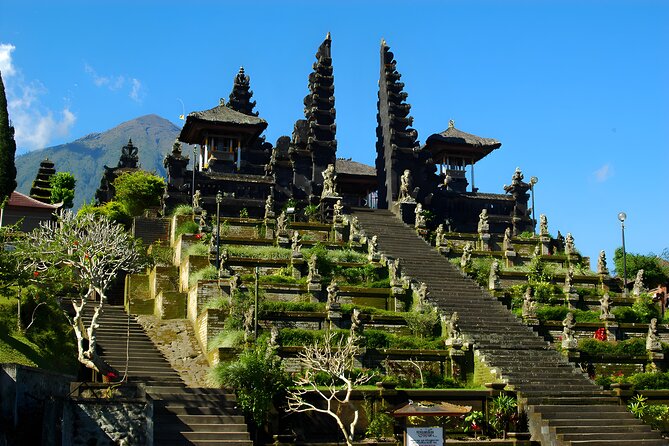
Besakih is the headliner for many people, and with good reason. This temple complex sits in the village of Besakih and is described as Bali’s most important temple, with a main center (Penataran Besakih) and many assistant temples. You’re visiting a whole spiritual center, not just one building.
Expect about 45 minutes at Besakih. That might sound short, but Besakih is a complex. What you do in that time matters: pick a couple of focal points, take your photos from a few angles, and let the scale sink in. The “Mother Temple” idea isn’t just marketing—it helps you connect the dots between Bali’s many local temples and how they function as part of a wider Hindu culture.
What I like about Besakih in a tour like this is the way it sets context. You see Tirta Empul later, where purification is the theme. You see Goa Gajah after, where carvings and history add another layer. Besakih acts like the anchor stop that makes the rest feel less random.
The only caution: Besakih is busy, and you’ll be there during your day’s energy level. Keep your hydration in mind. You get bottled water on tour, but you still want to pace yourself so you don’t burn out before Tirta Empul.
Tirta Empul: Purification Springs and How to Watch Respectfully
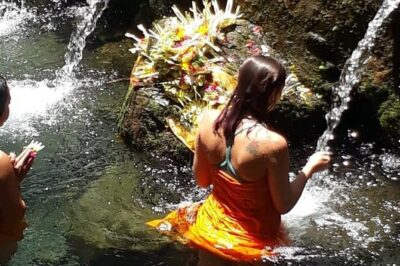
If there’s one stop that feels both personal and moving, it’s Tirta Empul. The site is known for sacred springs where worshippers purify themselves. In the tour description, it’s also tied to a traditional tale about good versus evil, which gives the experience a cultural frame beyond just the water ritual.
Plan on about 45 minutes here. This is long enough to observe the flow of people and understand what’s happening without feeling like you’re rushing through. It’s also a place where your posture and behavior matter. You’ll be close to worshippers performing purification, so staying calm, moving slowly, and not blocking paths goes a long way.
Here’s a practical way to enjoy it: position yourself so you can watch the ritual without standing in the middle of activity. You’ll likely get better photos by stepping back slightly and letting the moment unfold, rather than trying to get right on top of it.
Also, remember temple etiquette. A review specifically advised bringing a sarong for entrance into Hindu temples. Even when a location is strict, the main point is the same: you want to be prepared so you can focus on what you came to see.




Gunung Kawi Sebatu: Hundreds of Steps, Real Temple Effort
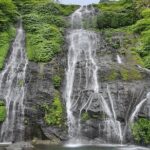
Gunung Kawi Sebatu (spelled in the tour notes as Gunung Kawi Sebatu Temple) is one of those temple experiences that feels physical, not just scenic. To reach the site, you walk down into the valley, and the description notes a couple hundred steps.
You only get about 30 minutes here, which means you have to move with purpose. If you like slow, photo-heavy walking, this stop can feel tight. If you’re comfortable with uneven steps, you’ll probably enjoy it more because the change in elevation adds drama—your surroundings shift as you descend, and the shrines feel more intimate once you’re there.
This is also where the tour’s moderate fitness warning becomes real. The itinerary includes stairs at multiple points across the day, but Gunung Kawi Sebatu is the one that clearly signals effort. Wear comfortable shoes with good grip. Don’t rely on flip-flops. Rain can make stone slippery, and you don’t want to spend your time thinking about footing instead of temples.
Goa Gajah (Elephant Cave): Carvings, Archaeology, and a Cooler Stop
After the steps, Goa Gajah can feel like a reset. It’s an archaeological site with significant historical value, and it’s known for elaborate carvings. The tour description frames it as a special place with interesting history, and it’s located on the western edge of Bedulu Village, about six kilometers out from central Ubud.
You’re likely to spend around 30 minutes here. That’s enough time to see the main features and soak up the atmosphere without rushing every detail. What makes this stop work well at the end of a full day is that it offers visual payoff with less need to climb than Gunung Kawi Sebatu.
A practical note: if your legs are tired, keep your expectations realistic. You won’t get unlimited time, and the road between sites is part of the total day. The better you pace the morning, the more enjoyable the carvings will be in the afternoon.
Price and Value: Is $51.29 Worth It?

At about $51.29 per person, this tour is priced for value if you care about convenience and efficiency. The standout value points are what’s included: bottled water, an air-conditioned vehicle, private transportation, a professional English-speaking driver, petrol, and parking fees.
What’s not included is important for your budgeting. Lunch and snacks are not included, and entrance fees (tiket masuk wisata) are excluded. That means the final cost depends on the entrance fees at each site, so you should treat $51.29 as the base transportation-and-driver price, not the full day all-in.
Where this pricing makes sense:
- You don’t want to self-drive on narrow roads with heavy traffic
- You want a full day of major temples grouped into one plan
- You’d rather spend energy on temple time than navigation
Where it might feel less worth it:
- You’re traveling with a strict budget for everything and you dislike paying entrance fees on top
- You want more time at fewer sites, or a guide who provides very deep history for every stop
One review mentioned that the day felt long due to long driving between sites, and they cut out the last two temples. That’s a useful reality check. If you’re prone to fatigue, consider whether you’d rather shorten the loop rather than force every stop.
Getting the Most From Your Driver: Clear Expectations Help
This kind of private tour lives or dies on communication. The tour description includes a professional English-speaking driver, and at its best, that role includes safe driving and helpful explanations. Reviews also mention that the driver and site guides helped take great pictures and explained temple history.
But one review also said the experience felt more like hiring a driver service than a history-heavy tour. That doesn’t mean the tour is bad. It means you should clarify what you want at the start. If you care about Hindu meaning, ask for explanations in plain language. If you mostly care about practical logistics and good timing, say so too.
A simple way to get what you want:
- Ask the driver to share a quick overview at each stop
- Use site staff where available for details you want beyond what the driver covers
- Be ready to adapt if time slips or your legs slow you down
Temple Etiquette and Packing Tips That Actually Matter
A Bali temple day can go smoothly or turn annoying fast, and most of that comes down to what you carry.
From the tour info and the advice tied to these sites, you should plan for:
- Comfortable shoes for walking and stairs
- A sarong for entrance into Hindu temples (a review specifically recommended bringing one)
- A moderate fitness level, since the day includes stairs and walking demands
Also, keep your energy steady. It’s 10 hours, and there’s driving time between locations. If you’re the kind of person who needs long breaks, you’ll feel it. If you’re okay with movement, you’ll be fine.
And don’t forget the obvious: apply sunscreen and drink water. Bottled water is included, but you can still get worn out in the heat if you don’t sip regularly.
Who This Tour Is Best For
You’ll likely love this tour if:
- You want a one-day overview of major Bali temples
- You prefer private transfers over self-driving
- You’re okay with a structured schedule and limited time per stop
- You enjoy watching purification rituals and learning basic context through stories and temple layout
You might want to skip it or modify your expectations if:
- You want lots of slow time at one or two temples
- Stairs and walking are a challenge for you
- You need a guide who functions like a full-on history lecturer every hour
This is a strong fit for couples, small groups, and first-time visitors who want the headline sites without transport stress.
Quick Booking Decision: Should You Book This?
Book it if you want the convenience of private pickup, a clean air-conditioned ride, and a full circuit that hits Besakih and Tirta Empul plus two extra temple stops. The pricing can be a good deal because it bundles transportation costs and reduces the hassle of arranging multiple separate visits.
Skip or rethink if your priority is deep, slow, guided storytelling at every site. This plan is more about visiting major temples efficiently than guaranteeing long cultural lectures at each stop. Also consider that it’s a long day with steps, so wear shoes you trust and bring your sarong.
If you’re flexible and want a busy, meaningful temple day, this itinerary delivers a lot for the time.
FAQ
What temples are included in this tour?
The tour includes Kehen Temple, Besakih Temple, Tirta Empul Temple, Gunung Kawi Sebatu Temple, and Goa Gajah Temple.
How long is the tour?
The duration is about 10 hours.
Are entrance fees included?
No. Entrance fees (tiket masuk wisata) are not included. Lunch and snacks are also not included.
Do I get hotel pickup and private transportation?
Yes. Pickup is offered, and you get private round-trip transfers from Ubud and south Bali hotels. You travel in an air-conditioned vehicle with a professional English-speaking driver.
How much walking is involved?
You should have moderate physical fitness. The itinerary notes that Gunung Kawi Sebatu requires walking down to the valley on a couple hundred steps.
Do I need to bring a sarong?
You should bring a sarong for entrance into Hindu temples, as it’s required for temple visits.
What happens if the weather is bad?
The experience requires good weather. If it’s canceled due to poor weather, you’ll be offered a different date or a full refund. You can also cancel up to 24 hours in advance for a full refund.