East Bali rewards slow looking. This private tour stitches together craft workshops, Hindu temples, and scenic viewpoints across the east side of the island, with a local-style guide helping it all make sense. You get to move between stops in comfort, with pickup offered from selected hotels in Kuta.
I especially liked two things: the Batubulan craft culture options (Celuk gold and silver hands-on vibes, or a traditional Barong and Kris dance), and the way the day ends with Tegalalang rice terraces where the views feel worth the full drive. You’re not just hopping from sign to sign; you get context for what you’re seeing.
One thing to keep in mind: entrance fees are not included, and each stop can have its own ticket price depending on what you choose. With a full day (about 8–10 hours) and local traffic, you’ll want to be flexible about timing so you don’t feel rushed.
In This Review
- Key highlights worth your attention
- How a Private East Bali Day Works from Kuta
- Batubulan artisan culture: Celuk gold and silver or Barong and Kris dance
- Option A: Celuk gold and silver craft area (admission-free)
- Option B: Barong and Kris Dance (traditional performance)
- Batuan Temple or Tegenungan Waterfall: ancient stone or a classic photo break
- Option A: Batuan Temple (Hindu Trinity focus)
- Option B: Tegenungan Waterfall (20 meters, photo-friendly)
- Ubud on your timing: monkey forest, an elephant cave temple, markets, and art
- Quick reality check on the monkey factor
- Tampaksiring’s 8th–11th century sites and the calm of Tirta Empul
- Option A: Gunung Kawi
- Option B: Tirta Empul Temple (purification temple)
- Option C: coffee plantation (learning coffee and spices)
- Tegalalang rice terraces: Ceking views or giant swing photos
- Option A: Ceking Rice Terraces
- Option B: Giant swing photo session
- Price and logistics: is $32.65 per person actually good value?
- What you’re getting for the money
- Why it can be a smart buy
- What to expect day-of: timing, choosing options, and staying comfortable
- Mobile ticket and private setup
- Should you book this East Bali private tour?
- FAQ
- What is the duration of the East Bali private tour?
- Where does the tour start?
- Is this tour private?
- What’s included in the price?
- What is not included?
- Are entrance fees fixed?
- Can I customize the stops?
- What is the cancellation policy?
Key highlights worth your attention
- Private vehicle, private guide feel: only your group travels in one air-conditioned car.
- Pick-from-two options at multiple stops: choose between temple culture or scenic breaks.
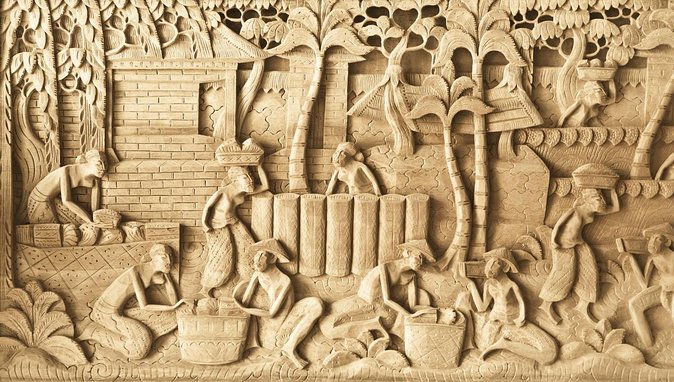
- Batubulan craft focus or performance time: Celuk gold and silver area, or Barong and Kris dance.
- Ubud is built for choice: monkey forest, an elephant cave temple, market time, plus painting museums.
- Tampaksiring gives you history plus spirituality: 8th–11th century sites and Tirta Empul purification vibes.
- Tegalalang can be views or photos: Ceking rice terraces or a giant swing photo stop.
How a Private East Bali Day Works from Kuta
This is an 8 to 10 hour private tour designed to cover a lot of east Bali without the hassle of figuring out transportation by yourself. You’ll start in Kuta, and pickup and drop-off are available for selected hotels. Once you’re in the car, you’ll handle the day with one driver/guide, plus air-conditioned comfort between stops.
The biggest value of this format is simple: you’re not negotiating buses, waiting around for transfers, or losing time to guesswork. Your guide helps you connect the dots—especially with temples and ceremonies—so it stops being random sightseeing and becomes a clearer picture of Bali’s culture and everyday life.
You’ll also notice the itinerary isn’t locked into one rigid plan. Several stops offer options. That matters because East Bali can change depending on what you’re after: ancient stone, performances, waterfalls, marketplaces, or long-picture time.
You can also read our reviews of more tours and experiences in Kuta.

Batubulan artisan culture: Celuk gold and silver or Barong and Kris dance
Batubulan is where Bali’s “made by hand” culture really shows. It’s known for crafts and art, and this stop is built around that idea.
Option A: Celuk gold and silver craft area (admission-free)
If you pick the Celuk village craft option, you’re in the world of handmade gold and silver production. The admission is listed as free, which makes this a low-stress choice if you’d rather spend your time watching technique than worrying about tickets.
This is the kind of stop that’s best if you like detail work—tools, finishing, and the human rhythm behind jewelry and metalwork. Even if you don’t buy anything, it helps you understand why Bali souvenirs can be so specific and skill-heavy.
Option B: Barong and Kris Dance (traditional performance)
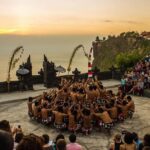
The alternative is the Barong and Kris Dance, a traditional performance tied to Balinese ideas of the eternal fight between God and Evil. The listed admission for this option is IDR 100,000. Because there’s also a line that says admission ticket free, I’d treat the exact cost as something to confirm at booking, so you’re not surprised on the day.
This choice is great if you want your cultural education to come alive through movement and storytelling. Just plan for it to be more “watch and absorb” than “walk and explore,” and keep your camera ready for moments that fit dramatic stage energy.
Batuan Temple or Tegenungan Waterfall: ancient stone or a classic photo break

Next up is Batuan, another area where you can shape the day based on your mood.

Option A: Batuan Temple (Hindu Trinity focus)
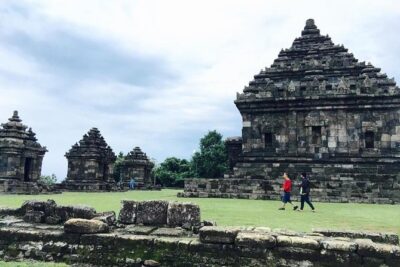
Choosing the Batuan Temple means stepping into ancient Balinese sacred space dedicated to the Hindu Trinity. The entrance fee is listed as IDR 50,000 per person.
A temple visit on a guided private day can feel more meaningful than a quick glance, because you can ask what you’re looking at while you’re standing there. If you’re temple-curious, this is the stop that rewards you for paying attention.
One practical note: temple areas often require a respectful pace, and you’ll want to follow any on-site guidance about how to move and where to stand.
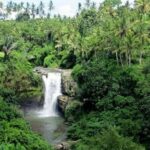
Option B: Tegenungan Waterfall (20 meters, photo-friendly)
If you’d rather trade ancient stone for nature, the Tegenungan Waterfall option fits the bill. It’s listed as about 20 meters high, and it’s known for a strong view and the kind of scenery that looks good in photos.
The entrance fee is IDR 30,000 per person, and the stop is described as ideal for Instagram photos and swimming. That said, I’d treat the swimming part as weather-dependent and comfort-dependent—some people love it, others prefer a photo and a soak-free break.
This option is a smart swap if you want to slow down your day halfway through and reset your energy before Ubud.
Ubud on your timing: monkey forest, an elephant cave temple, markets, and art
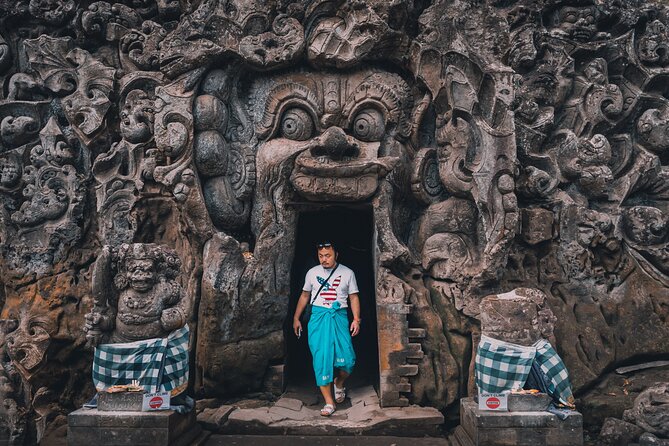
Ubud is the place people go when they want Bali to feel more personal—like you’re seeing how people live, shop, and create. This stop is built around a range of choices, so you’re not forced into a single “must-do.”
You can consider:
- Sacred Monkey Forest
- Elephant Cave Temple
- Market time
- Painting museums
- Time for wonderful restaurants (your guide can help you pick based on timing)
The tour notes that each location has different entrance fees, so expect some costs depending on what you choose. There’s also mention of an entrance-ticket line, but since the day clearly flags that not all sites share one pricing setup, your best bet is to keep a buffer for whatever you select.
If your goal is to understand Bali beyond temples, Ubud can do that fast. Markets and museums show you what locals make and what they value. And the monkey forest and cave temple options give you “nature plus spirituality” in the same zone.
Quick reality check on the monkey factor
Monkey areas are famous, but they’re also active. If you choose the monkey option, I’d keep your phone secure and avoid dangling items. You’ll enjoy it more when you’re not thinking about what a monkey might grab.
Tampaksiring’s 8th–11th century sites and the calm of Tirta Empul
Tampaksiring is where the day gains a historical spine. The region is described as home to major archaeological sites from the 8th to 11th century, which instantly makes it feel more than just another scenic stop.
You get three option styles here.
Option A: Gunung Kawi
Gunung Kawi is described as an impressive rock-cut shrine with temples and a funerary complex. This is a strong pick if you like archaeology and stonework that looks engineered to last.
It also pairs well with the earlier temple stop, because you’ll start noticing how Balinese sacred architecture uses placement, rock carving, and landscape.
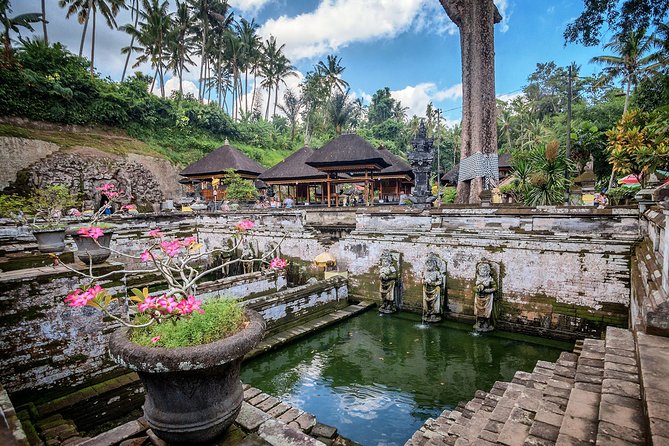
Option B: Tirta Empul Temple (purification temple)
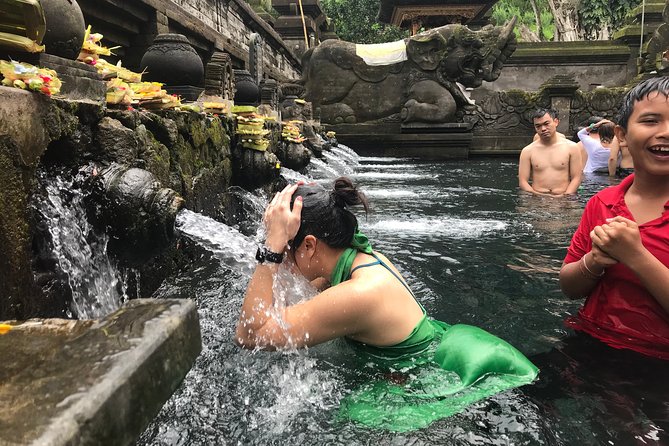
The Tirta Empul Temple option is known as a purification temple for locals. This is the stop that can feel most alive, because purification traditions are part of real community practice—not just a staged attraction.
If you choose this, go with a calm mindset and treat it as a cultural moment, not a performance. You’ll likely understand the setting better when you slow down and let the guide explain what’s happening.
Option C: coffee plantation (learning coffee and spices)
If you want something lighter, the coffee plantation option focuses on learning about coffee and spices from across Indonesian islands. The entrance fee is listed as IDR 50,000 per person/places, and the stop is described around an hour.
This is a good choice if your group includes people who want a break from temples. It also gives you something tangible to take home: flavor knowledge, not just photos.
Tegalalang rice terraces: Ceking views or giant swing photos
Tegalalang is where your East Bali day turns scenic. The tour gives you two directions again.
Option A: Ceking Rice Terraces
The Ceking Rice Terraces option focuses on the rice fields and hillside views. Expect a classic Bali panorama, with viewpoint time built into the visit.
This is a stop you’ll appreciate if you like open-air scenery and if your photos matter to you. It also feels like the right final “visual reward” after temple and craft culture.
Option B: Giant swing photo session
The alternative is the giant swing and photo session. The benefit here is straightforward: you get drama, motion, and the kind of image that tends to look good even if you’re not a professional photographer.
If your priority is action-based sightseeing, pick this. If your priority is easy walking and quieter time, pick Ceking instead.
Either way, try to plan for sun and time on-site. This is one stop where you’ll benefit from water and a light layer.
Price and logistics: is $32.65 per person actually good value?
The listed price is $32.65 per person, and the tour runs 8 to 10 hours with a private vehicle and driver/guide. That sounds like a deal, but the real value depends on how you manage what’s included versus what’s not.
What you’re getting for the money
Included:
- Driver/guide
- Hotel pickup and drop-off (selected hotels)
- Air-conditioned vehicle
- Parking fees
Not included:
- Food and drinks
- Entrance fees for the spots you choose
So your total cost on the day will be entrance-fee dependent. The tour notes that temples and landmarks can run roughly USD $2–$6 per person, though fees can vary by specific place and your choices.
Why it can be a smart buy
If you were to DIY this route from Kuta, you’d likely spend a lot of energy on transport planning, and you’d miss the cultural context that makes temples and crafts feel connected. Paying for a private guide is often what turns “I saw stuff” into “I understood what it meant.”
Private tours also matter if you travel with a partner or small group that prefers control over pace. You’re not waiting for strangers, and you can spend more time where you care most—like stopping longer at craft work or choosing between waterfall vs. temple.
What to expect day-of: timing, choosing options, and staying comfortable
A full day is never just one line on a calendar. It’s timing, heat, and decision-making.
The tour notes that in a full day, most people typically visit 4–5 places, depending on timing and local traffic. That matches how East Bali actually feels: the driving time adds up, and a tight itinerary can turn into a rushed one if you try to do every optional site at every stop.
Here’s how to make it work in a way you’ll enjoy:
- Choose one option at each flexible stop, not a “maybe everything” plan. Your favorite theme should win.
- Budget for entrance fees you select, because they’re not included in the base price.
- Bring water, sun protection, and something light for temples and outdoor viewpoints.
Mobile ticket and private setup
You’ll receive a mobile ticket, and because it’s private, your group stays together in one vehicle. That simplicity is underrated. It reduces the day’s stress level, and you’ll likely enjoy the cultural stops more when you’re not tracking logistics.
Should you book this East Bali private tour?
Book it if you want East Bali to feel guided and meaningful, not just scenic. This tour has a strong culture-to-views rhythm: crafts and performances, Hindu temple stops, Ubud choices with markets and art options, then rice terraces for a satisfying visual wrap-up.
Skip it or adjust expectations if your group hates paying entrance fees on top of the base price, or if you’re the type who needs a very short day. With 8–10 hours and real driving time, you’ll do best if you can handle a full day and choose your options wisely.
If you want a private day that helps Bali make sense—especially through a guide—you’re likely to love the way the pieces connect.
FAQ
What is the duration of the East Bali private tour?
It runs about 8 to 10 hours, depending on timing and local traffic.
Where does the tour start?
It’s based in Kuta, with pickup offered from selected hotels.
Is this tour private?
Yes. It’s a private tour/activity, meaning only your group participates in one vehicle.
What’s included in the price?
The included items are the driver/guide, hotel pickup and drop-off (selected hotels), air-conditioned vehicle transport, and parking fees.
What is not included?
Food and drinks are not included, and entrance fees for the spots you visit are not included.
Are entrance fees fixed?
No. Entrance fees may vary depending on which places you choose, and the tour notes a general range for temples and landmarks.
Can I customize the stops?
Yes. If you like to customize the trip, you should inform the operator in advance.
What is the cancellation policy?
You can cancel for a full refund up to 24 hours in advance of the experience start time. If you cancel less than 24 hours before, the amount paid is not refunded.