Balinese rituals feel like another planet on earth. This private day tour strings together death rites in Trunyan and birth ceremonies in Bayung Gede with temple and mountain scenery. It is the kind of outing that makes you slow down and actually pay attention.
I especially love how the tour is built around lived religion, not just photo ops. You get to meet local priests and healers, and the day has room for questions with guides like Mertha or Ah Gung, who explain what you’re seeing in plain language.
One thing to consider: this is a long day (about 8 to 10 hours) with real driving time and possibly slow, winding roads plus water travel. If you get motion-sick easily, plan for comfort first.
In This Review
- Key Things I’d Highlight Before You Go
- A Private Ritual Day With Real Spiritual Meaning
- Pickup, Private Group Pace, and How Long You’ll Be Out
- Trunyan Cemetery: Watching Tradition Replace Tourism
- Bayung Gede: The Birth Ritual That’s Impossible to Forget
- Kintamani Plateau: Volcanic Views as Your Reset Button
- Kehen Temple: The Famous Steps of Heaven
- Penglipuran and the Bamboo Forest Vibe: Village Life With Structure
- Guides Make the Day: Mertha and Ah Gung as Proof
- Price and Value: Where Your Money Actually Goes
- Timing, Comfort, and Small Tips That Matter
- Who Should Book (and Who Might Want to Skip)
- Should You Book This Balinese Mystic & Death Ritual Tour?
- FAQ
- How long is this private tour?
- What is the price per person?
- Does the tour include pickup?
- Is a mobile ticket used?
- Do I get admission tickets included?
- Are speedboat rides included?
- Is lunch included?
- What’s included in the tour besides transport and tickets?
- Is this a private experience?
- Is the tour appropriate for everyone?
- What is the cancellation policy?
Key Things I’d Highlight Before You Go
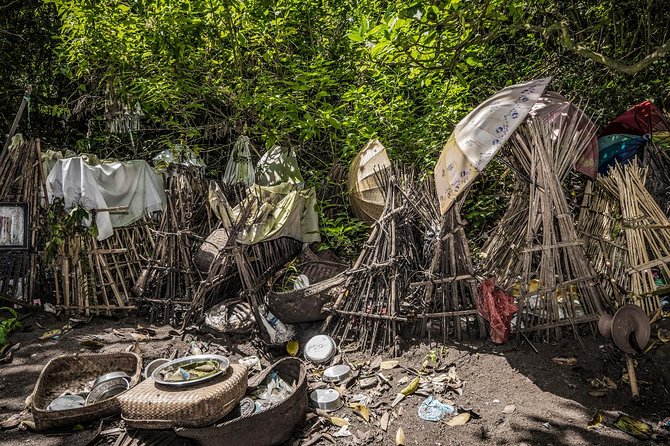
- Trunyan death ritual setting: a traditional place where the dead are handled in bamboo cages after cleansing rather than cremation
- Bayung Gede birth ceremony: the unique hanging newborn placentas that make this village famous
- Speedboat included: you’ll spend part of the day crossing water, not just sitting in traffic
- A/C vehicle and bottled water: small comfort items that matter on a full-day route
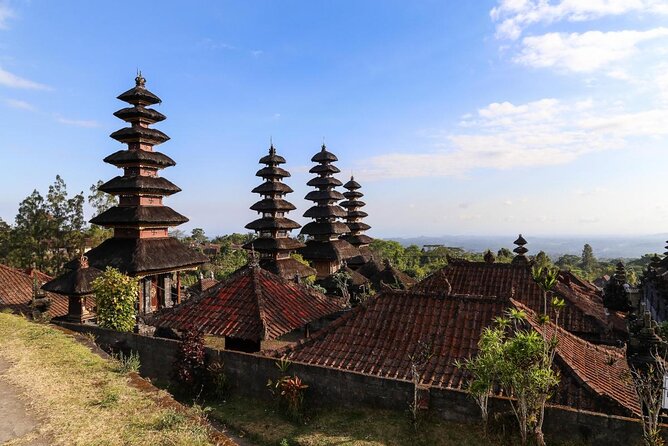
- Temples and village architecture: Kehen Temple and Penglipuran add context beyond the rituals
A Private Ritual Day With Real Spiritual Meaning
If you want Bali as more than beaches and Instagram backdrops, this is a smart choice. The heart of the day is straightforward: you visit places tied to birth and death, two themes Balinese culture treats with seriousness. It helps that this is private, so the pace and stops can be tailored to your interests.
What makes it work is how the sites connect. Trunyan is not a generic cemetery—it’s a living tradition. Bayung Gede isn’t just a village stop—it’s a place with a specific, unusual ritual tied to new life. Then temples and viewpoints give you breathing space so the day doesn’t feel like one intense moment after another.
You’ll also get context from your guide. In the best versions of this tour, guides like Mertha (friendly and helpful) or Ah Gung (patient and clear in his explanations) make the rituals understandable without turning them into a show.
You can also read our reviews of more tours and experiences in Kuta.

Pickup, Private Group Pace, and How Long You’ll Be Out
The tour is designed as a private activity, so it’s just your group. Pickup is offered, and you’ll use a mobile ticket. That matters because Bali days can be smoother when you’re not constantly negotiating meeting points.
Plan around a full day: about 8 to 10 hours. The route includes multiple stops spread out across different areas, plus speedboat time. That means you’ll likely spend more of your day in transit than you do in one place.
My practical advice: set your expectations. Think of this as a ritual-and-culture circuit that happens to include scenery, not a sightseeing sprint where you can squeeze in extras.
Trunyan Cemetery: Watching Tradition Replace Tourism
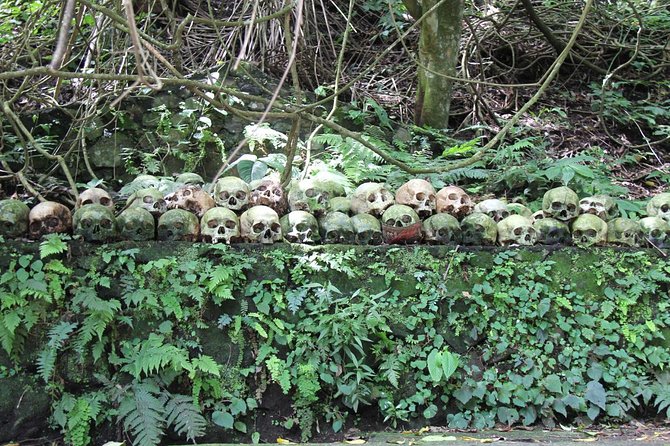
Trunyan Cemetery is the kind of stop that changes your mental checklist. Most Bali death stories you hear focus on cremation, but here the locals have a different approach. In Trunyan, the dead are not cremated. After a cleansing ritual, the body is placed in a bamboo cage.
That single detail matters. It signals a different spiritual logic and a different relationship with the life cycle. The atmosphere is typically quiet and grounded, and you’ll likely feel more like a listener than a spectator.
You should also know that this stop is culturally sensitive. Keep your voice low and your attention high. If you want the meaning behind what you see, ask your guide what the steps represent and how the community views them.
Potential drawback: because Trunyan is part of a larger route that can involve slower travel and water crossing, this stop may not feel like a quick hit. You are trading convenience for authenticity—and for many people, that trade feels worth it.
Bayung Gede: The Birth Ritual That’s Impossible to Forget
Bayung Gede is where the day flips from death to birth. This ancient village is believed to be the parent of Bali’s other ancient villages, and people come here specifically to see a ritual tied to newborns.
The standout feature is the hanging newborn placentas, a tradition unique to Bayung Gede. It is not something you’ll see anywhere else on the island, and it’s a reminder that Balinese rituals can be intensely specific—down to the materials, placement, and timing.
I like that this stop gives you perspective. Death rituals explain how communities care for endings; birth rituals show how they honor beginnings. Together, they make Bali feel more coherent as a culture rather than a collection of separate attractions.
One practical note: Bayung Gede can be emotionally intense for some visitors, especially if you’re not expecting such physical details. If you prefer your cultural learning lighter on bodily topics, go in with a clear head and let your guide know what you’re comfortable with.
Kintamani Plateau: Volcanic Views as Your Reset Button
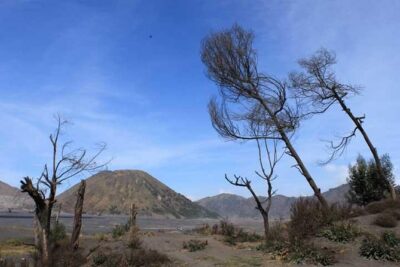
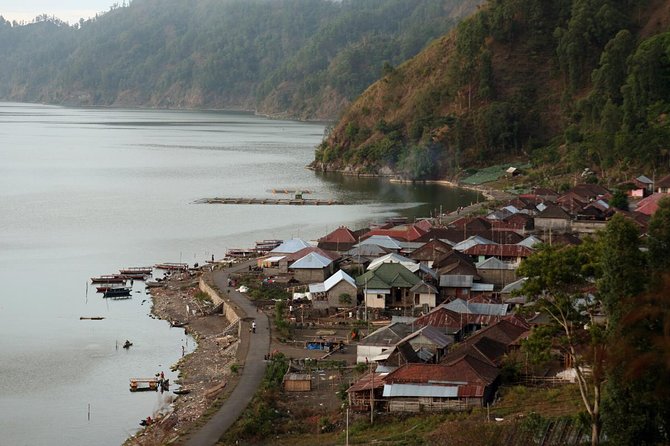
After the ritual intensity, the Kintamani Plateau stop feels like a reset. You’ll visit highland Kintamani and get views of Mount Batur and Lake Batur.
This is short—about 30 minutes—but it’s timed well. It gives you a chance to stretch your legs, look out over the terrain, and take photos without feeling rushed for the next spiritual stop.
If the weather’s clear, this part can also be your best photo window of the day. If clouds roll in, it can still feel atmospheric, just less dramatic. Either way, treat this as a break in pace, not a destination that needs hours.



Kehen Temple: The Famous Steps of Heaven
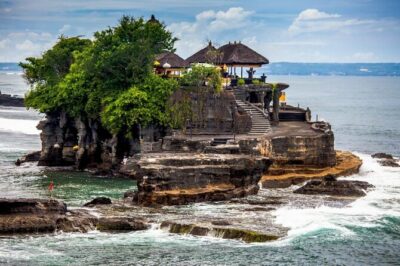
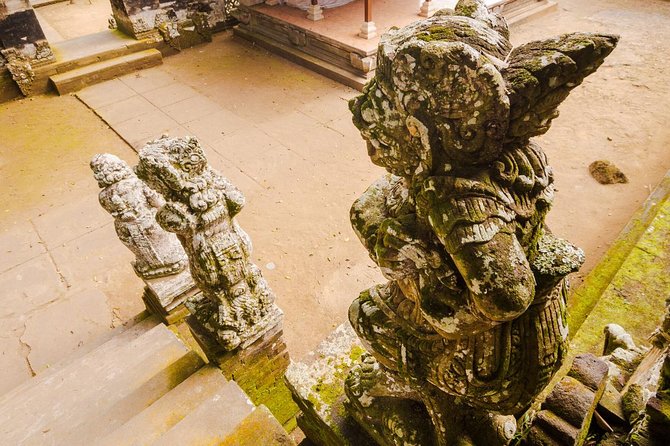
Kehen Temple adds a different kind of spirituality—more architectural, more symbolic, and calmer than the ritual sites. You’ll visit for about an hour and you’ll see the famous steps of heaven.
Temples in Bali aren’t only for worship; they are also classrooms. Your guide can help you read what you’re seeing: the idea of sacred space, the way stairways connect levels of meaning, and why temples often feel like more than scenery.
I like Kehen because it shifts you from body-focused rituals to a more universal language of sacred design. It’s also a good place to ask how the rituals you just saw connect to everyday religious practice.
Penglipuran and the Bamboo Forest Vibe: Village Life With Structure
Next comes Penglipuran Bamboo Forest, tied to an older village with distinct architecture, social systems, and belief structures. This stop is about an hour, which is the right length for a village walk without draining your energy.
What I find valuable here is the contrast. After death and birth rituals, you get to see the everyday framework that keeps culture working. People often talk about Bali as if it’s all ceremonies and temples, but villages show the repeatable systems—how houses look, how communities organize, and how beliefs translate into daily life.
If you like photos, this is also where you’ll likely feel “easy to photograph” compared with more solemn sites. Just remember that this is still a community. Walk respectfully and let your guide point out what makes the place different.
Guides Make the Day: Mertha and Ah Gung as Proof
A tour like this lives or dies on interpretation. The sites are powerful on their own, but what you take home depends on how someone explains them.
In the experiences I’m using as reference points, guides like Mertha brought friendliness and solid explanations that made the day feel smooth and fun while still serious. Ah Gung stood out for patient, careful sharing—he didn’t rush the meaning or assume you already knew the language of the rituals.
So when you book, consider this: do you want a day that feels like a guided conversation? If yes, this kind of private format is a good match. Your guide is the translator between your expectations and local reality.
Price and Value: Where Your Money Actually Goes
At $81.80 per person, this is not a bargain-tour price, but it’s also not a luxury-only experience. The real value is in what’s bundled.
Included costs cover:
- speedboat
- air-conditioned vehicle
- bottled water
- fuel surcharge and parking fees
- admission and donation fees
- a few essentials like bottled water to keep the day from feeling grindy
Lunch costs extra, so you’ll want to plan for that. But compared with cobbling together separate drivers, separate tickets, and a separate boat crossing, bundling tends to make the day cheaper and easier.
The other value is time planning. When you’re trying to see distant, culturally specific places, having a plan reduces the chances of wasting hours trying to coordinate everything on your own.
Timing, Comfort, and Small Tips That Matter
Because the day can involve winding roads and travel time, I recommend dressing for comfort. Wear shoes that work for uneven or temple-adjacent walking. Bring water energy snacks if you’re the type who gets shaky between meals—lunch isn’t included.
Also, consider how you handle motion. Some routes in Bali can be slow and narrow, and if water travel is part of your route, you’ll want to stay comfortable from start to finish.
If you want the rituals to feel respectful, keep your phone use intentional. Take photos where appropriate, but don’t treat each stop like a race to capture everything.
Who Should Book (and Who Might Want to Skip)
This is a private tour, and it can work for most people who are comfortable with full-day cultural visits. It is also marked as not recommended for women in monthly period. If that applies to you, skip it or ask the provider about alternatives before committing.
I think this tour is especially suited for:
- you like cultural travel that focuses on meaning, not just sights
- you enjoy asking questions and learning how traditions work
- you want a structured day with guides who explain what you’re seeing
It may be less suited for:
- you hate long days in vehicles
- you get motion-sick with curvy roads and water crossings
- you prefer very light, non-body-topic cultural experiences
Should You Book This Balinese Mystic & Death Ritual Tour?
I’d book it if your top goal is to understand Balinese life through the rituals that shape it—birth and death—and you’re okay with a long day and a bit of travel discomfort. The speedboat and the included admission fees help keep it practical, and the best part is the guide-led explanation that makes unusual traditions feel clear instead of confusing.
I would hesitate if you want a relaxed half-day or you’re sensitive to bodily details around rituals. In that case, look for a more general temple-and-scenery day.
If you do book, I suggest you go in with two modes: curiosity and respect. This is the kind of day where your questions get answered, and your assumptions get challenged in the best way.
FAQ
How long is this private tour?
It runs about 8 to 10 hours.
What is the price per person?
The price is $81.80 per person.
Does the tour include pickup?
Pickup is offered.
Is a mobile ticket used?
Yes, the tour provides a mobile ticket.
Do I get admission tickets included?
Yes, admission and donation fees are included, and you’ll have tickets for the stops.
Are speedboat rides included?
Yes, the tour includes a speedboat ride.
Is lunch included?
No, lunch costs extra.
What’s included in the tour besides transport and tickets?
Included items include bottled water, an air-conditioned vehicle, speedboat, fuel surcharge, parking fees, and admission & donation fees.
Is this a private experience?
Yes. Only your group will participate.
Is the tour appropriate for everyone?
Most travelers can participate, but it is not recommended for women in monthly period.
What is the cancellation policy?
You can cancel for a full refund up to 24 hours in advance. If you cancel less than 24 hours before the start time, the amount paid will not be refunded.