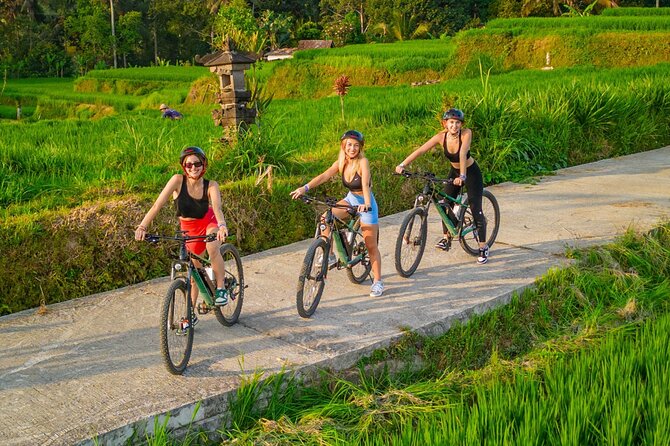
Two wheels make Ubud’s countryside feel close-up. This 3-hour e-bike tour from Bresela (Payangan area near Gianyar) takes you through Ubud’s rice paddies and the traditional Subak irrigation system, then rolls into quiet lanes of traditional villages where guides like Eddie focus on safety and keeping the ride enjoyable.
I especially like the combo of smooth electric assist plus a careful, friendly crew. The ride is designed to be accessible even if you’re not feeling super sporty, and the logistics are handled with pickup help (like driver Bagus) so you’re not hunting for the start point. I also love the human side: you get real village encounters, plus stops where you can meet local craftsmen and artisans and see daily life up close.
One thing to consider: it’s not a hardcore all-pedals experience. There’s time for a meal break in the rice field and slower moments in village areas, so if your goal is maximum cycling time, you may want to manage expectations for the pace.
In This Review
- Key highlights you’ll feel fast
- Ubud rice terraces on an electric bike: what you’re really seeing
- Starting out near Bresela and getting into the right rhythm
- Subak irrigation and rice paddies: why cycling changes the view
- Traditional villages and artisan encounters: how to make it meaningful
- The e-bike experience: easy effort, real control
- Pace, safety, and group feel: what to expect in motion
- Food break in the rice field: simple, local, and timed well
- Price and time value: is $26 worth it?
- Who should book this e-bike ride?
- FAQ
- FAQ
- How long is the e-bike tour in the Ubud rice terraces and villages?
- Where do we meet for this tour?
- Is pickup offered?
- Is this a private tour?
- What’s the price per person?
- What kind of bikes are used?
- What are the height, weight, and age guidelines?
- Is there a meal included?
- Can I cancel for a full refund?
- Should you book this Ubud e-bike ride?
Key highlights you’ll feel fast
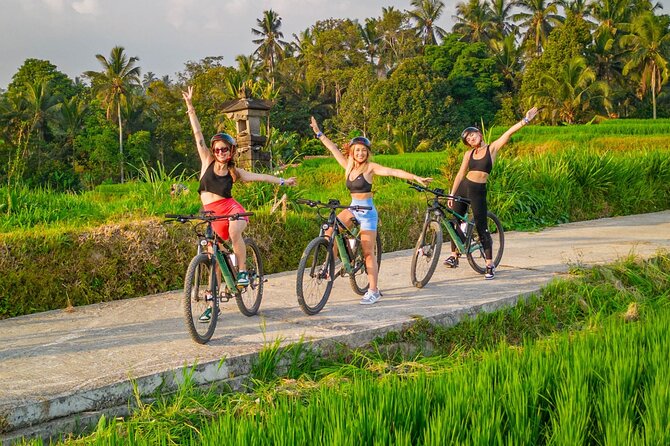
- Electric assist for hilly paths so the ride stays comfortable for more people
- Subak irrigation views that explain how Balinese rice farming actually works
- Traditional village stops with chances to meet craftsmen and ask questions
- Safety-first guiding with helmets and a careful group pace
- A rice-field meal break that turns the ride into a full experience, not just transit
Ubud rice terraces on an electric bike: what you’re really seeing
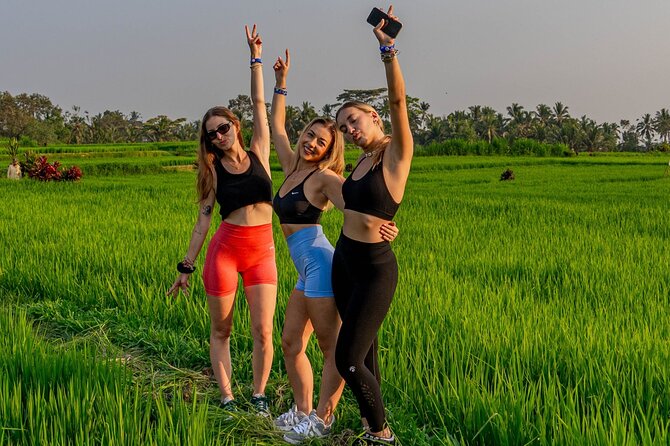
Ubud is famous for rice scenery, but doing it by e-bike changes what your eyes catch. On a bike, you pass right by the irrigation channels and the stepped paddies at a more personal speed. Instead of seeing the terraces from a single postcard angle, you notice how the whole system connects: fields, water flow, and the daily rhythm that keeps it going.
The tour’s focus on the Subak irrigation system matters because it explains why the scenery looks the way it does. It’s not just “pretty farms.” It’s an organized, community-based approach to water management that has shaped how these landscapes function for generations. When you see the channels and paddies up close, it’s easier to understand what you’re looking at—and why locals care for it.
And because the ride is electric, you’re more likely to actually look around instead of fighting for breath. That’s a big quality-of-life upgrade in Bali, where the heat and short steep sections can wear you down if you’re on a regular bike.
You can also read our reviews of more tours and experiences in Kuta.


Starting out near Bresela and getting into the right rhythm
The meeting point is at Cretya Sunset, on Jl. Raya Bresela No. 8 in Bresela (Payangan, Gianyar). The tour description notes that pickup is offered, and in practice that’s a huge win if you’re staying in Kuta or another busy area and don’t want to fuss with transfers.
Here’s what I like about starting with pickup: it makes the morning feel simple. You spend less time coordinating and more time preparing for the ride—water, light layers, and a phone ready for photos (though you’ll probably want both hands on the bars).
Because this is a private tour/activity for your group, you’re not stuck with random strangers as your only pace-makers. A private setup also usually makes it easier to speak up if you want to go slower or stop for a view.
Subak irrigation and rice paddies: why cycling changes the view
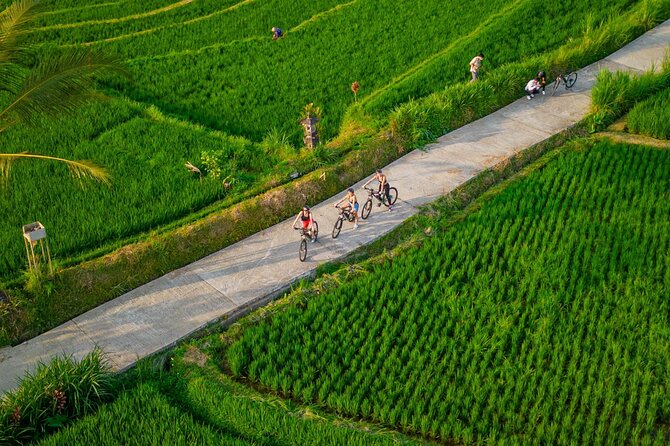
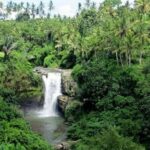
The heart of the tour is the rice terrace ride. You’ll move through Ubud’s paddies—stepped plots of green where the irrigation system feeds water and supports the farming cycle. It’s visually dramatic, sure. But it also feels educational in a low-pressure way, because the tour is built around what you can see while you’re riding.
What you’ll notice fast:
- The paddies aren’t just “fields.” They’re arranged with water logic in mind.
- Channels and pathways guide where you can go and how the group moves.
- The light and height differences shift with each section, so the view changes every few turns.
One small practical point: stepped terrain can mean uneven ground near the edges and occasional slow segments. That’s not a deal-breaker—it’s part of the charm—but it helps to keep your body relaxed and follow your guide’s pace.
Traditional villages and artisan encounters: how to make it meaningful
After the rice paddies, the tour shifts to traditional villages. This is where you get away from the main tourist routes and into places where life looks slower and more routine. You’ll pass through lanes that feel local—often narrower, with everyday sounds and small details you’d skip while sitting in a car.
The best part is the chance to interact with people who make things and keep traditions alive. The tour description highlights interactions with local craftsmen and artisans, and the vibe from guides is that they want you to understand what you’re seeing, not just take photos.
What to do during village moments:
- Ask simple questions about what they do and how they learned.
- Keep your phone down until you’ve greeted and listened.
- Watch hands and tools—this is usually where the real story lives.
Cultural stops can sometimes turn into quick “photo-and-go” situations. The guides for this tour (including Eddie and Made, based on the experience style and safety emphasis) come across as friendly and careful, which tends to make interactions feel more natural and less rushed.
The e-bike experience: easy effort, real control
The electric bikes are the key to making this tour work for many fitness levels. The tour info says the bikes make the ride smooth and effortless, and the overall setup is built to be accessible. That’s a major factor here, because the Ubud area can be warm, hilly, and physically tiring on a standard bike.
A few details that matter for comfort and confidence:
- Helmets are provided, and they’re in good condition.
- Safety is taken seriously, with guides keeping close attention to the group.
- The ride is designed for multiple age ranges (listed as roughly 6 to 65), which usually means it’s not set up like a fitness race.
There are still constraints you should respect:
- Height limits are listed (min 160 cm, max 195 cm).
- Max weight is listed as 120 kg.
- Those limits are about fit and riding comfort, not attitude.
If you’re worried about balance or control, tell your guide right away. A careful guide will adjust the pace and group spacing. And if you’re the kind of person who wants more cycling time, you can also ask for a smoother flow between stops.


Pace, safety, and group feel: what to expect in motion
This tour runs about 3 hours, so everything happens at a compact, energetic pace. The good news is that the guide focus seems to be on safe handling—helmets, careful riding, and a route that’s doable for a broad set of people.
One note from the overall experience style: the ride can feel fast to some people, especially if you’re hoping for lots of time to soak in views. That doesn’t mean it’s chaotic. It just means you should manage expectations. The tour mixes riding with culture stops and a break, so there’s always a rhythm.
My practical tip: if you want more time in any specific place—rice terraces, water channels, or a craft area—ask early and clearly. Guides generally can’t change the whole route on the fly, but they can often adjust how long you pause before moving on.
Food break in the rice field: simple, local, and timed well
One standout element is the meal break in the rice field. That’s not just a nice photo moment. It’s a practical reset during the ride, especially after you’ve been cycling and walking around paths.
Having the meal in the countryside also changes the mood. You’re not sitting in a restaurant with overhead lights and constant background noise. You’re in the setting you came for, and the meal helps turn the tour from “transport with scenery” into a true experience.
What to plan:
- Bring some water and consider light sunscreen before the start.
- If you’re sensitive to heat, use the meal timing to cool down for a few minutes.
- If you have dietary needs, you’ll want to confirm in advance, since the tour data doesn’t specify menu details.
Price and time value: is $26 worth it?
At $26 per person for about 3 hours, this tour is priced like a value-focused outdoor activity. What you’re paying for isn’t just a bike rental. You’re also getting:
- An e-bike with helmet support
- Guide services
- Pickup offered (when arranged)
- A route that combines rice terraces, village encounters, and a meal break
For Bali, where costs can jump quickly for “simple sightseeing,” this price point is attractive—especially if it’s actually delivered as a full guided loop rather than a quick drop-off. The biggest value comes from the mix: you get scenery that’s hard to reach in a car and cultural moments that feel more human than museum stops.
Also, the tour notes group discounts and a mobile ticket. That’s helpful if you’re traveling with friends or family and want one simple plan.
Who should book this e-bike ride?
This tour is a strong fit if you want:
- Scenery + culture in one compact morning or afternoon
- A gentler way to explore Ubud’s rice terraces than hiking
- A guided route that gets you off main roads
- A group experience that still feels personal because it’s private for your group
It’s also likely a good match for a wide age span because of the e-bike assist and safety-forward guiding.
Think twice if:
- Your top goal is nonstop riding with lots of time on the saddle.
- You prefer a very slow, unstructured pace with long stays in one spot.
- Your height or weight is outside the listed limits.
FAQ
FAQ
How long is the e-bike tour in the Ubud rice terraces and villages?
It runs for about 3 hours.
Where do we meet for this tour?
The meeting point is at Cretya Sunset, Jl. Raya Bresela No. 8, Bresela, Kec. Payangan, Kabupaten Gianyar, Bali 80572, Indonesia.
Is pickup offered?
Pickup is offered.
Is this a private tour?
Yes. Only your group participates.
What’s the price per person?
The price is $26.00 per person.
What kind of bikes are used?
The tour uses electric (e-) bikes.
What are the height, weight, and age guidelines?
Height limits listed are min 160 cm and max 195 cm, with a maximum weight of 120 kg. The listed age range is 6 to 65 years old, and most travelers can participate.
Is there a meal included?
A meal break in the rice field is part of the experience.
Can I cancel for a full refund?
Yes. Free cancellation is available if you cancel at least 24 hours in advance for a full refund.
Should you book this Ubud e-bike ride?
I’d book it if you want Ubud’s rice paddies and village life without turning it into a full-day hike. The electric bike plus the Subak-focused route is the winning combo: you get the views and the meaning behind them, and you still end up with time for real cultural encounters.
If you’re picky about pace, go in with a clear expectation: the day isn’t only about riding. It’s about riding, stopping, learning, and eating in the setting you’re exploring. For many people, that mix is exactly the point.