Four days, three volcano moods, one crazy blue fire. This private East Java road trip connects Bromo, Tumpak Sewu, and Ijen with waterfall time and a final hop to Bali. It’s a full “up at night, hike a bit, then see something unforgettable” route.
I especially like how the trip gives you real access: a private 4WD for Bromo and proper time on the crater rim. I also like that you’re not just dropped off—English-speaking guides handle Bromo, Kapas Biru, Tumpak Sewu, and Ijen with equipment for the toughest moments.
The one big consideration is that sunrise and Ijen depend on Mother Nature. Bromo sunrise can be hit-or-miss, and Ijen can close on specific days due to volcanic and safety rules, so you should stay flexible.
In This Review
- Key things you’ll care about
- Why this East Java road trip works better than picking just one volcano
- Surabaya or Malang to Cemoro Lawang: getting your body and schedule aligned
- Bromo sunrise by jeep and a 1.5 km crater walk: what you’re really signing up for
- Kapas Biru waterfall after Bromo: a reset day with a different kind of hike
- Tumpak Sewu waterfall: the bigger payoff night, with a real local guide role
- Ijen blue fire from 00:00: the equipment is included for a reason
- Finishing in Bali: ferry to Gilimanuk and private transfer out
- Price and value at $479: what you’re paying for besides the sights
- Comfort, timing, and what to pack so the trip feels easier
- Who should book this private tour, and who should skip it
- Should you book this Bromo-Tumpak Sewu-Ijen-Bali tour?
- FAQ
- What are the pickup times from Surabaya and Malang?
- How does the Bromo sunrise part start and how do you reach the crater?
- Are lunch and dinner included?
- What safety gear is provided for Ijen?
- Is Ijen always open?
- Who isn’t this tour suitable for?
Key things you’ll care about
- Private pacing and car + guides across long distances in East Java
- Bromo sunrise timing: early departure, jeep access, then a 1.5 km crater walk
- Two waterfall styles: Kapas Biru plus the bigger, more dramatic Tumpak Sewu
- Ijen blue fire gear: gas mask, goggles, and flashlight for the crater walk
- Ferry to Bali at the end, with private transfer out to your hotel
- Not just scenery: you’ll cover both moderate hiking and steep-night conditions
Why this East Java road trip works better than picking just one volcano
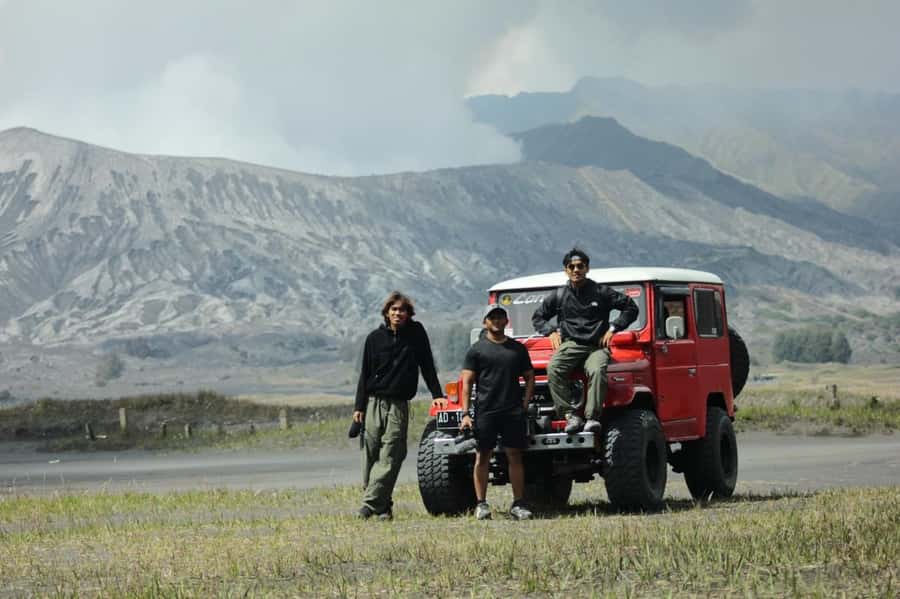
This itinerary is built like a story with chapters. You start with Bromo sunrise, shift to waterfalls that feel totally different from volcanic terrain, then go into the stark, smoky world of Ijen blue fire. By the time you reach Bali, you’ve earned a calmer finish.
What makes it feel worthwhile is the “combo” logic. Bromo is all about that pre-dawn light and crater views. Tumpak Sewu and Kapas Biru give you a break from volcanic color with water volume and jungle-edge trails. Ijen is the emotional peak: sulfur lake, blue flames, and a night hike where timing matters.
The route also keeps you from over-managing. You’re doing a lot, but it’s handled with a private group, AC transport, tickets, and guides in the key moments. That’s a big deal in East Java, where distances between sights can swallow a day if you’re improvising.
You can also read our reviews of more tours and experiences in Bondowoso.
Surabaya or Malang to Cemoro Lawang: getting your body and schedule aligned
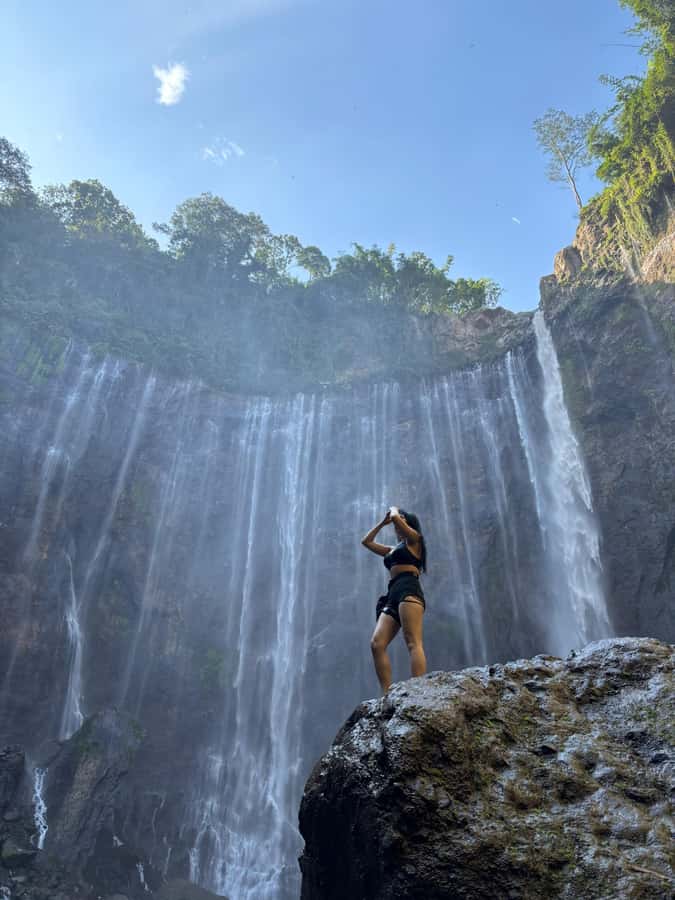
Your trip starts with pickup from either Surabaya or Malang, then a transfer to Cemoro Lawang for your first night. Cemoro Lawang is set up for Bromo mornings, which means you’re not wasting time traveling while the best part of the day is still asleep.
The pickup times matter. If you’re coming from Surabaya, plan for an early start (around 04:00). From Malang, pickup is around 05:00. That early rhythm continues later, but the benefit is simple: you’ll actually make the Bromo window without rushing your night before.
You’ll sleep at a hotel like Lava View Lodge, Cafe Lava, or Bromo Permai (depending on availability). The tour includes a private room and bathroom with hot shower, so you can recharge after a long travel day. You’re not arriving to a cramped dorm setup—this is meant to feel like a proper base.
Bromo sunrise by jeep and a 1.5 km crater walk: what you’re really signing up for
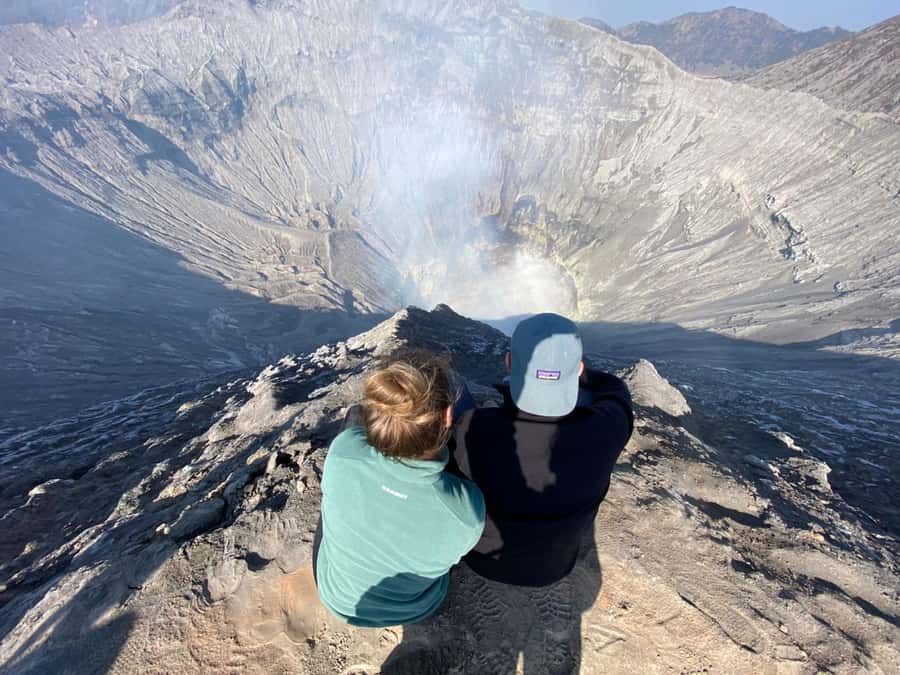
Bromo mornings can feel magical. The hardest part is getting there before your day brain wakes up. This tour builds that in: you meet your guide around 03:00am, then ride by jeep to the viewpoint.
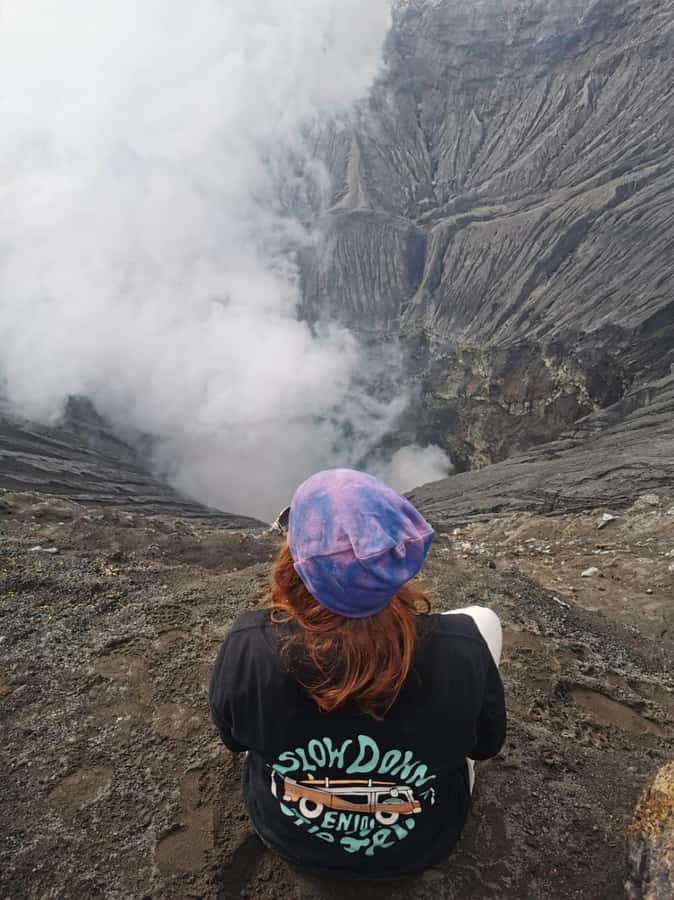
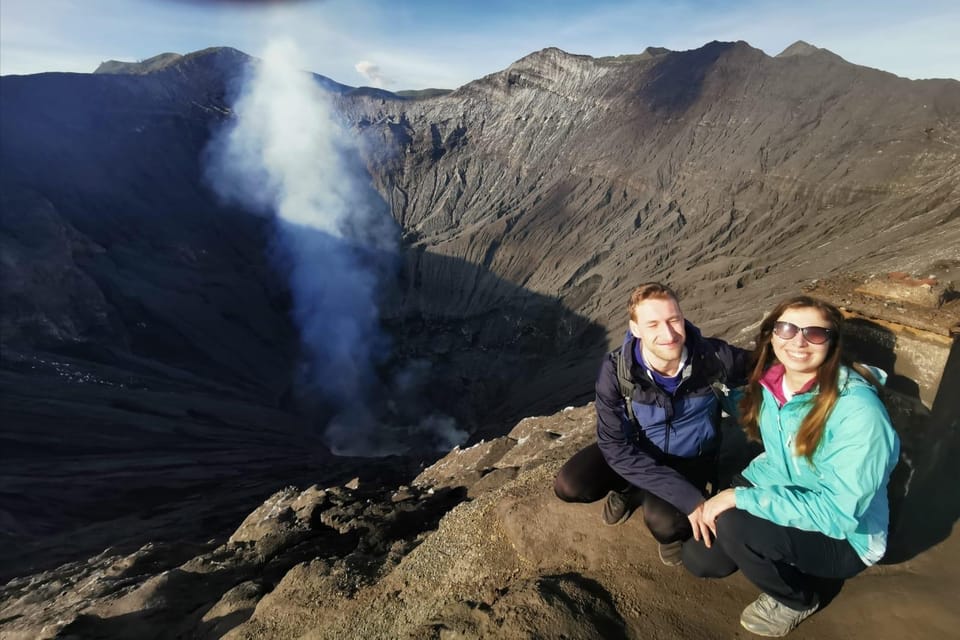
From the viewpoint, you go by 4WD closer to the activity zone, then you switch to walking. The plan calls for a crater walk of about 1.5 km on foot. It’s not described as technical climbing, but it is a real hike in cold, dark conditions. Comfortable shoes are not optional here.
Once you reach the crater area, you’ll explore and take in the views long enough to get your photos done without sprinting. The morning schedule also includes breakfast back at your accommodation after the crater time, so you’re not stuck hungry while the sun is up and you still have more driving ahead.
Two details from the best-run versions of this trip:
- A good Bromo guide doesn’t just point. They help you understand where to stand and when the light shifts. In past groups, guides like Salman and Sandi have been praised for being friendly, helpful, and quick to explain what you’re seeing.
- The driver experience matters at Bromo. A driver like Tono, for example, shows up in feedback for being punctual, kind, and easy to work with—exactly what you want when you’re moving in the dark.
Now the drawback: sunrise isn’t guaranteed. Weather and natural conditions can flatten the drama. The wise move is to treat the morning as worthwhile even if the sky doesn’t do a perfect show—because the crater area still has its own intensity.
Kapas Biru waterfall after Bromo: a reset day with a different kind of hike
After the Bromo morning, you check out around 09:00am, then drive toward Kapas Biru with an extended on-road stretch. The goal is to reach the waterfall by early afternoon, around 01:30pm.
Kapas Biru is a change of pace. You leave the crater world and step into a waterfall visit that tends to feel more grounded: walking paths, wet footing, and the sound of water doing the work your eyes can’t. You’ll have around three hours to explore, which is enough time to take photos, adjust your route if it’s crowded, and still avoid feeling like you’re racing.
You’ll also overnight back in the Pronojiwo area (Lodging options like Tumpak Sewu homestay or Artha cottage, depending on availability). The tour includes a private room and bathroom with hot shower and air conditioning on some nights, which helps after a day of cool mornings and damp waterfall time.
Practical tip: pack for “wet plus travel.” A waterproof bag and waterproof shoes are on the recommended list for a reason. One wrong pair of shoes and you spend the next day uncomfortable.
Tumpak Sewu waterfall: the bigger payoff night, with a real local guide role
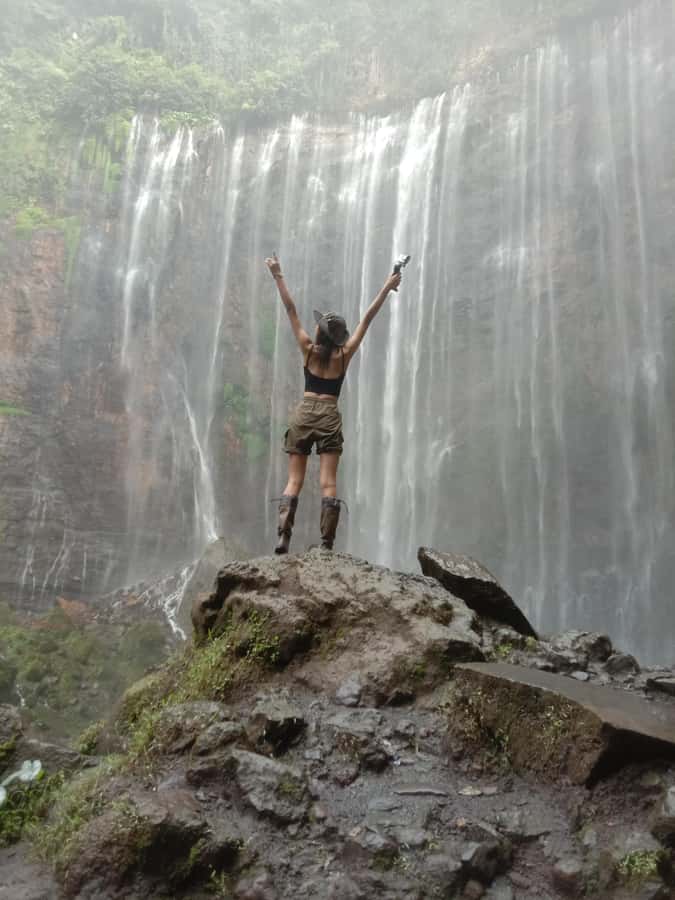
The next morning starts around 07:30am for Tumpak Sewu. You drive a short distance to get to the waterfall area, then you have about three hours to explore.
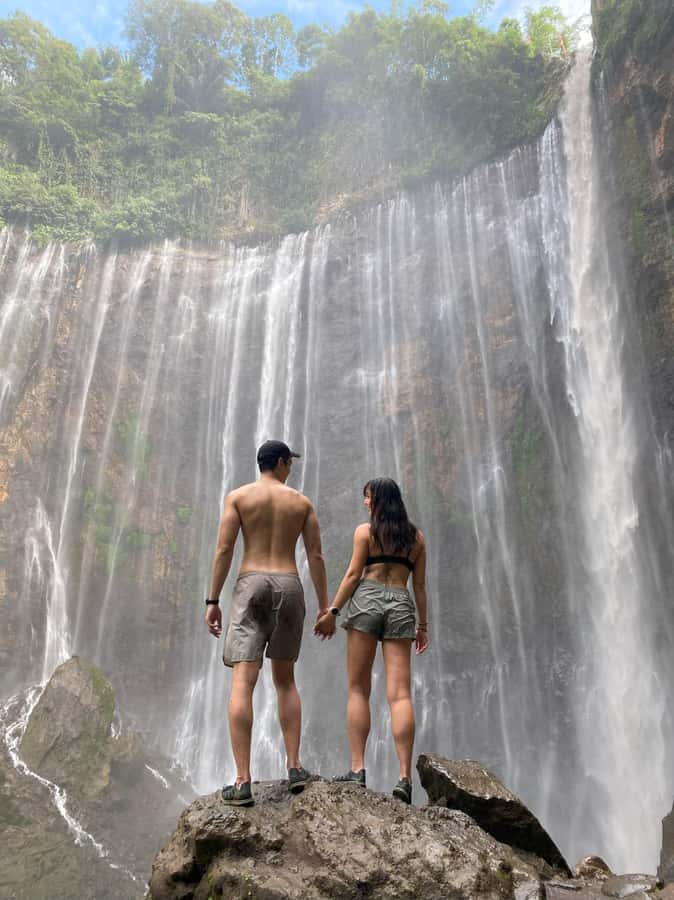
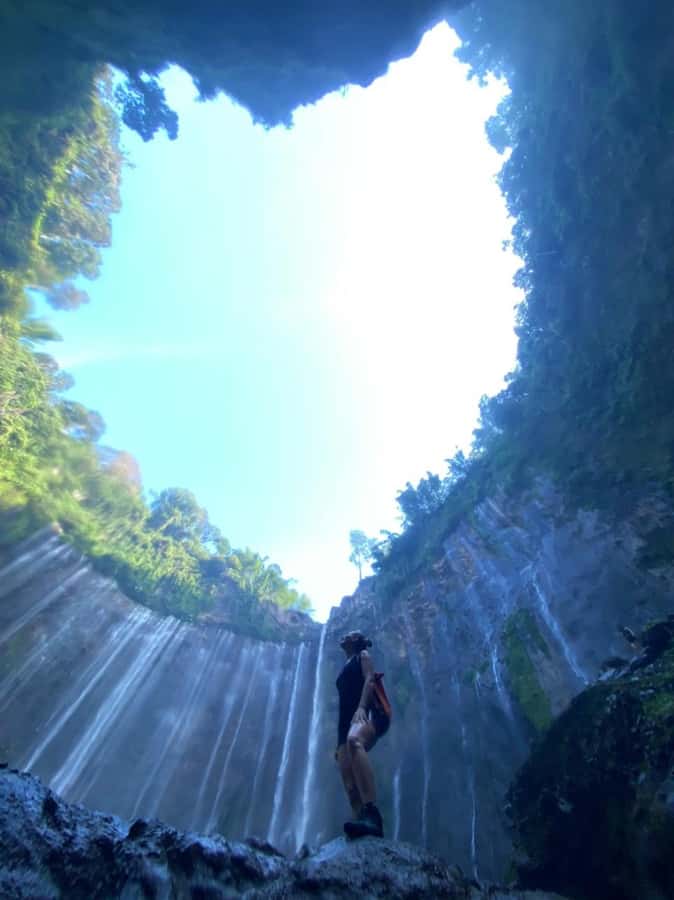
Tumpak Sewu tends to feel more dramatic than smaller falls, which is why it’s worth giving it time rather than treating it like a quick photo stop. The tour includes entry tickets and a local guide, and this matters because the best angles are rarely random. A good guide helps you move with less confusion and more confidence—especially when you’re on uneven paths.
In past experiences with this operator, guides such as Hewan have been praised for being helpful and kind, which usually means you get better info without the hard sell. You also get a smoother feel to the day when your guide understands how to time viewpoint moments.
After Tumpak Sewu, the schedule drives you to Bondowoso town for the night. Expect a longer transfer (about 4.5 hours) and an overnight stay at places like Riverside or Ijen View Hotel (depending on availability). This portion is where the trip does its “value move”: you don’t just see the waterfall and call it a day—you set yourself up for an Ijen start at midnight.
Ijen blue fire from 00:00: the equipment is included for a reason
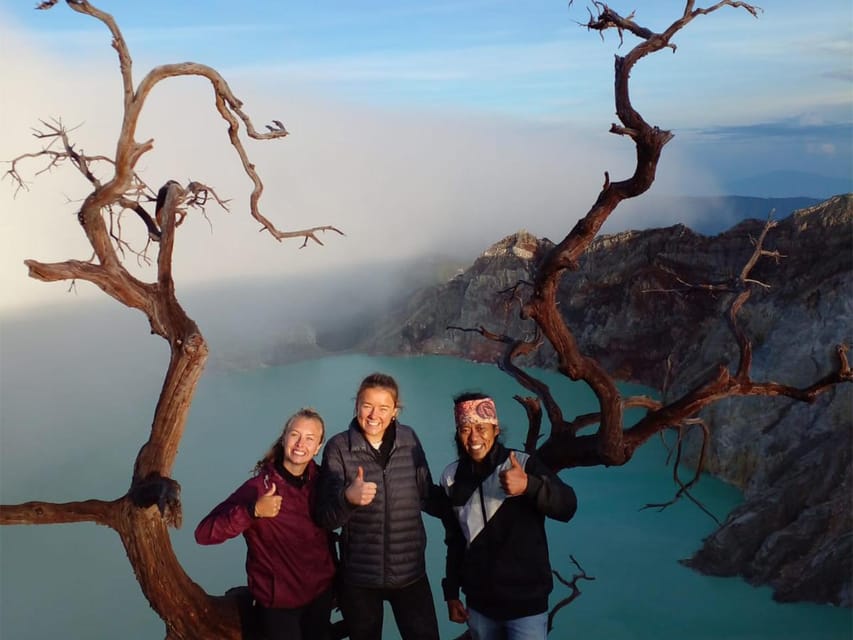
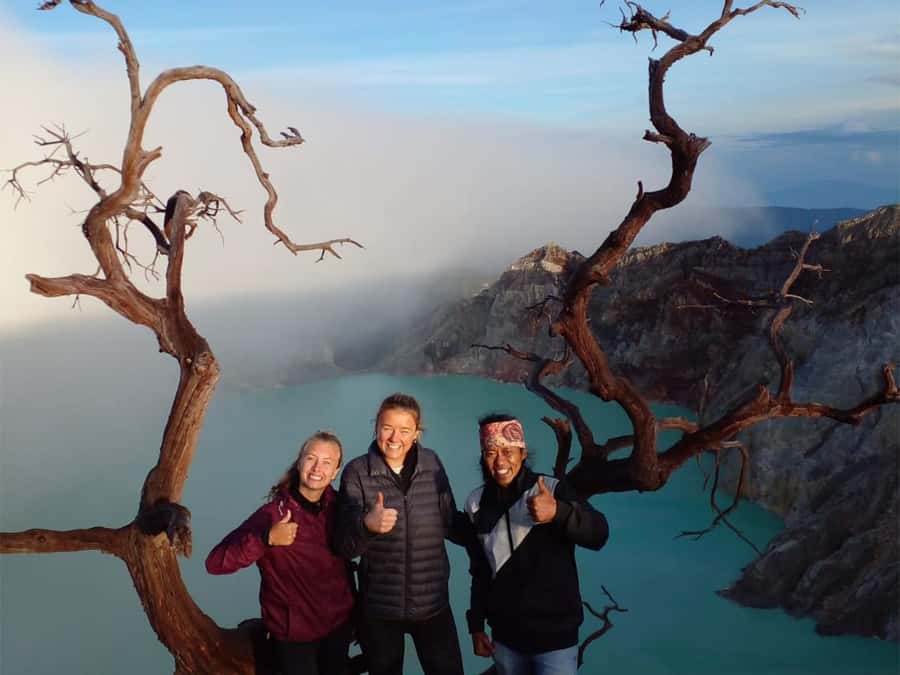
Ijen is the part people remember. The schedule picks you up around 00:00am, then drives about 1.5 hours to Paltuding, the entrance area for the climb.
From there, the climb and descent schedule is straightforward but serious. You spend about 1.5 hours reaching the top, then head down toward the crater area, about 700 meters, to see the sulfur lake and the blue flames. This is where you need to keep expectations realistic: the “blue fire” moment depends on visibility and conditions, and Ijen can be unpredictable.
That’s why the tour includes the key gear: gas mask, goggles, and flashlight. You’ll also need a health letter from a clinic or hospital for Ijen climbing requirements, so if you’re unsure about your fitness or breathing tolerance, handle paperwork early rather than hoping.
Two reality checks worth taking seriously:
- Ijen closures happen. It’s listed as closed on Friday of the first week, and also closed on certain monthly cycles for safety and operational reasons.
- Volcanic conditions can trigger changes. During wet season, volcanic activity near the crack can rise, and authorities may close access to the blue flame area or the entire site if gas toxicity becomes dangerous.
One more important point: the tour doesn’t position this as a casual hike. It’s for people who can handle moderate fitness demands and steep-night conditions. And because it’s at night, you should plan for feeling cold and tired before it gets good.
In feedback for this route, groups had schedule changes due to Ijen closure, and support from a team member like Antonius was highlighted as excellent. That’s a sign you want a tour operator that can rework the plan quickly if conditions force a pivot.
Finishing in Bali: ferry to Gilimanuk and private transfer out
When the Ijen portion ends, you head out around 08:00am. The route then drives you to Ketapang ferry port, takes a boat to Gilimanuk, and continues by private car in Bali to your accommodation.
This is a smart wrap-up. You’re not starting Bali from scratch after a punishing day—you’re doing a direct transfer out of the ferry port. It reduces time wasted on messy connections, especially when you’re already running on early-morning hours.
If your plan includes Bali time right after this trip, this finish helps you protect the best parts of your vacation. You’ll still be tired, but you’ll be closer to comfort and beaches much sooner than if you had to rebook on the fly.
Price and value at $479: what you’re paying for besides the sights
At $479 per person, the value comes from how much is packaged. You’re not only paying for transportation. You’re paying for:
- Private AC car (plus gasoline, parking, and tolls)
- Private 4WD in Bromo
- Three nights of lodging with private rooms and bathrooms (including hot shower; some nights also include air conditioning)
- Three breakfasts and mineral water
- Entry tickets for Tumpak Sewu, Kapas Biru, Bromo National Park, and Ijen
- English-speaking guides for the waterfall areas and Ijen, plus an English-speaking guide for Bromo
- Ijen safety gear: gas mask, goggles, flashlight
- Ferry tickets plus private car transfer after arriving in Bali
- A health letter component for Ijen climbing requirements
What’s not included is typical: lunch and dinner, plus personal insurance. Horse riding in Bromo isn’t included either. If you like to eat on your own schedule, you’ll budget extra. But for most people, this kind of pricing is fair because it removes the friction of booking tickets, arranging guides, and coordinating transport across three major sites plus Bali.
Also, it’s a private group. That usually means less waiting around and fewer compromises about timing, which matters a lot when you’re dealing with sunrise and midnight departures.
Comfort, timing, and what to pack so the trip feels easier
The tour setup is built around long driving days and early starts. That means your personal comfort choices affect everything.
Bring:
- Comfortable shoes (waterproof if possible for waterfall days)
- Jacket (early mornings and night hikes get cold fast)
- Hiking pants (better than relying on thin leggings for uneven paths)
- Sandals (helpful for breaks and changing shoes)
- Swimwear (it’s listed as recommended)
- Camera and cash
- Waterproof bag and waterproof shoes
- Any required personal items for breathing comfort, if you need to be cautious
Know before you go:
- No smoking in the vehicle and no making fire.
- Ijen requires you to be ready for nature’s unpredictability and possible site closures.
- Sunrise at Bromo can be weather-dependent.
And yes, the early departure schedule is real. If you hate alarm clocks, you’ll feel it here. But if you’re okay with it, the payoff is huge: you’re seeing the volcanic sites while most people are still dreaming.
Who should book this private tour, and who should skip it
This is best for active travelers who want to see East Java highlights without spending days planning routes. You’ll enjoy it if you like sunrise goals, waterfall time, and night hikes—and if you can handle a moderate fitness level.
It’s not suitable for people under 5 or over 75, and it’s listed as not suitable for:
- Pregnant women
- People with heart problems
- People with vertigo
- People with respiratory issues
- People who get altitude sickness
If any of those apply to you, you should treat this as a hard stop. Ijen especially can be unforgiving because of breath conditions and air safety requirements, even with gear provided.
Should you book this Bromo-Tumpak Sewu-Ijen-Bali tour?
If you want one organized plan that strings together the big hitters in East Java—Bromo sunrise, Kapas Biru, Tumpak Sewu, and Ijen blue fire—this is a strong value. The private setup, guides, tickets, safety gear, and lodging all included remove a lot of the stress that usually comes with doing multiple volcano sites.
Book it if you’re flexible about sunrise conditions and can handle night walking and moderate hiking. Skip it if you’re sensitive to respiratory issues, vertigo, or altitude-like discomfort, or if you know you’re not up for very early starts.
If you do book, your best preparation is simple: pack for wet and cold, plan for limited control over skies and volcanic access, and lean into the guide team. When the timing is right, this route delivers the kind of memories that stay sharp long after the trip ends.
FAQ
What are the pickup times from Surabaya and Malang?
From Surabaya, pickup is listed at 04:00. From Malang, pickup is listed at 05:00. If you’re staying at a hotel, you wait at the lobby, and for airport/train pickup, the team meets you with a name sign.
How does the Bromo sunrise part start and how do you reach the crater?
You meet your guide around 03:00am and go by jeep to the viewpoint. Then you continue by 4WD to a parking area and walk about 1.5 km to reach the crater rim for exploration.
Are lunch and dinner included?
No. The tour includes 3 breakfasts, but lunch and dinner are not included.
What safety gear is provided for Ijen?
For Ijen, the tour includes a gas mask, goggles, and a flashlight, plus the required health letter for climbing requirements.
Is Ijen always open?
No. Ijen is listed as closed on Friday of the first week, and it may also close due to monthly schedules and safety conditions related to volcanic activity and gas levels.
Who isn’t this tour suitable for?
It’s listed as not suitable for children under 5, pregnant women, people with heart problems, vertigo, respiratory issues, and people who have altitude sickness, plus people over 75.