Three underwater sessions. One long, satisfying day.
This certified-only Nusa Penida outing is built around experienced local guides and the kind of conditions where you learn to trust a plan, not luck. I like that it targets top sites such as Manta Point, Crystal Bay, and SD, then adapts if the sea turns messy.
Two things I really like: the strong safety-first requirements (so you’re not stuck babysitting others in current), and the hands-on support vibe you can feel in the way guides like David, Guna, Pierre, Rendi, and Wayan are described—calm, patient, and focused on getting you set up right. One drawback to factor in: Manta Point isn’t guaranteed, and if it can’t be done safely, there’s an alternative instead—without refunds if your trip doesn’t include that specific site.
In This Review
- Key takeaways before you go
- Sanur-to-Nusa Penida: the day plan that actually fits
- Who this trip is for (and who should skip it)
- Morning logistics: pickup, boat timing, and where your energy goes
- Manta Point: high odds, but never a guarantee
- Crystal Bay: clear water, strong corals, and Mola-season potential
- SD (Sekolar Dasar): drift-dive style reef running along the north coast
- The safety-and-gear side that makes the day smoother
- What the small-group format changes for you
- Value check: is $278.28 worth it?
- Comfort tips: seasickness, timing, and planning your body
- If conditions change: how backups work (and how to manage expectations)
- Should you book this Nusa Penida certified-Only trip?
- FAQ
- How long is the Nusa Penida day trip?
- What time is pickup, and when do we return?
- How many people are in the group?
- Which underwater sites are usually visited?
- Is Manta Point guaranteed?
- What scuba experience is required?
- What’s included in the price?
- What if the trip is canceled due to weather?
Key takeaways before you go
- A small group (max 10) means less chaos on a long water day
- 3 underwater sessions with lunch between them keeps the schedule tight but doable
- Manta Point depends on swell and surface conditions, so plan mentally for a backup
- Strict experience rules (logged sessions, training type, and recency) help keep conditions manageable
- Gear, insurance, towels, and meals are included, so you’re not nickel-and-dimed on site
Sanur-to-Nusa Penida: the day plan that actually fits
This is a long-but-clear day trip built for certified participants who can handle current and drifting. You’ll start early, roll through a quick land transfer, then move fast to the sites by high-speed boat—good for time on the water, not so good if you hate mornings.
Pickup runs around 6:30–7:00 AM, then you’ll return to the Sanur scuba school by about 3:00 PM. Between the first and second sessions, lunch is served, so you’re not eating in a scramble or going hours under-fueled.
What makes the structure feel smart is the spacing: a short bus ride to the dock, a boat ride to the first site, then two more planned stops depending on conditions. That rhythm matters at Nusa Penida, where sea state can change and currents can make late switches more complicated.
You can also read our reviews of more tours and experiences in Kuta.

Who this trip is for (and who should skip it)
This experience is for certified participants with real recent water time. Nusa Penida can bring strong currents, and the operator sets a minimum bar for a reason: it’s not meant for people who are still building comfort with deeper profiles and drifting.
You need, at minimum:
- At least 30 logged scuba sessions
- Advanced Open Water certification (minimum)
- Experience with deep and drift conditions
- A recent check: you must have dived/scuba participated within the last 6 months
- Completion of a medical form, with a doctor’s note if you answer yes to any questions
If any of those boxes don’t fit, you’re better off choosing a different option that matches your level. The trip description is very explicit that conditions can be serious, and they won’t bend those rules for the sake of convenience.
Also note the practical limit: maximum 10 travelers. Small group is a plus, but it also means the operator may be stricter about who can join—because the plan is built around competence in current.
Morning logistics: pickup, boat timing, and where your energy goes
You’ll get picked up between 6:30 and 7:00 AM in the Kuta area, then travel by air-conditioned vehicle. The land transfer is short (about 5 minutes) before you board your high-speed boat, which is where the day gets real.
The boat ride to the first site takes roughly 45 minutes. That doesn’t sound long on paper, but it’s long enough that seasickness can show up—especially if swell is present and the route is heading toward more exposed areas.
They start with a welcome drink at the scuba center, and you’ll have bottled water along the way. That matters more than it sounds because the day is compressed: you’re leaving early, moving fast, and doing three separate underwater sessions with gear setup and briefings built in.
Manta Point: high odds, but never a guarantee
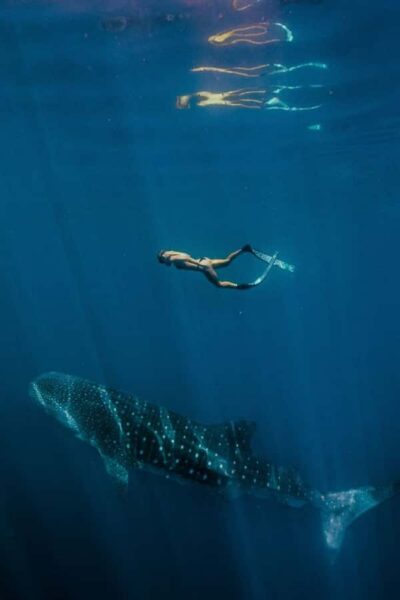
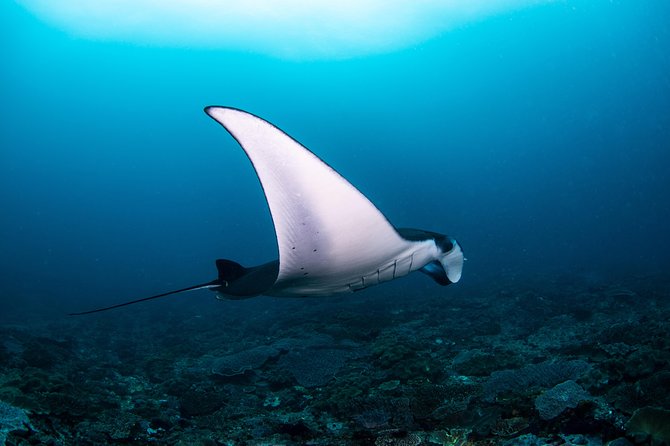
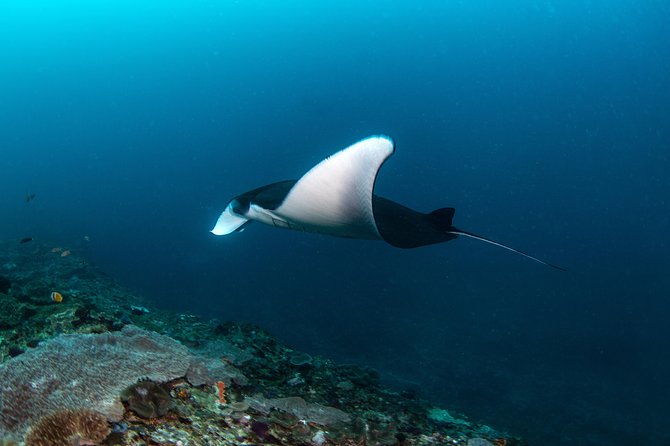
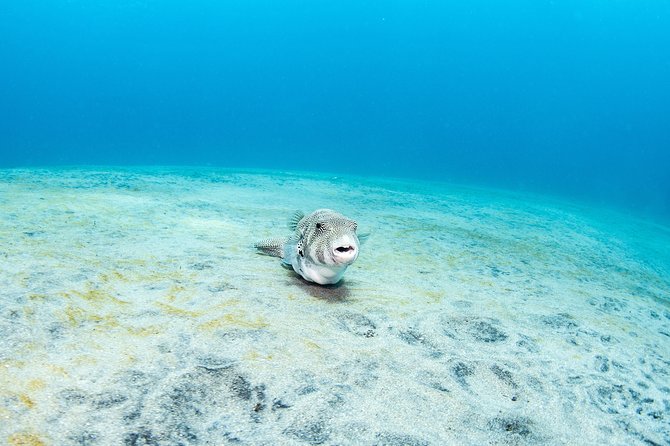
Manta Point is the headline for many people, and the operator targets it because there’s an extremely high chance of seeing mantas there. If you’re very lucky, you might even spot reef octopus on the limestone rocks and bamboo sharks.
Here’s the key reality check: Manta Point can experience swell, and if the surface conditions aren’t safe, it may not be visited. They’ll choose an alternative site on the day if conditions are unsafe, and there’s an important policy piece: no refunds are given if your trip does not include Manta Point.
If you’re someone who gets motion sick, take that seriously. The trip notes that small children and anyone sensitive to motion sickness may feel seasick at this site. If you know you’re prone to it, plan ahead with whatever works for you, because once you’re on the boat, you can’t rewrite the schedule.
Crystal Bay: clear water, strong corals, and Mola-season potential
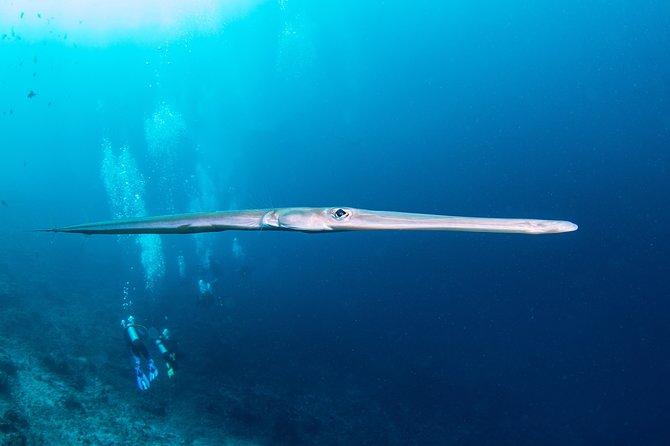
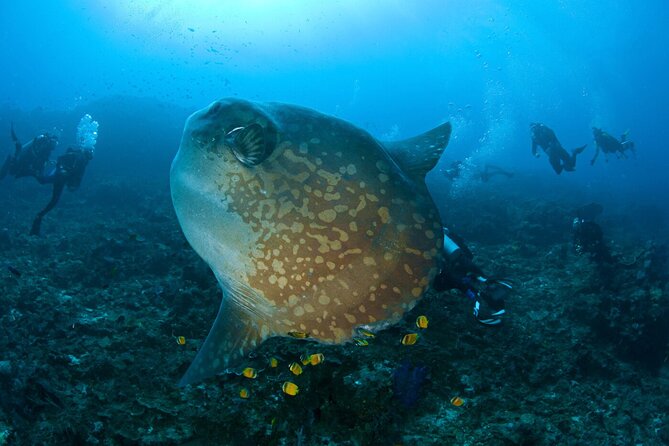
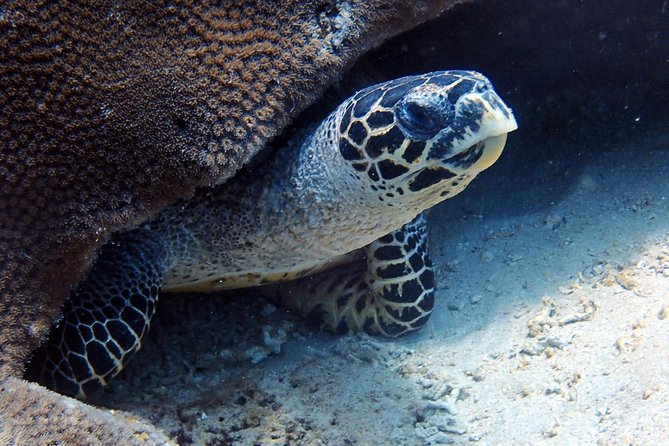
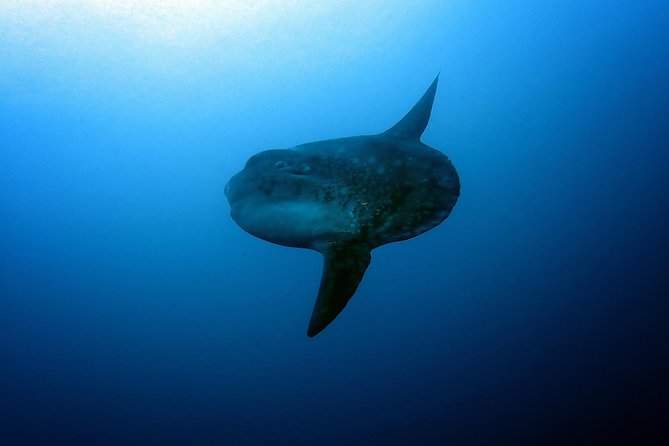
Crystal Bay is described as a favorite all year round, with standout value during Mola Mola season. Even without knowing your exact travel month, “all year” matters—it means the site doesn’t rely on a tiny seasonal window to deliver.
Expect superb corals and stunningly clear water. In practical terms, clear water usually means better visibility for photography and an easier time reading the reef structure, which helps you enjoy the experience instead of constantly searching for the next guide signal.
If your priority is classic Penida reef viewing—corals, rock edges, and the feeling of depth—Crystal Bay fits that goal. It’s also a good place to slow down mentally, because when the water is clear you can truly take in the surroundings instead of just surviving current.



SD (Sekolar Dasar): drift-dive style reef running along the north coast
SD is another big name, and it’s set up for a drift-style outing along the northern coast. The name comes from a local landmark: Sekolar Dasar, meaning elementary school in Indonesian.
This site is popular because it offers a reef that runs along the coastline, so your experience tends to feel like you’re traveling over a living route rather than just hovering in one spot. That’s also why the operator insists you have drift and deep-condition experience—SD rewards people who can stay relaxed and buoyant while moving with the water.
If you’re hoping to spot marine life along a reef corridor, SD is a logical third stop. If you’re newer (or rusty) with drifting, it’s exactly the kind of condition where comfort matters more than enthusiasm.
The safety-and-gear side that makes the day smoother
Included in the price:
- Dive insurance
- Use of scuba equipment
- Towels
- Air-conditioned vehicle
- Bottled water
- Coffee/tea welcome drink
- Lunch
This is where your money starts to make sense. You’re not just paying for access to underwater sites—you’re paying for equipment handling, insurance coverage, and the basic human logistics (towels, water, food) that keep the day from turning stressful.
The reviews also point to staff who are attentive and practical. People mention support like getting a rare scuba computer battery sourced, and guides who explain well and stay patient—especially when someone is returning after time away. I take that as a sign of operational maturity: the center doesn’t just meet the bare minimum.
Because the trip requires experience and recency, a calm, organized workflow matters. If your gear setup and briefings are handled smoothly, you can focus on what you came for: the water, the reef, and the chance at mantas.
What the small-group format changes for you
With no more than 10 travelers, the day tends to run more efficiently than with huge groups. You’ll usually spend less time waiting for the next person to gear up, and your guide can keep closer attention on buoyancy, spacing, and readiness.
That also affects the experience emotionally. In strong-current areas, confidence spreads. When everyone is competent and moving well, it’s easier to enjoy the view instead of watching everyone else’s stress level.
You can see that emphasis in how the operator is described: professional, safety-focused, and patient. Names that come up include guides like David and Guna, plus others such as Pierre, Rendi, Wayan, Dayat, and Brandy. You may or may not be assigned to those exact people, but the pattern is consistent: competent guidance and a friendly tone.
Value check: is $278.28 worth it?
At $278.28 per person, you’re paying for:
- pickup around Kuta
- fast boat transport to the sites
- three underwater sessions
- lunch and drinks
- equipment and towels
- scuba insurance
On the surface, it might look like a mid-range price for Bali diving/underwater trips. The value pops when you compare how many sessions you get in one day. Many people only want one highlight site. This plan stacks multiple sites—Manta Point if conditions allow, plus Crystal Bay and SD—so you’re buying breadth as well as top billing.
The equipment and insurance being included also reduces decision fatigue. You don’t have to hunt for rentals on short notice, and the insurance piece means you’re not trying to sort coverage at the last moment.
The only “value risk” is the Manta Point factor. If swell and surface conditions make it unsafe, you lose that specific goal—and the trip notes that there are no refunds for missing Manta Point. Still, you’re not left with nothing; there’s an alternative site, and the other stops are strong on their own.
Comfort tips: seasickness, timing, and planning your body
Because Manta Point can involve swell, seasickness is a real consideration. If you’re sensitive, keep it practical: plan for the boat ride, stay hydrated (bottled water is provided), and be cautious about heavy food before the first session.
Also think about fatigue. You’re leaving early, traveling by boat for roughly 45 minutes to the first site, then doing three sessions with briefings and gear changes. That’s a lot of mental focus. If you’re the type who gets tired quickly, avoid scheduling other intense activities the morning you go.
One more thing: the operator says the medical form matters. If you answer yes to any medical question, you need a doctor’s note. I’d treat that as part of the safety culture, not paperwork.
If conditions change: how backups work (and how to manage expectations)
Nusa Penida is famous for great underwater viewing, but the ocean doesn’t always cooperate. The trip is clear that Manta Point isn’t always possible depending on surface conditions, and if it can’t be done safely, an alternative is chosen that day.
That means you should set your expectations like a grown-up, in a good way. Go in aiming for mantas, but plan for a day that delivers beautiful reefs and marine life even if the headline spot is skipped.
The no-refund note for missing Manta Point is worth understanding before you book. It’s not just a “maybe.” It’s a known tradeoff, and you decide if that works for your priorities.
Should you book this Nusa Penida certified-Only trip?
If you’re advanced, have recent current-condition experience, and you want a day with three high-quality underwater sites—including a real shot at mantas—then this is a solid choice. I especially like the structure: early pickup, tight timing, lunch in the middle, and a small group size.
Book with extra confidence if you value safety and clear guidance. The operator’s staffing style comes through in the way guides are described as professional, focused, and patient, including when someone is getting back into the rhythm.
Skip it if Manta Point is your one-and-only reason to go, and you absolutely need it guaranteed. The program can swap it out for safety, and refunds for missing that specific site aren’t offered.
FAQ
How long is the Nusa Penida day trip?
The experience runs for about 9 hours.
What time is pickup, and when do we return?
Pickup is around 6:30–7:00 AM, and you return to the Sanur scuba school at about 3:00 PM.
How many people are in the group?
This activity has a maximum of 10 travelers.
Which underwater sites are usually visited?
Depending on sea conditions, typical sites include Manta Point, Crystal Bay, and SD.
Is Manta Point guaranteed?
No. Manta Point can be affected by swell and surface conditions. If conditions are unsafe, an alternative site is chosen on the day, and no refunds are given if Manta Point is not included.
What scuba experience is required?
You need at least 30 logged scuba sessions, Advanced Open Water certification, experience with deep and drift conditions, and you must have participated within the last 6 months.
What’s included in the price?
Included are scuba insurance, towels, air-conditioned transport, bottled water, a coffee/tea welcome drink, lunch, and use of scuba equipment.
What if the trip is canceled due to weather?
If the trip is canceled because of poor weather, you’ll be offered a different date or a full refund.