Batik can look magical, but the steps make sense fast. This half-day Malang Batik Class teaches the whole process in a local artisan house, from drawing a Malang-style pattern to waxwork using a canting and finishing with organic color. It’s a hands-on culture class that also lets you meet the women behind the craft in a real home setting.
I especially like how you do the full sequence yourself, not just watch and pose. The workshop is also clearly set up for people with different skill levels, with teachers guiding you through tracing, freehand, and the wax-and-dye stages so your fabric turns into a real souvenir. One more plus: it’s run through a women’s cooperative/NGO (Yagazu), which gives your money a direct local purpose beyond a generic activity.
One possible drawback: food and drinks aren’t guaranteed unless your specific option includes them. And because you’re working with wax and dye, you’ll want to be okay with getting a little messy, even if the staff helps manage the process.
In This Review
- Key Highlights You’ll Actually Care About
- Batik Basics in a Malang Living-Room Workshop
- Pattern to Canting: What You Make Step by Step
- 1) Drawing the pattern (with Malang character)
- 2) Wax applying with a traditional canting
- 3) Organic color dyeing (earthy tones you can picture in advance)
- Who Runs This Workshop and Why It Matters
- Timing, Pickup, and How to Plan Your Half Day
- Price and Value: Why $35 Makes Sense Here
- Practical Tips: Getting the Most From Your Finished Batik
- Who This Class Suits Best (and Who Might Skip)
- Should You Book This Malang Batik Class?
- FAQ
- How long is the Malang Batik Class?
- What time does the tour start?
- Is hotel pickup and drop-off included?
- What’s included in the $35 price?
- Is food included?
- Is this a private tour?
- Can children join?
- Do I need to be able to draw?
- Do I get a ticket on my phone?
- What is the cancellation policy?
Key Highlights You’ll Actually Care About
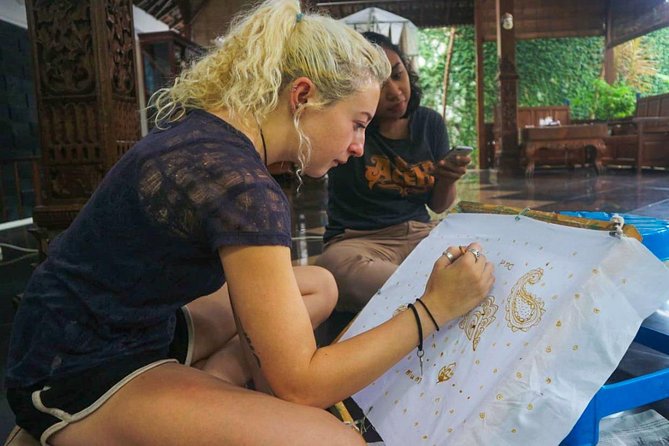
- Full batik process hands-on: pattern drawing, wax application, then coloring with organic ingredients
- Traditional tools and materials: using a canting and organic wax for the resist pattern
- Women-run craft setting: a home workshop connected to the Yagazu cooperative/NGO
- Creative support for all skill levels: you can trace designs, combine motifs, or freehand
- Practical, time-boxed format: about 5 hours with hotel pickup and drop-off
- A finished fabric you can take with you: the work is dried and handled so you can continue your trip
Batik Basics in a Malang Living-Room Workshop
Batik is a UNESCO Intangible Heritage craft, but in this class you learn it in plain, working steps. You’re not starting with fancy theory. You start with a pattern and move through the resist method: wax blocks dye where you want crisp lines, and color becomes the final reveal.
What makes this Malang experience interesting is the setting. Instead of a big, staged studio, you’re in a local artisan house where batik is part of everyday creative life. You’ll get a window into how families and women build income and pride through craft, and you’ll be able to ask questions face-to-face.
Even better, the class is structured so you’re making decisions, not just following a checklist. You can pick designs, combine motifs, or try something your own way. That’s the kind of creativity that feels rewarding, even if you think you’re not an artist.
You can also read our reviews of more tours and experiences in Malang.



Pattern to Canting: What You Make Step by Step
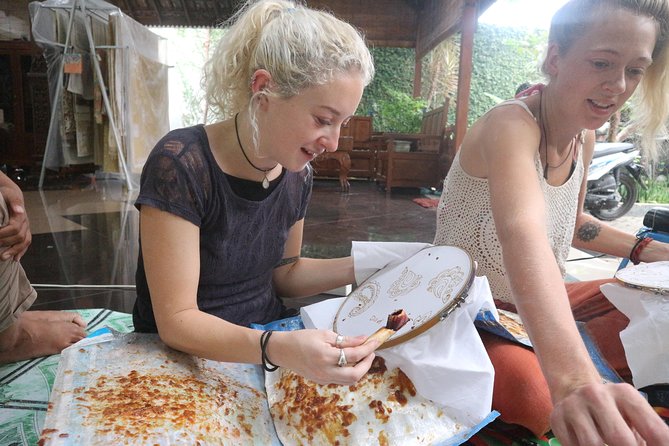
The workshop follows the core batik sequence you’ll want to understand before you come:
1) Drawing the pattern (with Malang character)
You begin by making your design on the fabric. Expect typical Malang-style motifs and guidance on how to get your pattern onto cloth in a way that will work for wax-resist later. If you like structure, you can trace or choose from available designs. If you like freedom, you can freehand.
This stage matters because it decides the final look. If you keep your pattern bold and clear, the wax lines will be sharper and the color will land more predictably. If your lines are messy, the result can still be beautiful, but it’ll be softer.
2) Wax applying with a traditional canting
Next comes the wax stage. You apply wax over the areas that must resist dye. The tool used is the traditional canting, and the workshop uses organic wax.
Waxwork is where batik turns from craft-to-souvenir. The technique is delicate, but you’re not left to struggle. The teaching approach is hands-on, with plenty of help as you learn the rhythm of the tool and the basic logic of resist patterns.
3) Organic color dyeing (earthy tones you can picture in advance)
Finally you dye the fabric using organic ingredients. The result is typically earthy, warm-toned color that fits the “Malang feel” of the motifs.
This final step is where your earlier choices pay off. The waxed areas stay lighter while dyed areas take on color. You’ll see your pattern emerge through the dyeing process, which is oddly satisfying the way good cooking is satisfying. You can’t fake that reveal.





Who Runs This Workshop and Why It Matters
A big reason to pick this class is the people behind it. This is not just a class with instructors. It connects to a women’s cooperative/NGO called Yagazu, which helps keep the work grounded in local networks.
In the experience stories tied to this class, you’ll see real names pop up, like Martha, who handled prompt follow-up after booking, and guides such as Namira and Nuu (from Mador hostel connections). That level of person-to-person interaction signals the workshop is managed with care, not like a factory line.
You also get a chance to chat with local women artisans in a home setting. It’s the kind of conversation where you can ask about patterns, materials, or daily life around the craft. If you like cultural experiences that don’t feel like a lecture, this format works.
Timing, Pickup, and How to Plan Your Half Day
The class starts at 8:00 am. It’s about 5 hours total, and you’ll get hotel pickup and drop-off with a driver/guide. The tour is private, meaning it’s only your group doing the activity.
That timing is a practical choice. Early start means you beat the busiest parts of the day and keep your Malang schedule flexible afterward. It also helps if you’re doing another activity later, because you’re not losing your entire day.
A couple practical points:
- Wear clothes you can tolerate getting stained or waxy. Even if the staff is careful, this craft can be messy in the real world.
- Bring something simple to protect yourself (a light cover-up helps).
- If you’re traveling with kids, they must be accompanied by an adult, but the format still works for children with guidance.
Price and Value: Why $35 Makes Sense Here
At $35 per person, you’re paying for three things at once:
1) instruction through the full batik process (pattern, waxwork, dyeing)
2) materials and workshop time
3) the convenience factor: driver/guide plus hotel pickup and drop-off
When people complain about workshop prices, it’s usually because they pay for “watching.” Here you’re doing. You’re also learning a recognizable traditional craft process with tools like the canting and resist wax, plus organic dyes.
The one value caution is food. Your package includes bottled water, but food and drinks aren’t included unless specified. In at least one experience story, lunch was delicious and included, so it may depend on the exact option you select. Before you go, I’d treat it as: plan to buy your own lunch unless your confirmation specifically says otherwise.
Also remember the “hidden cost” of many souvenirs: you might buy batik later, but you’re not buying it as an object only. You’re buying the right to make it yourself with instruction, and that usually changes how much you’ll appreciate the piece once you’re back home.
Practical Tips: Getting the Most From Your Finished Batik
This class is set up to be relaxed. That matters because batik is detail work. If you’re rushing, your lines will suffer. If you’re calm, you learn faster.
From the experience notes you can infer a few smart ways to succeed:
- Choose a design that feels manageable for your time and skill level. You can pick from available motifs or combine simpler elements.
- If you can’t draw well, don’t stress. The teaching approach includes tracing and guidance, so your batik doesn’t require advanced drawing talent.
- Expect teacher help during wax application. Waxwork is the stage where most beginners need hand-holding.
What about the ending? The goal is to leave with something you can take on your journey. There’s mention of drying and getting the fabric ready after the wax stage and process, so the finished textile is not just a wet experiment. Still, you should plan to handle it carefully right after class.
One more thing: this is a private, group-based activity, so your pace will feel more natural than a rushed public class. That makes a difference if you like asking questions and lingering at the table.
Who This Class Suits Best (and Who Might Skip)
I think this batik class is ideal if you:
- want a hands-on cultural activity you can understand step-by-step
- like meeting local makers in a real home/workshop setting
- enjoy learning crafts even when you’re not “good at art”
- want a meaningful souvenir that you helped create
It also fits families with kids because the class can support younger participants when an adult is present. One experience story specifically includes two girls around age eight, and the day worked out well.
You might consider skipping if:
- you hate any chance of mess (wax and dye are part of the process)
- you’re looking for something purely sightseeing-based with lots of big photo stops
- you need guaranteed meals included, since food isn’t always included unless your option states it
Should You Book This Malang Batik Class?
If you want a half day in Malang that feels real, practical, and creative, I’d book it. The key reason is simple: you don’t just learn batik as a concept. You make the pattern, apply wax with a traditional tool, and dye with organic ingredients, all with hotel pickup and a private setup.
Just go in with two expectations: bring backup clothes you don’t mind getting a little paint-adjacent, and double-check whether your specific option includes lunch. If you plan around that, you’ll come out with a beautiful piece of batik and the satisfaction of knowing how it was made.
FAQ
How long is the Malang Batik Class?
The class runs for about 5 hours.
What time does the tour start?
The start time is 8:00 am.
Is hotel pickup and drop-off included?
Yes. Hotel pickup and drop-off are included, along with a driver/guide.
What’s included in the $35 price?
The price includes bottled water, all activities, and the driver/guide, plus hotel pickup and drop-off.
Is food included?
Food and drinks are not included unless specified. Bottled water is included.
Is this a private tour?
Yes. It’s a private tour/activity, so only your group participates.
Can children join?
Children must be accompanied by an adult. The activity notes that most travelers can participate.
Do I need to be able to draw?
No. The class structure supports different skill levels, including tracing options and guidance if you do not draw well.
Do I get a ticket on my phone?
Yes. The tour includes a mobile ticket.
What is the cancellation policy?
You can cancel for free up to 24 hours in advance for a full refund. Changes made less than 24 hours before the start time aren’t accepted. The cut-off uses local time.
If you tell me where you’re staying in Malang (area or hotel name), I can help you think through how to schedule the pickup and what else to do before or after class.