Three villages in one day. That’s the fun part.
This private Lombok tour pairs real Sasak culture with practical hands-on craft time and then finishes with beach time on the island’s south coast. You’ll see how Banyumulek pottery is made the traditional way, watch Songket weaving in Sukarara, and meet people in an authentic Sasak village—then swap dusty village lanes for white sand and clear water.
I especially like the chance to do more than just watch. The pottery and weaving stops are structured so you can try the processes, and in the village you can even get involved in simple daily tasks (your guide will help set the context). You’ll also benefit from an English-speaking guide who’s comfortable answering questions; in past days, guides like Andy and Zaenal were singled out for their patience and friendliness.
One possible drawback: it’s a packed 8-hour route. Lunch isn’t included, so plan to eat on your own or budget for a later meal near the beaches, and remember there’s some driving between cultural stops and the coast.
In This Review
- Key things I’d mark on your checklist
- Why this Lombok day tour feels more real than a beach-only day
- The 8-hour pace: pickups, travel time, and how not to feel rushed
- Banyumulek: pottery that still uses straw and firewood
- Sukarara: learning Songket weaving and trying the tools
- Ende Village: Sasak daily life, houses, and friendly conversation
- Kuta, Mawun, and Selong Belanak: south-coast beaches with real variety
- Kuta Beach: cliffs, white sand, and serious surf potential
- Mawun Beach: calm water in a wide cove
- Selong Belanak: a crescent shoreline facing the Indian Ocean
- Price and inclusions: what $45 buys you in real terms
- Who this tour is best for
- Should you book this Lombok Cultural and South Beach Tour?
- FAQ
- What is the duration of the Lombok private tour?
- How much does the tour cost?
- Is this tour private or shared?
- What does the tour include?
- What is not included in the price?
- Where can the tour pick you up and drop you off?
- If I’m staying on the Gili Islands, will pickup work?
- What language is used by the guide?
- Is there free cancellation?
Key things I’d mark on your checklist
- Banyumulek pottery made using traditional straw-and-firewood combustion methods
- Sukarara Songket weaving with a chance to try weaving techniques/tools
- Ende village time that focuses on daily life, homes, and hands-on activity
- Kuta Beach on the south coast, known for surf conditions (surf rentals not included)
- Mawun + Selong Belanak for calm water vibes and the crescent-shaped shoreline
- A/C vehicle + English-speaking driver/guide with entrance fees handled
Why this Lombok day tour feels more real than a beach-only day
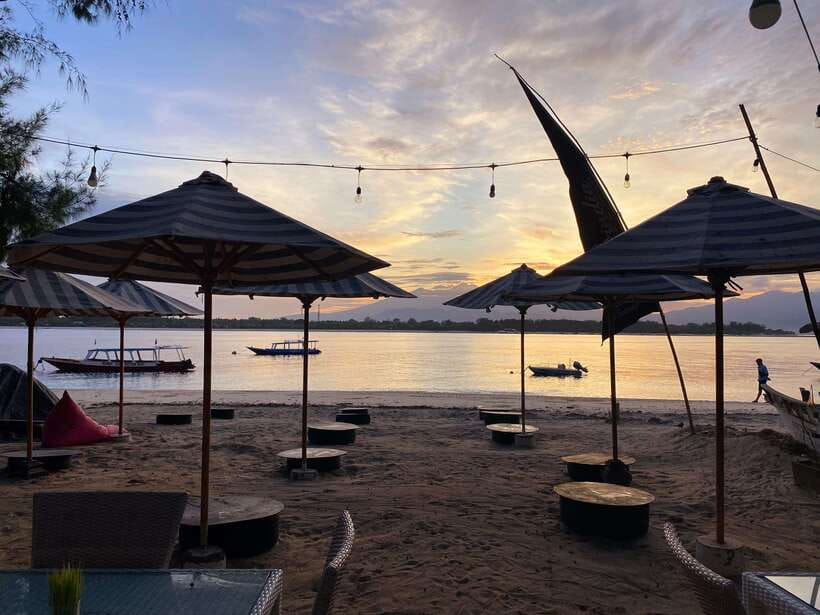
Lombok can be big on scenery and also big on “see it from the car.” This tour avoids that trap by giving you a steady rhythm: culture stops first, then beaches. You get to look at crafts where they are actually produced—pottery, weaving, and everyday village life—before you spend your energy relaxing on the coast.
The big value is how craft and culture aren’t treated like a quick photo stop. In the Banyumulek and Sukarara villages, you’re not just observing. You’ll get time to understand how the work is done, including how people keep traditions alive. Then in Ende Village, the experience leans more toward getting acquainted with daily rhythms: weaving, farming activity, and how homes are used and built.
And yes, the beach section matters too. Lombok’s south coast beaches tend to feel like a reward for a full day of cultural visiting. Kuta, Mawun, and Selong Belanak offer enough variety that you’ll likely feel like you actually changed settings, not just moved from one stretch of sand to another.
You can also read our reviews of more tours and experiences in Kuta.



The 8-hour pace: pickups, travel time, and how not to feel rushed
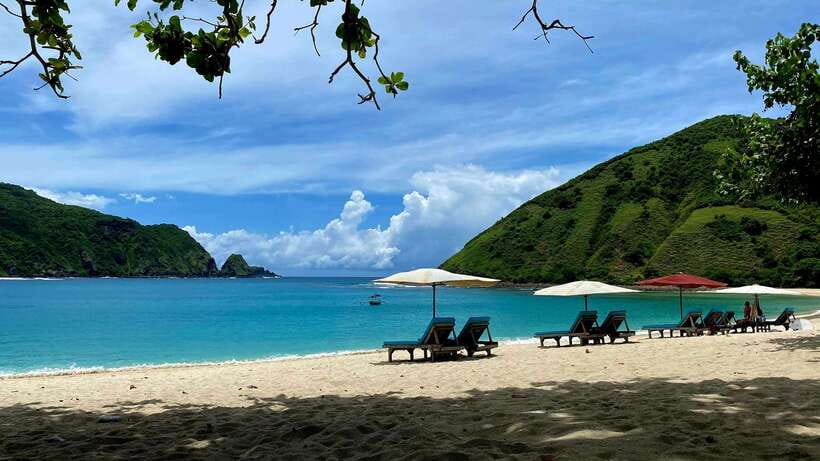
This is an 8-hour private tour, which is a sweet spot for people who want a full experience without losing a whole day. You’ll start with hotel pickup options in and around Mataram City, Mangsit, Lembar, Koeta, and the broader North Lombok Regency area.
Two practical points help you enjoy the pace:
- Wear shoes you can walk in. Village lanes and workshop areas can be uneven or dusty.
- Be ready for a tight schedule. Three culture-focused villages plus multiple beaches means the day runs efficiently.
If you’re based on the Gili Islands, pickup is included, but the return boat back to the Gili area isn’t part of the price. So make sure you’ve arranged your return timing separately.
Private also matters. With a private group setup, you’re not forced into a one-size-fits-all pace. If your interest is heavier on crafts, your guide can usually adjust the flow so you get time to ask questions and try the process rather than rushing through it.
Banyumulek: pottery that still uses straw and firewood
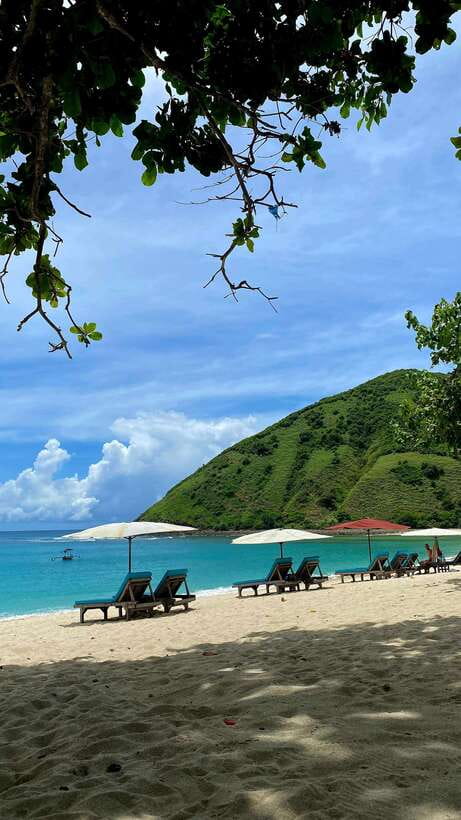
Banyumulek sits about 14 kilometers south of Mataram, and it’s known for pottery made with traditional combustion methods. This matters because it’s not just a “museum-style” demonstration. You can actually see how work happens using a method that relies on straw and firewood, which gives you a window into how skills are preserved across generations.
What you’ll notice:
- The process is production-focused, so it feels less like a staged show.
- You’ll learn how the pottery-making cycle works and why the traditional approach remains part of daily life.
- You’ll have a hands-on element, not only watching from a distance.
Why this stop is worth it
Pottery villages are common in Indonesia, but Banyumulek’s traditional firing approach gives you a clearer understanding of local technique and local materials. It’s also a great “first culture stop” because it’s tangible. You can see tools, steps, and outcomes, which helps you switch into the day’s mindset quickly.
A consideration
Because this is early in the day, you’ll want to be mentally ready before you get tired. If you’re sensitive to smoke or heat from firing methods, keep that in mind and bring a small fan or hat if you get overheated easily.
Sukarara: learning Songket weaving and trying the tools
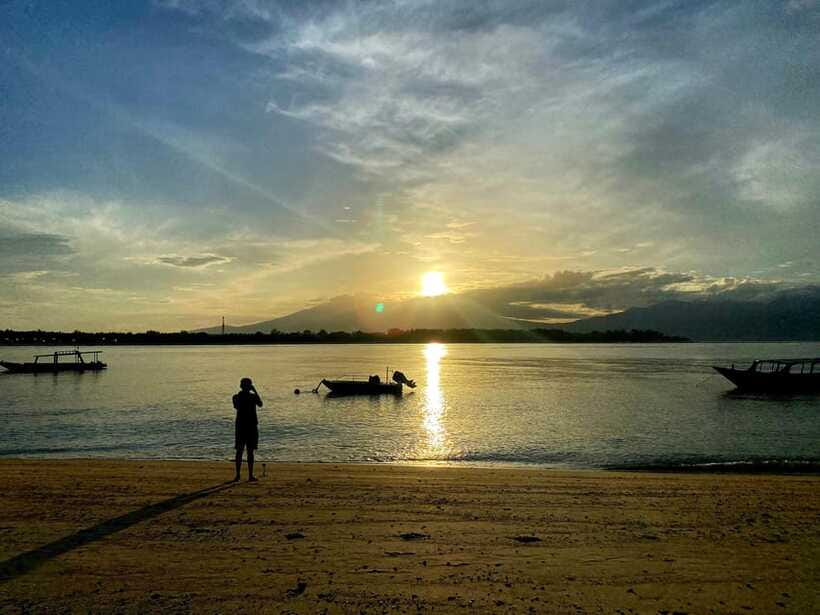
Sukarara Village is famous for hand woven cloth called Songket. The skill is passed down across generations, and the tour gives you both observation time and a chance to try weaving using traditional tools and methods.
You’ll likely appreciate this stop most if you like craft detail. Songket isn’t just about making fabric; it’s about design work and technique. The tour setup helps you connect the finished cloth to the steps that create it—like the structure of weaving and how patterns come together.
What makes Sukarara practical, not just scenic
- You get context for what makes Lombok cloth distinctive: the materials (like cotton, silk, and even gold or silver threads) and the original design approach.
- You’re not limited to looking. You can try using traditional weaving tools and the system itself.
A small drawback to consider
Weaving sessions can take concentration. If you’re the type who gets frustrated by fine, repetitive motions, you might feel slow at first. The good news is that in past days, guides have been patient and willing to help you learn the process step by step.
Ende Village: Sasak daily life, houses, and friendly conversation
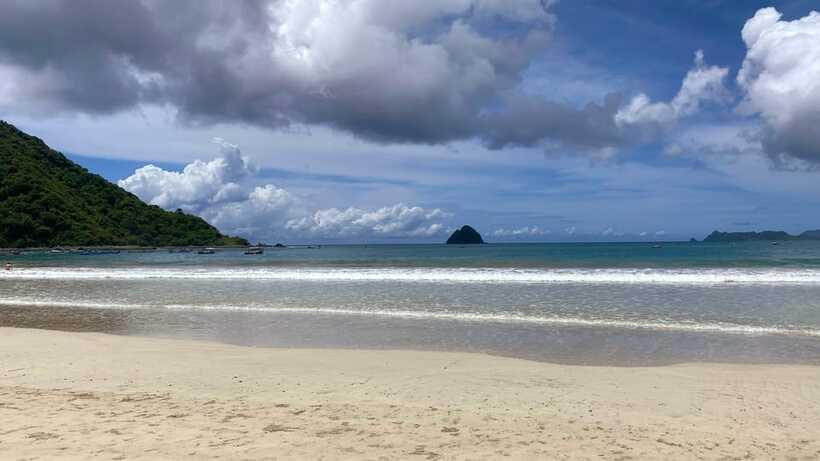
Ende Village is framed as an authentic Sasak Tribe village where traditions show up in daily life: weaving, farming, and indigenous houses. This part of the tour is less about a single craft and more about the feeling of being in a working community.
During the visit, you’ll have time to enter and examine several domiciles and observe villagers doing everyday tasks. This is where your guide’s role matters a lot. A good English-speaking guide helps translate daily routines in a way that doesn’t feel like a lecture, so you can ask real questions and actually understand what you’re seeing.
The kind of moments that make Ende stick
In one day described by an earlier guide experience, the visit went beyond watching. The guide helped visitors understand how small tasks fit into village life, including hands-on involvement such as assisting with finishing a floor inside a traditional home. That’s the kind of moment you remember because it feels human, not staged.
A consideration
Village visits are intimate by nature. Keep your respect level high: ask before touching, follow the pace your guide sets, and don’t treat people like scenery. If you do that, Ende becomes the warmest part of the day.




Kuta, Mawun, and Selong Belanak: south-coast beaches with real variety
After the village stops, the tour switches gears to beaches. You visit Kuta Beach, Mawun Beach, and Selong Belanak—each with a slightly different coastline mood.
Kuta Beach: cliffs, white sand, and serious surf potential
Kuta Beach is about 45 km from Cakranegara and roughly a 1.5-hour drive from Senggigi. It’s known for broad white sand and the kind of cliff-and-mountain backdrop that makes your views feel dramatic.
It’s also a surfer-friendly beach. Kuta has some of the best surfing in the world, so you might see surfers and activity around the shoreline. Surfing rent or equipment isn’t included on this tour, so if surfing is your goal, you’ll need to plan for that separately.
A value tip
If you’re not surfing, this beach is still great. Watch from a distance, enjoy the coastal scenery, and use it as your “reset moment” before the calmer coves later in the day.
Mawun Beach: calm water in a wide cove
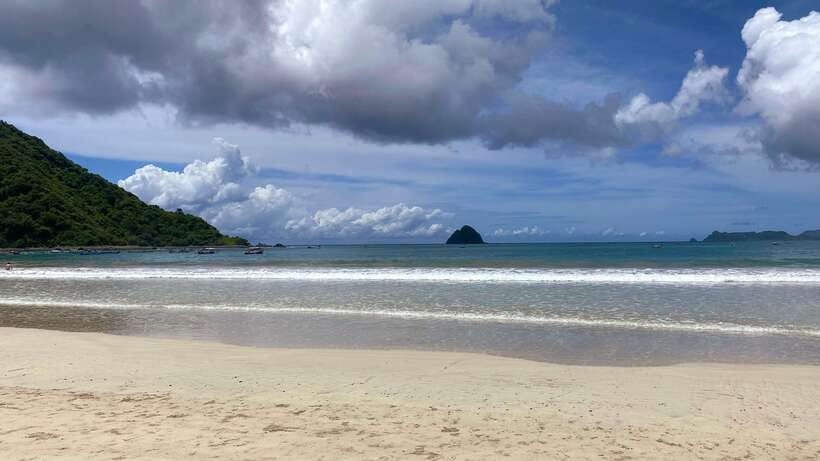
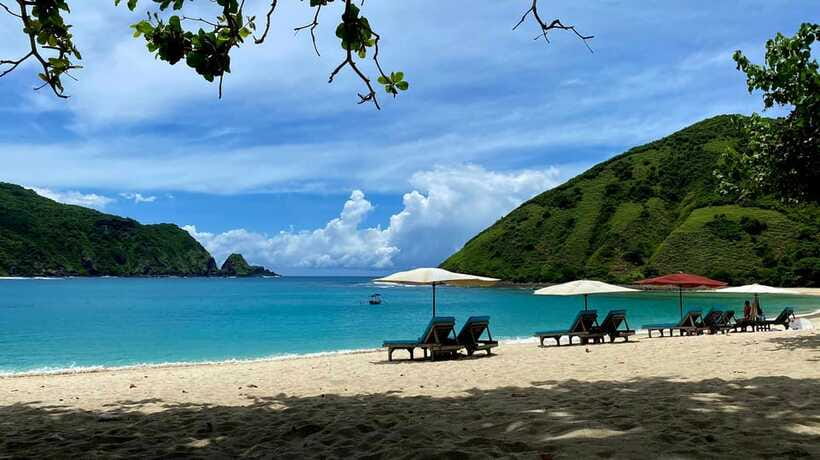
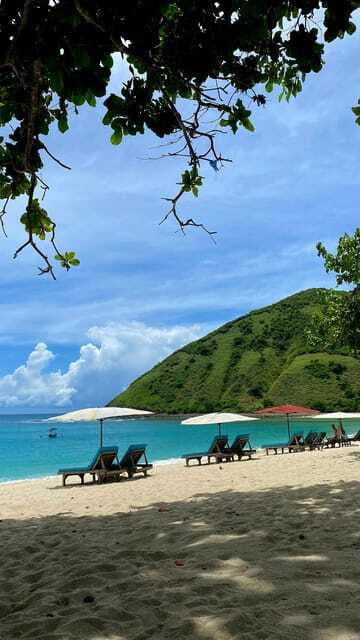
Mawun is located in the village of Tumpak, Pujuk District (Central Lombok). The tour description highlights a wide cove with white powdery sand and clear water in turquoise shades. It also notes calm waves, which generally makes this a more relaxed beach stop than Kuta.
If you want a gentler swim or just a lower-key beach hang, Mawun is usually the better fit. The hills around the cove also help it feel sheltered.
Selong Belanak: a crescent shoreline facing the Indian Ocean
Selong Belanak is described as having a crescent-shaped shore, with hills at each end of the bay. The beach faces the Indian Ocean, and the bay shape tends to create that curved, postcard-friendly coastline view.
This stop gives you that classic “Lombok beach” look, but without feeling like you’re repeating the same shoreline as Kuta. The curvature plus the surrounding points usually makes walking along the edge more satisfying.
A consideration for all beaches
Sun and heat can build fast after village time. Bring water (you get mineral water on tour, but not unlimited), wear sunscreen, and plan your beach time with shade in mind.
Price and inclusions: what $45 buys you in real terms
At $45 per person for an 8-hour private tour, the value comes from three things:
- Transport with A/C for an entire day
- Entrance fees handled so you’re not juggling tickets during the day
- A guide who speaks English, plus mineral water included
That’s a lot to include at this price point, especially when you compare it to piecing together separate drivers, separate village entry tickets, and separate beach transfers.
What’s not included (and how that affects your budgeting)
- Lunch
- Surfing rentals/boat rentals at the beach
- Donations at the traditional house
So the “real” total depends on what you do at the coast and how you handle meals. If you’re fine eating later and you’re not renting surf gear, this stays a very strong deal. If you want extra paid activities at the beach, expect that to add onto the base price.
Who this tour is best for
This is a strong match if you want:
- Culture with hands-on time (pottery and weaving trials)
- A private day where you can ask questions without feeling rushed
- A mix of village life and beach relaxation in one organized route
It’s also a good option for solo travelers. When your guide is patient and actively engages, you don’t just tag along—you get explanations, photo support, and chances to interact. In earlier experiences, guides like Andy and Zaenal were described as attentive and comfortable with solo visitors.
Who might prefer something else
If you hate tight schedules or you want a longer beach day with less driving, you might find the 8-hour structure a bit brisk. You’ll be moving through several stops, so it’s better suited to people who like variety over slow pacing.
Should you book this Lombok Cultural and South Beach Tour?
Book it if you want one day that meaningfully combines Sasak tradition with top south-coast beach time. The hands-on pottery and Songket weaving are the core reason to choose this tour, and the beach trio gives you a satisfying finish.
Skip it (or adjust expectations) if you need a long, unhurried lunch-and-swim day. This tour is efficient, not slow. Just go in prepared—eat smart, bring sun protection, and plan any surf or donations separately—and you’ll get a day that feels like Lombok in full variety, not just a single scenic highlight.
FAQ
What is the duration of the Lombok private tour?
The tour lasts 8 hours.
How much does the tour cost?
It costs $45 per person.
Is this tour private or shared?
It is a private group tour.
What does the tour include?
It includes an English-speaking driver/guide, entrance fees, an air-conditioned vehicle, hotel pickup and drop-off, and mineral water.
What is not included in the price?
Lunch is not included. Surfing rental/boat rental at the beach is not included, and donations at the traditional house are also not included.
Where can the tour pick you up and drop you off?
Pickup and drop-off options include Mataram City, Mangsit, Lembar, Koeta, and North Lombok Regency.
If I’m staying on the Gili Islands, will pickup work?
Pickup is included if you are leaving from the Gili Islands, but the return boat from the Gili Islands is not included.
What language is used by the guide?
The guide speaks English.
Is there free cancellation?
Yes. You can cancel up to 24 hours in advance for a full refund.