Handmade Sasak crafts beat any souvenir hunt.
I like this tour because it connects Sasak village life with hands-on local skills, not just photo stops. I also really value the human part: the English-speaking guide (often Rizwan) is solid with timing and can explain what you’re seeing while keeping the day relaxed. You’ll also get a proper payoff at the end with Merese Hill sunset and a break at Tanjung Aan Beach, so you’re not stuck only in villages.
One consideration: the pottery time at Banyumulek may feel more like a guided visit plus shopping than a full-on working factory experience. If you’re expecting an always-in-production workshop you can watch from start to finish, manage those expectations.
Key highlights to look for
- Banyumulek pottery practice and class time with guided explanations and time to shop
- Sukarara weaving that includes walking around, photos, and a class segment
- Sade Traditional Village with time for photos, free strolling, and a chance to learn village customs
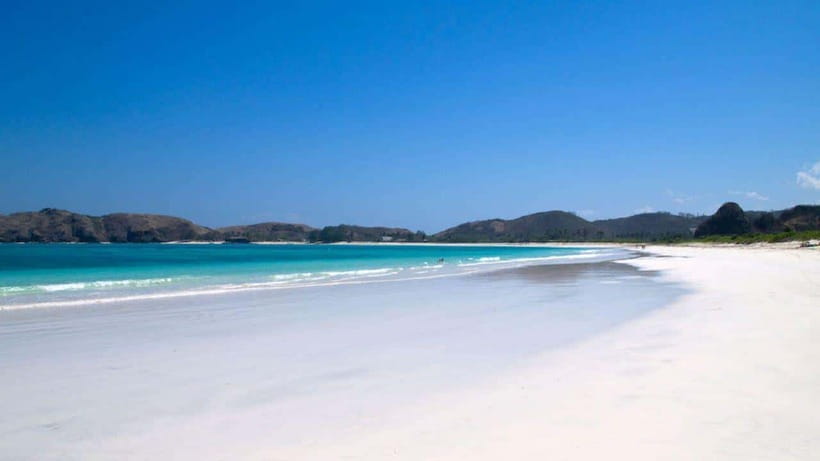
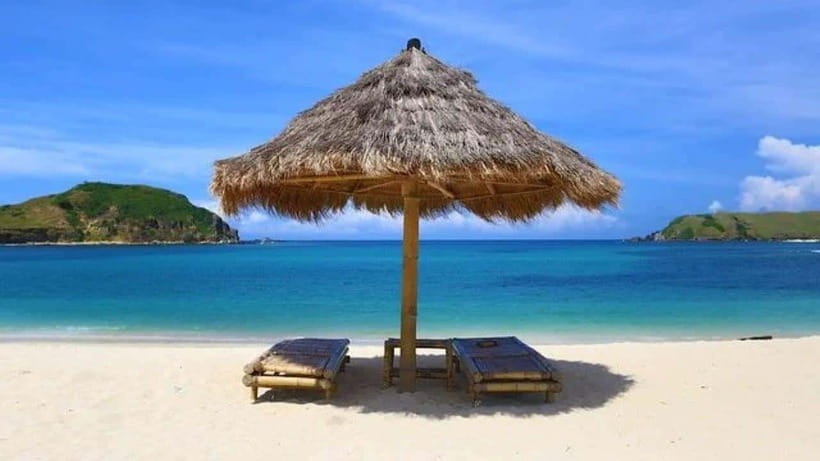
- Tanjung Aan Beach for real downtime on white sand and turquoise water
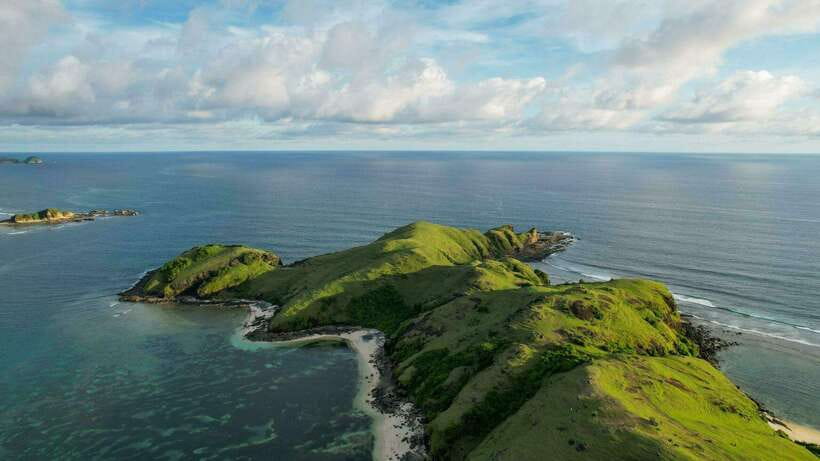
- Merese Hill for panoramic coastal views and a sunset session
In This Review
- A 10-Hour Sasak Route That Moves Like a Day Trip (Not a Marathon)
- Banyumulek Pottery: Skills You Can Actually See (and Shop)
- Sukarara Weaving Village: Where the Stories Sit Inside the Threads
- Sade Traditional Village: Thatched Homes, Real Etiquette, and Time to Wander
- Tanjung Aan Beach Break: White Sand, Turquoise Water, and a Breather
- Merese Hill Sunset: Big Views, Simple Setup, Real Timing
- Price and Value: What $38 Buys You on This One-Day Route
- Who This Tour Fits Best (and Who Might Want Something Else)
- Small Things to Bring That Make the Day Easier
- Should You Book This Lombok Sasak Culture and Village Tour?
- FAQ
- How long is the Lombok Sasak Culture and village Tour?
- Where do you get picked up and dropped off?
- What are the main stops on the itinerary?
- What’s included in the price?
- What should I bring with me?
- Is a meal included?
A 10-Hour Sasak Route That Moves Like a Day Trip (Not a Marathon)
This is a full day in West Nusa Tenggara that’s built for people who want variety without doing a lot of planning. The structure is simple: hotel pickup, then three village experiences (weaving, pottery, traditional settlement), then beach time, then a hilltop sunset.
You’ll start with convenience. Pickup options include Senggigi, Kuta, and Mataram City, and you’ll be dropped off in the same general areas afterward. Between each stop there’s short transfer time (think around 20–30 minutes at most legs), which helps keep the pace from feeling chaotic. The tour runs about 10 hours, so it’s long enough to feel like you got a lot done, but short enough that you’re not living in a bus all day.
The private-group setup also matters. With a live English guide, you’re not stuck guessing what the process is, or what a tradition means. And you get admission included, plus bottled water along the way. That’s not glamorous, but it’s practical. On a hot island day, it keeps you moving.
Banyumulek Pottery: Skills You Can Actually See (and Shop)
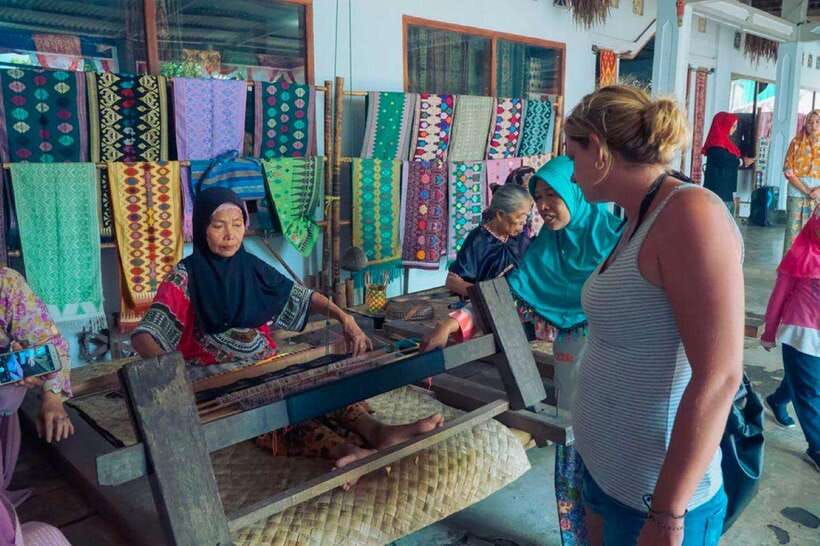
Banyumulek is the pottery stop, and it’s usually the most straightforward “craft maker” experience on the route. You’ll have about 1.5 hours here, including a guided visit and class time. The focus is on watching artisans work and understanding how the clay becomes useful objects and decorative pieces.
In practical terms, this stop is great if you like seeing technique up close. Pottery isn’t just a finished product; it’s hands, timing, and repeated practice. You’ll get to ask questions through the guide and get a feel for the local style and what people commonly make.
Here’s the heads-up. This is also where you should expect shopping. That doesn’t make it bad—craft markets can be one of the best places to spot genuine local design—but it can shift the vibe. If your ideal is a nonstop, open-to-the-public manufacturing line, you might find the experience leans more toward guided viewing than a full factory-floor spectacle.
You can also read our reviews of more tours and experiences in Sukarara Weaving Village.

Sukarara Weaving Village: Where the Stories Sit Inside the Threads
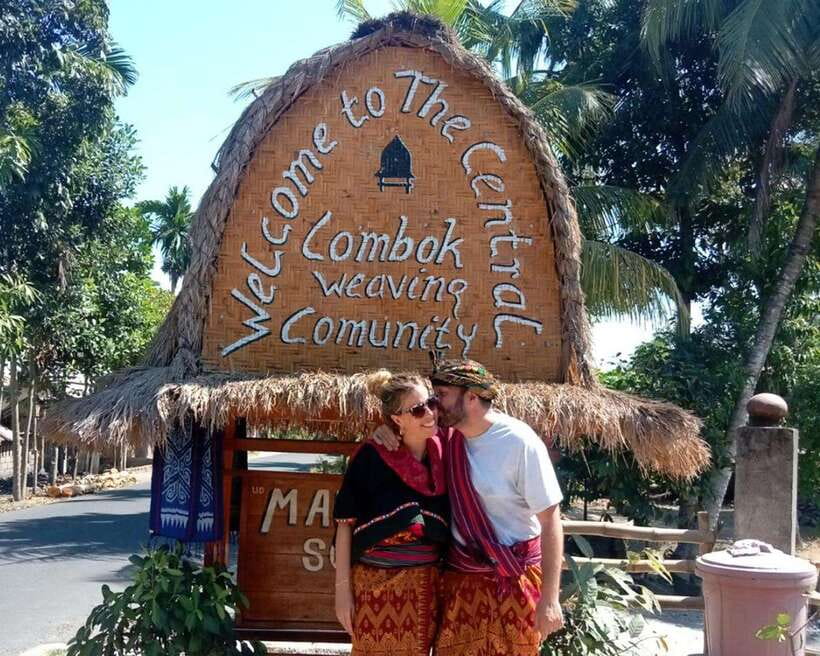
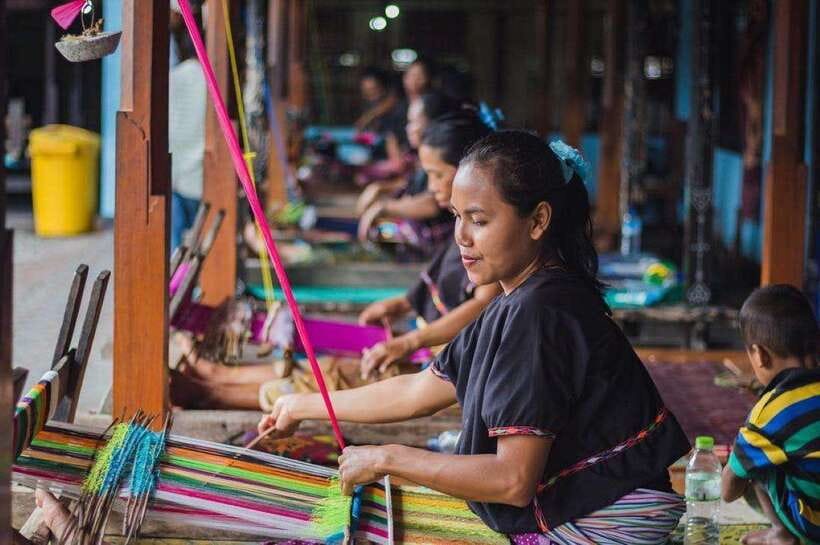
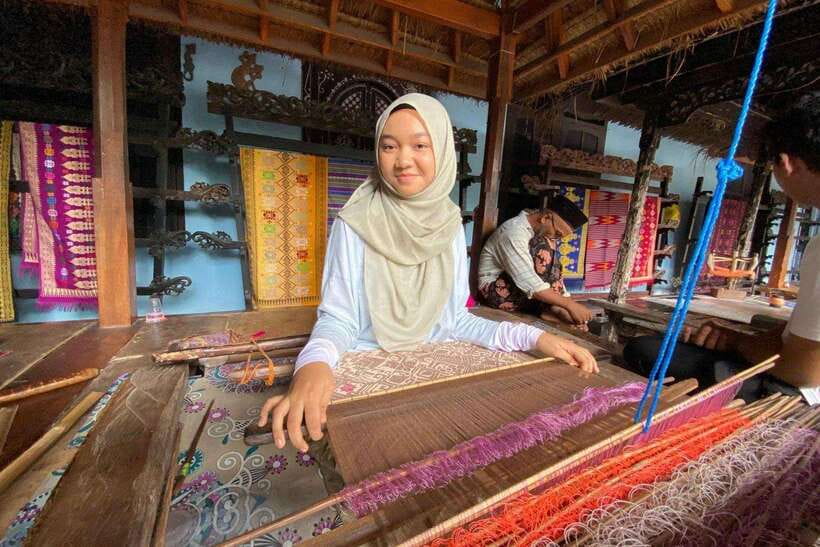
If you like your culture stops to have a “wow” moment, Sukarara Village is the one. The tour gives you 1.5 hours here as well, with photo time, a guided walk, and a class segment. You’ll also have time to shop, because woven textiles are a major craft output for the Sasak community.
What I like about this stop is that weaving isn’t treated like a random souvenir activity. The guide-style explanations connect the craft to community knowledge—why certain patterns matter, what the colors communicate, and how skills get taught and carried forward. Even if you’re not buying, you’ll likely leave with a better sense of why these textiles have meaning beyond being pretty.
Practical tip: bring a little energy. Weaving demonstrations and village walks take attention. Wear something comfortable for a short stroll, and plan to spend time looking closely. The best photos usually come when you slow down and watch hands at work, not when you rush for the next backdrop.
Sade Traditional Village: Thatched Homes, Real Etiquette, and Time to Wander
Sade Village is your traditional settlement stop, and you’ll get around 2 hours there. That includes guided exploring, breaks, photo time, and then free time for your own wandering and sightseeing.
This is the place where the tour becomes more about how people live than about what people sell. The homes are thatched-roof traditional Sasak structures, and the experience is designed as a window into rural daily life. You’ll learn through your guide and get chances to connect with residents who share stories and customs.
How to make this part go smoothly:
- Keep your camera use respectful. Ask first if needed, and don’t hover.
- Take the free time to look slowly rather than sprinting for photos.
- If someone explains something, listen for the context before you ask about buying.
Also note a small but important detail: in the provided information, there’s an item listed as not included called contributing to heritage at the traditional house. That suggests there may be a cultural contribution expectation during the visit. If you want to participate, bring cash so you’re ready.
Tanjung Aan Beach Break: White Sand, Turquoise Water, and a Breather
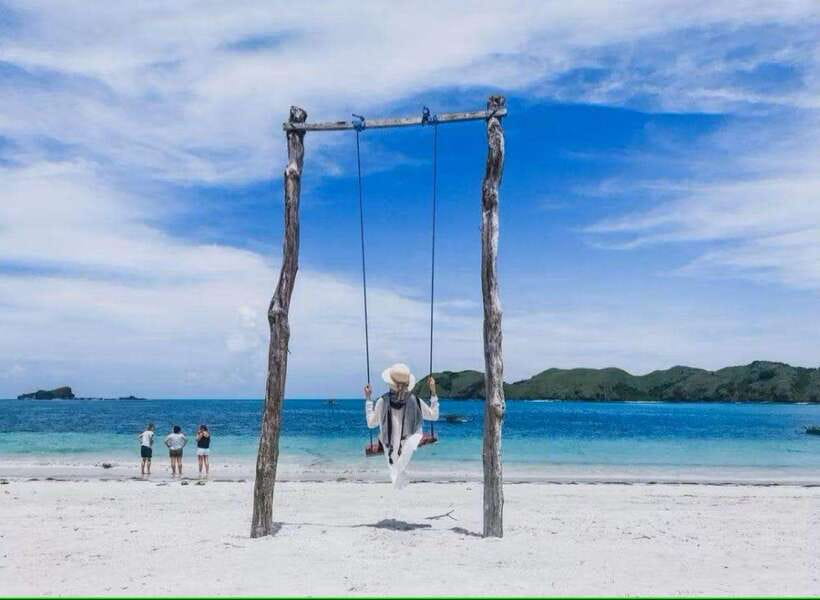
After village immersion comes beach time, and I’m glad this tour includes it. Tanjung Aan Beach is where you get roughly 2 hours for relaxation: photo time, guided orientation, then free time to swim, stroll, and just reset.
This matters because village days can start to feel similar—another entrance, another set of explanations, another gift shop. The beach breaks the pattern. You’ll get fine white sand and clear turquoise water, which is the kind of payoff that makes the whole route feel worth it.
What to do with your downtime:
- If you swim, change into beachwear early and enjoy it before you feel overheated.
- If you’re not swimming, do a slow walk and watch the water conditions.
- Bring a towel if you have one, because you’ll want comfort after the transfer.
One more practical point: the tour information lists cash and binoculars as what to bring. Binoculars aren’t required, but if you like spotting boats or watching the coast, you’ll use them.
Merese Hill Sunset: Big Views, Simple Setup, Real Timing
The day ends at Merese Hill, with about 2 hours planned, including sunset viewing. This is where the tour shifts from culture and crafts to scenery with a payoff: a hilltop lookout with panoramic views of Lombok’s coastline and rolling hills.
I like sunset stops that give you breathing room. This one isn’t a quick drive-by. You’ll have time for photos, quiet watching, and waiting for the light to change. The sunset itself is described as turning the landscape orange and pink, and that’s the kind of color shift that makes a final-hour viewpoint feel special instead of rushed.
Timing note: sunsets can change fast with cloud cover. If the sky looks questionable, still stay. The light can break through, and the best pictures often happen in that in-between window.
Price and Value: What $38 Buys You on This One-Day Route
At $38 per person for a 10-hour day, this is a strong value if you want structure. You’re paying for several things that would be annoying to coordinate yourself:
- Hotel pickup and drop-off from Senggigi, Kuta, or Mataram City
- English-speaking guide during multiple stops
- Admission fees to the attractions included on the route
- Bottled water during the tour
- Ticket-line skipping, where applicable
What’s not included is also important. You’ll need to plan your own midday meal. The tour also notes items like catch-some-waves and boat rental at the coast, and any heritage contribution at the traditional house. Those extras are optional, but you’ll want cash ready if your day includes donation-like moments.
If you’re traveling with family or a small group, the “private group” format can make it even better value because you’re not sharing a guide with a huge crowd. But even solo, the price is reasonable for the amount of guided time and transport.
Who This Tour Fits Best (and Who Might Want Something Else)

This tour is a great match if you want a single-day blend of craft culture + village life + beach + viewpoint. It’s also a good fit if you don’t want to drive between places yourself, especially because the route includes multiple villages that can be tough to stitch together efficiently.
You’ll likely enjoy it most if you:
- like meeting people and hearing explanations, not just taking pictures
- enjoy shopping for textiles and pottery while learning what you’re buying
- want a relaxed pace with built-in breaks
You might hesitate if you’re expecting a heavy-hands workshop factory experience at Banyumulek or a very slow, deep cultural immersion day. This is long, but it’s still one day. The tour does a lot, and every stop has a set amount of time.
Small Things to Bring That Make the Day Easier
The basics matter here because your day crosses villages and beach. Bring:
- Change of clothes (useful if you swim)
- Camera
- Beachwear
- Cash (for shopping and any heritage-style contributions)
- Binoculars (optional, but handy for the coast and views)
Also consider your footwear. You’ll do walks inside villages and along the beach, so something comfortable will save you from the end-of-day “why did I wear these” regret.
Pets aren’t allowed, so plan around that if you’re traveling with animals.
Should You Book This Lombok Sasak Culture and Village Tour?
I’d book it if you want a well-paced day that covers the main Sasak craft stops—Sukarara weaving, Banyumulek pottery, and Sade Traditional Village—then gives you downtime at Tanjung Aan and a final payoff at Merese Hill.
Choose it especially if you value a guide who can keep the day organized and explain what you’re seeing in clear English. If you’re the type who hates rushed shopping stops, you can still enjoy this by treating the shopping time as optional and using your attention for the demonstrations and guided parts.
If your top priority is watching production in a nonstop, behind-the-scenes factory setting, you may want a different style of tour. Otherwise, this one-day route is a practical way to get real culture moments plus a genuine coast-and-sunset finish.
FAQ
How long is the Lombok Sasak Culture and village Tour?
The tour lasts about 10 hours.
Where do you get picked up and dropped off?
Pickup is available from Senggigi, Kuta, and Mataram City, and drop-off is available in the same three areas.
What are the main stops on the itinerary?
The tour includes Banyumulek, Sukarara Weaving Village, Sade Village, Tanjung Aan Beach, and Merese Hill sunset viewing.
What’s included in the price?
The price includes an expert English-speaking guide, hotel pick-up and drop-off, admission fees for included attractions, bottled water, and skipping the ticket line.
What should I bring with me?
Bring change of clothes, a camera, beachwear, cash, and binoculars.
Is a meal included?
No. A midday meal is not included.