Java volcano mornings set the tone fast. This packed 3-day overland run links Tumpaksewu Waterfall with a Bromo golden sunrise jeep adventure, then caps it off with the Ijen blue fire hike and sulphur lake views. I like how it handles the heavy logistics for you, so your time goes to the places that actually feel special.
My second big plus is the people factor: it’s a social backpacker-style group where the timing is tight and the vibe stays friendly, even when you’re tired. The one thing I’d flag is the trade-off—this is a big-group, fast-paced route with long drives, basic meals, and shared rooms, so you need a bit of stamina and patience.
In This Review
- Key highlights at a glance
- How This Malang-to-Bali Run Really Works
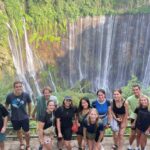
- Tumpaksewu Waterfall Trek: Ranger Help and More Than One Viewpoint
- Bromo Golden Sunrise: The Jeep Strategy That Gets You the Best Spot
- Bromo Crater Trek: Sand Sea Time and a Reality Check
- The Ijen Blue Fire Climb: Predawn Starts and the Gas Mask Setup
- Ferry to Bali and the End-of-Trip Drop
- Meals, Dorms, and the Value Math for $190
- The Timing That Keeps the Tour “Worth It”
- What to Pack (So Ijen and Bromo Don’t Beat You)
- Who This Tour Suits Best (And Who Should Skip It)
- Price and Logistics: The Real Trade-Offs
- Should You Book This Tour?
- FAQ
- What locations does this 3-day tour cover?
- What time is pickup in Malang on day 1?
- Is the Ijen hike suitable for everyone?
- Do I get a gas mask for Ijen?
- Is a headlamp included for Ijen?
- Where does the tour end in Bali?
- Are there closures that could affect the trip?
Key highlights at a glance
- Tumpaksewu Waterfall with a local ranger and a chance to spot extra falls
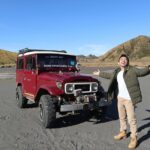
- 4WD jeep sunrise to the closest Penanjakan viewpoint (earlier departure wins)
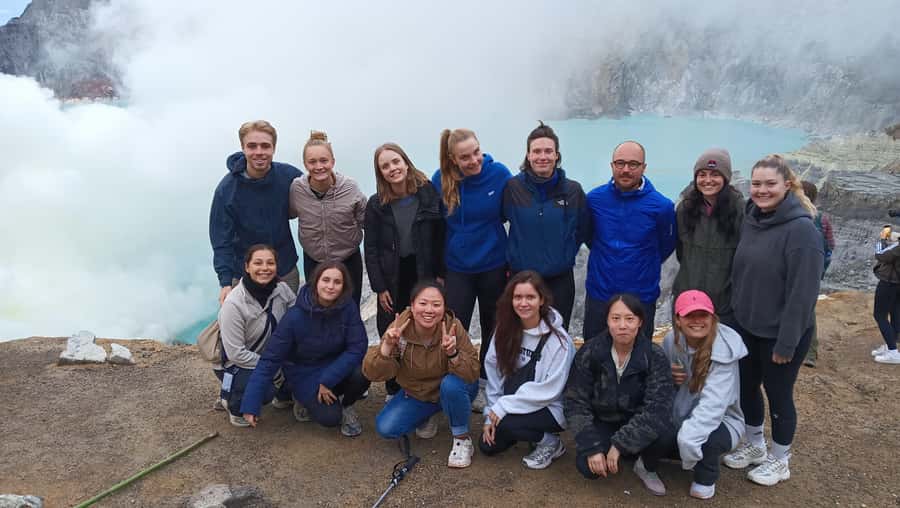
- Blue fire and sulphur lake at Ijen with gas mask and rangers on the ground
- 7 included traditional Indonesian meals across the three days
- Java-to-Bali transport plus ferry to get you across without extra planning
- Backpacker dorm stays that help you meet people, not spread out privately
How This Malang-to-Bali Run Really Works
Think of this trip as three days of motion with short windows for your photos, your breath, and your feet. You start in Malang, move into East Java’s volcano country, then end by getting dropped in Bali’s central area. Between stops, the driver covers long stretches, and the itinerary is built around maximizing sunrise and daylight hiking windows.
That structure is exactly why it’s good value. You’re paying for transport, entry tickets, rangers, and key timing. The flip side is that you won’t get a slow travel pace. If you’re the type who likes time to wander off-script, you’ll likely feel the group schedule more than the scenery.
You can also read our reviews of more tours and experiences in Malang.
Tumpaksewu Waterfall Trek: Ranger Help and More Than One Viewpoint
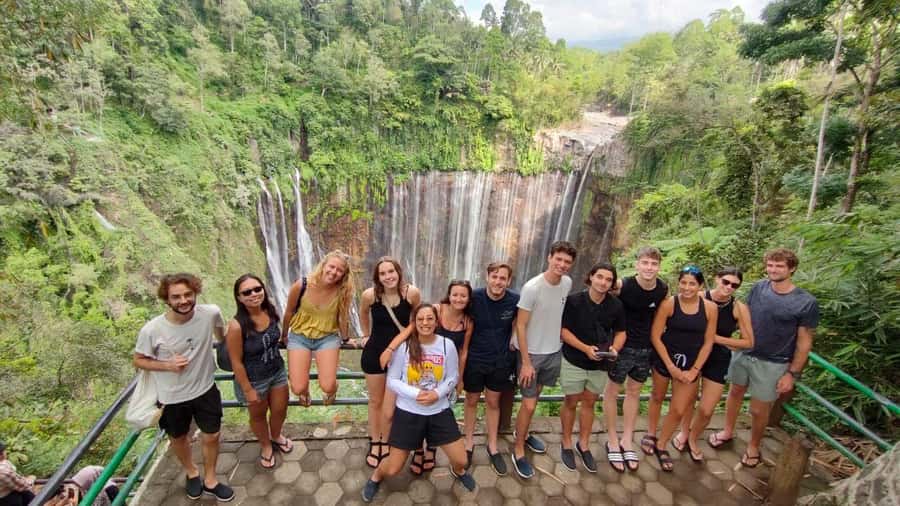
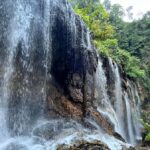
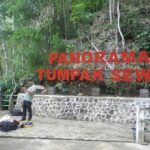
Day one begins early in Malang, then you head to the Tumpaksewu area for waterfall time. The walk is guided by a local trekking ranger, which matters more than you might think. In places like this, a ranger helps you choose the route and keeps you from wasting energy or missing viewpoints when paths get uneven or confusing.
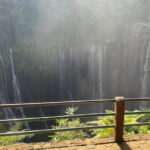
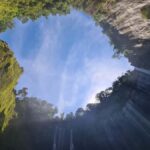
Once you arrive, you get time at the view point, then you move through the main waterfall area. There’s also an optional extra detour to additional falls like the tetes cave waterfall, depending on how your group handles the walk. This is where I like the trip’s rhythm: you’re not just dropped at one spot. You get multiple angles of the waterfall without needing to plan anything.
A practical note: you’re moving from waterfall terrain to vehicle time the same day. Wear shoes you trust on wet rocks. Pack clothes you’re okay with getting splashed or dusty, because the next step is checking into your Bromo-area stay.
Bromo Golden Sunrise: The Jeep Strategy That Gets You the Best Spot
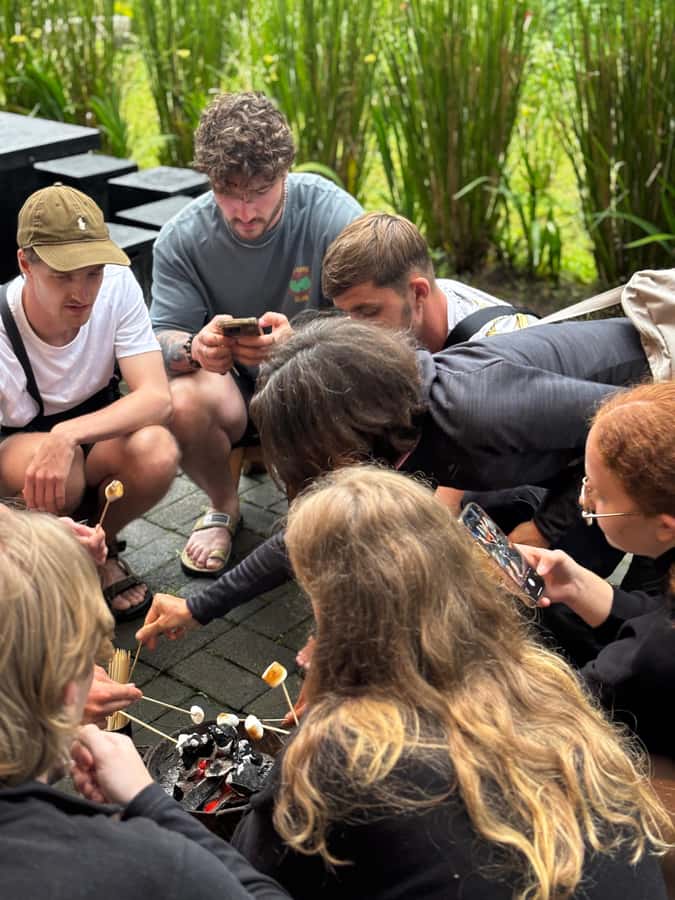
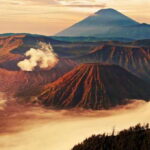
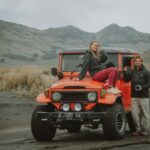
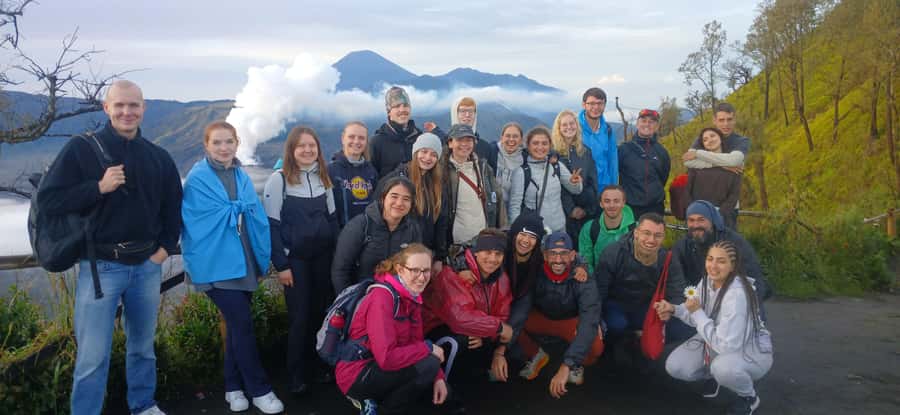
Bromo sunrise is the headline moment, and the tour leans hard into timing. You depart very early from the jeep base area so you can reach Penanjakan, the higher viewpoint, with minimal waiting and less walking. That matters because later arrivals often mean more distance on foot from where the jeeps can park.
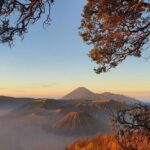
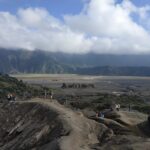
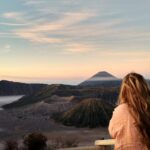
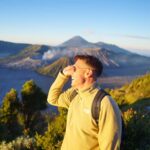
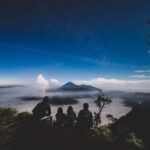
When you reach Penanjakan, you get hot snacks while you wait for sunrise. Then it’s all about the slow build: the sky lightens, the volcano silhouettes sharpen, and you get those classic views of Mount Bromo, Mount Batok, and the smoking Mount Semeru in the distance when visibility allows.
I also like that the trip doesn’t pretend the sunrise is a quick photo stop. You get real time for pictures and for standing there long enough to feel what the scene is doing to your camera settings and your mood. This is one of those moments where even people who thought they were only here for photos end up just watching.
Bromo Crater Trek: Sand Sea Time and a Reality Check
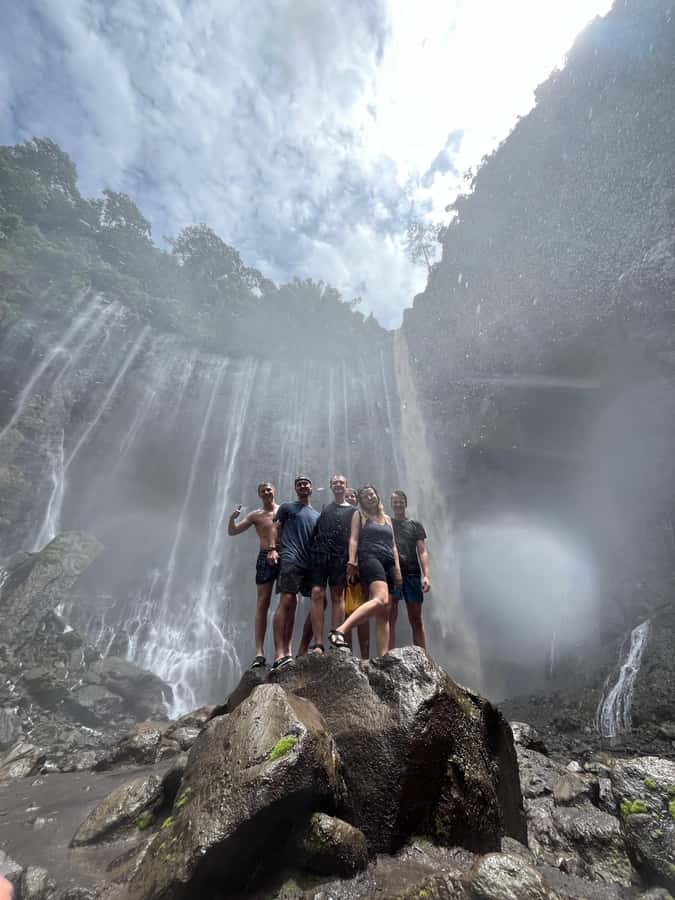
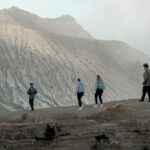
After sunrise viewing, the jeep heads down toward the crater area. From there, you get time to explore the sand sea and then trek to the Bromo crater area.
This part can feel both short and intense. You’re walking in volcanic sand, and that affects everything: heat retention, footing, and how quickly you tire. If your legs aren’t used to steep, irregular ground, plan for slower pacing. The good news is that the tour builds in a decent block of free time here, so you’re not rushed through like a factory line.
When your crater walk wraps up, you head back toward the accommodation area and then you transition toward the next base in the Bondowoso region.
The Ijen Blue Fire Climb: Predawn Starts and the Gas Mask Setup
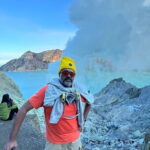
Day three is where the trip turns from “pretty tough” to “physically challenging,” depending on your fitness level. Very early in the night, you drive to the Ijen base area and rest in the van on the way. Then you get hot snacks and a briefing from the local trekking ranger.
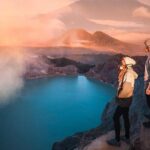
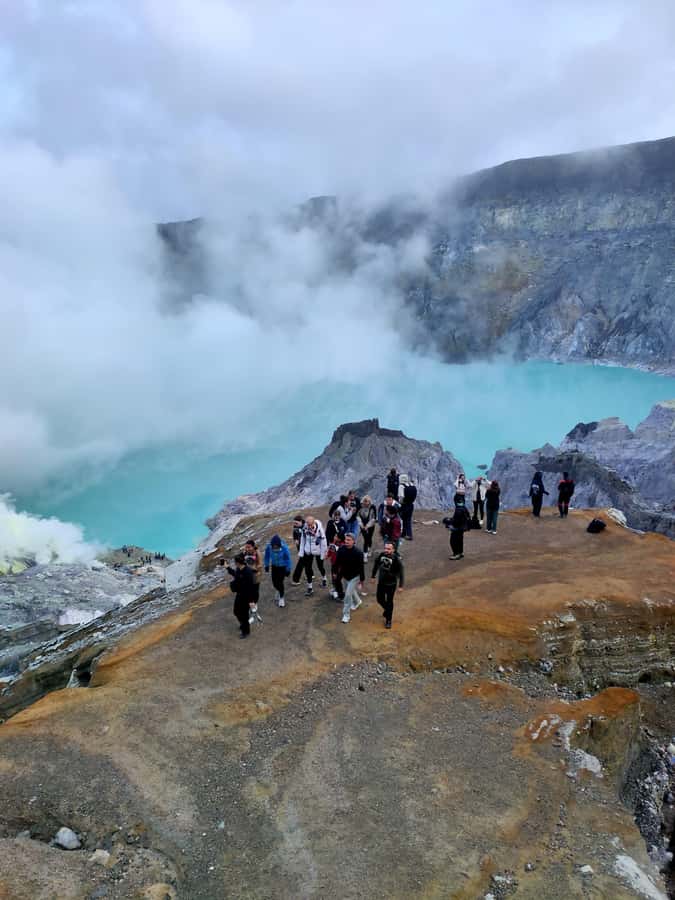
The climb up to the Ijen top takes about 1.5 hours. That’s a strong uphill workout, and the air can feel thin and harsh as you gain elevation. Once you reach the top, the ranger checks whether the blue fire access is possible. If it is, you head down toward the blue fire zone, then you spend time at the viewing point to see the turquoise flames and sulphur lake below.
A few key details I found helpful to know in advance:
- You’re provided with a health certificate and a gas mask for Ijen, because sulphur exposure is part of the deal here.
- You should bring a headlamp, because it is listed as not included. Predawn walking is dark, and using your own light helps you move confidently.
- If you’re hoping to time the sunrise view perfectly, the trip does try to line things up so you’re on the right side of the schedule. Still, you’re dealing with natural conditions, so don’t treat sunrise as a guaranteed “perfect moment every time.”
After the viewing time, you trek back to the parking area, then you’re given a breakfast box from the hotel. At that point you shift from volcano exertion to travel mode again: preparing to move toward Ketapang and the ferry crossing.
Ferry to Bali and the End-of-Trip Drop
After you finish Ijen, the itinerary transitions into transport. You drive to Ketapang harbor, get ferry tickets prepared, and then take the ferry. The ferry ride is on your schedule, while your group is handled for ticketing and timing.
Once you reach Bali, the Bali shuttle team picks you up in Gilimanuk and drops you in Bali’s central area (or sometimes Ubud, depending on where most people in the group are going). This is the practical close of the trip: you don’t have to find your own next transfer right after a tough hike.
Meals, Dorms, and the Value Math for $190
At $190 per person, the real question isn’t whether you get comfort. It’s whether you’re getting the big-ticket items bundled together. You do get a lot included: transport in Java for 3 days, accommodation in the Bromo area (shared bunk beds), an accommodation with a swimming pool before Ijen (1 room for 2 people), 7 meals (3 breakfasts, 2 lunches, 2 dinners), water, entry tickets, ferry ticket support, and the ranger guides for both Tumpaksewu and Ijen.
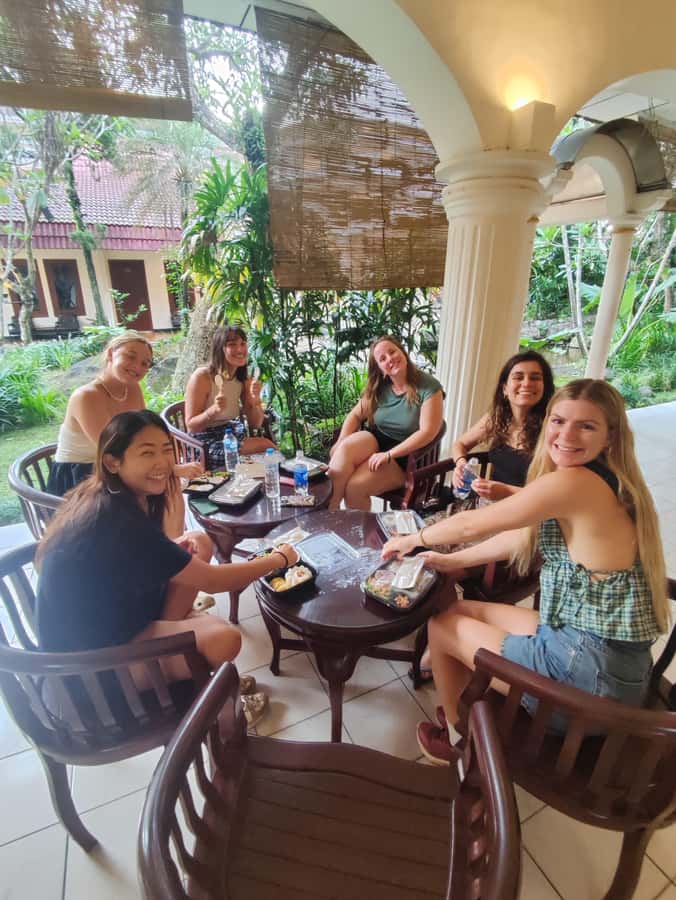
The meal style is basic. Food is Indonesian and portions are described as based on the group, so if you’re a big eater you’ll likely want to buy extras like bread or snacks. One small but important point for food planning: the tour includes vegetarian-friendly basics, but there’s no guarantee it will match every diet detail—like egg-free preferences—so bring your expectations down a notch and be ready to supplement if needed.
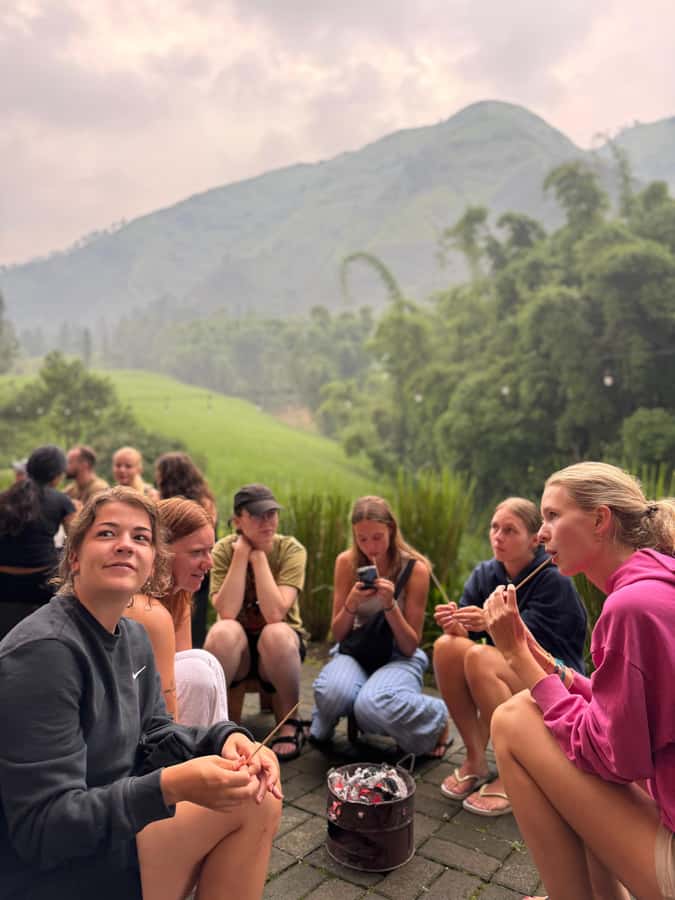
The dorm setup is part of the backpacker feel. Rooms are shared, and there’s no gender separation mentioned. If you need privacy, this may not be your style. If you want to meet people fast, shared spaces do the job.
The Timing That Keeps the Tour “Worth It”
This trip is all about timing, and you can feel that in the design:
- Early mornings for sunrise and predawn hikes
- Extra effort to reach viewpoints so you spend less energy walking just to stand somewhere
- Food and breaks scheduled around the physical load
- Check-in and rest blocks that reduce the chance you show up at the wrong moment
One detail that makes a difference in day-to-day stress: communication via WhatsApp through the operator, so you can connect quickly and confirm meeting points. In a group tour, that kind of operational clarity helps.
I also heard that the driver can be a highlight. Rama, for example, is mentioned as a driver who fit the group vibe well, which makes a long van day feel less like transport and more like part of the experience.
What to Pack (So Ijen and Bromo Don’t Beat You)
You’ll be doing walking on uneven terrain, and you’ll be in cool predawn temperatures then heating up later. Pack with that swing in mind. The essentials listed are solid:
- Comfortable shoes for rocky and sandy ground
- A jacket (sunrise and predawn can feel cold)
- Swimsuit and a change of clothes (there’s a swimming pool stay before Ijen)
- Long pants and hiking pants if you have them
- Sunscreen and outdoor clothing
- A daypack
- Snacks you personally like
- Travel insurance
- Cash
Also, don’t forget the big one for Ijen: headlamp is not included.
Who This Tour Suits Best (And Who Should Skip It)
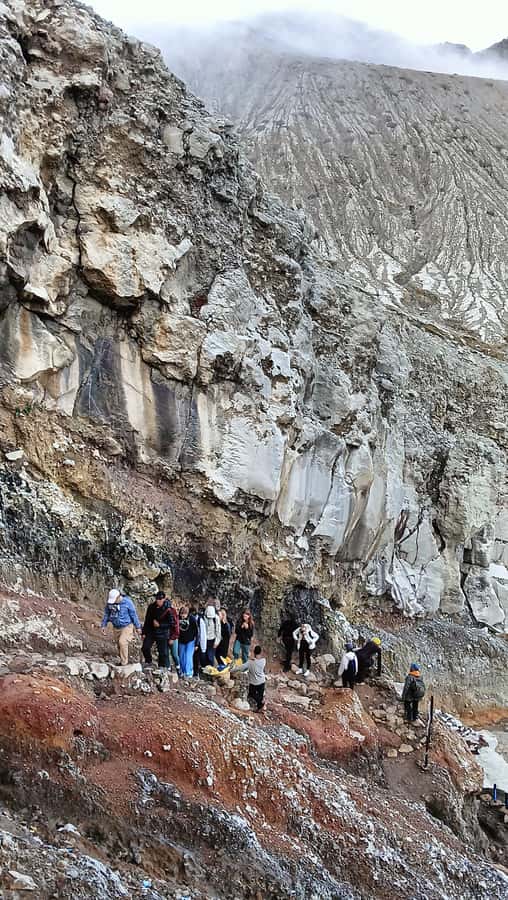
This trip is for people who want maximum East Java highlights in minimum planning time. It’s especially a good fit if you’re comfortable with early starts, shared accommodations, and hiking that can be tough depending on fitness.
It’s not suitable for people with:
- mobility impairments
- diabetes
- altitude sickness
- high blood pressure
- low fitness levels
If any of those apply, you should treat this as a firm no. Even if you think you can “push through,” the combination of climbing and early-hour timing at Ijen is exactly where limits show up.
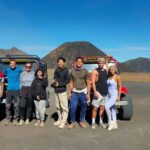
If you’re traveling solo and want a social group, this is also a good match. The group nature is part of the appeal, and the schedule is tight enough that you’ll meet people just by surviving the same timeline.
Price and Logistics: The Real Trade-Offs
This route is priced like a backpacker-friendly “all-in” deal, and you get the benefits of bundling: tickets, transport, rangers, key lodging, and meal coverage. The trade-off is that you shouldn’t expect much free time to choose your own rhythm. You’re also driving long distances between places, so you’ll want to keep your daypack stocked with small comforts.
There are also schedule risks that can change your experience:
- Ijen is closed on the first Friday of each month.
- Harbor operations can be affected during Nyepi Day (the date changes yearly).
- Bromo can close during local ceremony events (dates vary).
If any of those timing conflicts would land in your travel window, you should assume your plan may be adjusted.
Also note: you’ll be dropped in Bali central area or possibly Ubud based on group majority, so decide whether either drop-off works for your next booking.
Should You Book This Tour?
Book it if you want a straightforward, structured way to see Tumpaksewu, do a Bromo sunrise jeep without extra planning, and take on the Ijen blue fire hike with rangers and safety gear handled for you. It’s a strong value because the big components are bundled, and the early timing is designed to put you in the right places.
Skip it if you need a relaxed pace, private accommodation, or you have fitness or health limitations related to hiking and early predawn climbs. This tour rewards people who can handle crowds, shared rooms, basic meals, and a day that starts before the sun thinks about showing up.
If you’re deciding between booking options, I’d also compare pricing with the provider’s own channels. One review noted that booking directly through the Mador Hostel route via their Instagram can be cheaper than third-party pricing, so it’s worth a quick check.
FAQ
What locations does this 3-day tour cover?
It covers Tumpaksewu Waterfall, Mount Bromo (including a jeep sunrise tour and crater time), and Ijen Crater for the blue fire and sulphur lake. It also includes a drop-off in Bali’s central area (or Ubud depending on the group).
What time is pickup in Malang on day 1?
Pickup is listed around 5:50–6:00 from the Malang city area.
Is the Ijen hike suitable for everyone?
No. The tour is not suitable for people with low fitness, diabetes, altitude sickness, or high blood pressure. The Ijen climb can be tough depending on your fitness level, and you walk up to the top and back.
Do I get a gas mask for Ijen?
Yes. A health certificate for Ijen and a gas mask are included.
Is a headlamp included for Ijen?
No. A headlamp is not included, so you should bring your own.
Where does the tour end in Bali?
You’ll be picked up at Gilimanuk harbor and dropped in Bali central area, or to Ubud depending on where most guests want to go.
Are there closures that could affect the trip?
Yes. Ijen is closed on the first Friday each month. Harbor operations can be closed during Nyepi Day (date varies each year), and Bromo can close during local ceremony events (dates vary).