Sunrise between volcanoes hits different. This Merapi morning trip blends early-morning drama with real-world history at the Merapi Museum, then finishes with muddy-fun nature time. I love the way the sky turns gold as the volcano comes into view, and I love that you’re not just watching from afar—you’re close enough to feel the mountain’s power.
A big part of the appeal is the variety packed into about 5 hours: jeep rides, cultural stops, and hands-on scenery like stepping on cold lava and crossing a river fed by the mountains. A small group size capped around 7 people keeps it from feeling like a factory tour, and having an English-speaking guide/driver makes the stops easier to understand.
The main drawback is timing: you’ll want real stamina for an early start and cool mountain air. If you’re the type who hates mornings before sunrise, this might feel like a steep ask.
In This Review
- Key things to know before you go
- Catching the Golden Sunrise on Mount Merapi
- 4WD Jeep Ride: The Value of Getting Close
- Merapi Museum: Where Volcano History Feels Real
- Step on Cold Lava: The Moment You’ll Remember
- After Sunrise: River Crossing and Mountain-Water Spray
- What You Get for Around $36 (and Why It Adds Up)
- Timing, Clothing, and Comfort Tips That Actually Help
- Who This Merapi Sunrise Trip Is Best For
- Should You Book This Merapi Sunrise by 4WD?
Key things to know before you go
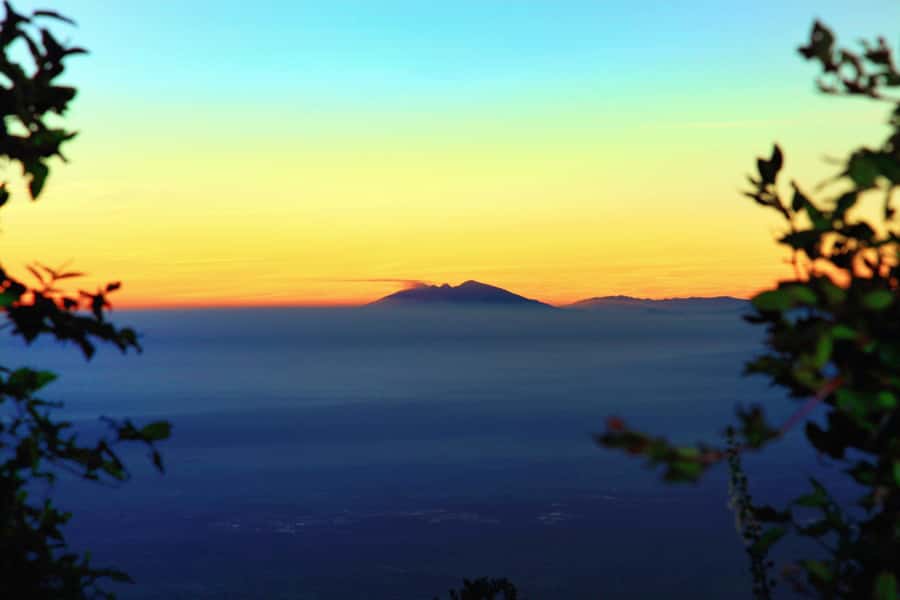
- Golden sunrise between mountains: the timing is the whole game, so dress for cold air.
- 4WD jeep access: the vehicle gets you to better viewpoints than you could reach on your own.
- Merapi Museum stop: this is where the volcano’s past becomes tangible, not abstract.
- Step on cold lava: it’s a distinct, memorable moment that goes beyond photos.
- River crossing splash: you’ll see and feel water carried down from the mountain slopes.
- Small group vibe: limited to about 7 participants, so you’re not stuck shoulder-to-shoulder.
Catching the Golden Sunrise on Mount Merapi
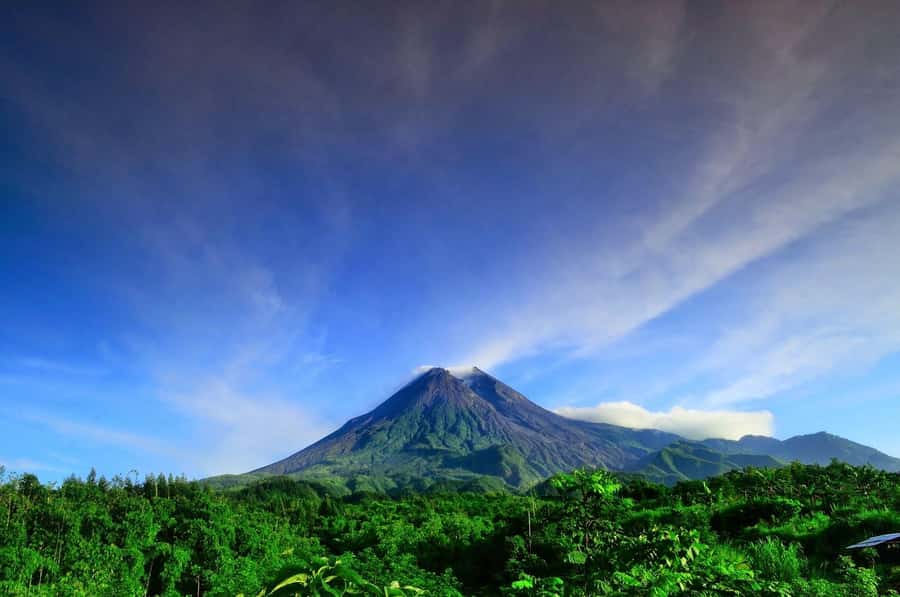
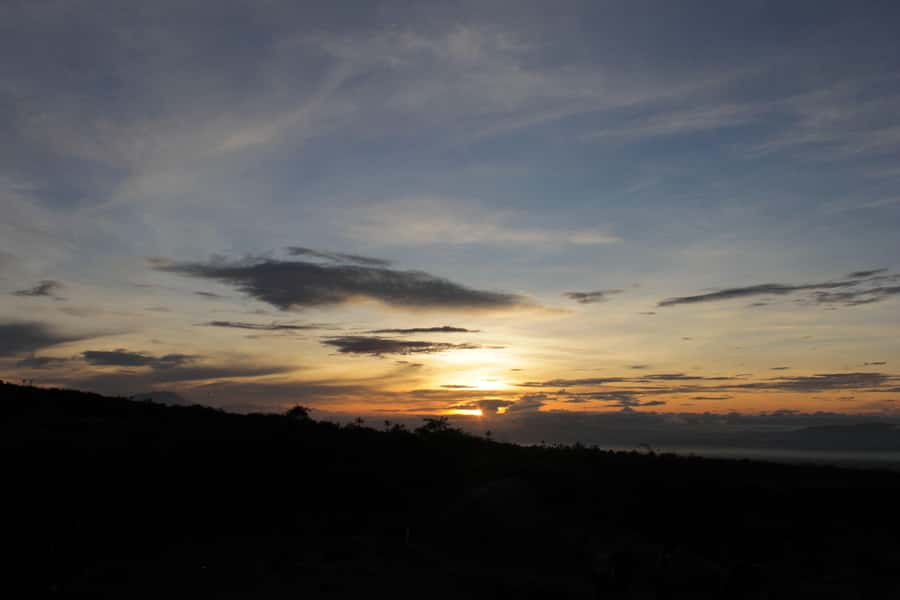
This tour is built around one goal: getting you to the best possible spot for sunrise on Mount Merapi. You leave your hotel area in the Special Region of Yogyakarta and head straight toward the jeep base, which matters because you’re not spending extra time on transfers once morning is already underway.
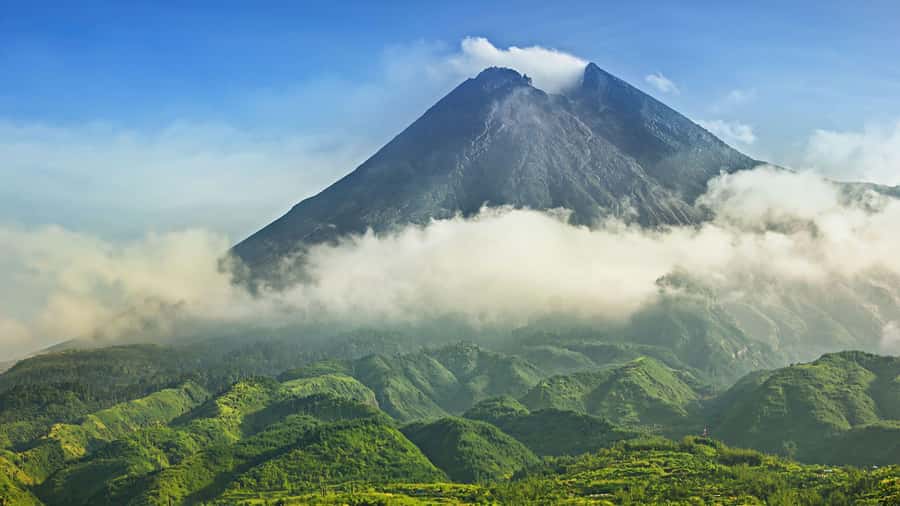
When the sky starts to lighten, the views tend to look more dramatic than you expect. There’s something special about seeing the volcano’s shape framed by the surrounding mountains as the light changes fast. Even if clouds drift in, you usually still get enough sightlines and photo stops to feel like the effort paid off.
One detail I really like: the trip doesn’t treat sunrise as the only highlight and then send you away. Instead, the whole schedule is arranged so the morning keeps moving—meaning you’re not just standing around hoping for perfect weather.
You can also read our reviews of more tours and experiences in Volcano Mount Merapi.
4WD Jeep Ride: The Value of Getting Close
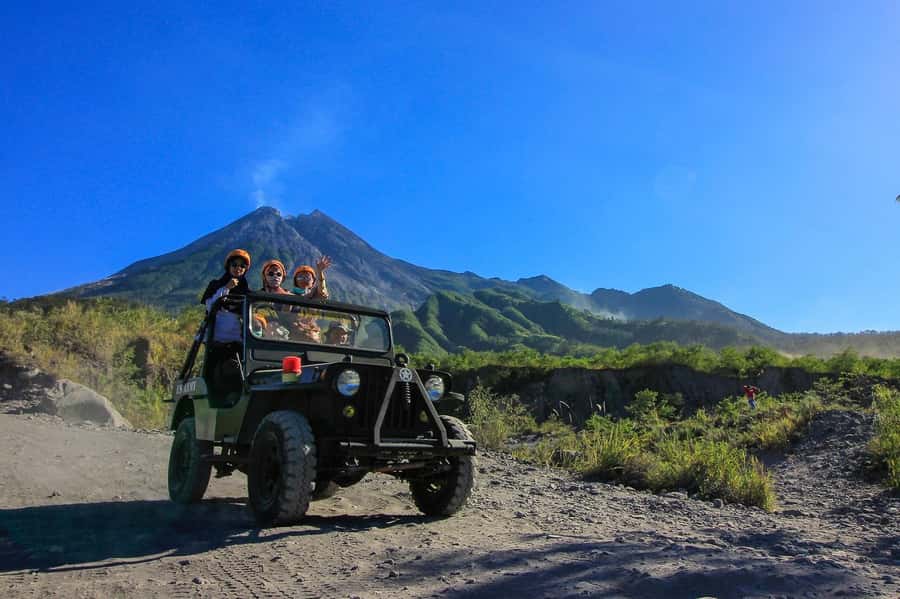
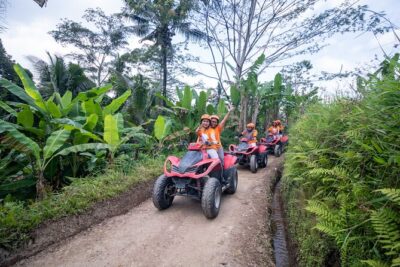
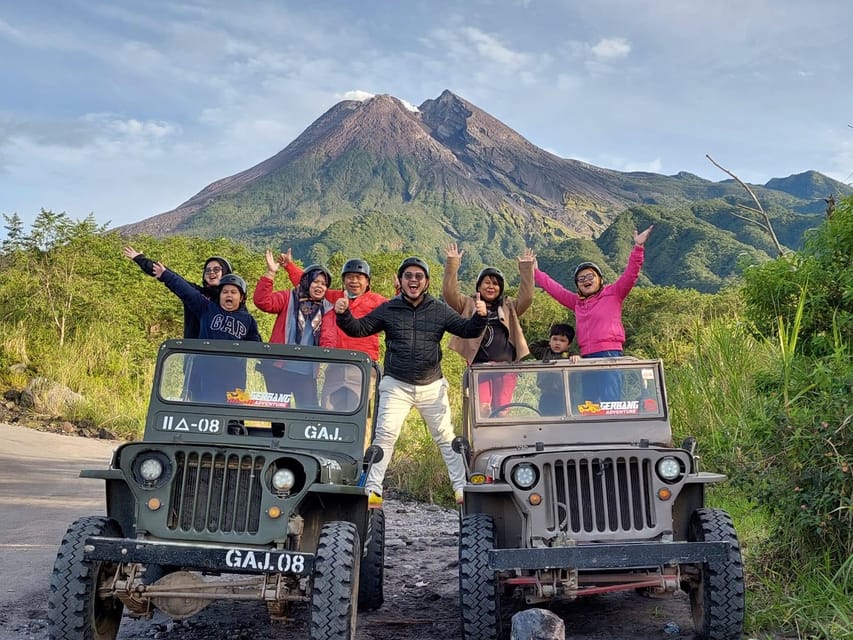
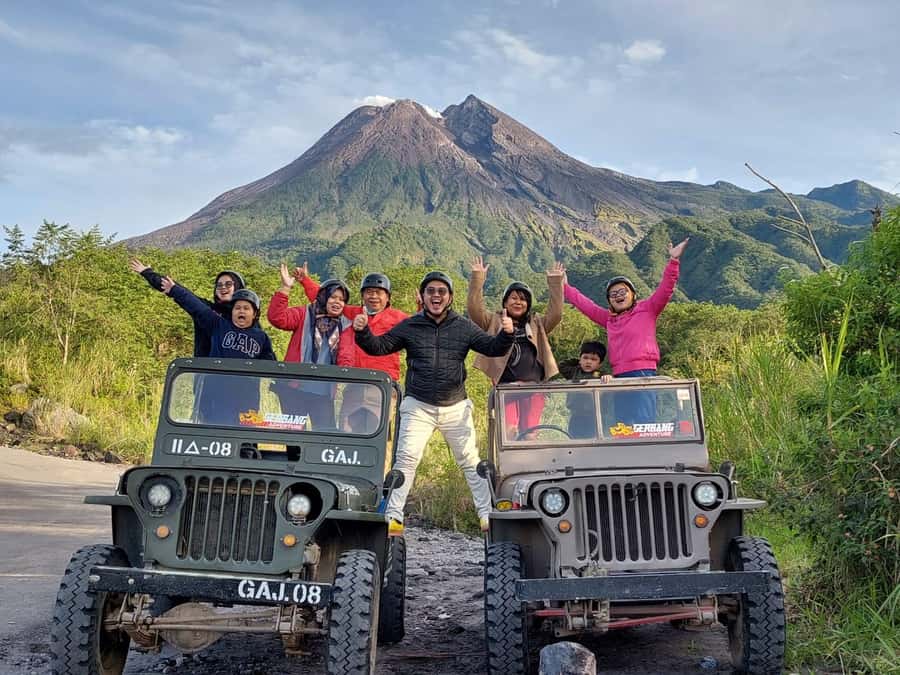
You’ll ride a 4WD jeep, and that’s more important than it sounds. On Merapi, the terrain and viewpoints aren’t designed for slow, easy access. The jeep gets you into position without making the day feel like a workout, while still keeping the experience adventurous.
Also, because the group is small, you’re more likely to have a calmer ride and clearer moments at the stops. Your English-speaking driver/guide typically helps with what you’re seeing and how the morning sequence works, so you’re not guessing.
In the earlier run I learned about from guide feedback, pickups can be very early, with departures reported around 4 a.m. That sounds intense, but it’s also exactly how you maximize your chances of seeing more of the volcano before haze thickens.
Merapi Museum: Where Volcano History Feels Real
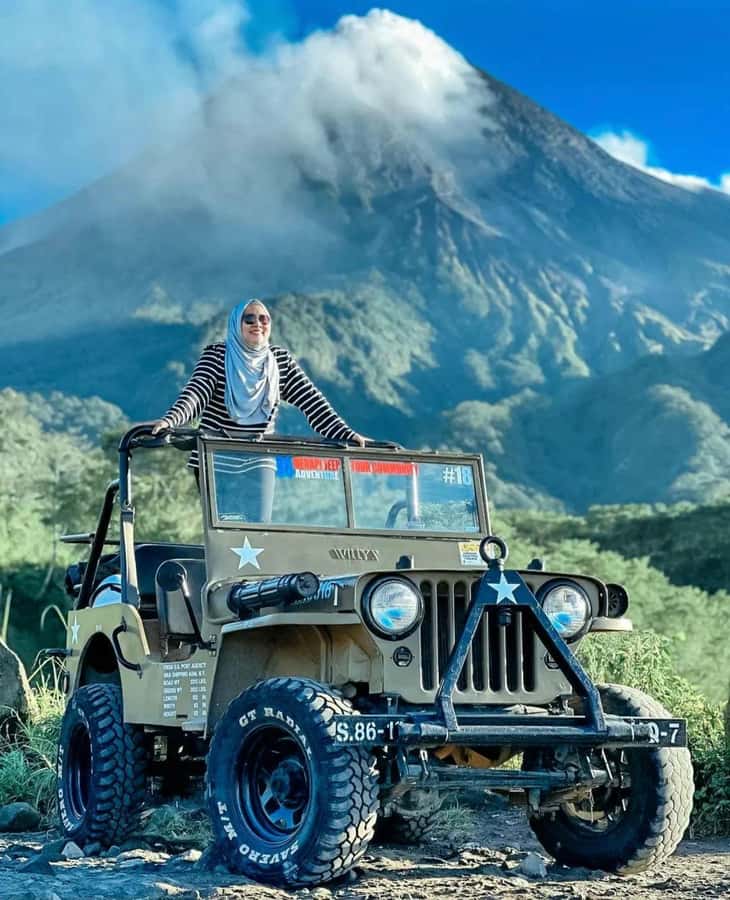
After sunrise, you shift from pure scenery into story. The visit to Merapi Museum is the part that turns the mountain from a view into a place with context. You get to witness what people have learned (and endured) around Merapi, and you’ll likely see explanations tied to past eruptions and impacts on surrounding communities.
This stop is valuable because it keeps the trip from staying superficial. Sunrise photos are fun, sure. But the museum is what helps you understand why the mountain is treated seriously and why this area has its own sense of history.
What I appreciate here is the human angle: it’s not just geology talk. The explanations tie the volcano’s behavior to real life around it. If you like travel that has both atmosphere and meaning, this is the strongest cultural anchor in the morning.
Step on Cold Lava: The Moment You’ll Remember
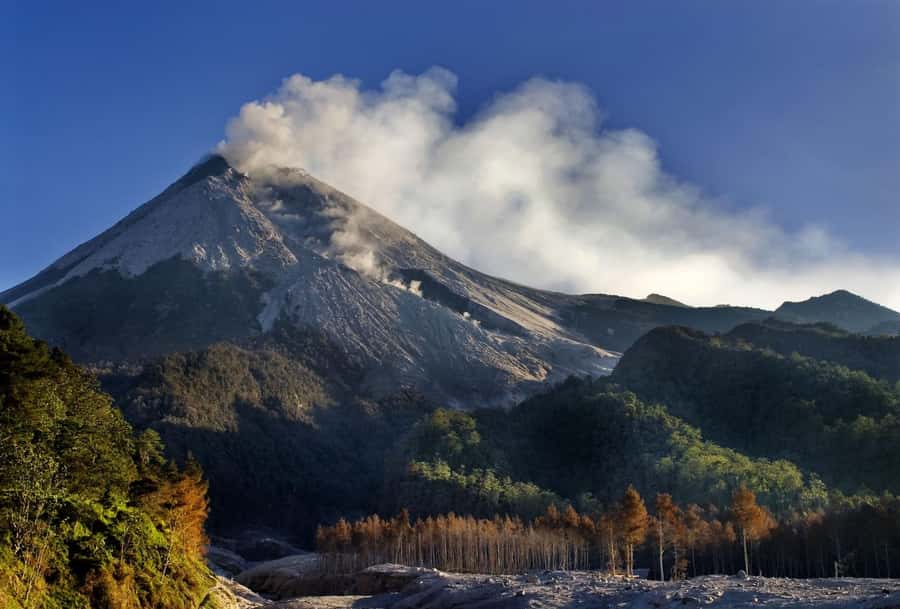
One of the most memorable elements is the chance to step on cold lava. This isn’t just a dramatic line on a brochure—it’s the kind of physical, sensory experience that makes the volcano feel close.
You’ll want to take it as you find it: this is a nature area, not a theme-park floor. Wear the warm clothing the tour recommends, and keep your footing in mind during the short, active moments. If you don’t love uneven ground, just move slowly and keep your balance.
The best part is the contrast. You spend the first part of the morning watching a fiery-looking world from a distance, and then you touch the evidence up close. It’s a small chunk of time, but it’s the sort of memory that sticks longer than another photo.
After Sunrise: River Crossing and Mountain-Water Spray
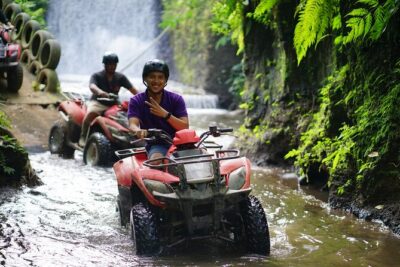
Then comes a different kind of thrill: the river crossing. The water comes from the Merapi mountains, and the idea is you’ll feel the spray as the jeep wheels hit the water.
This is the part where the tour turns playful. It’s not just visual; you’re in the splash zone. If you think you’ll stay completely dry, plan to be surprised. Even with rainwear provided, that mountain water can still leave you damp in spots.
Why I think this matters: it’s a reminder that the volcano isn’t confined to the horizon. The effects move through the landscape—down into rivers, into daily routes, into how people manage land and travel nearby.
Also, the included raincoat is practical here. You don’t have to worry about packing extra gear just for a few minutes of splash time, and you can focus on enjoying the moment.
What You Get for Around $36 (and Why It Adds Up)
The price is listed at about $36 per person for a roughly 5-hour experience, which is a solid value when you compare it to the combined costs of transport, a 4WD jeep, and the on-the-ground route.
Here’s what’s included that you would otherwise pay separately:
- Hotel pickup and drop-off in the Yogyakarta area
- 4WD jeep transport to sunrise areas and back
- Merapi Museum and attraction tickets
- Mineral water
- Parking and donation fees
- English-speaking driver/guide
- Raincoat
- Insurance via jasa raharja
That list matters because this is one of those tours where the expensive part isn’t the viewing—it’s getting there efficiently and safely with the right vehicle and entry permissions. The small group setup also helps you feel like a person, not a ticket number.
One more detail: the tour includes skipping the ticket line. That might sound minor, but on a tight morning schedule, saving time means you can actually enjoy the stops instead of watching the clock.
Timing, Clothing, and Comfort Tips That Actually Help
Even though this is a short day trip, you’re operating on mountain schedule. You’ll be out early, and you’ll likely feel the cold more than you expect once you’re moving outside the warm city air.
The only specific packing guidance you’re given is warm clothing, and I’d follow it closely. Bring layers you can adjust. If you run cold easily, wear your warmest pieces even if you think you’ll be okay after sunrise.
Comfort-wise, keep in mind you’ll do short stretches: moving between viewpoint areas, stepping on cold lava, and dealing with a river crossing where spray is part of the deal. Pack with that in mind, and keep expectations realistic: this is nature travel, not a slow café tour.
Who This Merapi Sunrise Trip Is Best For
This fits best if you want:
- A true sunrise experience rather than a late-morning volcano drive
- A mix of scenery plus cultural context at the Merapi Museum
- Something active enough to feel real, like stepping on cold lava and getting splashed at the river crossing
- A smaller group day, not a large bus situation
It’s also ideal if you enjoy guides who can explain what you’re seeing. In past group experiences, drivers and guides named Wahyu, Edy, and a guide called Chaplin/Chapline were described as helpful, with English that made the day easier to follow. Some groups also got extra photo support and even a short video montage made from the day, which is a nice bonus if you care about keeping memories beyond your own camera roll.
If you hate early starts and cold air, you might feel rushed or uncomfortable. But if you can handle a morning push, the payoff is the feeling of seeing Merapi as more than a picture.
Should You Book This Merapi Sunrise by 4WD?
I’d book it if your priority is a high-impact morning in a small group: golden sunrise, a meaningful museum stop, and hands-on nature moments like cold lava and a mountain-water river splash.
I’d think twice if you’re sensitive to early departures and cool conditions, because the schedule is designed around sunrise. And since parts of the day involve uneven ground and water spray, it’s better suited to people who can roll with that rather than those expecting comfort-first sightseeing.
If your travel style is “see it, feel it, and understand it,” this is a strong choice for Yogyakarta-based visitors who want Merapi without turning it into a full-day slog.