Rinjani at sunrise feels unreal. This 3-day, 2-night Mount Rinjani trek is aimed at strong hikers who want the full package: summit views, Segara Anak Lake, and hot-spring recovery without rushing.
I especially love the two-credit sunsets from different crater rims: you camp for sunset on the Sembalun crater rim, then finish with another big sunset from Senaru crater rim over toward Bali. I also like how the route builds in real recovery time at Segara Anak, including a chance to swim and soak in hot water after long climbing.
One consideration: this is not a casual hike. Day 2 is physically punishing (continuous ascent/descent plus loose volcanic scree), and weather or safety closures can change how the summit attempt plays out.
In This Review
- Key highlights worth getting excited about
- Why this Mount Rinjani 3D2N trek fits the summit-and-soak dream
- Cakrawala Rinjani Trekking: small team energy and real support
- Day 1: Sembalun meadows, Pos stops, then the Sembalun crater rim sunset camp
- What to expect at the rim
- Potential snag
- Day 2: the 2:00am wake-up, summit approach, and the Segara Anak lake reset
- After the top: crater rim breakfast, then down to Segara Anak Lake
- Why this lake time is worth the effort
- One more reality check
- Day 2 evening on Senaru crater rim: sunset over Bali and the smoking volcano edge
- Day 3: rainforest descent to Senaru village, then transport out
- Wildlife possibility
- Price and value: what $237 really buys you on Rinjani
- How fit do you need to be for this Rinjani summit attempt
- What makes it physically hard
- Training advice that actually helps
- What to pack (and what to prioritize for comfort at altitude)
- A smart tip from real-world experience
- Should you book this Mount Rinjani 3D2N trek?
- FAQ
- Where does the trek start and where do you finish?
- How long is the Mount Rinjani trek?
- What is the group size?
- What language is the guide?
- What is included in the price?
- Are meals provided during the trek?
- What should I bring?
- Is luggage storage available?
- Can the trek be canceled for a refund?
Key highlights worth getting excited about
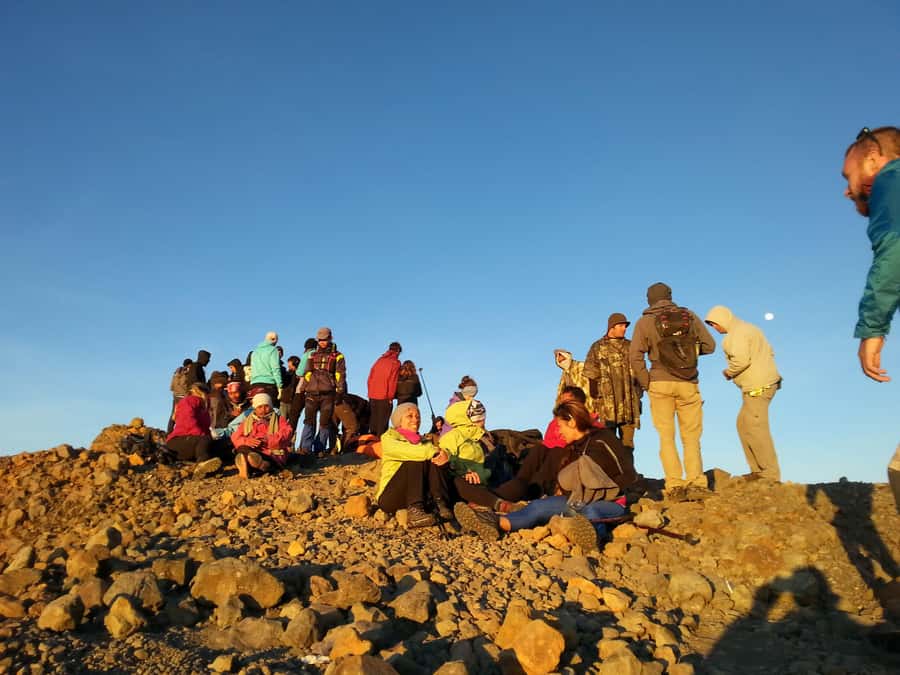
- Summit timing that’s built around sunrise after a late-night wake-up and a steep scree approach
- Crater-rim camps with big-picture views from both Sembalun and Senaru sides
- Segara Anak Lake + hot springs for a real payoff after climbing
- Small group size (max 8) that helps you stay together and move at a pace your guide can manage
- Food and snacks that keep you moving (including fried banana as an appetizer, plus fruit for dessert)
Why this Mount Rinjani 3D2N trek fits the summit-and-soak dream
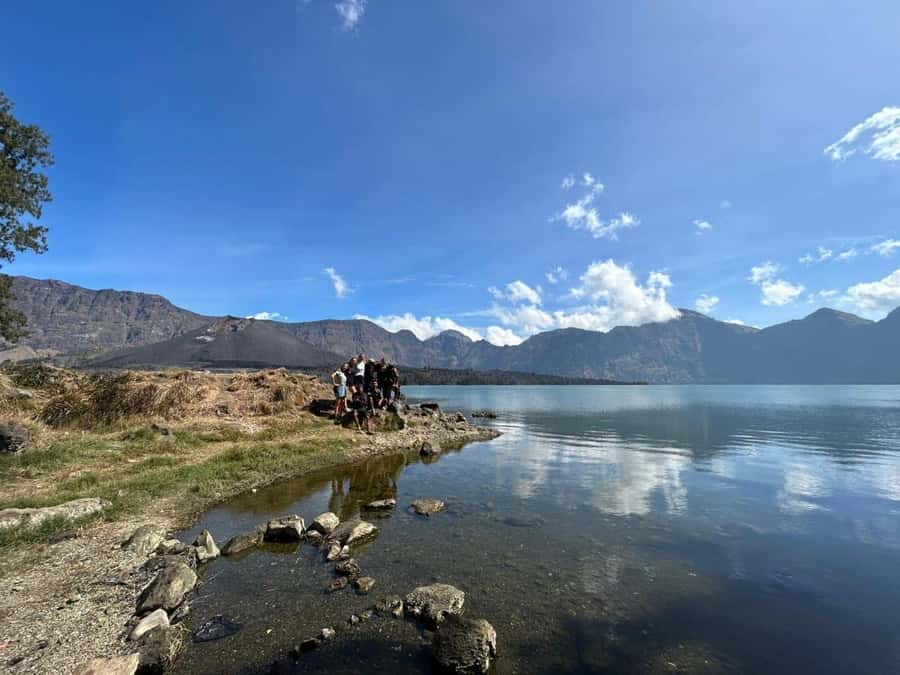
If you’re coming to Lombok for a serious mountain day, Mount Rinjani delivers. This 3-day program is designed for people who want more than a viewpoint photo. You’re not just climbing to a single peak; you’re also going down into the crater world—camping on rims, reaching Segara Anak Lake, and using the natural hot springs to loosen up sore legs.
What makes it feel “complete” is the way the days connect: you build height on Day 1, you attack the summit on Day 2 early morning, and you spend Day 2 and Day 3 living in the crater’s rhythm—views, lake time, rainforest descent. If you like your hikes with clear milestones and emotional payoffs (sunrise up high, sunset on rims, then a soak), this route matches your vibe.
Cakrawala Rinjani Trekking: small team energy and real support
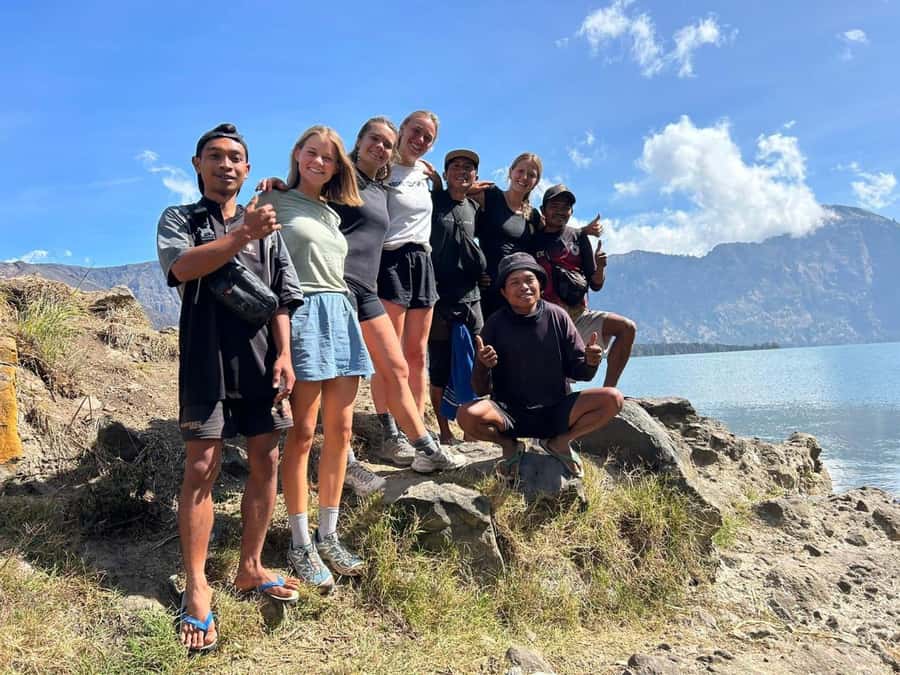
Cakrawala Rinjani Trekking runs this program out of Senaru Village, using a small-group format limited to 8 participants. That matters more than it sounds. On Rinjani, your speed varies and your footing matters. A smaller group means your guide can actually pay attention to everyone’s pace and safety, instead of managing a long conga line.
You’ll have a live guide in English and porters to help carry trekking gear. In real-life moments, guides like Rin, San, Sun, Awan, and Jojo have been praised for keeping people safe, warm, and fed, and porters like Faris and Selamet have been noted for being friendly and helpful. The takeaway for you: you’re not just buying a route—you’re buying a team that shows up, stays organized, and keeps the experience human.
Also worth knowing: there’s luggage storage at the Cakrawala Rinjani office, so you don’t have to drag everything around between transport and trekking days.
Day 1: Sembalun meadows, Pos stops, then the Sembalun crater rim sunset camp
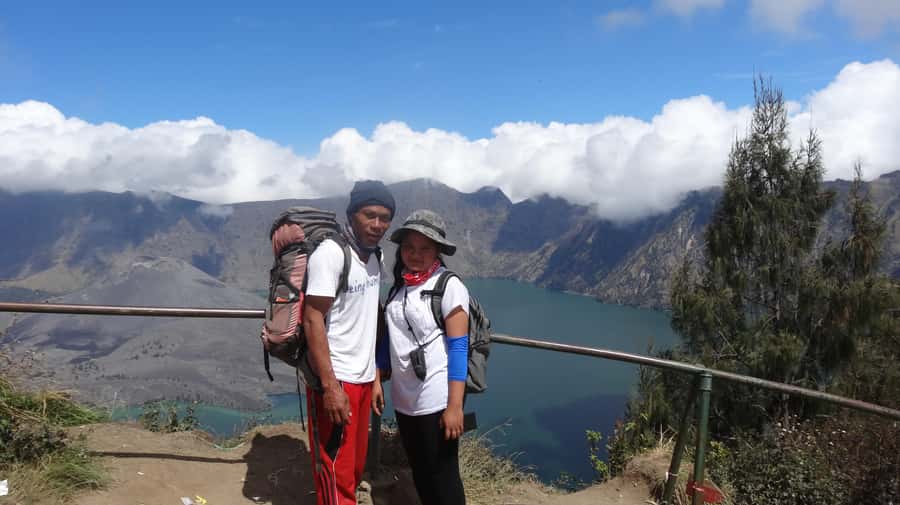
Day 1 starts early. You wake up around 6:00 for breakfast, then drive to Sembalun (about 1,100 m). After registering at the Rinjani information center, you begin trekking around 8:00.
The first part is intentionally gentler: a climb through open meadow. It’s your warm-up phase—enough effort to get moving, not enough to drain you before the real work. After about two hours, you reach Pos 1 (around 1,300 m), then keep going to Pos 2 (about 1,500 m) and Pos 3 (around 1,800 m), where you stop for lunch. These breaks matter because Rinjani punishes people who go out too hard too early.
After lunch, you work your way toward the Sembalun crater rim (about 2,639 m). Expect a longer, steeper push—about 3 hours including some sustained climbing. You camp on the crater rim for the night, and sunset is a major moment here.
What to expect at the rim
This is where Rinjani turns from “a trek” into “a viewpoint you live inside.” The rim setting gives you wide crater views and that feeling of being suspended above it all. Bring warm layers because at elevation, temperatures can shift fast once the sun drops.
Potential snag
Day 1 is often where first-timers underestimate how much energy is still left for Day 2. You should treat Day 1 as a steady progression, not a fitness contest. Save your legs.
Day 2: the 2:00am wake-up, summit approach, and the Segara Anak lake reset
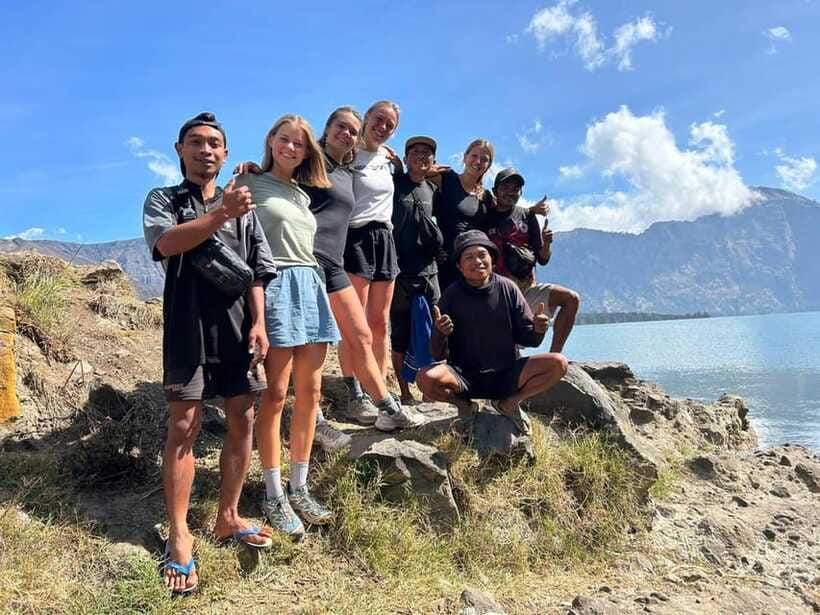
Day 2 begins in the dark. Around 2:00 am, you wake with a hot drink and light breakfast, then start toward the summit around 3:00 am.
This is the hard part of the whole trek, and the details matter. The early climbing is described as moderate, then it turns into a longer trek that becomes easier to move through but still keeps going. The final approach to the summit involves climbing steep volcanic scree—loose and tiring if your technique isn’t steady. This is why trekking poles can feel like an unfair advantage. If you don’t have them, consider renting or borrowing ahead of time when possible.
At about 6:00 am, you reach the summit (around 3,726 m). Sunrise is the prize: panoramic views can reach across Lombok, Bali, Sumbawa, and toward Segara Anak Lake itself. It’s one of those moments where the effort makes sense in one glance.
After the top: crater rim breakfast, then down to Segara Anak Lake
Once the summit morning is done, you descend back to the Sembalun crater rim within about 2 hours and have breakfast there. Then you keep descending to Segara Anak Lake (about 3 hours). This lake day is a mental shift: you’re still working, but the terrain becomes about getting to the water and recovering.
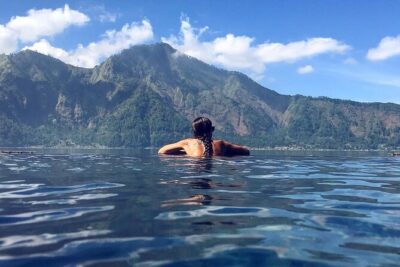
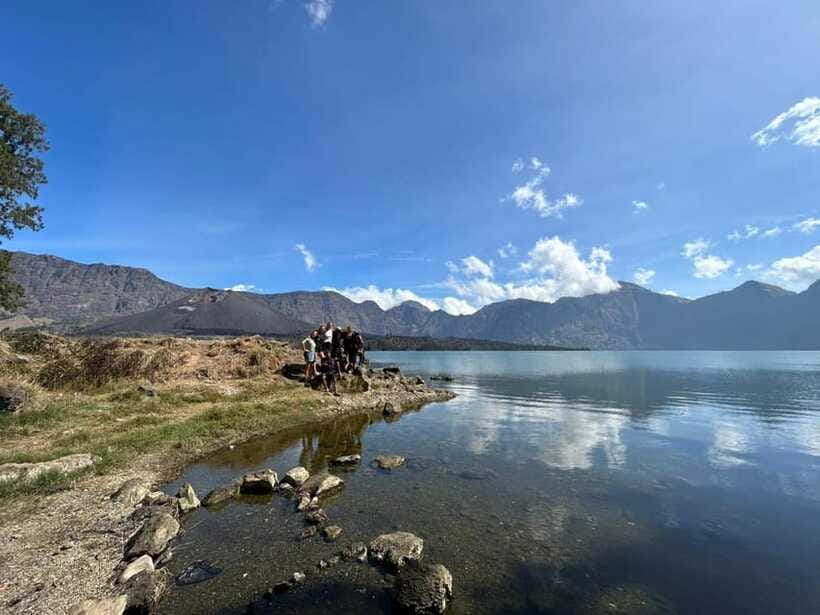
At the lake, you get time to rest at the side of Segara Anak. There’s also the chance to swim, and the hot spring bathing is a key feature of the trek. The idea is simple: long climbing causes soreness, and the hot water helps your body loosen up.
Porters prepare lunch during this phase, which keeps the day from turning into a logistics headache.
Why this lake time is worth the effort
The route could have ended after the summit. It doesn’t. This is what makes it memorable: you don’t just “finish the climb,” you get to soak in the crater atmosphere and recover. The payoff is both physical and emotional.
One more reality check
Your summit attempt can be affected by government safety restrictions. If authorities close parts of the route while you’re there, the plan may change and you might pivot to alternative sunrise viewpoints instead. So when you book, go in expecting a summit push, but don’t plan your entire trip around a guaranteed “stand at the top” moment.
Day 2 evening on Senaru crater rim: sunset over Bali and the smoking volcano edge
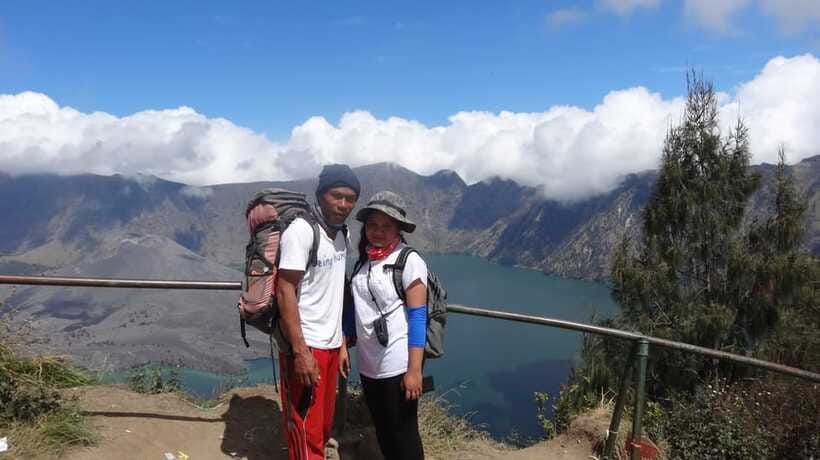
After lunch and lake time, you leave Segara Anak and continue up to the Senaru crater rim (around 2,641 m). You camp there for the night, and the sunset is often described as spectacular—over Mount Agung in Bali, with smoke visible from the volcano area on the edge of the lake.
This part feels special because you’re switching vantage points. Sembalun rim sunset is about the crater world from one angle; Senaru rim sunset is about the crater world plus the wider regional view toward Bali. If you love geography that you can actually see, this is one of the best payoff windows on the whole trek.
Bring your warm clothing for the evening. High elevation plus wind can be a serious combo. Even on clear days, temperatures can drop quickly.
Day 3: rainforest descent to Senaru village, then transport out
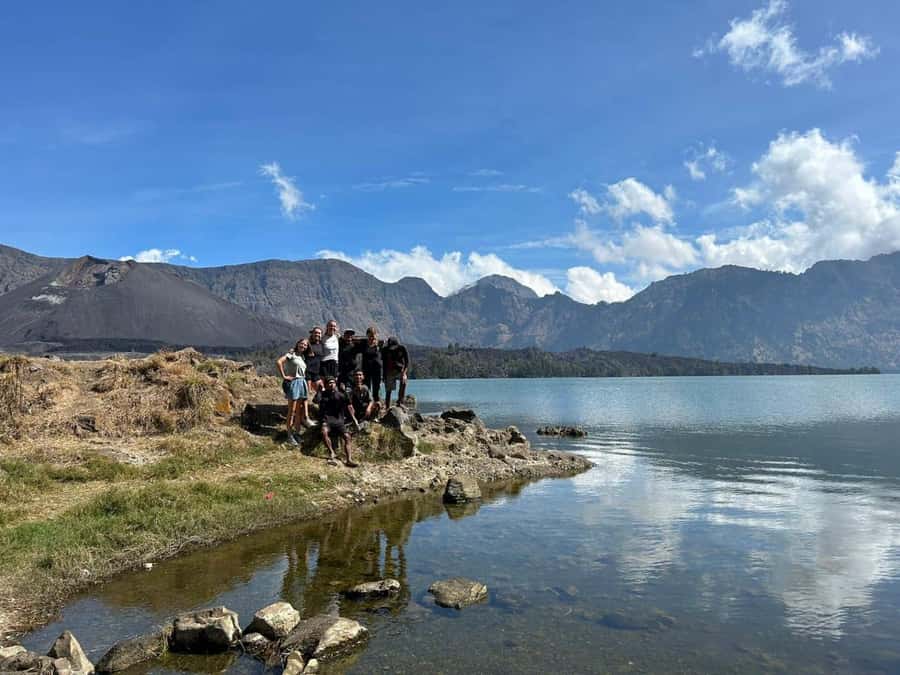
Day 3 is the escape route, but it still takes time. After breakfast (with another sunrise mentioned as a highlight), you descend through rainforest toward Senaru village (around 601 m). The hike is about 5 hours, and there’s lunch along the way.
When you arrive at Senaru village, the car takes you to your next destination, with transport included to Bangsal, Senggigi, or Mataram. This is a practical detail I like: you don’t have to scramble for onward transport right after a strenuous hike.
Wildlife possibility
There’s a chance you might see black monkeys during the descent if you’re lucky. It’s not a guarantee, but the rainforest route does give you odds to notice more than just rocks and views.
Price and value: what $237 really buys you on Rinjani
At $237 per person for 3 days and 2 nights, the best way to judge value is by what’s included and how much it reduces decision fatigue.
You’re covered for:
- A guide and porter support system
- Camping setup: tent, toilet tent, sleeping bag, and mattress
- Food: breakfast, lunch, and dinner
- Mineral and spring water for mountain drinking
- Trekking insurance
- Headlamp and gloves
- National park fees (included as IDR 750,000 per person)
- Transport before the trek from the Senaru area and transport after the trek to Bangsal/Senggigi/Mataram
Then there’s the less-tangible value: the team handling timing (wake-ups, summit start), pace management, and meal prep. Multiple people have praised how attentively guides and porters cared for them—especially when conditions were windy or when hikers had to slow down.
The only “hidden cost” you should factor in is what you must bring yourself: warm layers, proper hiking shoes, and your own trekking gear. If you’re missing basics, you might end up paying for rentals or replacements.
How fit do you need to be for this Rinjani summit attempt
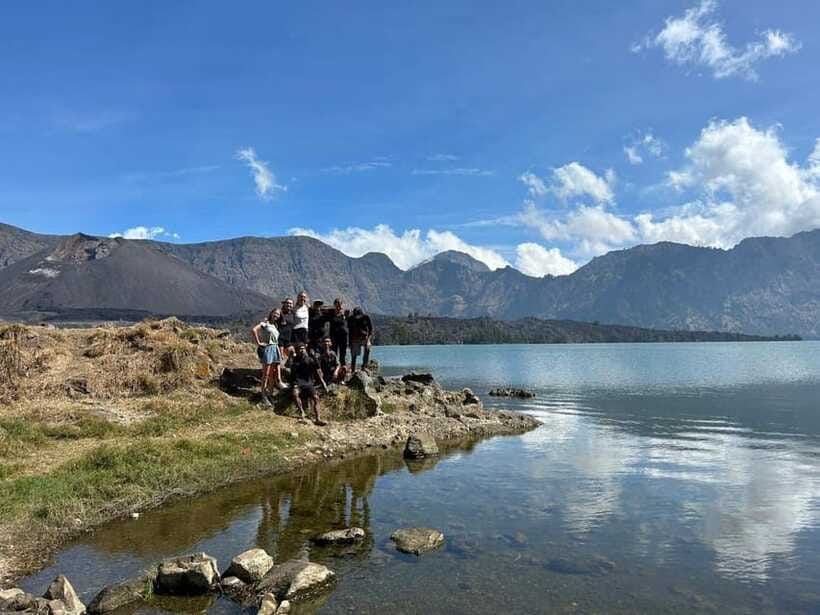
This trek is for experienced climbers or people with strong hiking fitness. That isn’t just a slogan. The route involves continuous ascent and descent, not technical rock climbing, but it’s long and relentless. Even if you can handle smaller hills comfortably, Rinjani tests endurance and leg control over time.
What makes it physically hard
- Day 2 includes a very early start and a steep scree climb near the top
- Descents can beat up knees and ankles if you don’t manage pace
- Wind and cold can drain you even before you reach the summit area
Training advice that actually helps
If you want to feel less wrecked, practice hiking with elevation gains and sustained uphill walking. Also train for downhill control—slow down, take shorter steps, and use poles if you have them. People who do best on this trek tend to focus on steady rhythm, not speed.
What to pack (and what to prioritize for comfort at altitude)
Your packing list should be straightforward: comfort and warmth first, then safety.
Bring:
- Comfortable shoes, ideally hiking shoes with grip
- Warm clothing (layers beat one thick thing)
- A camera if you’re chasing those crater and sunrise shots
- Water and any personal trekking gear you prefer
- A headlamp (though it’s included) and gloves (also included)
You’ll sleep in provided camping gear (tent plus mattress and sleeping bag), so the big personal items are the ones that affect how you move and stay warm.
A smart tip from real-world experience
If you can, arrange trekking poles before you go. Some organizers can support with walking sticks, but you shouldn’t rely on that as your plan A. Poles help on the loose scree and on long descents.
Should you book this Mount Rinjani 3D2N trek?
Book it if you want the full Rinjani storyline: crater rim camps, summit sunrise, Segara Anak Lake, and hot-spring recovery. Also book it if you like small-group trekking and you’re ready for a real challenge that rewards you with multiple major view moments.
Don’t book it if you want an easy hike, or if you’re not comfortable with early starts and long days of climbing and descending. This route can be demanding even for strong hikers, and Day 2 is the day that separates “I can do it” from “I’m glad I prepared.”
If you’re on the fence, ask yourself one question: can you hike uphill and downhill for hours without getting discouraged? If the answer is yes, this is the kind of trek you remember long after your shoes dry out.
FAQ
Where does the trek start and where do you finish?
The program begins at Sembalun (after transport and registration) and returns via the Senaru route. At the end, transport is included to Bangsal, Senggigi, and Mataram.
How long is the Mount Rinjani trek?
It’s a 3-day, 2-night trek.
What is the group size?
It’s a small group limited to 8 participants.
What language is the guide?
The live guide is English.
What is included in the price?
The package includes national park fees, pick-up transport from the Senaru area to the trek start, a professional guide and porter, camping gear (tent and toilet tent, sleeping bag, mattress), meals (breakfast, lunch, dinner), mineral/spring water for drinking on the mountain, headlamp and gloves, trekking insurance, and transport after the trek.
Are meals provided during the trek?
Yes. Breakfast, lunch, and dinner are included, with fried banana as an appetizer and fruit as dessert.
What should I bring?
Bring comfortable and hiking shoes, warm clothing, a camera, food (if you want extra), trekking gear, and water.
Is luggage storage available?
Yes. Luggage storage is available at the Cakrawala Rinjani office.
Can the trek be canceled for a refund?
Yes. Free cancellation is available up to 24 hours in advance for a full refund.