A crater rim view in two days. This Mt Rinjani trek is built for people who want the highlights fast: a shady climb through tropical rainforest, plus big crater views over Lake Segara Anak. I like the way it mixes effort with payoff, starting with the Sindang Gila and Tiu Kelep waterfall stops before you head uphill. The main drawback is the schedule is intentionally “fast route,” so you should expect serious physical exertion and plan timing carefully.
What makes this outing feel smooth is the built-in logistics. You get hotel/port pickup and drop-off, organized guide + port team support, and meals that keep you fueled on the trail (not just a granola moment). The big consideration for me is simply prep: you’ll want the right gear and you must be in Senaru at least 1 hour before sunset on day one.
In This Review
- Key Highlights to Know Before You Go
- Fast-Route Rinjani: The Real Deal About Effort vs. Reward
- Getting to Senaru and the Waterfall Warm-Up on Day One
- The Day Two Climb: From a Quick Drive to an 8-Hour Trek
- Lake Segara Anak and Sunrise: Why the Timing Feels Worth It
- What’s Included (and What You Still Need to Bring)
- Price and Value: Is $279 Fair for Two Days and a Crater Rim?
- Bonus Boat Transfer to Gili: Turn the Trek Into Island Time
- Who This Senaru Crater Rim Trek Fits Best
- Should You Book Mt Rinjani Trekking 2 Days 1 Night (Senaru Crater Rim)?
- FAQ
- What time does the trek start?
- How long is the main crater rim hike?
- What stops are included besides Mount Rinjani?
- Is pickup and drop-off included?
- What gear is not included?
- Is there a transfer to Gili Island after the trek?
Key Highlights to Know Before You Go
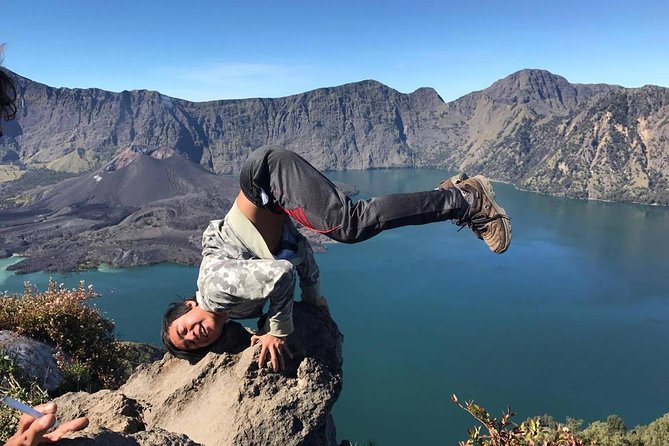
- Shaded rainforest trekking that keeps the climb more manageable
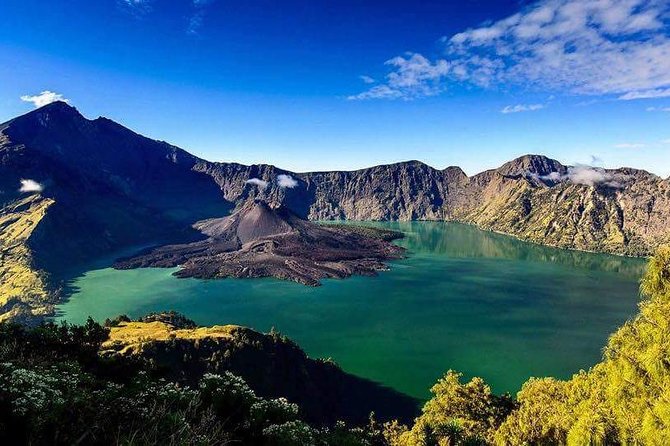
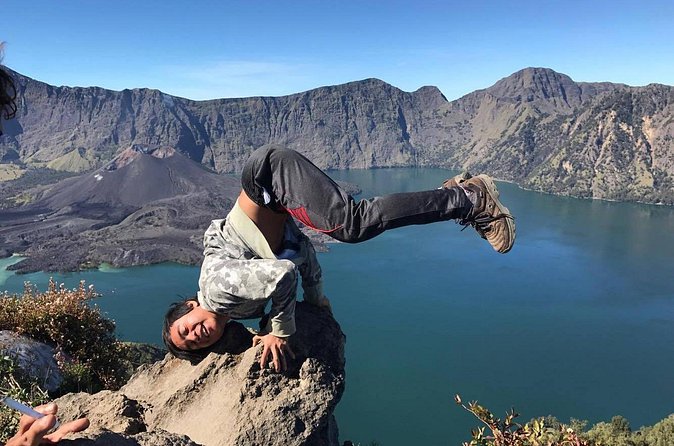
- Crater rim access with clear views into the volcano caldera, including Lake Segara Anak
- Waterfall detours at Sindang Gila and Tiu Kelep on the first day
- Hotel/port pickup and drop-off so you’re not hunting transport
- Food + coffee/tea + snacks included to support a tight schedule
- Free bonus boat transfer to Gili Island after the trek
Fast-Route Rinjani: The Real Deal About Effort vs. Reward
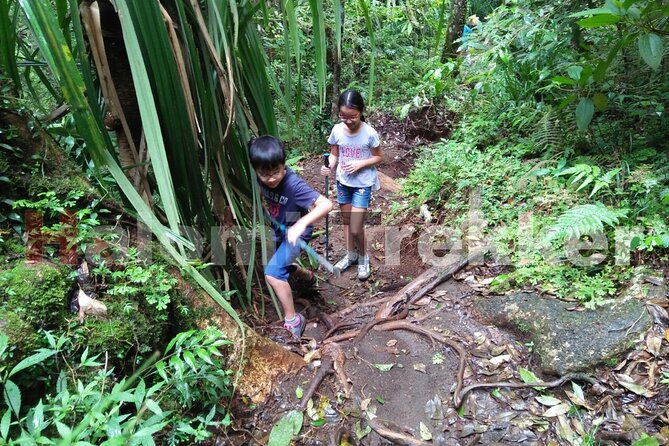
This tour is for hikers who feel limited by time but still want the core Rinjani experience: walking up to the crater rim area around Senaru and soaking in the views. The “fast” part matters because you’re not just strolling to get photos. You’re doing a long day on foot, and then another strong push afterward—just with the route designed to keep you moving efficiently.
The upside is that you get the crater-rim payoff without burning an entire week. The downside is that your body can feel it more quickly than on slower itineraries. If you’ve never hiked at altitude before, go in with realistic expectations: you’re earning the views, not borrowing them.
Good news: the trek spends a lot of time under tree cover. That means you’re less likely to be cooked by sun for hours on end. Your pace still needs to be steady, but the rainforest shade helps a lot.
You can also read our reviews of more tours and experiences in Tetebatu.
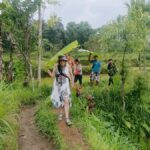
Getting to Senaru and the Waterfall Warm-Up on Day One
You start your Rinjani story in Senaru, with pickup and drop-off handled for you. The day-one timing is important: you need to arrive in Senaru at least 1 hour before sunset. That isn’t a suggestion you can wing—it’s part of keeping the waterfalls and early logistics on track.
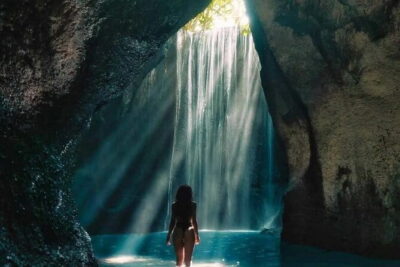
Day one also includes a visit to two waterfall areas: Sindang Gila and Tiu Kelep. Think of these stops as a warm-up in terrain and footing before the crater day. They also give you variety so the trip doesn’t feel like one endless climb.
What I like about this setup is how it changes the feel of day one. Instead of only traveling, you start seeing scenery immediately. Also, waterfall visits often mean short stretches of walking over uneven ground. It’s a good way to test your balance and your shoe grip before the main ascent.
The Day Two Climb: From a Quick Drive to an 8-Hour Trek
On day two, you’re taken from your hotel to the starting point—just a very short drive (around two minutes). Then the trekking begins in earnest.
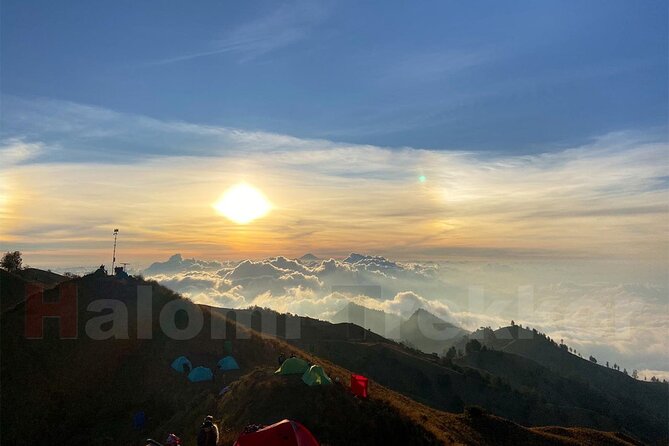
Expect around 8 hours of walking to reach the campsite at the Senaru crater rim. That total includes lunch and breaks, so you’re not trying to eat on the go for hours. Still, 8 hours is a serious block of time on foot, even if you’re fairly fit.
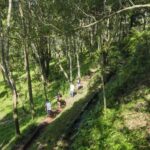
This is where the rainforest advantage shows up. The route goes through tropical rainforest, and you mostly trek in the shade because of the large trees overhead. That’s not a minor detail. Shade can mean the difference between feeling strong and feeling wrecked.
Practical takeaway: pace yourself like you’re protecting tomorrow. Your goal is steady movement, not a sprint to the campsite. If you start too hot, you’ll pay for it in cramps, fatigue, and slower breathing.
You’ll also be working toward the crater rim views—this is the big visual reason to do Rinjani at all. The trail is the mechanism; Lake Segara Anak is the payoff.
Lake Segara Anak and Sunrise: Why the Timing Feels Worth It
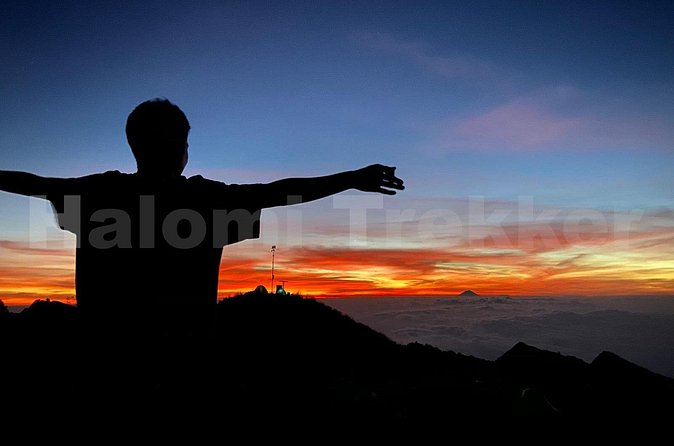
After your first night (1 night accommodation included), you’ll wake up to sunrise and a descent back toward Senaru. The plan includes breakfast and time to enjoy the morning views before you start walking down.
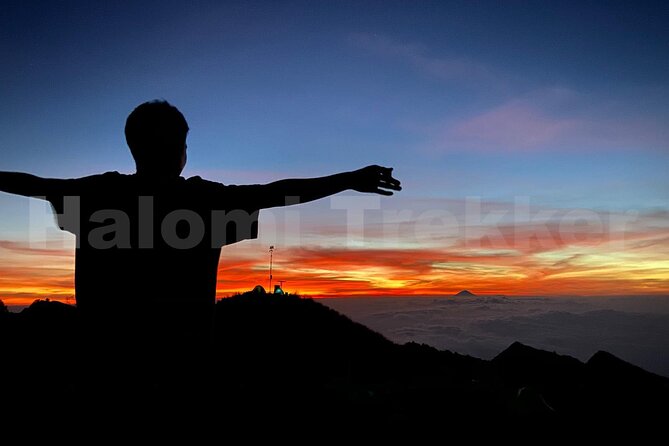
This is one of those travel details that turns into a real memory later. Watching sunrise over a volcanic caldera makes your time on the mountain feel “worth it” in a way a normal viewpoint can’t. You’re not just looking at a landscape; you’re seeing weather and light play across the crater setting.
Then comes the return walk. The descent normally takes about 5 hours, including lunch and breaks, and the trek typically ends around 1:00 PM depending on your speed. Going down is not automatically easier. It’s usually harder on the knees and ankles, and your legs will feel the work of the day before.
Tip from how these treks tend to behave: keep your steps short on the descent. It helps control footing on uneven sections, and it saves your calves from doing extra work.
What’s Included (and What You Still Need to Bring)
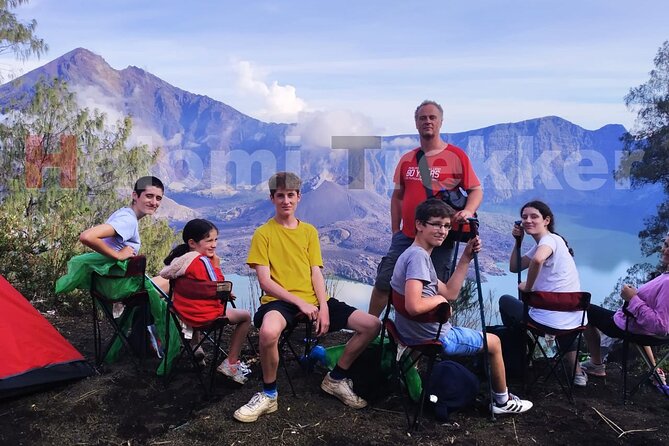
This trip is set up to handle the “you show up and hike” parts. You get:
- Professional local guide and porters
- National park fees and local taxes
- Bottled water
- Coffee and/or tea plus snacks
- Meals: dinner, and breakfast twice; lunch twice
- 1 night accommodation
- Hotel/port pickup and drop-off
From a value standpoint, the meal package matters. On a hike with long walking days, “included food” is not a perk—it’s practical support for energy, hydration timing, and avoiding the hangry spiral.
Now for the stuff they don’t provide. You should bring:
- headlamp/hand torch
- small backpack/daily pack
- trekking shoes
- trekking jacket
- long pants/trousers
Also plan for your own tipping decisions. Tips for guide and porters are not included.
One more practical note: there’s mention of an extra porter for your own luggage not being included. If you’re bringing more than you can comfortably manage, think about how you’ll carry it during the trek days.


Price and Value: Is $279 Fair for Two Days and a Crater Rim?
At $279 per person, this trek sits in the “mid-range for a guided volcano experience” zone, but what makes it feel fair is the bundle.
You’re paying for:
- guided support (guide + porters)
- national park fees
- meals across the walking days
- bottled water, coffee/tea, and snacks
- 1 night accommodation
- hotel/port pickup and drop-off
- a fast, structured route to the crater rim
Most hikes in this category get expensive when you add up park fees, guiding time, and transport separately. Here, those pieces are included, which helps you budget without nasty surprises.
There’s also the human factor. The experience has a 5/5 rating and a 100% recommendation figure based on 85 ratings. That doesn’t guarantee you’ll love it, but it does suggest people commonly feel the organization and value match the effort.
Quick reality check: since the route is fast, you’re buying efficiency, not comfort-slow pacing. If you’re the type who needs extra rest and buffer time, you might find a tighter schedule stressful.
Bonus Boat Transfer to Gili: Turn the Trek Into Island Time
One smart add-on here is the free bonus boat transfer to Gili Island after the trek. That’s a big deal if your goal is to combine volcano hiking with beach downtime without extra transport hassles.
In practice, it means you can treat the trek as your active day, then transition toward a more relaxed pace afterward. It’s also a good way to reduce the risk of scrambling for onward plans the same day you finish hiking.
If you’re pairing Lombok activities, this makes the whole trip feel like a connected story instead of separate errands.
Who This Senaru Crater Rim Trek Fits Best
This is a strong fit for:
- hikers who want the crater rim experience but are short on time
- people who can handle long walking days and elevation-style effort
- couples or small groups who like a private setup (only your group participates)
- travelers who appreciate shaded trails for heat management
It also lists that most travelers can participate, and it’s designed for hikers who are short on time—so beginners are not automatically excluded. That said, the word to remember is “fast route.” Beginners should still go in prepared for a hard effort.
One family note: children must be accompanied by an adult. If you’re traveling with kids, keep expectations grounded about stamina and the realities of a crater-day schedule.
Should You Book Mt Rinjani Trekking 2 Days 1 Night (Senaru Crater Rim)?
I’d book this if you want a guided, organized crater rim experience with real scenery, and you don’t want to spend a week building up to it. The shaded rainforest routing, the clear Lake Segara Anak focus, and the waterfall start give you a full-feeling trip rather than a single long slog.
Don’t book it if:
- you’re not ready for serious exertion on a fast schedule
- you don’t have basic hiking gear lined up (headlamp, trekking shoes, long pants, jacket)
- you prefer lots of buffer time over “let’s get it done” pacing
Also, be aware that this experience is non-refundable and can’t be changed once booked. If your plans might shift, take that seriously before you pay.
If your dates are solid and you’re comfortable with a physically demanding but well-supported trek, this one earns its high marks for a simple reason: it aims straight at the Rinjani highlight, then gets you back with enough day left to keep traveling.
FAQ
What time does the trek start?
Start time is 8:00 am.
How long is the main crater rim hike?
You’ll walk normally about 8 hours on the ascent day, and that total includes lunch and breaks. The descent day is normally about 5 hours including lunch and breaks, with the trek finishing around 1 pm depending on your speed.
What stops are included besides Mount Rinjani?
The first day includes visits to Sindang Gila and Tiu Kelep Waterfall. You’ll also get crater rim views with Lake Segara Anak in the volcano crater.
Is pickup and drop-off included?
Yes, hotel/port pickup and drop-off are included.
What gear is not included?
Head lamp/hand torch, small backpack/daily pack, trekking shoes, trekking jacket, and long pants/trousers are not included.
Is there a transfer to Gili Island after the trek?
Yes. There is a free bonus boat transfer to Gili Island after the trek.