Surabaya feels different up close. This private day tour strings together Surabaya’s Europe, Arabian, and Chinese quarters in 4 to 5 hours, with pickup from your hotel or cruise port and an English-speaking guide who keeps the day moving. I like that it mixes big sights with everyday neighborhoods, so you get both the story and the street life.
I also like the practical pacing and built-in chances to pause for food and browsing, especially around markets like Pabean Fish Market and Mirota Batik. One thing to consider: the depth of explanations can vary by guide, so if you want extra context, ask questions early and keep an eye out for the guide’s style.
In This Review
- Key highlights worth planning for
- How the 4–5 hour private route really works
- Monkasel Submarine Monument: the big-ticket start
- Balai Pemuda: the city square with museum and library under it
- Chinatown and Arabian quarters: markets, temples, and Ampel atmosphere
- Pabean Fish Market and Tugu Pahlawan: workboats to war memory
- Mirota Batik and Sanggar Agung Temple: souvenirs and spiritual landmarks
- Price and value: what $66.01 really buys you
- The guides make the difference (and you can plan around that)
- Tips to make this day feel worth it
- Who this tour suits best (and who might want a different plan)
- Should you book this Private Surabaya Historiculture tour?
- FAQ
- How long is the Surabaya Historiculture private day tour?
- Is pickup offered from a cruise port and hotels?
- Is this a private tour or a group tour?
- What major stops are included in the itinerary?
- Are entrance tickets included?
- What’s included in the price besides the guide and transport?
- What is not included?
- Is there a mobile ticket?
- What is the cancellation policy?
- Is the tour suitable for most people?
Key highlights worth planning for
- Private pickup that fits cruise schedules (a smooth start matters in Surabaya traffic)
- Monkasel Submarine Monument as the standout stop with real-submarine look and solid time budget
- Balai Pemuda city square and its underground museum/library vibe for a Dutch-era contrast
- Quarter-hopping: Chinatown markets + Arabian market around Ampel
- Short, efficient stops that work well when you only have a half day
- Souvenir time at Mirota Batik plus a temple stop in the Chinese quarter
How the 4–5 hour private route really works
This is a private tour, so you go at your group’s pace instead of waiting on a cluster of people who all want different things. The day runs about 4 to 5 hours, and most of the stops are short—think 20 to 30 minutes—so you get coverage without feeling stuck in a single building.
Logistics matter here. You’ll get pickup from your hotel or cruise port, and the driver and guide handle the transitions. In hot weather, that short hop between sights can be the difference between a fun day and a tired one. Many guides also use WhatsApp for coordination, including pre-tour introductions that set expectations for timing and where you’ll go next.
What this tour does well is the mix: monuments, a mosque, working markets, and a batik shop. What it doesn’t do is turn into a long museum marathon. If you’re the type who wants to read every plaque and spend ages inside, you may find the stop lengths a bit tight.
You can also read our reviews of more tours and experiences in Surabaya.


Monkasel Submarine Monument: the big-ticket start
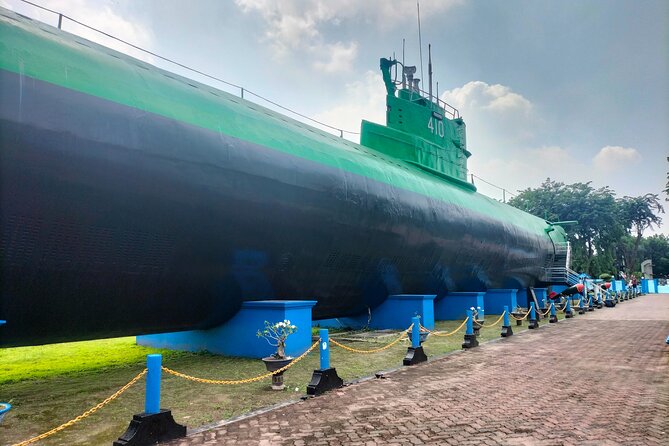
Most people rank this as the first “wow” moment, and for good reason. Stop 1 is Monkasel (Surabaya Submarine Monument), described as the largest submarine monument in Asia, with the real shape of the ship itself. It’s not just a statue photo-op. The point is to give you a physical sense of what a submarine looks like when it’s anchored and preserved.
You’ll get about 30 minutes here, and that’s the sweet spot for a quick look plus a guided walkthrough. The best versions of this tour are guided clearly and fast, so you understand what you’re looking at without feeling rushed through the whole thing.
Also, it’s a smart opener. You start with a strong attraction before the day turns into markets and temples where you’ll walk more and spend time in busier streets. If your ship day gives you limited time, this early anchor helps.
Balai Pemuda: the city square with museum and library under it
Stop 2 is Balai Pemuda, at Surabaya’s City Square area. You’ll walk around and see the space that includes an underground museum and library center. The guide can connect the modern layout to older influences, since the area is described as tied to a Dutch community public place.
You get around 30 minutes. That’s enough to get a sense of the place and grab photos, but not enough for an all-day cultural deep study. Still, this stop is valuable because it gives you a break from markets and reminds you that Surabaya has layers—colonial-era planning influences, then later civic use.
Practical note: because it’s a walk-and-look stop, wear comfortable shoes. Even if the walking time isn’t huge, you’ll likely move around uneven sidewalks and through busy entrances.
Chinatown and Arabian quarters: markets, temples, and Ampel atmosphere
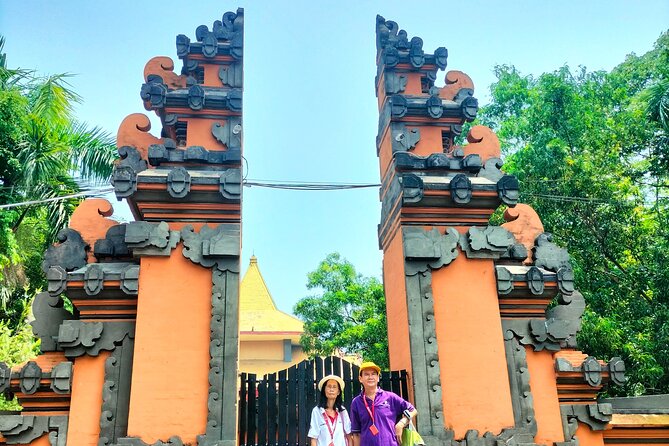
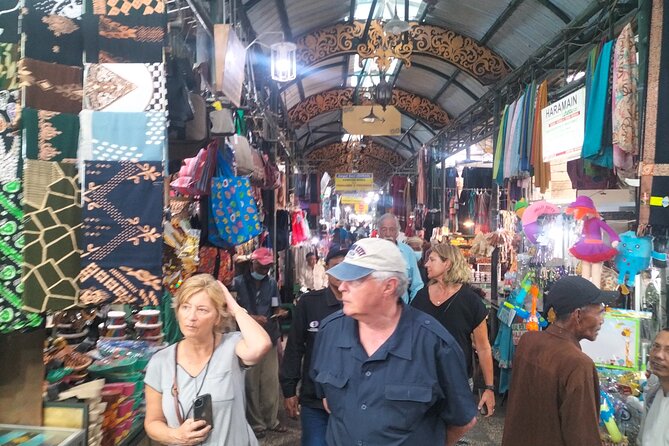
The heart of the route is the quarter-hopping idea. You’ll pass through the Chinese quarter and see the street setup—markets, street food, and Chinese temple scenes. This is where the tour shifts from “historic building” mode to “daily life” mode.
Then you head to Sunan Ampel Great Mosque and the Ampel Arabian Market area. This is Stop 3, with about 30 minutes and free admission. The mosque is the cultural anchor, while the market adds the texture: people moving, snacks and stalls, and the kind of browsing you can do without needing a long explanation.
This part is often what makes people remember Surabaya as more than monuments. It’s also where a guide’s style matters. Some guides do a great job tying together why those quarters feel different from each other. Others keep it more surface-level. If you care about the “why,” ask one or two targeted questions right here—something like how these quarters formed and what you should notice in temple or market life.
Pabean Fish Market and Tugu Pahlawan: workboats to war memory
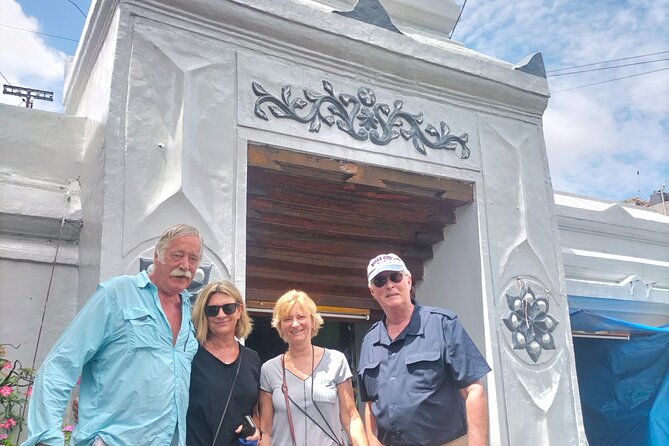
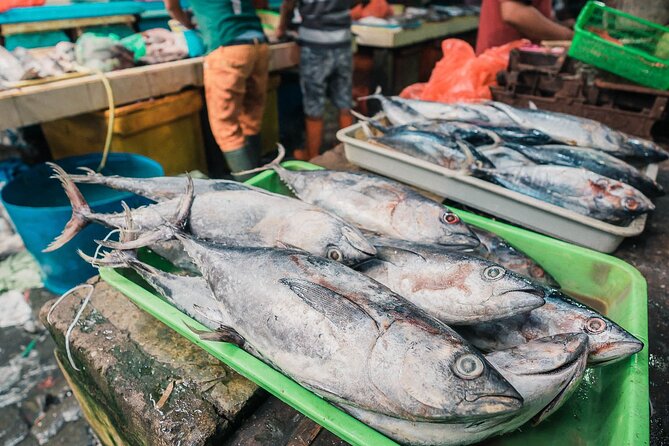
Stop 4 is Pabean Market, a traditional fish market with free admission. Expect a short stroll (about 20 minutes) where you can see how fisherman gather and how fresh fish is handled in a market setting. This is one of those moments that doesn’t need grand architecture to be meaningful, because the place is doing what it’s supposed to do.
A quick market stop can be great if you’re doing a half day. It’s enough time to watch the flow, take a few photos, and then keep moving. If you’re sensitive to strong smells or crowded spaces, go in with your expectations set and keep your time short.
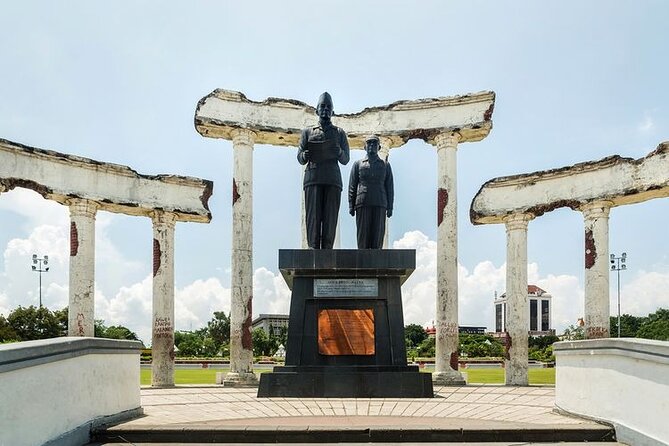
Stop 5 is Tugu Pahlawan (Heroes Monument), about 30 minutes with entrance included. This is where the tour pulls you back from the everyday into a national story about Surabaya and the Battle of Surabaya. It’s a monument stop designed to make the name City of Heroes feel real, not just like a slogan.
Put together, Pabean and Tugu Pahlawan cover two sides of the city: survival and pride. That mix works well in a short day because you don’t have to choose one theme.





Mirota Batik and Sanggar Agung Temple: souvenirs and spiritual landmarks
After monuments and markets, you’ll get shopping time at Mirota Batik, Stop 6. It’s about 1 hour, with free admission noted. This is a hands-on place for souvenirs—batik items, handicrafts, and a range of gift ideas like bags and accessories. If you want something practical to take home, this is one of the safest bets on the itinerary because you’ll have enough time to compare and choose.
It also helps that the stop is longer than the photo stops. An hour lets you browse without feeling like you’re being marched through.
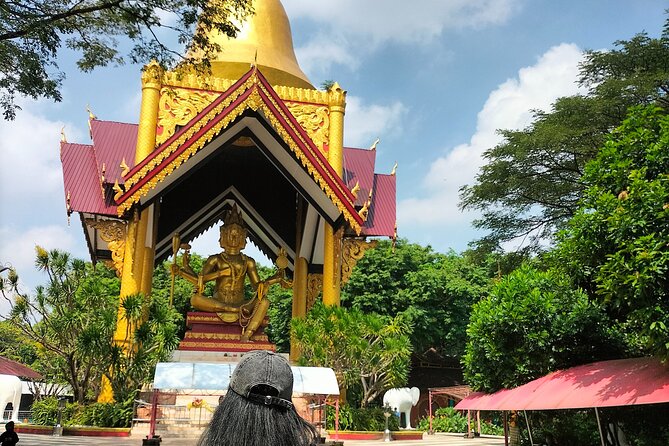
Stop 7 ends the tour with Sanggar Agung Temple (Kelenteng Sanggar Agung) in the Chinese quarter area, described as having four faces Buddha. This is about 30 minutes with entrance included. It’s a fitting final stop because you started the day with a submarine monument (big, technical, physical) and end with something spiritual and symbolic.
If you’re photographing religious sites, keep it respectful and follow any guidance from your guide. Quick movement usually makes it smoother for everyone.
Price and value: what $66.01 really buys you
At $66.01 per person, you’re not just paying for a drive and a ticket. Your price includes:
- Private transportation (not a shared bus)
- Private tour guide
- Entrance fees and landing/facility fees
- Bottled water
- Fuel surcharge and parking fees
That matters because Surabaya can include surprise costs when you add up entrances and transport in a short day. Here, the big costs are already handled.
Now, the fair caution: because most stops are brief, you’re paying for efficient coverage, not long museum time. If the guide’s explanations are strong, the value feels excellent. If the guide keeps things light and you want deeper context, you might feel like the day was mostly walking through locations rather than learning from them.
Still, for a first Surabaya overview—especially on a cruise day—this kind of priced private route is a decent deal. It’s built around getting you from one highlight to the next without wasting your limited hours.
The guides make the difference (and you can plan around that)
This tour is a “people and timing” experience. Many of the best comments are about guide communication and English clarity. Names that stood out include Elvira, Ellen, Rina (Nisrina), Ins, Pram, Zidny, Ryan, Nabiilah, and drivers like Andri, Bima, Vincent, and Farya.
A few practical patterns show up again and again:
- Guides often use WhatsApp to confirm details and introduce themselves.
- Good guides explain what you’re seeing in plain language and keep track of how much time you have.
- On tight cruise schedules, the best guides plan backward so you know how long it takes to get back.
The one recurring downside is guide inconsistency. One person found the guide pleasant but not able to explain much beyond the itinerary. That’s not a deal breaker, but it is a reason to speak up quickly: ask what makes each stop important and what you should look for.
Tips to make this day feel worth it
Here’s how to get the most from this route without getting worn out:
- Ask for focus early. If you care about history, say it at the start. If you care more about markets and photos, say that too.
- Wear comfy shoes. You’re doing walking at several stops: city square areas, markets, and quarter streets.
- Plan for heat and short transitions. The itinerary is structured to keep you moving, so protect yourself with water and take breaks when offered.
- Use the market time wisely. The street food and market browsing parts are short, so decide early whether you want snacks or shopping.
- If you’re on a cruise day, confirm the pickup window. The tour is designed to handle cruise schedules, but you still want a clear return timing.
If you keep those in mind, you’ll get a smoother day that feels like a real introduction to Surabaya’s character.
Who this tour suits best (and who might want a different plan)
This tour is ideal for you if:
- You want a first-time overview of Surabaya highlights in one half day
- You prefer private guiding over group tours
- You like a mix of monuments plus markets and shopping
- You’re visiting from a cruise port and need a clean schedule
You might want to consider something else if:
- You want long, slow museum time at each stop
- You need deep, lecture-style history at every location
- You’re very sensitive to market crowds and street-level noise
Also, keep your expectations realistic. Surabaya isn’t staged for tourists like some cities. This route works best when you enjoy everyday scenes as much as monuments.
Should you book this Private Surabaya Historiculture tour?
I’d book it if you want a compact, well-organized introduction to Surabaya with the core highlights: Monkasel, the civic stop at Balai Pemuda, the quarter mix around Ampel, Pabean Fish Market, Tugu Pahlawan, and a closing mix of batik shopping and Sanggar Agung Temple.
I wouldn’t book it expecting a slow, museum-heavy day. And if you’re the type who needs lots of narration at every stop, send a note in advance asking your guide to focus on explanations, or be ready to ask follow-up questions as you go.
If you want a practical half day that helps you understand the city by moving through it, this one fits.
FAQ
How long is the Surabaya Historiculture private day tour?
It runs about 4 to 5 hours.
Is pickup offered from a cruise port and hotels?
Yes. Pickup is offered from your hotel or cruise port.
Is this a private tour or a group tour?
It’s private, meaning only your group participates.
What major stops are included in the itinerary?
The tour includes Monkasel (Submarine Monument), Balai Pemuda, the Chinese quarter area, Sunan Ampel Great Mosque, Pabean Market, Tugu Pahlawan, Mirota Batik, and Sanggar Agung Temple.
Are entrance tickets included?
Yes. Entrance fees are included, and several stops are listed as free admission (such as Sunan Ampel Great Mosque, Pabean Market, and Mirota Batik).
What’s included in the price besides the guide and transport?
Bottled water, landing and facility fees, private tour guide, fuel surcharge, and parking fees are included.
What is not included?
Personal expenses are not included.
Is there a mobile ticket?
Yes, mobile ticket is mentioned as a feature.
What is the cancellation policy?
Free cancellation is available up to 24 hours in advance for a full refund. If you cancel less than 24 hours before the start time, the amount paid is not refunded.
Is the tour suitable for most people?
Most travelers can participate. It also notes being near public transportation.