Wildlife rescue in Bintan feels close-up. Safari Lagoi Eco Farm is set up as a refuge center for endangered Indonesian animals, and the tour is built around rescued stories—many linked to the illegal pet trade and exotic meat markets. I especially like how the English live guide frames what you’re seeing, from injury and illness care to long-term support for animals that can’t be released.
You’ll also get a real change of pace with the eco farm walk, including tropical crops and photo-worthy lavender and sunflower patches. I like that the tour doesn’t end at animals—your finish is ginger tea plus rujak made with farm-harvested ingredients. One possible drawback: this is a conservation setting, not a theme park, so the place can feel emotionally heavy and not everyone loves the upkeep.
In This Review
- Key things to know before you go
- Where Safari Lagoi Eco Farm fits on Bintan’s map
- The 90 minutes: the tour rhythm you can actually fit in
- Pickup and the resort-area transfer
- Safari Lagoi Eco Farm: rescued animals and the care approach
- Bird sanctuary stop: rare birds you might not expect in Bintan
- Eco farm stroll: tropical crops plus lavender and sunflowers
- Ginger tea and rujak: where the farm story lands
- What you’ll see: endangered Indonesian fauna (and why that matters)
- The eco farm side: crops, meaning, and good photo stops
- Food and taste: ginger tea and rujak after the walk
- Price and value: what you get for about $27
- What to bring (and what will make it easier)
- Who should book Safari Lagoi Eco Farm (and who should reconsider)
- Should you book Safari Lagoi Eco Farm in Bintan?
- FAQ
- How long is the Safari Lagoi & Eco Farm experience?
- What does the $27 per person price include?
- Do I get hotel pickup in Bintan?
- What animals and birds are part of the refuge center visit?
- What should I bring?
- Is free cancellation available?
Key things to know before you go
- A conservation-first visit focused on rescued animals and continued care, not quick animal tricks
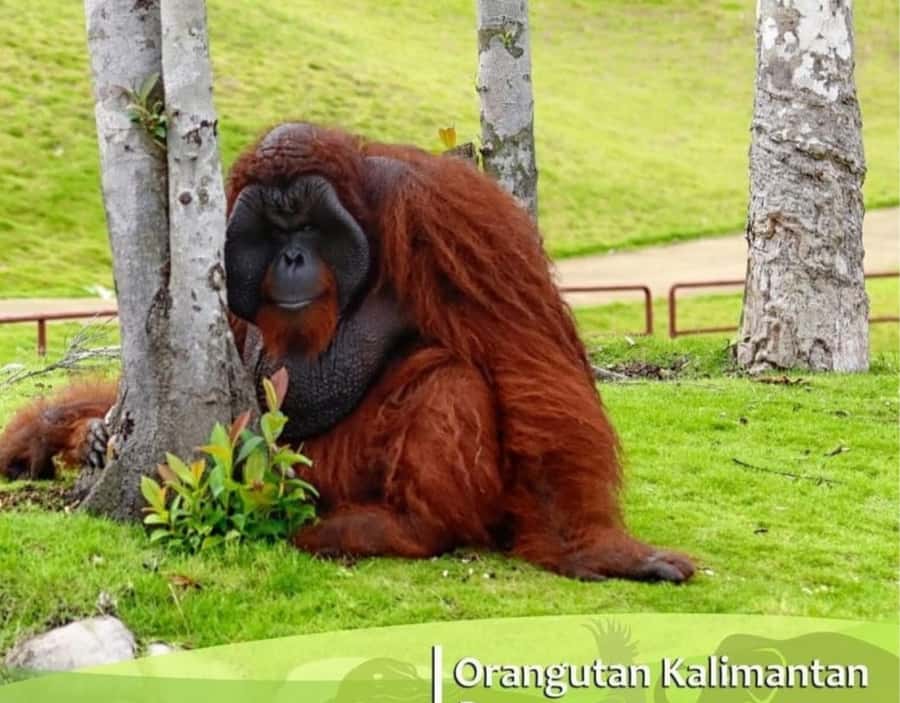
- Endangered species variety including Sumatran tigers, sun bears, Komodo dragons, orangutans, and more
- Bird sanctuary encounters with rarer birds like lories, eagles, and vultures
- Eco farm time with tropical crops plus Instagram-friendly lavender and sunflower areas
- Food finish: ginger tea and rujak tied to ingredients grown on site
- Hotel pickup in the Bintan Resorts area (and a small cash surcharge outside it)
Where Safari Lagoi Eco Farm fits on Bintan’s map
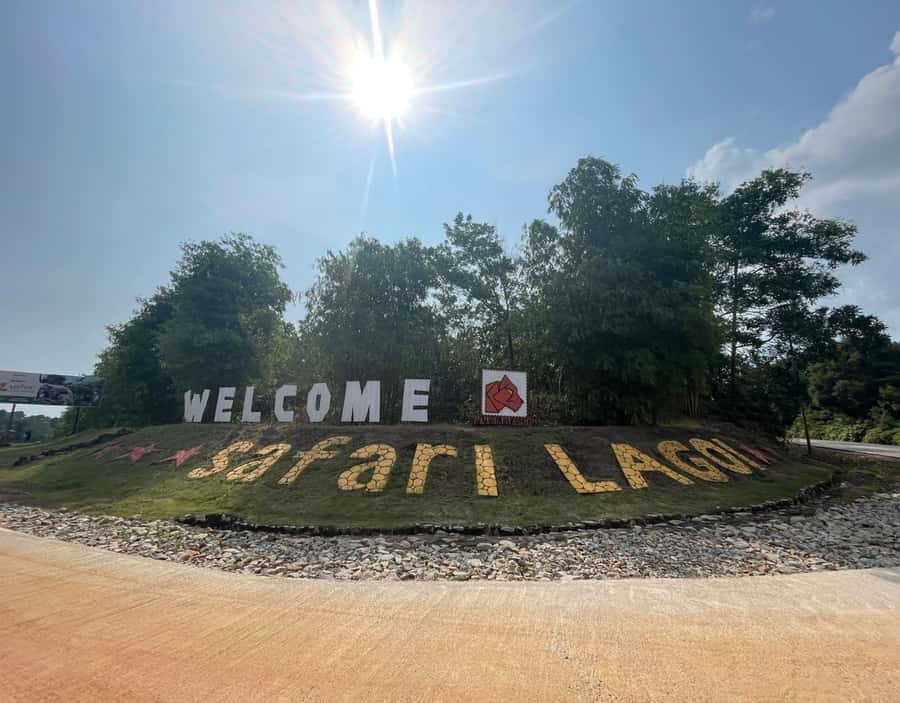
If you’re staying in the Lagoi zone, this works like a smooth, low-effort add-on to a vacation that’s mostly beaches and resort time. Safari Lagoi Eco Farm is located inside Bintan Beach International Resorts, a well-known integrated resort area on Bintan Island. That matters because the day stays simple: you get pickup, a guided visit, and you’re back without having to plan a separate transport puzzle.
What makes the place interesting is the mission. Safari Lagoi is described as Bintan’s sole refuge center for endangered Indonesian fauna. In other words, you’re not just watching animals. You’re seeing a care system—where animals and birds are largely rescued from illegal pet trade and exotic meat markets, or brought in sick and injured and treated on-site.
That conservation angle is also why you’ll want the right mindset. If you’re the type who wants only cheerful, glossy sights, this might feel a bit too real.
You can also read our reviews of more tours and experiences in Bintan Island.



The 90 minutes: the tour rhythm you can actually fit in
This experience runs about 90 minutes, and that time structure is one of its best practical advantages. It’s long enough to learn what’s going on, but short enough that it won’t wreck your whole day.
Here’s what your flow looks like, in plain terms:
Pickup and the resort-area transfer
You’ll have hotel pickup and drop-off, which is perfect if you’re not eager to negotiate local logistics. The pickup list is specific to the Bintan Resorts Area, with examples like Lagoi hotels and resorts and nearby resort zones. If your hotel sits outside that area, there’s a cash surcharge mentioned: IDR 200K per adult and IDR 100K per kid.
You’ll also want to show up early. The guidance is to arrive 10 minutes before departure time. That small buffer makes the day feel calm instead of rushed.
Safari Lagoi Eco Farm: rescued animals and the care approach
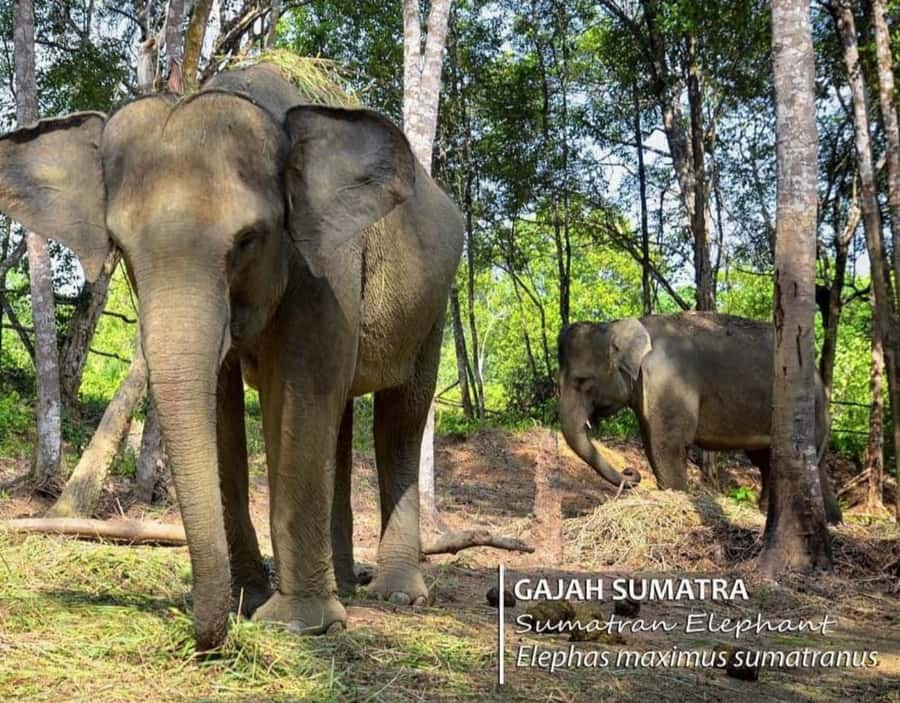
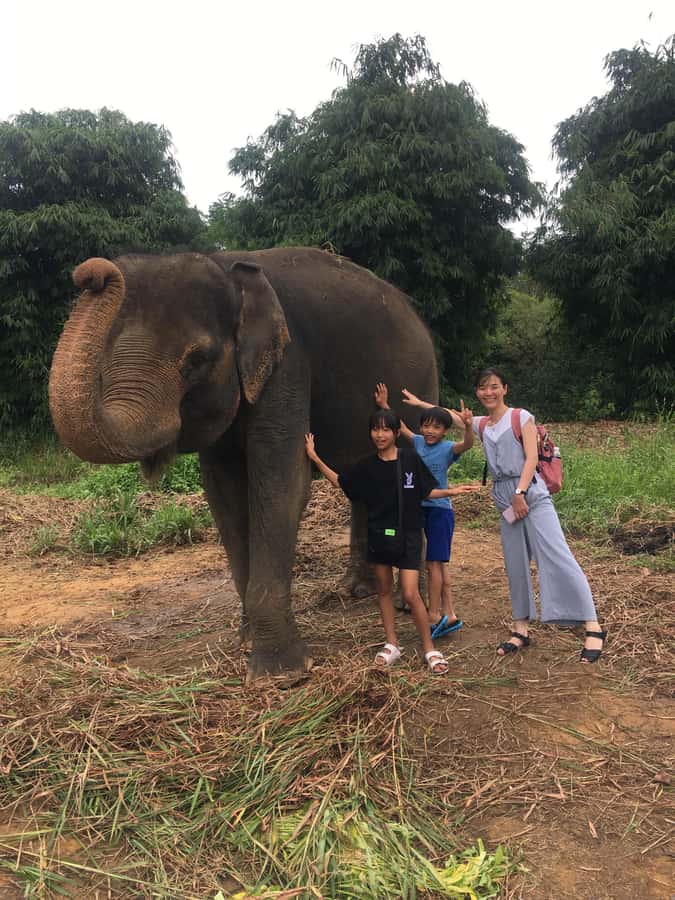
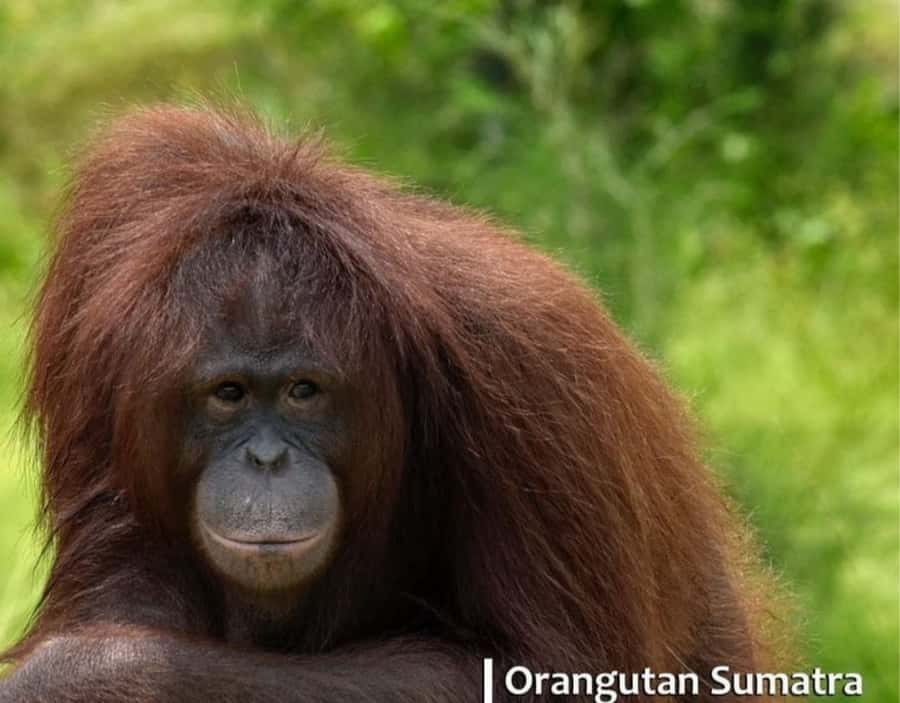
Once you’re at the eco farm, you’ll follow the guide through the animal areas. The key thing to understand is that the center houses animals including Sumatran Tigers, Sun Bears, Komodo Dragons, Estuarine Crocodiles, Orangutans, and Sumatran Elephants, plus more. The tour isn’t presented as a display where animals are performing. It’s framed as a refuge where many individuals are staying because they’re deemed incapable of survival if released into the wild, and they receive continued quality care.
You may encounter a mix of animal enclosures and sanctuary-style areas where the focus is on what happened to each group. From a value perspective, that’s what turns this from “look, animals” into “why this work matters.”
Bird sanctuary stop: rare birds you might not expect in Bintan
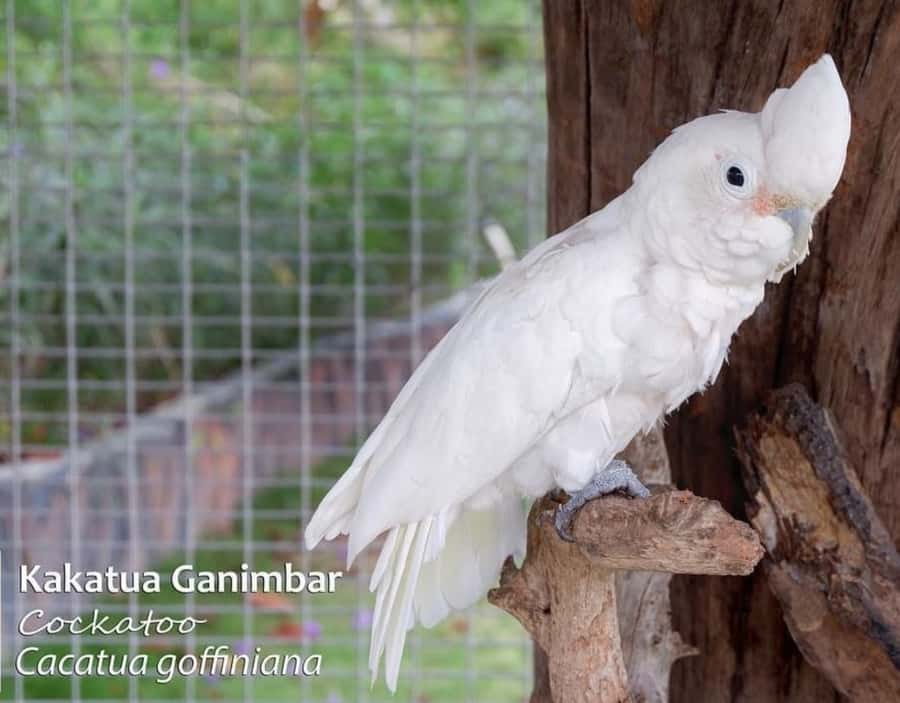
One of the most memorable segments is the bird sanctuary. The info specifically calls out rare birds such as lories, eagles, and vultures.
Even if birds aren’t your main interest, this stop is worth your attention because it broadens the conservation lens. You’re not only seeing mammals—you’re seeing a rescue and rehab system that includes birds with very different needs and threats.




Eco farm stroll: tropical crops plus lavender and sunflowers
Then the day shifts gears. You’ll stroll the eco farm and see crops including bananas, corn, dragon fruit, mulberries, papayas, peanuts, rice, and more.
And yes, you’ll get those photo moments people usually chase on vacation. The tour mentions cultivated lavender and sunflower patches, which are a nice change from resort landscaping—especially in a place that already has a conservation narrative.
The practical tip here: bring your camera, but also keep water and sun in mind. Outdoor walking plus tropical light can turn a 90-minute tour into a sweaty one if you don’t prep.
Ginger tea and rujak: where the farm story lands
At the end, you’ll sample ginger tea and rujak, described as a refreshing salad made from fruits and ingredients harvested from the farm, dipped in a sweet and savory thick sauce.
This is more than a snack stop. It’s the wrap-up that connects the animal rescue and the farm side of the mission. If you enjoy food that tells a story, this finish is genuinely satisfying.
What you’ll see: endangered Indonesian fauna (and why that matters)
Safari Lagoi Eco Farm isn’t trying to be a huge zoo. It’s built around specific endangered and protected species, and the tour description is very clear about the origin of many animals: rescue from illegal pet trade and exotic meat markets, plus care for sick or injured animals.
That matters for how you interpret the experience. When the tour explains that many animals can’t be released back into the wild, it changes the emotional temperature. You aren’t visiting a temporary pit stop. You’re seeing a reality where long-term care is required.
Here’s a quick species map so you know what’s in the mix:
- Sumatran Tigers: part of a major conservation focus for Indonesia and the region
- Sun Bears: rescued and nursed as needed through on-site care
- Komodo Dragons and estuarine crocodiles: reptiles with tough survival stories in the wild
- Orangutans: a powerful, high-attention species that also needs specialized welfare
- Sumatran Elephants: another indicator of how the refuge covers multiple animal categories
- Rare birds like lories, eagles, and vultures at the bird sanctuary
Now, a balanced note from what you should expect: a conservation refuge can feel different from a manicured park. One negative experience in the available feedback notes concerns about upkeep and felt sadness for the animals. That doesn’t change the fact that the purpose is rescue and care—but it’s worth considering if your comfort level depends heavily on visual polish.
The eco farm side: crops, meaning, and good photo stops
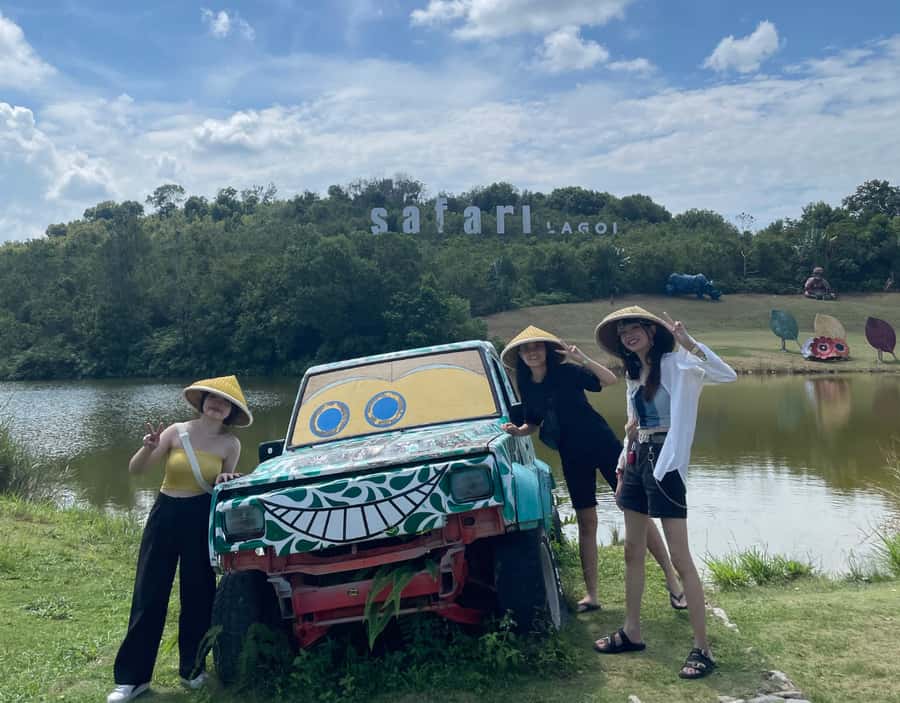
The eco farm isn’t just background scenery. You’ll actually walk through cultivated areas and see a list of crops that spans fruit, grains, and more: bananas, corn, dragon fruit, mulberries, papayas, peanuts, and rice, plus other tropical plants.
Why that’s valuable: it adds a second conservation channel. The animal rescue work gets the spotlight, but the farm time shows an ecosystem approach—supporting food-growing practices and education through everyday crops.
And the lavender and sunflower patches add a practical upside for your own vacation planning. If you’re traveling with kids, or you want a break from heavy animal emotions, these bright garden-style areas give you something lighter to focus on while still staying in the same overall setting.
Food and taste: ginger tea and rujak after the walk
The ending snack is ginger tea plus rujak—a fruit-and-ingredient salad served with a sweet and savory thick sauce. The rujak is described as using ingredients harvested from the farm, so you’re not eating random packaged food at the end.
If you’re the type who likes to use tours as a chance to try local flavors, this part is easy to enjoy. If you’re sensitive to strong flavors, it’s a good idea to pay attention to what’s in the rujak mixture when you’re offered the sample—though ingredient specifics beyond fruits and farm ingredients aren’t listed.
Either way, this stop is a nice way to turn the tour into more of a complete experience rather than just a quick walk-through.
Price and value: what you get for about $27
The price is listed at $27 per person for about 90 minutes. That cost includes hotel pickup and drop-off and entry ticket to Safari Lagoi Eco Farm. You’re also getting a live English tour guide, plus the tour format includes skip-the-ticket-line and a private-group setup.
How I think about value: you’re paying for three things at once—
1) transport support,
2) guided interpretation (important for a conservation story), and
3) a structured time slot that doesn’t take over your day.
If you’re staying in the resorts area, pickup is a big value lever. If you’re outside it, the cash surcharge (IDR 200K adults, IDR 100K kids) nudges the total cost up, but it still keeps you from having to organize separate transport.
So, value is strongest when:
- you want a guided conservation visit without planning logistics, and
- you like a mix of animals + eco farm + a simple food finish.
What to bring (and what will make it easier)
This is a place where you’re walking outdoors and standing and looking around for a while. The suggested packing list is practical:
- Sunglasses and sunscreen (sun can be intense)
- Camera (for animals and farm patches)
- Change of clothes (helpful if it gets sweaty)
- Biodegradable insect repellent
- Cycling clothing and hiking pants (use what matches your comfort)
- A first aid kit
- If you have it, cooking equipment is listed, though that may not be relevant for every guest—pack only if you know you’ll use it
Also consider bringing a bottle of water even though water isn’t listed. It’s not extra gear; it’s basic comfort for a tropical outdoor stroll.
Who should book Safari Lagoi Eco Farm (and who should reconsider)
This experience includes walking and a close-up conservation setting. It’s not labeled as extreme, but it does have clear suitability limits:
- Not suitable for people with high blood pressure
- Not suitable for people over 309 lbs (140 kg)
Also, think about your emotional comfort level. A rescue center can tug at your heart because many animals are there due to past harm and cannot return to the wild. If you’re okay with that reality, you’ll likely find the mission meaningful.
On the positive side, the available feedback includes praise for friendly guides and for the tour being interesting and worth doing with a proper explanation of the team’s work. That’s a strong sign that the guide’s framing matters—especially here.
Should you book Safari Lagoi Eco Farm in Bintan?
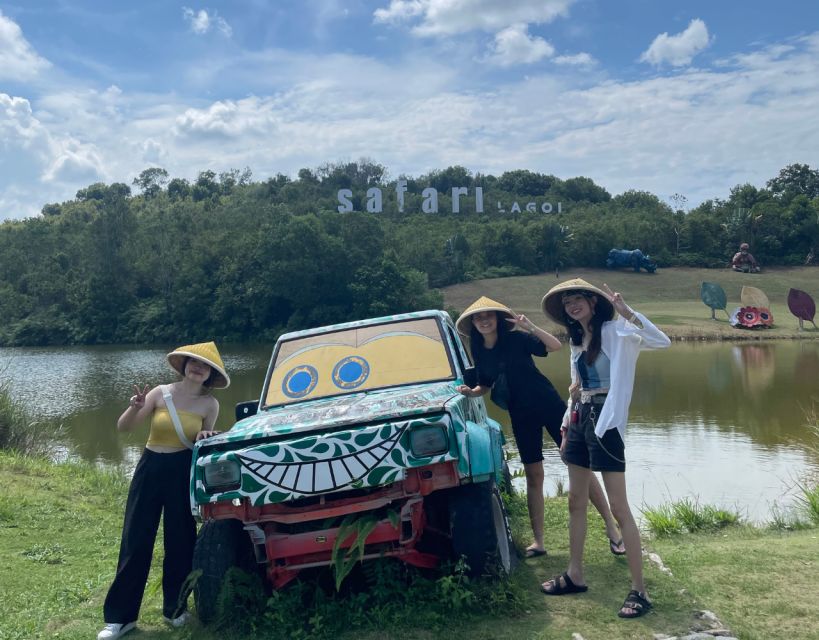
If you want a short, guided dose of conservation + education with actual on-site farm elements, I’d say it’s a smart booking. The 90-minute format is easy to fit, the pickup makes it low hassle, and the end-food moment (ginger tea and rujak) makes it feel like more than just a quick stop.
If you strongly dislike emotionally heavy animal settings or you’re picky about how perfectly maintained a place looks, you might want to think twice. Conservation isn’t glossy. It’s care in real conditions.
My recommendation:
- Book it if you like guided explanations, animals, and eco-farm culture in one tight timeline.
- Consider carefully if your comfort depends on the site feeling highly polished and lighthearted.
FAQ
How long is the Safari Lagoi & Eco Farm experience?
The duration is listed as 90 minutes.
What does the $27 per person price include?
It includes hotel pickup and drop-off plus the entry ticket to Safari Lagoi – Eco Farm.
Do I get hotel pickup in Bintan?
Yes. Pickup is listed for hotels in the Bintan Resorts Area. Outside that area, there is a cash surcharge of IDR 200K per adult and IDR 100K per child paid to the driver.
What animals and birds are part of the refuge center visit?
You can expect to see animals including Sumatran Tigers, Sun Bears, Komodo Dragons, Estuarine Crocodiles, Orangutans, Sumatran Elephants, and more. The bird sanctuary includes rare birds such as lories, eagles, and vultures.
What should I bring?
The suggested items are sunglasses, change of clothes, camera, sunscreen, cycling clothing, hiking pants, cooking equipment, first aid kit, and biodegradable insect repellent.
Is free cancellation available?
Yes. You can cancel up to 24 hours in advance for a full refund.