Currents and sharks in one day. This certified scuba outing targets Gili Tepekong and Gili Mimpang, with the kind of wildlife you don’t get on casual reef stops. You’re looking for whitetip reef sharks, plus the chance of turtles and even mola mola out in the deeper water.
I also like the small-group setup: one leader for max 4 certified divers, which matters a lot when currents get “interesting.” The one real consideration is that these sites are known for strong, tricky currents, so you’ll want solid comfort in moving water.
In This Review
- Key things to know before you go
- Why Gili Tepekong and Gili Mimpang suit experienced divers (and not everyone)
- The 7:30 am start: logistics that affect how relaxed you feel
- From pickup to the boat: what the tour includes to reduce friction
- Small-group safety on current-heavy reefs: the leader-to-diver ratio
- Stop 1: Padang Bai Fishing Village—your launch point
- Underwater session at Gili Mimpang: sharks, caverns, and the deeper-water wow factor
- Underwater session at Gili Tepekong: Tepekong Pinnacle, schooling fish, and pygmy seahorses
- What you’re likely to see: a realistic species checklist
- Equipment, lunch, and the small comfort wins that add up
- Price and value: is $173 for two sessions a smart call?
- Who should book this outing (and who should choose something easier)
- Should you book? My practical take
- FAQ
- FAQ
- How many underwater sessions are included for certified divers?
- Is pickup included?
- Where does the trip start?
- How long is the outing?
- What is the maximum group size?
- How many certified divers does each leader handle?
- Is lunch included?
- Do I need to bring scuba equipment?
- Do I need a PADI medical form?
- What happens if the weather is poor?
Key things to know before you go
- Two major sites for experienced certified divers: Gili Mimpang and Gili Tepekong
- Tight leader ratio: one guide for max 4 certified divers
- Wildlife targets: whitetip reef sharks, turtles, and possible mola mola
- Tepekong Pinnacle highlights: schooling fish and pygmy seahorses
- Longish travel day: minivan toward Sanur, then a jukung boat from Padangbai
- Expect current work: these spots are recommended only for experienced divers
Why Gili Tepekong and Gili Mimpang suit experienced divers (and not everyone)
If you’re chasing bigger moments underwater, Gili Tepekong and Gili Mimpang are the kind of names that carry weight. This day is built for certified divers who already know how to control buoyancy and handle themselves when conditions shift. The sites are described as especially exciting, but also strongly current-driven—so the tour is not trying to be a gentle starter experience.
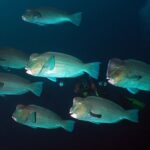
Here’s the appeal: you’re not only hoping for a good mix of fish. The sites are known for the dramatic stuff—tunnels and caverns where whitetip reef sharks can be spotted, plus the deeper-water wildcard of mola mola if you’re lucky with depth and visibility. Add turtles swimming through the scene and schools of Oriental sweetlips and snappers, and you’ve got a day that can feel busy in the best way.
The tradeoff is that you’ll have to work a bit. Strong and tricky currents are part of the package here. If currents make you tense, or if you don’t feel steady when you’re drifting with water movement, this is exactly the wrong “first real outing” to try.
You can also read our reviews of more tours and experiences in Kuta.

The 7:30 am start: logistics that affect how relaxed you feel
This is a long day—about 9 hours, typically starting at 7:30 am and finishing around 4 pm. It’s the kind of schedule where “what time you start” matters just as much as “what sites you do,” because you’ll spend real energy on getting to the launch point.
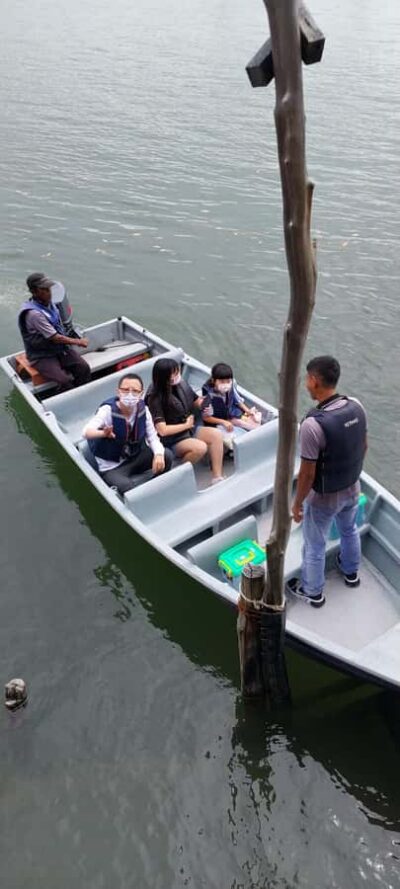
Your route is a combo: first a roughly 1-hour minivan ride from the Sanur area, then about 30 minutes by traditional Indonesian jukung boat from Padangbai. That means you’re dealing with both road time and sea transfer time, and those add up.
Also, you’re not going out with an enormous crowd. The tour has a maximum of 18 travelers, and the leader-to-diver ratio is kept small once you’re actually in the water (more on that shortly). In practice, that usually makes the morning briefing and in-water pacing feel tighter, which matters for safety on current-heavy sites.
One practical tip: treat this as an early, active day. Plan to be ready for pickup and get hydrated before you leave—bottled water is included, but you’ll still feel better if you start the day calm and fueled.
From pickup to the boat: what the tour includes to reduce friction
This tour is designed to take the hard parts off your plate. You get hotel pickup and transportation in an air-conditioned vehicle with WiFi. You’ll also have a mobile ticket, which generally makes things smoother once you arrive.
Once you’re at the water-launch area, you shift to the jukung boat transfer. The overall format is simple: boat-based operations, two planned underwater sessions, and a restaurant lunch on the day.
Here are the included comforts that actually matter:
- Lunch at the restaurant
- Bottled water
- Shower and use of a towel afterward
- Scuba equipment included
That shower/towel detail is underrated. After a day of salt air, gear handling, and long transfers, it’s a real quality-of-life win.
Small-group safety on current-heavy reefs: the leader-to-diver ratio
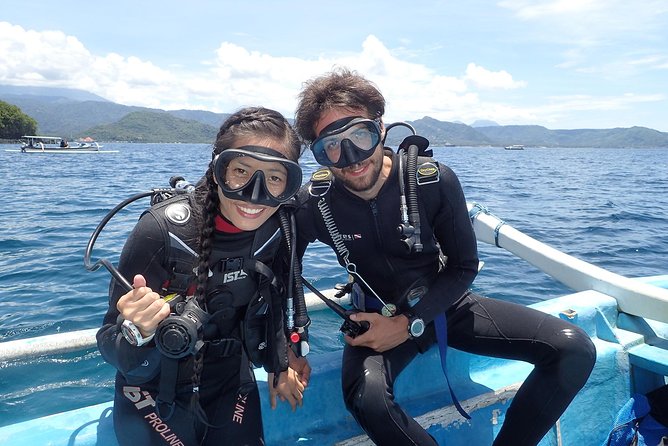
For sites known for strong currents, the number one thing I’d look for is control and communication. This operator runs with a diving ratio of one leader for max 4 certified divers. That’s the kind of group size that helps you stay aware of what’s happening around you and follow guide cues quickly.
It also matches what comes through in feedback about the operation: people highlight experienced guidance, impeccable safety, and equipment that’s well maintained. One review called out how organized the shop was before and during the day, which is important when you’re dealing with conditions that can’t be “fixed” once you’re out at sea.
I’ll also point out a personal detail from guide-related feedback: Branko was mentioned by name as a standout underwater guide who showed lots of things, including smaller, unexpected behaviors. Even if you’re focused on the headline animals, this kind of guide attention tends to make the day feel fuller.
Stop 1: Padang Bai Fishing Village—your launch point
The first listed stop is Padang Bai Fishing Village. Practically, this is where the day becomes water-focused: it’s your transition from the land transfer to the boat portion, and it’s the staging area for loading and getting everyone organized.
Even though Padang Bai is just a waypoint in the schedule, it’s still a real part of your experience. If you’re the type who gets restless waiting around, you’ll want to be mentally ready for a short period of getting equipment sorted and getting everyone aligned before heading out.
The upside is that this tour keeps the flow structured. You’ve got a defined start time, a defined return time, and a clear “two underwater sessions” plan on the water. That helps the day feel purposeful instead of chaotic.

Underwater session at Gili Mimpang: sharks, caverns, and the deeper-water wow factor
Gili Mimpang is one of the two main targets for this certified outing, and it’s described as a top option for experienced divers. The highlights here focus on two themes: structure and big-moment wildlife.
You’re looking for tunnels and caverns—the kind of underwater terrain where predators can use angles, shadows, and cover to move close without feeling random. The tour specifically calls out whitetip reef sharks as possible sightings, which is a great signal that the site is more than just “pretty fish.”
There’s also a mention of seeing mola mola in deeper water. That’s the kind of animal that often comes down to depth, conditions, and luck, but having it on the target list tells you the operation expects opportunities beyond the typical shallows.
And yes, turtles are in the mix too. The way the description pairs them with sharks and deeper-water sightings suggests you’ll likely spend time where these animals can cross paths with currents and bait movement—not just on a flat sandy area.
One more detail that matters for planning: these sites are recommended only for experienced divers because currents can be strong and tricky. So at Mimpang, don’t treat movement like an inconvenience. Treat it like part of the scenery.
Underwater session at Gili Tepekong: Tepekong Pinnacle, schooling fish, and pygmy seahorses
If Mimpang is about animal energy and structure, Tepekong Pinnacle leans into a mix of fish activity and the small-stuff you can miss if you move too fast.
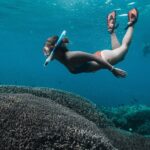
The description highlights that Tepekong Pinnacle’s coral reef is covered by schooling fish, with lots of Oriental sweetlips and snappers mentioned. That matters because schooling fish patterns often make the whole experience feel less like one long wait and more like an ongoing show.
Then it adds a “tiny but memorable” feature: pygmy seahorses. This is the kind of animal that can be incredibly easy to overlook on a busy day if you’re not paying attention. A good guide’s job is to slow you down at the right times—so you don’t blast past the small stuff while chasing the bigger headlines.
Also note the tour description includes turtles here as well. So you’re not choosing between turtles and pinnacles—you’re choosing a site that’s meant to deliver both.
Current note again: Tepekong is part of why this tour is for experienced divers only. If you’re comfortable maintaining control while conditions change, you’ll be in the right mindset. If you’re not, you’ll feel it.
What you’re likely to see: a realistic species checklist
Based on the tour description, here’s what you can reasonably expect the guides are hunting for during these two reef sessions:
- Whitetip reef sharks (including potential sightings around tunnels/caverns)
- Turtles
- Mola mola (deep-water possibility)
- Schools of Oriental sweetlips and snappers
- Schooling fish over coral around Tepekong Pinnacle
- Pygmy seahorses (tiny critters at/near Tepekong Pinnacle)
One smart way to approach this day: go in with a “multiple wins” mindset. You don’t need every single animal to make the day worth it. With a current-driven route and two planned sites, the chance of stacking wildlife moments is real.
Equipment, lunch, and the small comfort wins that add up
I like tours that quietly cover the practical gaps. This one includes:
- Scuba equipment (you don’t have to source your own gear locally)
- Lunch
- Bottled water
- Shower and towel use afterward
Those aren’t flashy, but they help you enjoy the day instead of managing logistics. Equipment included is especially valuable if you’re traveling and don’t want the hassle of transporting, inspecting, and re-packing dive gear.
And because the tour is scheduled from a hotel pickup with a defined return time, you’re not left wondering if you’ll be stuck on the other end of the island without a plan. It’s a day that moves.
Price and value: is $173 for two sessions a smart call?
At $173 per person, you’re paying for a full day package: two underwater sessions, guide support with a 1-to-4 leader ratio, equipment, lunch, and the transportation chain (minivan plus jukung boat). You’re also paying for access to two specific sites that are described as highly exciting but not beginner-friendly.
Is it cheap? No. But it’s not paying for a sightseeing “maybe we’ll see something.” It’s priced like an operation that commits to conditions, sites, and experienced handling.
Two more value signals:
- This experience is booked far in advance on average (350 days ahead), which often means demand for these exact locations and for this style of guided day.
- The included services reduce out-of-pocket surprises: gear, lunch, and even post-day shower/towel use are part of the package.
If you compare this to piecing together a boat trip, equipment rental, and separate guiding, the bundle can make sense—especially for certified divers who want a focused day and not a half-planned one.
Who should book this outing (and who should choose something easier)
This is a great match if:
- You’re a certified diver
- You’re comfortable with strong, tricky currents
- You want two serious reef sessions rather than a single stop
- You care about both big wildlife and small details like pygmy seahorses
It’s not the right move if:
- You’re still building confidence handling buoyancy and current movement
- You’re looking for a relaxed, low-stress introduction to open-water scuba
- You don’t feel steady following a guide when water speed changes
The operator also notes that if you go for three sessions per day, nitrox is recommended. This tour as described is for two sessions, but the nitrox note is useful if you’re thinking about expanding your plan and want to manage dive profiles thoughtfully.
Should you book? My practical take
Book this outing if you’re specifically looking for Gili Tepekong and Gili Mimpang and you’re ready for the current reality that comes with them. The setup—two targeted sites, a small guide-to-diver ratio, included gear, and full-day structure—fits the kind of day you want when you’re paying for experience, not just scenery.
Skip it (or choose a gentler alternative) if currents make you uneasy. These reefs are recommended for experienced divers for a reason, and you’ll get more from the trip if you already have the skills to enjoy the water movement instead of fighting it.
FAQ
FAQ
How many underwater sessions are included for certified divers?
You get 2 underwater sessions from the boat at Gili Mimpang and Gili Tepekong.
Is pickup included?
Yes. The experience includes pickup offered with an air-conditioned vehicle with WiFi.
Where does the trip start?
The itinerary lists a first stop at Padang Bai Fishing Village, and the day starts from your hotel at around 7:30 am.
How long is the outing?
The duration is approximately 9 hours, finishing around 4 pm.
What is the maximum group size?
The tour has a maximum of 18 travelers.
How many certified divers does each leader handle?
The tour uses a guide ratio of one leader for max 4 certified divers.
Is lunch included?
Yes. Lunch in the restaurant is included.
Do I need to bring scuba equipment?
No. Scuba equipment is included.
Do I need a PADI medical form?
Yes. As this is a PADI-related center, you must fill out a PADI medical form. If you answer yes to any questions, you’re instructed to consult your doctor for approval.
What happens if the weather is poor?
The experience requires good weather. If it’s canceled due to poor weather, you’ll be offered a different date or a full refund.