Reef waves change everything fast. This Level 2 Kuta surfing lesson is built for riders who can already catch waves, but need better turn control and safer reef-break positioning on more powerful water. What I like most is the hands-on coaching focus, and the fact that you don’t have to bring anything bulky since all equipment (including zinc and rash gear) is included. One thing to think about: reef surfing demands good balance and a calm approach around coral, so it’s not the place to learn only by guessing.
After a Level 1 setup in Legian, this moves you into tougher conditions—more realistic wave-reading, better placement, and smarter exits. You’ll do beach theory plus quick land refreshers, then get dropped at the surf spot by boat to maximize your time in the lineup.
You’re also dealing with a morning schedule, not a slow beach lounge. The start is 8:00 am at Legian Beach, and your exact transfers depend on your hotel and the one-day-ahead timing. If you’re the type who hates being on time, set an alarm and bring water patience.
In This Review
- Key highlights worth knowing
- Level 2 Reef Surfer: why Kuta feels like a step up from Legian
- The 8:00 am Legian start, pickup zones, and how transfers work
- Beach theory and land refreshers that actually prepare you
- In the water: controlling reef wave power and riding with safer placement
- The boat drop: maximizing your surf time without the hike
- Gear, rash gear, zinc, and showers: the “small stuff” done right
- Price and value: what $248.18 buys you in the real world
- Who should book this Level 2 reef course (and who might wait)
- Weather and schedule reality in Bali
- The coaching factor: what the Rip Curl School vibe is like
- Should you book this Level 2 Reef Surfer lesson?
- FAQ
- What level is this, and who is it for?
- Where does the lesson start and what time?
- Is pickup included?
- Do I need to bring a surfboard?
- What should I bring?
- Are meals included?
- What happens if the weather is bad?
Key highlights worth knowing
- Level 2 reef-break focus in Kuta for surfers who can already catch and ride waves
- Beach theory + land training to refresh wave reading before you touch the water
- Boat drop to the surf spot so you spend less time trekking and more time surfing
- Everything included: boards, rash guards/leggings, zinc, shower setup, and lockers
- Coaching that targets positioning and turn control, not just catching waves
- Small-group feel within a larger cap (max 40) for organized instruction
Level 2 Reef Surfer: why Kuta feels like a step up from Legian
This course is designed for the moment when “I can surf” starts to become “I can surf with control.” Level 1 tends to make you comfortable with basics. Level 2 pushes you toward better wave selection and cleaner movements when conditions are less forgiving—especially over reef breaks.
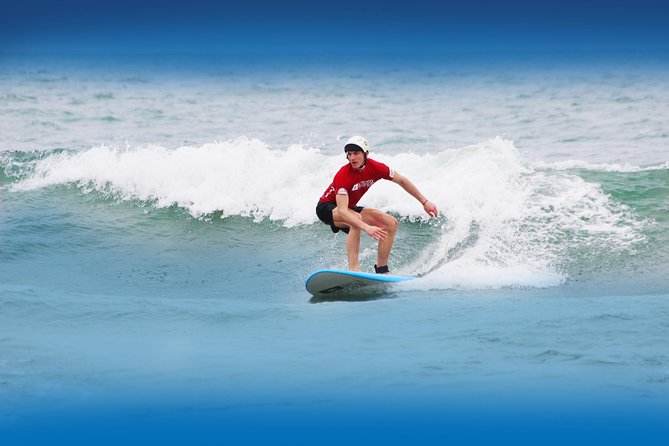
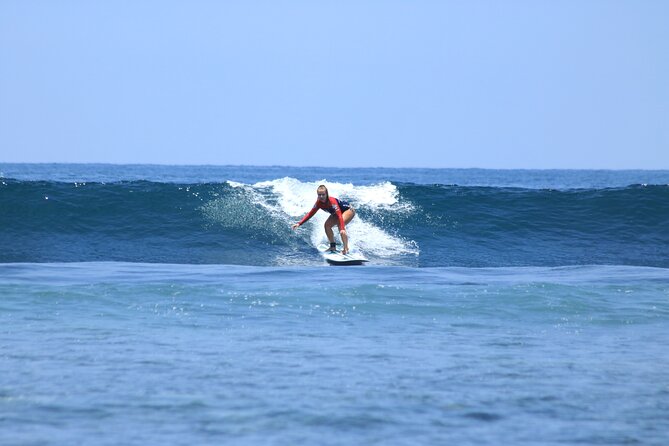
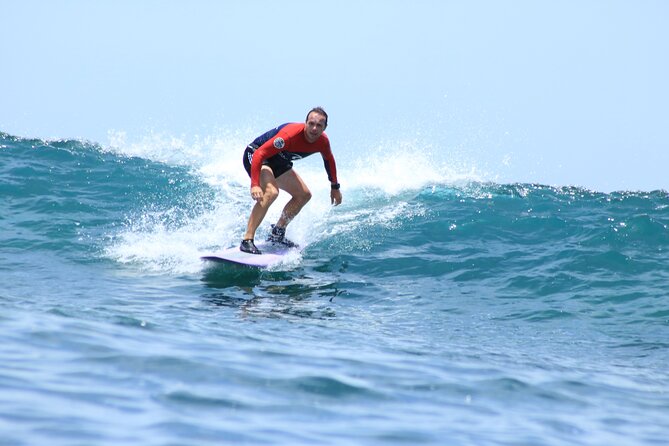
Reef surfing is its own game. Reef waves can carry extra push, and the ocean bottom changes where your board wants to go when the wave lines up wrong. That means your timing matters more, and your positioning has to be smarter. The coaching emphasis here is practical: reading waves, setting up for speed, and smoothing your maneuvers so you don’t just stand on the face—you actually ride it with intent.
You’ll also learn how to use natural channels to get out back safely. That part matters more than it sounds. Many first-timers to reefs focus only on catching the next wave. Here, you’re trained to think about the whole flow: where you start, how you move, and how you return to the lineup without turning the session into a survival exercise.
If you’re already catching and riding but your turns are still “hope-based,” this is the right next step.
You can also read our reviews of more tours and experiences in Kuta.



The 8:00 am Legian start, pickup zones, and how transfers work
The day starts at Legian Beach, Bali, with a 8:00 am meeting time. If you’re in the hotel coverage area for south Bali, you can get 2-way transfers. That’s one of those details that saves you stress. Bali surf mornings can get messy fast—parking, traffic, and finding the right entrance to the beach. Transfers reduce all of that.
You’ll also get a mobile ticket, which is handy if you don’t want to worry about printing anything. Your pickup location is something you’ll need to share when you confirm your booking.
Group size is capped at 40 travelers, so you’re not in a tiny private bubble. But the structure matters: you’re not left to wander and “figure it out.” The lesson is organized, with theory and land training before the water work. That approach keeps things moving and helps the instructor team spend time where it counts.
One practical note: your schedule is confirmed one day in advance. So don’t plan anything tight right after the lesson ends back at the meeting point.
Beach theory and land refreshers that actually prepare you
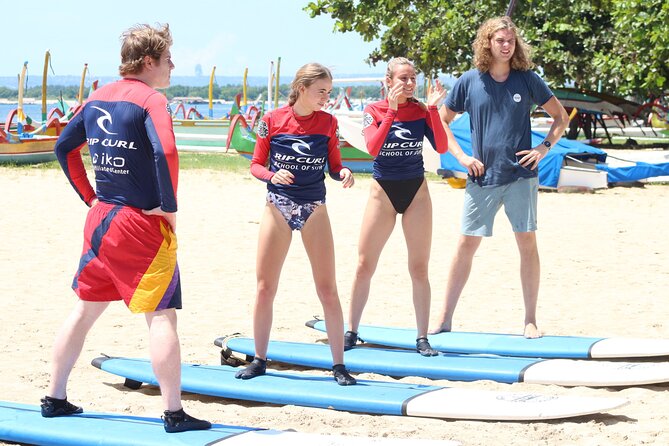
Before you hit the water, you get a mix of beach theory and land training. This isn’t just a lecture. The point is to refresh your memory and connect it to reef conditions.
Expect to cover topics like:
- How to read waves so you paddle into the right set, not just the loudest one
- Positioning—where you want your board relative to the takeoff line
- Maneuvers and how to link turns with speed
- Generating board speed, so you’re not constantly losing momentum
- How to use natural channels to get out and back safely
What I like about this setup is the order. They don’t drop you into the reef and hope you learn through chaos. You get a map first, then you test it.
This is also the moment where you can notice what you’re missing. If you’re catching waves but stalling after the first turn, you’ll likely understand why—and get adjustments that you can try immediately in the lineup.
In the water: controlling reef wave power and riding with safer placement
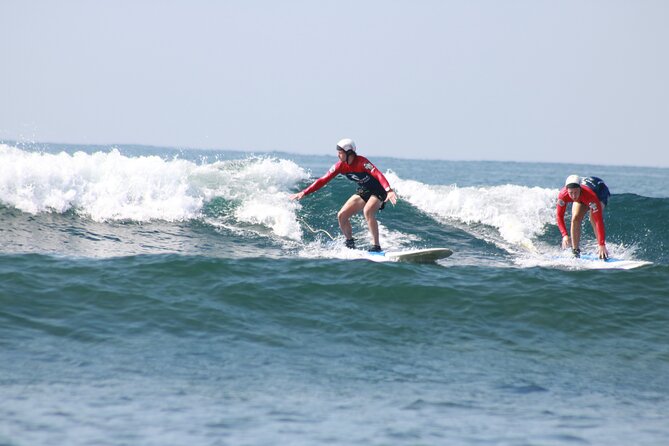
When you move into reef breaks, the wave’s attitude changes. Even when the size isn’t huge, reef energy can feel sharper. The coaching focus is on controlling that extra power, staying balanced, and making your turns happen in the right spot.
This is where Level 2 becomes more about technique than bravery:
- You’re learning to maintain control when the wave pushes more than you expect
- You’ll practice positioning so you take off with better angles
- You’ll work on maneuvers that keep you moving rather than spinning and stalling
- You’ll focus on board speed so your line stays connected
There’s also a safety component that’s very reef-specific. The lesson includes training on using natural channels to get out back safely. That’s a lifesaver on days when the ocean looks calm on the surface but the currents and routes through the reef area can feel different once you’re in it.
And yes, you’ll be using reef conditions to sharpen your decisions. That’s the whole point of this level. You’re not just trying to stand; you’re learning how to surf in a more rugged environment.
The boat drop: maximizing your surf time without the hike
After your beach and land session, you’ll be dropped at the surf spot by boat. The logistics matter. A long walk or awkward transfer can eat into your energy, especially in the early morning when your body is still waking up.
A boat drop also changes how you arrive at the lineup. You’re not starting from awkward angles, exhausted, or late. Instead, the session is set up so you can focus on paddling, wave selection, and getting the technique right.
It’s also one of the quieter benefits of a structured school. You get the fun part—surfing—without turning the trip into a transport puzzle.






Gear, rash gear, zinc, and showers: the “small stuff” done right
A lot of Bali surf lessons look similar until you check what’s included. Here, you don’t need to pack a board. The lesson includes ALL surfing equipment, plus rash guards and leggings. That’s not just convenient. It’s also a comfort upgrade because reef areas can be rough on skin.
Zinc is included too—specifically imported zinc. In the Bali sun, that’s a real value detail. You’re less likely to get caught short with sunscreen that’s expired, wrong texture, or missing entirely.
One of the most practical inclusions is the shower setup: fresh water, soap, shampoo, and a towel. Reef surfing is the kind of activity where salt residue sticks to everything. Having a proper wash at the end means you don’t head back feeling grimy and tacky.
You also get private changing rooms and lockers, plus sealed drinking water during the course and fresh fruit at the end. Food isn’t included, so you’ll want to plan something after the session. But the hydration and the end-of-lesson fruit are solid morale boosters.
If you hate hauling equipment, this is a big “yes.”
Price and value: what $248.18 buys you in the real world
At $248.18 per person, you’re not paying for a generic rental. You’re paying for a structured coaching experience plus equipment, transport, and safety coverage.
Here’s where the value comes from:
- Transfers (pickup and transfer back within the coverage area), which saves time and stress
- All equipment including rash gear and zinc, which usually costs extra if you rent piecemeal
- Shower facilities, lockers, and changing rooms, so you can actually reset after surfing
- Insurance: one million USD USD liability insurance listed as included
- A coaching model that targets reef skills like wave reading, positioning, and speed
If you were to self-coordinate in Kuta, you’d spend your morning solving gear and transport first. That tends to drain the energy you need for technique work. This lesson is structured so you show up, get taught, and then spend your effort where it matters: on wave timing and controlled turns.
Is it expensive compared to a bare-bones rental? Yes. But you’re not just renting a board—you’re buying instruction that’s specifically aimed at reef surfing demands.
Who should book this Level 2 reef course (and who might wait)
This fits best if you:
- Have already done a Level 1 course in Legian or you can catch and ride waves reliably
- Need help with smoother turns and better control
- Want to step into more rugged reef conditions with coaching
- Have moderate physical fitness for paddling and active water time
It might not be the right choice if you’re still shaky on basic takeoffs and balance. Reef breaks reward timing and composure. If you’re constantly off-balance, you’ll likely spend the session thinking more about not falling than learning technique.
Also, if you’re sensitive to a more intense wave environment, it helps to mentally prepare for a step up. This level is built for surfers who are ready to improve quickly, not just cruise.
Weather and schedule reality in Bali
This experience requires good weather. If conditions are poor, the lesson may be canceled and you’ll be offered a different date or a full refund.
The schedule of the lesson is confirmed one day in advance, so check your plans and keep your phone ready. Since start time is fixed at 8:00 am at Legian Beach, you’ll want a flexible morning right before the session.
The coaching factor: what the Rip Curl School vibe is like
A theme across the coaching feedback is clear: people improve when the instruction is organized and the coaching team communicates well.
Instructors you might meet include Made Yoga, Gung De, and Kadek. Names like these matter because they point to real staff, not a generic brand banner. Many students highlight that the coaching is strong and that the crew feels welcoming and focused on progress.
You’ll feel that most in the way the lesson starts on land, then moves into the water with a reef-specific plan. That combination tends to create momentum. Instead of random surf time, you get targeted practice—then you can bring those adjustments into the next wave or set.
Should you book this Level 2 Reef Surfer lesson?
I’d book it if you’re already beyond the beginner stage and you want to level up fast on reef breaks. The biggest reasons are practical: all equipment is included, transfers remove morning friction, and the coaching targets the exact skills reef surfing punishes you for getting wrong—positioning, wave reading, and controlled turns.
You should probably hold off if you’re not yet consistently catching and riding waves. Reef lessons are more than a confidence boost; they’re a technique workout.
Bottom line: if your goal is better control on challenging Bali surf, this Level 2 reef course in Kuta is a strong value choice for the way it’s set up.
FAQ
What level is this, and who is it for?
This is a Level 2 reef surf lesson. It’s aimed at surfers who can already catch and ride waves, but want to improve turns and handle more rugged reef conditions safely.
Where does the lesson start and what time?
The start is Legian Beach, Bali, Indonesia with a start time of 8:00 am. The activity ends back at the meeting point.
Is pickup included?
Pickup and transfer back to the hotel are included if you are within the listed coverage area in south Bali. You’ll need to share your pickup location when you confirm the booking.
Do I need to bring a surfboard?
No. The lesson includes all surfing equipment, so you do not need to pack a board.
What should I bring?
Bring your swimsuit (bikini/boardshorts). Everything else listed as included (like rash gear and zinc) is provided.
Are meals included?
Food is not included. Water is provided, and you’ll get fresh fruit at the end of the course.
What happens if the weather is bad?
The experience requires good weather. If it’s canceled due to poor weather, you’ll be offered a different date or a full refund. You can also cancel up to 24 hours in advance for a full refund.