Majapahit history hides in plain sight. This tour helps you make sense of scattered Trowulan ruins in a few guided steps, and I especially like the small-group feel with guides such as Pak Agus, Agus, Djoko, and Yolo who can answer questions on the spot. The one real drawback is the heat and humidity, so you will want to take the water and plan your pace even when the temples feel peacefully empty.
What makes Trowulan tricky is that the sites are spread out and easy to visit without context. Here, each stop is paired with an explanation of why it matters—whether you’re looking at Wringin as a major gateway point or learning how Hindu symbolism shows up in the temple layouts. You also get hotel or port pickup and drop-off, bottled water, and a included lunch so you’re not wrestling with transport all day.
Expect a 6 to 7 hour outing with a maximum group size of 15, plus a mobile ticket. Cruise passengers can join a small group with others from their ship, and everything is set up for a smooth start even if you’re coming from a port schedule.
In This Review
- Key highlights that make this tour work
- Entering Trowulan: why Majapahit ruins feel oddly human
- Price and Logistics: what $85 buys you (and why it can be fair)
- The 6–7 hour route: each stop and what to watch for
- Stop 1: Wringin Temple, the big gate to orient your day
- Stop 2: Tikus Temple, rats, Durga, and the fun of meaning
- Stop 3: Candi Bajangratu, Parwati and the carvings you’ll actually notice
- Stop 4: Museum of Trowulan, where objects sharpen your understanding
- Stop 5: Candi Brahu dan Gentong, Brahma and a stepped pyramid feel
- Lunch and the reality of communicating at the table
- The guide factor: why the best part isn’t the temples
- Weather, timing, and what to do when it’s hot
- Who this Surabaya to Trowulan tour is best for
- Should you book this Trowulan tour from Surabaya?
- FAQ
- How long is the Trowulan ruins tour from Surabaya?
- What does the $85 price include?
- Do I need to buy tickets for each temple and the museum?
- Is pickup available from hotels and ports?
- How big is the group?
- Will I receive a mobile ticket?
- Can I cancel for free, and how late can I do it?
Key highlights that make this tour work
- Hotel or port pickup: You don’t lose half your day figuring out rides.
- Max 15 travelers: Small enough for questions, big enough to stay comfortable.
- Temple context, not just photos: Every stop has a clear historical or religious angle.
- Five major stops in one route: Wringin, Tikus, Bajangratu, the museum, and Brahu dan Gentong.
- Heat-ready inclusions: Bottled water plus lunch, with time spent at each site at a practical pace.
Entering Trowulan: why Majapahit ruins feel oddly human
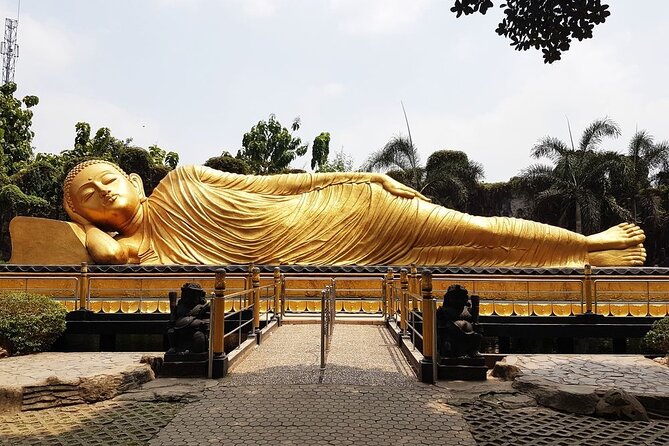
If you’ve ever visited an archaeological site and felt like you were staring at leftovers, Trowulan flips the script. The ruins are scattered, and without guidance it’s easy to miss how they connect to real life in the Majapahit kingdom. With a guide leading you from temple to temple, you start seeing patterns: gateways, ritual spaces, and Hindu connections that help the place stop being a blur of stone.
What I like most is that the tour doesn’t treat the site like a checklist. It’s more like a guided way to get your bearings fast—how the capital area likely functioned, why each temple is named as it is, and what the carvings and layouts might have meant to people at the time. It’s the kind of structure that makes you feel smart quickly, even if you’re not a hardcore history person.
Also, the tone from guides comes through. I’ve seen mention of Pak Agus as a historian in spirit—calm, direct, and able to connect whatever you’re looking at to the bigger Majapahit story. Guides like Djoko and Yolo have also been praised for keeping the day clear and workable, even when the weather pushes hard.
You can also read our reviews of more tours and experiences in Surabaya.

Price and Logistics: what $85 buys you (and why it can be fair)
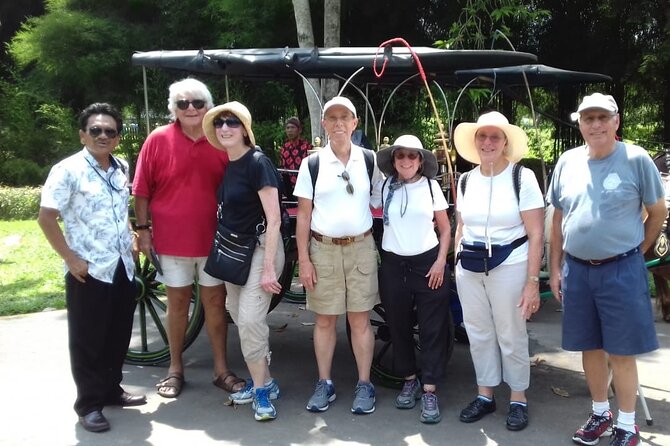
At $85 per person, this isn’t a throwaway add-on. The value comes from the stuff that usually costs extra or becomes a pain when you DIY: private transportation, a professional guide, lunch, bottled water, parking, and entrance fees all bundled together.
Here’s how that matters in real life:
- You pay once and stop worrying about ticket lines and separate admission costs.
- You get door-to-door coverage via hotel or port pickup and drop-off, which matters a lot in Surabaya where timing can be tight.
- You cover the driving and parking without hunting for local transport and paying multiple stops’ worth of logistics.
One thing to keep in mind: it’s a full half-day, roughly 6 to 7 hours. So you’ll want to treat it as a main plan item, not something you tack onto the end of another busy schedule. That said, if you want the meaning behind Trowulan and not just the stamp of having been there, this price is easier to justify.
The 6–7 hour route: each stop and what to watch for
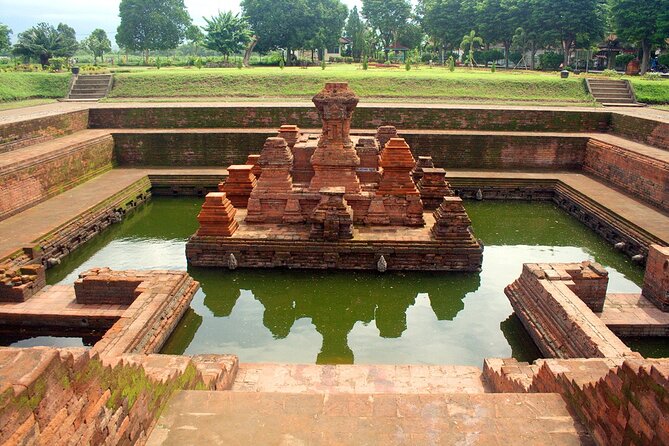
This tour moves through five key areas, each with a tight time window so you can stay energized and keep the heat under control. The route also helps you build context early and then refine it as you go.
Stop 1: Wringin Temple, the big gate to orient your day
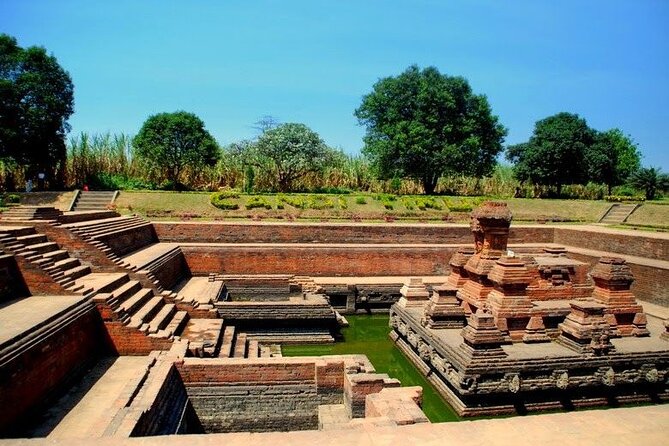
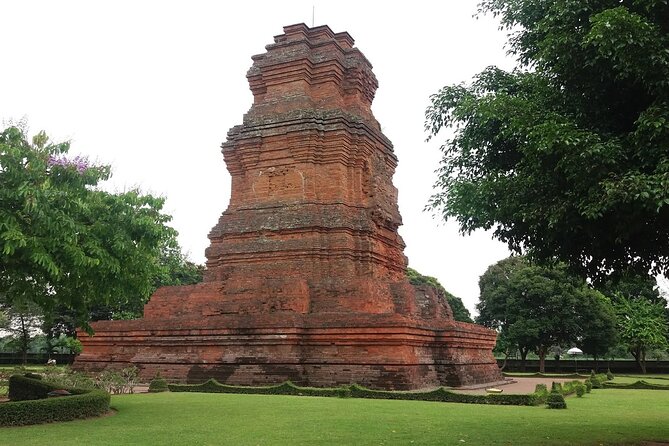
Wringin Temple is the largest temple in the Trowulan area and is believed to have served as a main gate tied to the Majapahit capital. This is a strong first stop because it gives you a reference point. Before you start wandering smaller structures, you understand how a major entrance or boundary space could have worked.
Practical tip: use this stop to mentally map the day. If you can spot what makes this temple “the main gate” conceptually, the rest of the ruins start feeling more connected.
Stop 2: Tikus Temple, rats, Durga, and the fun of meaning
Tikus Temple gets its name from the many rat statues found inside. It’s associated with worship for Durga, the Hindu goddess of destruction.
Here’s why I think this stop is a highlight: it’s specific. You’re not just looking at stone; you’re looking at a symbol set with a story behind it. Those rat details are the kind of thing you might miss if you’re just walking around, but a guide can point out what the statue focus likely intended.
Drawback to accept: this is a temple stop, not a shaded park. If the day is hot, keep your pace steady and don’t let the sun rush you.




Stop 3: Candi Bajangratu, Parwati and the carvings you’ll actually notice
Candi Bajangratu is dedicated to Parwati, the consort of the Hindu god Shiva. It’s known for intricate carvings and strong architectural proportions.
This is where you slow down a bit and look with more patience. If you’re the kind of person who likes architecture, you’ll probably enjoy how the guide’s explanation helps the carvings feel purposeful instead of random decoration. At only about 30 minutes, it’s still enough time to see key details without feeling trapped.
Stop 4: Museum of Trowulan, where objects sharpen your understanding
The Museum of Trowulan houses artifacts from the Majapahit era, including sculptures, ceramics, and jewelry. After standing in the open air at multiple temple sites, the museum is a smart reset. It gives the story a physical anchor—objects that help you imagine everyday craft and artistic styles tied to the kingdom.
If you’re worried you’ll “just see stones,” this stop changes that. You get context through materials and design, which makes the temple symbolism easier to interpret.
Stop 5: Candi Brahu dan Gentong, Brahma and a stepped pyramid feel
Candi Brahu dan Gentong is dedicated to Brahma, the Hindu god of creation, and it’s known for its unique stepped pyramid design. This last stop tends to leave a strong visual impression because the shape is easier to grasp in one glance than a few scattered stones.
It’s also a good finishing point because you’ll have already built context from Wringin, Tikus, and Bajangratu. By the time you reach this temple, you can connect what you’re seeing to the broader Hindu themes the guide has been linking all day.
Lunch and the reality of communicating at the table
Lunch is included, and that’s genuinely useful in Java heat. The trade-off is that the lunch place uses an Indonesian menu, and the wait staff may speak limited English. That doesn’t ruin the day—it just means you should be ready to point, choose simply, and not assume every label will be readable.
One more practical note from past experiences: if you plan to rely on an interpretive app while you eat or while you travel, have a backup plan in case it doesn’t work smoothly. You don’t need fancy tech to enjoy the day, but it’s smart to carry offline notes or keep your questions for the guide.
Also, you might notice the guides don’t eat with you. So if you’re expecting a chatty lunch moment, know the day’s structure is more about you and the guide in sequence rather than one long group meal.
The guide factor: why the best part isn’t the temples
The temples matter, sure. But what keeps this tour consistently strong is the guide style. Multiple guides have been highlighted for being friendly and for explaining the history in a way that sticks. Pak Agus in particular gets described as more historian than tour guide, with enough command of details to answer questions on the fly.
Other guides such as Suhyono and Yolo have been noted for strong communication and clear teaching, which is a big deal at a site like Trowulan where the real value is context. When a guide can explain what you’re looking at—and why it fits into the Majapahit story—you stop feeling like you’re guessing.
And if your tour includes quick driver coordination, that helps too. One experience stood out for a driver arriving early and messaging on WhatsApp when they reached the meeting point, which reduces the annoying waiting game when you’re traveling.
Weather, timing, and what to do when it’s hot
This is an outdoor day. Even with bottled water included, the heat and humidity are part of the experience. The good news is the tour doesn’t waste time looping around endlessly; each stop has a set visit window, and the route is structured so you keep moving.
What you should do:
- Wear breathable clothes and a hat you’ll actually keep on.
- Use sunscreen before you leave, not after you’ve already been in the sun.
- Plan to drink water steadily, not only when you feel thirsty.
If you’re sensitive to heat, tell yourself you’re not going to “see everything equally.” Focus on key details at each stop, then let the explanations fill in the rest.
Who this Surabaya to Trowulan tour is best for
This tour fits you if you want:
- Majapahit context without doing hours of research first
- Temple visits with meaning attached, especially Hindu symbolism and naming
- A day that is structured enough to work even if your schedule is tight
It’s also a good match if you dislike large crowds. The maximum group size is 15, and multiple experiences highlight that many temples can feel quiet, with fewer people around than you might expect at famous sites elsewhere.
Where you might think twice:
- If you hate humid weather and want a slow, shaded day, this may feel intense.
- If you need very detailed English support at lunch, you’ll likely need patience, since the meal stop can be Indonesian-forward.
Should you book this Trowulan tour from Surabaya?
I’d book it if your goal is to understand the Majapahit kingdom through the actual ruins, not just to tick boxes. The best reason is value in practice: pickup + private transport + a guide + lunch + entrance fees all wrapped into one clear price. For $85, you’re paying for the hard parts—logistics and context—so you can focus on the temples.
If you want a peaceful day with real explanations, this is the kind of trip that can make Trowulan click. Just treat the heat seriously, keep your expectations realistic about lunch communication, and let the guide do what they’re set up to do: turn scattered stones into a story you can follow.
FAQ
How long is the Trowulan ruins tour from Surabaya?
The tour runs about 6 to 7 hours.
What does the $85 price include?
It includes private transportation (with fuel and driver), a professional tour guide, lunch, bottled water, entrance fees for all sites visited, and parking fees.
Do I need to buy tickets for each temple and the museum?
No. Entrance fees for the listed sites are included.
Is pickup available from hotels and ports?
Yes. The tour offers hotel or port pickup and drop-off.
How big is the group?
The maximum group size is 15 travelers.
Will I receive a mobile ticket?
Yes, a mobile ticket is included.
Can I cancel for free, and how late can I do it?
Free cancellation is available up to 24 hours in advance for a full refund.