Spice paste and village life, in one morning. This Ubud-area cooking class takes you beyond a standard menu demo, putting you in Delodsema Village with a family kitchen, garden-grown ingredients, and an open-air setup.
I love the hands-on cooking focus, where you’re not just watching—you’re making components like spice paste and preparing dishes step by step. I also love the authenticity angle: the food is tied to the hosts’ own garden and you eat the results together in a way that feels local, not staged.
One thing to consider: unless you select the pickup option, transportation from central Ubud or the Tegallalang area isn’t included, so you’ll want to plan how you get to Delodsema.
In This Review
- Key highlights at a glance
- Delodsema Village: why this feels like a real local day in Bali
- Organic farm to spice table: the lesson that makes the dishes make sense
- Open-air kitchen cooking: hands-on steps, not just a show
- Make it, then eat it: lunch on the ground like locals
- Delodsema temple and village walk: what you see beyond food
- Taro rice terraces: irrigation lessons and possible hands-on field time
- Price and value: is $30 a good deal for Bali cooking?
- Who should book this Ubud Balinese village cooking class?
- What to watch for: timing, heat, and dietary questions
- Where you meet and how to find it without stress
- Should you book this class or skip it?
- FAQ
- How long is the Balinese village cooking class?
- Is transportation included from Ubud?
- What is included in the price?
- Is this a private group experience?
- What language will the instructor use?
- Where do we meet?
- Can I cancel for a refund?
Key highlights at a glance
- Delodsema Village (about 60 families) gives you a small-scale look at daily life in Bali
- Open-air kitchen cooking where you work alongside the hosts, not just observe
- Spice and herb lesson after exploring the organic farm and garden ingredients
- Lunch on the ground with guidance on how to eat Balinese-style
- Taro rice terrace add-on to learn irrigation and join field activities when possible
- English instruction in a private group format for a more personal pace
Delodsema Village: why this feels like a real local day in Bali
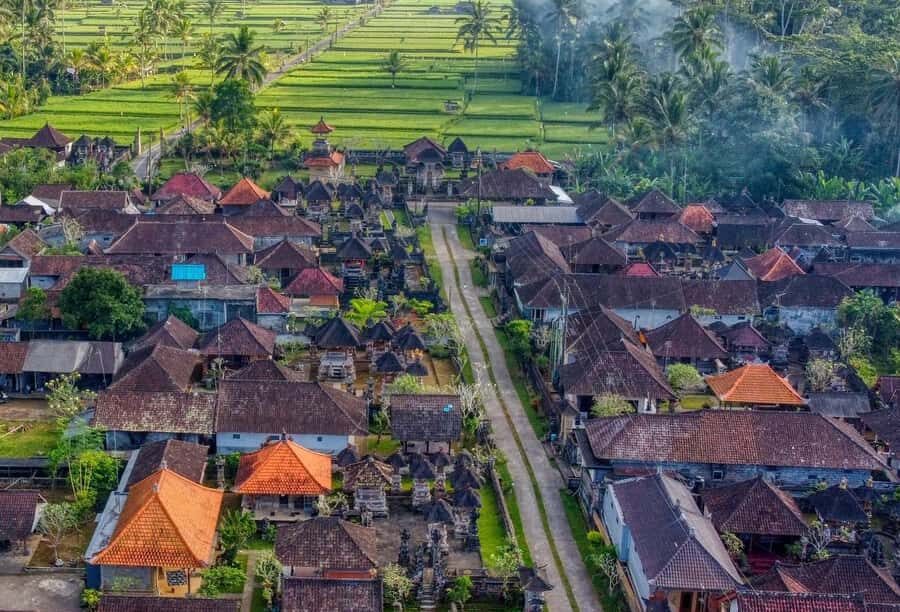
Most Ubud cooking classes are built around a kitchen, a playlist, and a quick stop at something “cultural.” This one starts the other way around: you’re welcomed into the rhythm of Delodsema Traditional Village, a place with only around 60 families. That small number matters. You get the sense that you’re not barging into a tourist machine—you’re visiting neighbors who live there year-round.
You begin with your hosts at their organic farm, then move into the village experience. The hosts guide you through the food story before you touch a pan. That order is one of the reasons the class sticks. You don’t just learn recipes; you learn where the flavors come from and why certain ingredients show up again and again in Balinese cooking.
You’ll also notice the pacing. It’s not a rapid-fire “cook in 10 minutes” setup. It’s more like a family day where cooking happens because it needs to happen—just with you invited to learn.
You can also read our reviews of more tours and experiences in Tegallalang.

Organic farm to spice table: the lesson that makes the dishes make sense
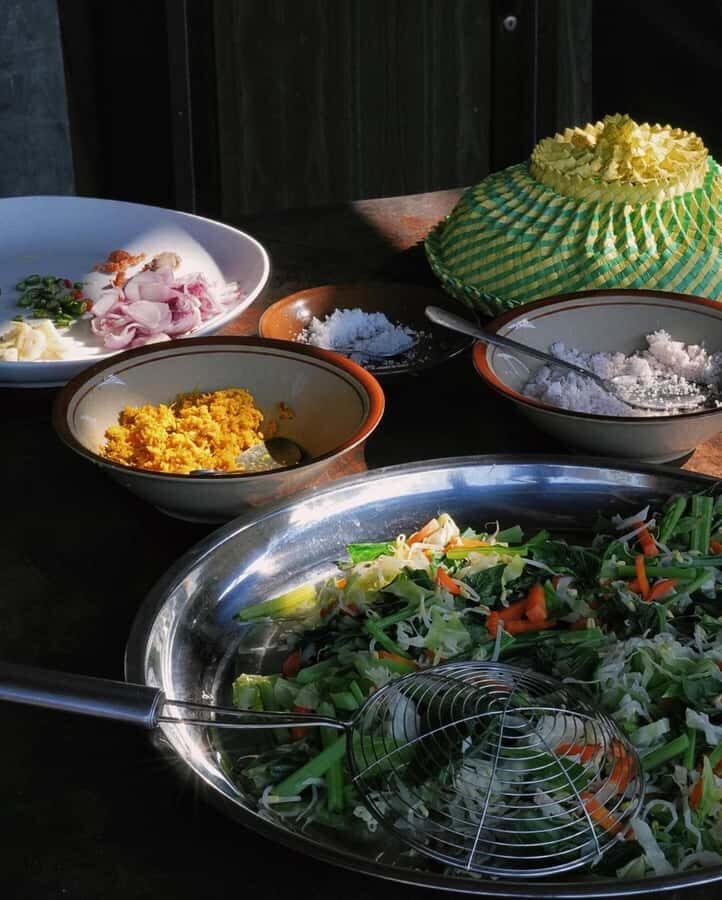
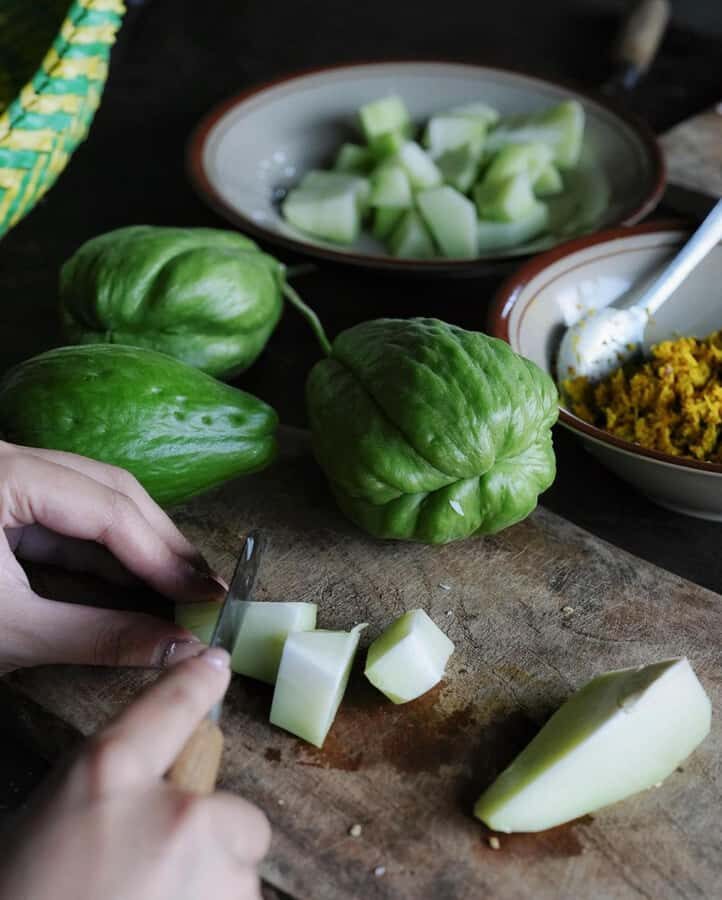
Before the cooking begins, you spend time with fresh spices and traditional herbs. You’ll get hands-on exposure to ingredients that are common in Balinese flavor building, and you’ll hear how the hosts think about what goes together.
This is more than trivia. Once you understand that Balinese cooking often starts with layered aromatics—ground herbs, toasted spices, and flavor pastes—the rest of the dishes stop feeling mysterious. Even if you never cook every single recipe again, you’ll recognize the patterns.
You also get that grounding moment right at the start: a Balinese welcome drink and the feeling that the day is already in motion. The class doesn’t treat food as a product; it treats food as part of village life.
Tip that’s worth taking seriously: if you like to cook later, pay attention to the scent changes while ingredients are being prepared. In many Balinese dishes, small differences in spice handling can shift the final flavor.
Open-air kitchen cooking: hands-on steps, not just a show
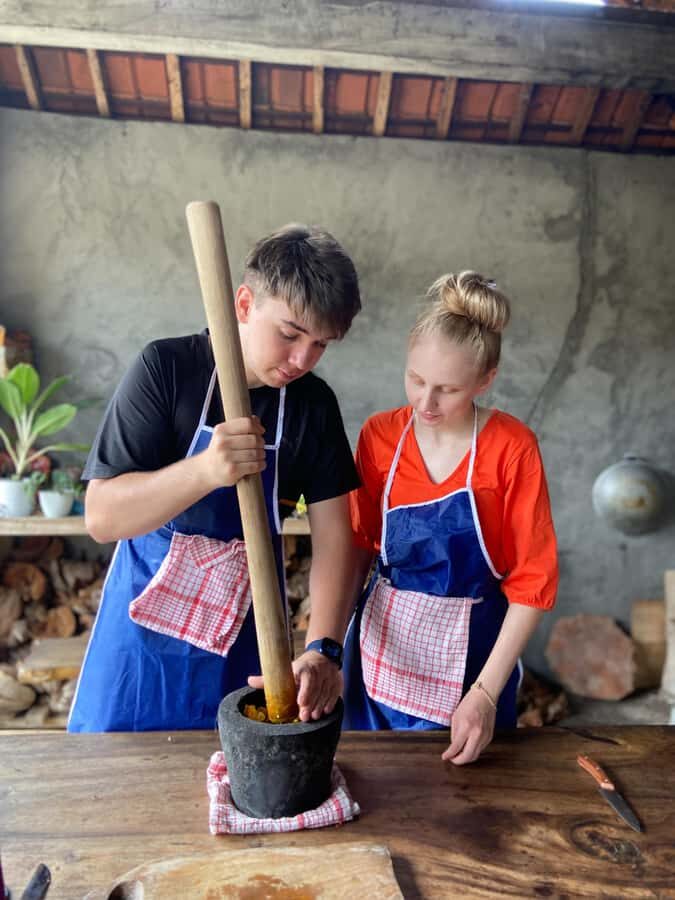
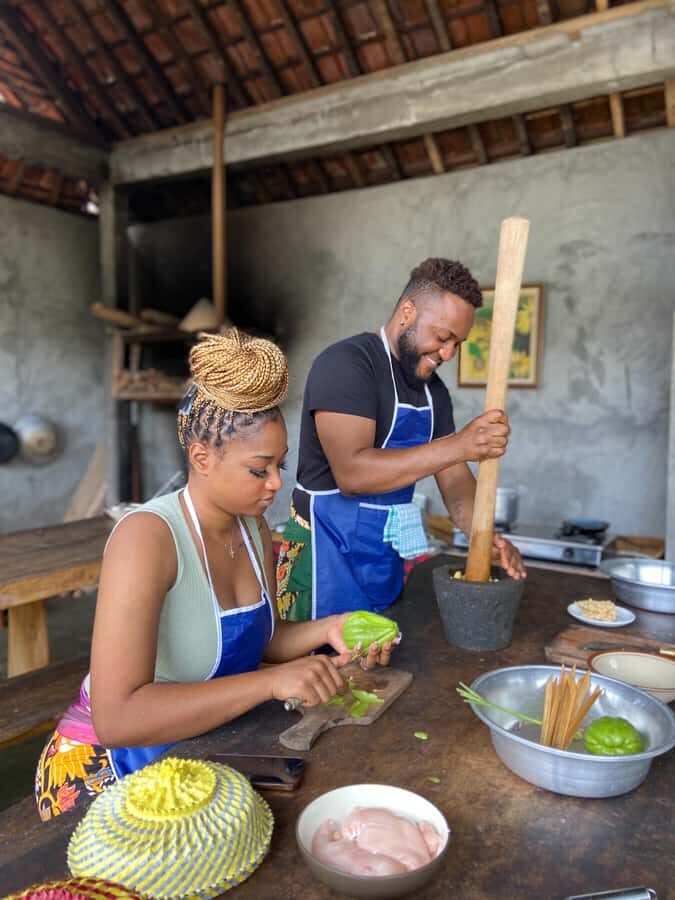
The cooking takes place in an open-air kitchen, and the overall vibe is practical. The class is designed as a private cooking class, so the pacing stays comfortable. You can ask questions and get direct help as you work.
Here’s what you can expect to do during the process:
- Participate in creating a spice paste that forms the base for one of the dishes
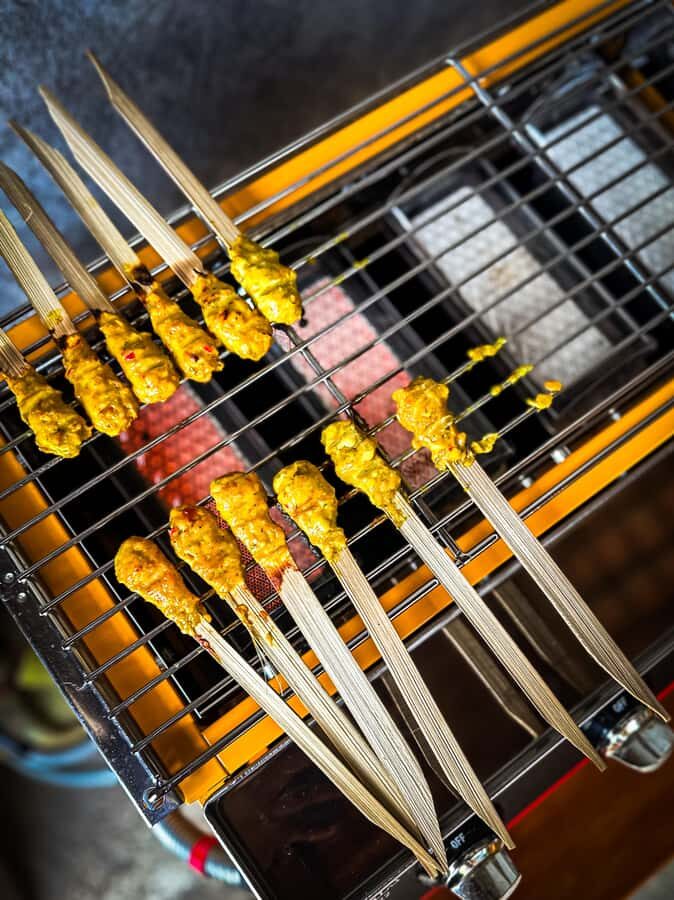
- Help with prepping items used in dishes you’ll cook together (for example, satay components)
- Follow the hosts’ timing and technique as ingredients move from preparation to cooking
Safety and healthy practices are listed as a top priority, and the hosts are set up for a clean, orderly workflow. One practical advantage of this format is that the equipment is already organized for you, so you’re not standing around waiting for instructions on tools.
Dietary note: the cooking includes flexibility when needed. One past participant mentioned a vegetarian swap, with tofu prepared instead of chicken satay components. If you have a specific requirement, ask ahead so the hosts can plan accordingly.
Make it, then eat it: lunch on the ground like locals
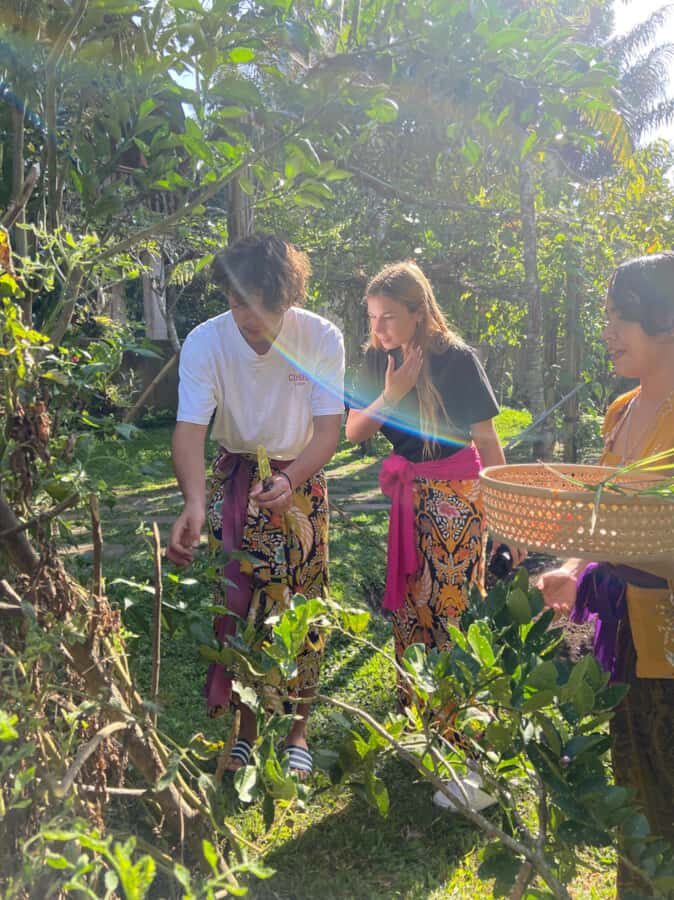
After cooking, you don’t just snack. You sit down to a lunch that’s served in a way that teaches the culture alongside the food.
Dishes are set out on the ground, and the hosts explain how to eat like local. That detail matters because it changes your role from “tourist with a fork” to “participant in the meal.” You learn the rhythm—sharing, timing, and how to handle flavors together.
You’ll sample a variety of the dishes you prepared during the class. Past experiences also included Balinese tea and coffee, plus fresh coconut water served right at arrival for a cool reset from the heat. Even if you usually skip sweet drinks, coconut water is such a reliable Bali pairing that it’s worth trying.
The PDF recipes are the second half of the meal. You get guidance you can use at home, so you’re not relying on memory alone after the spices have faded from your hands.
Delodsema temple and village walk: what you see beyond food
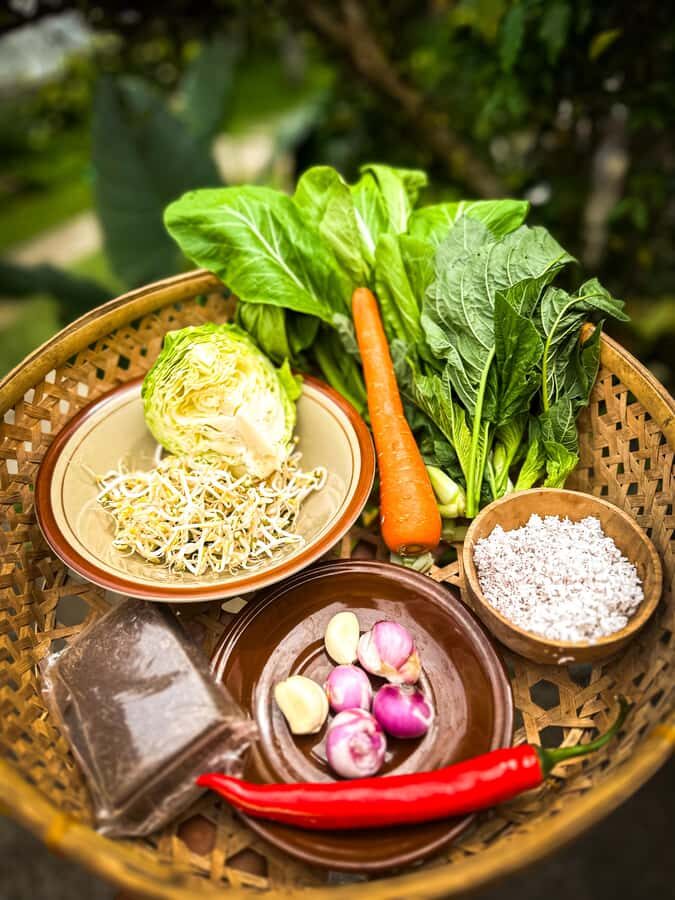
Food is the headline, but the village portion gives the context that makes the cooking feel earned. You visit a temple and see parts of Delodsema Traditional Village as part of the ongoing day.
This isn’t framed as a checklist stop. It’s more like a gentle walk where your hosts explain what matters in village life. If you’re the kind of traveler who likes to understand the why behind traditions, you’ll appreciate the way the day connects cooking, community, and daily rituals.
In some sessions, you may also be invited to participate in an offering moment as part of village life, and later you might even hear how the family’s home and gardens connect back to the food you ate. That “food-to-place” connection is one of the reasons this class feels more grounded than typical Ubud experiences.
Taro rice terraces: irrigation lessons and possible hands-on field time
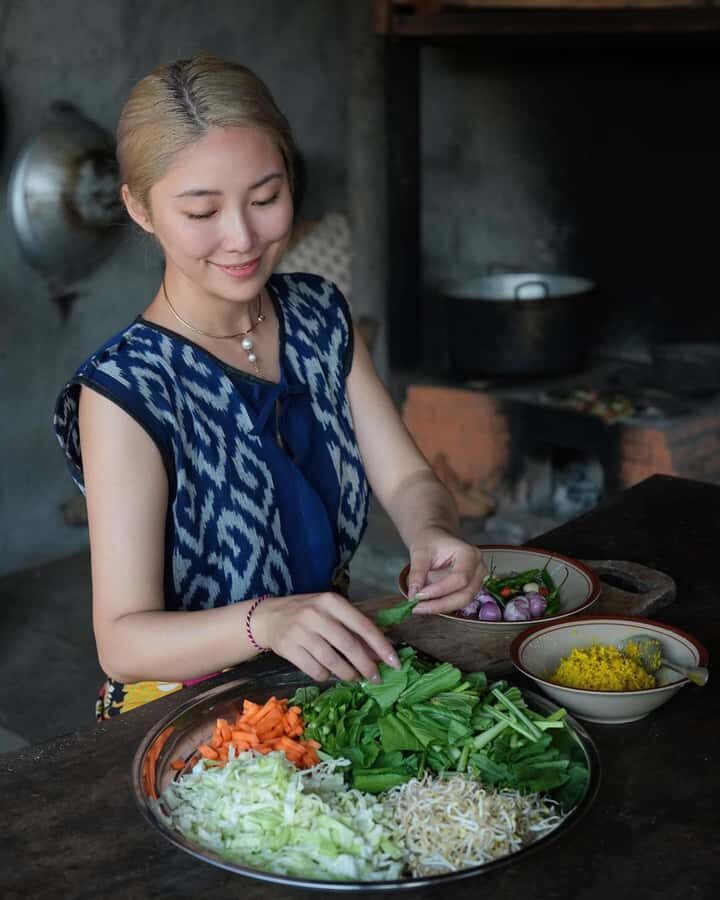
The experience continues to the Taro village rice terrace area. This part is outdoors and more about understanding how land and water work in Bali.
You’ll learn about the local irrigation water system, and depending on timing, you might join local field activities like harvesting rice or planting something new. Even if you don’t end up in the exact task, you’ll still come away with a better sense of how rice terraces function as living systems, not just photo backdrops.
If you’re sensitive to heat or you’re traveling with someone who has limited stamina, keep an eye on the day’s weather and plan water and a light layer for sun protection.
Price and value: is $30 a good deal for Bali cooking?
At $30 per person for about 150 minutes, this can be excellent value, especially because it’s not a “drop-off and watch” format.
You’re paying for:
- A private group setup
- Instruction in English
- Cooking equipment and all ingredients
- Lunch
- Balinese tea and coffee
- Recipes provided as a PDF
The biggest hidden value is the ingredients and preparation. The hosts emphasize organic farm sourcing and garden-grown inputs. When you cook with ingredients that are truly fresh and you learn spice handling from the people who use them daily, the class tends to stick long after you leave.
The only value wobble is transportation. If you don’t choose pickup, you’re responsible for getting to the meeting point area yourself. The optional pickup can also include a visit to a traditional market, which may add extra value if you enjoy that kind of stop.
Who should book this Ubud Balinese village cooking class?
This is a great fit if you want:
- Authentic Balinese food learning, not a generic cooking demo
- A small, private experience with time for questions
- A mix of culture and cooking, with a real village and rice terraces
- A class you can repeat at home thanks to the PDF recipes
It’s also a strong pick for couples who want something more meaningful than another meal out. Families can enjoy it too, especially if kids can handle time outdoors and interactive food prep.
If you’re a solo traveler, the private group format can still feel friendly because the hosts guide you step by step and keep the conversation moving.
What to watch for: timing, heat, and dietary questions
This class has a clear structure, but it still happens outdoors. That means you’ll likely spend meaningful time in the open air during village and terrace parts. Bring a practical mindset: hydrate, wear breathable clothes, and expect a slower pace than an indoor cooking studio.
Dietary needs are the other key consideration. While vegetarian-friendly options were mentioned in past experiences (like tofu instead of chicken satay), the class needs to plan swaps in advance. If you avoid certain ingredients, message ahead so it’s handled smoothly.
Finally, if you’re comparing against other Bali cooking classes, remember that your experience here includes more than cooking. The village visit and rice terrace segment are part of the deal, so the $30 isn’t just paying for a meal—it’s paying for a structured cultural day.
Where you meet and how to find it without stress
Your meeting point is after you arrive at Delodsema Traditional Village. Find the Bali Cococnut Oil sign. (Yes, the sign spelling is as listed, so keep your eyes out for that exact wording.)
If you choose the pickup option, you’ll be picked up from your hotel in the Ubud area, and the route may include a visit to the traditional market. If you’re driving yourself, give yourself extra buffer time so you can locate the sign calmly.
Should you book this class or skip it?
Book it if you want a real Balinese village cooking day with hands-on work, lunch shared as locals do it, and a rice terrace stop that teaches how water makes agriculture possible.
Skip it if you only want a short, strictly kitchen-based cooking session with zero outdoor time. This experience includes village walking and terrace scenery, so it’s for people who enjoy learning in place, not just cooking in a studio.
If you’re choosing between options, this one wins on the mix: spices first, cooking next, and eating like the locals while you also get irrigation and village context. For $30 with lunch and PDF recipes included, it’s hard to beat.
FAQ
How long is the Balinese village cooking class?
It runs about 2 hours to 150 minutes, depending on the starting time you book.
Is transportation included from Ubud?
Transportation is not included unless you select the pickup option. When pickup is selected, you can be collected from your hotel in the Ubud area, and the experience may include a visit to the traditional market.
What is included in the price?
It includes a private cooking class, cooking equipment, Balinese tea and coffee, a cooking lesson, all ingredients, lunch, and recipes in PDF form.
Is this a private group experience?
Yes. The experience is listed as a private group.
What language will the instructor use?
The instructor is listed as English.
Where do we meet?
Meet at Delodsema Traditional Village and find the Bali Cococnut Oil sign after you arrive there.
Can I cancel for a refund?
Yes. There’s free cancellation up to 24 hours in advance for a full refund.