In This Review
- Quiet waterfalls beat the big crowds
- Key reasons this tour gets praise
- Price and what makes it feel like a deal
- Door-to-door pickup in Ubud (and beyond) matters more than you think
- Tegalalang Rice Terraces: the view is the start, not the whole story
- Tirta Empul Temple: the water blessing ritual you’ll actually remember
- Tukad Cepung Waterfall: where sunlight makes the whole place feel unreal
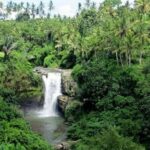
- Kanto Lampo Waterfall: classic cascade energy and refreshing spray
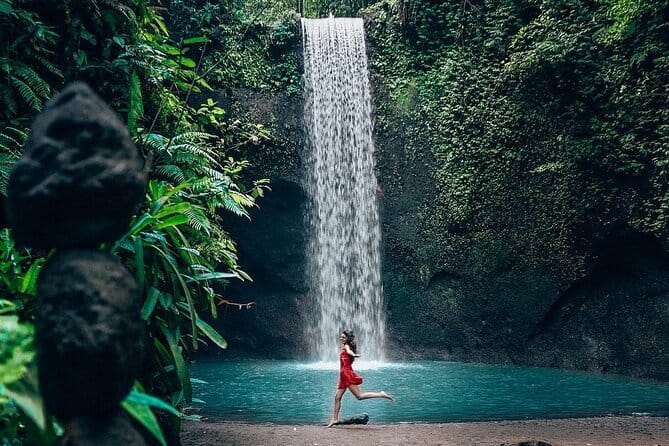
- Tibumana Waterfall: the calmer finish with jungle atmosphere
- How the guide changes the experience (Agung, Gus, Wayan, Made, and Gusti Tirta)
- Pace, timing, and photos: getting the day to feel personal
- What’s included vs. what you’ll handle yourself
- Who this private Ubud tour is best for
- Should you book the Ubud Hidden Gems Waterfall, Temple and Rice Terraces private tour?
- FAQ
- How long is the Ubud Hidden Gems Waterfall, Temple and Rice Terraces private tour?
- What sites are included on the tour?
- Is pickup and drop-off included?
- Are entrance tickets included?
- Is lunch included in the price?
- Is this a private tour?
- What happens if the weather is bad?
Quiet waterfalls beat the big crowds
This private Ubud day is built around water, rituals, and rice terraces, with pickup and drop-off so you skip the self-drive stress. You’ll also get real time at Tukad Cepung and other cascades, plus a spiritual stop at Tirta Empul Temple.
What I like most is how this tour balances big photo moments with slower, more human stops. I love that the itinerary includes all entrance tickets and a guide who can explain what you’re actually looking at, not just where to stand for the shot.
One thing to keep in mind: it depends on good weather. If rain hits hard, waterfalls can be slippery or the plan can shift to protect your time.
Key reasons this tour gets praise
- Private door-to-door pacing so you’re not stuck waiting on other groups
- Rice terraces + three waterfalls in one efficient day
- Tirta Empul water blessing ritual for a more meaningful Bali moment
- All entrances included, plus mineral water and parking handled
- Guides who help with tickets and photos, so you spend less time figuring things out
You can also read our reviews of more tours and experiences in Kuta.

Price and what makes it feel like a deal
$33 for a private, 9.5-hour day sounds almost too low until you break down what’s included. You’re paying for a guide, transportation with pickup/drop-off, parking, mineral water, and entrance tickets for every planned stop. The only clear extra cost is lunch and personal spending, which you can handle on your own schedule.
Value also comes from the number of stops you get without running yourself ragged. Five main experiences in one day—rice terraces, a major temple ritual, and three waterfall visits—usually adds up fast once you’re paying admission separately and spending time hunting for tickets.
This also tends to be the kind of tour that pays off when you want comfort. Instead of spending your brain on directions, you’re free to focus on timing, photos, and soaking in what you came for.
Door-to-door pickup in Ubud (and beyond) matters more than you think

Most Bali itinerary headaches come from the first and last 30 minutes—finding your meeting point, coordinating with traffic, and then trying to get back at the end. Here, pickup and drop-off are offered from Ubud addresses and most of South Bali, which is a big deal if you’re staying in a villa, hotel, or guesthouse off the main strip.
Because it’s private, you’re not forced into a fixed pace that matches other people’s energy. You can move at a speed that feels right: quick photo stops when you’re chasing light, or a little extra time when the air turns humid and you want to just watch the water.
The tour also notes it’s near public transportation, but the whole point is that you don’t have to rely on it. You can treat the day as low-stress.
Tegalalang Rice Terraces: the view is the start, not the whole story
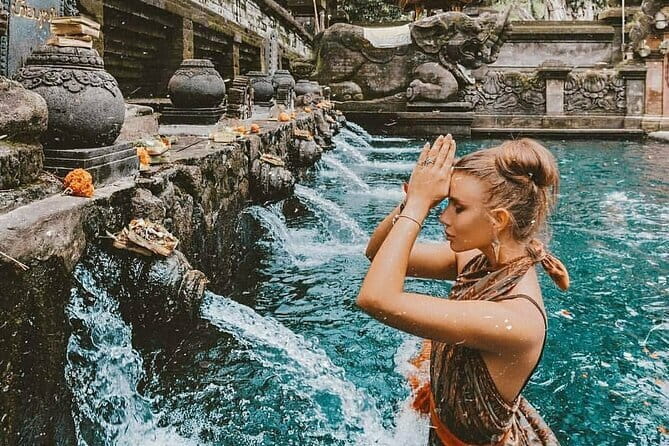
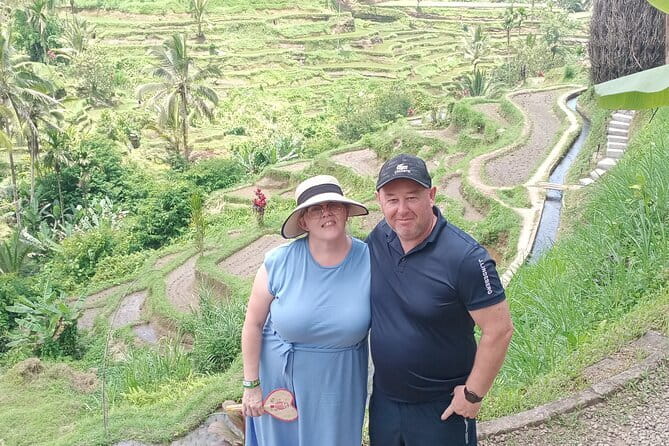
Your first stop is Tegalalang Rice Terrace, one hour set aside for walking and photos. Yes, the views are classic—layer after layer of green, with narrow paths and angles that make your camera work hard.
But the value here is that you’re there for more than a quick scan. A good guide can help you understand how Balinese farming traditions shape what you see. You’re not just photographing a hillside; you’re seeing how a community lives with water and soil.
Practical tip: go a little slower than your phone wants you to. Rice terraces look great from many angles, but the best photos usually come when you pause, adjust your stance, and let the light settle rather than running from spot to spot.
Tirta Empul Temple: the water blessing ritual you’ll actually remember
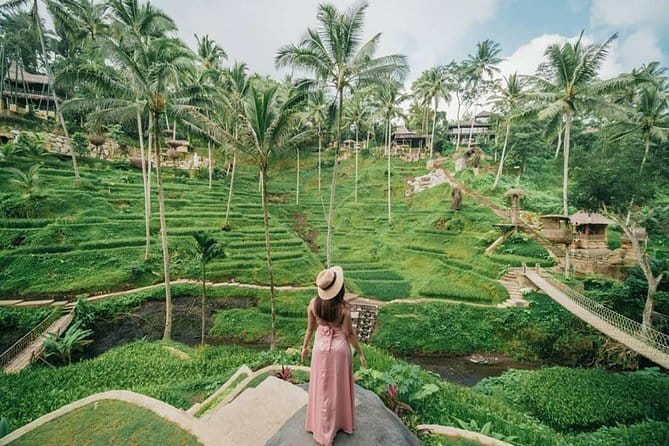
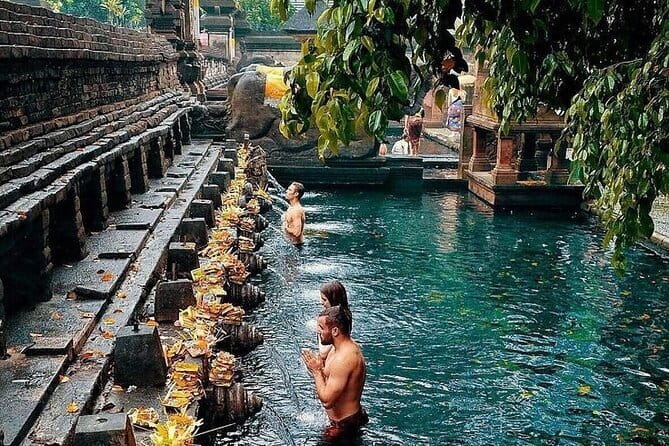
Next is Tirta Empul Temple, about one hour, centered on purification at the sacred springs. This isn’t a generic “look at a temple” stop. It’s structured around the idea of cleansing—spiritual water, temple spaces, and the kind of cultural meaning that makes the day feel deeper than just sightseeing.
In a place like Tirta Empul, a guide makes a difference. You’ll get context for what you’re seeing, and that helps you avoid treating the ritual like a background scene for photos. The tour is private, which means you’re more likely to get clear direction at the right moments instead of feeling rushed or lost.
A small note on expectations: you should go with respect for what’s happening. If you’re unsure how to participate, ask your guide early in the visit so you don’t waste time later.



Tukad Cepung Waterfall: where sunlight makes the whole place feel unreal
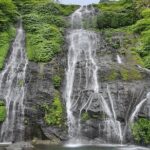
Then you’re heading to Tukad Cepung Waterfall, another one-hour stop. This is the cascade many people chase for its photo look: sunlight streams through cliff openings, and the waterfall sits in a natural stone corridor.
Why it works in real life: the lighting changes fast. When the sun finds a gap, everything looks magical; when clouds slide in, it gets quieter and darker. That’s why the timing matters, and why a guided, scheduled visit often beats “we’ll just go sometime.”
Also, plan for damp footing. Even if you’re just walking in for photos, you’re dealing with wet stone and mist. Comfortable shoes help, and it’s smart to move carefully so you can enjoy the moment without worrying about slipping.
If you’re into photography, bring your patience. The waterfall isn’t just one frame—it’s angles, reflections, and the way the water cuts through a narrow space.
Kanto Lampo Waterfall: classic cascade energy and refreshing spray
After Tukad Cepung, you’ll visit Kanto Lampo Waterfall, also about one hour. This stop is more about getting close, feeling the spray, and taking in that “I’m here at the water” effect.
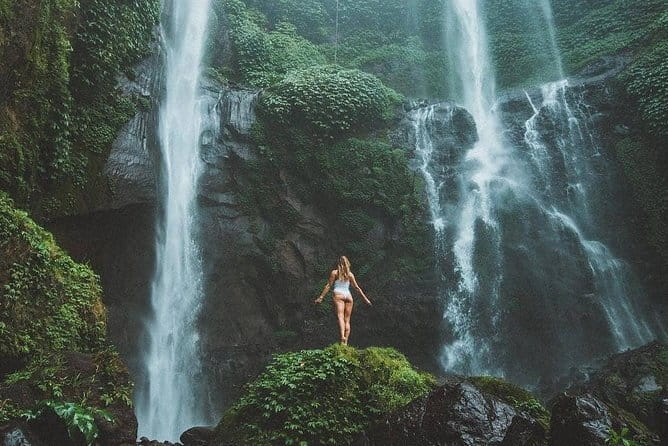
Compared with Tukad Cepung, Kanto Lampo tends to feel more open and active. You get a chance to stretch your legs, search for the best viewing angle, and enjoy that mix of jungle sound and cool air that only waterfalls deliver.
One drawback to know: if it’s been raining, spray and slippery rock can make the experience feel more intense than you planned. You can still enjoy it—you’ll just want to take your time and keep moving safely.
Tibumana Waterfall: the calmer finish with jungle atmosphere
Your last waterfall stop is Tibumana Waterfall. Like the others, it’s given about one hour, but it usually feels like the more relaxed end of the route.
This is where the day can slow down. After earlier, more visually dramatic stops, Tibumana gives you a softer pace—still lush, still wet, but with less of that frantic need to chase the perfect shot. If you like quiet moments at nature sites, this is where you can actually breathe.
It’s also a nice way to balance the schedule. You’re not going from one “peak” photo spot to the next without recovery time. Tibumana tends to let you reset before the drive back.
How the guide changes the experience (Agung, Gus, Wayan, Made, and Gusti Tirta)
A pattern shows up in the way guides are praised: they don’t just drive and wait. Guides like Agung, Gus, Wayan, Made, and Gusti Tirta are repeatedly credited for being friendly, explaining culture and customs, and helping with practical details like tickets and photos.
That matters because these places can be a little confusing the first time you’re there. A guide can:
- help you understand what’s important at a temple,
- point you toward good photo angles without turning everything into a race,
- and keep the day moving smoothly so you’re not stuck dealing with small problems.
If you care about getting value from every hour, a guide who explains things turns “a waterfall day” into a story you’ll actually retell.
Pace, timing, and photos: getting the day to feel personal
Because this is a private tour, your day doesn’t have to feel like a conveyor belt. The itinerary is planned with five main stops, each allocated about one hour (with the rice terraces and temple each getting that hour too), plus pickup/drop-off time to connect it all.
That said, waterfalls and temples both come with real-world variables: timing, lighting, and foot traffic. The best way to enjoy it is to treat the schedule as a framework, not a drill. If sunlight disappears, you don’t panic. If your group wants more time at a viewpoint, you can usually manage it with your guide.
For photos, I’d plan on using the hour like this: arrive, take a few wide shots, then spend the last portion looking for smaller details (angles, water texture, temple features, terrace lines). That approach keeps the day from turning into constant shutter clicking.
What’s included vs. what you’ll handle yourself
Included:
- pickup and drop-off
- guiding
- mineral water
- parking
- entrance tickets for the stops
Not included:
- lunch
- personal expenses
So the one big planning item is food. You’ll want to either eat somewhere near one of the stops or budget for lunch on your own during a natural break. Since the tour doesn’t bundle lunch, your meal options depend on what’s easiest for your guide and where you are when hunger hits.
You’ll also want to keep an eye on your budget for souvenirs or extra snacks. Mineral water is handled, which is helpful, especially in a warm, humid day with lots of walking.
Who this private Ubud tour is best for
This tour fits you if:
- you want Ubud + waterfalls + temple in one long day without self-driving,
- you care about more than just scenery and want cultural context at Tirta Empul,
- you’re traveling with a small group (family, friends, or a couple) and want the flexibility of a private schedule.
It’s also a good match if you appreciate practical guidance—help with tickets, photo support, and explanations that make the stops make sense.
You might want to think twice if you’re extremely time-crunched or hate long days. Nine and a half hours is a lot of riding and walking, even when it’s well organized. Also, keep in mind it requires good weather, since waterfalls are the star and conditions matter.
Should you book the Ubud Hidden Gems Waterfall, Temple and Rice Terraces private tour?
Book it if you want a day that mixes iconic Bali views with one genuinely spiritual stop, and you’d rather pay for convenience than spend your day solving logistics. The value is strong because entrance tickets are included and the tour handles guide support, parking, and pickup/drop-off.
Skip it (or consider something else) if you’re set on doing a shorter outing, you don’t want weather-related uncertainty, or you prefer a loose itinerary where you’re entirely free to wander without a planned sequence.
If your goal is a smooth, memorable day that hits rice terraces, three waterfalls, and Tirta Empul, this private format is a smart way to do it.
FAQ
How long is the Ubud Hidden Gems Waterfall, Temple and Rice Terraces private tour?
It runs about 9 hours 30 minutes.
What sites are included on the tour?
You visit Tegalalang Rice Terrace, Tirta Empul Temple, and three waterfalls: Tukad Cepung, Kanto Lampo, and Tibumana.
Is pickup and drop-off included?
Yes. Pickup and drop-off are offered from addresses in Ubud and most of south Bali.
Are entrance tickets included?
Yes. Entrance tickets are included for the tour stops.
Is lunch included in the price?
No. Lunch and personal expenses are not included.
Is this a private tour?
Yes. It’s private, meaning only your group participates.
What happens if the weather is bad?
The experience requires good weather. If it’s canceled due to poor weather, you’ll be offered a different date or a full refund.