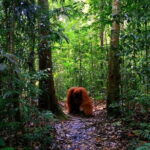
Jungle life is loud, hot, and real. This 3-day ethical orangutan trek in Gunung Leuser National Park is built around time in the forest, guided by English speakers who focus on clean, safe trekking. I like that it’s a small group (up to 8) and that your money supports conservation and local families through a stated revenue share. One thing to weigh: this is physically demanding jungle trekking, and the camps are basic by design.
You’ll start in Bukit Lawang at 9:00 am, spend two nights at different jungle camps, and finish with a fun, practical “jungle taxi” river tubing ride back toward town. I also like the ethical framing: orangutan welfare, park protection, and guidance from certified professionals who know how to spot wildlife without causing trouble. The main drawback is logistics on your side: transport from Medan and your Bukit Lawang hotel are not included.
In This Review
- Key things I’d pay attention to
- Why Bukit Lawang’s Ethical Orangutan Trek Feels Different
- The Value of a Small Group: Up to 8 on the Trail
- 3 Days Inside Gunung Leuser National Park: What Happens When
- Night Two in the Jungle Camps: Basic, Practical, and Surprisingly Effective
- Wildlife Spotting in Rain: Why Guides Like Kiran Matter
- The River Finish: Tubing Down as Your Jungle Taxi
- Price and Value: What $205.37 Buys You (and What It Doesn’t)
- Ethical and Community Support: Conservation With a Human Side
- Getting the Most From This Trek: Fitness and Weather Reality
- Should You Book This 3-Day Trek?
- FAQ
- How long is the 3-Day Ethical Orangutan Jungle Trek?
- What time does the trek start?
- Where does the trek begin and where does it end?
- What is included in the tour price?
- What is not included?
- How many travelers are in the group?
- Do I need to be physically fit?
- What happens at the end of the trek?
- Is there an ethical or community support component?
- FAQ
- Is free cancellation available, and how far in advance do I need to cancel?
Key things I’d pay attention to
- Up to 8 people means more manageable trekking and easier spotting when the forest gets busy
- English-speaking, certified guides (ITGA-HPI) help you understand what you’re seeing and how to act
- Two different jungle camps break up the experience and keep it feeling less repetitive
- Orangutan sightings can depend on conditions; rain doesn’t stop the work, but it can change what you see
- Basic camps keep the focus on nature, not comfort
- Tubing at the end gives you a smooth, memorable finish after the walking
Why Bukit Lawang’s Ethical Orangutan Trek Feels Different
Bukit Lawang sits on the edge of one of Sumatra’s most important ecosystems, and this trek leans into that reality. You’re not signing up for a polished zoo-style visit; you’re walking inside Gunung Leuser National Park, where animals live their own schedules and the forest sets the tempo.
What I like most is the ethical structure. The trip is organized around preservation of the park and its endangered orangutans, plus a stated revenue contribution to local people who need support. That matters because it changes how the tour is framed: you’re not just passing through nature, you’re part of how tourism resources get used.
There’s also a clear emphasis on guide quality. Your English-speaking guide is certified by the Indonesia Tourist Guides Association (ITGA-HPI), which typically translates into better communication and more consistent field practices. In this style of trek, that can make a real difference in safety and in how wildlife is treated from trail to camp.
You can also read our reviews of more tours and experiences in Medan.

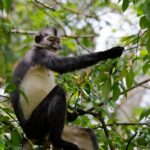
The Value of a Small Group: Up to 8 on the Trail
A maximum group size of 8 travelers is one of the best “hidden” value points here. Small groups move more quietly, spread out less, and can adjust faster when the trail, weather, or wildlife activity changes.
When I’m weighing jungle tours, I look for anything that reduces crowd stress—on you and on the animals. With a smaller group, the forest experience stays more personal: you’re more likely to hear guide directions clearly, and you spend less time waiting for bottlenecks.
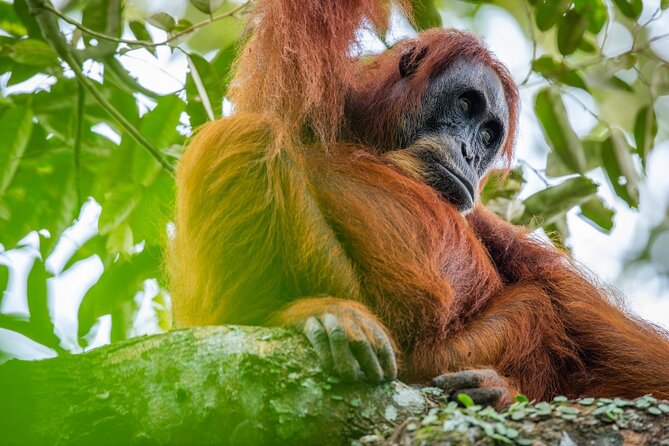
The rain factor is worth noting. One guide mentioned in feedback, Kiran, is specifically praised for spotting orangutans and other monkeys even when days were rainy and animals were harder to see. That kind of skill matters most when visibility drops and the jungle sounds get louder than your own plans.
3 Days Inside Gunung Leuser National Park: What Happens When
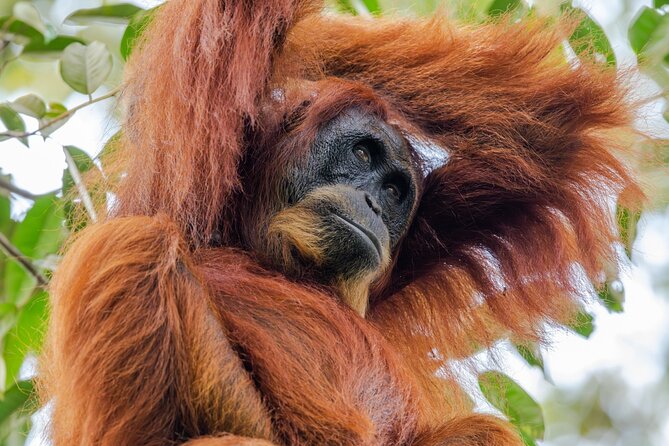
This trek is designed as an active 3-day circuit rather than a day-trip with a long drive. You’re entering Gunung Leuser National Park, trekking deeper during the main forest days, then finishing with river travel that feels like a reward for your efforts.
Here’s the overall flow you should expect:
Day 1: Start in Bukit Lawang and begin the park trek
You meet at the Bukit Lawang area at 9:00 am, then head into the forest with your entrance permit included. You’ll have lunch during the day, and you’ll end with dinner at your first jungle camp.
Day 2: More trekking, a second campsite, and more wildlife chances
The second day centers on continuing through the forest and spending your first full night structure deep enough to feel like you’ve left town behind. You’ll return for breakfast the next morning, plus coffee and/or tea as the day starts—small comforts that make early starts easier. You’ll also move to a different campsite (not the same one twice), which helps keep the experience fresh.
Day 3: Finish the trek and ride back by tubing
On the final day, your trekking wraps up and you transition to the river route. The tour ends with tubing down the river using a jungle-taxi style transfer back to the meeting point. It’s a smart way to turn tired legs into a practical, fun finish.
What makes this itinerary worth it is that it gives you time. Many “orangutan” trips feel rushed. This one gives you multiple starts, multiple camp rhythms, and multiple wildlife windows—so your chances improve simply because you’re there long enough to adapt.
Night Two in the Jungle Camps: Basic, Practical, and Surprisingly Effective
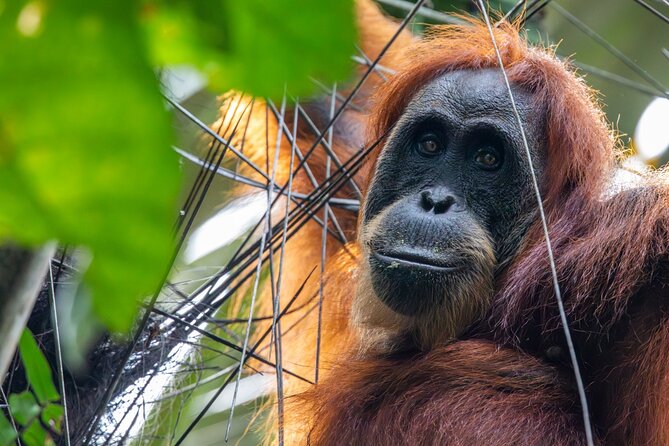
The camps are basic, and that’s not a hidden issue—it’s part of the deal. If you want plush rooms, this isn’t it. If you want to sleep in the jungle and accept that you’re living on the forest’s terms for a couple nights, you’ll likely feel at home.
From the feedback I’ve seen, people find the camps more manageable than they expect because everything essential is handled. Think: you’re not hauling your own full setup and improvising meals; you’re focused on trekking and wildlife rather than running camp logistics.
Still, you should plan for the realities of jungle nights:
- humidity and rain can affect comfort
- nights can feel cooler after hot days, even if you don’t expect it
- bugs and dirt come with the territory
Pack mindset matters more than “camp comfort” here. Bring what you need for sleeping, staying dry when possible, and keeping yourself clean enough to enjoy the next day’s trek. If you’re sensitive to rough conditions, you may find the basic camps harder than the trekking itself.
Wildlife Spotting in Rain: Why Guides Like Kiran Matter
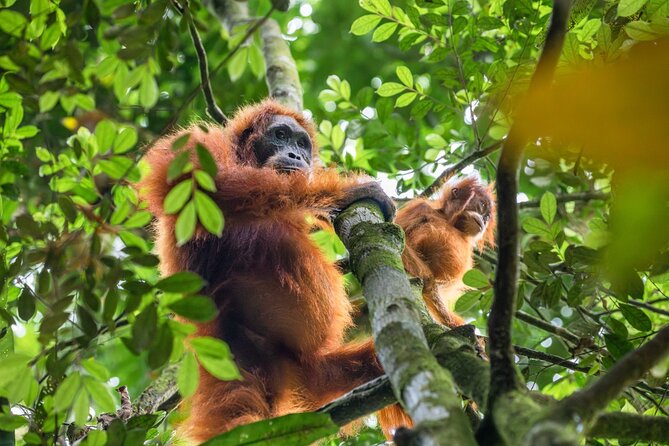
Orangutans aren’t guaranteed on a schedule. That sounds obvious, but it’s the difference between a tour that feels like a wildlife hunt versus one that feels like real exploration.
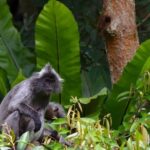
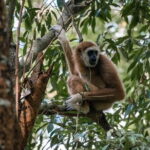
This trek’s strength is that the guide’s job is to track opportunities and interpret what’s happening in the canopy and undergrowth. Feedback highlights Kiran as particularly strong at spotting orangutans and also other monkeys even when rain reduced sightings. That’s a big deal because in rainy conditions, your comfort drops and your visibility worsens.
Here’s what you can do to help your own odds:
- stay patient and listen during quiet moments
- follow the guide’s pacing and positioning—don’t rush toward movement you think you see
- accept that “no sighting” is still part of how rainforest wildlife works
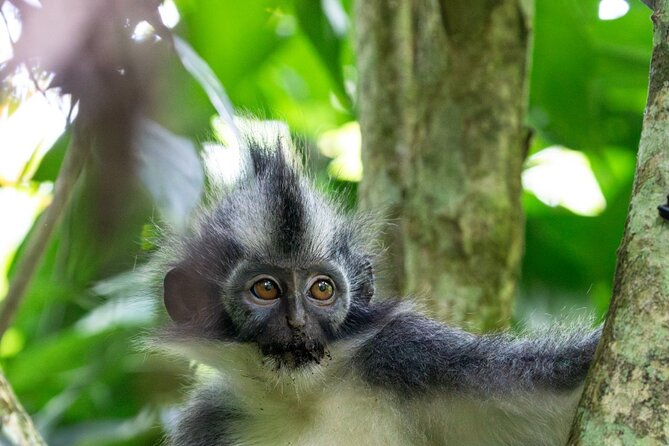
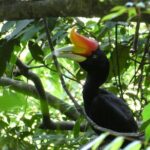
Also, pay attention to variety. The tour isn’t only about orangutans. Your day in the forest includes chances for other monkeys and jungle life, and those smaller sightings often make the trip feel rich even when the orangutan moment takes patience.
The River Finish: Tubing Down as Your Jungle Taxi
Ending with river tubing is one of the smartest design choices. After two days of trekking, tubing turns effort into momentum—less walking, more “yes, we did it” energy.
It also adds variety. Jungle treks can start to blend if you only ever move on foot. A river segment gives you a different view of the environment, and it’s easier to experience the surroundings when you’re not constantly stepping around roots and slick rocks.
Practical takeaway: you’ll still want to think about water exposure. Even if the tubing is short compared to the trek, expect you’ll get splashed, and that can change how comfortable you feel at the end. Bring a mindset that says: it’s part of the adventure, not a surprise.
Price and Value: What $205.37 Buys You (and What It Doesn’t)
At $205.37 per person, this trek can look like a bargain or a fair price depending on what you compare it to. Here’s how I’d judge value based on what’s actually included.
Included costs you shouldn’t ignore:
- Entrance permit to the national park
- Meals: lunch, breakfast, dinner
- Coffee and/or tea
- The core guiding and trekking structure
- The two-night jungle camping plan
Not included:
- Transport from Medan (or the airport) to Bukit Lawang
- Hotel/accommodation in Bukit Lawang
That means the real “all-in” cost depends on where you’re starting. If you’re already in the area or you have a plan to reach Bukit Lawang, the price looks more attractive. If you still need transport and lodging, budget for that early—jungle tours tend to require timing with local routes.
The small group cap also boosts value. It’s not a massive group where the guide can’t slow down for you. You get a better ratio of attention to people, which helps both safety and wildlife spotting.
Finally, the booking timing indicates demand: tours are often booked around 48 days in advance on average. If your dates are fixed, don’t wait until the last moment.
Ethical and Community Support: Conservation With a Human Side
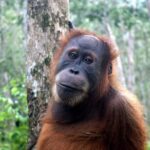
The ethical piece here isn’t only a slogan. The tour is set up to help preserve Gunung Leuser National Park and its endangered orangutans, and it also includes a stated community support model.
The tour says 10% of proceeds go to children in Bukit Lawang who can’t afford school and to single mothers who struggle financially. The goal is school access and long-term job support so families can become self-sustaining.
I like this approach because it connects “why this matters” to “how money is used.” It’s easier to feel good about conservation tourism when you can see how local benefits are part of the equation, not an afterthought.
Do keep one realistic expectation: no ethical trek can stop all environmental pressures. What you can look for is how the tour tries to minimize harm—certified guides, a focus on park cleanliness and safety for both humans and animals, and a structure that keeps groups manageable.
Getting the Most From This Trek: Fitness and Weather Reality
This isn’t a couch-to-trek situation. The tour specifically advises strong physical fitness. That’s not just about stamina; jungle trekking also demands ankle strength, balance, and the ability to keep moving even when conditions are muddy or slippery.
Weather matters too. The rainforest can switch quickly, and rain can make the trail harder. The good news is that the experience is designed to keep going in real conditions. Feedback mentions orangutan spotting even on rainy days, which suggests the guide approach is flexible and focused.
Before you book, honestly assess:
- Can you walk for long periods and handle uneven ground?
- Do you recover well after a full day of hiking?
- Can you tolerate basic sleeping conditions for two nights?
If the answer is yes, you’re in the right place. If you’re halfway unsure, consider training ahead of time or choosing a gentler option.
Should You Book This 3-Day Trek?
I’d recommend booking this trek if you want an authentic jungle experience with real conservation intent, and you value a small group plus strong guide skills. The combination of park time, two nights camping, and a tubing finish makes it feel like a full, well-paced adventure instead of a quick wildlife dash.
You should think twice if you’re not comfortable with:
- basic jungle camps
- physically demanding trekking
- possible rain and variable wildlife sightings
If you meet the fitness bar and you want a tour that supports both orangutan protection and local families, this is a compelling pick—especially with the added benefit that an English-speaking, ITGA-HPI certified guide leads the experience.
FAQ
How long is the 3-Day Ethical Orangutan Jungle Trek?
The experience runs for about 3 days.
What time does the trek start?
It starts at 9:00 am.
Where does the trek begin and where does it end?
It begins in Bukit Lawang, and it ends back at the meeting point.
What is included in the tour price?
The tour includes lunch, breakfast, coffee and/or tea, dinner, and an entrance permit to Gunung Leuser National Park.
What is not included?
Transport from Medan (or the airport) to Bukit Lawang and hotel accommodation in Bukit Lawang are not included.
How many travelers are in the group?
The group maximum is 8 travelers.
Do I need to be physically fit?
Yes. The tour asks for travelers with strong physical fitness.
What happens at the end of the trek?
The trek ends with tubing down the river back as part of the jungle taxi transfer.
Is there an ethical or community support component?
The tour states that 10% of proceeds go to children in Bukit Lawang who can’t afford school and to single mothers struggling financially.
FAQ
Is free cancellation available, and how far in advance do I need to cancel?
Yes, you can cancel for a full refund up to 24 hours in advance of the experience start time. If you cancel less than 24 hours before, the amount paid is not refunded.