Bali really knows how to put on a show. I love the combo of Uluwatu Temple’s cliffside sunset and the Kecak Fire Dance unfolding in the open air. The main thing to consider is crowds and queues, especially around voucher exchange and the show timing.
If you like flexible plans, this works well. You can do it as a simple ticket-and-visit setup or choose an option with pickup and a driver/guide who helps you deal with the busiest parts of the evening. One more practical reality: with so many people, the schedule can slip a bit when it’s chaotic at the venue.
In This Review
- Quick hits: what you’ll notice right away
- Sunset at Uluwatu: the temple setting and why it matters
- Kecak Fire Dance tickets: exchanging, seating, and timing the evening
- The Ramayana in motion: what the Kecak performance feels like
- Sunset show comfort: monkeys, clothing rules, and rainy-season reality
- Jimbaran Beach dinner after the show: what to expect from the finish
- Transfer options and pickup drop-offs: when having a guide pays off
- Price and value: what you’re really paying for at about $9
- Who this Bali evening is best for (and who should skip it)
- Should you book it? My take on the call
- FAQ
- Where do I exchange my Kecak voucher?
- Is the Uluwatu Temple entrance ticket included?
- How long is the experience?
- What time should I arrive for the Kecak evening show?
- Does the package include dinner at Jimbaran Beach?
- Is pickup available from my hotel?
- What should I bring?
- Are there any rules about what not to wear or carry?
- Who is this not suitable for?
Quick hits: what you’ll notice right away
- Uluwatu Temple perched on a cliff with big ocean views the moment the light starts to change
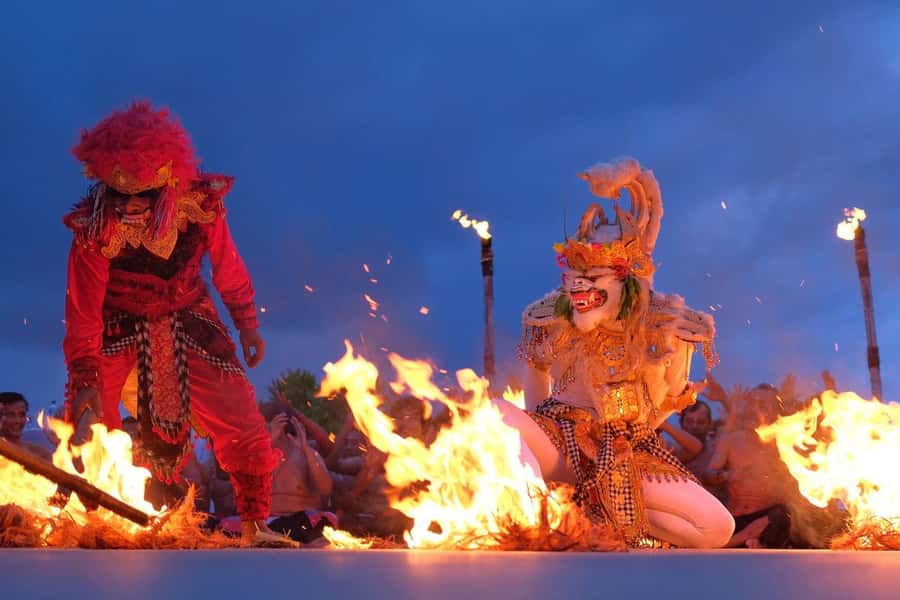
- Kecak chanting plus fire dance that retells the Ramayana story with strong stage energy
- Voucher exchange at the temple matters, and arriving early can save you serious waiting
- Sunset show timing in a crowded venue means getting your seat takes effort, not luck
- Jimbaran Beach dinner stop can be a satisfying, beach-level finish after the performance
- Monkeys are real and grabby, so your phone and small items need real protection
Sunset at Uluwatu: the temple setting and why it matters
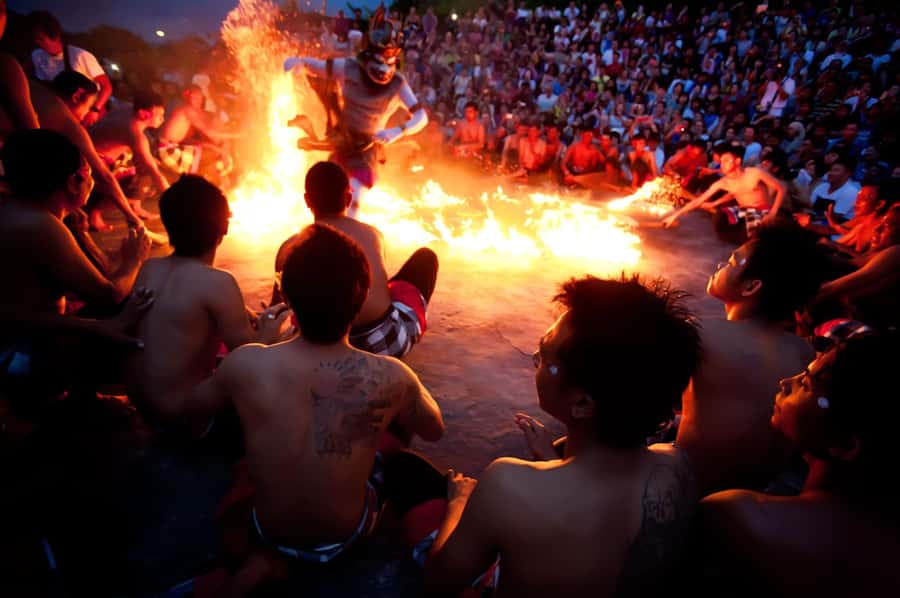
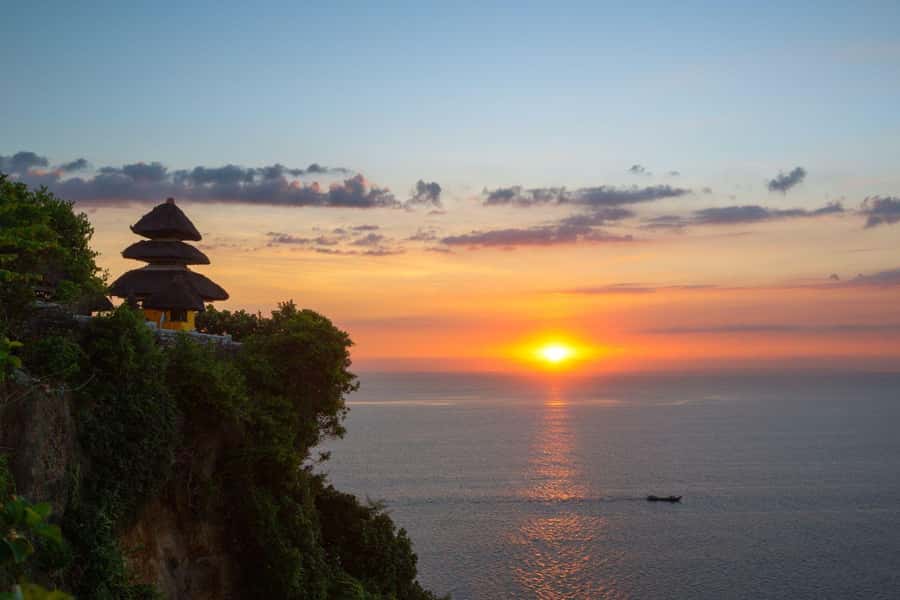
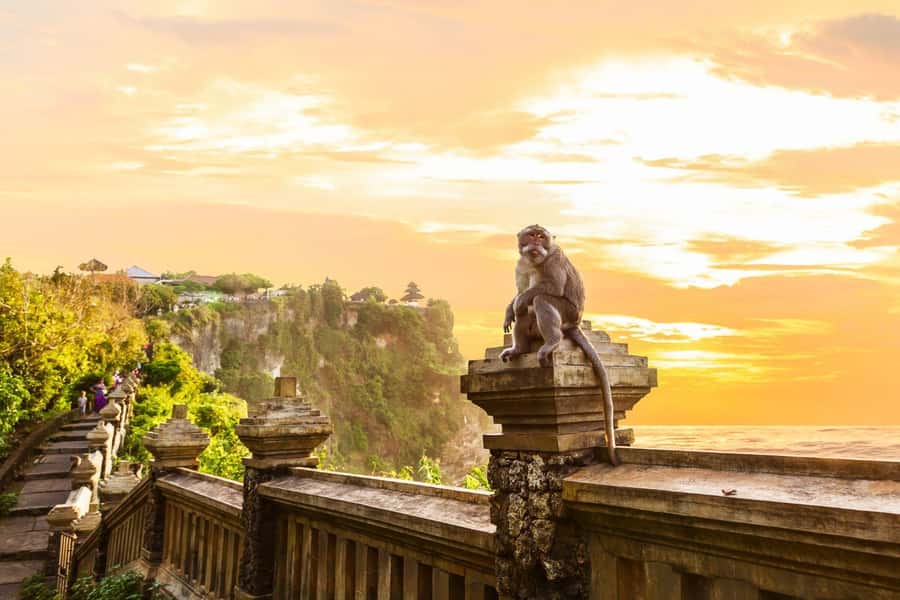
Uluwatu Temple isn’t just a stop on the way to a dance show. It’s part of the spectacle. The temple sits on a dramatic cliff edge, and as the sun drops, the view turns from scenic to jaw-dropping fast. You’ll understand why this place is a Bali must when the sky starts shifting colors and the ocean noise mixes with the temple atmosphere.
You’ll also start the evening by entering the Uluwatu Temple area and handling your tickets on-site. If your package includes a tour option, you’ll exchange your voucher for a Kecak Dance ticket. The temple entrance process can feel a bit mixed (there are counters, directions, and people moving in different flows), so plan for a little organizing time when you arrive.
Here’s a key detail that affects your comfort: menstruating women are not allowed to enter the temple. That’s not a guess; it’s stated as a rule for this visit, and it’s important for planning.
Also remember the temple environment comes with temple etiquette. You’ll want cash on hand and an ID card (a copy is accepted). And yes, there are monkeys. The temple is famous for them, and the big takeaway is simple: don’t carry temptation around your neck or in your pockets like you’re daring them.
You can also read our reviews of more tours and experiences in Uluwatu Temple.
Kecak Fire Dance tickets: exchanging, seating, and timing the evening
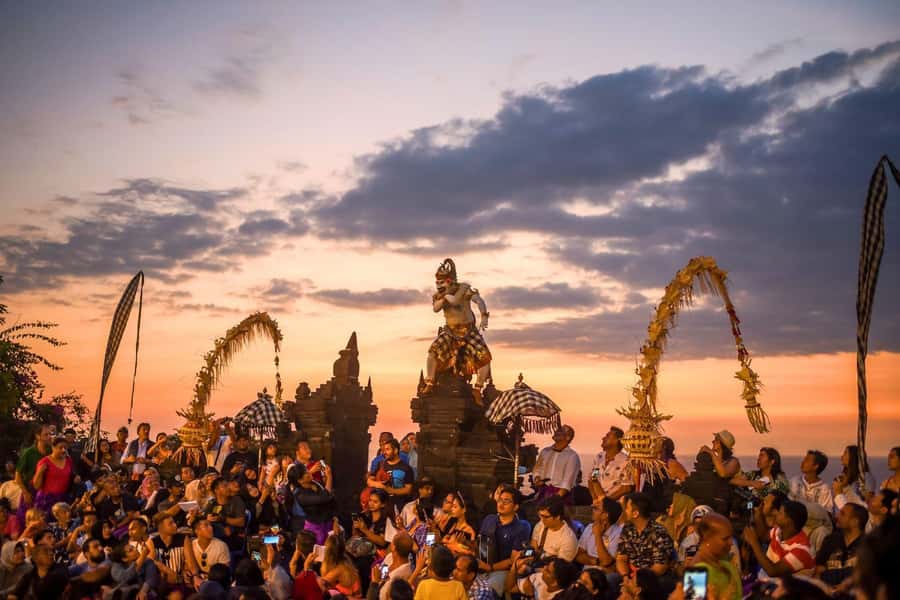
The Kecak Dance show is the centerpiece, and the process around it is where your evening can go smoothly or get frustrating. Tickets are sent digitally, but once you’re on-site you still need to exchange your voucher for the show ticket. If you don’t manage that early, you can end up stuck in a long queue when it matters most.
If you’re aiming for the best experience, give yourself a buffer. The guidance is to come early, around 4 p.m., because the attraction is very popular and the exchange line can be slow. Even if you’re not trying to sprint for a perfect seat, you’ll want time to walk around the temple grounds, find your way, and settle before the chanting begins.
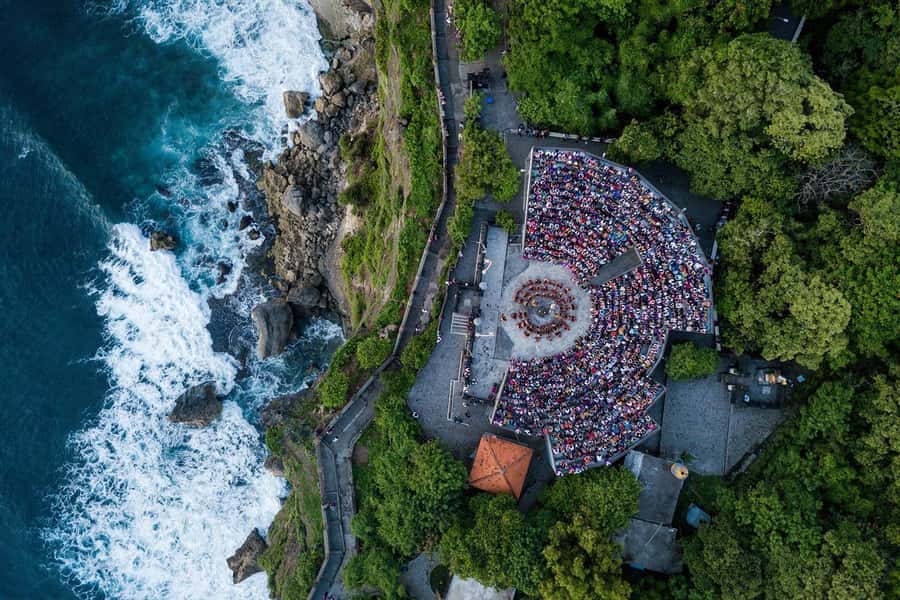
Seating is also a real factor. The show happens outside, and it can be crowded. One review-style reality check: some people had to sit on the floor because they arrived later. That’s not a dealbreaker, but it means you should show up with patience and something to manage discomfort (even just planning your expectations helps).
Timing can slip. Because the venue gets a lot of people, the show time might not match the schedule exactly, and delays can happen if the crowd flow is messy. If you choose a package with transfer and a guide, you may get queue assistance for certain parts of the process, which can reduce stress when lines get long.
The Ramayana in motion: what the Kecak performance feels like
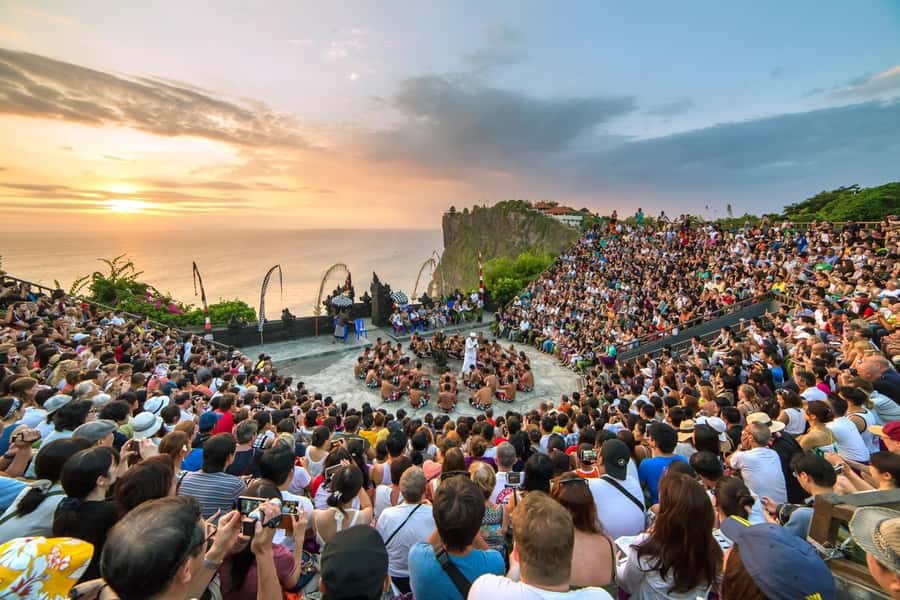
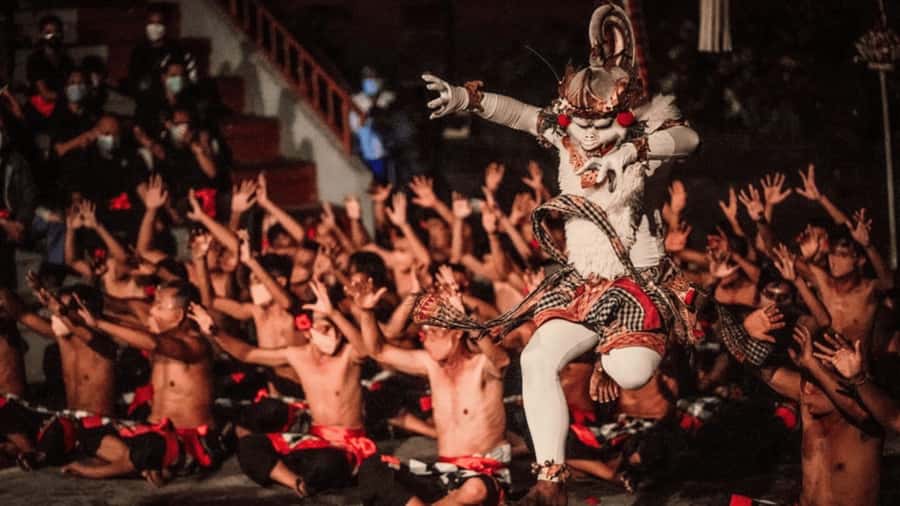
Kecak is one of those performances you can’t really compare to a standard concert. It’s rhythmic chanting, coordinated movement, and storytelling without the usual “western” stage flow. The legends behind it are the Ramayana story, and the show’s structure is designed to give you the drama even if you don’t know every plot point ahead of time.
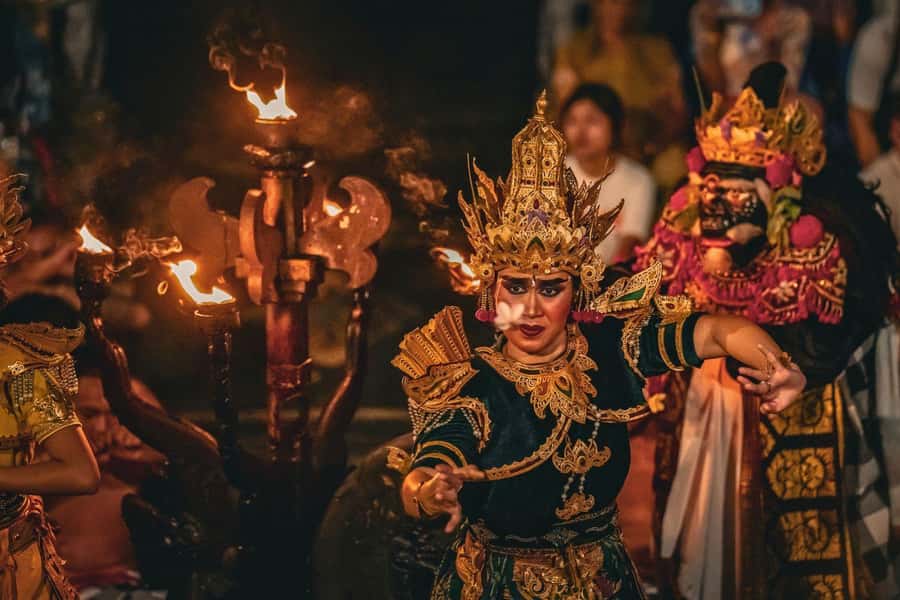
What I like about this kind of performance is that it builds atmosphere faster than explanations do. You’ll hear the chant rise, you’ll watch characters act out the conflict, and the rhythm keeps tightening. The costumes are colorful, and the performers come across as genuinely invested in their roles.
If you’re not familiar with the story, it can be harder to follow every beat. That doesn’t mean you won’t enjoy it. It means you’ll probably enjoy it more if you do a little reading before you go. One of the practical suggestions that comes up is to understand Rama and Sita context first, so the scenes land with more meaning when they happen.
One more note: the fire part is thrilling, but it’s still a traditional dance structure, not a full-time fireworks show. The fire dance moments can feel limited depending on how you’re expecting it to work. Still, when it hits in sync with the chanting and the sunset backdrop, it’s the part people remember.
Sunset show comfort: monkeys, clothing rules, and rainy-season reality
Let’s talk about the part nobody wants to think about until it’s happening: monkeys. At Uluwatu, they’re known for snatching small, grabby items. The rules you should take seriously are straightforward:
- don’t carry small objects you can’t keep under control
- beware of monkeys and keep your belongings secured
- avoid wearing jewelry
A tightly closed backpack is recommended. If you need your phone out for photos, you’ll want a plan for quick shots and then storing it safely again. The biggest mistake is leaving anything dangling, loose, or easy to reach.
Then there’s weather. The show is outdoors, and Bali’s rainy season can mean wind and sudden rain. One person mentioned pouring rain and wind during their visit, and that’s a reminder that your evening might get wetter than you planned. Bring a light layer or something to handle damp conditions if the sky looks uncertain.
Health and safety also come with boundaries. This activity isn’t suitable for wheelchair users, people with altitude sickness, babies under 1 year, or people over 95. If you have mobility concerns, assume uneven, outdoor walking and stairs around the temple area.
Finally, alcohol and drugs are not allowed. Keep it simple and stick to water, especially if you’re dealing with heat and crowds.
Jimbaran Beach dinner after the show: what to expect from the finish
Many packages build in a dinner stop at Jimbaran Beach after the dance. If your option includes it, think of dinner as the satisfying wind-down. You’ve just watched a major performance. Now you get the casual seaside rhythm: warm air, people moving around slowly, and the smell of seafood from nearby grills.
From the details shared in experiences, dinner can be a seafood platter with items like squid, flat fish, king prawns, and clams. It sounds like a classic Jimbaran setup: order covered by your package, then you relax without needing to overthink choices after a long evening.
This is also a smart time for a practical reset. You’ll likely be tired from walking the temple grounds and waiting in lines. Dinner gives you a low-pressure way to end the evening instead of rushing directly back to your hotel.
Just remember: not every ticket setup may automatically include dinner. The tour route mentions Jimbaran as a stop, so check your option details. If dinner is included for your selection, treat it as part of the value, not an accidental extra.

Transfer options and pickup drop-offs: when having a guide pays off
The biggest decision you’ll make is how you handle getting to Uluwatu. You can come on your own and handle the venue exchange yourself. Or you can choose an option with transfer and a driver/guide.
Having a guide can make a noticeable difference in how your evening feels. It’s not just about transportation. It’s about queue management and navigation when everything is crowded and time matters. In experiences shared, drivers helped with the exchange process and waited through key moments, including one case where a driver assisted after a child got sick and even waited while help was arranged. That’s not something you should plan on, but it does signal the practical value of having someone responsible with you.
Pickup areas can include Kuta, Seminyak, Legian, South Kuta, Sanur, Benoa, Nusa Dua, Jimbaran, and Uluwatu. If you’re outside those areas, there can be an additional charge (IDR 400,000 is stated for outside the listed pickup zone). If you’re staying in a more out-of-the-way place, that extra cost is worth factoring in so you’re not surprised later.
Drop-offs are also arranged across multiple beach and city areas, which helps you avoid the last-minute scramble for a ride after dark. If you’re trying to keep the night easy and focused on the main event, transfers are usually the better choice.
Price and value: what you’re really paying for at about $9
At around $9 per person, this is priced like a budget-friendly way into two major attractions on one evening: Uluwatu Temple setting and the Kecak Fire Dance performance. The value depends on which version you choose.
Here’s the key detail: if you choose Kecak Dance ticket only, you still need to buy the Uluwatu Temple entrance ticket at the counter because exchanging your voucher inside doesn’t remove the temple entry requirement. If you choose a tour option that includes temple entrance, your package is more straightforward.
So the real value test is this:
- If your option includes temple entrance, you’re paying mainly for the show experience and the convenience
- If your option is show-only, you’re saving a bit up front, but you’ll pay the temple entry separately anyway and will need to manage the on-site process
Even with the crowds and the potential for delays, the combination is still strong. You’re getting a famous Balinese dance performance tied to a dramatic sunset location. And if dinner is part of your package, that can add real value to what is otherwise a purely cultural evening.
Just be honest with yourself about your patience. If you hate queues, the exchange line and show entry chaos can feel tiring. If you can handle crowds, you’re likely to feel like $9 is a bargain.
Who this Bali evening is best for (and who should skip it)
This is best for you if you want a classic Bali night out with cultural meaning, not just a photo stop. You’ll enjoy it most if you like:
- theatrical performances with strong vocal rhythms
- sunset viewpoints and dramatic coastal settings
- doing a full evening in one plan, instead of piecing things together
It also fits well when your schedule has holes and you want a timed activity that doesn’t require planning the whole day.
You might want to rethink it if:
- you’re sensitive to crowds and long waiting lines
- you need easy indoor seating and sheltered movement
- you have mobility limits, or you’re one of the groups listed as not suitable (wheelchair users, altitude sickness risk, under 1, over 95)
The good news is that having the guide/driver option can reduce friction. Even then, you’re still going to the same popular venue, so expect energy and noise.
Should you book it? My take on the call
I’d book this if you want the most famous pairing of Uluwatu’s sunset setting and the Kecak Fire Dance in one evening, and you’re okay working with the reality of crowds. The performance is the reason to come, and the temple cliff views are the reason you’ll remember it even after the show ends.
If you want the smoother version, pick the option with transfer and a driver/guide so the queues and entry steps don’t eat your energy. If you go ticket-only, come early and plan to buy the temple entrance at the counter anyway.
Final practical tip: treat this like a sunset appointment. Arrive earlier than you think you need, protect your stuff from monkeys, and bring a plan for rain.
FAQ
Where do I exchange my Kecak voucher?
You exchange inside the Uluwatu Temple area at the entrance counter, where your Kecak Dance voucher is handled for show entry.
Is the Uluwatu Temple entrance ticket included?
It depends on your option. If you choose Kecak Dance ticket only, you still need to purchase the temple ticket at the counter. If you choose a tour option, the temple entrance ticket is included.
How long is the experience?
The activity is listed as 1 to 6 hours, with the Kecak show about 1 hour and the Jimbaran dinner stop about 1 hour if included in your plan.
What time should I arrive for the Kecak evening show?
Because it’s very popular and voucher exchanges can take time, it’s recommended to come around 4 p.m.
Does the package include dinner at Jimbaran Beach?
The route includes a Jimbaran Beach dinner stop for about 1 hour, but dinner isn’t listed in the general included items, so check your specific option details.
Is pickup available from my hotel?
Pickup is optional. Pickup areas include Kuta, Seminyak, Legian, South Kuta, Sanur, Benoa, Nusa Dua, Jimbaran, and Uluwatu. Outside those areas there’s an additional IDR 400,000 charge.
What should I bring?
Bring cash and an ID card (a copy is accepted).
Are there any rules about what not to wear or carry?
Avoid jewelry and don’t carry small objects. There are monkeys, and you’re advised to use a tightly closed backpack to protect belongings.
Who is this not suitable for?
It’s not suitable for wheelchair users, people with altitude sickness, babies under 1 year, and people over 95 years. Menstruating women are not allowed to enter the temple.