Breath-hold skills can come fast. This 3-day AIDA 2 beginner course in Pemuteran teaches you how to relax, breathe smartly, and earn a freediver certification with guided practice in stages.
What I like most is the hands-on structure for beginners plus the calm, supportive vibe instructors bring to the process. A second big plus is the small group size (max 4), which helps you get more attention when your brain and body are still figuring out how to stay relaxed.
One consideration: you need to pass swim prerequisites before you start—200m without fins and 300m with mask, fins, and snorkel—and the training does require a moderate fitness level.
In This Review
- Key Highlights You Should Know
- Why AIDA 2 in Pemuteran Builds Confidence Quickly
- Price and Value: What $280 Covers in Real Life Terms
- Your Training Flow: Theory First, Then Waterwork
- Day 1: Theory + Confined Water Sessions
- What you should expect to feel
- Day 2 Open Water: Equalization, Rescue Practice, Buddying, and a Written Exam
- Why the rescue + buddying part is a big deal
- Day 3 Fine-Tuning: Constant Weight and Precision With Your Buddy
- What Makes the Learning Style Work With Beginners
- Prerequisites: Swim Tests and Physical Fitness Reality Check
- Where You Start and How the Days Run
- Who This Course Is Best For
- When You Want More Than a One-Off Experience
- Should You Book the AIDA 2 Beginner Course in Pemuteran?
- FAQ
- What level is the AIDA 2 course, and does it include earlier parts?
- How many days does the course run?
- What happens on day 1?
- What do you do on day 2?
- What do you practice on day 3?
- Is there a swim test before the course starts?
- How big is the group?
- Where does the course meet, and what time does it start?
- Is pickup included?
- What if weather isn’t good?
Key Highlights You Should Know
- Max group size of 4 means less waiting, more feedback, and a safer learning rhythm.
- The AIDA 2 course includes the AIDA 1 level, so you do not need a separate try session first.
- You practice both in controlled water and open water, working from basics to real-world skills like buddying and rescue exercise.
- Day 2 includes a written exam, so you’ll need to show you understand the safety side, not just the technique.
- You’ll work on core fundamentals like relaxation, breath-holding, and equalization to handle pressure changes.
- Instructors you may work with include Edi and Putu, known for patience and making nervous students feel at ease.
Why AIDA 2 in Pemuteran Builds Confidence Quickly
AIDA 2 is designed for exactly what most beginners feel: you want to learn breath-hold technique, but you also want safety and structure. The course starts with the mind-body part first—relaxation and learning what your body is doing—because that’s what makes longer, calmer breath-holds possible. If you rush the technique, it usually turns into panic. This format tries to prevent that from day one.
I also like how the training builds in layers. You start with breathing and breath-holding exercises, then move into basic in-water skills and safety measures. Only after those foundations are in place do you begin open-water practice where you equalize, refine technique, and run the skills with a buddy.
And because it is AIDA 2, you’re not just doing a fun outing. You’re working toward actual freediver certification with clear expectations that you’ll be able to meet in the water.
You can also read our reviews of more tours and experiences in Pemuteran.
Price and Value: What $280 Covers in Real Life Terms
At $280 per person for a 3-day AIDA 2 beginner course, what you’re really paying for is instructor-led coaching across multiple stages: theory, confined water sessions, open water sessions, and the skills needed to pass. This isn’t one day of instruction and then “good luck.” It’s progression.
A couple details help the value feel more solid:
- Pickup is offered, so you spend less time wrestling with transport logistics in Pemuteran.
- Group discounts can lower your per-person cost if you come with friends.
- A mobile ticket keeps things simple on the day.
Small groups (max 4) matter here. When the class is big, freediving-style training often turns into short turns and long downtime. Here, the structure suggests more coaching time per person, which is what you want when you’re learning equalization, ducking technique, constant weight, and buddy skills.
Your Training Flow: Theory First, Then Waterwork
Day 1: Theory + Confined Water Sessions
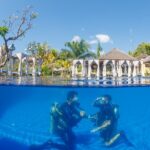
Day one is about getting your head and body aligned. You’ll start with a theory session and then do confined water sessions (sessions 1 and 2). Confined water is where beginners can learn without the extra pressure of open water and moving currents.
This day matters because freediving technique is mostly about control:
- You work breathing and breath-holding exercises.
- You learn basic skills and the safety measures you’ll need later.
- You get used to how your body reacts when you’re trying to stay calm instead of forcing effort.
If you’re anxious, day one is usually the mental win. When instructors keep things organized and step-by-step, it’s easier to believe you can learn this without feeling overwhelmed.
What you should expect to feel
In the confined sessions, you’ll likely find the biggest improvements come from relaxation and pacing. If your effort spikes, your breath-hold usually shortens. The course design pushes you to notice that pattern and correct it.
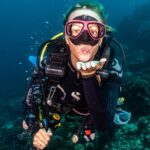
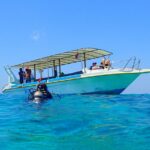
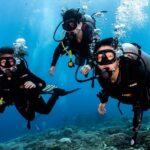

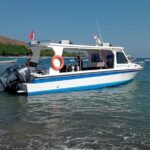

Day 2 Open Water: Equalization, Rescue Practice, Buddying, and a Written Exam
Day two shifts into open water practice with open water sessions 1 and 2. This is where the course starts to feel more like real freediving training, because you apply what you learned while dealing with the environment.
Here’s what you work on on day two:
- Free immersion practice with a focus on relaxation and equalization.
- Equalization technique so you can handle pressure changes more comfortably.
- The du cking technique portion of the curriculum, used to manage entry/positioning.
- Constant weight work.
- Rescue exercise and buddying, which are essential safety skills.
- A written exam.
That written exam is a good sign for serious training. Breath-hold sports can look simple on the surface, but safety isn’t optional. You’ll need to show you understand the safety rules and procedures that come with learning this sport.
Why the rescue + buddying part is a big deal
A lot of beginners focus only on the “how far down/how long” goal. The course instead makes buddying and rescue readiness part of the learning. That changes how you approach training. You don’t just think about yourself—you learn to think like you’re part of a team.
And if you’re coming in nervous, instructors with patience can make a big difference. People taking this course have highlighted a supportive, reassuring approach, including instructors like Edi, who help students feel at ease before things move into open water.
Day 3 Fine-Tuning: Constant Weight and Precision With Your Buddy
By day three, you’re not starting from scratch. You’re fine-tuning. The course keeps a strong focus on constant weight and buddying, with practice designed to polish technique rather than just add new skills.
Day three is the day where small corrections start to matter more:
- how you control your pace
- how you equalize efficiently
- how you maintain calm form with your buddy system in place
This is where a small-group setup again pays off. If you were in a large class, you’d often get only quick comments. In a group of up to four, you’re more likely to get specific feedback in time to adjust.
What Makes the Learning Style Work With Beginners
I think the best part of this AIDA 2 setup is the “relax, then learn” philosophy. The course keeps repeating the idea that breath control and body awareness come first. Only after that do you layer in the technique.
In practice, that usually means:
- you spend time learning how to breathe and how to hold breath without pushing panic
- you rehearse safety and team skills, not just performance
- you build comfort gradually from confined water to open water
Also, instructors matter. Names that show up from past training experiences include Putu, praised for being an excellent guide, and Edi, praised for helping people feel comfortable. Even if you don’t know the instructor ahead of time, it’s a good sign that the teaching culture tends to be patient and respectful of marine life.
Prerequisites: Swim Tests and Physical Fitness Reality Check
Before you can begin AIDA 2, you must demonstrate:
- Swim 200 meters without stopping and without fins
- Swim 300 meters with a mask, fins, and snorkel
The course also asks for moderate physical fitness. Translation: you don’t need to be an athlete, but you do need basic stamina and comfort in the water.
If you’re unsure you can pass the tests, it may be smart to get a little practice time before your course starts. The swim requirements are there for good reason. Stronger baseline swimming makes the technical training feel safer and less exhausting.
Where You Start and How the Days Run
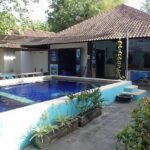
The meeting point is at the academy in Pemuteran (Dusun Pemuteran, Kec. Gerokgak, Kabupaten Buleleng, Bali). The start time is 8:30 am, and the activity ends back at the meeting point.
You should plan for a full morning start across all three days. Training days often run longer than people expect because practice and coaching take time, especially if you’re working on safety drills and equalization.
Who This Course Is Best For
This AIDA 2 beginner course is a great fit if:
- you want a real certification path, not just a fun taste
- you like structured learning with safety taught alongside technique
- you want a small group environment with more coaching attention
- you’re nervous but willing to follow a calm, step-by-step plan
It may be less ideal if:
- you cannot meet the swim prerequisite requirements
- you are looking for an experience that is mostly sightseeing rather than training
- your schedule is tight and weather-related changes would stress you out (good weather matters for this type of water course)
When You Want More Than a One-Off Experience
One interesting angle is how well this training can work for group learning. Past course groups have included study formats like marine biology programs, and the training team has supported large groups such as around 20 people in those contexts, with some participants moving on to advanced certification.
So if your Bali trip includes a learning theme—marine life, biology, or sport development—this course can connect the dots. You’ll come away with a safer, more technical understanding of breath-hold practice and how to work with a buddy system.
Should You Book the AIDA 2 Beginner Course in Pemuteran?
If you want to learn breath-hold technique seriously and safely over three days, I’d say this course is worth considering. The combination of AIDA 2 structure, small group size, staged training (theory → confined water → open water), and the focus on safety skills like buddying and rescue exercise makes it a solid beginner pathway.
Book it if:
- you can meet the swim tests
- you want coaching time, not just a schedule
- you prefer calm instruction that helps nervous beginners get grounded
Skip or delay if:
- passing the swim prerequisites feels unlikely right now
- you’re expecting a relaxed, casual water day with minimal training
If you’re deciding between options, choose the one where you’ll be taught safety and technique in a paced, coached way. That’s the difference between trying breath-hold as a thrill and learning it as a skill.
FAQ
What level is the AIDA 2 course, and does it include earlier parts?
AIDA 2 is a beginner freediver certification course. It includes the AIDA 1 level part, so you do not need to complete a separate try course before starting.
How many days does the course run?
It runs for about 3 days, with training split across theory, confined water practice, and open water sessions.
What happens on day 1?
Day 1 includes a theory session and confined water sessions 1 and 2, focusing on relaxation, breathing, breath-holding exercises, and basic safety measures.
What do you do on day 2?
Day 2 includes open water sessions 1 and 2, with work on relaxation and equalization through free immersion, plus technique training such as ducking technique and constant weight. You also cover rescue exercise and buddying and take a written exam.
What do you practice on day 3?
Day 3 is open water practice with a strong focus on fine-tuning techniques, including constant weight and buddying.
Is there a swim test before the course starts?
Yes. You must demonstrate swimming 200 meters without stopping and without fins, and swimming 300 meters with a mask, fins, and snorkel.
How big is the group?
The maximum group size is 4 travelers.
Where does the course meet, and what time does it start?
The meeting point is at the academy in Pemuteran, and the start time is 8:30 am. The activity ends back at the meeting point.
Is pickup included?
Pickup is offered.
What if weather isn’t good?
The experience requires good weather. If it is canceled due to poor weather, you’ll be offered a different date or a full refund.