Cooking in Lombok starts in a garden. This half-day class takes you from Little Eden vegetable plots to a proper meal, using traditional tools and local flavors. I love the small group feel and the organic, garden-first start. One catch: it needs good weather, and the booking terms are strict.
You’ll get hotel pickup from the Mataram or Senggigi areas, then meet at Anggrek Putih Homestay for a welcome drink and registration. After that, you plant seeds, snap photos, cook as you learn, and sit down to lunch featuring dishes like banana-leaf fish and curry, including vegetarian options (and they can work around allergies). If you hate any kind of food mess or you’re short on time, keep your expectations realistic since you’ll be cooking with your hands.
In This Review
- Key things to love about Anggrek Putih’s Lombok cooking class
- Little Eden vegetable garden: the lesson starts before the stove
- What you cook in Lombok: banana-leaf fish, curry, and stone-pestle technique
- Seed-planting, photos, and the shared lunch that closes the loop
- Small group size: why the cap matters more than you think
- Getting picked up in Mataram or Senggigi, and what that means for your day
- Price and value: why $30 can be a fair deal here
- Who should book this class (and who might want a different plan)
- Should you book Anggrek Putih’s Lombok cooking class?
- FAQ
- What time does the Anggrek Putih Lombok Cooking Class start?
- How long is the cooking class?
- Where do you meet, and is pickup included?
- What is the group size limit?
- What dishes will I cook and eat?
- Do they offer vegetarian or allergy accommodations?
- Do I need good weather?
- What are the booking and cancellation rules?
Key things to love about Anggrek Putih’s Lombok cooking class
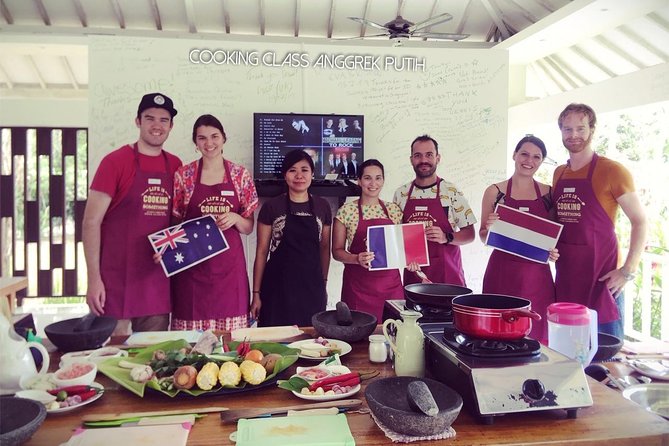
- Little Eden garden tour that actually leads into what you’ll cook
- Seed planting for every participant, not just a quick photo stop
- Banana-leaf fish and curry, with vegetarian dishes built in
- Traditional tools like a stone pestle and mortar for real technique
- Up to 10 people (max 12) for a more personal, less chaotic class
Little Eden vegetable garden: the lesson starts before the stove
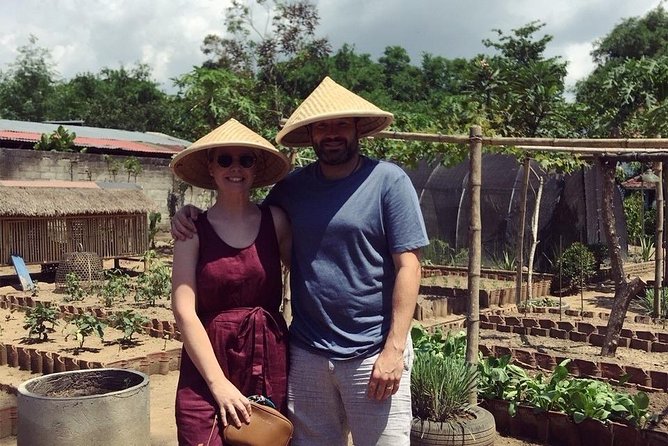
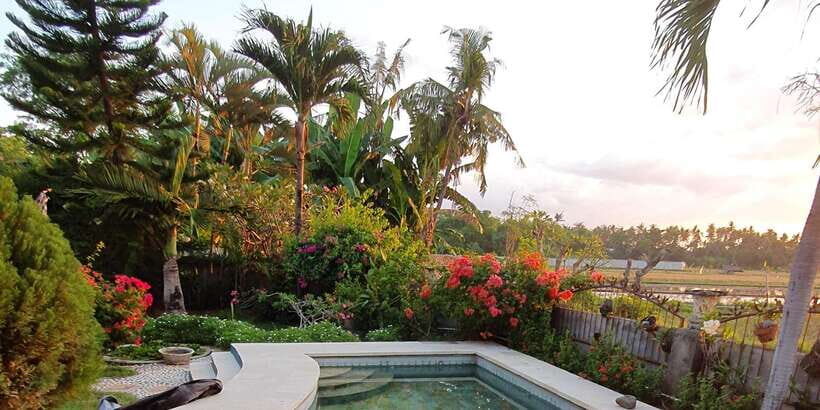
The most memorable part of this class is when it begins: you don’t start with a recipe. You start with the garden. You’ll walk through the vegetable plots at Anggrek Putih’s Little Eden, then plant seeds as part of the experience. It’s a simple activity, but it changes your whole mindset. When you later chop, grind, and cook, you’re not just following steps—you’re linking the food back to where it came from.
This also makes the class feel calmer. Instead of being stuck in a kitchen from minute one, you get a little breathing room. You’ll do a meet-and-greet after you arrive at the guest house, then registration and a free welcome drink before you head out. That flow matters. It helps you settle in and get oriented, especially since you’re also traveling with pickup from your hotel area.
A practical tip: bring a light layer even if it’s warm. Morning starts at 10:30 am, and garden time can feel cooler under shade. Also, wear shoes you don’t mind getting slightly dusty, since seed-planting is part of the deal.
You can also read our reviews of more tours and experiences in Lombok.


What you cook in Lombok: banana-leaf fish, curry, and stone-pestle technique
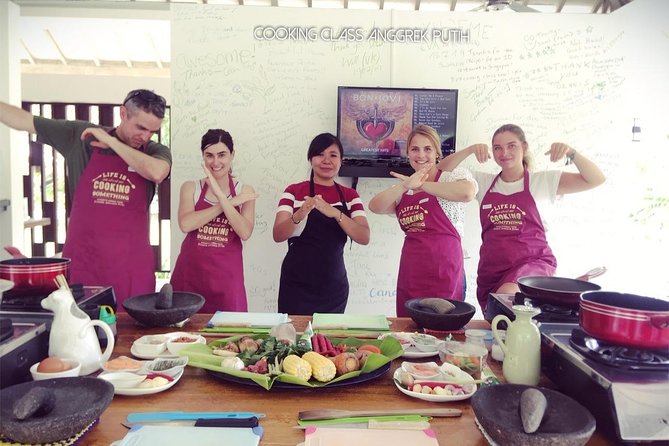
Once you’re back from the garden, the class shifts into hands-on mode. This is where the traditional tools show up. You’ll cook using traditional methods, including a stone pestle and mortar for grinding flavors. That’s not a gimmick. Grinding with a heavy stone changes texture and helps you understand what the spices and aromatics are doing beyond taste.
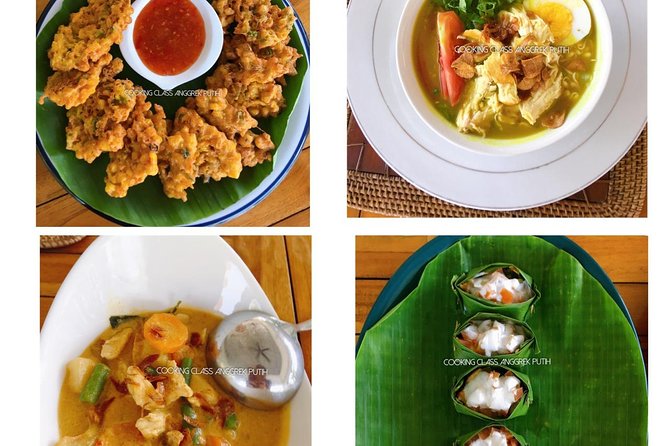
The food focus is clearly Lombok and regional Indonesian cooking. You’re set up to learn dishes such as banana-leaf fish and curry. Even if you’re not planning to recreate every dish perfectly at home, you’ll get practical technique you can reuse: how sauces build, how aromatics behave once ground, and how you can balance spice with acidity and herbs.
Vegetarians are covered with vegetarian options, and there’s specific mention that they can accommodate allergies. That’s important. A lot of cooking classes say they can do vegetarian, but this one is set up to actually adjust the meal. If you have allergy concerns, treat it as a must-do to tell them clearly at registration, not as a casual note at the end.
Also, don’t underestimate the value of learning with a group. Cooking at a bench or shared counter means you see other people’s rhythm, and you can ask quick questions while the class is in motion. It’s the kind of environment where you leave understanding the why, not just memorizing steps.
Seed-planting, photos, and the shared lunch that closes the loop
After garden time, you’ll do a photo session, then move into cooking. The class is designed like a full arc: plant, learn, cook, eat. That structure is part of why the end result feels more satisfying than a typical classroom. When you sit down to lunch, you can connect the flavors to what you saw in the garden and the method you used during cooking.
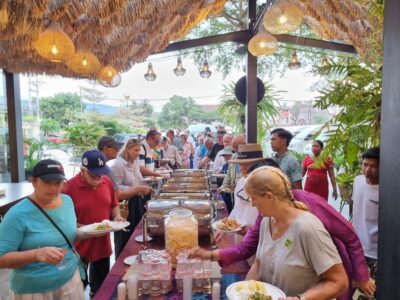
Lunch is more than just a plate. You’ll have time for chit chat with everyone in the group. With a class cap of up to 10 (and a maximum of 12), it’s not awkward or loud in the way larger tours can be. Conversations tend to flow because you’ve all been cooking the same dishes, even if your portions look a bit different.
A key reason this matters for value: you’re paying for the whole experience, not only instruction. You’re getting the meal you made, plus a relaxed social moment afterward. That’s why people often describe it as an organic feast. In plain terms, you eat well, and you feel like you earned it.
What to expect from the meal: the dishes you make are served as the lunch. The highlight examples include banana-leaf fish and curry, with vegetarian options included. If you’re someone who wants a hands-on food experience rather than a quick tasting, this format fits.
Small group size: why the cap matters more than you think
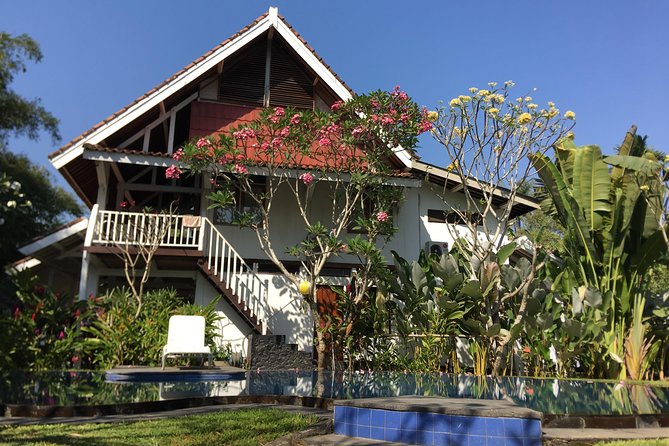
The group size is capped at 10 travelers, with a maximum of 12. That difference may sound small on paper, but in a cooking class it changes everything: you get closer attention, you’re more likely to ask questions, and you’re less likely to feel like you’re waiting for equipment.
With larger classes, someone inevitably cooks their part while others watch. Here, the setup is meant for participation. You’ll plant seeds yourself, cook yourself, and eat together. The group cap also helps with pacing during the garden walk and the kitchen stage. That pacing matters when your class is only about 3 hours total. You’re not going to be dragged through hours of waiting; you’re moving.
It also helps that the experience runs in a single, tight block that fits into a half-day. You start at 10:30 am and you’re back at your Mataram or Senggigi hotel after lunch and chit chat. If you’re planning activities around the rest of your day, this predictability is a quiet superpower.
Getting picked up in Mataram or Senggigi, and what that means for your day
Pickup is offered from the Mataram and Senggigi areas, and the tour uses a mobile ticket. In a practical sense, that reduces friction. You won’t need to figure out local transport just to get to the class, and you won’t lose your morning to complicated logistics.
Timing is also straightforward. Start time is 10:30 am and the duration is about 3 hours. That means you can still have time for the rest of your day, which is a big deal on Lombok when your schedule might include beaches, waterfalls, or a long scooter ride.
One more practical note: the experience requires good weather. That’s not a minor detail. If it’s canceled due to poor weather, you’re offered a different date or a full refund. So when you’re booking, think about where you’ll be and whether you can adjust if you need to reschedule.
If you’re sensitive to heat, plan on using sunscreen and a hat. You’ll spend time outdoors in the garden before cooking starts.



Price and value: why $30 can be a fair deal here
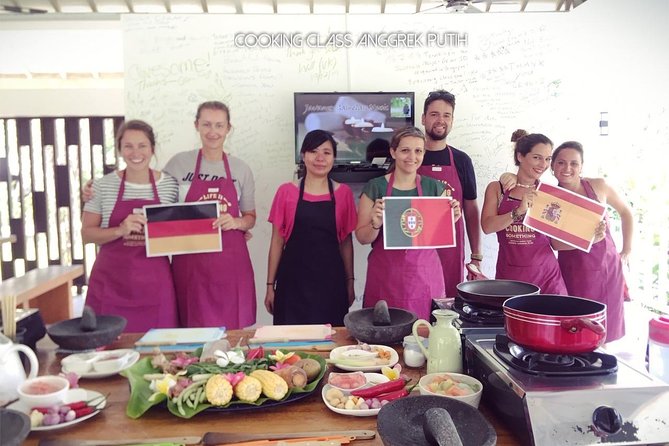
The price is $30 per person for an approximately 3-hour half-day cooking class. At first glance, that’s not “cheap,” but you also shouldn’t compare it to a quick street-food tasting. This is a full experience: pickup, garden tour, seed planting, cooking with traditional tools, photos, lunch, and time to chat.
Here’s the value breakdown in real-world terms:
- You’re paying for instruction plus a meal you helped make.
- You’re getting a garden component that’s tied directly to the food, not an extra “look at this” detour.
- You’re in a small group, which usually means more help and less waiting.
- You’re covered with vegetarian options, and they can handle allergies (when you communicate them).
Also, the class averages booking around 37 days in advance. That suggests the experience fills, likely because people like the setup and the food. If you’re traveling in peak periods, I’d book earlier so you don’t end up with fewer date choices.
Is it worth it? If your idea of a great Lombok day includes hands-on cooking and a good lunch, yes. If you’re only interested in eating and you don’t care about technique, there are cheaper ways to eat well. But for learning regional flavors and leaving with skills you can repeat later, $30 feels fair.
Who should book this class (and who might want a different plan)
This cooking class is a strong fit if you:
- Want hands-on cooking instead of watching from the sidelines
- Like food that’s tied to ingredients you see in the garden first
- Care about having vegetarian options, and you need allergy accommodation
- Prefer small-group experiences that don’t feel rushed or overcrowded
You might skip or choose another option if:
- You dislike outdoor time or you’re visiting during unstable weather
- You want a longer cooking session with more advanced training (this is half-day sized)
- You’re mainly looking for scenic sightseeing rather than meal-making
If you’re the type who likes coming home with practical knowledge, this one gives you method: grinding with stone, building curry, and using banana leaves in a traditional way.
Should you book Anggrek Putih’s Lombok cooking class?
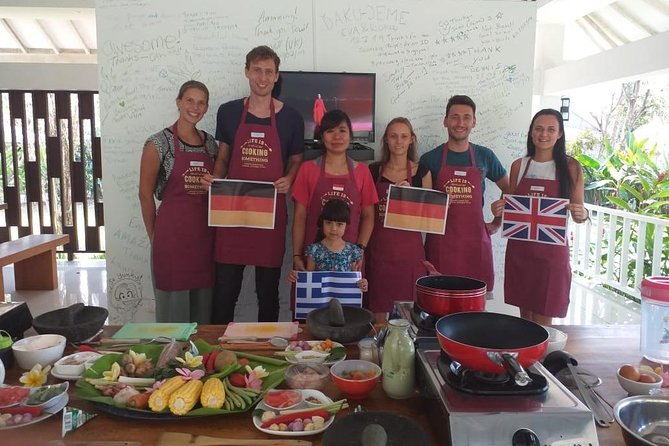
I’d book it if you want a real taste of Lombok that isn’t just eating. The combination of Little Eden garden time, seed planting, and a shared lunch you helped cook is a smart way to spend a half-day. The small group size, vegetarian options, and allergy accommodation make it feel thoughtful and functional, not just performative.
Just plan around weather and keep your schedule flexible. If conditions are good, you’ll likely come away fed, informed, and with cooking techniques you can actually use at home.
FAQ
What time does the Anggrek Putih Lombok Cooking Class start?
It starts at 10:30 am.
How long is the cooking class?
The duration is about 3 hours.
Where do you meet, and is pickup included?
You meet at the guest house after you arrive, and hotel pickup is offered from the Mataram and Senggigi areas.
What is the group size limit?
The class is capped at 10 for a personalized experience, with a maximum of 12 travelers.
What dishes will I cook and eat?
You’ll focus on Indonesian regional dishes such as banana-leaf fish and curry, and there are vegetarian options.
Do they offer vegetarian or allergy accommodations?
Vegetarian options are included, and the experience has been noted for accommodating vegetarians and allergies.
Do I need good weather?
Yes. The experience requires good weather. If it’s canceled due to poor weather, you’ll be offered a different date or a full refund.
What are the booking and cancellation rules?
This experience is non-refundable and cannot be changed for any reason. Confirmation is received within 48 hours of booking, subject to availability.