Cold air, big crater, real payoff. This Mount Ijen overnight trip takes you from Bali across to Java so you can chase sunrise over the sulfur lake and, when conditions allow, the famous Blue Fire. It’s a long, physical day that mixes logistics (ferry and transfers), nature (UNESCO-protected crater scenery), and a working volcano.
I love how the trip is structured to get you into position early. The ferry crossing from Gilimanuk to Ketapang, then the 4WD drive toward Licin, means you’re not wasting daylight just getting there. I also like that the crater experience is guided end-to-end, with practical help on steep sections, gas masks, and gear handed out before the hard parts start.
One consideration: this is not a gentle “walk and watch.” The climb and especially the crater descent are steep, rocky, and cold, and the Blue Fire may be small or even inaccessible in certain periods for safety reasons.
In This Review
- Key highlights worth knowing
- Ferry to Java, then 4WD up the Ijen approach
- What can go wrong here
- The steep climb: cold air, headlamps, and crater-rim timing
- The rocky descent is the hard part
- Blue Fire: when it happens and how to set your expectations
- The miners’ routes are part of the show
- Breakfast with a view of what you just did
- Gear, health certificate, and who should skip Ijen
- Value for money: why this feels pricey, and why it can still be worth it
- Who this Mount Ijen overnight trip suits best
- Should you book this Mount Ijen crater overnight trip from Bali?
- FAQ
- How long is the Mount Ijen overnight trip from Bali?
- Where does pickup happen in Bali?
- How do you get from Bali to Java during the trip?
- What’s included in the price?
- What should I bring?
- Do I need a health certificate for Ijen?
- When does Blue Fire usually happen?
- Is lunch or dinner included?
- Is this tour suitable for everyone with health issues?
- Are pets allowed?
Key highlights worth knowing
- Ferry + 4WD routing: ferry to Java, then a rugged vehicle ride up toward the Ijen slopes.
- UNESCO-recognized crater area: Mount Ijen’s sulfur-bowl ecosystem is part of a World Biosphere Reserve.
- Blue Fire timing: often around 05:00 AM, but viewing depends on access and conditions.
- Cold sunrise air: temperatures can drop to around 10°C, sometimes near 2°C at the crater zone.
- Mining in action: you’ll see sulfur miners working around vents and routes down to the lake daily.
- Safety-focused guidance: gas masks, headlamps, and a trekking guide to keep you steady on steep terrain.
Ferry to Java, then 4WD up the Ijen approach
This day starts with a pickup from your Bali hotel (Kuta, Legian, Seminyak, Nusa Dua, Sanur, or Ubud are covered). From there you drive west to Gilimanuk, aiming to catch the ferry over to Java. The crossing itself is short, but it’s part of the fun because it breaks up the long drive and makes the day feel like a real cross-island mission.
Once you reach Ketapang port in Banyuwangi, the trip shifts gears. You leave the main roads behind and go by 4WD to the Licin village area on the Mount Ijen slopes. This matters because you’re trading time and energy: rather than grinding through hours of uneven roads, you get pushed closer to the start point. From what I’ve seen echoed in real trip stories, drivers on this leg also help you stay calm and organized, including ferry ticket handling and meeting your guide on the Java side.
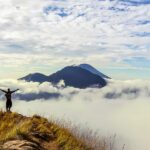
Along the way you pass through a stretch of rainforest-like greenery, including giant ferns and tall trees. It’s a welcome visual change from the bustle of Bali, and it also signals you’re moving into a different climate and altitude. You’re still headed to a sulfur crater, but the approach feels like stepping into the living “outside” of the volcano.
You can also read our reviews of more tours and experiences in Bali.
What can go wrong here
Plan for the fact that this is a very long day. Even though it’s described as a 1-day trip, the real experience can run nearly into the next evening depending on your pickup time and where you’re staying. If you’re coming from farther out (some people mention Canggu as tiring), you’ll want to treat this like an all-day sport, not a quick excursion.
The steep climb: cold air, headlamps, and crater-rim timing
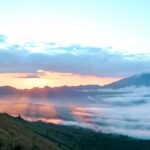
The core of Mount Ijen starts in the pre-dawn dark. Many schedules are built around getting you started between about 2:00 AM and 4:00 AM, so you can reach the crater rim in time for first light. Sunrise is often around 05:30, so the timing is tight. You’ll want to take the early start seriously, even if you’re tempted to think you’ll “sleep on the way.” The climb is steep enough that you’ll feel it as soon as you start.
Expect real cold. Around the crater area, it can sit near 10°C much of the day, and sometimes people report it even closer to 2°C. That’s not “chill” cold. It’s cold-cold, so layers make a difference. Also, the wind and cloud of sulfur near active vents can change what you feel moment to moment.
Your trekking guide is a big part of how smooth this feels. I’ve seen guide names praised in particular, like Jizat and Sam, with one common theme: they keep you moving safely on the steep sections and help with timing for photos. Others, including Chunk and Khoirul, are noted for patience and for guiding people who aren’t used to night hiking.
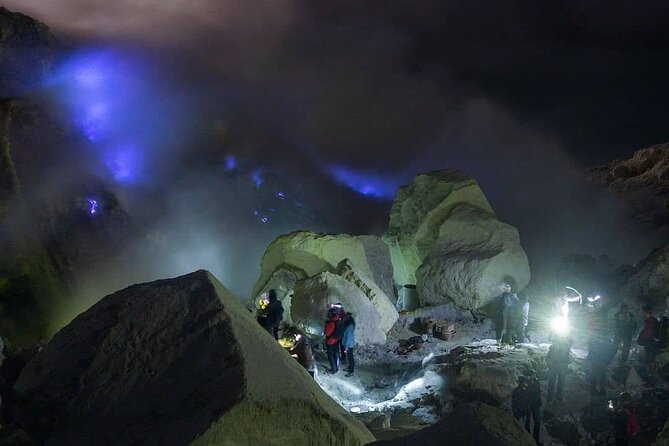
You’ll use headlamps and a gas mask. The gas mask matters most when you move closer to the sulfur zones. Guides also tend to teach you where to stand and when to turn your head so you’re not stuck breathing the strongest fumes. If you’ve ever felt claustrophobic in a busy place, this can feel like the opposite: a narrow trail in the dark, then a wide-open crater view in the cold.
The rocky descent is the hard part
Getting down to the sulfur lake is typically steeper and more technical than people expect. One account notes around 800 meters down and back up, with a rocky route and slippery gaps in the rocks. If you come in with running shoes, it’s still doable, but trekking shoes with grip will make your life easier.
There’s also a crowd effect. Ijen is famous, so you can have queues near viewpoints. That doesn’t ruin the experience, but it can make the descent feel slower than you’d want. The guide helps manage this by keeping you on the right path and pacing you so you don’t rush into the roughest sections.
Blue Fire: when it happens and how to set your expectations
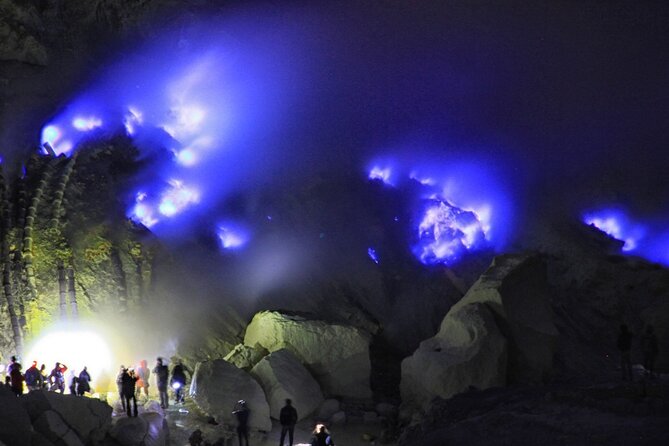
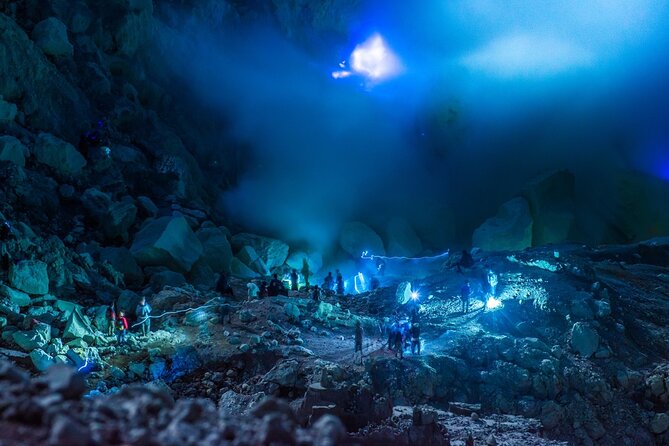
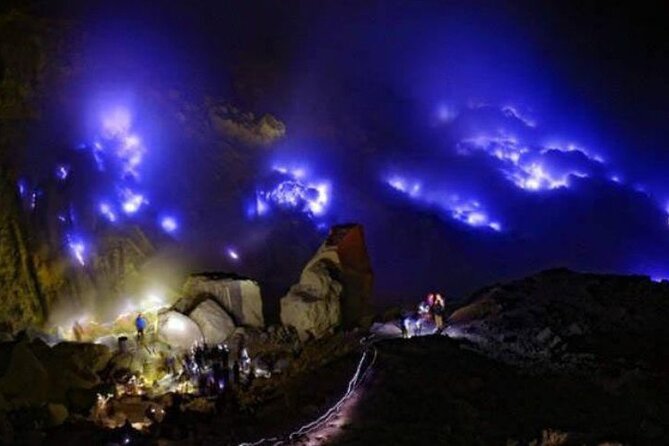
Let’s talk about Blue Fire, because this is why many people do the trip. The phenomenon is typically described around 05:00 AM, when you may see blue-tinted flames near the crater. People often call it one of the coolest things they’ve seen anywhere, and it’s easy to understand why.
But here’s the honest part: the Blue Fire is not guaranteed. The crater viewing can be restricted in some periods for safety reasons, and there are times when access to see the flames is closed. On other days, the flames can be smaller than you imagined. Smoke direction and wind also play a role; crater conditions can block views even when the flames are present.
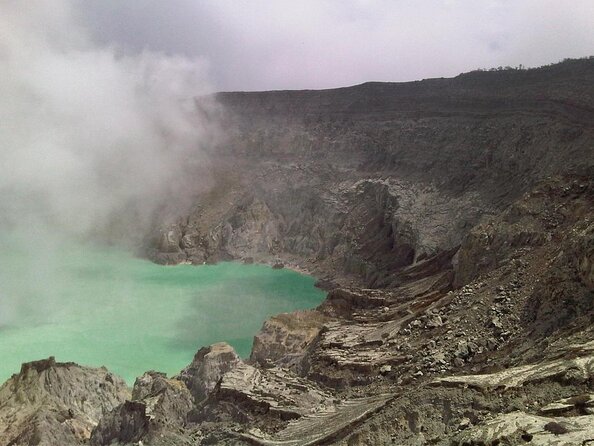
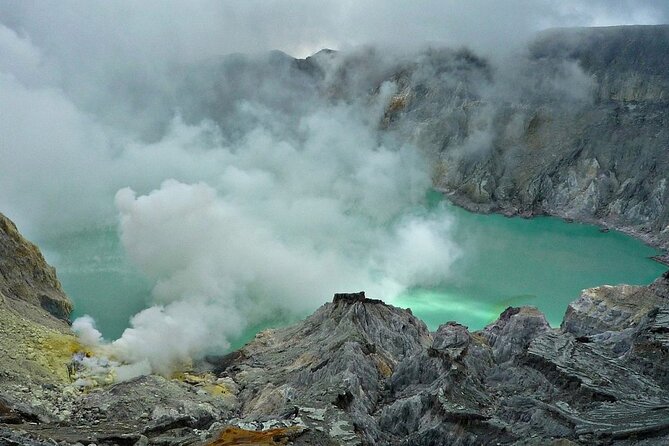
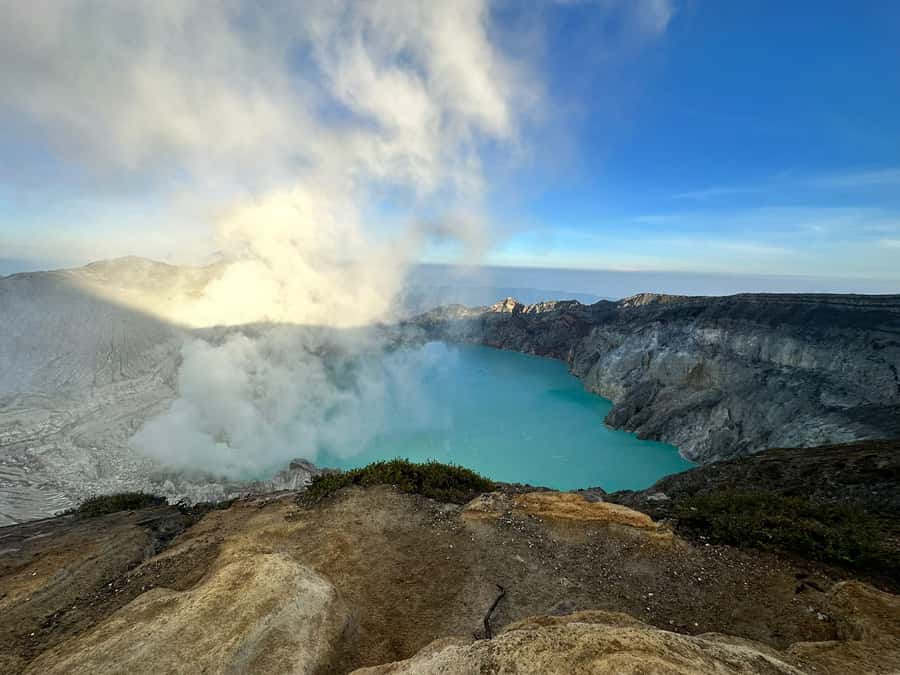
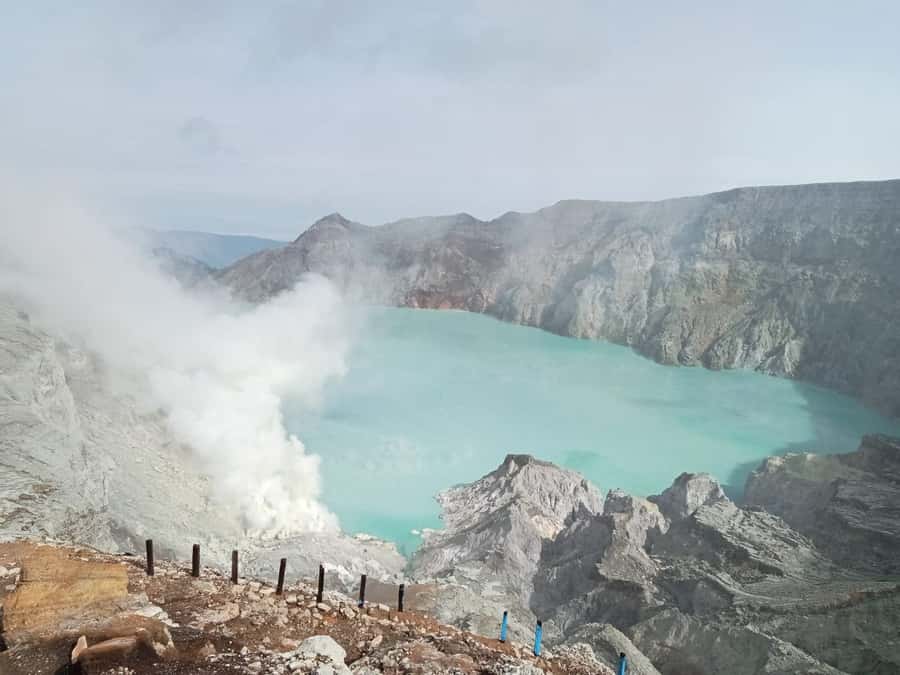
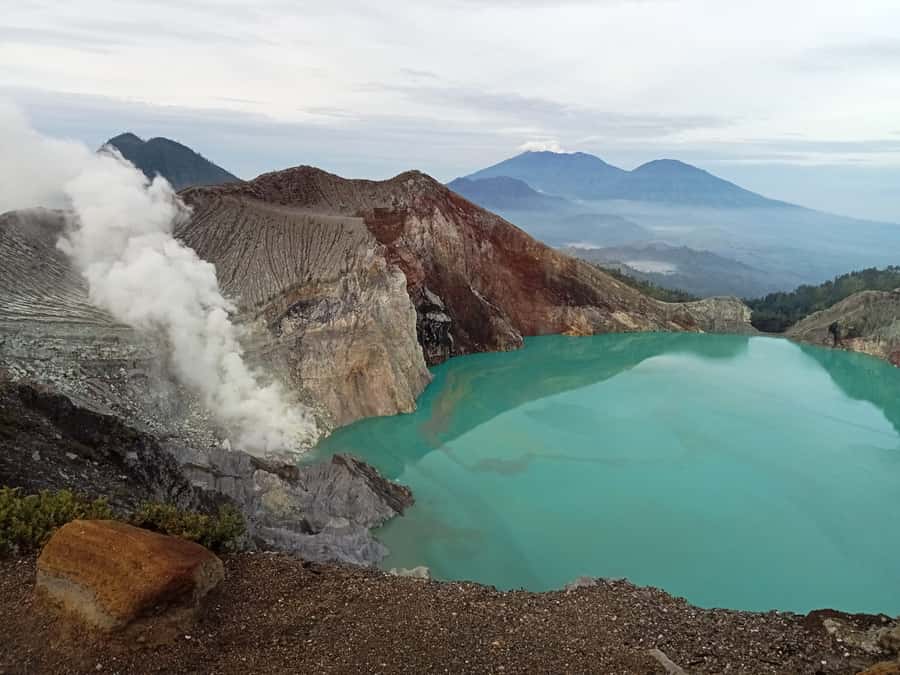
So what’s a realistic mindset? If you build your expectations around sunrise and the crater atmosphere, you’ll still get a strong day. You’ll see the sulfur lake with its turquoise color, vents emitting smoke, and miners going about their work. If the Blue Fire is active and access is allowed, it’s a bonus that can look surreal against the dark crater bowl.
The miners’ routes are part of the show
One reason the Blue Fire hits so hard is that you’re not just watching a spectacle. You’re watching a workplace. Sulfur miners move up and down from crater vents and routes down to the lake each day. When you stand near the active areas, you can see why gas masks exist and why the whole system is so carefully regulated.
This is also where the UNESCO connection lands. The Ijen region was recognized as part of UNESCO’s World Biosphere Reserves (not just because it looks dramatic, but because the ecosystem and environment matter). That context turns the view into more than a photo stop.
Breakfast with a view of what you just did
After the crater portion, the energy drops fast. That’s when breakfast helps, and it’s not just a checkbox. Your plan includes breakfast at a local restaurant back near the base area after the main hike.
This is also where the day becomes more human. When you’ve spent hours in cold air, your body wants warmth and calories, and breakfast gives you that reset. In real trip experiences, guides often make sure you’re fed without dragging the schedule. If you’re the kind of traveler who hates “hangry tourism,” this part is worth appreciating.
Then comes the ride back. You’ll return toward the ferry crossing, retracing the route across Java and back to Bali. Expect more time in the car than you might want, especially if you’re not used to long early-morning pickup days. The upside is you’ll be tired in a good way, the kind that makes sleep in the vehicle actually happen.
Gear, health certificate, and who should skip Ijen
This trip asks a lot from your body. It’s not only the steep hiking. It’s also cold temperatures, low light at the start, and the sulfur environment near the crater.
You’ll need a health certificate. For Ijen activities, you must have a certificate from a doctor/clinic/hospital made the day before your climb. The estimated cost is IDR 50,000 per person. If you don’t show up with the paperwork, you risk losing your spot, so plan that into your Bali days rather than treating it like an optional errand.
You also need to respect the “not suitable for” list. Skip this if you have mobility impairments, heart problems, vertigo, respiratory issues, or you’re actively dealing with a cold. This isn’t “don’t be dramatic” advice. The route is steep and the breathing environment can be harsh.
Practical gear notes based on real experience:
- Bring cash (needed for small purchases and extras).
- Wear warm layers for early and late moments.
- If you have knee or ankle concerns, use shoes with grip and consider slowing your pace.
- Gas masks and headlamps are provided as part of the activity.
And yes, there are “taxi” pull options described by some guides. This is a short “pulled up/down” help with additional cost. It’s not for everyone, but it exists as a safety valve if steepness becomes too much.
Value for money: why this feels pricey, and why it can still be worth it
Some people call this an expensive day trip. Fair. You’re paying for a lot happening at once: hotel pickup and drop-off, ferry tickets, entrance fees, a trekking guide, gas mask support, breakfast, and the transport chain that links Bali to Java and back.
So the value question is really about what you want:
- If you want a clean logistics experience with someone handling the ferry and guiding the hard parts, this price often makes sense.
- If you’re the type who loves building your own route, this might feel heavy compared to DIY travel.
Where the money usually lands well is safety and timing. Ijen rewards preparation. When your guide is calm and experienced, and when drivers coordinate the ferry and meeting points smoothly, you spend less time worrying and more time standing in the crater bowl with your eyes open.
You’ll also get something hard to replicate: the combination of night-to-sunrise timing, sulfur-lake geography, and the chance of Blue Fire. Even on days when flames are small or access is limited, the crater views and mining context still make the trip feel like a real, one-of-a-kind day.
Who this Mount Ijen overnight trip suits best
This works best for you if:
- You’re comfortable with steep hikes and cold mornings.
- You want an organized, guided crater experience rather than guessing your way through.
- You care about timing enough to start very early.
It’s less of a fit if:
- You need flat ground and steady footing.
- You’re dealing with breathing limitations or significant health risks.
- You want a short, casual outing.
If you’re a solo traveler, it can feel reassuring because the guide and drivers keep the moving parts handled. Some trip stories specifically mention solo comfort and safety, with guides like Chunk and drivers like Erick cited for making people feel at ease.
Should you book this Mount Ijen crater overnight trip from Bali?
Book it if you want a structured shot at a rare natural spectacle and you’re ready for the cold, the steep climb, and the sulfur-zone rules. Even if the Blue Fire is not visible, the sunrise crater atmosphere, the sulfur lake, and the working-volcano context can still land as one of your best days in Indonesia.
Hold off or choose another plan if you can’t get the health certificate on time, you’re affected by vertigo or respiratory issues, or you know you struggle with rocky descents. Also, if your schedule is fragile and you hate long drives, treat this as an all-day commitment.
If you do book, pack warm layers, start mentally early, and trust the guide on pacing and footing. This trip is not about doing everything fast. It’s about getting to the right places at the right moments, then letting Ijen do the talking.
FAQ
How long is the Mount Ijen overnight trip from Bali?
It’s listed as a 1-day experience, though the full schedule can run very long due to ferry timing and early-morning hiking.
Where does pickup happen in Bali?
Pickup is possible from hotels in Kuta, Legian, Seminyak, Nusa Dua, Sanur, or Ubud.
How do you get from Bali to Java during the trip?
You travel by car to Gilimanuk, take the ferry to Java, then continue from Ketapang port to the Ijen area by vehicle.
What’s included in the price?
Hotel pickup and drop-off, ferry ticket, Mount Ijen entrance fees, trekking guide, gas mask, and breakfast.
What should I bring?
Bring cash, since it’s specifically mentioned as needed for the activity.
Do I need a health certificate for Ijen?
Yes. You need a health certificate from a doctor/clinic/hospital dated the day before the activity, and it’s estimated at IDR 50,000 per person.
When does Blue Fire usually happen?
Blue Fire is commonly reported around 05:00 AM, so the schedule is built around getting you into position early.
Is lunch or dinner included?
No. Lunch and dinner are not included.
Is this tour suitable for everyone with health issues?
No. It’s not suitable for people with mobility impairments, heart problems, vertigo, respiratory issues, or people with a cold.
Are pets allowed?
No, pets are not allowed.