Market alleys and lunch from your own hands. This Seminyak cooking class pairs a market tour with hands-on practice, so you learn ingredients before you cook them. You’ll shop through tropical produce and aromatic spices, then follow a friendly chef’s steps to make popular Balinese dishes, finishing with a group meal of what you cooked.
I love that this isn’t just a show-and-tell class. You’re actually chopping, mixing, and cooking as you go, and the chef keeps things moving while making sure everyone gets time on the food prep. I also like the extras: you get a cookbook and a certificate, plus a shared lunch that turns the whole thing into a proper meal instead of a quick snack.
One drawback to consider: since the experience includes a market tour and a class “production line” feel can vary by group, ask up front about how much hands-on time you’ll get and how your dishes are prioritized at the end. That’s the part that can make or break the experience depending on your group.
In This Review
- Key Highlights You Should Know Before You Go
- From Seminyak Market Stalls to Your Own Spices
- Pickup, Timing, and How Long Half-Day Really Means
- The Market Tour: Where Your Cooking Starts
- A smart consideration for the market
- Morning Tea and Balinese Cake: A Calm Reset Before Cooking
- In the Kitchen: Hands-On Cooking (Not Just Watching)
- What you should focus on during the class
- Lunch: Eating What You Made Together
- What’s Included (And Why It’s Good Value)
- Who This Cooking Class Is Best For
- Practical Tips to Get More Out of the Day
- Should You Book This Bali Cooking Class?
- FAQ
- What is the duration of the Bali cooking class and market tour?
- What does the price include?
- Is drop-off included after the tour?
- What languages are used during the experience?
- What dishes and activities will I do?
- Is it wheelchair accessible?
- Are there age restrictions?
- What are the cancellation terms?
Key Highlights You Should Know Before You Go
- Market tour with ingredient hunting and haggling practice through Seminyak-area stalls
- Morning tea with Balinese cake before you start cooking
- Hands-on cooking guided in English and Indonesian with an emphasis on technique
- You eat what you cook as a group, rather than just watching
- Take-home cookbook plus certificate, so you can recreate the flavors later
- Pickup included with a short wait rule, so plan to be ready early
From Seminyak Market Stalls to Your Own Spices
This is one of those Bali experiences where the best part is the order of events. You don’t jump straight into recipes. You first walk a market, see the ingredients up close, and learn how they’re commonly used. Then you bring that knowledge into the kitchen while the flavors are still fresh in your mind.
The overall vibe is practical and social. You’ll be in a group, you’ll taste things along the way (like morning tea with Balinese cake), and you’ll end the session by eating what you made together. For many people, that’s the real win: you leave with both cooking skills and a satisfying meal.
You also get structured language support. The instructor works in English and Indonesian, and there’s an audio guide listed for both languages too. Even if your cooking skills start at the “I can boil water” level, you’ll have enough guidance to follow steps and understand what’s going on.
You can also read our reviews of more tours and experiences in Seminyak.



Pickup, Timing, and How Long Half-Day Really Means
This experience runs about 5 hours in total. That matters because a half-day format needs good pacing. Too many breaks, and suddenly you lose time for actual cooking.
You’ll be picked up from your hotel area (drop-off is not included). Plan for a simple rhythm: you’ll want to be ready in the lobby around your scheduled pickup time, because the driver will wait no longer than 5 minutes after that scheduled time. It’s a small detail, but it keeps your day from turning into a stressful scramble.
Also note that the class isn’t designed for very young kids or older adults: it’s listed as not suitable for certain age ranges (under 2 through under 4), people with altitude sickness, babies under 1, and people over 70 or over 95. If you’re traveling with grandparents or little ones, double-check this before you book.
The Market Tour: Where Your Cooking Starts
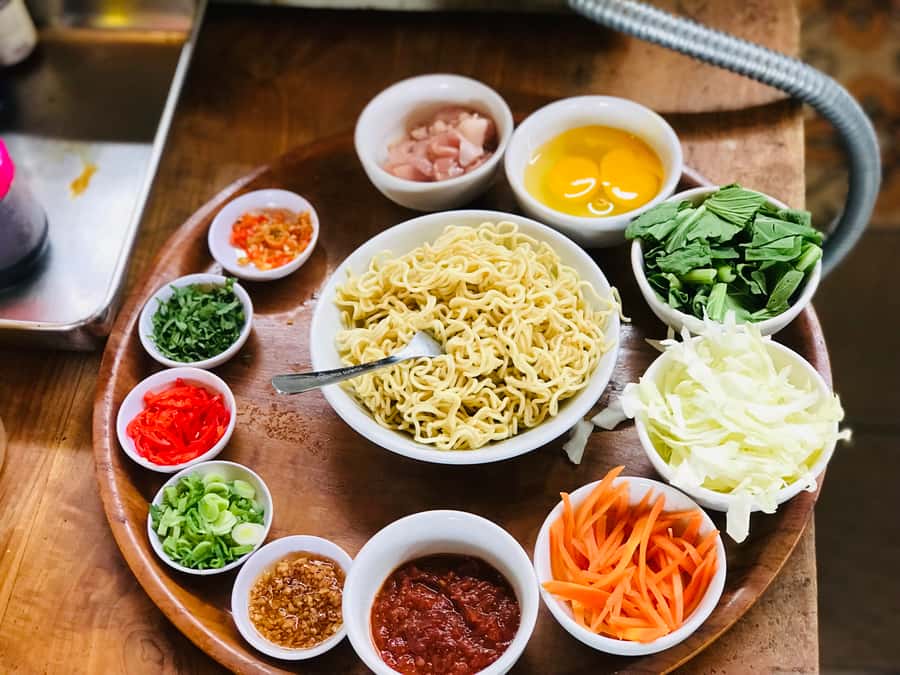
The market stop is more than a photo opportunity. It’s where you connect the recipe to real ingredients—fresh produce, locally grown fruits, and fragrant spices you’ll actually use later in class.
Here’s how this usually pays off for you:
- You’ll recognize ingredients by sight and smell, which helps when you’re cooking later and trying to follow a recipe.
- You learn what’s common in Balinese cooking, not just what’s trendy or imported.
- You get a chance to practice haggling in a real setting, which is part cultural immersion and part useful skill.
You’ll walk the “alleys” of the market and scout items before returning to the kitchen. That scouting time is ideal because it sets you up to cook with less guessing. When you can match what you saw at the market to what’s on your prep station, the class feels smoother.
A smart consideration for the market
Some cooking class market tours can get short if the schedule tightens. If you care about shopping for spices after the class, you’ll be happiest if you:
- ask how much time you’ll have at the market,
- keep an eye on whether you’re buying ingredients for class only or also browsing for personal purchases.
That way you don’t end up with a tight timeline if you planned to do your own spice hunting.
Morning Tea and Balinese Cake: A Calm Reset Before Cooking
Before the cooking work really ramps up, you’ll have morning tea with Balinese cake. This is a good moment to slow down, settle your energy, and get friendly with your group before you start chopping and stirring.
It also works as a gentle introduction to local snack culture. Even if you don’t eat a lot during the tea, you’re better off staying fueled—because the cooking block takes active attention. Half-day means no huge wait for dinner, so you’ll want steady energy.
And yes, it’s a small thing, but tea breaks often turn into the “we’re really doing this” moment. You go from watching markets to actually cooking Balinese flavors.




In the Kitchen: Hands-On Cooking (Not Just Watching)
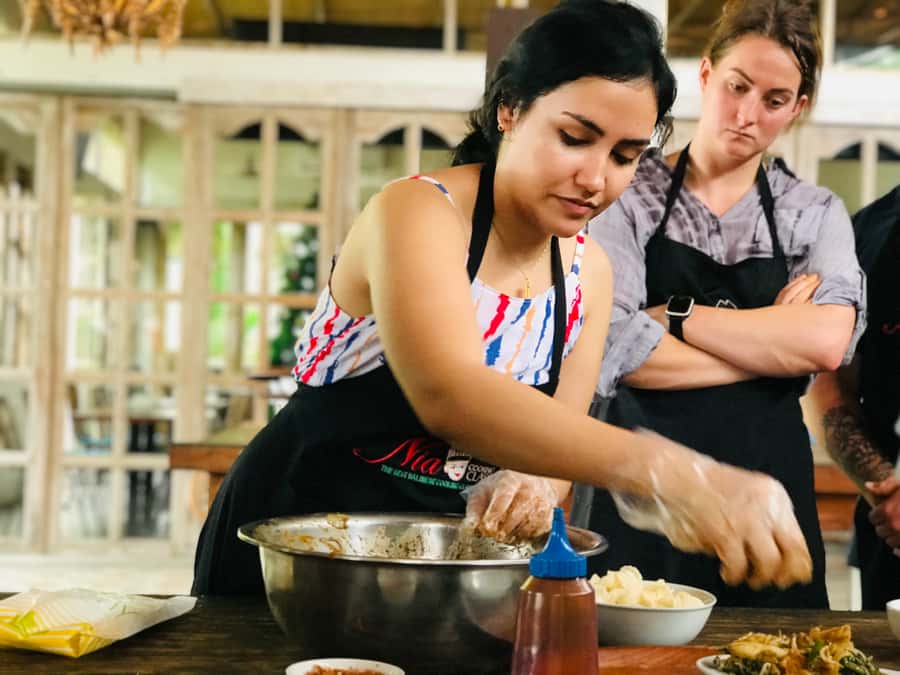
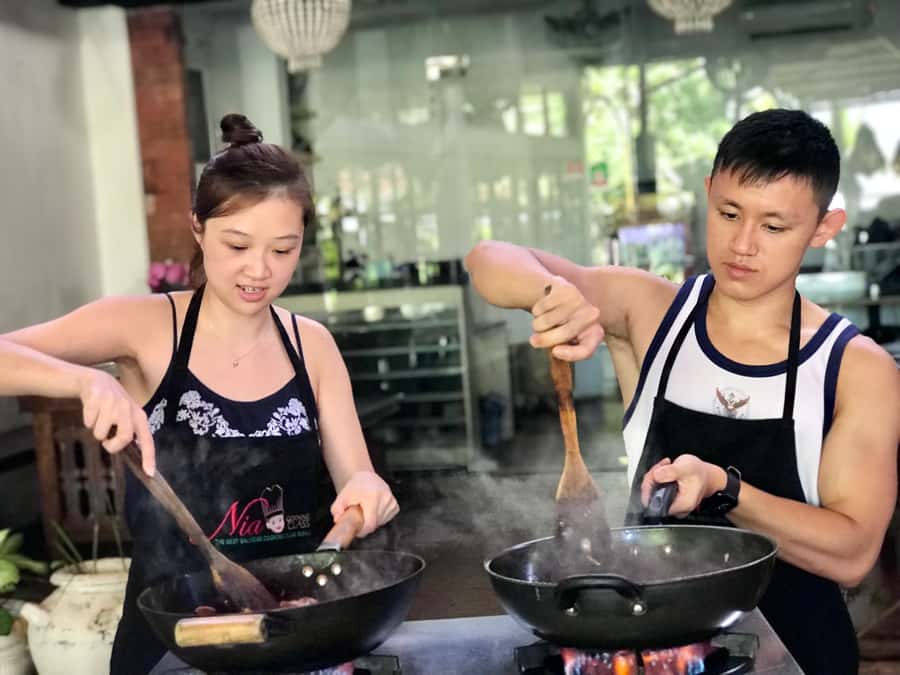
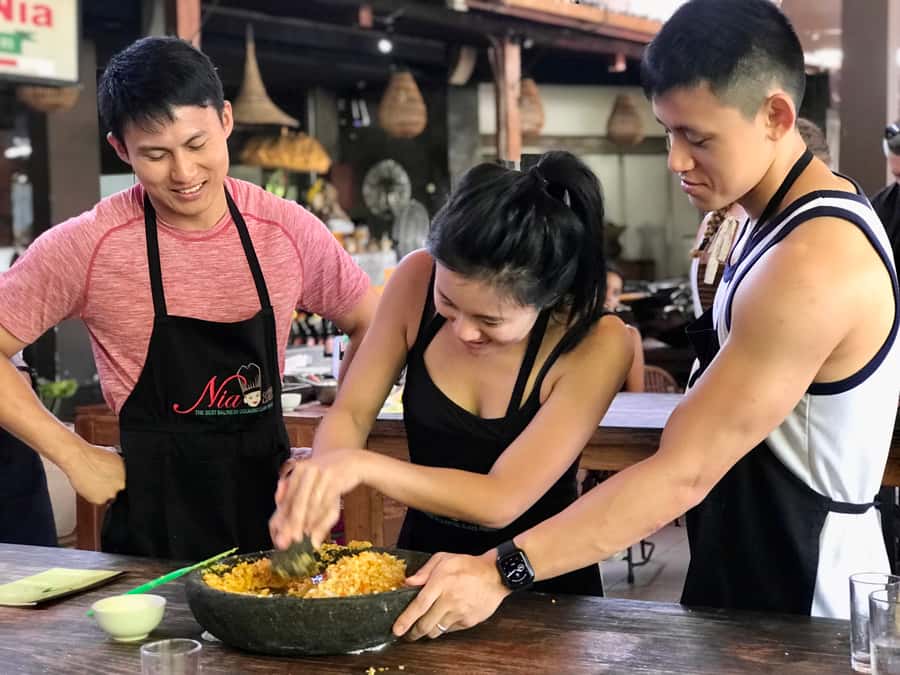
The cooking class itself is structured around making popular Balinese dishes. You’ll carefully follow the chef’s instructions, and there are assistants on-site to help keep things moving and support different cooking tasks.
The key is that you’re not just tasting. You’re learning techniques and doing the prep. One of the things I like about this kind of class is that you can taste your progress. As you add spice and adjust the steps, you start understanding how Balinese dishes build flavor.
The chef’s job is more than reciting steps. A great chef keeps the class fair so everyone gets time to cook. From the info you have, expect that you’ll rotate through tasks and get clear guidance in English and Indonesian. That makes it much easier if you’re cooking with a group where skill levels vary.
What you should focus on during the class
If you want this experience to be more than a one-off meal, watch for these cooking learning cues:
- how ingredients are prepared (small differences can change texture fast),
- when aromas shift (spices behave differently as heat changes),
- how the chef guides consistency, not just speed.
Since you’ll get a cookbook later, your goal in class should be to remember technique, not memorize every ingredient quantity.
Lunch: Eating What You Made Together
At the end, you’ll enjoy the food you helped prepare with your group. This is important because it transforms the experience from a lesson into a full sensory reward.
You’ll get the chance to taste the dishes you made, which helps your brain “file” the flavor. When you eat it, you can connect what you did—chopping, mixing, cooking—with the final result. That’s how these classes become repeatable at home.
One caution to keep in mind: not every cooking class ends with a perfect match between what you personally cooked and what’s served on the table. If this matters to you, it’s worth asking your chef or organizer how they handle serving so you know what to expect before you start.
What’s Included (And Why It’s Good Value)
For $40 per person and a 5-hour half-day, the value comes from more than the kitchen time. You’re also paying for the market walk, morning tea, lunch, and take-home materials.
Included items:
- Market tour
- Morning tea with Balinese cake
- Lunch
- Certificate and cook book
- Pick up only (drop-off not included)
So your money goes into three layers:
1) Cultural ingredient education in the market
2) Skill-building in the kitchen
3) A full shared meal plus materials to recreate dishes
If you compare that to a “tour only” market experience, you get actual cooking practice and food results. If you compare it to a “cooking only” class, you get ingredient context first. That combination is usually what makes people feel it was worth it.
Who This Cooking Class Is Best For
This is a strong pick if you:
- want a practical food experience without spending a full day,
- like learning by doing (not just watching),
- enjoy market wandering and trying local ingredients,
- want something fun for a short Bali stay.
It’s also a decent fit if you’re traveling with friends or family in a mixed group of cooking confidence levels. The structure supports multiple tasks, so you’re not stuck only doing one boring step.
If you’re very picky about hands-on participation, or you hate when a market portion feels rushed, you’ll want to set expectations before you go. Ask how much hands-on cooking time you’ll get and how they plan serving at the end.
Practical Tips to Get More Out of the Day
You’ll have the best experience if you:
- arrive ready to cook (clothes you’re okay getting a bit messy),
- bring a light layer (kitchens can feel cooler than outdoor air depending on ventilation),
- be open about tasting and learning even if you’re not a big spice person—Balinese flavors are not only heat, they’re also aromatic and layered,
- keep an eye on what you buy at the market so you can follow your own ingredients later if you choose.
And in the market, don’t treat haggling like a contest. Treat it like a conversation. The goal is practice and understanding, not winning.
Should You Book This Bali Cooking Class?
I’d book it if you want a real Balinese food experience in one half-day: market-to-kitchen, hands-on cooking, then a shared meal plus take-home materials. The time balance is smart, and the $40 price point makes sense because you’re getting far more than a single cooking demo.
I’d hesitate only if you’re the type of traveler who needs a very specific portion of hands-on cooking or you want a guarantee that every dish on the table matches what you personally made. In that case, ask direct questions before you pay, especially about how serving works and how much market time you’ll get.
If you go in expecting a well-paced group experience, you’ll likely leave with new cooking confidence and flavors you can recreate.
FAQ
What is the duration of the Bali cooking class and market tour?
The experience lasts about 5 hours.
What does the price include?
It includes pickup only, a market tour, morning tea with Balinese cake, lunch, and a certificate and cook book.
Is drop-off included after the tour?
No. Drop-off is not included.
What languages are used during the experience?
The instructor uses English and Indonesian, and the audio guide is also listed in English and Indonesian.
What dishes and activities will I do?
You’ll join a market tour to scout ingredients, then take part in a cooking class to prepare popular Balinese dishes, and you’ll eat the food you helped make with your group.
Is it wheelchair accessible?
Yes, it is listed as wheelchair accessible.
Are there age restrictions?
Yes. It is listed as not suitable for children under 2, under 3, and under 4, plus babies under 1. It’s also listed as not suitable for people over 70 and over 95.
What are the cancellation terms?
Free cancellation is available up to 24 hours in advance for a full refund.