Mount Batur sunrise is Bali at its most dramatic. You’re up in the dark for a guided climb to the crater rim, then back down for a warm breakfast and hot drink. Two things I really like are the licensed English-speaking guide and the fact that the trek is set up for you (flashlight, poles, and a planned pace).
For added value, you can upgrade to the geothermal hot springs afterward, which is a smart move when your legs feel like noodles. One possible drawback to plan for: the climb is short but steep and early mornings can be rough if you’re not used to hiking in the dark.
In This Review
- 5 Things That Make This Sunrise Trek Worth Your Early Alarm
- Why Mount Batur Sunrise Feels Like Bali’s Real Signature
- Pickup, Timing, and the 8-Hour Reality Check
- The Crater-Rim Climb: Flashlights, Poles, and a Pace That Works
- Sunrise Views and the Breakfast Moment That Keeps You Going
- After the Hike: Upgrading to Batur Natural Hotspring
- Price and Value: How $39 Adds Up in Real Costs
- What to Expect When the Weather Turns (and How to Roll With It)
- Who This Trek Is Best For (and Who Should Think Twice)
- The Practical Stuff I’d Do Before You Go
- Should You Book This Mount Batur Sunrise Trek?
- FAQ
- Is hotel pickup included?
- How long is the Mount Batur sunrise trek?
- What’s included in the trek itself?
- Do I need special fitness for this hike?
- Are there private and shared options?
- What if the weather ruins the sunrise?
- Is cancellation free?
5 Things That Make This Sunrise Trek Worth Your Early Alarm
- Crater-rim sunrise setup with head flash lights and trekking poles provided
- Warm breakfast and hot tea/coffee right after the hard part
- Licensed English-speaking guide who keeps you moving safely and at a workable pace
- Optional hot springs recovery at Batur Natural Hotspring for tired legs
- Easy pickup coverage across Kuta, Seminyak, Canggu, Sanur, Ubud, and even Kintamani areas
Why Mount Batur Sunrise Feels Like Bali’s Real Signature
Mount Batur isn’t just another viewpoint. It’s an active-volcano hike where the big moment is the sky changing while you’re up high. You climb early enough that the world still feels quiet, and then you watch sunrise happen above the cloud layer.
What makes this experience click is how it’s structured around the hardest part of the day: the early hike. You’re not left to figure out logistics in the dark. You’re with a guide, equipped, and moving toward the same goal at the same time—sunrise.
Also, the guides matter. On this route, you’ll hear real stories about the volcano, and you’ll see the practical side too: guides help with footing, encourage you when it gets steep, and manage the group’s rhythm so you don’t burn out before the best light.
You can also read our reviews of more tours and experiences in Seminyak.



Pickup, Timing, and the 8-Hour Reality Check
This is an about 8-hour experience that starts very early. Most people plan for an eye-openingly early pickup (often around 1am to 2am). The goal is simple: you’ll be hiking when it’s still dark, so you can reach the crater rim before sunrise.
Pickup covers a lot of Bali bases, including Seminyak, Canggu, Sanur, Kuta/North Kuta, Ubud, and Kintamani. That’s a big deal for value because you avoid paying separately for a driver and then trying to coordinate the right timing with a guide.
Once you start moving, the day stays efficient. You hike, then you eat while the views are still rolling in, then you head back down. If you choose the hot springs upgrade, you add extra recovery time without losing the structure of the day.
If you’re the type who hates waiting, you’ll probably appreciate this. Everything runs like a tight morning plan: early departure, sunrise window, then a steady descent back to where you’re staying.
The Crater-Rim Climb: Flashlights, Poles, and a Pace That Works
The climb targets the crater rim (not the full summit). That’s important for expectations: you’re hiking upward in the dark, over uneven ground, with a guide keeping you oriented and safe.
Included trekking gear helps a lot:
- Head flashlight (so you can see your steps)
- Trekking poles (for stability on steep stretches)
- A guided route timed for sunrise
In real-world terms, the hike is often described as around 1.5 hours uphill. It’s not a long hike, but it is a serious one. You’ll deal with inclines and slippery spots, so decent footwear matters. You don’t need mountaineering gear, but you do need shoes you trust.
The best part of hiring a guide here is less about storytelling and more about momentum. Guides encourage breaks at the right moments and adjust pace for the group. People often mention guides who are patient and supportive—names that come up include Ageng, Wira, Yus, and Komang Raka—and that kind of temperament matters when you’re tired and it’s still early.
One more practical note: you may see other ways people sometimes try to reduce effort (like offers for motorbike rides partway up). If you want to try that, treat it as a separate decision, not as part of your tour plan. Your safest bet is to follow your guide’s pace and save your energy for sunrise.
Sunrise Views and the Breakfast Moment That Keeps You Going
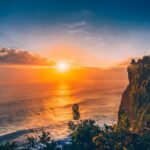
Once you reach the crater rim, the mood flips. The climb is effort. The summit-time is reward.
You’ll watch sunrise while enjoying a warm light breakfast plus a hot drink (tea or coffee). This timing is smart. Your body is coming off a cold, dark climb, and warm food helps you feel human again instead of just hungry and shivering.
Breakfast here is described as simple, not fancy. That’s exactly why it works. You’re not trying to stop for a full meal. You need something filling enough to power the descent, plus warmth to reset.
Then the guide typically keeps you positioned so you can see clearly. Some guides also take pride in group photos and making sure people get a turn with the best sightlines. You’ll likely remember the sunrise even if you don’t remember every detail of the trail.
The big catch is weather. If clouds block the horizon, you can still get great views and a dramatic morning atmosphere, but you might not get the classic sun reveal. This is part of volcanic trekking, and it’s why weather matters so much.
After the Hike: Upgrading to Batur Natural Hotspring
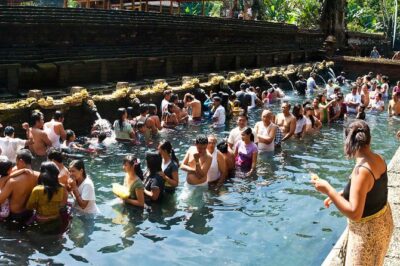
If you upgrade, you add a relaxing geothermal soak after the descent. This is one of the most sensible “value upgrades” on the schedule because it targets exactly what you need after a steep morning: sore legs and fatigue.
In practical terms, people describe spending about 1.5 hours in the heated pools. It’s not a spa day with robes and scented candles. It’s warm water that helps you recover, which is what you actually want when your calves feel like they’ve been personally offended by the mountain.
A possible downside: hot springs can get crowded, especially around peak morning arrivals. If you’re sensitive to noise or crowded spaces, you might prefer to keep it lighter and not add too much extra time at peak hours.
Still, if your plan is to do the hot springs option, this tour handles it as a natural continuation of the morning rather than turning it into a separate half-day excursion.


Price and Value: How $39 Adds Up in Real Costs
At $39 per person, this trek is priced like a value-focused sunrise option, and the math makes sense when you compare what’s included.
You’re getting:
- A licensed English-speaking trekking guide
- Flashlight and trekking poles
- Breakfast and hot tea/coffee
- A water bottle
- Pickup and drop-off across multiple Bali areas
- Access to the guided sunrise crater-rim route
Where people often get burned is when they try to piece it together: a driver, a guide, equipment rental (or forgetting it), and then the awkward timing on a mountain route. This tour removes most of that friction. You pay a relatively low rate and let someone else handle the tight morning scheduling.
The hot springs upgrade is a separate cost, but it often feels worth it because recovery time is built into your day rather than turning into another “go search for it yourself” mission.
If you’re visiting Bali on a budget but still want a real icon experience, this price point is one of the reasons the tour sells so well.
What to Expect When the Weather Turns (and How to Roll With It)
Sunrise hikes are weather-dependent. That means you should emotionally prepare for the possibility of cloud cover or rain.
The good news: even when sunrise isn’t perfect, the crater rim still delivers a high-altitude, volcanic-morning atmosphere. If it’s cloudy, you’ll still get the workout, the views that do exist, and the morning structure that keeps you safe.
A second good news: the tour includes a weather contingency through the cancellation policy. If the experience is canceled due to poor weather, you’ll either be offered a different date or a full refund.
For your own prep, plan like it might be cold and damp. Bring layers you can handle, and wear shoes with traction. If rain hits, it can make the trail slippery, and you’ll want your footing to feel secure.
Who This Trek Is Best For (and Who Should Think Twice)
This experience is a strong fit if you:
- Want a guided volcano sunrise (active planning, not guesswork)
- Are okay with early mornings and steep stairs-of-a-mountain energy
- Have moderate physical fitness
- Appreciate organization: pick-up, equipment, guide, breakfast, and return
It’s less ideal if you:
- Hate steep, uneven surfaces
- Have knee or balance issues and aren’t comfortable on slick ground
- Need long, leisurely pacing without any strain
Most people find it doable because it’s not a long hike, but it is a demanding one. Guides help a lot here. Names that come up in the experience include Wira, Yus, and Veera, and the common theme is patience—guides adjust to the group and keep safety tight on tricky sections.
The Practical Stuff I’d Do Before You Go
You’ll get trekking tools (flashlight and poles), so you don’t need to pack those. But I do recommend focusing on the parts that make the day easier:
- Wear shoes you can trust on slick ground
- Bring a light layer that keeps you warm before sunrise
- Move at the guide’s pace, not your ego’s pace
- Don’t overpack your backpack (you’ll be climbing early, and weight adds up)
Also, if you’re considering the hot springs upgrade, think of it like recovery insurance. The soak doesn’t magically remove effort, but it can make the rest of your day feel way more normal.
And if your priority is photos, ask your guide for a clean spot. Many guides are great at positioning people so you don’t miss the key moments.
Should You Book This Mount Batur Sunrise Trek?
If you want Bali’s most iconic kind of morning—up in the dark, hiking to a volcanic viewpoint, then eating something warm while the world wakes up—this is a solid choice. The guide-led setup and included equipment reduce risk and stress, and the hot breakfast plus optional hot springs makes the whole day feel complete.
I’d book it if you’re comfortable with moderate fitness and early wake-ups, and you want value without spending extra time coordinating transport. Skip it only if steep, uneven footing or early mornings are likely to ruin your trip vibe.
In short: this is one of those Bali experiences where the structure is the point—and sunrise is the payoff.
FAQ
Is hotel pickup included?
Yes. Pickup and drop-off are included from several areas: Kuta, North Kuta, Sanur, Seminyak, Canggu, Ubud, and Kintamani.
How long is the Mount Batur sunrise trek?
The experience runs about 8 hours (approx.).
What’s included in the trek itself?
You’ll get a licensed English-speaking trekking guide, trekking equipment (head flashlight and poles), warm light breakfast, hot tea/coffee, and a water bottle.
Do I need special fitness for this hike?
You should have moderate physical fitness level. It’s a steep, early-morning climb, even though it’s not described as a long trek.
Are there private and shared options?
Yes. Private tour or joined-in options are available depending on the package you choose.
What if the weather ruins the sunrise?
This experience requires good weather. If it’s canceled due to poor weather, you’ll be offered a different date or a full refund.
Is cancellation free?
Yes. You can cancel up to 24 hours in advance for a full refund. If you cancel less than 24 hours before the start time, the amount paid is not refunded.