Sunset fire chants at a cliff temple. This evening combo pairs Uluwatu Temple with Bali’s hypnotic Kecak dance, set against the Indian Ocean, plus practical help so the whole night runs smoothly.
What I like most is the mix of place and performance: cliffside temple views that feel movie-still beautiful, and a Kecak show that’s more than background music because it tells a full story. Guides such as Alex and D’PUT are especially praised for helping you find a good seat and keeping you calm around the cheeky monkeys.
One thing to consider: weather can interrupt the timing (rain has done it), and the monkeys take warnings seriously. So you’ll want to plan around that reality.
In This Review
- Key Highlights You’ll Actually Notice
- Uluwatu Temple on the Sea Cliff: Your Sunset Setting
- The Kecak Fire Dance: Why the Chants Feel So Powerful
- Choosing the Right Start Time: 6:00 PM vs 7:00 PM
- How the Tour Works Day-to-Night: Transfers and Skip-the-Line Entry
- Monkey-Smart Advice: The Cliff Means Wildlife Energy
- What You’re Paying for: The $9 Value Reality Check
- Comfort, Weather, and Photo Timing: What Can Go Wrong (and How to Handle It)
- Who Should Book This Evening Plan (and Who Should Skip It)
- Should You Book It?
- FAQ
- What time does the Kecak dance start?
- How long does this experience take?
- Does my ticket include Uluwatu Temple entry?
- Is pickup available from my hotel?
- What do I need to bring?
- Are pets allowed?
- Is this tour refundable?
Key Highlights You’ll Actually Notice
- Skip-the-line access to Uluwatu’s area when the ticket option is selected
- Two evening sessions at 6:00 PM and 7:00 PM so you can match sunset timing
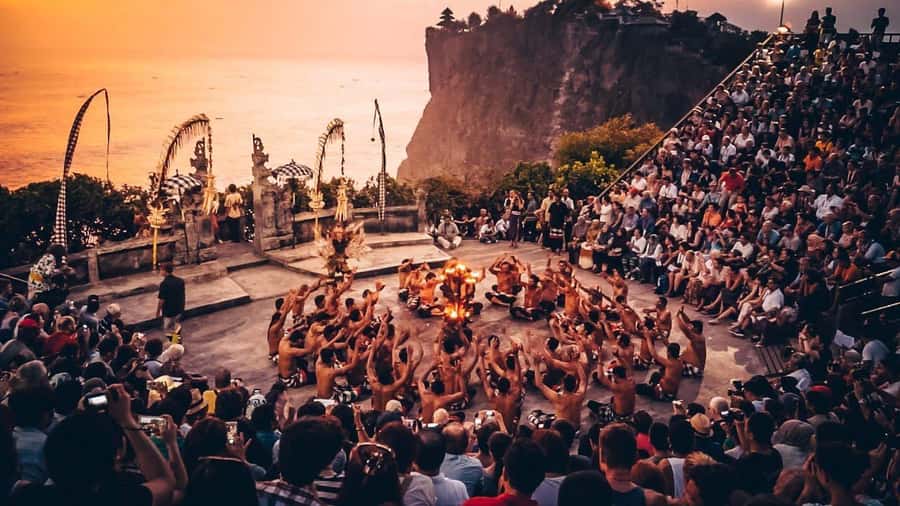
- The full Kecak story (Rama and Sinta, Ravana, and the monkey army) told by chanting
- Monkey-safety coaching from guides like Agus Mahawan, Abu, Oddy, and D’PUT
- Photo-worthy cliff viewpoints before the show, with the ocean as your backdrop
Uluwatu Temple on the Sea Cliff: Your Sunset Setting
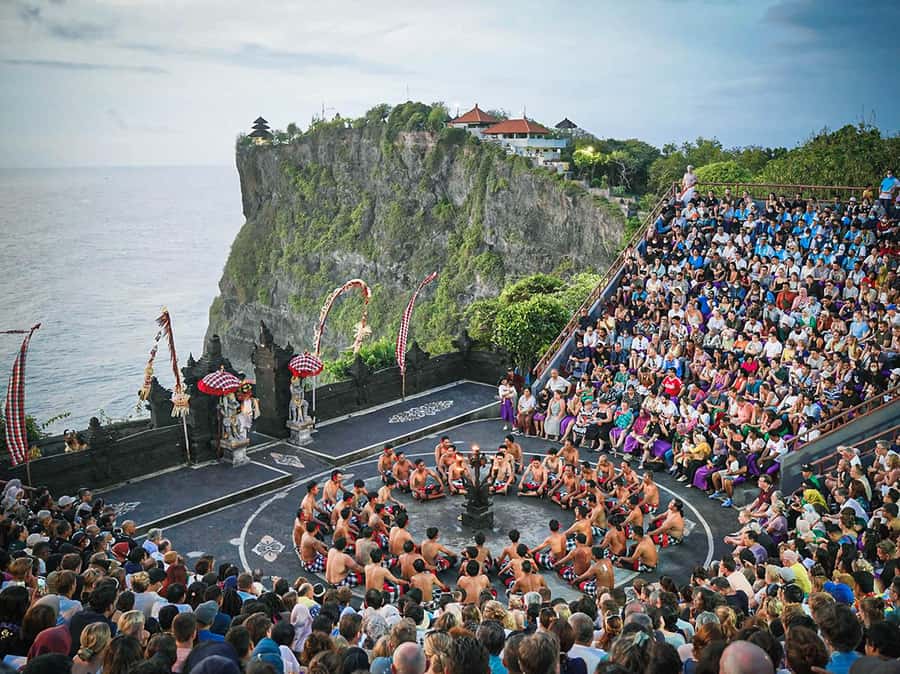
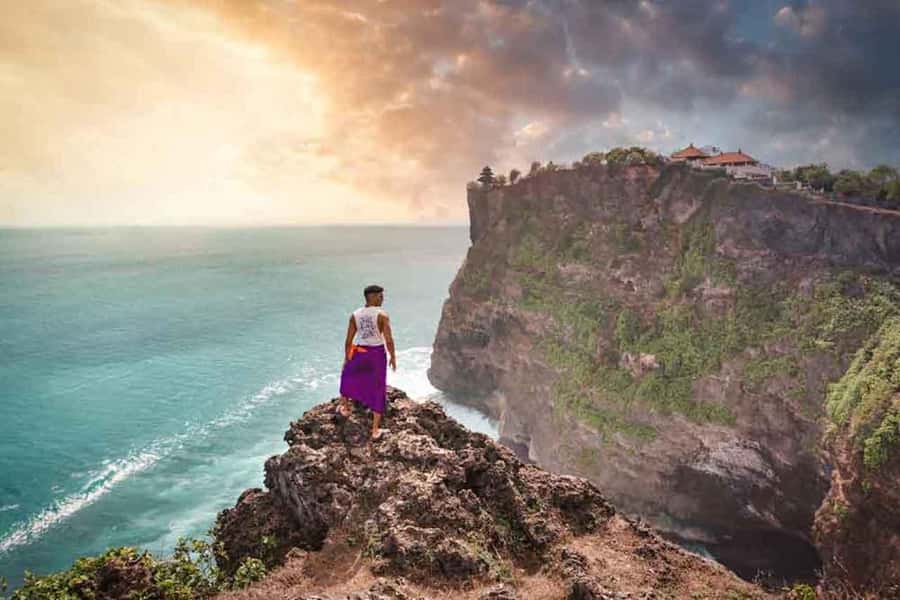
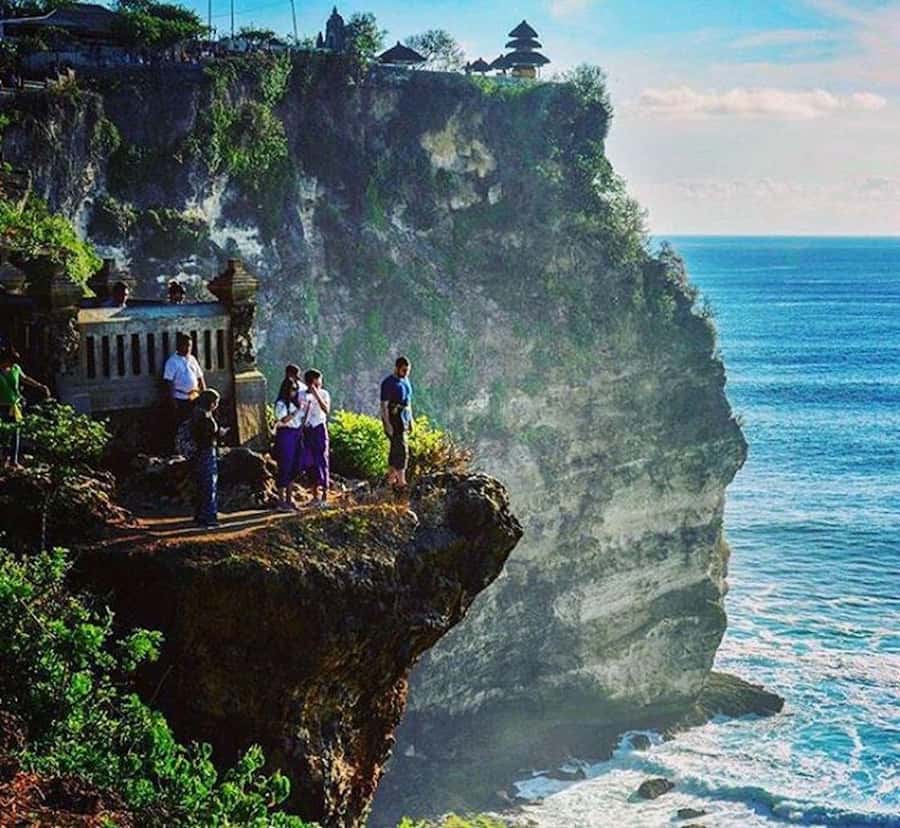
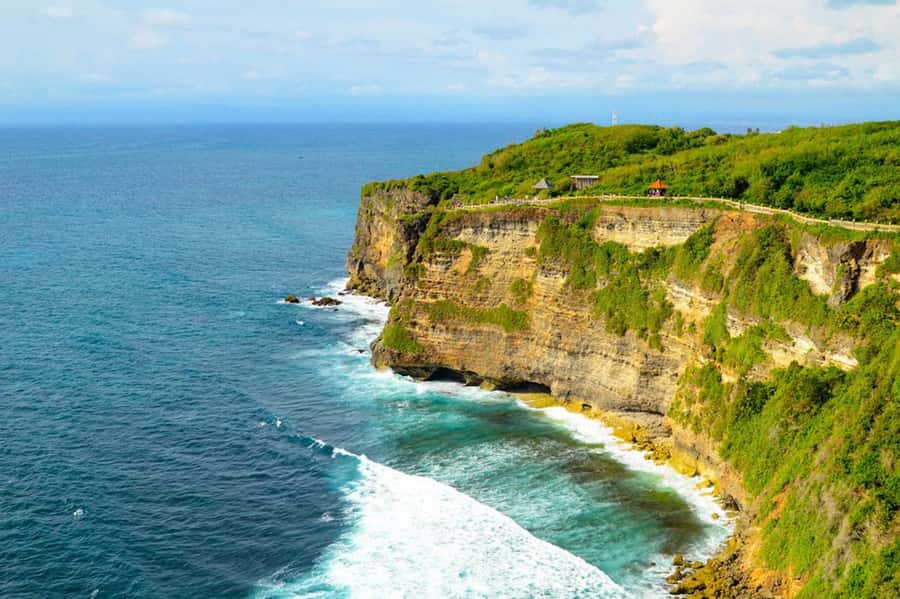
Uluwatu Temple is the big stage part of this experience, because it sits on a dramatic cliff above the Indian Ocean. The ticket takes you into a Balinese Hindu temple site that’s described as dating back to the 11th century BC, which gives the whole evening an almost myth-and-math feeling: ancient place, modern crowd, and a performance built for nighttime.
Before the Kecak begins, you’ll have time to explore the temple grounds at your own pace. One practical tip that shows up again and again: arrive early enough to actually walk around. The cliffside views aren’t a quick glance-and-go situation; they’re part of why you’re there. You’ll also be in the right mood for the show once the sun starts sliding toward evening.
Visually, it’s the contrast that grabs you. You’ve got Balinese sacred spaces and stonework, then you look outward and it’s all ocean and wind. And yes, you’ll likely see families and groups moving in the same direction—because this is one of Bali’s go-to sunset plans.
Before you go in, take the monkey warnings seriously. Even while you’re just walking temple paths, people learn fast that the animals are bold and quick. Guides in this program often act like human gatekeepers, helping you keep your belongings close and your sunglasses safe.
You can also read our reviews of more tours and experiences in Uluwatu Temple.

The Kecak Fire Dance: Why the Chants Feel So Powerful
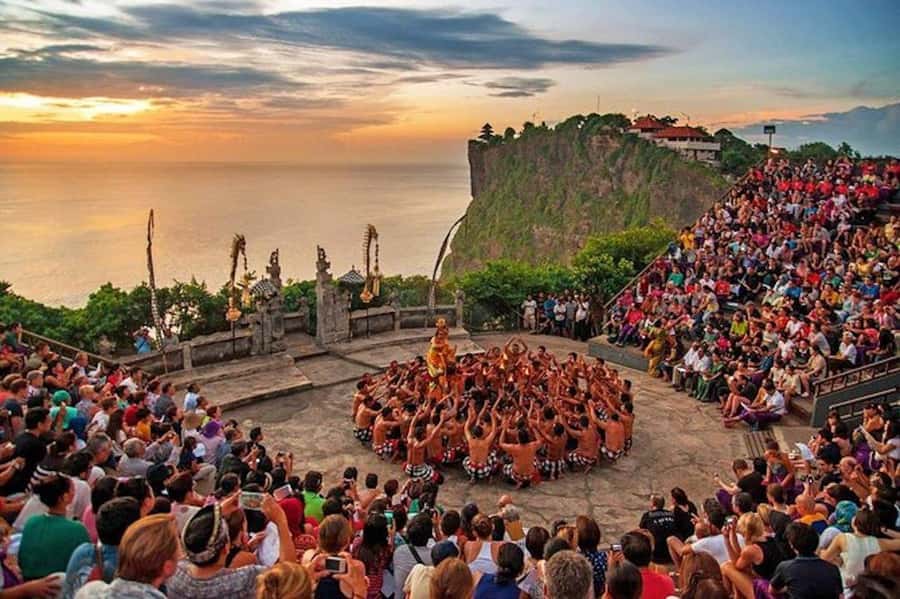
Kecak is unlike most performances. Instead of a full orchestra driving the drama, you’re watching a group of men using their voices and sound to build intensity. That raw, rhythmic chanting is the engine for everything that follows—like the show is powered by breath and teamwork.
The storyline is built around familiar myth and a love-plot at its center: Rama and Sinta, plus Ravana and a monkey army. The performance plays like an escalating battle and romance all at once, and the chanting helps you track the emotions even when you’re not catching every spoken detail. Many people appreciate having a leaflet that explains the story in English, and it can really help you connect what you’re seeing to what’s happening scene by scene.
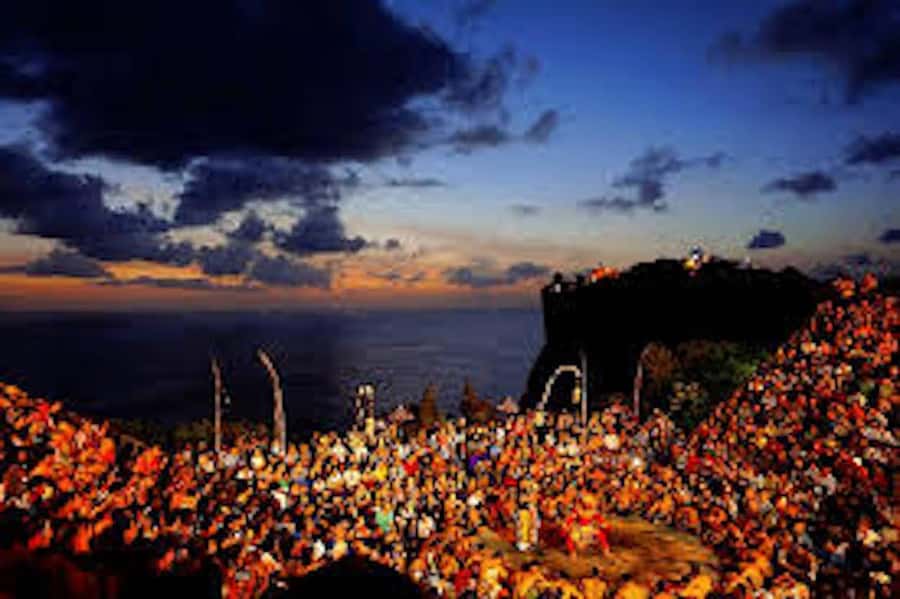
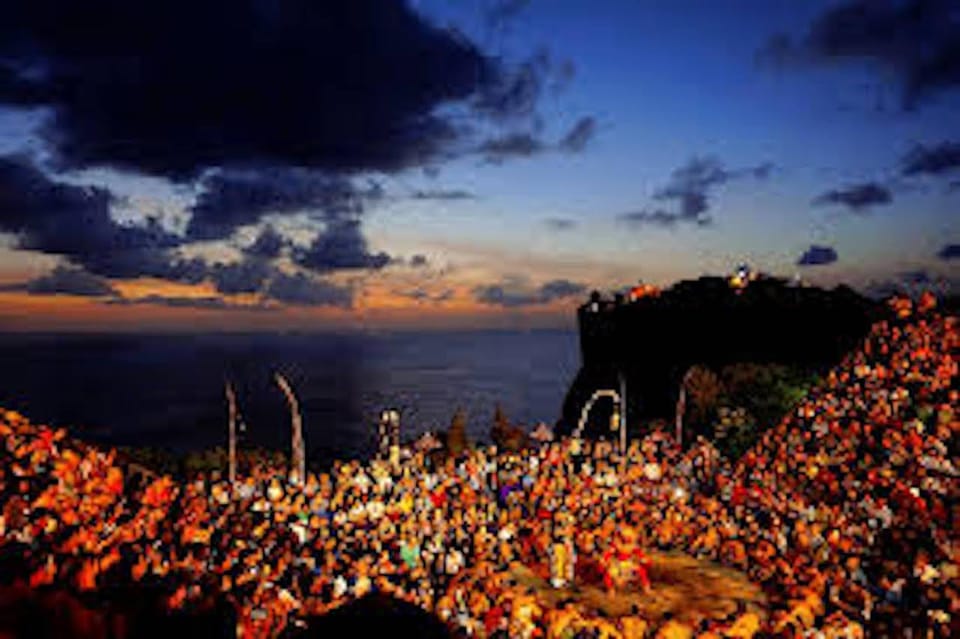
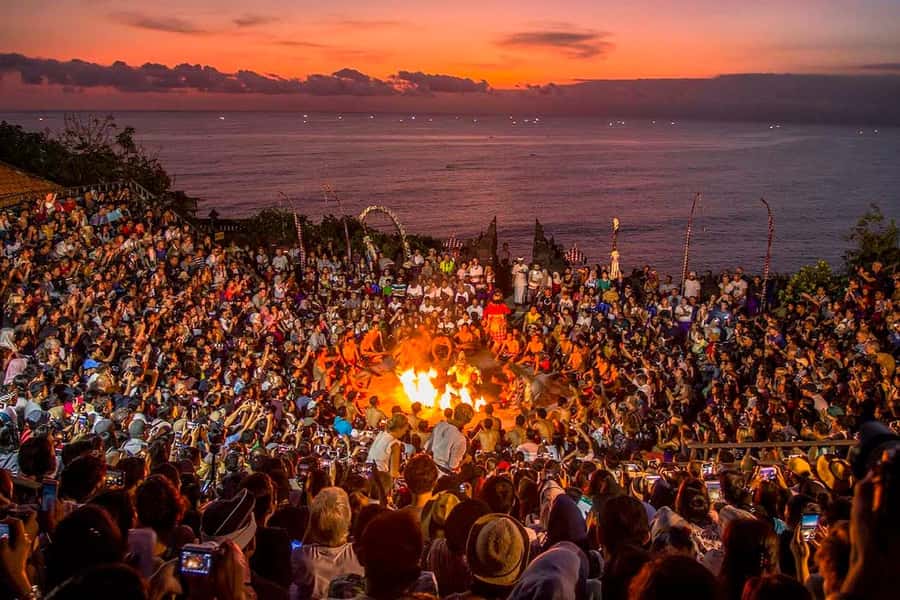
Then there’s the fire element. It’s not just decorative; it’s used to heighten the theatrical impact and make the evening feel like a ritual, not a daytime show staged for tourists. The best part is how quickly the chant rhythm pulls you into the moment. Even if you’re not an expert in Balinese mythology, you can still feel the structure: build-up, climax, and resolution.
One more practical point: seating matters here. More than one guide (including Alex and D’PUT) is praised for getting people into a strong spot in the amphitheater. If you land in a poor view, you lose some of the magic. So take your guide’s seat advice and don’t assume you’ll be fine wherever you end up.
Choosing the Right Start Time: 6:00 PM vs 7:00 PM
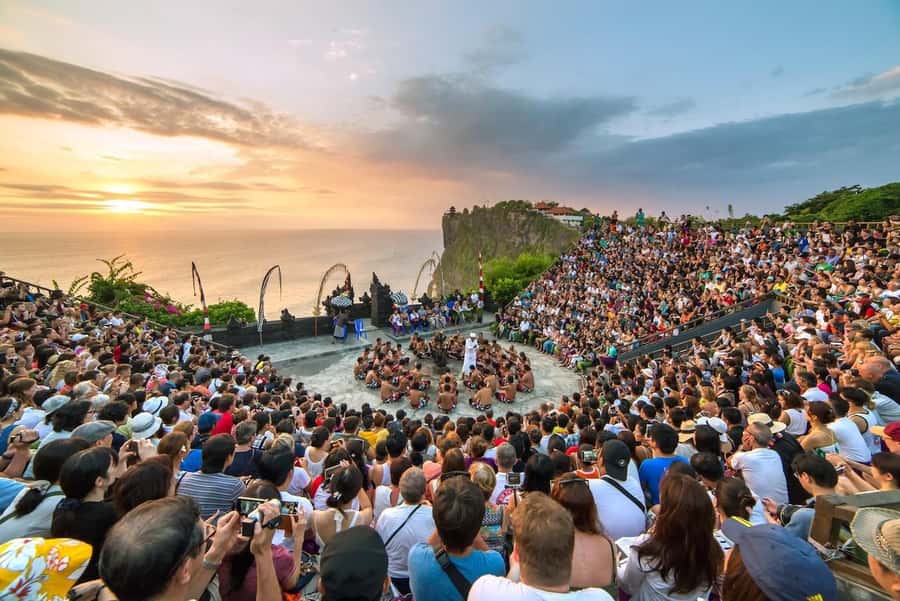
This experience comes with two scheduled Kecak start times: 6:00 PM for session 1 and 7:00 PM for session 2 (evening season). That choice matters because Uluwatu is all about sunset energy and ocean-light atmosphere.
If you’re the type who wants the full cliffside glow before the chanting begins, session 1 is usually the better bet. One visitor even reported that their guide swapped the show time from 7:00 PM to 6:00 PM, which tells you how much the team thinks about timing and viewing conditions.
If you prefer a slightly slower evening, session 2 can work too. Either way, your day-to-evening rhythm will follow the same basic arc: temple visit first, then the amphitheater for Kecak. Your total duration is listed as 1–6 hours, which basically means you’ll be there for everything you need, but the exact timing depends on your session and your schedule.
Also, plan for the fact that evening weather can shift fast in coastal Bali. One person mentioned rain and the show being interrupted. You can’t control it, but you can control preparedness: keep your voucher handy, be ready for humidity, and accept that nature sometimes changes the script.
How the Tour Works Day-to-Night: Transfers and Skip-the-Line Entry
You can book with transfers or skip them, depending on your preference. If you choose pickup, you can be collected from areas like Sanur, Kuta, Seminyak, Canggu, Jimbaran, Nusa Dua, or Benoa. For most people, that’s a big value because Uluwatu is not next door, and traffic can turn a simple evening into an exhausting one.
Meeting points can vary by option, so you’ll want to follow whatever specific instructions you get after booking. Confirmation is sent by email between 2–12 hours after booking, and they’ll ask you to bring your voucher to show at the counter.
The skip-the-line part is a real quality-of-life improvement. Uluwatu’s entry area can be crowded, and waiting with everyone else makes the evening feel longer. Getting routed faster means more daylight time for temple walking and less time standing around while you wonder whether you’re about to miss the start.
One detail to watch: the Uluwatu entry ticket is included only if you select that option. A visitor reported paying an extra 60,000 IDR per person at the site, which suggests that if your package doesn’t include the temple ticket, you may need to handle it on arrival. It’s not a deal-breaker, but it’s something to plan for so you’re not surprised mid-evening.
Monkey-Smart Advice: The Cliff Means Wildlife Energy
Let’s talk about the monkeys, because this is the part that can turn an otherwise perfect evening into a stressful one. Multiple guides and experiences highlight how aggressive the monkeys can be, especially around glasses, hats, and phones. People have reported watching monkeys snatch eyewear right off faces, and one account describes a phone nearly being swiped.
So here’s what you should do in practice:
- Take off sunglasses and keep them secured.
- Be cautious with hats and anything dangling or easy to grab.
- Keep your phone and small valuables close, not loose in a bag that can be reached.
- Follow your guide’s instructions immediately. The best guides act like monkey bodyguards, not just information sources.
Guides like Agus Mahawan, Abu, Alex, Oddy, and D’PUT get repeat praise for helping people stay safe and for actively dealing with situations if something does get stolen. That support is part of the value here. It’s one thing to know there are monkeys; it’s another thing to have someone steering the group and preventing chaos.
Also, don’t underestimate the speed. These aren’t slow, cute zoo animals. The entire temple experience is shaped around staying alert, and your guide’s job is to help you do that without ruining the vibe.

What You’re Paying for: The $9 Value Reality Check
At around $9 per person, this ticket is budget-friendly—especially because it includes the Kecak performance, and Uluwatu entry ticket if you select that option. If you add optional transfers, those are also included when selected.
The value equation is pretty simple:
- If you want the show + temple access with minimal hassle, you’re getting a straightforward evening plan at a low price point.
- If you do not select the temple entry option, you may need to pay additional entry costs on-site (a reported example was 60,000 IDR per person).
- If you choose pickup, you’re also buying yourself time and stress reduction, which is honestly worth something on a Bali schedule.
Duration is listed as 1–6 hours, so you’re not committing your whole day. That matters if you’re bouncing between beaches, cafes, and a day trip or two.
One more thing: this experience is also about guided control. Many people come for the culture and the ocean views, but they stay impressed because someone helps with the practical stuff—especially seating and monkey safety. That’s why the best-rated moments in the feedback often mention guides by name and credit them for keeping the night on track.
Comfort, Weather, and Photo Timing: What Can Go Wrong (and How to Handle It)
Coastal evenings are high-reward and slightly unpredictable. You might get clear sunset light, or you might get sudden rain. One person mentioned the show being interrupted by a downpour. Another mentioned receiving a raincoat. So assume weather can shift, and pack accordingly in your own way—just be ready.
Another comfort factor: humidity and the crowd. The Kecak involves intense vocal work, and people have commented on the breath-and-timing demand even in humid conditions. That’s part of why the chant feels so intense once you’re there—because the performers are really doing the work live.
For photos, timing is everything. Uluwatu’s cliff viewpoints are better earlier, when you’re not rushing and the light is calmer. Before the show, you’ll often have a chance for photos with the temple setting and ocean behind it. Then later, once the amphitheater fills, your view becomes about positioning. Guides are repeatedly praised for taking people to good photo spots and getting strong seats, so accept that help. It saves you from the typical scramble.
Who Should Book This Evening Plan (and Who Should Skip It)
This is a great fit if you want a classic Bali evening: a temple visit followed by a show that feels specific to this island, not generic stage entertainment. It’s especially good for first-timers who want culture, scenery, and a story-driven performance all in one trip.
I’d also say it’s a smart choice if you like having a guide handle the details. People highlight that guides often manage seating, explain what you’re seeing, and keep you safe around monkeys—so you can focus on the performance instead of constantly worrying about your belongings.
One clear limitation: it’s not suitable for pregnant women (as stated for this activity). Also, pets are not allowed.
If you’re anxious around wildlife, take the monkey warnings seriously and don’t treat them like a joke. With the right mindset and a good guide, it’s still very doable, but it’s not a “casual stroll anywhere with your stuff open” type of plan.
Should You Book It?
Yes, I’d book this if your priority is an evening at Uluwatu with the Kecak Fire Dance, and you want the convenience of smoother entry and helpful guidance. The price makes it easy to justify, and the guide support—especially monkey-smart help and seat selection—is repeatedly called out as a big part of why people feel satisfied.
Skip it only if the temple-and-monkey reality sounds like a stress trigger for you, or if you’re in a group that doesn’t meet the stated suitability rules. If you can handle an outdoor coastal setting and follow safety instructions, this is one of Bali’s best “see it, feel it, remember it” nights.
FAQ
What time does the Kecak dance start?
The Kecak dance starts at 6:00 PM for session 1, and 7:00 PM for session 2 during the evening season.
How long does this experience take?
The duration is listed as 1–6 hours, depending on the starting time and how your evening runs.
Does my ticket include Uluwatu Temple entry?
Uluwatu entry ticket is included if you select the option for it. If you don’t select it, you may need to purchase entry separately at the site.
Is pickup available from my hotel?
Pickup is optional. You can be picked up from Sanur, Kuta, Seminyak, Canggu, Jimbaran, Nusa Dua, or Benoa if you choose the transfer option.
What do I need to bring?
You should bring your voucher and show it to staff at the counter ticket.
Are pets allowed?
No, pets are not allowed.
Is this tour refundable?
Yes. There is free cancellation up to 24 hours in advance for a full refund.