Balinese cooking gets real when you start on the farm. This Ubud class pairs an early market visit with an organic ingredient harvest, then turns what you picked into a full meal of Balinese cooking.
Two things I really like: you cook a full set of dishes (not just one demo) and you get the recipe book and PDF so you can repeat the flavors at home. One thing to keep in mind is that the class is small but hands-on stations are shared, so you may share space and pace with another person.
In This Review
- Key Highlights Worth Your Time
- Why This Ubud Class Starts With the Market
- Organic Farm Tour and Harvesting Your Own Ingredients
- The Open-Air Kitchen: How the Hands-On Cooking Really Works
- Regular Menu: The 6 Balinese Dishes You’ll Cook
- Vegetarian Option That Feels Like Real Balinese Cooking
- What You’ll Taste (And Why It Lands Better Than a Restaurant Meal)
- Recipe Book Payoff: Turning a Day Trip Into Kitchen Skills
- Price and Logistics: Getting Value for $32 and a Full Day
- Who This Cooking Class Fits Best in Your Bali Trip
- Should You Book Bali Farm Cooking School in Ubud?
- FAQ
- What is the duration of the Ubud Balinese cooking class?
- Does the class include a market tour?
- How many dishes will I cook?
- What dishes are included in the regular menu?
- What dishes are included in the vegetarian menu?
- What do I get to take home?
- Is it suitable for wheelchair users?
Key Highlights Worth Your Time
- Market tour in the morning: you see ingredients at first light and sample local fruits
- Pick produce at an organic farm: you’re not working from pre-prepped veggies
- Hands-on cooking for 6 meals: you make the spice base and build dishes step by step
- Clear instruction from instructors like Depi and Buda: English is strong and guidance is specific
- Vegetarian menu is fully mapped: gado gado, opor tempe, and vegan sate lilit show up on purpose
- Recipe book plus downloadable PDF: you leave with a practical plan to cook again
Why This Ubud Class Starts With the Market
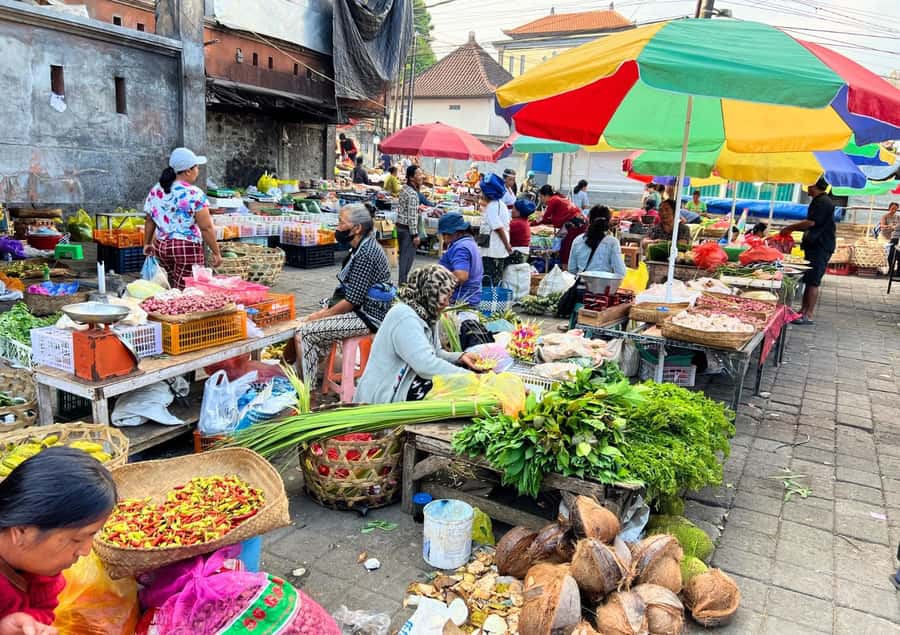
If you’ve only eaten Bali in restaurants, this first stop changes your sense of what the island actually buys and cooks day to day. The market visit is part of the morning format, which makes a difference: the tour moves while vendors are still in motion and fruit is at its best.
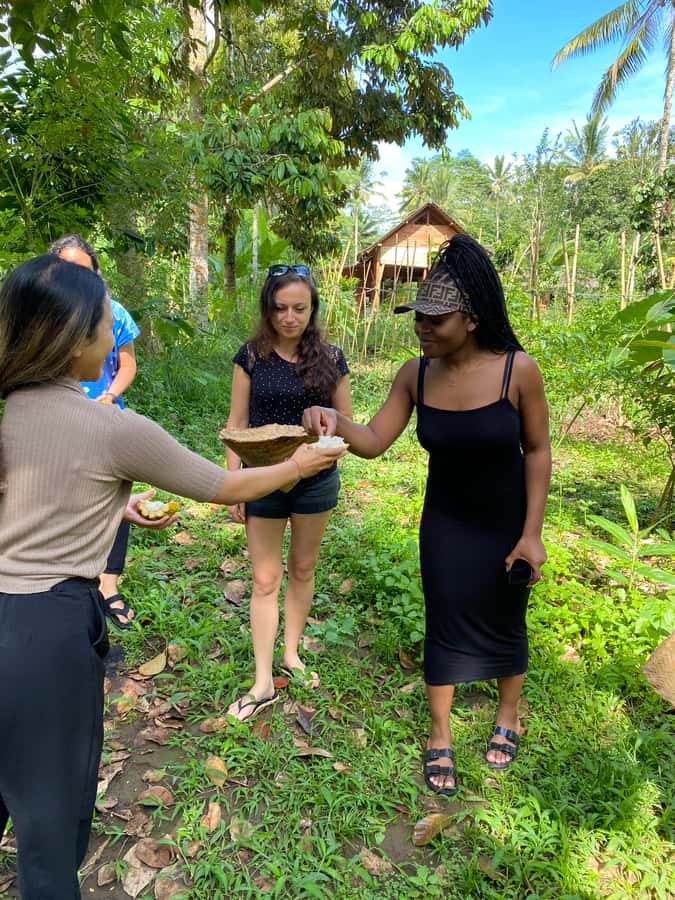
You’ll get a guided look at common produce and spices, and you’ll likely taste seasonal fruit along the way. It also sets up the cooking section in a useful way. When you later make dishes that depend on fresh herbs, chiles, and aromatics, you understand what each ingredient is doing beyond flavor.
There’s also a practical side. Market time helps you spot ingredients you might want to hunt down later at home. Even if you don’t recreate everything perfectly, it’s easier to substitute when you’ve already handled the real thing.
You can also read our reviews of more tours and experiences in Bali.



Organic Farm Tour and Harvesting Your Own Ingredients
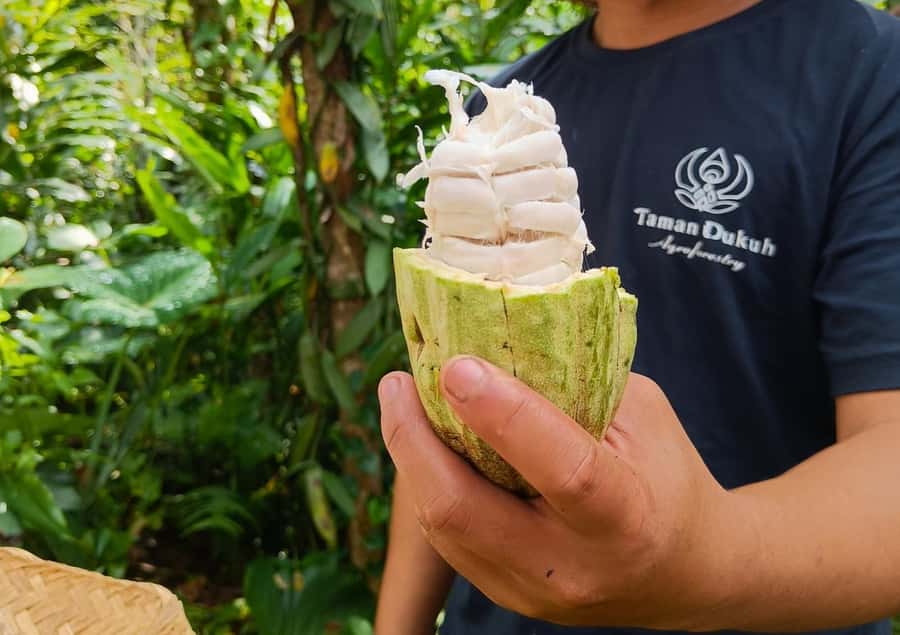
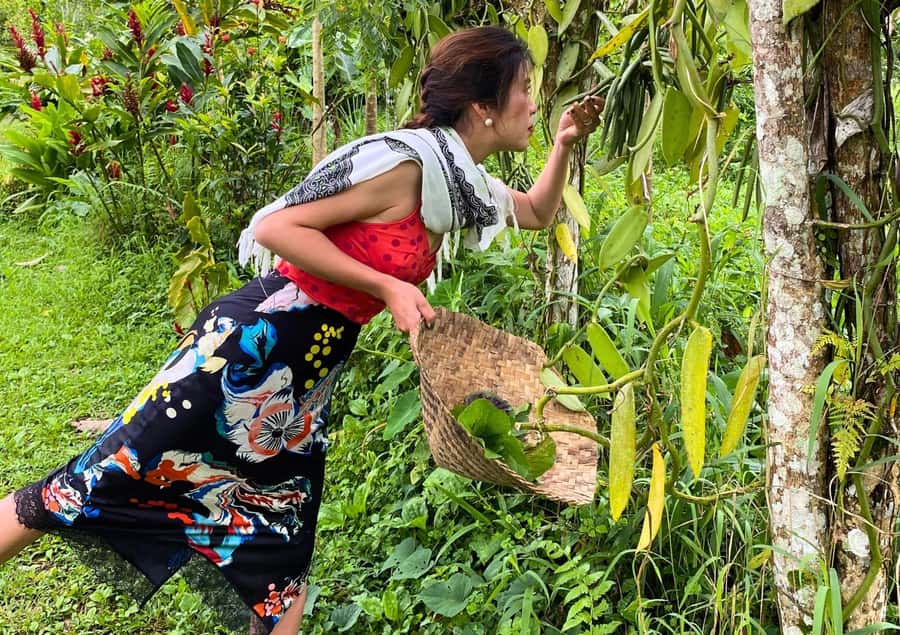
After the market, you head to the organic farm area where the day slows down. The vibe is calmer than central Ubud, and the setting matters. You’re learning cooking in the same place ingredients grow, so the whole class feels connected instead of staged.
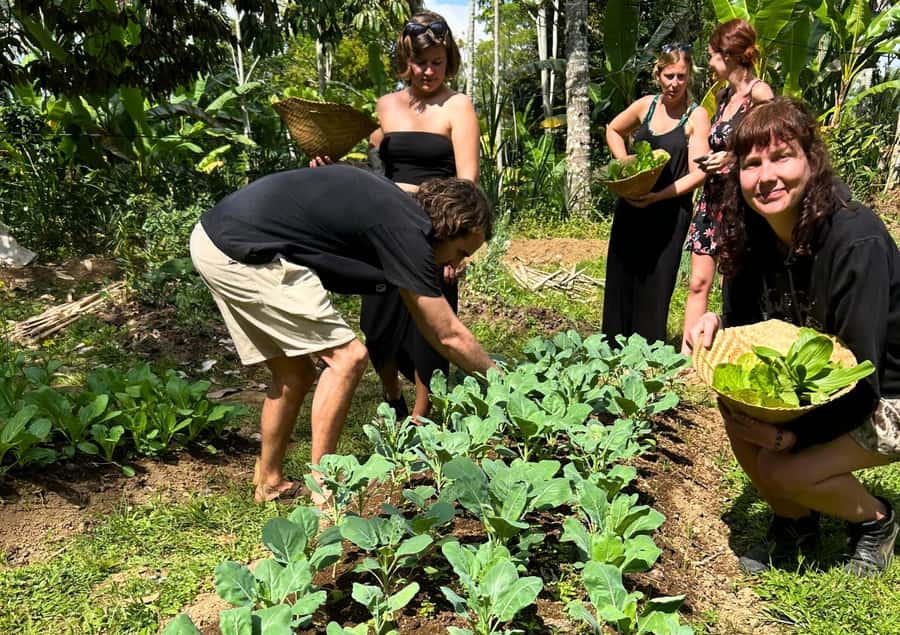
At the farm, you tour the grounds and learn how natural resources are used as part of daily life. Then comes the part people talk about for a reason: you pick vegetables for your class. You’ll be looking for the kind of produce that fits the dishes on the menu, not random leaves for a photo.
This section also helps you understand the logic of Balinese cooking. Many dishes rely on spice pastes and fresh aromatics, so seeing plants up close gives context before you start chopping. If you’re the kind of cook who likes to know why a dish tastes the way it does, you’ll appreciate this step.
Weather happens, of course. One review notes that when it rained, umbrellas were provided for walking around the gardens, so the day doesn’t grind to a halt.
The Open-Air Kitchen: How the Hands-On Cooking Really Works
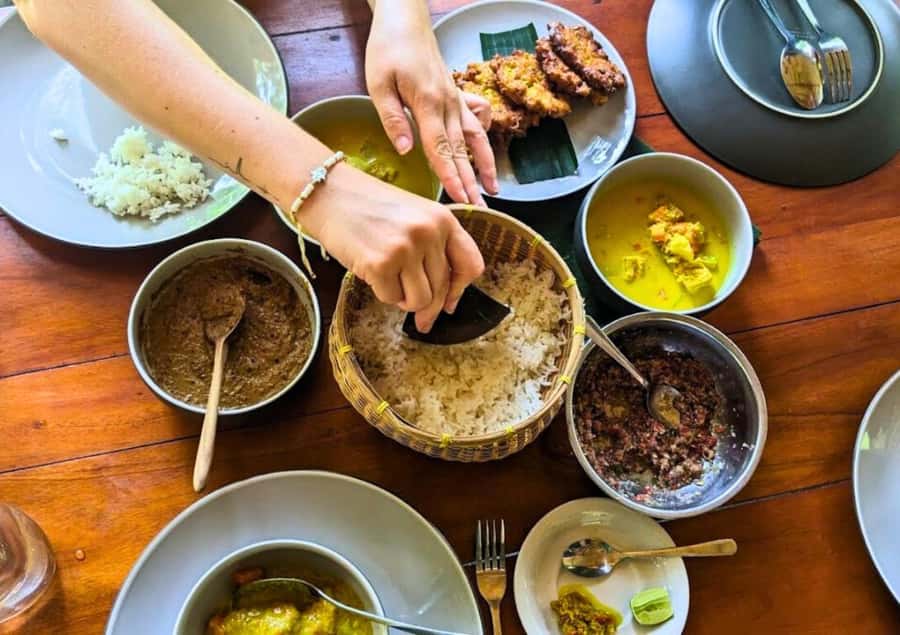
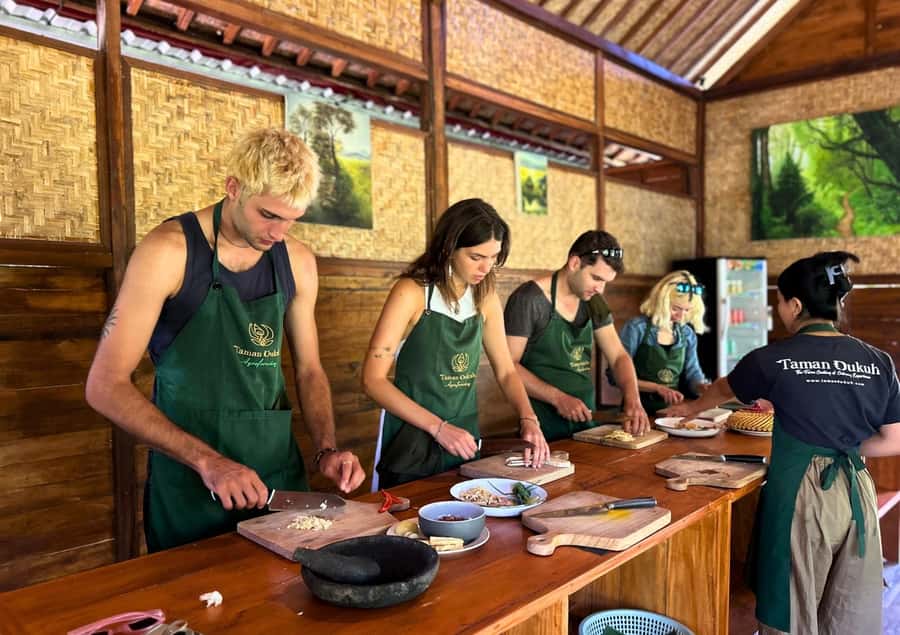
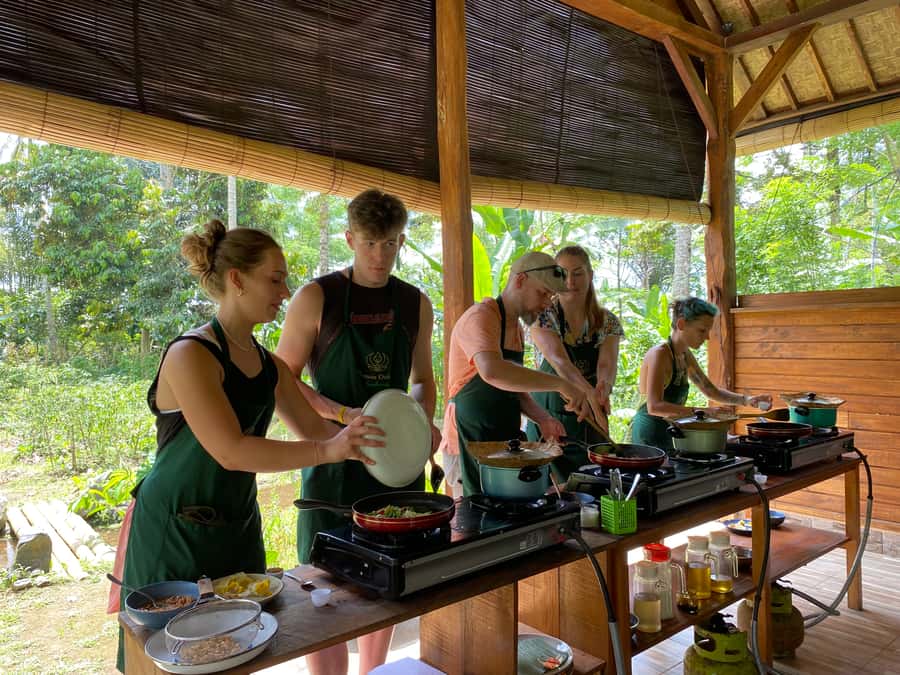
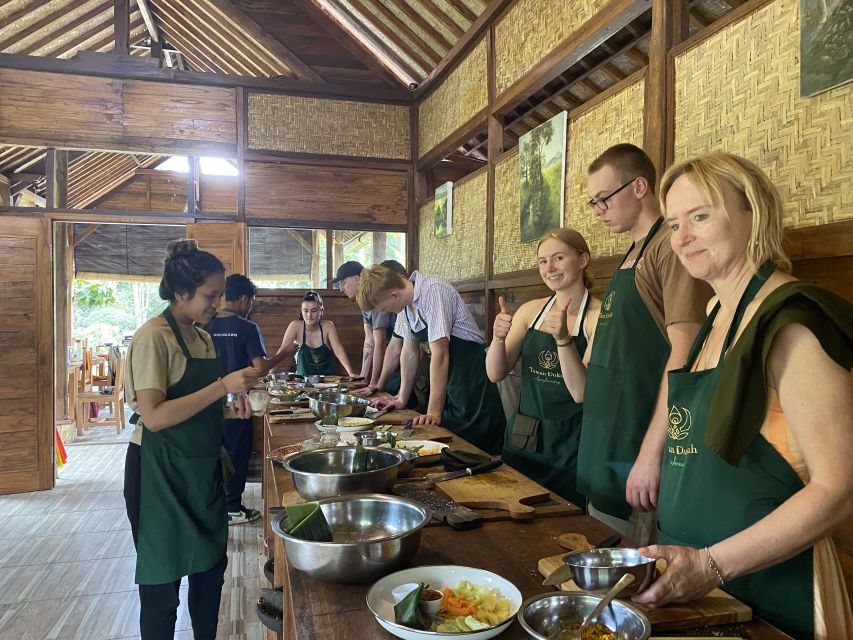
The cooking happens in an open-air farm kitchen environment. You’ll start with a welcome drink—coffee or tea—and a light breakfast when you arrive. That’s not just a nicety; it keeps energy up before you hit the real work.
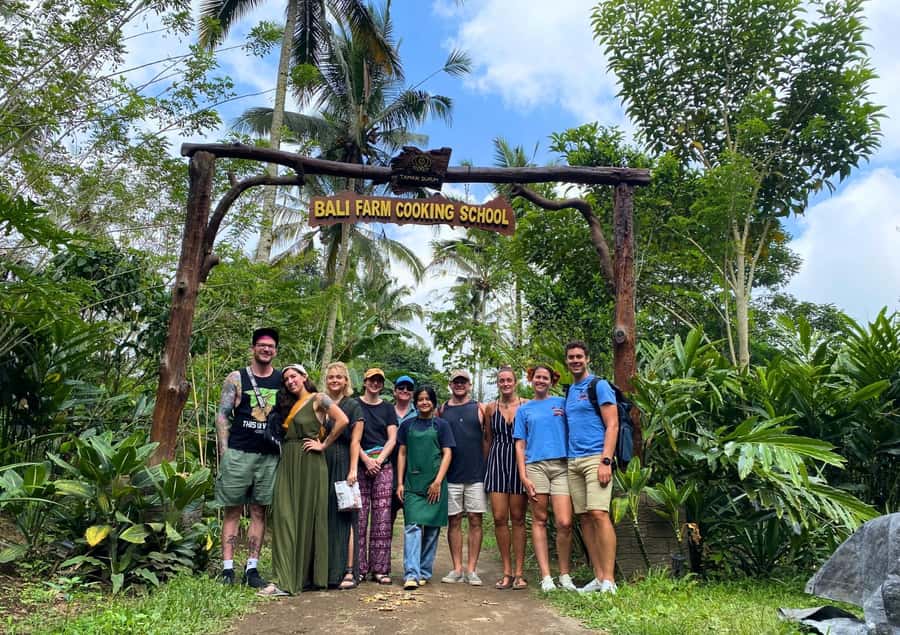
The class is run as a small-group experience with a maximum of 14 people. At the stations, each setup is shared between two people. That means you’re actively cooking, but it also means you’re not alone with a private counter. If you like solo control over every step, plan to be flexible and work as a team.
From the reviews, the most consistent praise is for instruction style: chefs and guides like Depi and Buda are mentioned for clear explanations and patient step-by-step teaching. The wording might differ session to session, but the pattern stays the same—spice base first, then sauce or curry building, then finishing with texture and balance.
One more small detail I like: hosts take photos during the experience and some people received videos afterward. It’s helpful because the day moves fast and you’ll want something to look back on when your dinner plate starts to blur into memory.
Regular Menu: The 6 Balinese Dishes You’ll Cook
The regular menu is built around classic Balinese flavor structure. You’ll prepare a Base Gede first—a traditional spice paste that shows up as the foundation for multiple dishes. It’s a smart way to teach the cuisine, because once you learn how the paste works, everything after it makes more sense.
Here’s the regular flow, dish by dish:
- Sayur Urab: a mixed green salad with coconut and spices. This is where you learn how Balinese cooking balances fresh and cooked textures.
- Opor Ayam: a Balinese chicken curry. You’ll work on the curry logic—spice paste, aroma-building, then richness.
- Sate lilit: traditional kebab made with meat, coconut, and spices. This dish teaches shaping and seasoning, not just sauce-making.
- Pindang base tomat: fish with tomato sauce. Tomato here isn’t just for color; it adds tang and rounds out the plate.
- Tempe asam manis: sweet-sour tempe. It’s a reminder that Balinese flavors often play with contrast.
- Dessert: either pisang goreng (banana fritters) or bubur injin (black rice pudding), typically with coconut and palm sugar elements.
One reason this menu feels like a full education: you’re not stuck only in one cooking style. You handle pastes, salads, curries, grilled-style kebab construction, fish sauce work, and dessert frying or pudding finishing.
And yes, you eat what you cook. Some sessions also break up the meal so starters are enjoyed during the day, not only at the end, which keeps things from feeling like a long wait.
Vegetarian Option That Feels Like Real Balinese Cooking
If you choose the vegetarian menu, you still get a full set of dishes—six meals—and they’re not treated as side notes. The vegetarian itinerary starts the same way with Base Gede, which matters. It keeps the flavor foundation consistent so the class doesn’t feel diluted.
Vegetarian dishes you’ll learn include:
- Gado gado: blanched vegetables with traditional peanut sauce. You get the balance of tender veg plus nut richness.
- Opor tempe: tempe curry in the Balinese style. It’s a good lesson in how tempe absorbs spice paste and coconut notes.
- Bergedel: fried corn with Balinese spices. This adds crunch and savory spice intensity to the mix.
- Tempe asam manis: sweet-sour tempe again, teaching how the sweet-tang idea works in a vegetarian dish.
- Vegan sate lilit: a traditional kebab concept using jackfruit and spice paste. This is one of the most interesting swaps on the menu because it still keeps the idea of satay-style flavor structure and texture.
- Dessert: pisang goreng or bubur injin.
What I like about this approach is that vegetarian cooking stays grounded in Balinese methods instead of leaning on generic substitution. You’ll cook with the same kinds of spice foundations and balancing techniques, just translated into plant-based ingredients.






What You’ll Taste (And Why It Lands Better Than a Restaurant Meal)
There’s a difference between eating Balinese food and understanding how it comes together. In this class, tasting happens alongside cooking steps, which makes flavors easier to learn and repeat.
You’ll eat the meals you cook, including starters and mains from both regular and vegetarian menus. Portions are substantial enough that most people leave satisfied, not hungry for a second meal later.
Another reason the food hits: ingredient freshness. You harvest vegetables at the organic farm and you see them introduced during the market tour. When your spices meet just-picked produce, the whole flavor profile tastes more alive.
If you’re thinking about dietary needs, the format is also a plus. One review specifically notes that vegan dishes were cooked separately when requested, which is exactly what you want for accuracy and comfort.
Recipe Book Payoff: Turning a Day Trip Into Kitchen Skills
This class doesn’t just send you home with memories. You keep the recipe book, and there’s also a downloadable PDF of the latest recipes. That means you’re not relying on memory or guessing ratios after you’ve returned to your normal grocery store.
For me, this is the best value part. A cooking class is only worth it if you can recreate something later. When you have a reference document, you can practice the base spice technique and then build dishes with confidence.
Also, because the menu uses repeated foundations like Base Gede and sweet-sour seasoning ideas, the recipe book becomes a tool, not a souvenir.
Price and Logistics: Getting Value for $32 and a Full Day
At $32 per person, this feels like strong value when you consider what’s included. You get:
- shuttle from a Ubud meeting point
- a morning local market tour (when you book the morning format)
- organic farm tour plus harvesting
- hands-on cooking instruction
- mineral water and coffee or tea
- the meals you cook
- recipe book and a downloadable PDF
That’s a lot for a relatively low ticket. The main tradeoff is time and coordination. The farm is roughly an hour drive from Ubud for some people, and once you finish you’ll likely hit Ubud traffic on the way back. So don’t schedule anything tight right after.
It’s also worth planning around the shared stations. You’ll be cooking in pairs, which is normal for a class this size, but it does affect how quickly you can do every small step. If you like quiet, uninterrupted work, choose the mindset of a team cooking day.
One more practical note: it’s not suitable for wheelchair users, and pets aren’t allowed. If you’re traveling with a mobility need, choose an alternative format.
Who This Cooking Class Fits Best in Your Bali Trip
This is a great fit if you want more than a cooking demo. You’ll actually cook six dishes, handle spice paste, and learn techniques you can reuse later.
It also works well if you’re a beginner. The day is structured so you start with foundations (like Base Gede) and then build into curries, sambals or salads, and dessert. But it’s also not dumbed down. The better you get at following a recipe, the more you’ll appreciate understanding ingredient roles.
If you’re traveling as a couple or small group, the class size makes it feel personal without turning into a private lesson. Families sometimes love it too, since the setting is relaxed and the day includes multiple activities (market, farm, kitchen, meal).
Where it may not fit: if you hate shared space, long drives, or outdoors walking in rain, plan accordingly.
Should You Book Bali Farm Cooking School in Ubud?
I think you should book if you want a real Balinese cooking education tied to ingredient sourcing. The combination of market tour, organic farm harvesting, and hands-on cooking is the reason this class earns repeat praise—especially for people who care about tasting and learning, not just checking a box.
Book the morning class if you want the market visit included. It’s also a better choice if you like starting early and seeing how the day’s food supply moves before crowds arrive.
Don’t book if you need wheelchair access or you want a private station where you never share tools or counter space. Also, if you’re short on time and hate travel time from Ubud, consider whether you want to dedicate most of the day to this.
If your goal is to leave Bali with skills you can use back home, this is one of the most practical activities in Ubud. You’ll eat what you make, take home recipes, and come away with a clearer sense of why each dish tastes like it does.
FAQ
What is the duration of the Ubud Balinese cooking class?
The experience runs about 330 minutes (about 5.5 hours), and the overall time can extend up to around 8 hours depending on the session and schedule.
Does the class include a market tour?
Yes. A local market tour is included for the morning class option.
How many dishes will I cook?
You’ll cook 6 Balinese meals. The exact set depends on whether you choose the regular menu or the vegetarian menu.
What dishes are included in the regular menu?
The regular menu includes Base Gede and Sayur Urab, plus Opor Ayam, sate lilit, pindang base tomat, tempe asam manis, and dessert (pisang goreng or bubur injin).
What dishes are included in the vegetarian menu?
The vegetarian menu includes Base Gede, gado gado, opor tempe, bergedel, tempe asam manis, vegan sate lilit (jackfruit-based), and dessert (pisang goreng or bubur injin).
What do I get to take home?
You keep a recipe book, and there is also a downloadable PDF with the latest recipes.
Is it suitable for wheelchair users?
No. The activity is not suitable for wheelchair users.