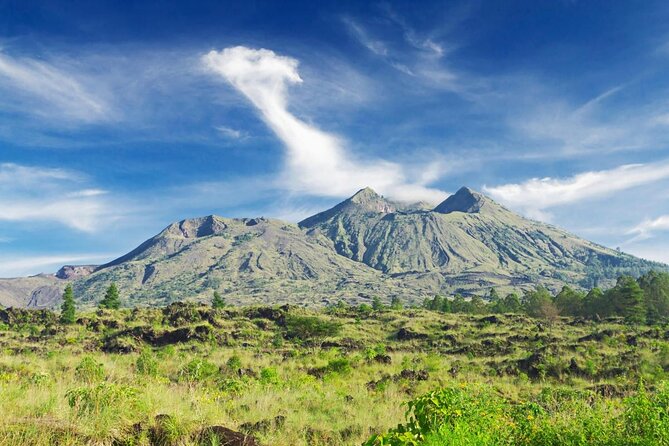
Black lava, then a cheering sunrise. I love the combination of an early start with English-speaking guides and that pre-dawn moment when sweet tea or coffee turns the wait into a social experience. The view from Mount Batur is the star: dark, dramatic lava and a crater panorama that makes the whole schedule feel like it has a point.
One catch: the summit can feel crowded while you wait for the sun, and this is a full 10-hour day. You’ll have breakfast and mineral water, but lunch isn’t included, so plan your food strategy ahead of time.
In This Review
- Key highlights
- Sunrise pickup and the drive to Mount Batur’s starting line
- The 4:00 AM trek: steep roads, black lava, and smart guiding
- Reaching the summit crater around 6:15 AM
- The sunrise moment: why the wait is part of the magic
- Descending to Toya Bungkah Village after the light show
- The late-morning break: Balinese Coffee plantation stop
- Price and value: what $70 covers (and what it doesn’t)
- What to bring so the long day feels easy
- Who this Mount Batur sunrise hike suits best
- Should you book this Bali Mount Batur sunrise hike?
- FAQ
- What time does hotel pick-up usually happen?
- What time do you reach the summit crater?
- Is breakfast included?
- Is lunch included in the tour price?
- What stops happen after the descent?
- What if weather isn’t good for sunrise?
Key highlights
- Hotel pickup early enough for sunrise: pick-up usually starts around 2:00–3:00 AM depending on where you stay.
- Summit timing that pays off: you reach the crater around 6:15 AM and watch the sky change.
- Tea or coffee during the wait: expect a fun atmosphere while you’re waiting roughly 30 minutes.
- Guides who look after footing and route choice: names like Eka and Eka Palguna show up in great service stories.
- Descent to Toya Bungkah + a Kintamani-area entrance fee included: you don’t just climb and vanish.
- Balinese Coffee plantation stop by late morning: an easy add-on to break up the day.
Sunrise pickup and the drive to Mount Batur’s starting line
This tour is built around a simple idea: get you up Mount Batur in time to see the sunrise without wasting daylight. From Seminyak, that means the day starts extremely early. Expect pick-up in the 2:00–3:00 AM window (your exact time depends on your hotel location). Then you’ll head toward Mount Batur with enough darkness to avoid glare and heat and with enough energy to focus.
The real value here is that pickup and return are included, so you’re not juggling taxis while your body is half asleep. You’re also paying for more than transport: the entrance fee to the Kintamani area and a guide are part of the package, which matters because it reduces the number of decisions you have to make at 4 AM.
One practical note: since you’re leaving so early, I’d treat this like a day hike with a long tail. Wear what you’ll be comfortable in for hours—clothes you can layer if temperatures feel cooler on the climb.
You can also read our reviews of more tours and experiences in Seminyak.



The 4:00 AM trek: steep roads, black lava, and smart guiding
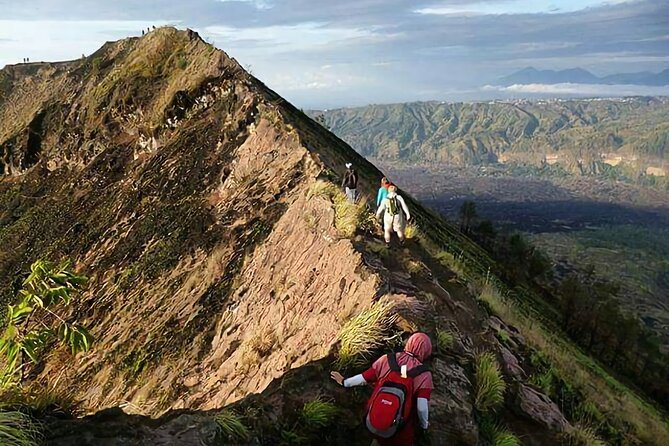
The trek kicks off around 4:00 AM after the transfer. You’ll start moving while the mountain is still quiet, before the densest crowd forms. The climb itself is described as involving steep roads from the foot of Mount Batur, so don’t picture a flat walk with a scenic stroll. This is a real hike, just not an all-day mountain expedition.
What keeps it from feeling punishing is the way a good guide manages the pace and route. In the stories attached to this experience, Eka and Eka Palguna stand out for helping people who weren’t the youngest or fittest, including situations where someone needed motorbike assistance due to a medical condition. That doesn’t mean everyone gets an assist or that it’s guaranteed for every case, but it tells you the guides are paying attention to the group’s needs and trying to solve problems instead of ignoring them.
As you climb, the visuals start early. You’ll pass stretches where lava looks black and heavy, and those dark tones make the whole mountain feel more volcanic and real than the postcard versions. The view from the trail and the crater approach become the reward for your early start—you’re not hiking just for a time stamp.
Reaching the summit crater around 6:15 AM
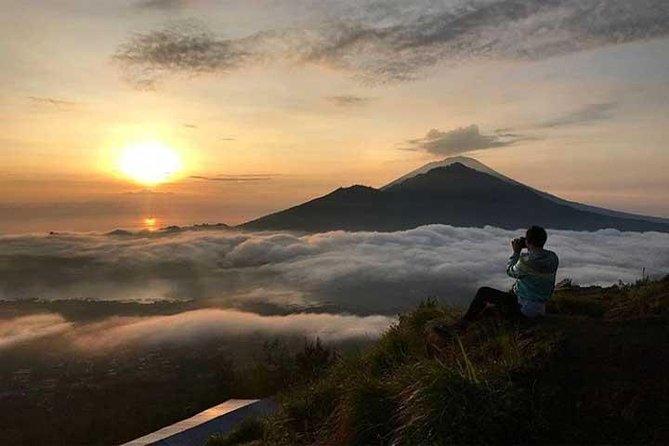
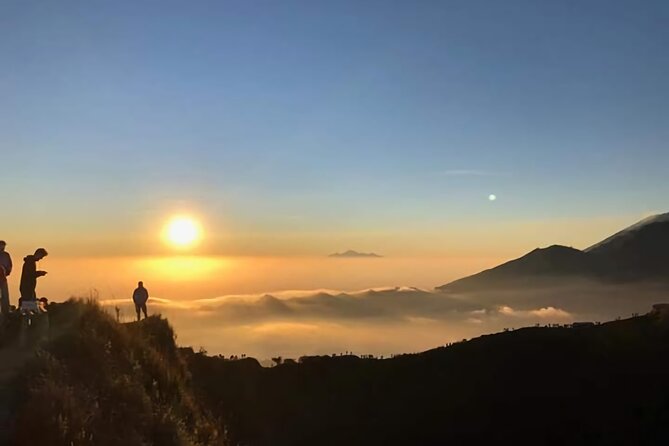
Arriving at the summit crater is timed for the best part of the morning rhythm: around 6:15 AM, you get the spectacular view while the sky is still transitioning. This is where the tour earns its reputation.
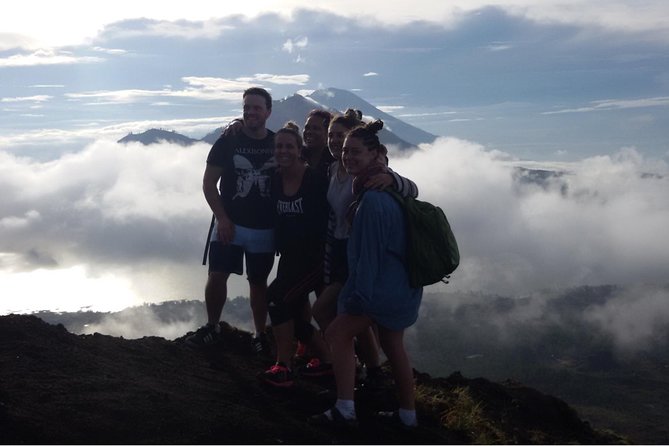
You’ll also notice another reality: it can be crowded. Several group accounts describe many people from around the world at the top while you wait for sunrise. That crowding can make some parts feel chaotic, especially if you’re slower or you like wide personal space. But it also means you’re not alone. When you’re all watching the same horizon line, the energy tends to shift from grind to anticipation.
This is also where the pacing of the guide matters. The climb gets you there, but guiding is what keeps the wait tolerable. Expect a break in the action: you’ll be served sweet tea or coffee during the sunrise build-up. The wait itself is part of the experience, and the timing is usually around 30 minutes before you really see the sun start to appear.
Then something that’s easy to miss in planning becomes the payoff: people cheer when the first real light hits. It’s not a “performance”—it’s just what happens when everyone’s been holding their breath together for that moment.
The sunrise moment: why the wait is part of the magic
You might think the hardest part is the hike. For many people, the emotional climax is actually the wait leading up to the sunrise. That’s when the atmosphere becomes shared. You go from silent concentration to talking, laughing, and trading little observations with strangers who are also up at an absurd hour.
The tea and coffee help with that. They’re simple, but they make a cold-feeling wait feel more like a social ritual than a chore. You’re also absorbing the view in a calmer way. The crater is dramatic, and once you start to see the sunrise, you’ll understand why the morning schedule is so strict.
If you’re someone who hates delays, this is the one time in the day where “waiting” is unavoidable. So consider your mindset before you book. If you’re okay with standing for a bit while the light changes, you’ll enjoy the whole experience more.
And if you’re worried about the sketchiest sections: multiple stories highlight guides helping with footing and route tweaks. In one case, Eka Palguna used short cuts to avoid the heaviest foot traffic and offered hands-on support on sketchy spots during both the climb and the descent. That’s the kind of guidance that turns a stressful moment into a manageable one.
Descending to Toya Bungkah Village after the light show
Once sunrise happens, the next phase is the descent. Around 8:00 AM, you’ll begin heading down, with the group returning toward Toya Bungkah Village by about 9:00 AM. The descent is often where your legs decide whether they’re happy with you. But this part also tends to feel calmer because the “goal” has already been reached.
Reaching Toya Bungkah Village as the finish point gives the day structure. You’re not just walking until you’re tired and then figuring out transport. The tour is organized so you know where you are in the morning and what comes next.
Even if you feel strong at the summit, treat the descent like a separate hike: slow steps, stable footing, and follow your guide’s instructions. Guides who are used to groups from many fitness levels generally know where people get unsteady, and they’re in a good position to help you avoid wasting energy.


The late-morning break: Balinese Coffee plantation stop
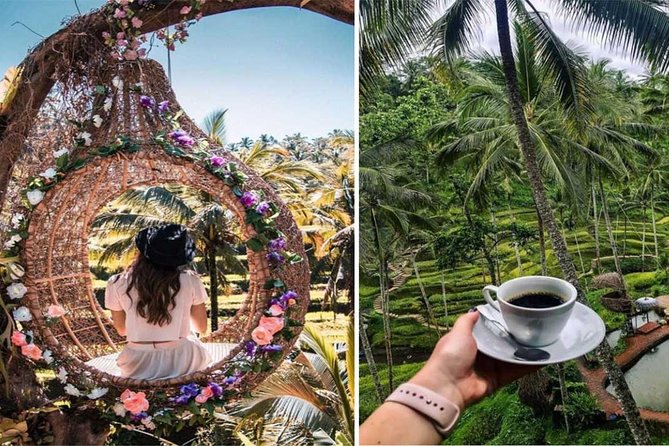
Around 11:30 AM, you’ll stop at a Balinese Coffee plantation. This is a common add-on in the region, and the value here is less about turning it into a history lesson and more about giving your body a “done” feeling halfway through the day.
It’s also a practical reset after the early climb: you get a change of pace, time to sit, and a chance to refuel before the drive back. Since lunch isn’t included, this stop may feel especially important for your hunger management. Just know that the tour data says breakfast is included, not lunch—so you may want to plan for snacks or budget for food during this break depending on what’s available.
If you’re a coffee person, this will likely land well. If you’re not, think of it as a pause button in the schedule rather than a must-see attraction.
Price and value: what $70 covers (and what it doesn’t)
At $70 per person, you’re paying for a full package: an English-speaking trekking guide, breakfast, mineral water, pick-up and return to your hotel, and entrance fees to the Kintamani area. For a sunrise trek, that bundling is the biggest part of the value. You’re not just buying a guide—you’re buying the whole early-day machine that gets you to the summit at the right time.
Where it can feel less complete is food. Lunch isn’t included. That doesn’t kill the experience, but it changes how you should plan the day:
- You’ll want to be okay with a long gap between breakfast and whatever you eat later.
- The coffee plantation stop may help as a timing break, but don’t assume it replaces a full lunch unless you’re okay with light food.
Group discounts are mentioned, and the experience is set up so only your group participates. That matters because a “private group” setup can reduce the feeling of being swallowed by random strangers—especially when you’re all waiting at the summit together.
Also worth noting: free cancellation is offered up to 24 hours in advance, and the tour requires good weather. In practice, that means you should keep a flexible mindset. Sunrise is weather-dependent, so treat it like a morning plan, not a guaranteed sunrise ticket.
What to bring so the long day feels easy
The tour info doesn’t list a formal packing list, so I’ll stick to the practical essentials that match what’s described: steep roads, a crater climb, and a long wait in the morning.
Bring:
- Shoes with solid grip for uneven, possibly slippery sections during ascent and descent.
- A layer you can handle for the early hours.
- A small item for hunger if you tend to get hungry between breakfast and later stops.
- If you’re sensitive to crowds or tight waiting areas, keep your patience hat on and plan where you’ll stand during the sunrise wait.
And if you have any medical or mobility concerns, be proactive with your expectations. One of the stories tied to this experience includes a motorbike assist being arranged by the guide for a participant with a medical condition. That’s a strong signal to ask questions early and clearly.
Who this Mount Batur sunrise hike suits best
This is a great match if you want a structured sunrise experience rather than improvising a climb. The timing is tight—pickup around 2:00–3:00 AM, summit around 6:15 AM, finish at Toya Bungkah by about 9:00 AM—and that structure is exactly what helps less experienced hikers enjoy it.
It also suits people who benefit from human support. Several accounts emphasize guides being considerate and helpful when participants struggled—especially on sketchy footing. If you want someone to manage the route and keep your group moving at a realistic pace, you’re in the right place.
If you hate early mornings, this won’t feel worth it. If you can’t deal with crowds at a summit, you’ll need to manage your expectations before you arrive. And if you want a full meal plan built in, note that lunch isn’t included.
Should you book this Bali Mount Batur sunrise hike?
I’d book it if:
- You want a sunrise experience with pickup included and a guide who can help with the hardest parts.
- You like the idea of climbing early, reaching the crater, and then enjoying that shared tea-and-wait atmosphere.
- You’re okay with a long day and doing some of the food planning yourself since lunch isn’t included.
I wouldn’t rush to book if:
- You’re fragile with very early wake-ups or you truly don’t handle crowds well at all.
- You need a guaranteed complete meal plan with no gaps between meals.
- You’re unable to handle a hike that includes steep roads and sketchier sections (even with guiding help).
If you choose wisely, this tour gives you exactly what Mount Batur is famous for: a dramatic volcanic setting, a well-timed summit, and that moment when the whole group finally gets to see the sun.
FAQ
What time does hotel pick-up usually happen?
Pick-up is typically between 02:00 and 03:00 AM, depending on your hotel location.
What time do you reach the summit crater?
You arrive at the summit crater at around 06:15 AM.
Is breakfast included?
Yes. Breakfast is included, along with mineral water.
Is lunch included in the tour price?
No. Lunch is not included.
What stops happen after the descent?
After descending, you arrive at Toya Bungkah Village around 09:00 AM, then you stop at a Balinese Coffee plantation around 11:30 AM before returning to your hotel.
What if weather isn’t good for sunrise?
The experience requires good weather. If it’s canceled due to poor weather, you’ll be offered a different date or a full refund. Free cancellation is available up to 24 hours before the experience starts.