Legian Beach makes your first waves feel possible. A Bali surf lesson at Legian Beach with Tio Surf is built for beginners (and upgrades for improving surfers), and you get personalized coaching aimed at helping you stand and stay confident. It’s also one of the more forgiving areas to learn on, so the day feels like progress instead of pure survival.
The only real drawback is logistics: your included transport is limited. Free pickup is only within 3 kilometers of Tio Surf School, and drop-off isn’t included, so plan how you’ll get back after the lesson ends.
In This Review
- Key highlights I’d circle before booking
- Why Legian Beach makes a beginner lesson actually work
- Meeting in Kuta and the short safety briefing that saves your day
- What 90 minutes in the water feels like (and why it’s enough)
- The one thing to consider before you go in
- Break time: recover, reset, and listen to what you need next
- The gear and comfort details that keep the day smooth
- Price and value: what $17 really buys you in Bali
- The full day flow, step by step
- Who this Bali surf lesson suits best
- Small tips that make a big difference on surf day
- Should you book this Bali surfing lesson at Legian Beach?
- FAQ
- Where is the surf lesson located?
- What is the price per person?
- How long is the lesson, and how much time is spent surfing?
- Where do I meet the instructor?
- Is surf equipment included?
- Is pickup included?
- Are meals included?
- What languages are the instructors?
- Can kids or non-swimmers join?
- What should I bring, and what should I avoid?
Key highlights I’d circle before booking
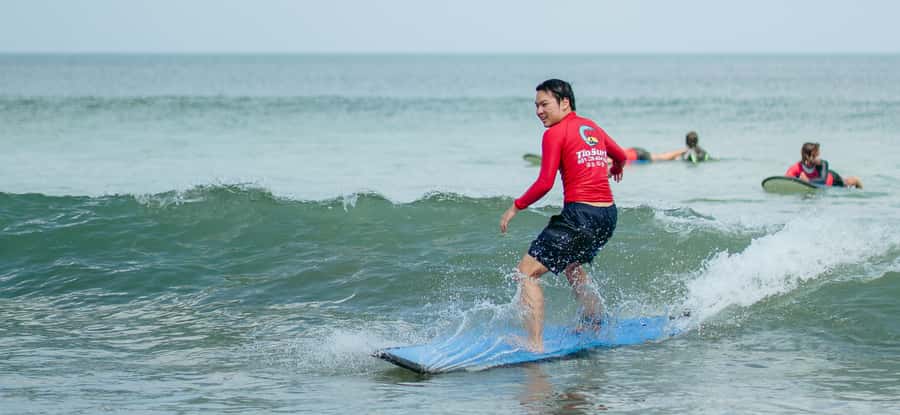
- Legian Beach is a practical learning spot for safer, more beginner-friendly conditions
- 90 minutes in the water inside a 2-hour overall lesson block
- A real safety briefing (about 20 minutes) before you paddle out
- Rashguard, surfboard, and water included so you show up ready
- Private group attention that helps instructors adjust to you fast
- English and Indonesian instruction so you’re not guessing what to do
Why Legian Beach makes a beginner lesson actually work
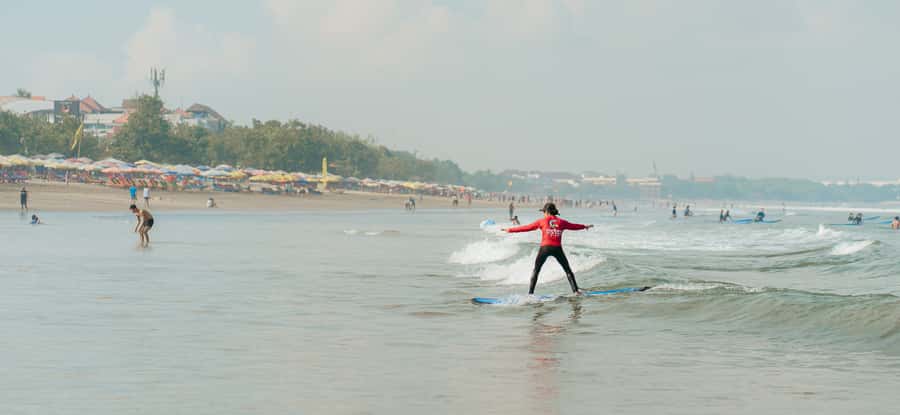
If you’ve ever watched someone surf for the first time, you know the hard part isn’t just balance—it’s knowing what to do at the exact moment your board hits the water. That’s why I like that this lesson is centered on Legian Beach, which is described as one of the safer places to surf in Bali.
Legian tends to be a better fit for learning because the setup is usually more controlled than the most intense surf zones. Translation: you can spend your energy on technique instead of panicking. And once you’re not constantly fighting the conditions, you start building the muscle memory that makes a later session feel easier.
Another smart part is that you can choose from different lesson packages, from beginner to advanced. That matters because “beginner” is not one size fits all. Some people just need guidance on timing and pop-up. Others need a cleaner stance and better wave selection. Having options keeps you from feeling stuck in the same loop all day.
You can also read our reviews of more tours and experiences in Kuta.



Meeting in Kuta and the short safety briefing that saves your day
Your day starts with pickup from Kuta. You’ll meet your instructor in front of the Mandira Hotel and then the session kicks off with a safety briefing for about 20 minutes.
This isn’t the type of intro where you sit and listen until you get bored. It’s the practical kind: the basics you need before you paddle out. Even if you’re excited (and you will be), getting the safety points up front helps you move with more confidence when you’re tired and waves are doing what waves do.
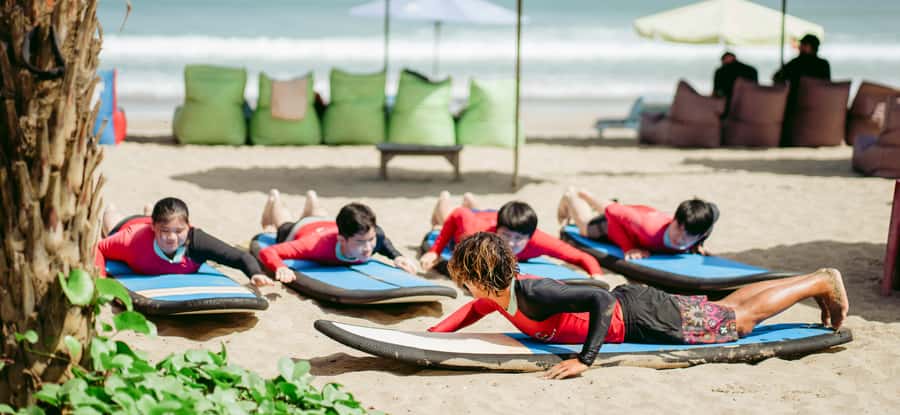
In your kit, they provide a rushguard—this is good value because it helps with comfort in the water and sun exposure. You’ll also get the surfboard, so you’re not hunting gear or guessing what size to rent.
One small practical tip: arrive about 30 minutes early and plan to bring the change of clothes you’ll want after. Bali sessions can be hot, and you’ll feel better finishing the day dry and comfortable.
What 90 minutes in the water feels like (and why it’s enough)

After the briefing, you get about 1.5 hours of surfing. This is the core of the experience, and it’s also why the lesson is worth it: you’re not paying for a long lecture with a token paddle.
Here’s the rhythm you should expect:
- You’ll get guidance, then go try it right away.
- You’ll adjust based on what the instructor sees, not just what you think you’re doing.
- You’ll keep moving between attempts until the basics start clicking.
The biggest value is the personalized feedback. The lesson is described as instructor-led, with safety as the priority, and the goal is to make your learning process easier. In plain terms: someone is watching you and correcting your position and timing before you waste the whole session repeating the wrong thing.
If you’re a true beginner, the teaching goal is very clear: you’re meant to progress fast enough that you feel real momentum. Some lessons are so gentle you never get traction; this one is designed to get you on the waves and practicing your pop-up and balance.
If you’re more experienced, you still benefit because you’re not just paying for time on the board. You’re getting a tailored solution to improve what you already do—think technique tweaks and sharper decision-making instead of random practice.
The one thing to consider before you go in
The lesson isn’t suitable for everyone. It’s not suitable for children under 9, people with back problems, or non-swimmers. If any of those apply, you’ll be happier choosing a different kind of activity. Surfing is fun, but it’s still an active water sport.
Break time: recover, reset, and listen to what you need next
You’ll have a break during the session. Even though surfing looks like nonstop action, the best learning happens when you recover and reset—especially when you’ve been paddling and timing waves for a while.
During this pause, it’s smart to:
- drink the included mineral water
- dry off if you can
- ask quick questions while your memory is fresh
This is also when you’ll benefit from their “attention you deserve” approach. If your instructor is giving you personalized solutions, the break is often the moment you can clarify what to focus on next when you’re back in the water.






The gear and comfort details that keep the day smooth
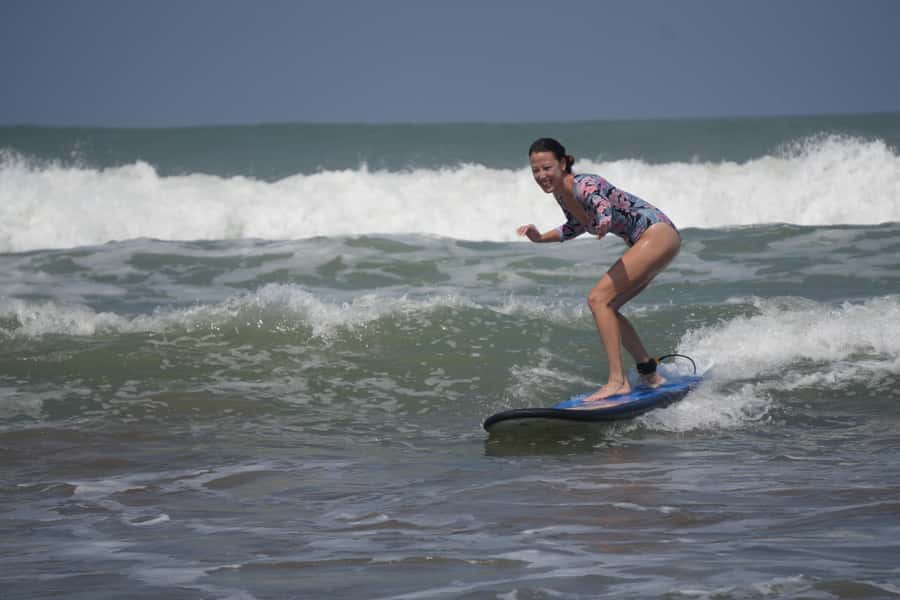
Included gear is one of the sneaky reasons this lesson feels good value. You get:
- a surfboard
- a rushguard
- mineral water
They also tell you what to bring: a towel, water, and comfortable clothes. You’ll want that towel because you’ll almost certainly end up wet and salty, and comfort matters when you’re trying to stay focused.
Also plan your clothing like a surfer, not like a tourist. Wear something you’re comfortable getting wet, then bring something dry for after. If you forget, you can end up spending your “after surfing” time trying to warm up in damp clothes—nobody wants that.
Price and value: what $17 really buys you in Bali
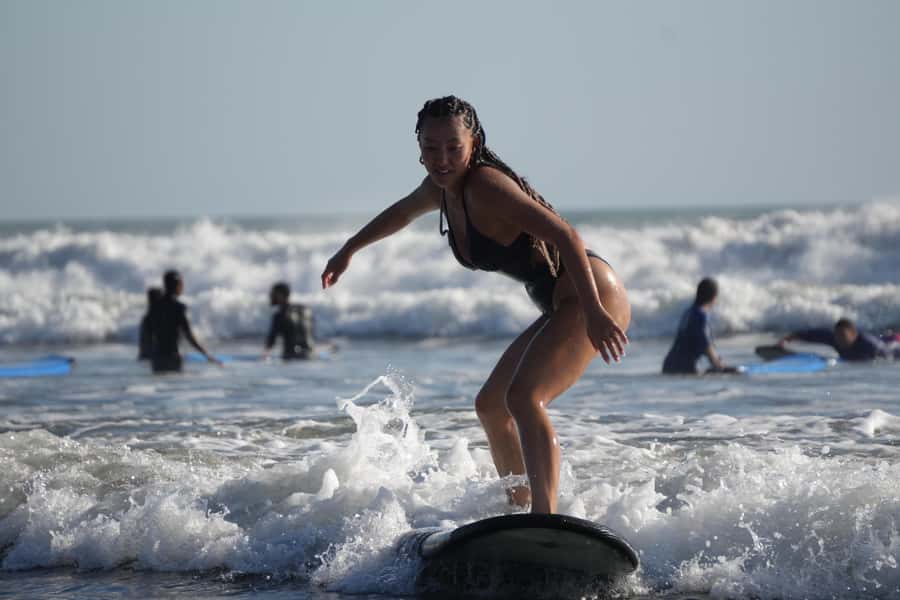
At $17 per person, this is an easy decision for many budgets—especially because several essentials are bundled in. In a typical surf day, you’d usually pay separately for:
- instructor time and coaching
- board rental
- basics like water or protective clothing
Here, you’re getting instructor-led teaching plus board plus rashguard plus water, and the session includes about 90 minutes actually in the water. That’s the part that makes the price feel fair. You’re not just “buying access,” you’re buying time that moves your skills forward.
Transport is the one piece to read carefully. Pickup is included from your side (Kuta) and/or arranged with the school, but free pickup is limited to a maximum 3 kilometers from Tio Surf School. Drop-off isn’t included, so you may need to arrange your return independently. Still, that tradeoff can be fine if your hotel is close or you’re comfortable using a local ride back.
One more practical win: the instruction is in English and Indonesian, which matters in Bali when surf terms can sound like another language. Clear communication makes a huge difference when you’re trying to remember instructions between waves.
The full day flow, step by step
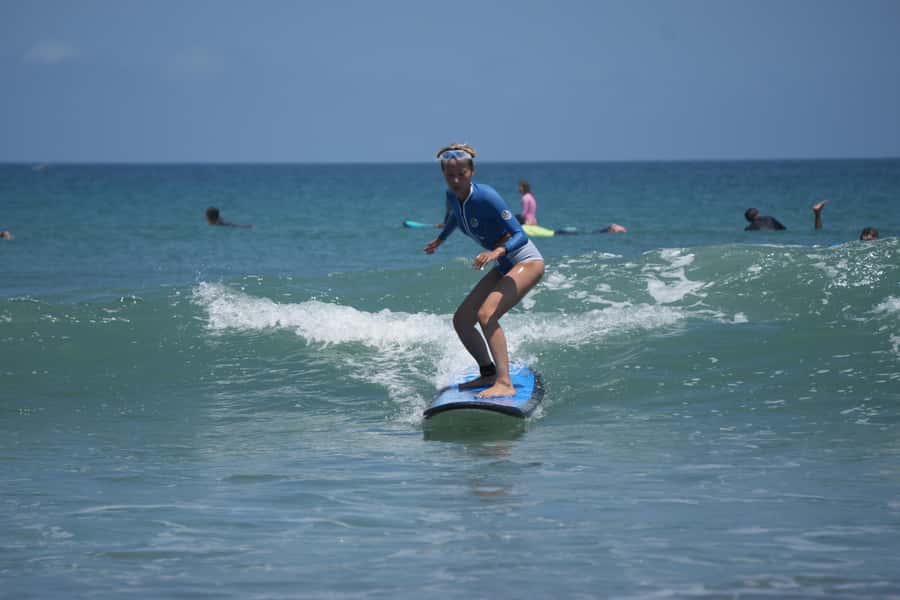
Here’s how the day typically runs, and why each step matters:
1) Pickup in Kuta
You get collected, which keeps the morning stress low. The meet-up point is described as in front of Mandira Hotel.
2) Class and safety briefing (20 minutes)
This is your setup. You learn what to do, what not to do, and how to stay safe while you practice.
3) Surfing (about 1.5 hours)
This is where your skills grow fast. Because you’re in the water for a solid block, the instructor can correct you and you can try again while you still remember what to fix.
4) Break time
You recover and reset so you can keep learning instead of just surviving.
5) Finish at Tio Surf
You’ll end back at the school. Since drop-off isn’t included, plan how you’ll get from there to your next stop.
Who this Bali surf lesson suits best

This lesson is a strong fit if you want:
- a beginner-friendly start on a learning-appropriate beach
- instructor attention that helps you progress
- a structured day that includes real time in the water
It also makes sense if you’re traveling solo and still want a personal coaching experience, since the group type is listed as a private group.
If you’re an experienced surfer, you’ll still likely enjoy it because the lesson options include advanced packages and the instruction aims to improve your surfing with tailored guidance.
Skip this lesson if you’re not comfortable in the water. Non-swimmers and people with back problems are listed as not suitable. And for kids, the minimum age is 9.
Small tips that make a big difference on surf day
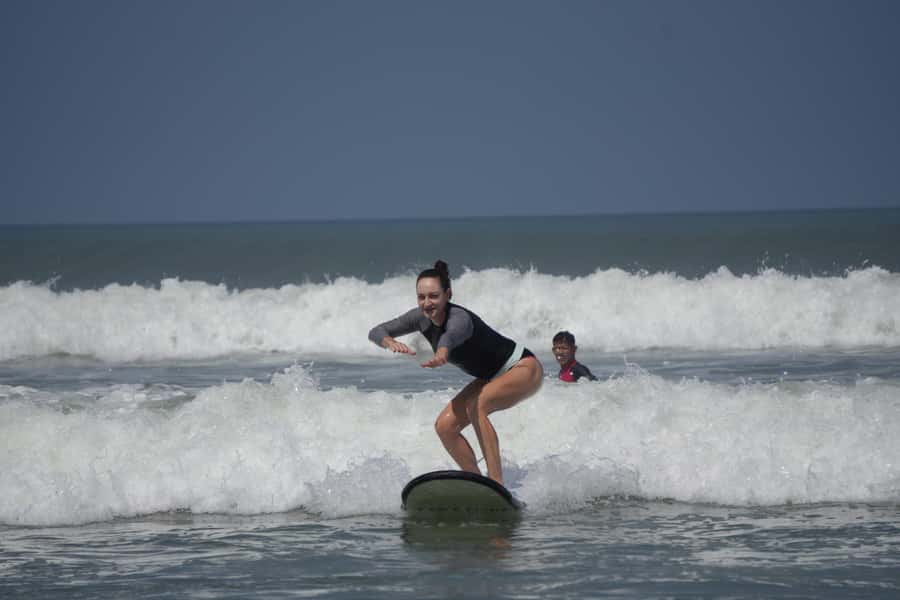
Before you go, get the basics right. You’ll have a smoother experience if you:
- arrive about 30 minutes early
- bring a towel and change of clothes
- dress comfortably for hot, sunny conditions
- check the weather forecast and dress accordingly
- follow the rules: no alcohol or drugs, and no littering
Also, they specifically note you should bring the invoice attached to the email when you go. It’s a tiny step that can save you from last-minute confusion.
If you’re wondering whether you’ll be confused by timing, don’t. The coaching is designed to make your lesson easier, not harder. You’ll get direction before you try, and you’ll have feedback as you go.
Should you book this Bali surfing lesson at Legian Beach?
If your goal is a first-time surf experience that’s structured, safe-feeling, and focused on real progress, I’d say yes. The biggest reasons are the lesson design: a beginner-friendly beach, a short safety briefing, and a long enough chunk of 90 minutes in the water to actually learn instead of just watch.
Book it if you appreciate coaching and you want your day to include the essentials without extra shopping for gear. And if you’re traveling on a budget, the $17 price works well because board + rashguard + water + instruction are included.
I’d hesitate only if pickup logistics are an issue for where you’re staying, since free pickup has a limited radius and drop-off isn’t included. If you’re close to Kuta and can handle the return, it’s an easy pick. If you’re farther out, ask ahead so you’re not improvising a ride after surfing.
If you want a Bali activity that’s active, memorable, and actually teaches you something, this one is built for that.
FAQ
Where is the surf lesson located?
The lesson takes place at Legian Beach, Bali.
What is the price per person?
The price is listed as $17 per person.
How long is the lesson, and how much time is spent surfing?
The total duration is about 1 day, and the lesson block is around 2 hours, with about 90 minutes in the water.
Where do I meet the instructor?
You meet your instructor in front of the Mandira Hotel.
Is surf equipment included?
Yes. You receive a surfboard and a rushguard.
Is pickup included?
Pickup is included, with free pickup limited to a maximum of 3 kilometers from Tio Surf School.
Are meals included?
No. Meals are not included.
What languages are the instructors?
The instructor speaks English and Indonesian.
Can kids or non-swimmers join?
Children under 9 years aren’t suitable. The activity is also not suitable for non-swimmers.
What should I bring, and what should I avoid?
Bring a towel, water, and comfortable clothes, plus a change of clothes. Avoid alcohol and drugs, and don’t litter.