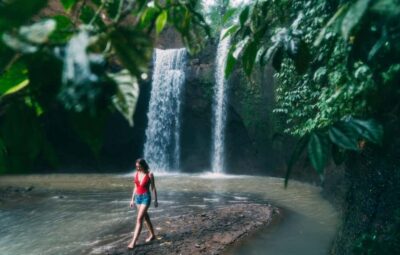
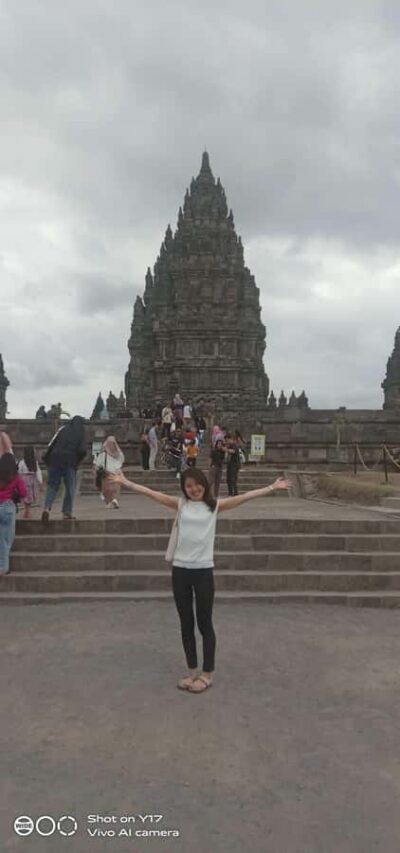
One day, five big wow-moments. This private Bali route strings together waterfalls, a purification temple, and the famous Tegalalang rice terraces, with an easy pace so you spend less time figuring out routes. I like the clear mix of nature, culture, and something tasty to learn about at a coffee plantation, plus the fact it’s designed around pickup so you can start relaxed.
Two things I particularly like: the chance to enjoy waterfall scenery up close and get in the water (time is built around Tibumana, and you’ll also have a break at Kanto Lampo), and the way Tirta Empul lets you see a living ritual instead of just snapping photos from afar. One drawback to plan for: lunch and entrance tickets aren’t included, so you’ll want a bit of cash and budget for those extras.
If you want a smooth, guided day around Ubud without stress, this is the kind of itinerary that works. And if your guide is as professional as Githa or De Putro (both named in feedback), the whole day runs like a well-timed playlist: stops on schedule, fewer headaches, and you actually have time to look.
In This Review
- Key Things That Make This Tour Work Well
- Why This Waterfall-and-Temple Day Fits Ubud So Well
- Price, Value, and What $26 Really Buys You
- Pickup and Drop-Off: The Little Detail That Saves Your Whole Day
- Kanto Lampo Waterfall: Up Close, Cool Break, and Photo Time
- Tibumana Waterfall Swim Time in Fresh Mountain Water
- Tirta Empul Purification Temple: Watching the Ritual, Optional Participation
- Segara Windhu Coffee Plantation: Learning How Balinese Coffee Works
- Tegalalang Rice Terrace: Taking Your Time With the Famous View
- Guides, Safety Feel, and Why the Driver-Guide Matters
- What to Bring (So You Don’t Regret It at Stop #2)
- Who Should Book This Private Tour (And Who Might Skip It)
- Booking Checklist: How to Make This Day Go Smoothly
- Should You Book Bali Top’s 3 Waterfalls – Temple And Rice Terrace?
- FAQ
- How long is Bali Top’s 3 Waterfalls – Temple And Rice Terrace?
- What is the price per person?
- Is this tour private?
- What are the main stops on the itinerary?
- Do I get hotel pickup and drop-off?
- What’s included in the tour price?
- Are entrance tickets and lunch included?
- What languages are spoken during the tour?
- What should I bring for the day?
- Is swimming included?
Key Things That Make This Tour Work Well
- Waterfall-to-temple pacing: breaks are built in, not just a photo rush from one spot to the next.
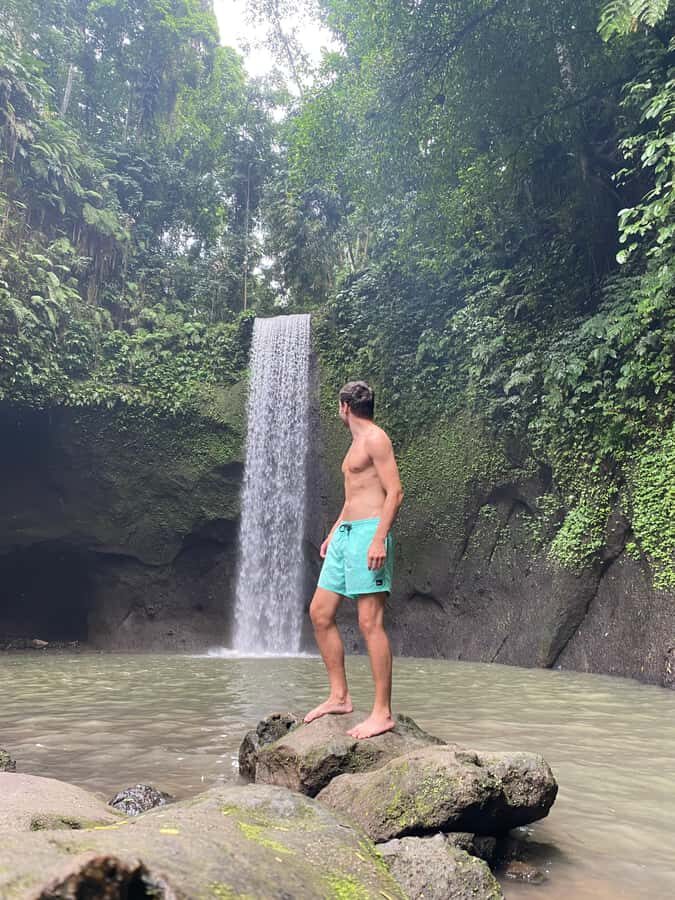
- Tibumana natural pool time: the itinerary specifically sets aside time to swim and cool off at Tibumana.
- Coffee plantation learning: you’ll learn how Balinese coffee is produced and sample Kopi Luwak.
- Tirta Empul purification ritual: you can watch and also join the ritual bath process if you want.
- Tegalalang rice terraces with real photo time: you get a full sightseeing block, not a quick drive-by.
- Pickup/drop-off convenience: multiple pickup and drop-off areas make the day feel easier.
Why This Waterfall-and-Temple Day Fits Ubud So Well

Bali is great when you can slow down enough to notice details. This tour is built for exactly that: it focuses on a handful of standout places and connects them with a private driver-guide, so you’re not constantly changing plans.
What you get is a classic Ubud-area day mix: waterfall scenery, Balinese spirituality, and that iconic rice terrace view. The value is in the grouping. Instead of doing one waterfall today and everything else later, you stack the best stops into one day, which saves time and reduces the cost of multiple separate arrangements.
You also get the benefit of someone handling the driving. That sounds obvious, but it matters in Bali because travel time can balloon fast once you’re moving between different areas and roads. Here, the tour is structured around pickup and drop-off within common areas like Gianyar, Denpasar, Seminyak, and Ubud.
You can also read our reviews of more tours and experiences in Segara Windhu Coffee Plantation.

Price, Value, and What $26 Really Buys You
At $26 per person, this is positioned as a budget-friendly private day. The big question is always the same: what’s included versus what you’ll still pay?
Here’s the deal:
- Included: private tour, hotel pickup/drop-off, English-speaking driver as your guide, mineral water, and parking fees.
- Not included: lunch and entrance tickets (optional).
So the money you pay is really for transportation, a guide who can explain what you’re seeing, and time at each stop. Since you’re hitting multiple sites—Kanto Lampo, Tibumana, Tirta Empul, a coffee plantation, and Tegalalang—that’s where the value comes from. One guided day can cost less than piecing together separate transfers and entrances elsewhere.
A practical note: because entrance tickets and lunch aren’t included, you’ll want some cash on hand. The tour also asks you to bring personal items like a towel and change of clothes, which you’d need anyway if you plan to swim.
Pickup and Drop-Off: The Little Detail That Saves Your Whole Day
This tour offers pickup from several areas, including Gianyar, Denpasar, Seminyak, Ubud, and Badung Regency (plus other listed options). Drop-off is also available in matching regions like Gianyar, Denpasar, Seminyak, Bali/Badung Regency, and Ubud.
Why does this matter? Because it reduces the awkward part of Bali touring: finding a meeting point that’s convenient for where you’re actually staying. If you’re staying in or near Ubud, great. If you’re elsewhere in the south, the options help keep the day from becoming a long taxi run before it even starts.
Also, the driver is set to wait at your hotel lobby for pickup. That means you’re not sprinting across roads or playing phone-tag while traffic eats time.
Kanto Lampo Waterfall: Up Close, Cool Break, and Photo Time
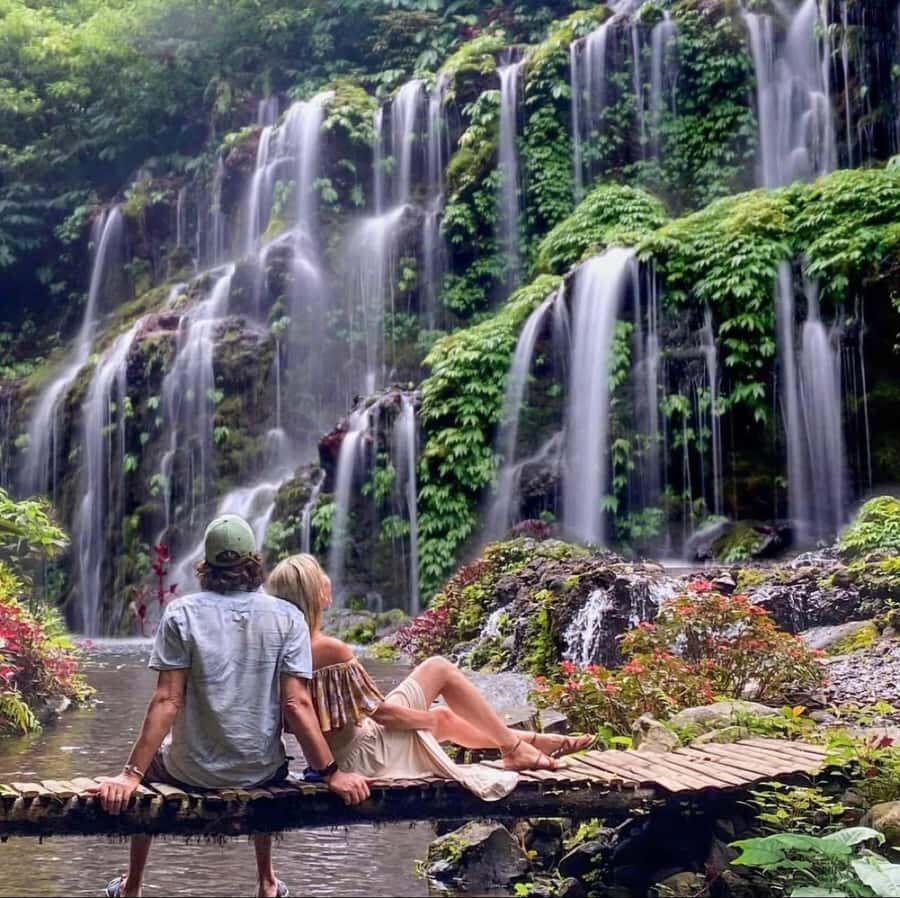
Your day begins with Kanto Lampo Waterfall in Gianyar Regency. You’ll get about one hour, which includes break time, a photo stop, sightseeing, and a chance for some shopping.
What makes Kanto Lampo special is the way the waterfall area creates a dramatic sense of closeness. This is one of those places where even short time blocks can feel rewarding because there’s texture everywhere—water, rock, and people moving through the space.
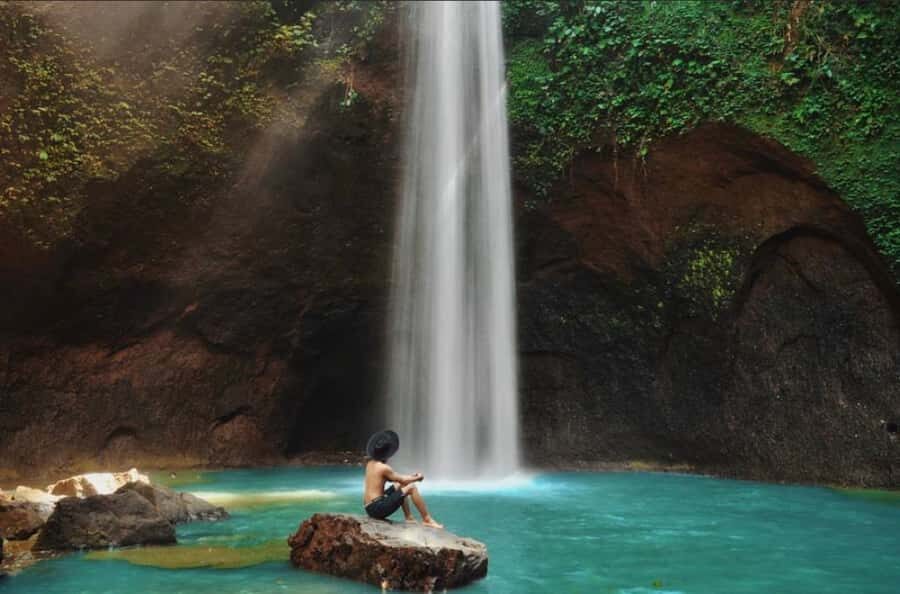
The itinerary’s time structure helps. You’re not forced to sprint. You get a proper photo window, then downtime to cool off or grab a quick look around. The highlight info also points to swimming in a natural pool near the base area, so if conditions and safety allow, you’ll likely have an opportunity to get in the water here too.
Possible consideration: Kanto Lampo is part nature, part tourist flow, so expect it to feel busy compared with quieter corners. If you want calmer moments, you can use your break time strategically—focus on photos first, then do a slower walk.
Tibumana Waterfall Swim Time in Fresh Mountain Water
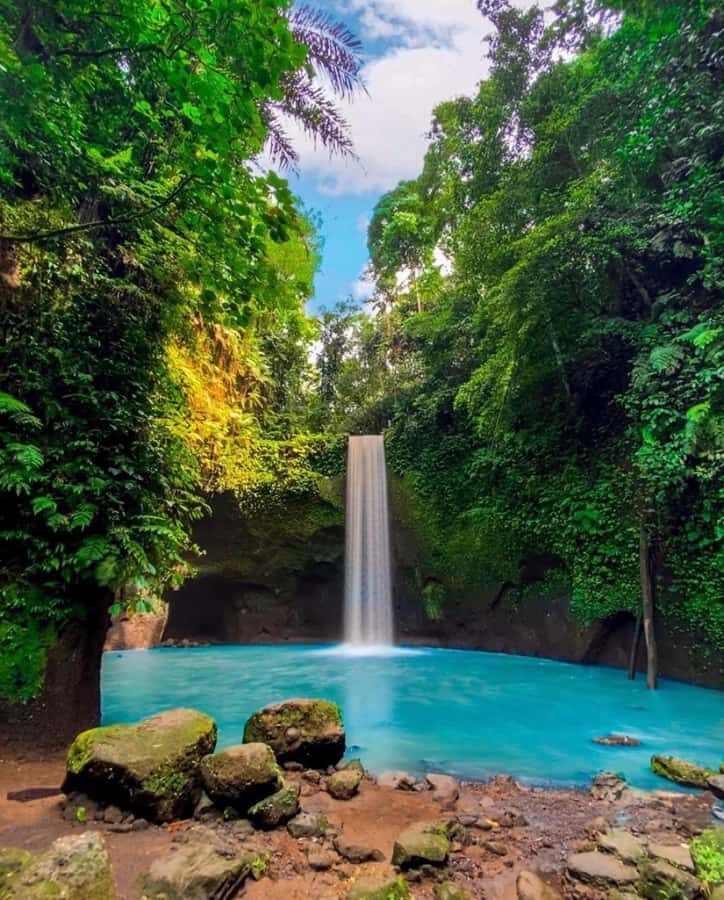
Next up is Tibumana Waterfall, another Gianyar-area stop. You’re scheduled for about one hour, including break time, photo time, and a guided component.
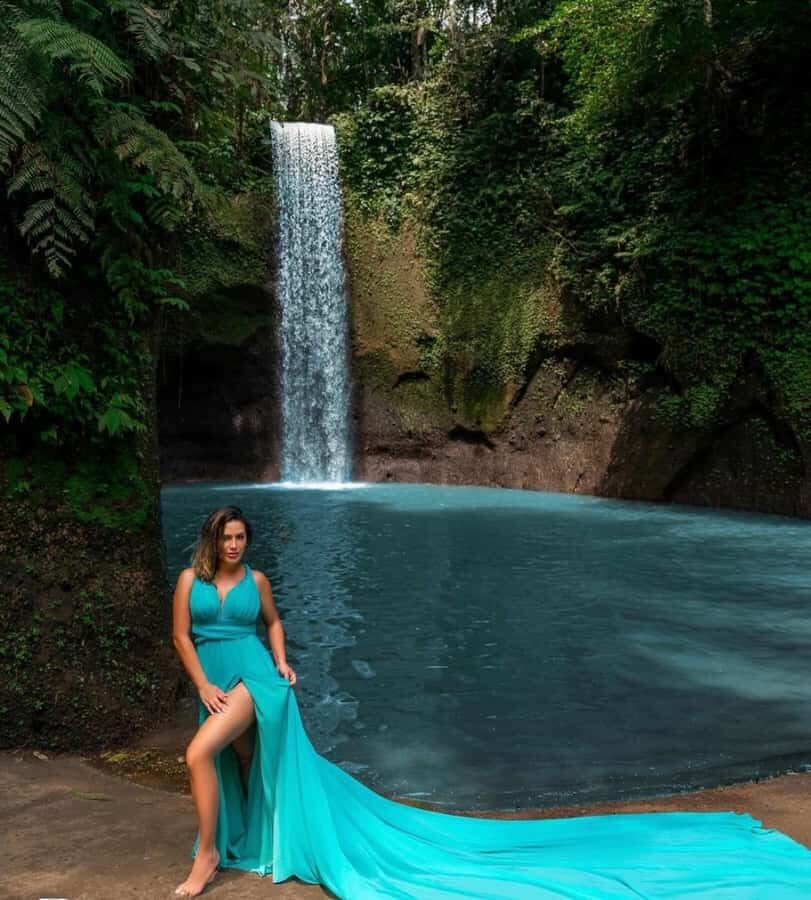
This is the stop with the clearest swim focus. The plan calls out time for you to enjoy the natural pool at the foot of the waterfall, and it describes the water as fresh blue, sourced from mountain origins. In other words: this is where your day turns from sightseeing into a real reset for your body.
Why I think this is a strong inclusion: Bali days can get heat-heavy and road-heavy. A waterfall swim break gives you a reason to slow down and feel refreshed, not just look around.
What to watch for: you’ll want flip-flops and a towel, and ideally a change of clothes. The tour explicitly tells you to bring these, and it’s not just for show. Water-based stops mean you’ll leave wetter than you expect.
Tirta Empul Purification Temple: Watching the Ritual, Optional Participation
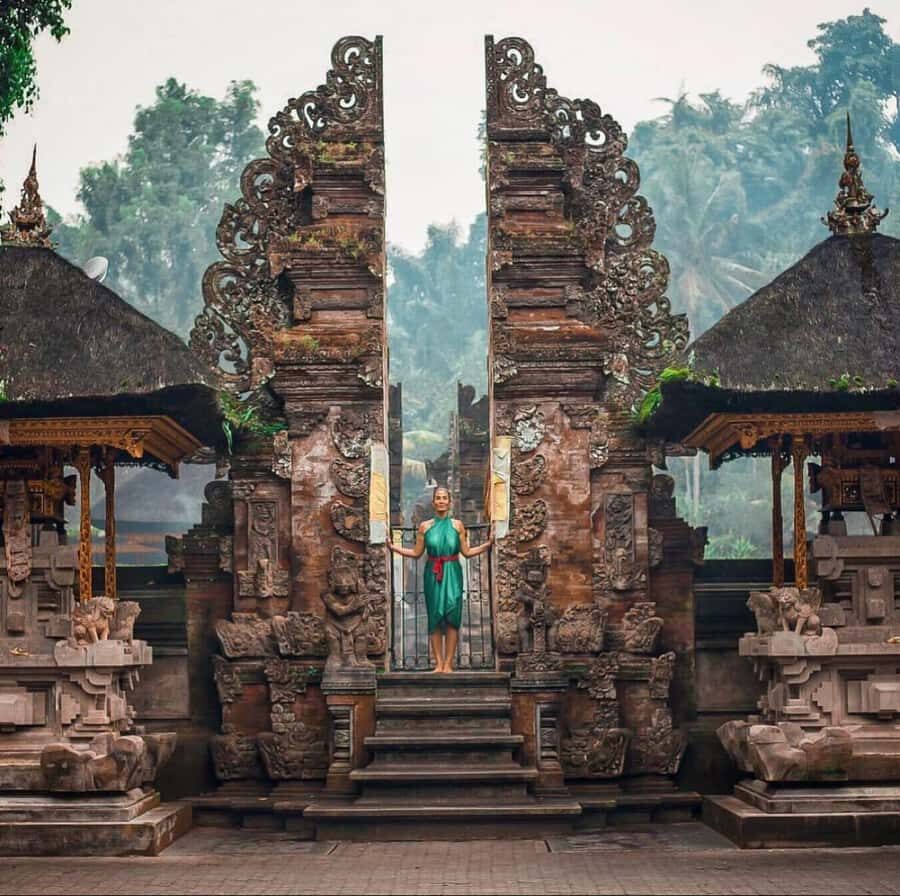
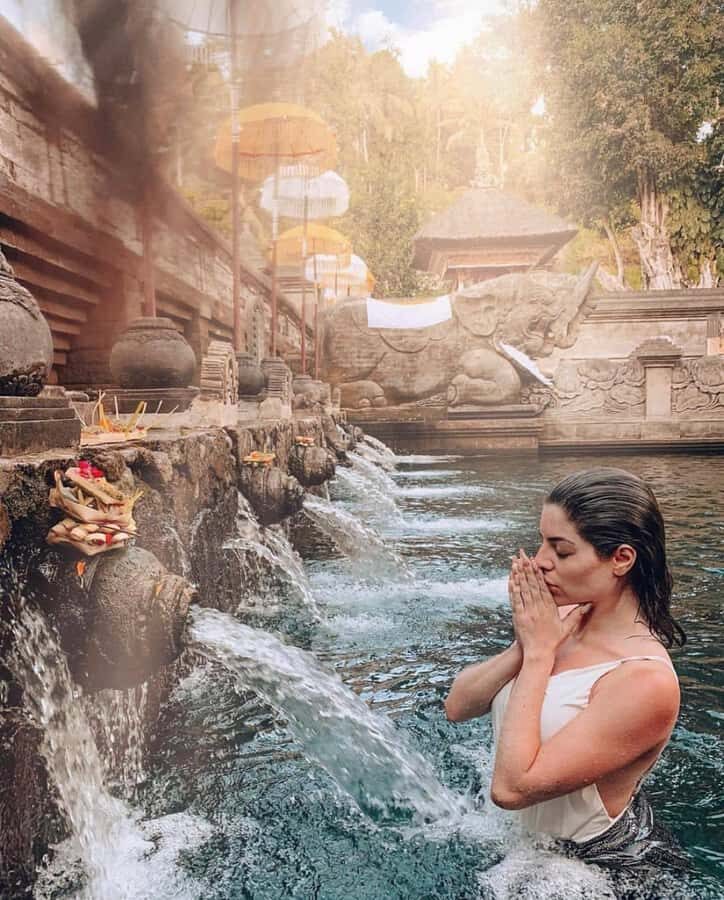
Then the tour shifts from nature to culture at Tirta Empul Temple. This is a known purification temple, and the itinerary gives you about two hours of free time plus walking.
Here’s the value of having a longer block: Tirta Empul isn’t the type of place where you can do justice in ten minutes. People come for a reason. If you want to see what’s happening up close and understand the meaning, you need space and time.
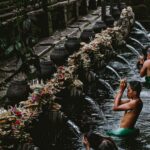
The tour description emphasizes that you can join the ritual bath, as part of the purification process for mind and soul. Even if you don’t participate, the longer stay is useful because it gives you time to observe how the ritual works, how people move through it, and how the site functions as a living religious space rather than a photo set.
Practical tip: plan for modest, respectful behavior. The data doesn’t spell out clothing rules, so I won’t guess details—but temples in Bali generally reward visitors who dress accordingly and follow on-site guidance.
Segara Windhu Coffee Plantation: Learning How Balinese Coffee Works
After the temple, you head to Segara Windhu Coffee Plantation for about one hour. This stop is built around two things: learning the process of Balinese coffee production and sampling coffee, including Kopi Luwak.
This is a great palate change after water and temple time. Coffee plantations turn your day into something more than just visuals—you get a story and a taste component. It’s also a place where a guide makes the experience more worthwhile, because you can ask questions and get explanations as you go.
A reasonable expectation: you’ll likely spend much of the hour inside the plantation area moving between points of interest and then on to the tasting portion. Since lunch isn’t included, this coffee stop can also help with energy and mood if you’re feeling snacky.
Consideration: coffee tasting isn’t the same as a full meal. If you’re someone who gets hungry easily, keep that in mind and budget for snacks or lunch later.
Tegalalang Rice Terrace: Taking Your Time With the Famous View
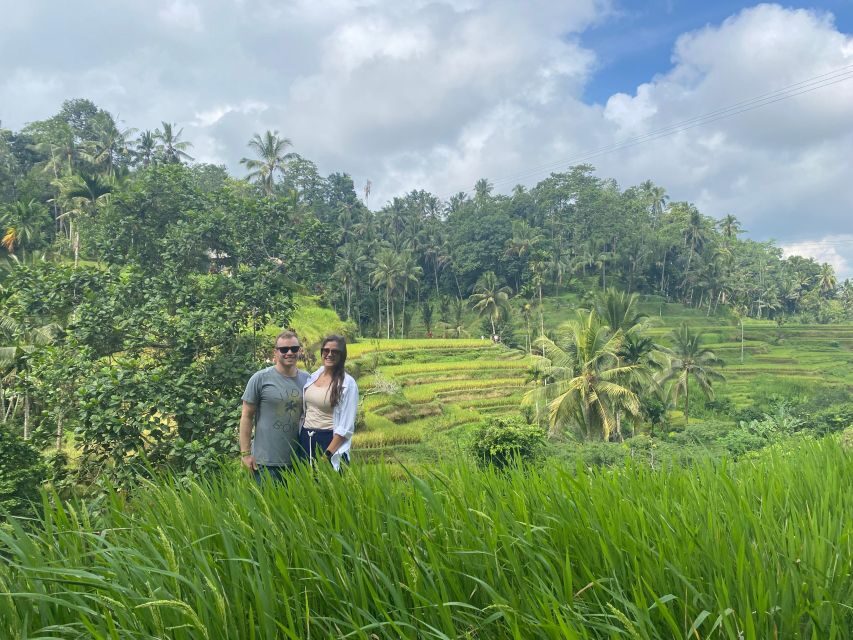
The final sights block is Tegalalang rice terrace, scheduled for about one hour of sightseeing.
The tour description paints the scene: rice terraces in low hills, with coconut trees acting like ornaments. That’s the essence of why Tegalalang is so famous—there’s a visual pattern to the rice fields that stays interesting even when you’re not trying to photograph every frame.
What you’ll love here is the contrast. You’ve gone from waterfall motion to temple stillness, then to plantation processing, and now you return to an agricultural landscape shaped by human hands over time. You can stand back and look, walk along viewpoints, and take photos without feeling rushed.
Possible drawback: one hour can still feel short if you want a long, slow stroll or if the view is busy when you arrive. But given the structure of the rest of the day, this block is a sensible capstone.
Guides, Safety Feel, and Why the Driver-Guide Matters

This is a private tour with an English-speaking driver-guide, which means your day isn’t just about where you go—it’s also about how the stops connect.
Feedback from past visitors highlights drivers like Githa and De Putro as professional, and that matters because it often changes the tone of the whole experience. You’re more likely to understand what you’re seeing, and it’s easier to ask basic questions without feeling awkward.
There’s also a strong signal that the tour felt comfortable for solo travelers; one review specifically mentions that a solo woman traveler felt safe and comfortable throughout. That’s not something you should assume on every day trip, so it’s worth noting as part of the overall value.
If you care about a calm day where you can focus on sights instead of logistics, a private guide is a big part of the appeal.
What to Bring (So You Don’t Regret It at Stop #2)
The tour gives a clear packing list, and you should take it seriously:
- Change of clothes
- Towel
- Camera
- Flip-flops
- Cash
Why these matter: you’re mixing wet waterfall time and temple time. Flip-flops are simple and practical for water areas. Cash is helpful because entrance tickets and lunch are not included, and you’ll likely want a few small purchases along the way.
If you’re the type who hates carrying everything, plan a small waterproof pouch for your phone/camera. Also, charge your devices before pickup. Once you start moving through stops, charging opportunities can be hit-or-miss.
Who Should Book This Private Tour (And Who Might Skip It)
This tour is a good match if:
- you want a one-day hit of the Ubud-area highlights without constant planning
- you like waterfalls plus culture, not just one category of attraction
- you want private pickup/drop-off and an English-speaking guide
- you’re comfortable with a full day that includes a mix of sightseeing and short breaks
You might consider a different option if:
- you want lunch included (it isn’t)
- you’d rather do rice terraces and temples only, with no coffee plantation
- you don’t want any chance of getting wet (the itinerary includes swimming-focused waterfall time)
It’s also noted that the activity isn’t suitable for babies under 1 year and isn’t suitable for people over 95 years, so plan accordingly.
Booking Checklist: How to Make This Day Go Smoothly
Before you go, I’d plan your day around two ideas: hydration and flexibility.
1) Hydration: the tour includes mineral water, but bring your own habits too—don’t wait until you feel drained. Waterfalls are refreshing, but the day includes travel and heat.
2) Flexibility: start times are listed as available, which means you might not have a single fixed schedule. Be ready for a morning or afternoon variation so you can keep your day organized.
Also, with free cancellation up to 24 hours in advance and a reserve now pay later option mentioned, it’s the kind of booking that can fit real travel uncertainty.
Should You Book Bali Top’s 3 Waterfalls – Temple And Rice Terrace?
If you want one guided day that hits Kanto Lampo, Tibumana, Tirta Empul, Segara Windhu Coffee Plantation, and Tegalalang rice terrace, then yes, this is a smart way to spend your time in Bali. For $26, the value comes from bundling private transport with multiple major sights and giving you enough time to actually enjoy each stop.
I’d book it if you like a balanced day: nature breaks for your body, temple time for meaning, and rice terraces for that unmistakable Bali view. If you’re strict about budget, just remember lunch and entrance tickets are extra and pack your basics so you can swim comfortably when the opportunity comes.
FAQ
How long is Bali Top’s 3 Waterfalls – Temple And Rice Terrace?
It’s listed as a 1-day experience. Starting times vary based on availability.
What is the price per person?
The price is listed as $26 per person.
Is this tour private?
Yes. It’s a private tour, with a private group available.
What are the main stops on the itinerary?
The tour includes Kanto Lampo Waterfall, Tibumana Waterfall, Tirta Empul Temple, Segara Windhu Coffee Plantation, and Tegalalang Rice Terrace.
Do I get hotel pickup and drop-off?
Yes. Hotel pickup and drop-off are included, and the driver waits at your hotel lobby.
What’s included in the tour price?
Included items are hotel pick up and drop-off, private tour, an English-speaking driver as your guide, mineral water, and parking fees.
Are entrance tickets and lunch included?
No. Lunch is not included, and entrance tickets are not included (optional).
What languages are spoken during the tour?
The tour is available in English and Indonesian.
What should I bring for the day?
Bring a change of clothes, a towel, a camera, flip-flops, and cash.
Is swimming included?
The highlights say you can swim in natural pools at the foot of Tibumana and Kanto Lampo waterfall, and Tibumana is scheduled with time for guided enjoyment.