Night markets turn hunger into culture lessons. A guided Balinese street-food night in Ubud-Gianyar is interesting because you’re eating what locals actually grab after sunset, with an English-speaking guide like Nata helping the food make sense, not just fill your plate. I love the fresh, made-right-in-front-of-you approach and the way the herbs, spices, and routines behind the dishes get explained as you go. One thing to consider: this is a walking market experience, so you’ll want comfortable shoes and you should expect crowds.
Expect a 2 to 4 hour evening built around real stalls, not restaurant choreography. You start with herbal drinks and local coffee, then move into the night market area where families, workers, and students snack on grilled savory bites and sweet treats. Along the way, your guide connects meals to daily life and traditions, and helps you choose foods that match your preferences when possible.
The $27 per person price makes sense when you compare it to how much time and local know-how you’d otherwise need to hunt down good stalls. Still, it’s not designed for a quiet, sit-down meal, and it may not fit if you have food allergies or mobility limits.
In This Review
- Key takeaways before you go
- Night Markets After Sunset: Eating Like People in Gianyar
- Herbal Tea and Local Coffee First: Setting Up the Balinese Flavor Map
- Inside the Stalls: Savory Grills, Sweet Snacks, and Bab i Guling
- The Itinerary Rhythm: 2 Hours in Gianyar, Then Market Time in Bali
- Private Transport vs Shared Group: What Changes in Your Night
- What to Pack and How to Survive the Market Walk
- Price and Value: Does $27 Buy Enough Food?
- Who This Ubud Night Market Feast Fits Best
- Should You Book This Ubud Night Market Feast?
- FAQ
- FAQ
- How long is the Ubud night market food experience?
- Where do I meet the guide?
- Is pickup included?
- What’s included in the price?
- Is alcohol included?
- Do I need cash for the night market?
- Does the tour run in the rain?
- Are herbal drinks and coffee included?
- What should I wear and bring?
- Is it suitable for people with food allergies or mobility issues?
Key takeaways before you go
- Herbal drink and coffee tasting first helps you understand the flavors before the stalls start sizzling
- A real local night market is the main event, where people eat after work and school
- Your guide’s recommendations matter, including food choices that fit dietary preferences when you mention them in advance
- Expect variety across savory grills, snacks, and Balinese sweets, not one fixed menu
- Cash is important because most vendors don’t take cards
- Private vs shared changes logistics, especially pickup and drop-off
Night Markets After Sunset: Eating Like People in Gianyar
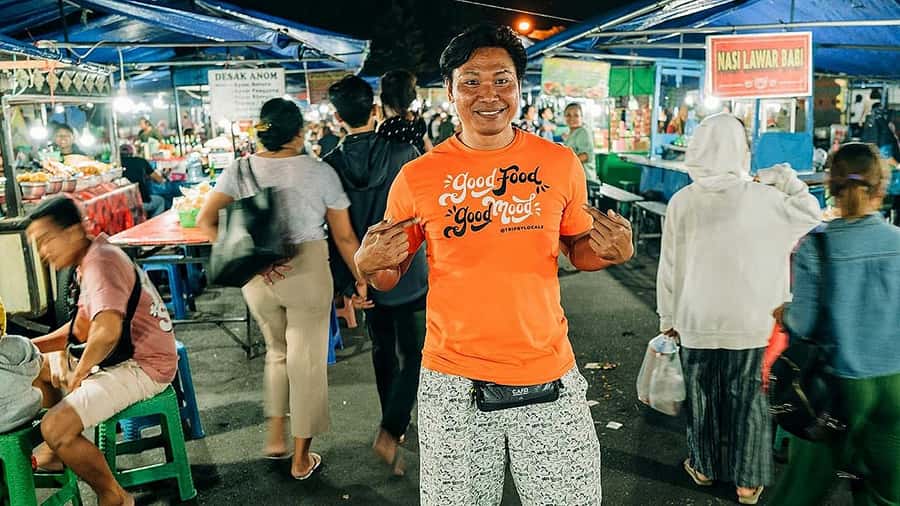
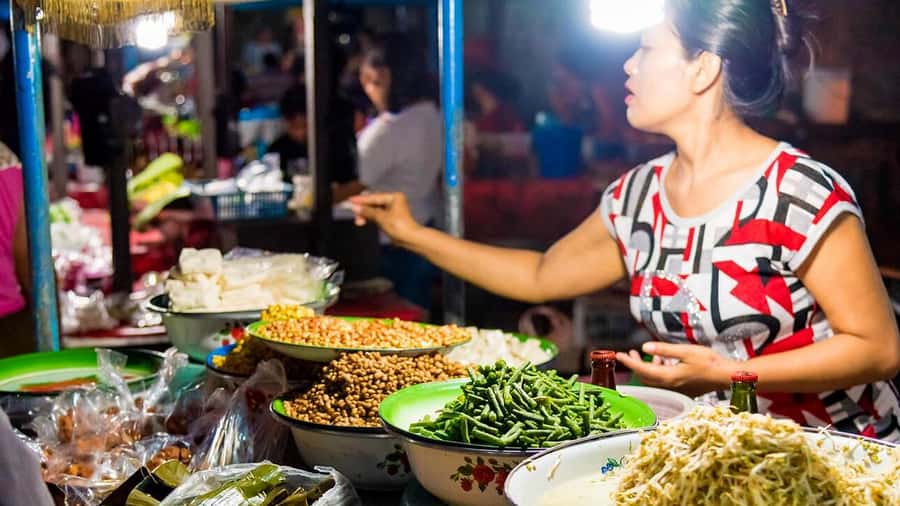
This tour’s heart is simple: you eat at a Balinese night market where locals show up after sunset. That shift matters. Daytime in Ubud can feel shaped for visitors, but after dark the stalls turn into a working rhythm of families, students, and workers grabbing food without making it a special occasion.
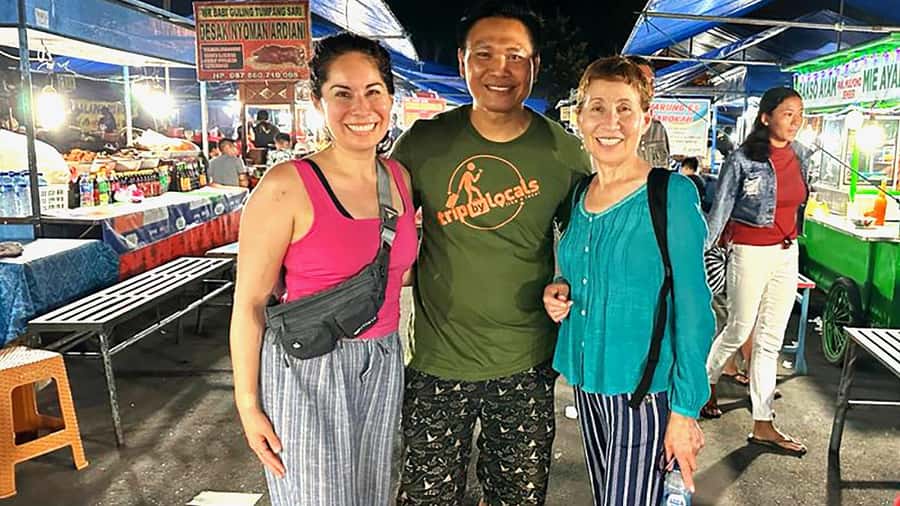
You’ll walk through stall after stall where the smells do the guiding. Think grills, sizzling pans, and dishes being prepared as you pass. This isn’t a polished food court. It’s a living street scene, and the value of having a guide is that you’re not just guessing what to order. Your local host can explain what you’re looking at, when locals tend to eat certain items, and how the flavors connect to everyday habits.
I like that the experience doesn’t pretend everything is “must-try.” Instead, it’s about variety and freshness. You’ll sample a selection of Balinese street food made to be eaten on the spot. If you’re the kind of traveler who wants more than a photo of a dish, this setup is exactly the point.
The one drawback is that a night market can get crowded, especially at peak hours. If you’re easily overwhelmed by people, plan on taking it slow. Bring water (you get bottled water), go at your own pace, and let the guide handle the order-to-order confusion.
You can also read our reviews of more tours and experiences in Ubud.


Herbal Tea and Local Coffee First: Setting Up the Balinese Flavor Map
Before you chase the night market smells, you start with herbal drinks and local coffee. That timing is smart. Balinese flavors often come from combinations of herbs, spices, and simple ingredients working together, and it’s hard to appreciate that while your brain is only focused on taste. The tour explains the role of herbs and spices as part of daily life, so you know what you’re tasting instead of just enjoying it blindly.
In the private-transport option, herbal tea and traditional Balinese coffee tasting are included. Even if you’re not a coffee person, I’d still take this part seriously. It acts like a flavor warm-up, helping you recognize how certain spice profiles repeat across dishes later in the evening.
This also helps if you’re picky or cautious. When you understand the basics, it gets easier to ask for milder or more specific choices. The guide can also adapt based on dietary restrictions if you inform them in advance, which is a huge help in a market environment where menus aren’t clear and ingredients can vary.
One small practical note: you should come with at least a little openness. This is not about Western-style “light and safe.” Some foods may include peanuts, spices, or coconut-based ingredients, so if you’re sensitive, flag it ahead of time and expect your guide to steer you toward options that match your limits.
Inside the Stalls: Savory Grills, Sweet Snacks, and Bab i Guling
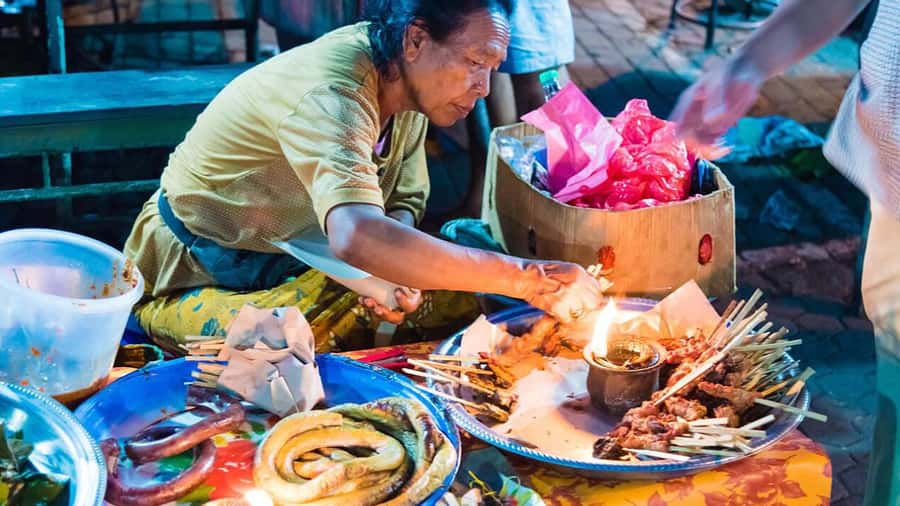
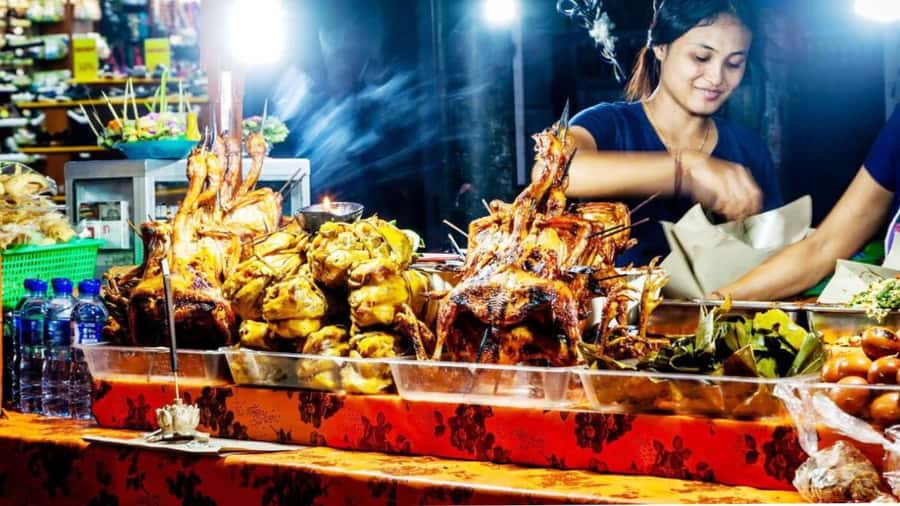
Once the market opens up, the tour shifts from tasting drinks to eating actual street food. The focus is on a range of salty and spicy bites, grilled items, and local sweets. Rather than a fixed menu, you’re sampling what’s available and fresh at each stop, with explanations that help you understand what you’re eating and why locals like it.
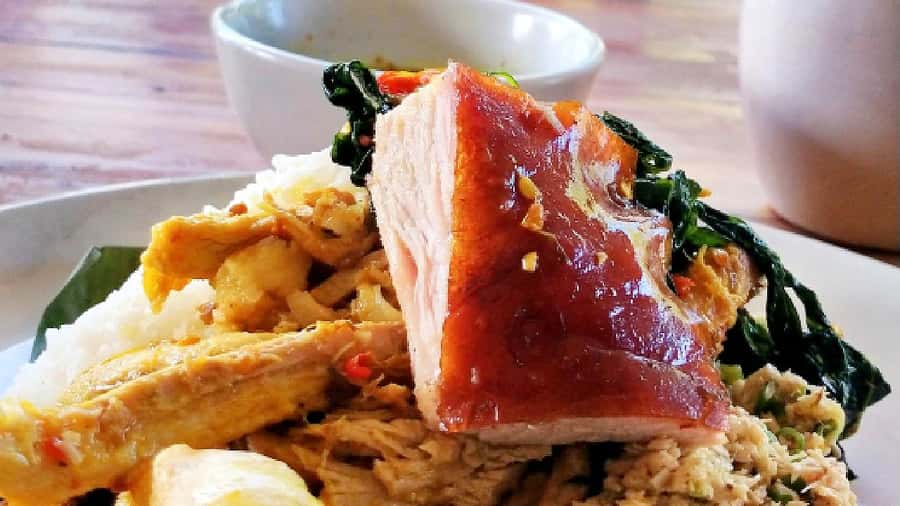
One highlight from the experience is that the guide can introduce you to foods you might not find on your own. For example, babi guling came up as a standout local dish you can be pointed toward through the tour. That’s the kind of item that sounds simple until you’re standing in front of a stall with no clear signage and a lot of decisions.
I also like that the guide doesn’t just send you to food. The host helps explain the cultural context: how dishes tie into daily routines and traditions, and how preparation methods shape flavor. Watching vendors prepare food right in front of you makes that explanation stick. You see the pacing, the tools, and the practical way the meal gets made for people who live nearby.
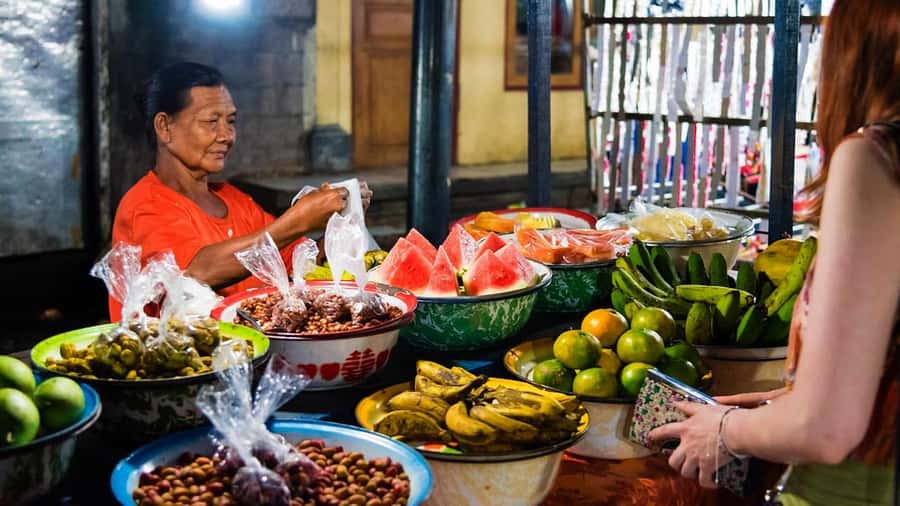
As for sweet stuff, you’ll get local desserts and treats as part of the evening. Street sweets can be easy to skip when you’re full, but this tour builds them into the flow so you taste more than just one “meal mood.”
The main consideration is dietary. You should tell the team about any allergies or restrictions before you go. This experience is not suitable for people with food allergies, and some ingredients may contain peanuts, spices, or coconut. If you’re not sure, ask specifically what’s in what you’ll try.
The Itinerary Rhythm: 2 Hours in Gianyar, Then Market Time in Bali
The tour runs 2 to 4 hours, and the plan is built around a short, satisfying arc: market eating first, then some extra time.
Start with the experience in Gianyar, where you’ll spend about 2 hours. That’s where the food focus hits: dessert, dinner-style snacks, and a local food market visit with welcome refreshments. This is the portion that matters most for most people, because it’s where you’re guided through the night market stalls and sampling the street food variety.
After that, you move into another segment in Bali with about 1 hour that includes visit time and free time, plus an arts and crafts market visit. This part is more flexible. It’s less about eating and more about seeing another side of the area—good if you want a chance to look around, pick up small souvenirs, or just reset your legs between food stops.
Finally, you return to Ubud at the end of the evening.
The practical trade-off is that everything is timed around walking and eating. If you’re someone who likes to linger at one stall for a long chat, this format might feel a bit fast. Still, the upside is that you cover enough ground to get real variety without spending hours “figuring it out.”
Private Transport vs Shared Group: What Changes in Your Night
This is one of those tours where the details matter, because your option affects how smooth your evening feels.
In the private transport option, hotel pickup and drop-off are included, and that can save you from the stress of finding a meeting point late at night. You also get the herbal tea and Balinese coffee tasting included as part of the experience.
In the shared group option, hotel pickup and drop-off are not included. You meet your guide at the designated meeting point, and you’ll need to handle getting there on your own.
There can also be additional pickup and drop-off fees if you’re staying outside central Ubud. If you’re in the outer areas, it’s worth clarifying so you’re not surprised at the end.
One more logistics tip: the tour asks you to provide an active WhatsApp number during booking for pickup coordination and live updates. Even if you’re walking to the meeting point, that kind of contact helps if plans shift with traffic, timing, or where your guide is waiting.
If you want the smoothest night, choose private. If you’re budget-focused and fine meeting at the point, shared can work well.





What to Pack and How to Survive the Market Walk
This tour is very doable for many people, but it does come with physical realities.
Wear comfortable shoes. You’ll be walking through a lively local night market, and the ground can be uneven depending on where the stalls set up. Bring comfortable clothes for warm evening weather and for moving through crowds.
Bring cash. This is important: most night market vendors do not accept cards. Even if tastings are included, you might want to buy extra snacks, drinks, or small items at the arts and crafts market.
Bring a camera or phone to capture the atmosphere and the food setup. You’ll get to see vendors prepare food in front of you, which is the kind of scene that doesn’t translate well if you only look away to take pictures later.
Rain is also a factor. The experience runs rain or shine, except during major Balinese religious holidays. So plan for wet conditions. You might get damp during the walk, even if the stalls themselves keep things moving.
Finally, it’s not suitable for children under 3 years, people with back problems, mobility impairments, heart problems, or wheelchair users. If that’s you, you’ll likely find this format too strenuous for comfort.
Price and Value: Does $27 Buy Enough Food?
At about $27 per person, you’re paying for three things: access to local stalls, a guided explanation, and a chunk of food tastings.
Included with your price:
- a guided street food and night market experience
- an English-speaking local guide
- selected food tastings at local stalls
- herbal tea and traditional Balinese coffee tasting only with the private transport option
- bottled water
- local taxes and service fees
Not included:
- alcohol (beer)
- personal expenses
Here’s the value logic I’d use if I were choosing. If you try to do this on your own in the dark, you’ll spend time figuring out where to go, what to order, and what you’re actually eating. This tour compresses that work into a planned route, and the guide keeps you from missing key local dishes you’d likely skip.
Also, the tour’s “not fixed menu” style helps. You’re not stuck with dishes you don’t like, because the guide can help you navigate variety and preferences if you’ve shared them in advance.
The main reason the value might feel weaker is if you expect a sit-down, curated restaurant dinner with a set menu. This is street food. That’s the point. If you’re ready for that, $27 feels fair for the guidance plus the sampling volume.
Who This Ubud Night Market Feast Fits Best
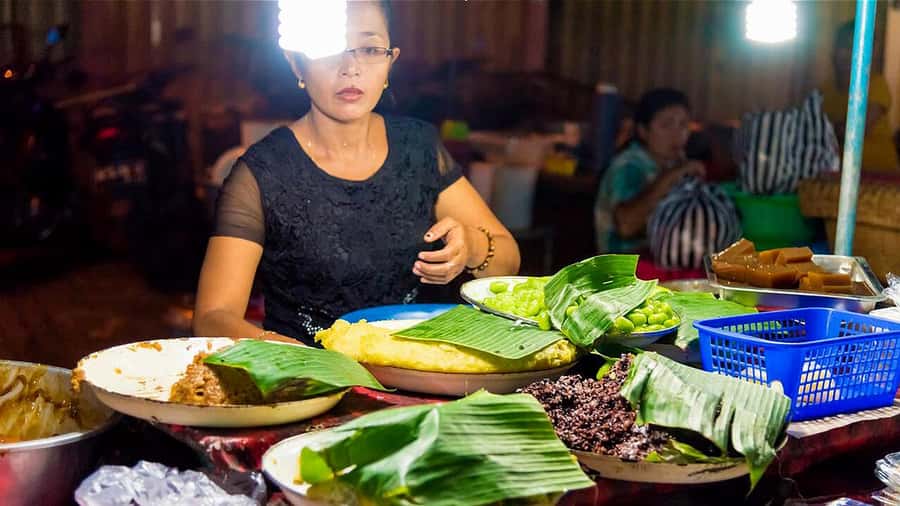
This tour fits best if you’re:
- a food traveler who likes street food and wants variety in one evening
- someone who enjoys cultural context, not just eating
- comfortable walking and standing in a crowd
- willing to bring cash and use your phone as a guide to what to photograph
It also makes sense if you want a guide who can recommend options around dietary preferences. Multiple experiences highlighted that recommendation support made a real difference, including steerage toward local favorites that match your limits.
Choose private if you want a smoother pickup/drop-off setup and you care about getting the herbal tea and coffee tasting as part of the included package. Choose shared if you’re flexible on logistics and want the same core market experience at a lower level of convenience.
If you have food allergies, mobility limitations, or significant heart/back issues, this is not the best fit based on the tour’s suitability notes.
Should You Book This Ubud Night Market Feast?
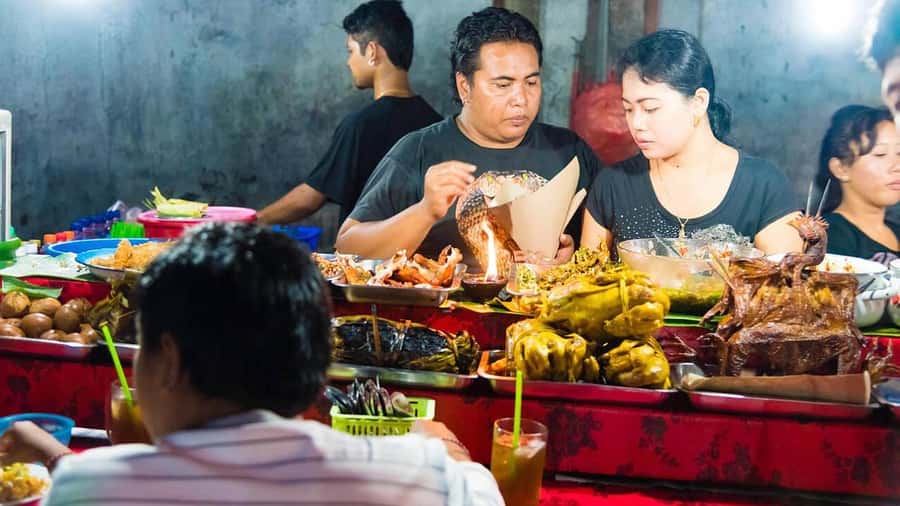
Book it if you want an evening that feels local, not touristy. The strongest reason is the guide-led combination of night market street food plus cultural explanations, which turns eating into learning without turning it into a classroom.
I’d especially lean yes if you:
- enjoy street food and want to try dishes you wouldn’t easily spot alone
- like guided recommendations, including navigating spice levels or dietary needs in advance
- can handle a walking market and a little crowding
Skip it if you:
- need a fully accessible, low-walking experience
- have food allergies and can’t risk coconut, peanuts, or spice-based ingredients
- want a quiet, seated meal with a predictable menu
FAQ
FAQ
How long is the Ubud night market food experience?
The duration is 2 to 4 hours, depending on the schedule and the option you choose.
Where do I meet the guide?
If you choose the walking tour option, you come directly and meet your guide. For private transport, pickup and drop-off are arranged for the private option, and pickup details vary by location.
Is pickup included?
Pickup and drop-off are included only if you select the private transport option. For the shared group option, hotel pickup is not included.
What’s included in the price?
You get a guided street food and night market experience, an English-speaking local guide, selected food tastings, bottled water, and all local taxes and service fees.
Is alcohol included?
No. Alcohol such as beer is not included.
Do I need cash for the night market?
Yes. Bring cash because most night market vendors do not accept cards.
Does the tour run in the rain?
Yes, the experience runs rain or shine, except during major Balinese religious holidays.
Are herbal drinks and coffee included?
Traditional Balinese herbal tea and coffee tasting are included only with the private transport option.
What should I wear and bring?
Wear comfortable walking shoes and comfortable clothes. Bring a camera or phone, and bring cash. You can also expect to walk through a lively, possibly crowded night market.
Is it suitable for people with food allergies or mobility issues?
The experience is not suitable for people with food allergies. It also isn’t suitable for wheelchair users, people with mobility impairments, and people with back or heart problems.