A UNESCO day trip with room to breathe. This private, door-to-door route strings together Jatiluwih rice terraces and the lake-temple setting of Ulun Danu Bratan, then adds big photo stops like Handara Iconic Gate. I also like that the experience is steered by guides such as Yasa and Agus, who focus on practical ways to see Bali’s culture and scenery without turning the day into a rushed checklist.
The best part for you is the flow: private transfers from many Ubud and south Bali hotels, onboard Wi-Fi so you can plan ahead and avoid roaming stress, plus lunch included. One consideration: it’s a full 8 to 10 hour outing, so you’ll want a comfortable start and a good mindset for a packed day.
In This Review
- Key things I’d zero in on
- Why this Bali UNESCO route feels smarter than a grab-bag day
- Timing and transport: what the 8 to 10 hours really means
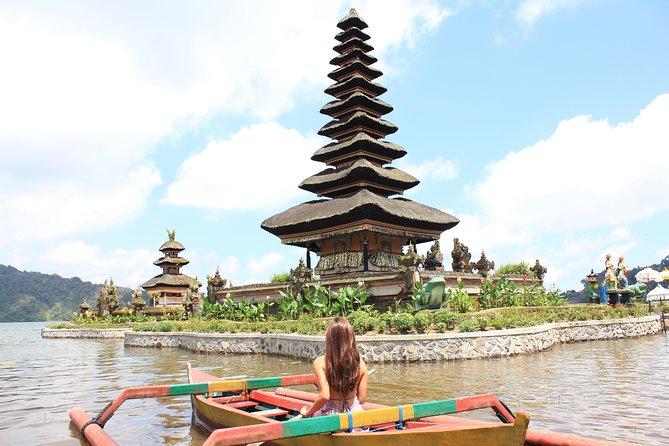
- Stop 1: Ulun Danu Bratan Temple and the lake-temple mood
- Stop 2: Wanagiri Hidden Hills for lake views and a calmer pace
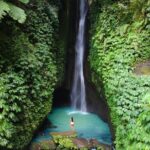
- Stop 3: Nungnung Waterfall and the climb to the reward
- Stop 4: Jatiluwih Rice Terraces and the subak farming system in action
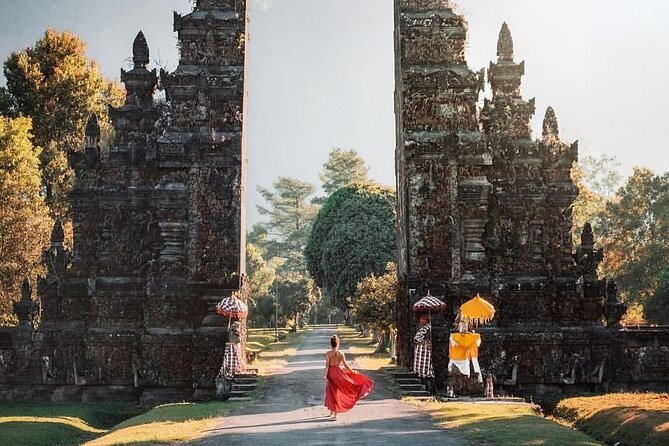
- Stop 5: Handara Iconic Gate at Handara Golf & Resort
- Passing by Ubud highlights without the detour trap
- The food and Wi-Fi details that actually matter
- Price and value: what $117 gets you on a private UNESCO day
- Guides are the difference between seeing and understanding
- What you’ll likely love most (and what to watch for)
- Should you book this Bali UNESCO World Heritage tour?
- FAQ
- What UNESCO sites does this tour include?
- What other stops are included besides the UNESCO sites?
- How long is the tour?
- Is pickup included?
- Are admission tickets included?
- Is lunch included?
- Is Wi-Fi included on the tour?
- Do I need to print anything for tickets?
- What if plans change at the last minute?
- How far in advance is this tour usually booked?
Key things I’d zero in on
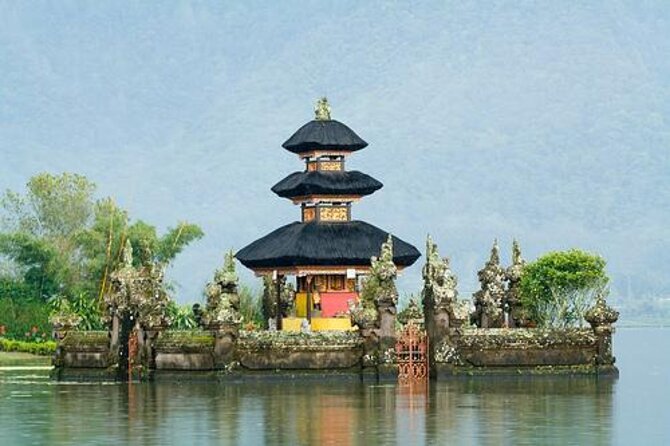
- Two UNESCO-linked stops: Ulun Danu Bratan Temple and Jatiluwih rice terraces
- Photo moments built in: Handara Iconic Gate and the lake views from Wanagiri Hidden Hills
- Real-time comfort: onboard Wi-Fi and mobile tickets
- Private door-to-door timing: only your group, with 2-way transfers from many Ubud and south Bali hotels
- A hike, not just a lookout: short walk time to Nungnung Waterfall
Why this Bali UNESCO route feels smarter than a grab-bag day
This tour is built around a simple idea: take the UNESCO story you came for, then give you enough time at each place to actually see it. You’re not just driving past a postcard. You’re moving between the Bedugul lake area, the highland viewpoints, and the rice terraces—then finishing with iconic photo backdrops.
I like how it balances built heritage and working landscape. Ulun Danu Bratan Temple brings you to a temple scene tied to the lake, while Jatiluwih is about how people have shaped hillside rice growing through the subak farming system. If you care about Bali beyond beach time, this day has the right proportions.
And yes, it’s designed for photos too. Handara Iconic Gate and Wanagiri Hidden Hills are the kind of spots you remember because the angles look right even on a phone camera.
You can also read our reviews of more tours and experiences in Seminyak.



Timing and transport: what the 8 to 10 hours really means

The duration is listed as about 8 to 10 hours, which is typical for a “highland loop” when you’re starting from Seminyak or heading out from many Ubud and south Bali hotels. The tour also includes pickup offered and private 2-way transfers from many hotels.
Here’s how that helps you:
- You avoid the hassle of coordinating separate rides to multiple regions.
- You spend your energy on the sights, not the logistics.
- Your guide can manage the order of stops so the day stays workable.
But the tradeoff is obvious: you’re out all day. If you’re the type who needs long breaks between stops, treat this as a “see a lot” day, not a slow wander.
Stop 1: Ulun Danu Bratan Temple and the lake-temple mood
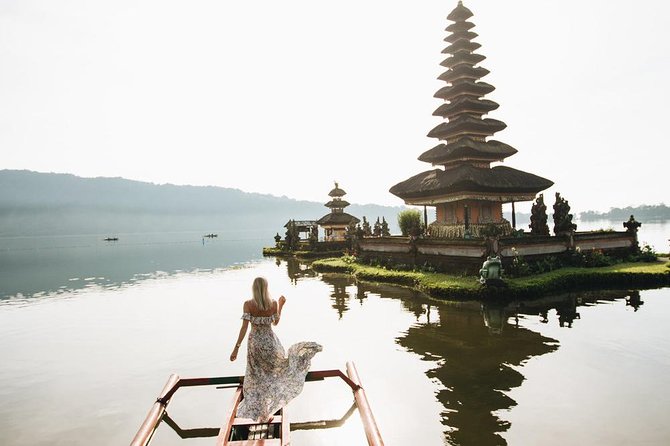
Ulun Danu Bratan Temple sits at the edge of Baratan Lake in the Bedugul area, dedicated to the goddess of the lake. The setting is part of the point: you’re not just looking at architecture, you’re arriving at a place where the landscape and the temple story are meant to connect.
Expect about an hour here, with an admission ticket included. That hour is usually what you need to:
- take in the main temple views,
- understand the basic cultural context from your guide,
- and walk enough for different photo angles without getting exhausted.
This stop also sets the tone for the day. After this, the rest of the drive makes more sense: you’re moving through the island’s highland world where water, farming, and ritual all overlap.
Stop 2: Wanagiri Hidden Hills for lake views and a calmer pace
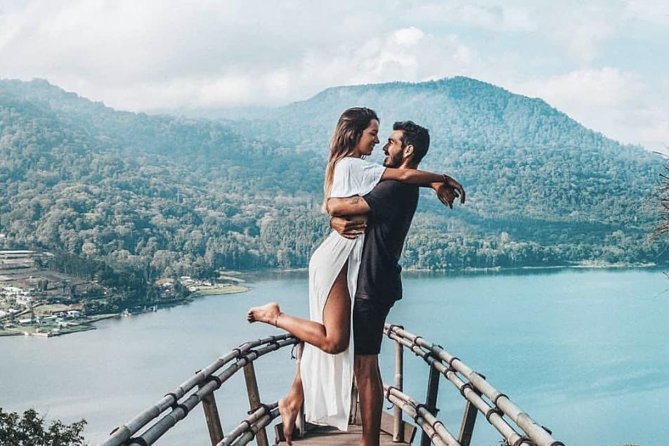
Wanagiri Hidden Hills is described as a plateau area with green hills and a lake setting next to Tamblingan Lake, with cool weather in the mix and adjacency to Buyan Lake. Even the wording points to a theme you’ll feel when you arrive: it’s about wide air, hill curves, and layered water views.
You get about an hour here, with admission ticket included. This is the stop I’d treat as your “reset moment” during the day. You can slow down, take photos, and enjoy the scenery without the tempo of temple or terraces.
Practical tip: wear shoes you can grip. Wanagiri is a viewpoint area, so small uneven sections can turn a photo stop into a minor shuffle if you’re in sandals.
Stop 3: Nungnung Waterfall and the climb to the reward

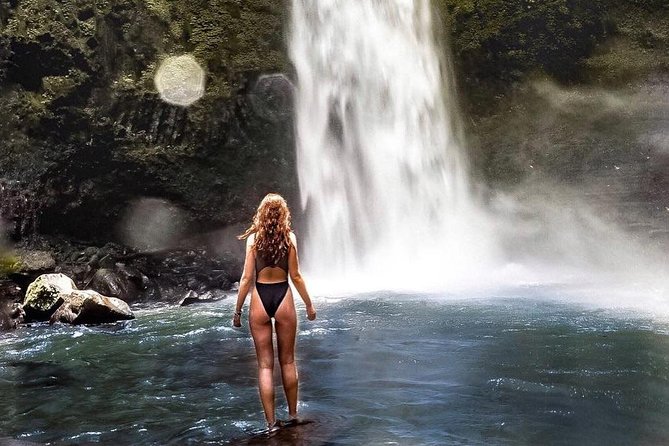
Nungnung Waterfall is located in the village of the same name. It sits around 900 meters above sea level, and the drive from Kuta is described as roughly 90 minutes to 2 hours. So yes, this is a real highland detour, not a quick “walk to the falls” stop.
You’ll have about an hour at Nungnung, with admission ticket included. The overview also notes a short hike to the waterfall—so plan to spend some energy moving, not only standing.
Why I like this stop for your day:
- It gives you a different texture than temple and terraces.
- The altitude and air usually make a waterfall stop feel like a proper outing rather than a brief stop.
One watch-out: this is the kind of place where wet footing can happen. Take your time on any steps or paths, even if everyone else moves fast.


Stop 4: Jatiluwih Rice Terraces and the subak farming system in action
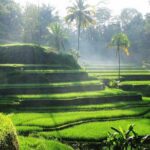
Jatiluwih Rice Terrace is the star for UNESCO lovers. It’s described as a countryside in the plateau area with mountains as a backdrop. You get a panorama of terraces stretching from the foot of the mountain upward.
The tour includes Jatiluwih Rice Terrace at Kubu Terrace Jatiluwih Official for about an hour, with an admission ticket included. This stop connects to the UNESCO listing through the subak farming system, which is described as holding UNESCO World Heritage status. In other words: you’re seeing a landscape that isn’t only beautiful—it’s a working system.
What to look for during your hour:
- how the terracing follows the terrain,
- how water management is part of the farm story,
- and how the human planning fits the land instead of fighting it.
This is also one of the stops where a good guide makes a noticeable difference. Even with the same scenery, the explanation changes what you take home. Guides like Mega Yasa and Buddy are frequently mentioned for steering people through the day with useful context, not just directions.
Stop 5: Handara Iconic Gate at Handara Golf & Resort
Handara Iconic Gate is the famous photo location at Handara Golf & Resort. You’ll have about an hour here, with an admission ticket included. This is the kind of stop that can be either worth it or frustrating depending on your expectations—so here’s how to make it work for you.
Expectations to set:
- It’s a photogenic landmark, not a long interpretive experience.
- You’ll get value if you treat it like a photo session with some time for walking and angles.
I’d come ready with your phone charged and wiped dry if it’s humid. If you care about photos, you’ll likely appreciate that guides are often praised for helping with smartphone shots—people mention guides like Agus and Yasa being quite good at capturing moments even without a camera setup.
Passing by Ubud highlights without the detour trap
Between the main stops, you’ll pass by several famous places. These are listed as pass-by moments, meaning you likely get views and photo opportunities from the vehicle or brief roadside stops rather than full entry visits at every stop.
Common pass-by areas include:
- Ubud Royal Palace
- Monkey Forest
- lake scenes in Ubud
- an infinity lake in Bedugul
- several temples in Ubud
- Canggu Beach, if your hotel is in Canggu
- Kuta Beachwalk shopping center, if your hotel is in this area
- Bali Swing on the way
This “pass-by” structure is helpful when you want variety without turning the day into a dozen ticket lines. Still, it’s worth understanding: a pass-by stop is not the same as a dedicated visit. If you want a deeper look at one of these places, you’ll likely need a separate outing later.
The food and Wi-Fi details that actually matter
The tour includes lunch, and it includes onboard Wi-Fi. That might sound like a small perk, but on a day with multiple remote roads, it changes your experience.
Here’s how it helps you in real terms:
- You can stay connected for maps, messaging, and quick planning.
- You can reduce roaming stress when you’re bouncing between areas.
- Lunch included means you don’t have to hunt for food during the most inconvenient drive windows.
On top of the standard lunch inclusion, some guides add a finishing touch that feels very Bali—like a coffee stop at the end of the day chosen by Yasa in at least one experience. You shouldn’t count on extras, but it does fit the general vibe: your guide is trying to make the day feel complete.
Price and value: what $117 gets you on a private UNESCO day
At $117 per person, this is not a budget “hop-on” style tour. It’s priced like a private, all-inclusive day, and you should judge value by what’s bundled.
Based on the details provided, your money covers:
- private 2-way transfers from many Ubud and south Bali hotels,
- admission tickets included at each main stop (Ulun Danu Bratan Temple, Wanagiri Hidden Hills, Nungnung Waterfall, Jatiluwih, Handara Iconic Gate),
- lunch,
- onboard Wi-Fi,
- mobile ticket use.
When you add those pieces up, it’s easier to see why people book this route even when they have time constraints. You’re paying for time savings and reduced coordination costs. You’re also paying for private pacing, which matters more on Bali than many places because travel times between regions can add up fast.
The “value check” I’d use:
- If you would otherwise hire separate transport or buy multiple tickets plus scramble for lunch, this usually makes sense.
- If you only care about one or two stops, you might feel the day is too packed for your interests.
Guides are the difference between seeing and understanding
The tour experience is private, and your guide seems to be a big part of why people recommend it. Names that show up in strong feedback include Yasa (including Mega Yasa), Gusde, Agus, Buddy, Exbi, and Aprio.
What people praise isn’t just friendliness. They mention:
- helpful tips that make cultural and nature spots click,
- attentiveness throughout the day,
- and photo support, even with phones.
That last point is more important than it sounds. If you’re traveling as a couple or with friends, the ability to get good photos without awkward posing or missed moments can turn the day from fine to memorable.
What you’ll likely love most (and what to watch for)
If you’re the type who wants a “best-of” day with real UNESCO connections, you’ll probably love the pairing of temple and terraced farming. You’ll also likely enjoy the photo structure built into the schedule—Handara Gate and Wanagiri Hidden Hills give you clear, iconic backdrops.
Watch-outs to consider:
- The day is long (8 to 10 hours). You’ll want to treat it as one big outing, not a warm-up followed by extra plans.
- It’s a private day, so the pace is yours, but there’s still travel between Bedugul-area stops and rice terrace viewpoints.
- Some sights are pass-by views, not deep visits. If you want an up-close look at Ubud Royal Palace or Monkey Forest, plan it separately.
Also note: the itinerary includes a number of ticketed stops with admission included, but the pass-by attractions won’t replace those dedicated visits. This is a “UNESCO + highlights” plan first.
Should you book this Bali UNESCO World Heritage tour?
Book it if:
- you want a single day that covers Ulun Danu Bratan Temple and Jatiluwih rice terraces without complicated planning,
- you care about UNESCO-linked farming and lake-temple culture,
- you like photo stops with clear payoff like Handara Gate and Wanagiri Hidden Hills,
- and you want a private setup with lunch and Wi-Fi included.
Skip it or look for a lighter alternative if:
- you prefer slow days with fewer moves,
- you only want one main attraction and don’t care about waterfall and viewpoint stops,
- or you’d rather dedicate separate outings to Ubud highlights instead of pass-by glimpses.
If you want one practical rule: if your goal is maximum UNESCO meaning plus maximum scenery, this private all-inclusive day is a strong match.
FAQ
What UNESCO sites does this tour include?
It focuses on Jatiluwih rice terraces and the Ulun Danu Bratan Temple.
What other stops are included besides the UNESCO sites?
You’ll also visit Wanagiri Hidden Hills, Nungnung Waterfall, and the Handara Iconic Gate.
How long is the tour?
It runs about 8 to 10 hours.
Is pickup included?
Pickup is offered, with private 2-way transfers from many Ubud and south Bali hotels.
Are admission tickets included?
Yes. Admission tickets are included for the listed stops such as Ulun Danu Bratan Temple, Wanagiri Hidden Hills, Nungnung Waterfall, Jatiluwih, and Handara Iconic Gate.
Is lunch included?
Yes, lunch is included.
Is Wi-Fi included on the tour?
Yes, onboard Wi-Fi is included.
Do I need to print anything for tickets?
No. You get a mobile ticket.
What if plans change at the last minute?
You can cancel for a full refund up to 24 hours before the experience’s start time. If you cancel within 24 hours, the amount paid is not refunded.
How far in advance is this tour usually booked?
On average, it’s booked 29 days in advance.