A real compound beats another checklist. This Balinese Village Experience in Pacung Sangeh is built around everyday life: you meet a local family, make daily offerings (canang sari), and join a sacred water blessing ritual rather than just looking around. Two things I especially like are the hands-on offering-making and the clear, family-friendly explanations from hosts like Wayan Eric (called Eric in reviews).
The other standout is the comfort level: hotel pickup and drop-off in south Bali helps you spend the day on the village, not wrestling traffic. If there’s a drawback to consider, it’s that the day runs as a planned group experience, so you’re on a schedule and you’ll need to follow local customs during temple and ceremony moments.
In This Review
- Key Highlights You’ll Feel Immediately
- Pacung Sangeh: The Culture Is in the Daily Routine
- Price and Value: Why $70 Can Actually Make Sense Here
- Pickup, Timing, and How the Day Stays Manageable
- Morning in the Family Compound: Tea, Cakes, and How Daily Life Works
- Making Canang Sari Offerings: The Hands-On Part That Sticks
- A Cleansing Ceremony and the Sacred Rhythm of Prayer
- Sacred Water Temple Visit: Water, Blessing, and Quiet Awe
- Lunch at a Scenic Warung: Local Food Without the Guesswork
- Who Should Book This Tour (And Who Might Not Love It)
- Getting the Most Out of Your Day
- Should You Book the Balinese Village Experience in Pacung Sangeh?
- FAQ
- Where does this tour take place?
- How long is the experience?
- What does the tour cost?
- Is hotel pickup included?
- What time does the day start?
- Is the ticket mobile?
- How big is the group?
- What food is included?
- Is it refundable if I cancel?
- What if the minimum number of travelers isn’t met?
Key Highlights You’ll Feel Immediately
- Small group size (up to 10 travelers) keeps the pace personal and lets you ask questions.
- Hotel pickup and drop-off in most south Bali areas reduces stress and saves time.
- Canang sari offering-making gives you a concrete link to Balinese Hindu daily life.
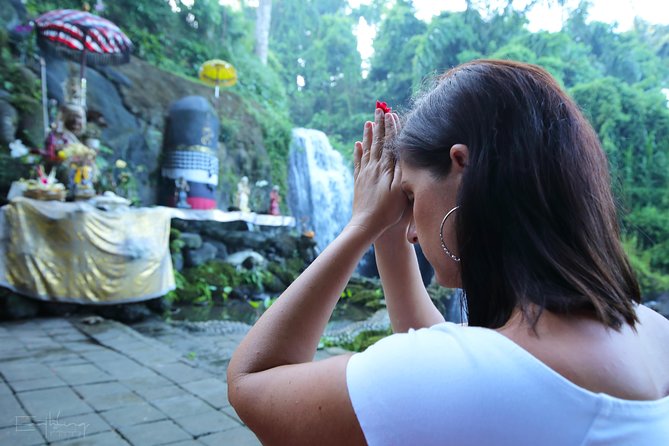
- Sacred water temple blessing ritual adds a spiritual moment that’s part of the community routine.
- Morning tea with cakes, plus lunch at a scenic warung turns cultural learning into a full, satisfying day.
Pacung Sangeh: The Culture Is in the Daily Routine
Kuta is busy. Pacung Sangeh is the opposite kind of day trip. You’re not coming here for big monuments. You’re coming to see how Balinese life works at the household level, where religion, family, and the rhythm of the day overlap.
The tour starts with you meeting your guide and then heading into a traditional village area called Sangeh Traditional Village in Pacung Sangeh. The big value here is that your host is from the area and grew up in the village compound. That matters. It changes the tone from performer-to-audience into local-to-visitor. Even the way you’re welcomed—especially if you’re traveling with kids—sets the stage for the rest of the day.
For me, the best part of village visits like this is what they do not hide. You see real spaces used for real life. You also learn that the rituals aren’t occasional events for tourists; they’re regular practices families do as part of everyday living.
You can also read our reviews of more tours and experiences in Kuta.



Price and Value: Why $70 Can Actually Make Sense Here
$70 for a full day can sound like a lot until you line up what’s included. This tour runs about 7 hours and includes 2-way transfers, a planned day with meals, and access for the village portion where admission is included. You’re also getting a guide tied to the village community, which is often where value really lives.
Here’s what that means for you:
- You’re not just paying for a ride. You’re paying for the translation of daily life—how and why offerings are made, what the sacred water ritual is about, and how the day’s flow works.
- You’re not expected to self-plan multiple stops. Hotel pickup and drop-off are part of the package, and that saves you time and mental energy.
Balanced note: if you’re hoping for a flexible, slow-paced day at your own tempo, a structured 7-hour program may feel a bit tight. But if you want a smooth day that hits the main cultural experiences without logistics stress, the price looks more fair.
Pickup, Timing, and How the Day Stays Manageable
The day begins at 8:30 am, with pickup provided by a professional driver for your transfer to the meeting point with your guide. Most south Bali hotels are covered, which is a real practical win if you’re basing yourself in the popular southern beach area.
The group size is capped at 10 travelers, which tends to keep conversations going instead of turning everything into a single-file line. Small-group touring also usually makes it easier for families and for guests who want more back-and-forth with the guide.
Mobile ticket is included, so you’re not scrambling over printed paper. If you like to travel with minimal hassle, that’s the kind of detail that matters more than it sounds.
Morning in the Family Compound: Tea, Cakes, and How Daily Life Works
Once you enter the village and meet your family host, the day shifts into a slower rhythm. You’ll spend time exploring a family compound, and you’ll start your visit with Balinese-style morning tea and cakes, plus coffee. This is more than a snack break. It’s a social setup, and it helps you settle into the visit before anything spiritual starts.
You also get a sense of how Balinese Hinduism connects to ordinary tasks. In Balinese village life, faith is not stuck in a distant place. It shows up at home, on pathways, and around key moments of the day—especially through offering rituals.
This part of the tour is also where you’ll notice how important the guide’s approach is. In reviews, Wayan Eric is specifically praised for patience and for explaining traditions in a way kids could follow. That’s a good sign for you if you want more than a lecture. You want questions answered, and you want the story tied to what you can see.
Making Canang Sari Offerings: The Hands-On Part That Sticks
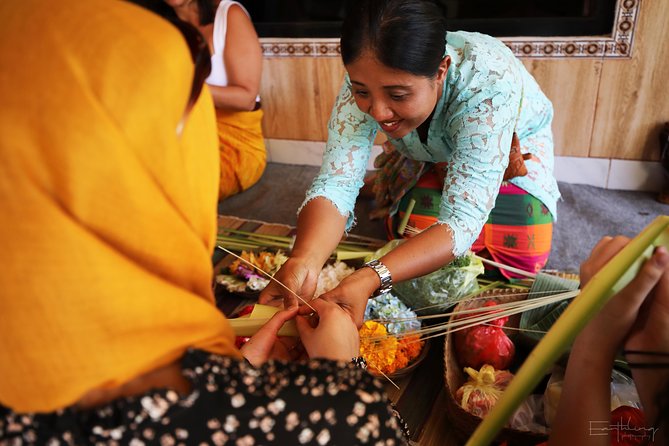
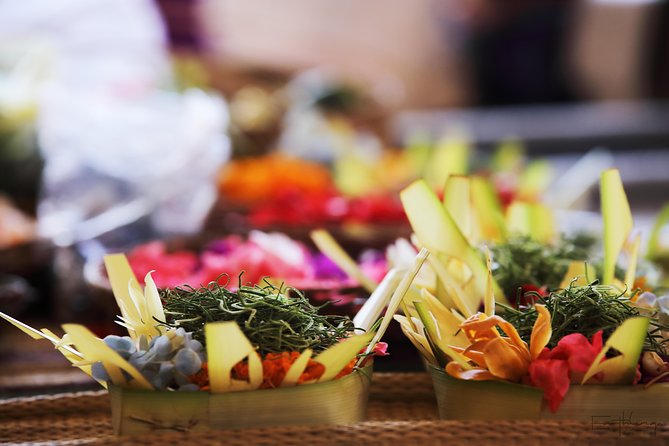
The highlight moment for many people is making canang sari—the traditional daily offerings. This is where the tour becomes more than observation.
Why it’s valuable:
- You’re using your hands, not just listening.
- You’re learning that an offering isn’t only about the items—it’s about the intent, timing, and place in the household routine.
- It gives you a real “I can picture it now” understanding of what daily Balinese Hindu practice looks like.
When the guide walks you through offering-making, you’re learning in the way locals learn: step-by-step, with corrections and encouragement if you need them. For families, this is often the part kids remember most because they can actively participate rather than standing still for long stretches.
Practical consideration: offering-making takes focus. If you’re the type who gets rushed easily, give yourself permission to slow down. This isn’t about speed or perfect technique. It’s about participating respectfully.





A Cleansing Ceremony and the Sacred Rhythm of Prayer
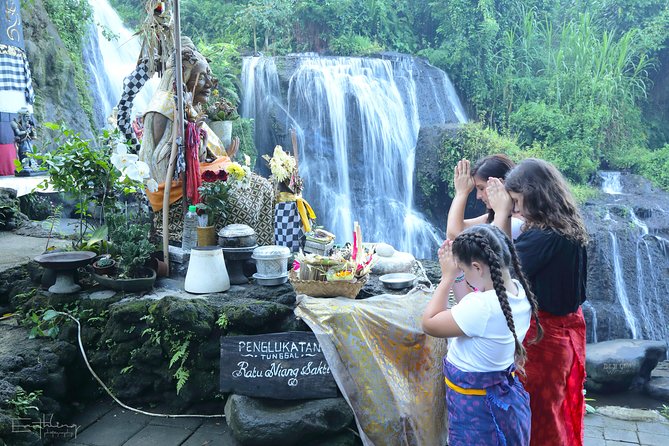
After the offering-making, the day includes a cleansing ceremony and then a blessing ritual connected to sacred water. The spiritual portion is one of the reasons this tour has such strong ratings.
You should know what you’re signing up for. This isn’t a casual photo session at a temple landmark. You’ll be part of a moment with a spiritual goal, and the guide will help you understand what you’re seeing and what it means in the context of the family’s faith.
In reviews, guests appreciated that the guide handled the experience with patience and explanation, including for kids. That’s important. A ceremony can be overwhelming if you don’t understand the basics, and a good host makes it feel welcoming instead of confusing.
Balanced note: if you’re only interested in culture as surface-level aesthetics, the spiritual segments may feel intense. But if you like your travel grounded in real meaning, this is where the tour earns its reputation.
Sacred Water Temple Visit: Water, Blessing, and Quiet Awe
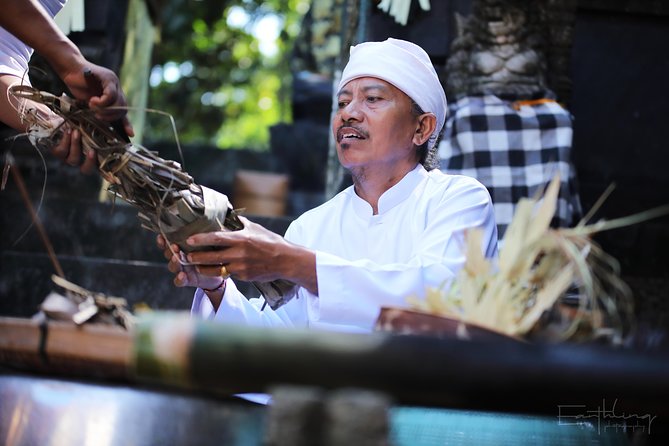
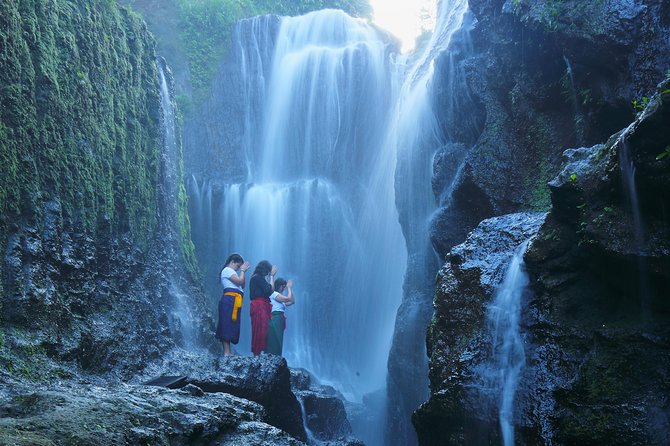
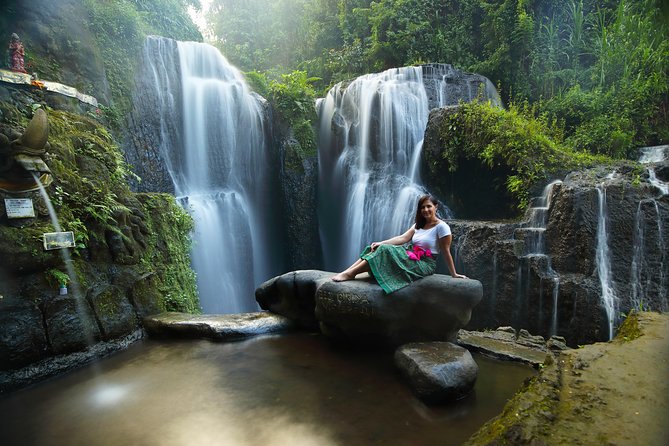
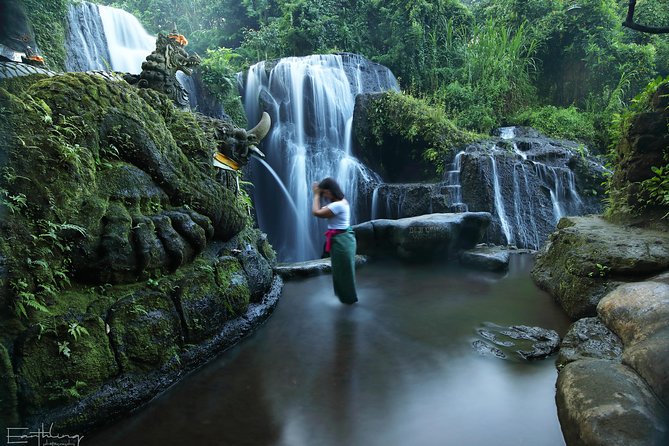
The sacred water temple stop is the next major anchor of the day. You’ll go to a holy water temple for a blessing ritual. Some guests also describe the visit area as including beautiful waterfall and caves around the blessing experience, which fits the idea of sacred water being connected to natural features.
Here’s what you can expect from this segment:
- It’s a ritual moment tied to blessing and purification.
- The guide helps you understand the flow of the ceremony.
- The setting can be striking, especially if water features are part of the specific temple area you visit.
What I like about a sacred water stop is that it’s sensory. You’re not only learning about beliefs—you’re experiencing how the environment supports the ritual. It tends to create a calm, reflective mood in a way that crowded sightseeing rarely does.
Lunch at a Scenic Warung: Local Food Without the Guesswork
Between the village compound time and the sacred water visit, you’ll enjoy lunch at a warung (a local eatery). Meals are part of the tour, and you’re not stuck searching for food while you’re tired from a morning of walking and ceremonies.
You’ll also have typical Balinese cakes earlier in the day with your morning tea, so you get a taste of local sweets before lunch. If you like learning through food, this schedule is smart: sweet snacks first, then a full meal after you’ve built some cultural context.
Balanced note: like any shared-tour meal, the food can’t be customized for every palate. Still, the tour includes lunch as part of the day, which usually means you’re not spending extra money and you’re not losing time to decision-making.
Who Should Book This Tour (And Who Might Not Love It)
This is a strong fit if you:
- want a calmer alternative to Kuta-style sightseeing
- enjoy learning how religion works in everyday family life
- prefer a small group experience with room to ask questions
- are traveling with kids who do better when they can participate
It’s also a great “second Bali day” option when you’ve already done beaches and want something more grounded in people, faith, and routine.
You might think twice if you:
- dislike any form of ceremony or spiritual ritual during your travel
- want a completely flexible itinerary with lots of free time
- need a totally private experience (this one stays small, but it’s still organized)
Getting the Most Out of Your Day
To make this experience feel meaningful, come in ready to slow down. The tour’s best moments are not the biggest sights. They’re the small actions: listening, making offerings, and following along during a blessing ritual.
A couple of mindset tips:
- Treat the offerings as participation, not performance.
- Ask your guide to explain what you’re seeing as you go, especially early on.
- If you’re with children, let them do the hands-on parts. They’re built into the day for a reason.
Should You Book the Balinese Village Experience in Pacung Sangeh?
If you want Bali culture that’s practical and human—an actual family compound day with offerings, a sacred water blessing, and real meals included—then yes, this is one of the better values for your time.
It’s not for you if you only want iconic views and quick stops. But if you’re happy spending a full morning and afternoon with a local host and learning how daily life ties into Balinese Hindu practice, you’ll likely walk away with more than photos. You’ll have a clearer picture of how a Balinese home runs, how faith shows up in routine, and what it feels like to be welcomed into that world.
That’s the kind of travel day that sticks.
FAQ
Where does this tour take place?
It takes place in Kuta, Indonesia, with the village experience centered on Pacung Sangeh (Sangeh Traditional Village).
How long is the experience?
The duration is about 7 hours.
What does the tour cost?
The price is $70.
Is hotel pickup included?
Yes. Pickup is offered and the tour includes 2-way transfers for direct drop-off to most south Bali hotels.
What time does the day start?
The start time is 8:30 am.
Is the ticket mobile?
Yes, it includes a mobile ticket.
How big is the group?
The tour has a maximum group size of 10 travelers.
What food is included?
You’ll have Balinese morning tea with cakes and coffee, and you’ll also get lunch at a scenic warung.
Is it refundable if I cancel?
No. This experience is non-refundable and cannot be changed for any reason.
What if the minimum number of travelers isn’t met?
If it’s canceled because the minimum isn’t met, you’ll be offered a different date/experience or a full refund.