Midnight turns Ijen into pure science fiction. This guided tour pairs a cold, steep hike with the chance to see blue fire, plus a sunrise viewpoint and crater lake panorama. I especially like the way Haqim (known as QimQim) and his team push you to see the best sights early, and the fact you get practical gear like a headlamp and gas mask. The main drawback is effort and uncertainty: the hike is steep, and the blue fire isn’t guaranteed.
You’ll also want to think about safety rules. After the July 2024 earthquake, crater access can be restricted, so you may only view the blue flames from an off-limit area around 500 meters from the rim, depending on conditions and what the guide allows. If you have asthma or heart issues, fear of heights, or you’re not comfortable with steep descents (when they’re permitted), this is not the right match.
In This Review
- Quick hits on Mount Ijen at 2 a.m.
- Why Ijen blue fire is worth the brutal hour-by-hour grind
- Price and what $20 buys you in real terms
- Banyuwangi midnight pickup: the timing that protects your experience
- Coming from Bali: ferry logistics and a longer night
- The climb and crater viewing: what changes after the July 2024 earthquake
- Sunrise viewpoint and coffee/tea: the payoff after the grind
- Gear that’s included (and gear you must bring yourself)
- The guide factor: QimQim’s energy and the team approach
- Who this tour fits best (and who should skip it)
- Practical tips so your Ijen morning feels smooth
- Should you book this Mount Ijen midnight blue fire tour?
- FAQ
- What time does pickup happen in Banyuwangi?
- Is the blue fire guaranteed?
- Can I descend into the crater to see the blue fire?
- What’s included in the tour price?
- What should I bring for the hike?
- Is this tour suitable for low-fitness travelers or wheelchair users?
Quick hits on Mount Ijen at 2 a.m.
- Blue fire is possible but not promised, and weather plus crater rules can change what you’ll see
- QimQim and the team focus on safety, timing, and keeping you moving with confidence in the dark
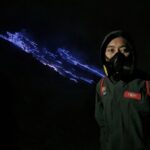
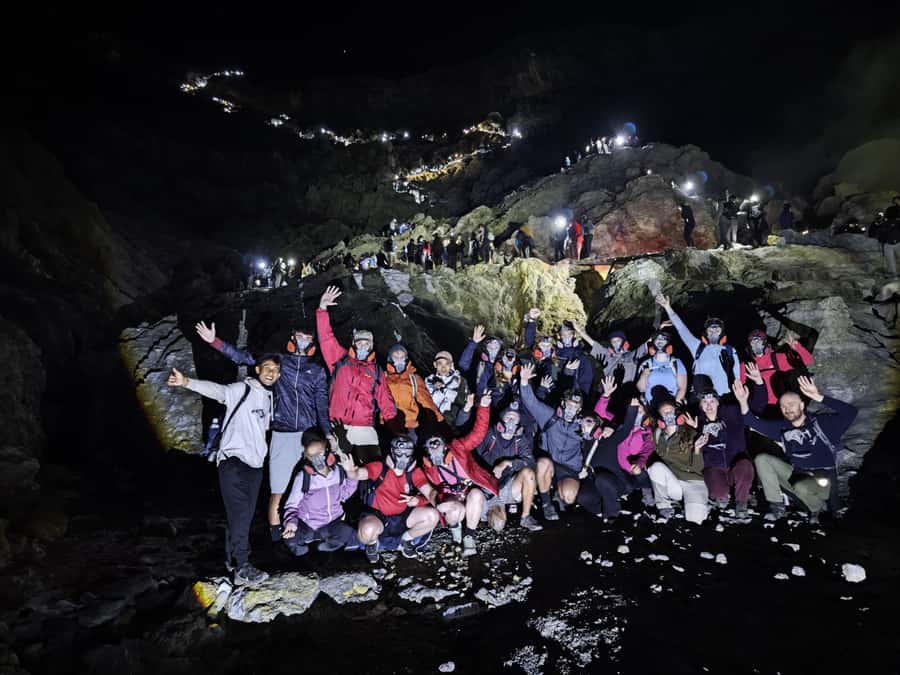
- Headlamp + gas mask are included, which matters more than you think at active-sulfur sites
- Sunrise viewpoint + coffee/tea is built into the plan, so you don’t just hike and hope
- Crater access may be limited after the July 2024 earthquake, so expect rim viewing and flexible instructions
- Small-group feel with pickup and drop-off makes a long night way easier logistically
Why Ijen blue fire is worth the brutal hour-by-hour grind
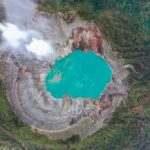
Mount Ijen is famous for one thing: the eerie glow of sulfur gases burning blue in the crater. Even if you’ve seen photos, nothing prepares you for the real thing—cold air, darkness, and that moment when the guide says you’re close. The whole experience works because it’s built around timing: you move before the loudest crowds arrive, then you’re rewarded with sunrise and wide crater views.
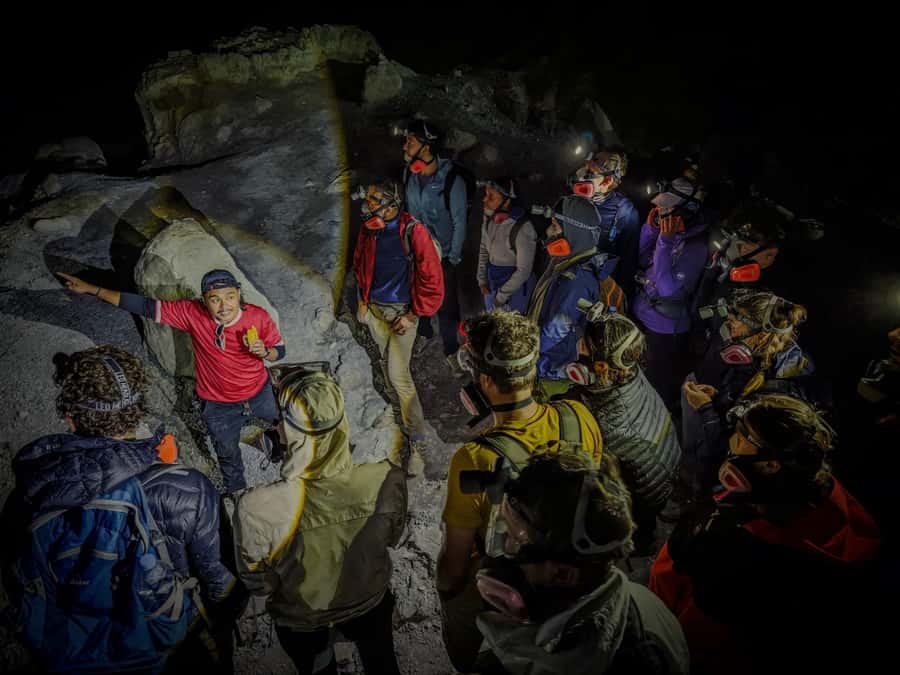
What I like most is the balance between wonder and control. You’re dealing with steep ground, low visibility, and strong volcanic emissions. This tour treats that seriously. You get gear, a headlamp for the dark sections, and a gas mask with respirator for sulfur fumes. Then you follow the guide’s instructions about where you can stand and, when rules allow, how close you can go.
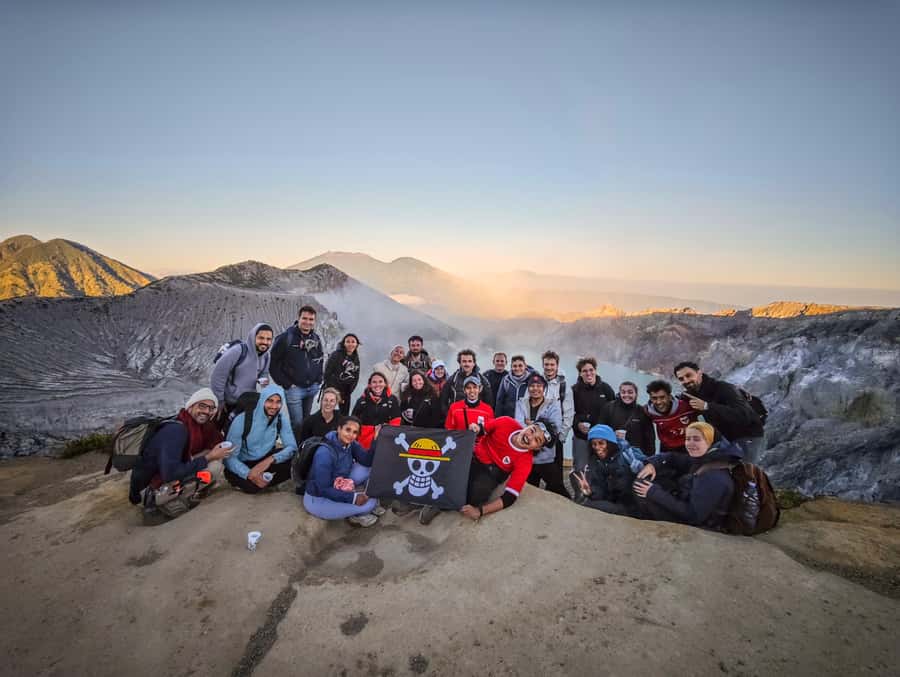
The tour also leans into human energy. In the group, guides like QimQim (Haqim) are described as enthusiastic and engaging during the night trek. That matters because motivation doesn’t remove the incline, but it makes it feel more doable when your body is asking for an exit.
You can also read our reviews of more tours and experiences in Banyuwangi.
Price and what $20 buys you in real terms
At about $20 per person, this is one of those “cheap for what it covers” deals—if you arrive ready to hike. The price makes sense because it bundles the stuff that usually eats your time and adds stress: local guide support, park entry, and the key equipment you can’t comfortably DIY.
Here’s what’s included that actually changes your day:
- Mt Ijen National Park entry fee
- A local guide (English, Indonesian, Malay)
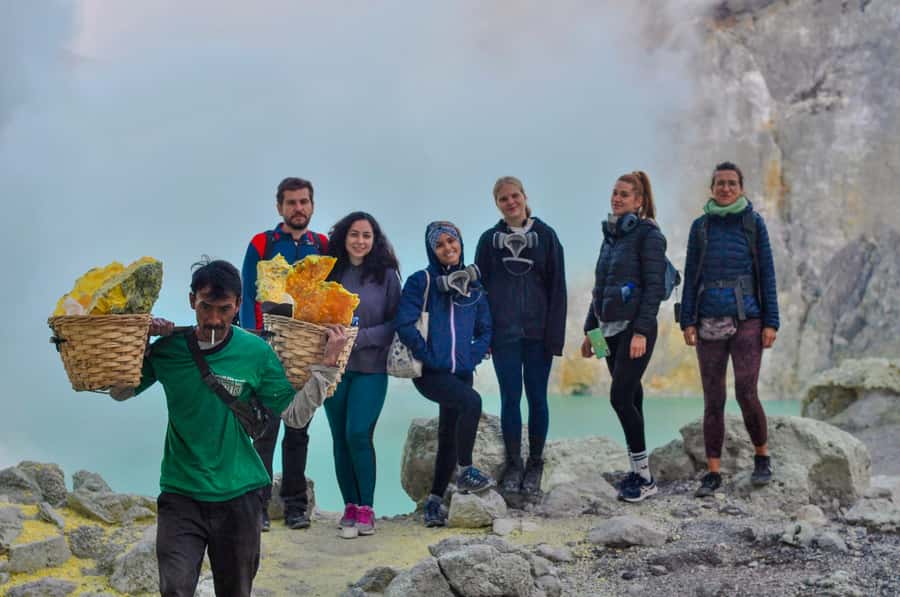
- Gas mask with respirator and a bright headlamp
- Trekking equipment (included per the tour details)
- Coffee/tea on the summit during the sunrise break
- Tickets/administration handled (plus you can skip the ticket line)
What’s not included is also important. You need to plan for food and drinks yourself. Since the schedule starts around midnight and runs late morning, bring snacks you can tolerate when you’re chilled and slightly stressed from the climb. The tour provides coffee or tea, but it’s not a full meal situation.
Also keep expectations realistic on “value.” You’re paying for guided access, safety tools, and timing—not for guaranteed blue fire. If the blue flames are hiding or crater access is limited, you’ll still see a volcanic crater environment and likely sulfur mining activity from allowed areas. But that “rare glow” moment is weather-dependent and rule-dependent.
Banyuwangi midnight pickup: the timing that protects your experience
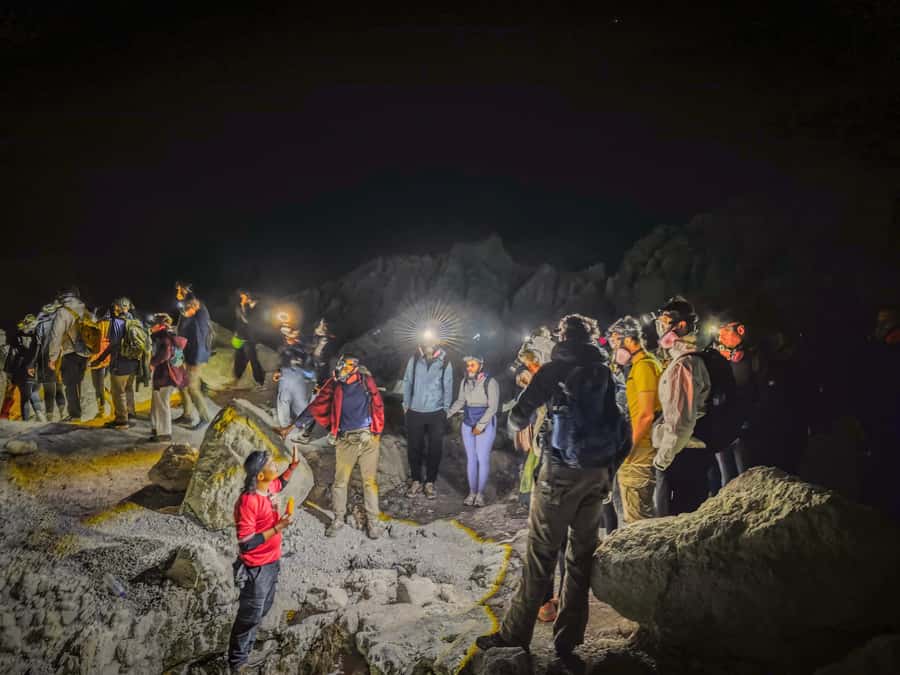
If you’re starting from Banyuwangi, the schedule is built like a controlled sprint. You’re picked up from the Banyuwangi central area around 23:00 to 23:30 and taken by shared car toward the Ijen area. That may sound late, but it’s how you arrive at the parking area with time to settle, brief, and start the hike while it’s still dark.
The flow is tight:
- Around 01:30 you arrive at the parking area for a briefing and time to relax
- About 02:00 you begin the hike
- You reach the higher area around 03:00, then move into the crater viewing portion (or the allowed off-limit viewing zone)
The biggest benefit of this timing is that it shapes crowd levels. The guides’ job is not just leading the route—it’s getting you set up early so you can witness the crater environment before peak chaos. The group reviews consistently emphasize arriving early for the blue flames and avoiding heavy congestion, and that lines up with how Ijen works in practice.
The drawback is what you’ll feel in your legs and head. You’re waking up for a very physical outing at night. If you’re the type who needs breakfast and sunlight to think, you’ll want to prepare mentally and pack snacks and warm layers before the pickup.
Coming from Bali: ferry logistics and a longer night
If you’re joining from Bali, the trip becomes longer and more layered. Your driver picks you up from your hotel, then you drive to Gilimanuk port, cross by ferry by yourself, and then your driver and guide meet you in Ketapang (Java).
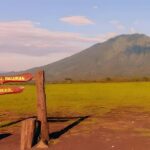
From there the pattern becomes similar—briefing, then hiking toward the Ijen starting point (often referred to as Paltuding). Your schedule again centers on the blue fire window and sunrise, but expect more time on the road. The tour details specifically warn that this is a long journey from Bali pickup and drop-off.
One practical tip: treat this as a whole-day commitment, not a quick excursion. You’re dealing with night trekking plus transport plus a ferry crossing, so plan to keep the rest of your itinerary light in Bali afterward.
The climb and crater viewing: what changes after the July 2024 earthquake
This is the section where you need to listen hard and plan smart. Ijen is an active volcanic area with sulfur emissions and steep terrain, and after the July 2024 earthquake, crater conditions can be unstable.
The tour’s rules are very clear that you must follow the guide’s instructions. Here’s what the details say about crater access:
- You may be restricted from descending into the crater area after the earthquake.
- You’re generally allowed to see blue fire from an off-limit viewing area about 500 meters from the crater rims.
- If crater descent is permitted, it’s only when conditions are considered safe (including whether sulfur fumes are deemed safe).
- Descent is tied to fitness and comfort with steep routes, and participants should not have asthma or heart conditions and should not be afraid of heights.
In other words: don’t build your expectations around walking all the way down to the miners’ zone. The best move is to arrive ready for rim viewing and follow instructions without bargaining.
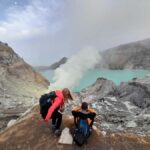
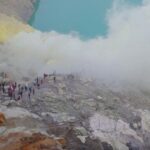
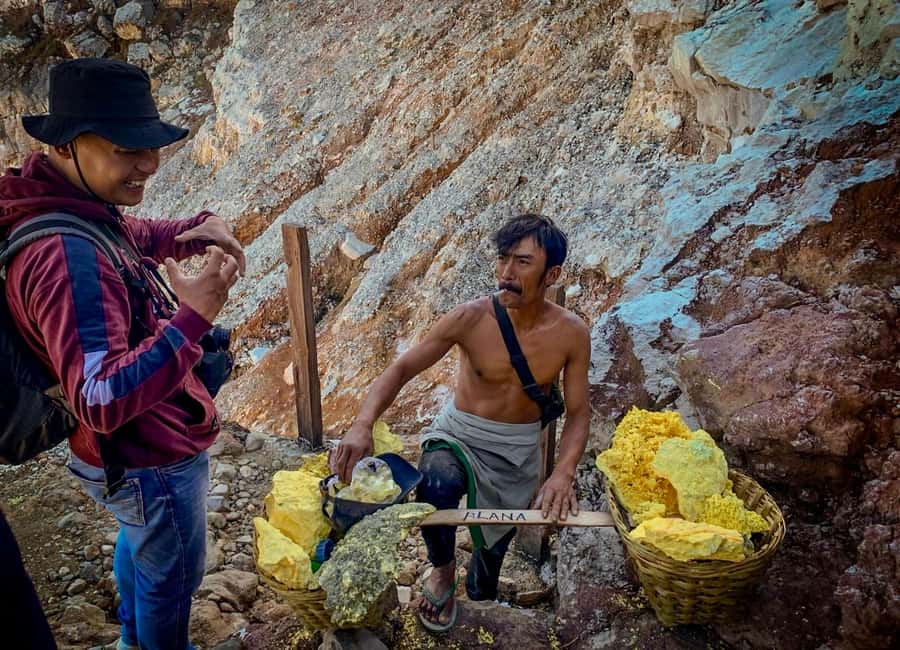
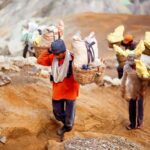
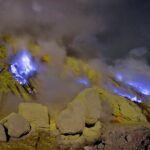
What you’ll do in this phase includes watching volcanic activity monitoring at Ijen and observing sulfur miners who use traditional methods. If you’re lucky and conditions align, you may see blue fire. But the tour is honest that miners may sometimes extinguish the flames to preserve sulfur mining productivity, which is a reminder that nature plus people both shape your results.
Sunrise viewpoint and coffee/tea: the payoff after the grind
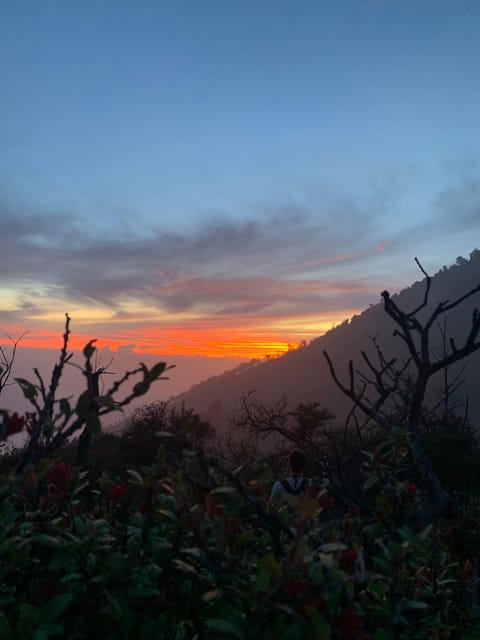
After the crater viewing window, you shift gears quickly. The plan moves you toward the sunrise area around 04:00 to 04:30, then you get a coffee or tea break at the viewpoint.
This is a big deal. A hot drink does more than taste good. It helps you reset during the coldest part of the morning, when your body has been burning calories but you’re still wet with sweat and damp air. Your guide prepares and serves it, which also keeps the group organized rather than scattered across a dark ridge.
Then comes sunrise itself:
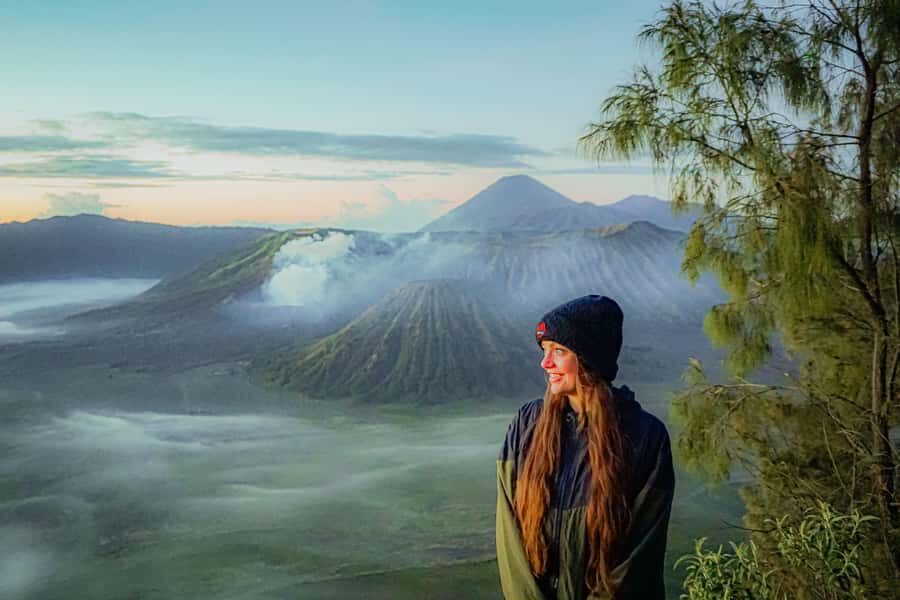
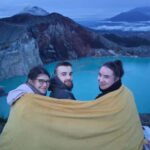
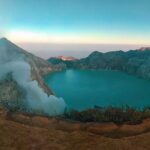
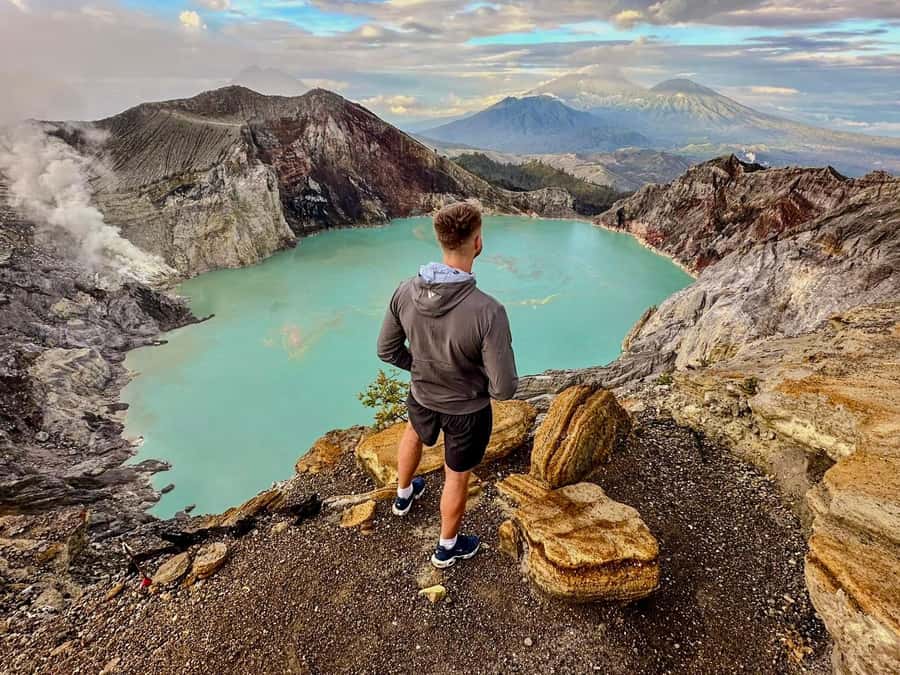
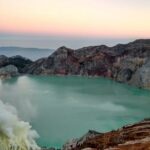
- From about 05:00 to 06:00, you watch the sunrise over crater panoramas from roughly 2,386 meters above sea level
- You get free time to take photos and your guide explains the history of Ijen Volcano
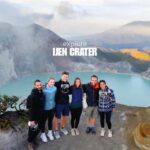
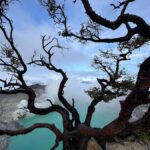
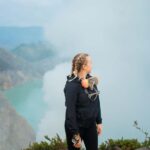
If you want the “why did I do this” moment, this is it. The blue fire is the headline, but the sunrise is what makes the trip feel complete. Even if the blue flames are faint or you’re limited to rim viewing, the crater lake and the rising light tend to make the effort feel justified.
Gear that’s included (and gear you must bring yourself)
One reason this tour feels practical is the baseline equipment. You don’t have to gamble on renting a headlamp or figuring out what mask type you’ll need at an active sulfur site.
Included gear:
- Gas mask with respirator
- Bright headlamp
- Trekking equipment (as listed)
- Park entry and administrative handling
What you should bring:
- Warm clothing and a jacket
- Rain gear
- Long pants
- Hiking shoes (this is not the time for slippery sneakers)
- Snacks and personal medication
- Cash (handy for anything extra you decide you need)
- A sense that you’ll be outside in cold conditions before sunrise
A small but important detail: wear clothing that can handle rocky, uneven paths. The tour details don’t promise a comfortable stroll. The route is steep, and the headlamp helps, but your footing still matters.
The guide factor: QimQim’s energy and the team approach
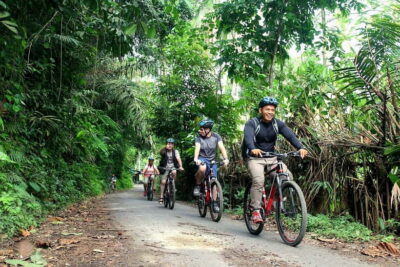
What makes this trip work better than a generic night hike is how the guides handle people in motion. On Ijen, you’re not just walking. You’re coordinating slow-and-steady hikers, faster walkers, photo stops, and safety steps in low light.
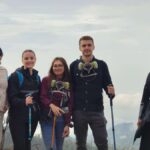
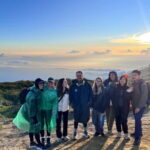
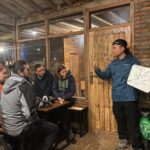
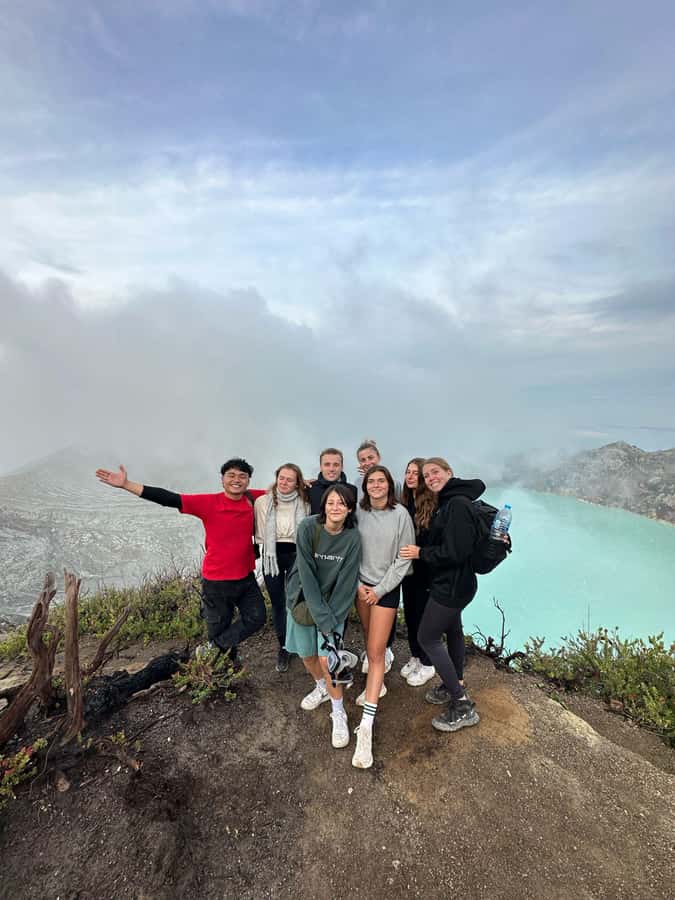
You’ll likely meet Haqim (QimQim), described as local, born near Ijen, and enthusiastic about blue fire trips. His style is portrayed as encouraging and engaging, with the ability to help the group move through difficult sections without panic. That kind of leadership is especially valuable when you’re cold, tired, and trying to keep your eyes focused on what’s next.
You may also hike with other team members listed in the tour information and examples, such as Ron Ron, Rafy/Raffi, Malik, Sofie, Dickie, and Saiful. The consistent theme in their role is safety support and keeping the group together, including helping people who move at different speeds.
If you’re the type who freezes when things get chaotic, this team approach is a comfort. If you’re super independent, it might still be worth it. On Ijen, local guidance isn’t about convenience. It’s about correct timing, correct viewing zones, and not getting pushed into risky behavior.
Who this tour fits best (and who should skip it)
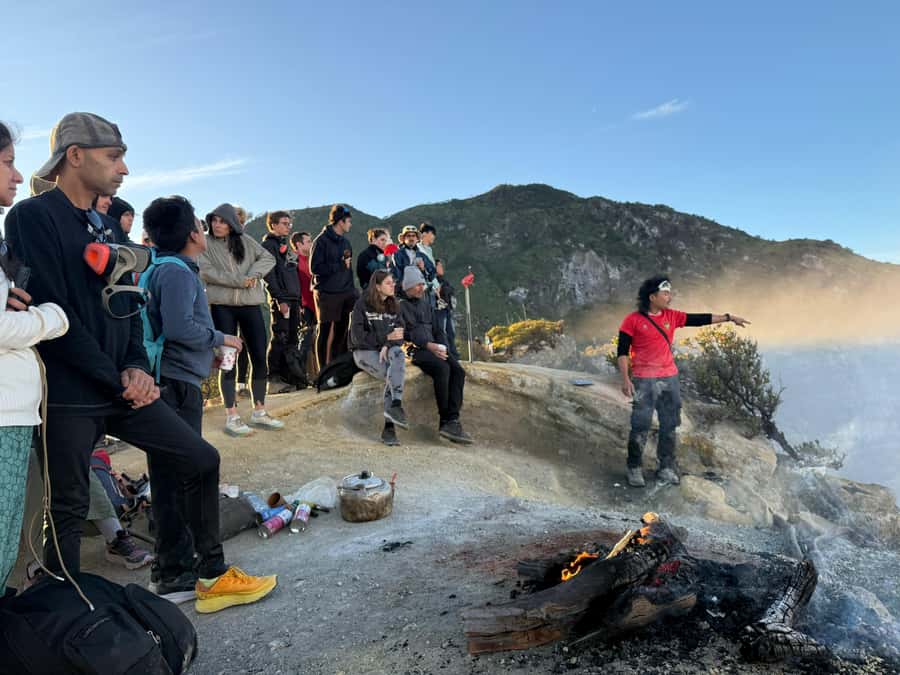
This tour is not a “I’ll try it” outing. It’s a tough night hike with altitude, cold, and steep sections. The tour notes are explicit about suitability:
- Not suitable for wheelchair users
- Not suitable for people with low level of fitness
- Avoid if you have asthma or heart conditions
- Avoid if you have a fear of heights (especially if crater descent is allowed in some conditions)
Who should book?
- You want a guided experience focused on timing for best crater viewing
- You can handle a long night and a steep hike
- You’re comfortable in cold weather and uneven, rocky terrain
- You value safety tools like a gas mask and headlamp
Who might reconsider?
- If you struggle with steep grades or you’re recovering from injury
- If you can’t tolerate altitude and cold
- If you expect guaranteed blue fire from the very bottom of the crater
Practical tips so your Ijen morning feels smooth
Here’s how to stack the odds in your favor while respecting the reality that blue fire isn’t guaranteed.
1) Pack like it’s cold and wet, not like it’s a sunny morning trek. Bring warm layers and rain gear.
2) Bring enough snacks for a long, demanding schedule. Food and drinks aren’t included.
3) Don’t plan a tight connection afterward, especially if you’re coming from Bali. This is a long travel day.
4) Follow the guide on fumes and viewing zones. After the July 2024 earthquake, access rules can shift.
5) Use good hiking shoes with grip. Headlamps help you see, but they don’t fix footing.
Also note two scheduling realities:
- Mount Ijen is closed on the first Friday of every month.
- Starting time can vary, and the total duration can stretch from 9 to 20 hours depending on the pickup route and Bali ferry option.
Should you book this Mount Ijen midnight blue fire tour?
I’d book it if you want the full Ijen story: night hike, sulfur-miner atmosphere, the chance to see blue fire, and sunrise with hot coffee or tea. The main reason is value for what you get: transport pickup/drop-off, park entry, guide leadership, and the essential safety gear are included at a very low price.
I wouldn’t book it if your priority is comfort or guaranteed results. The hike is strenuous, crater access may be restricted after the July 2024 earthquake, and blue fire depends on conditions. If that rare glow is your only goal and you’re worried you won’t handle the physical demands, you may end up disappointed.
FAQ
What time does pickup happen in Banyuwangi?
Pickup from your Banyuwangi accommodation is scheduled around 23:00 to 23:30, with the goal of reaching the Ijen parking area around 01:30.
Is the blue fire guaranteed?
No. The tour states that blue fire is not guaranteed and depends on weather and crater conditions. Even when conditions are right, visibility can still vary.
Can I descend into the crater to see the blue fire?
After the July 2024 earthquake, the tour notes that visitors are generally not allowed to go down into the crater (blue fire area) and can view from about 500 meters off the crater rims. In some situations, descent may only be allowed if sulfur fumes are deemed safe and you are physically fit to handle steep descent, but you must follow the guide’s instructions.
What’s included in the tour price?
The tour includes pickup and drop-off in Banyuwangi central area, a local guide, Mt Ijen National Park entry fee, gas mask with respirator, bright headlamp, trekking equipment, and coffee/tea on the summit. If you select the Bali option, ferry tickets and Bali pickup/drop-off are also included.
What should I bring for the hike?
Bring warm clothing, a jacket, rain gear, long pants, hiking shoes, and snacks. You should also bring cash, personal medication, and any items you need to stay comfortable through a long night.
Is this tour suitable for low-fitness travelers or wheelchair users?
No. The tour is not suitable for wheelchair users and not suitable for people with low level of fitness. It also advises against participants with asthma or heart conditions and warns about fear of heights if crater descent is allowed.