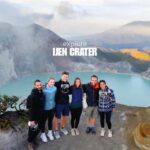
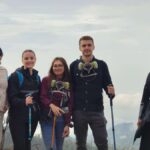
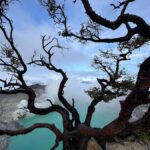
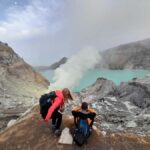
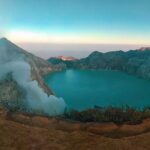
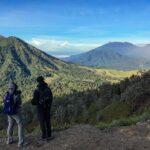
Ijen at midnight is a different planet, and this tour is built for that moment. You get a front-loaded plan with Haqim (QimQim) and his team aiming to reach the blue fire area early, plus careful safety habits like fitted gas masks and strict crater rules after the July 2024 earthquake. My favorite part is the combination of early timing and team energy, which makes the hardest parts feel manageable; the main drawback is the physical demand, and the fact that crater access and blue fire visibility can be limited by safety and conditions.
This is also one of those experiences where “worth it” depends on your expectations. The blue fire isn’t guaranteed, and even when conditions are right you’ll want to be mentally ready for a steep, sometimes slippery hike with low rail protection and a serious early start.
In This Review
- Key highlights you’ll care about before you go
- Mount Ijen Midnight Blue Fire: what makes this night special
- Meet Haqim QimQim and the guiding style that matters at Ijen
- Timing and itinerary: how you move from Banyuwangi to sunrise
- 23:00 to 23:30 pickup in Banyuwangi
- 01:30 arrival at the parking area
- 02:00 hike begins
- 03:00 reach the summit area, then the crater segment
- 04:00 to 04:30 move toward the sunrise viewpoint
- 05:00 coffee or tea break, then sunrise window (about 05:00 to 06:00)
- 06:00 to 09:00 return to Banyuwangi
- Blue fire reality check: sulfur miners, acid lake, and what’s guaranteed
- Weather and visibility
- Miners sometimes extinguish the blue flames
- The hike difficulty: steep descent, no railings, and who should think twice
- Safety gear and crater rules that you should take seriously
- Sunrise viewpoint: why the tea matters more than you think
- Banyuwangi vs Bali departure: the long travel day trade-off
- If you’re in Banyuwangi
- If you’re in Bali
- Price and value: why $15 can work, and what could cost extra
- Should you book this Ijen midnight blue fire tour?
- FAQ
- What time does the tour start from Banyuwangi?
- Is Mount Ijen blue fire guaranteed on this tour?
- Can I go down into the crater for the blue fire?
- What safety gear is included?
- How physically hard is the hike?
- What should I bring?
- Is food included?
Key highlights you’ll care about before you go
- QimQim’s early timing: the group is designed to reach the blue fire before peak crowd pressure builds up.
- Crater rules after the July 2024 earthquake: you may be kept at the 500m off-limit area or cleared closer only if sulfur fumes are safe.
- Safety gear included: gas mask/respirator and a bright headlamp, plus a guide-led briefing on what to do if conditions change.
- Sunrise viewpoint routine: a hot coffee or tea break while you wait for the sun, with photo time and guide explanations.
- Shared tour, not private: you’ll likely be in a mixed group, so you should pick this for the experience, not for guaranteed solitude.
- Food is on you: the tour includes coffee/tea, but not meals, so pack snacks and plan your energy.
Mount Ijen Midnight Blue Fire: what makes this night special
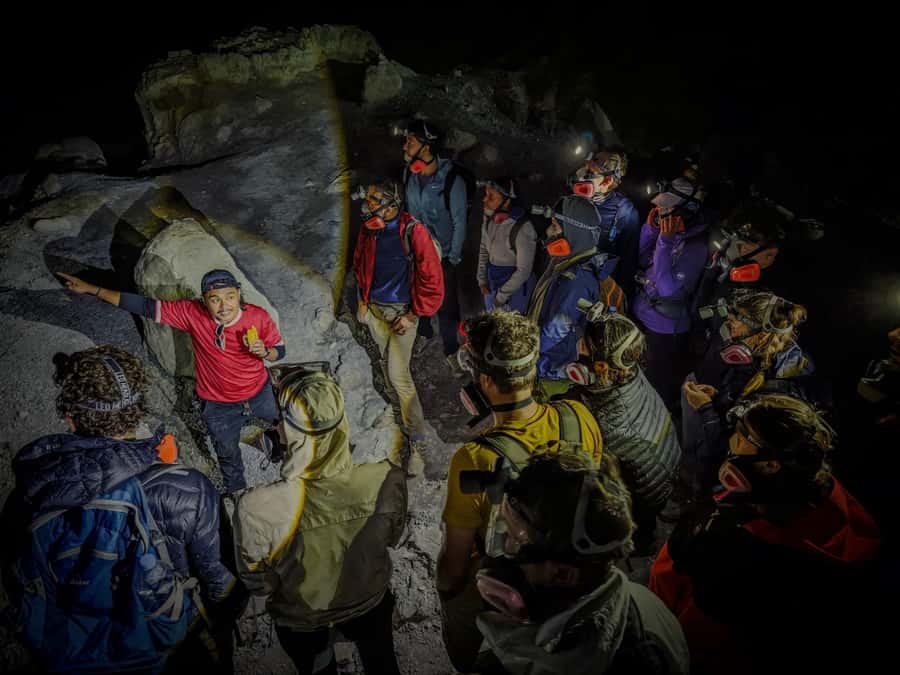
Mount Ijen’s draw is simple: blue fire inside an acidic crater, with sunrise views that feel almost unreal. What makes this tour compelling is that it’s not just about seeing something famous; it’s about how they structure the hike so you spend your best moments before the heaviest crowds move through.
A lot of “Ijen tours” sound similar until you look at the details. Here, the plan is built around a late-night start, a fast enough pace to reach key moments early, and an on-the-ground guide culture that emphasizes staying safe while still getting you to the good spots. That shows up in the team’s emphasis on punctuality, checking on people, and helping slower hikers without abandoning anyone.
You can also read our reviews of more tours and experiences in Banyuwangi.
Meet Haqim QimQim and the guiding style that matters at Ijen
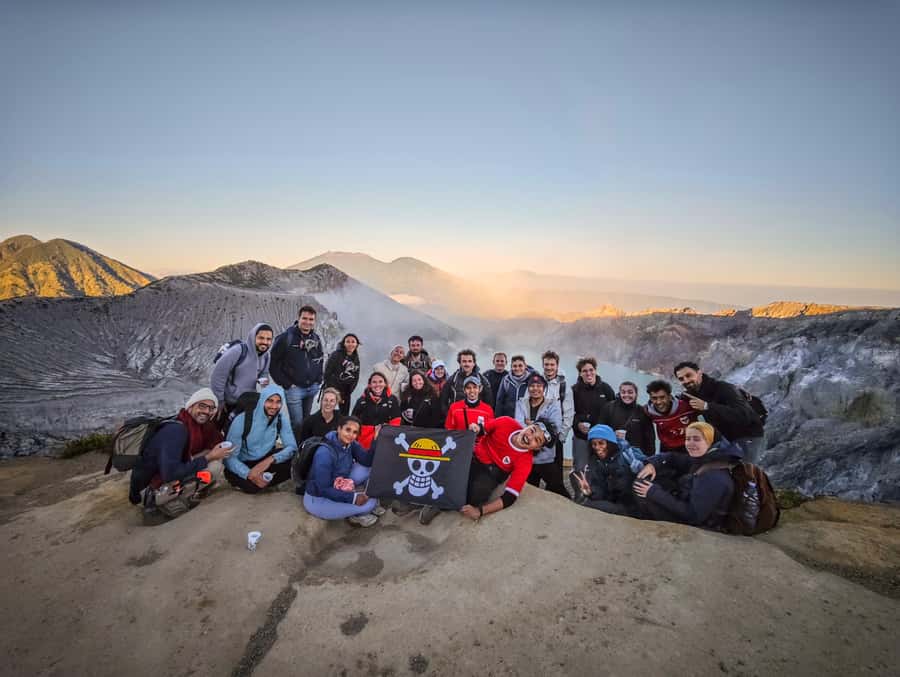
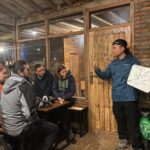
The guide is the difference between a stressful scramble and a controlled adventure. This tour centers on Haqim, also known as QimQim, a local guide born near Ijen who leads with enthusiasm and engages the group along the way.
From the way the operation is described, you can expect three things from the team:
1) Pace management: the team pushes to be early at critical points, but they also watch the group so people can go at a safe rhythm.
2) Safety first decisions: especially at the crater, where sulfur fumes and unstable conditions matter more than speed.
3) Energy that keeps you moving: QimQim and the crew are known for humor and motivation during the tough sections of the night.
You’ll also likely meet additional guides such as Ron Ron, Sule, Bagus, Wahyu, Rosif, Qi Qi, Saiful, and Ahmad. The names matter because the recurring theme is teamwork: multiple guides help with pacing, spacing, and support if someone slows down or starts to feel unwell.
Timing and itinerary: how you move from Banyuwangi to sunrise
This tour is designed around one goal: reach the crater area early enough to enjoy the blue fire and then be back up in time for sunrise.
23:00 to 23:30 pickup in Banyuwangi
You’re picked up from the Banyuwangi central area and taken by shared car toward the volcano region. This is a long night from the start, so the best mindset is to treat the drive as part of the experience, not a “wasted wait.”
01:30 arrival at the parking area
You arrive around 1:30, then get a briefing and a chance to relax before the hike. This short pause is important because the climb begins at 2:00 sharp, and you want your body ready for cold air, steep steps, and low visibility.
02:00 hike begins
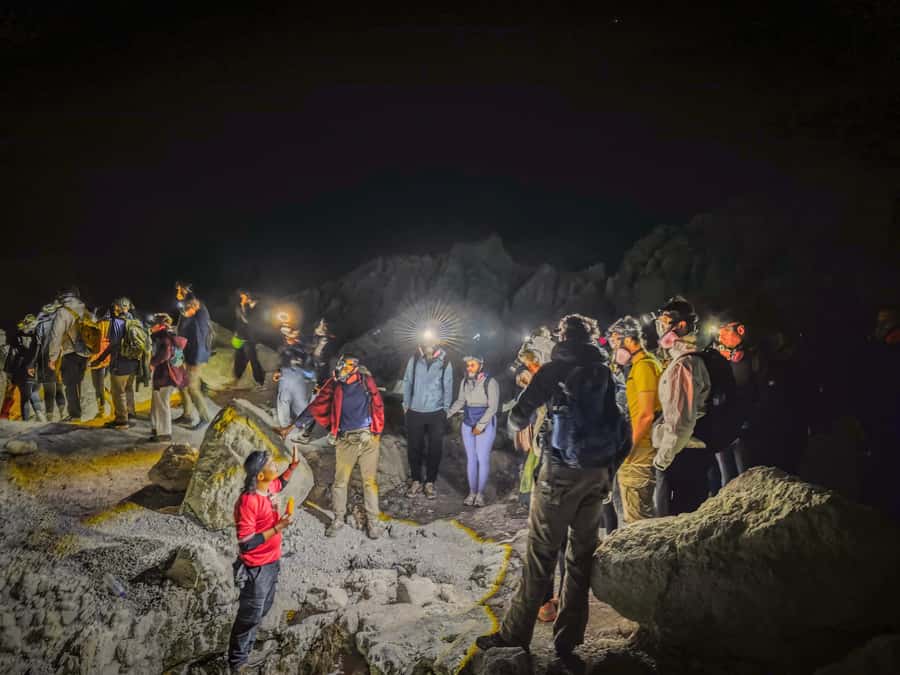
At 2:00 the trek starts. You’ll use the included bright headlamp, and the team will set the hiking flow so you can reach the right timing at the crater area.
03:00 reach the summit area, then the crater segment
Around 3:00 you reach the summit of Ijen and then move down toward the crater area. This is where the rules can shift depending on current safety assessments.
After the July 2024 earthquake, the crater has stricter controls. The tour states that:
- Tourists are not allowed to go down to the crater blue fire area.
- Access is generally limited to viewing the blue fire from about 500 meters off limit from the crater rim.
- If conditions permit and sulfur fumes are deemed safe, the guide may follow safety instructions for any closer movement.
Pay attention to this. The “blue fire experience” can still be incredible from the rim-adjacent viewing zone, but you should plan for variable access.
04:00 to 04:30 move toward the sunrise viewpoint
After the crater segment, you begin climbing toward the sunrise viewpoint. This is when the night turns into a steady climb upward, with the reward ahead.
05:00 coffee or tea break, then sunrise window (about 05:00 to 06:00)
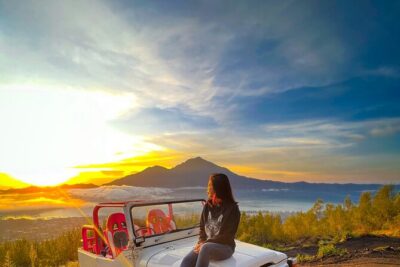
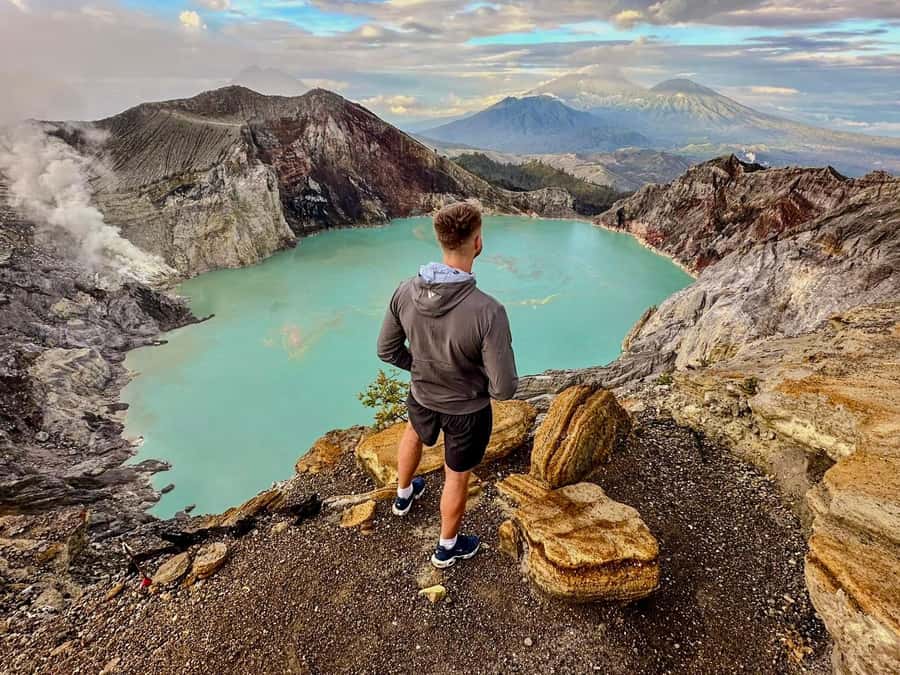
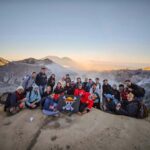
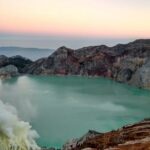
You stop at the viewpoint for hot coffee or tea. Then you watch sunrise over the crater area (the viewpoint sits at about 2,386 meters above sea level, based on the provided details). This is prime photo time, and the guide uses the quiet stretch to explain Ijen’s history, the crater’s workings, and what sulfur miners are doing there.
06:00 to 09:00 return to Banyuwangi
After sunrise, you descend back toward the parking area and rest briefly. Then you head back to Banyuwangi, aiming to arrive around 9:00.
Blue fire reality check: sulfur miners, acid lake, and what’s guaranteed
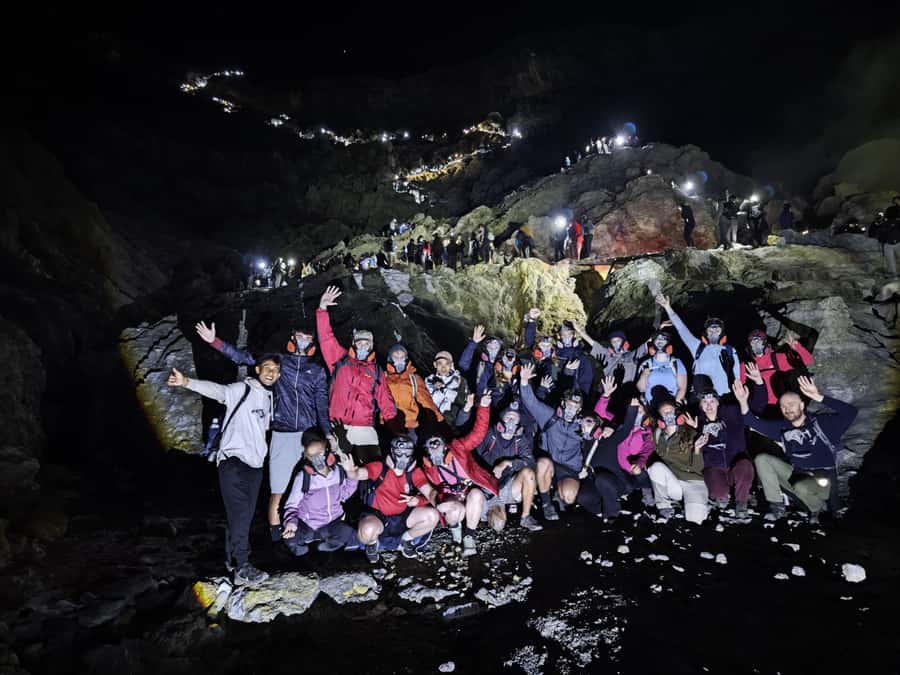
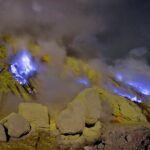
Here’s the honest part of Ijen: the blue fire is famous, but you don’t always get it. This tour sets expectations clearly that blue fire is not guaranteed, and you’ll also see that credited to two realities.
Weather and visibility
Even with excellent timing, conditions can affect what you see. Low clouds, fog, or other conditions can reduce visibility.
Miners sometimes extinguish the blue flames
The guide explanation includes that miners may extinguish the blue flames to preserve sulfur mining productivity. That means you can reach the right spot early and still not see the flames.
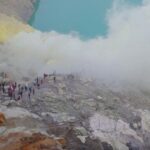
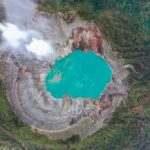
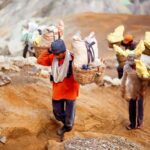
What you can count on is the rest of the crater story. You’ll spend time near the sulfur mining zone, and you’ll observe miners using traditional methods, plus you’ll see the crater setting and the acid lake from the vantage allowed. In short: even when the blue fire is shy, the crater environment is still the main event.
The hike difficulty: steep descent, no railings, and who should think twice
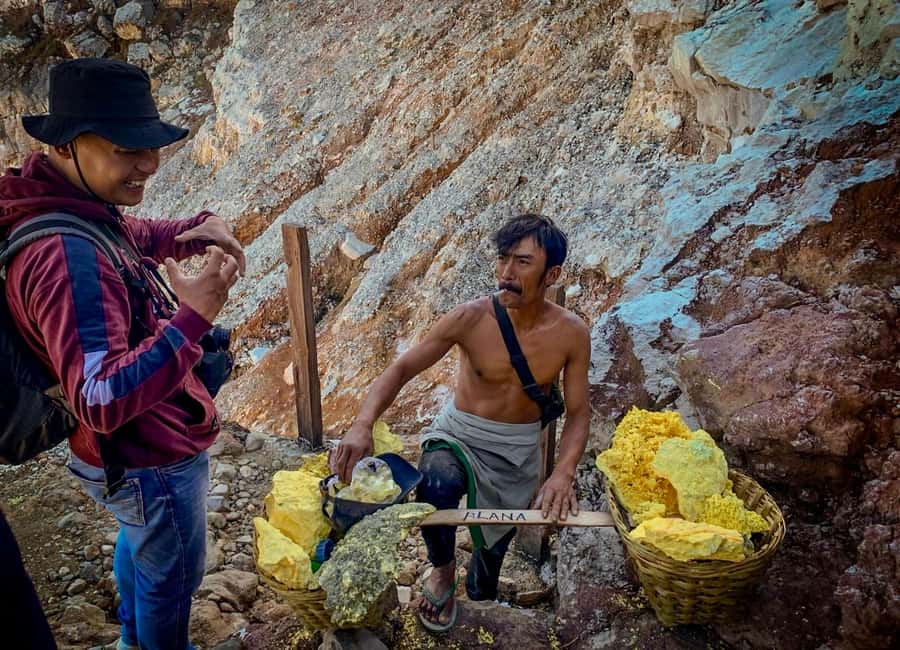
This tour is not casual. The description includes a steep descent of about 900 meters if crater access is allowed, and even when you stay near the rim-adjacent viewing zones, the footing can be tricky.
Be realistic about these cautions stated for participants:
- No fear of heights is required for comfort.
- You should not have asthma or heart conditions.
- You must be physically fit enough for steep sections.
Other practical issues you’ll feel on the ground:
- The path can be slippery and there may be no railing in parts.
- Even when you’re not pushing for speed, you’ll likely walk in cold air for hours, with hard steps that don’t give your knees a break.
If you’re going, go prepared. Bring warm layers, long pants, good hiking shoes, and rain gear. The included headlamp helps a lot, but it doesn’t change how steep the trail gets.
Safety gear and crater rules that you should take seriously
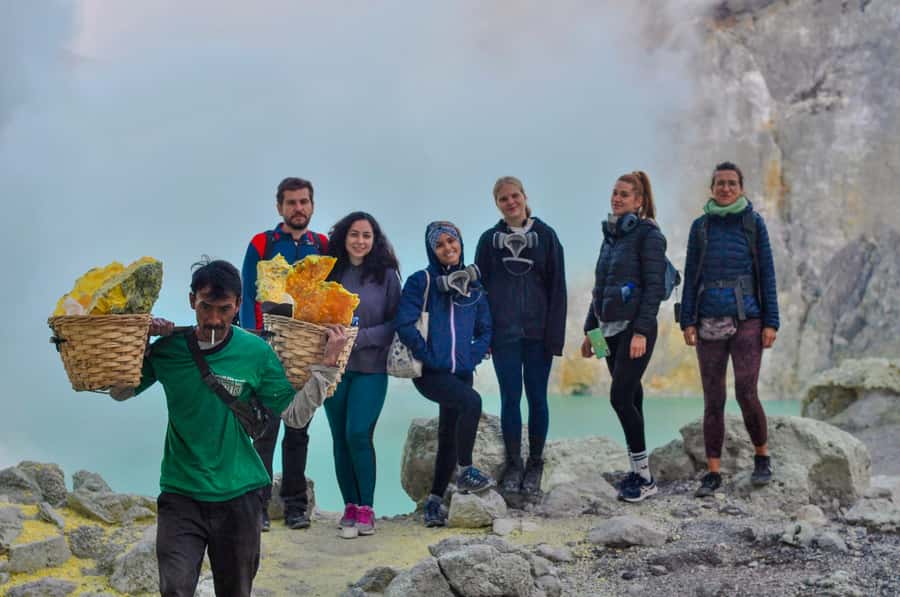
This is where the tour earns its good reputation. It doesn’t treat safety like a checklist; it treats it like a living rule system.
You’re given:
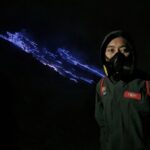
- Gas mask with respirator
- Bright headlamp
- Trekking equipment (included, though you should still wear your own proper shoes)
And then there are the crater limitations due to the July 2024 earthquake. The tour message is consistent: crater access is only allowed if sulfur fumes are considered safe, and you must follow the guide’s instructions exactly.
Also note the operational rule that the crater is closed on the first Friday of every month. If your dates land on that day, your plan changes.
Sunrise viewpoint: why the tea matters more than you think
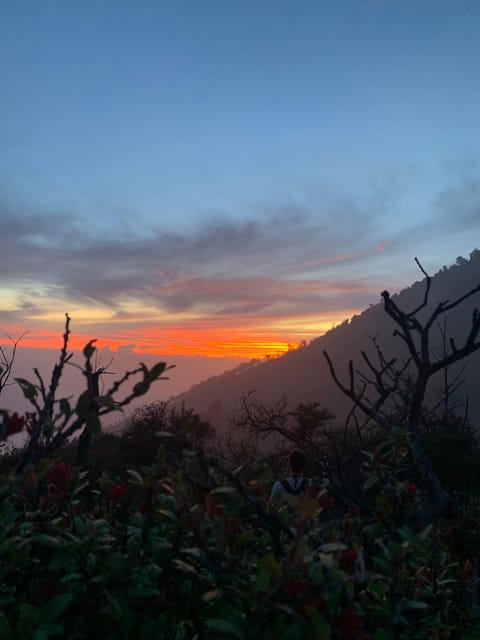
The sunrise portion isn’t just a reward; it’s also a way to recover from the physical night. By the time you reach the viewpoint, your body is cold and tired, and the included hot drink gives you a reset before you start the descent.
At the viewpoint you get:
- Photo time during a free window
- Guide explanation about Ijen and the crater’s human and geological side
- A panoramic look at the crater zone, at a high elevation
The practical win: by the time sunrise hits, you’re not rushing. The tour is structured so you aren’t scrambling to catch the best light with everyone behind you.
Banyuwangi vs Bali departure: the long travel day trade-off
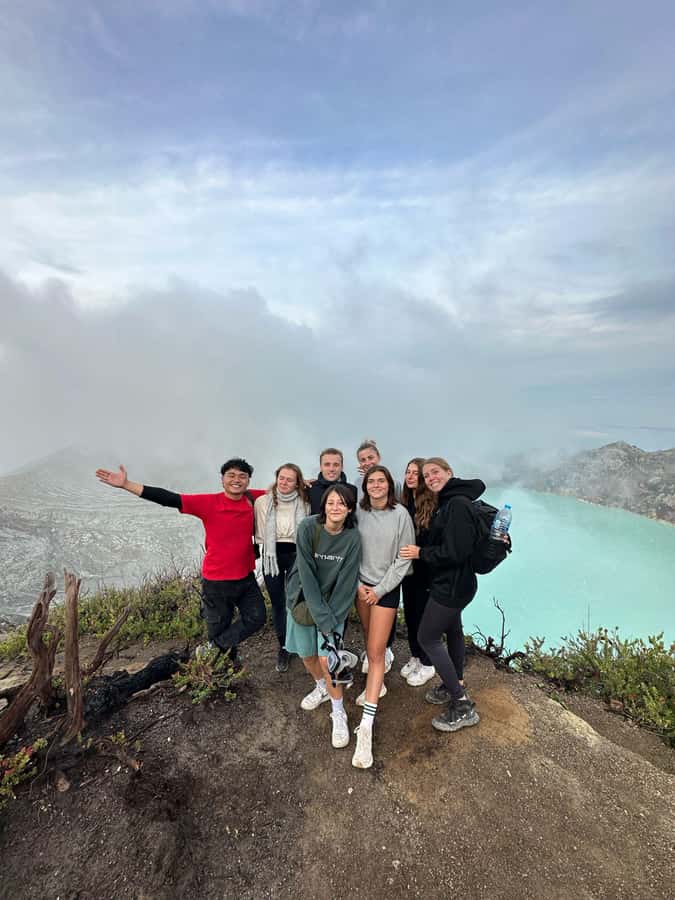
This tour can start from two sides, and it changes the feel.
If you’re in Banyuwangi
Pickup is from the Banyuwangi central area and things are comparatively straightforward. You still start late and move quickly once you arrive, but you’re not stacking extra transit.
If you’re in Bali
The Bali option adds time. You’ll be picked up from your hotel in Bali, driven to Gilimanuk for the ferry crossing (you cross with the ferry by yourself), then you meet the driver and guide on the Java side at Ketapang port and continue toward Paltuding, the starting hiking point.
This is a long day even before you hike. If you’re doing it from Bali, you’ll want to plan for a full travel night and accept that you’re spending serious hours getting to Ijen.
Price and value: why $15 can work, and what could cost extra
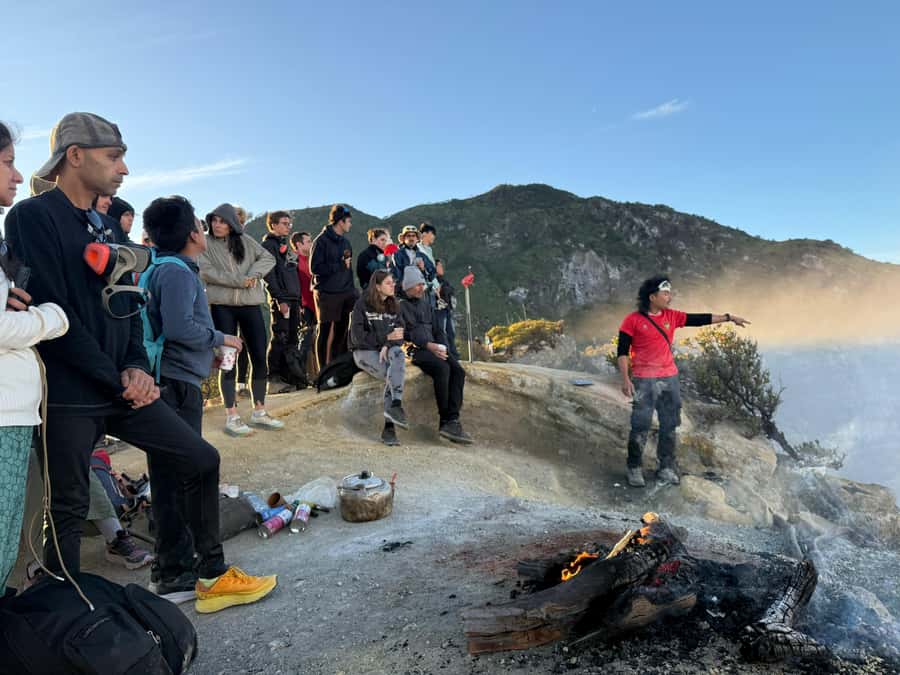
At $15 per person, this stands out because the included items are substantial for a budget rate. The tour states it includes:
- Local guide
- Mt Ijen National Park entry fee
- Gas mask with respirator
- Bright headlamp
- Coffee or tea on the summit
- Tickets, administration, and trekking equipment
- Flexible pickup and drop-off in Banyuwangi central area (and Bali option if selected)
What’s not included:
- Food and drinks
So the value equation is simple:
- If you’re ready to pack snacks, dress warmly, and handle the early start, you’re getting a lot of guided infrastructure for a low price.
- If you’re missing the right gear or you need lots of extra personal comfort, the cost advantage can shrink fast once you pay for your own food and incidentals.
Should you book this Ijen midnight blue fire tour?
Book it if you want the best chance of catching the blue fire early and you’re the type who values a motivated team, strict safety habits, and a sunrise payoff that actually feels timed right.
Don’t book if:
- You have asthma or heart issues
- You hate steep, sometimes slippery hiking with limited handrails
- You need guaranteed crater access down to the blue fire area (post-earthquake rules can restrict where you go)
- You’re going only for blue flames and you’d be disappointed if conditions or miner activity keep them off
If you’re fit, flexible, and you can handle an intense early night, this tour is good value. The biggest reason is the guide-led approach: QimQim’s team is built to manage timing, pacing, and safety together, not as separate parts of the day.
FAQ
What time does the tour start from Banyuwangi?
Pickup is usually 23:00 to 23:30 in Banyuwangi, with arrival at the Ijen parking area around 01:30 and the hike beginning at 02:00.
Is Mount Ijen blue fire guaranteed on this tour?
No. The tour specifically notes that blue fire is not guaranteed, depending on weather and also because miners sometimes extinguish the flames.
Can I go down into the crater for the blue fire?
After the July 2024 earthquake, tourists are not allowed to go down to the crater blue fire area. The tour states blue fire viewing is allowed from about 500 meters off limit from the crater rim, and any closer movement depends on safety conditions like sulfur fumes.
What safety gear is included?
You’ll get a gas mask with respirator and a bright headlamp, plus trekking equipment and a guide briefing before hiking.
How physically hard is the hike?
It’s challenging. The tour information mentions steep sections and that being physically fit matters. It also warns that you should not have asthma or heart conditions, and you should be comfortable with heights and steep walking.
What should I bring?
Bring warm clothing, a jacket, rain gear, long pants, hiking shoes, snacks, personal medication, and cash. It also recommends preparing for cold and wet conditions.
Is food included?
No. The tour includes coffee or tea on the summit, but it does not include meals or other drinks, so plan to bring snacks.