Coasting from Kintamani heights to Ubud rice fields. This downhill bike tour pairs big volcano views with genuine village stops, so you get more than just pretty photos.
One of the best parts is how smooth and low-effort the ride feels: it’s mostly downhill, so you spend your energy on braking and enjoying the scenery.
I also love the way the tour connects food, farming, and culture. You start with breakfast at a coffee plantation (with tasting), then walk through UNESCO rice terraces where guides explain the subak irrigation system and how Balinese water traditions shape daily life. One heads-up: a few paved sections bring you close to cars and motorcycles, so you’ll want to trust the guide’s traffic timing and keep your focus.
In This Review
- Key highlights you’ll feel right away
- From Kintamani slopes down to Ubud: what the ride is really like
- Pick-up in Ubud and the drive to the start point
- Coffee plantation breakfast: the calm start before the countryside
- UNESCO rice terraces and subak irrigation: what you’re actually seeing
- Craft villages of Ubud: wood, silver, and woven textiles
- Safety and bike setup: helmets, hand signals, and brake time
- Lunch back in Ubud: local food after a long coast
- How long is the tour, and what to plan for during the day
- Price and value: is $40 a fair deal in Bali?
- Who this tour suits best (and who should choose something else)
- Should you book this downhill rice terrace tour?
- FAQ
- FAQ
- How long is the downhill bike tour?
- Is hotel pick-up included?
- Is the bike ride difficult?
- What meals are included?
- Do you provide a bike and safety gear?
- Are alcoholic drinks included?
- What languages are the guides available in?
Key highlights you’ll feel right away
- Mostly downhill riding that’s easy for most people, with brakes doing most of the work
- UNESCO rice terraces plus a clear explanation of the subak irrigation system
- Coffee plantation breakfast and tasting (and yes, you can buy what you like)
- Ubud craft villages tied to real local makers: wood carving, silver jewelry, and woven textiles
- Safety support during the ride, including hand signals and a car following in case you need it
- Breakfast + lunch (or dinner) included, so the day stays good value at around $40
From Kintamani slopes down to Ubud: what the ride is really like
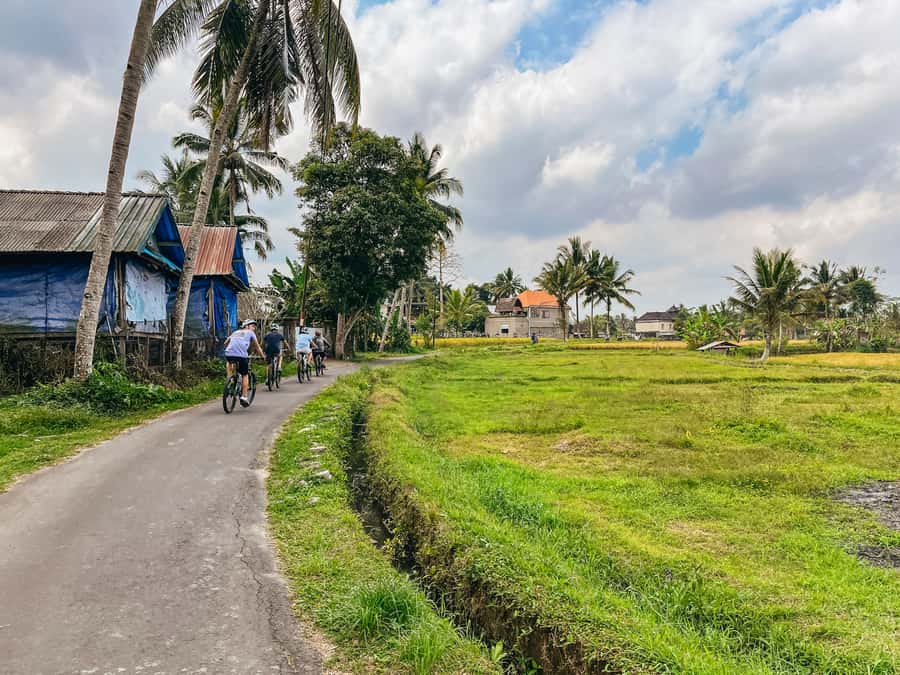
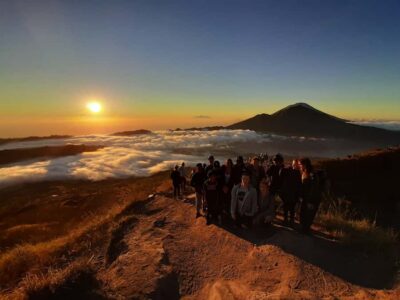
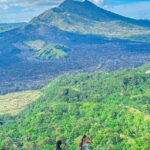
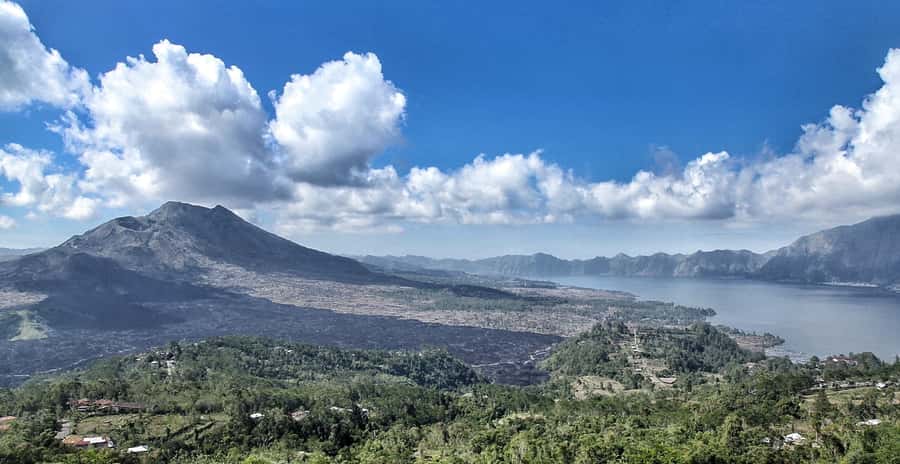
This is a true “coast down and enjoy” kind of Bali day. You start up on the Kintamani side, with big mountain air on your face and a view that makes you instantly understand why people stop here for sunrise and postcards. Then you switch to biking mode and roll downhill through rural countryside toward Ubud.
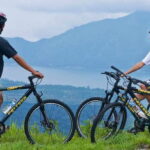
The tour description promises downhill cycling, and the reviews back up the feel: this is not an off-road mountain biking workout. You’re on paved roads and village paths, and for most riders it’s closer to relaxed downhill cruising than pedaling for your life. Many people note that hardly any pedaling is needed, and even when the ride is genuinely steep in parts, your job is mostly controlling speed with the brakes.
That braking focus is not a detail to skip. If you’ve never biked downhill for long stretches, it can feel like the main effort is simply staying smooth and staying safe. Plan for that. Bring sunscreen seriously—hands and ears get hit fast in Bali’s sun.
You can also read our reviews of more tours and experiences in Bali.

Pick-up in Ubud and the drive to the start point
The tour is built around convenience: you get hotel pick-up and drop-off in the Ubud area, and you travel by air-conditioned minivan to the starting zone. This matters because the best viewpoints and farming areas aren’t right next to Ubud’s center. You’ll spend part of the day in transit, but it’s part of what turns the ride into a real change of scenery.
Exact start times depend on availability, but the overall experience clocks in around six hours from pick-up to drop-off. Reviews mention that the drive can include additional stops for other guests, and occasionally the ride back can be a touch longer depending on where you’re staying. If you’re the type who hates waiting, bring patience. If you like using transit time to cool down and get organized, you’ll be fine.
You’ll also want to pay attention during the guide briefing. One of the repeat points is that guides teach traffic-related signals and explain how the group moves on the road. It’s not complicated, but it helps you feel confident once you’re rolling.
Coffee plantation breakfast: the calm start before the countryside
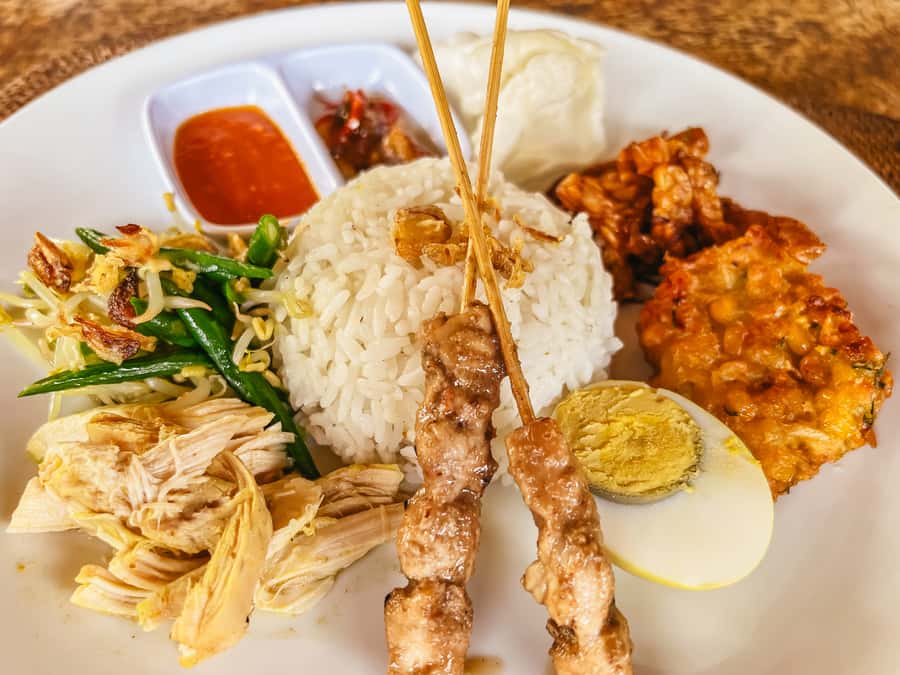
Before you hit the “downhill, don’t panic” phase, you get a breakfast stop at a coffee plantation. It’s not a rushed tourist photo stop either. The day begins with light food (often pancakes and fruit are mentioned) and then shifts into a coffee and tea tasting experience.
What makes this more worthwhile than a basic café stop is choice. You can sample different coffees and teas, and you can purchase items if you want. One review highlights how the coffee and teas were a big part of the morning, and another mentions the breakfast quality as a positive—so you’re not just eating for calories.
This matters because it changes the pace of the day. Instead of starting the bike ride hungry and half-awake, you start with energy and a quick cultural context: coffee isn’t just a drink here, it’s tied to local business and daily rhythms. Then the tour transitions smoothly into farming landscapes and village life.
Tip: If coffee isn’t your thing, don’t worry. Tea tasting is part of the setup too, and the meal still gives you something solid before your downhill roll.
UNESCO rice terraces and subak irrigation: what you’re actually seeing
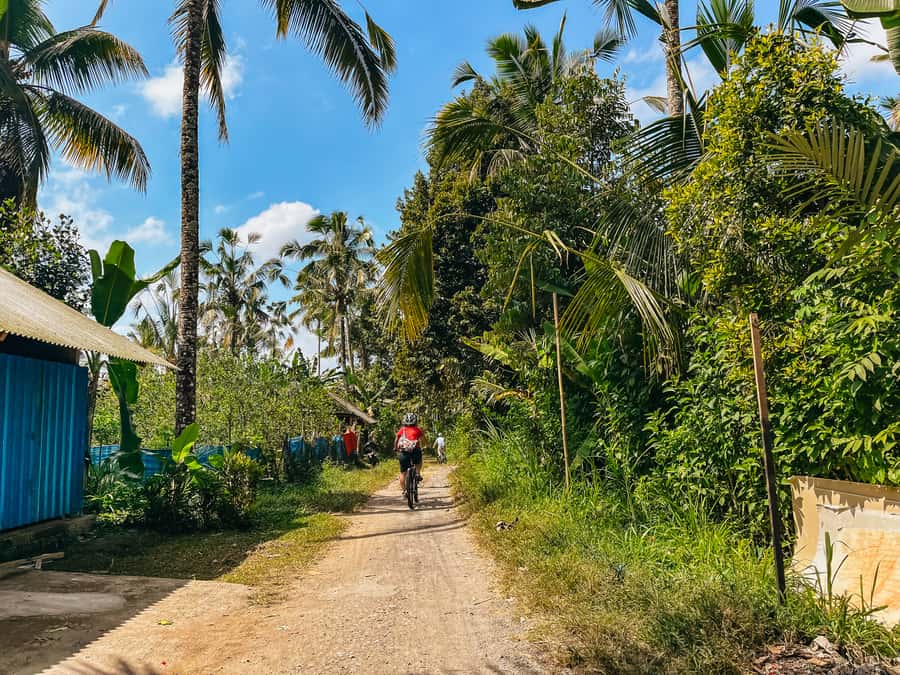
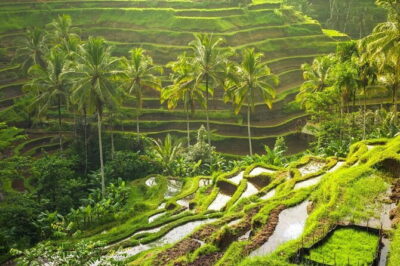
The heart of this tour is the stop at the UNESCO rice terraces near Ubud, plus a walk that makes the paddies make sense. It’s easy to see rice fields as scenery. It’s harder to understand how they work. This is where the guide explanations turn the visit from pretty to meaningful.
A key detail is the subak irrigation system. You’ll hear how water is managed through traditional community arrangements, and how that system helped shape the rice terraces into the iconic pattern you came for. The guides also connect farming to everyday Balinese life—where religion, water management, and community schedules overlap.
You’ll likely walk through sections of the terraces at a comfortable pace, not a punishing trek. In practice, this is a great moment to slow down and take photos without feeling like you’re in a race. The guide’s explanations give you captions for what you’re seeing: why terraces look the way they do, and why the system is more than just “old irrigation.”
If you care about culture in a practical way—how people organize labor, water, and ritual to feed families—this part is one of the main reasons people rate the day so highly.
Craft villages of Ubud: wood, silver, and woven textiles
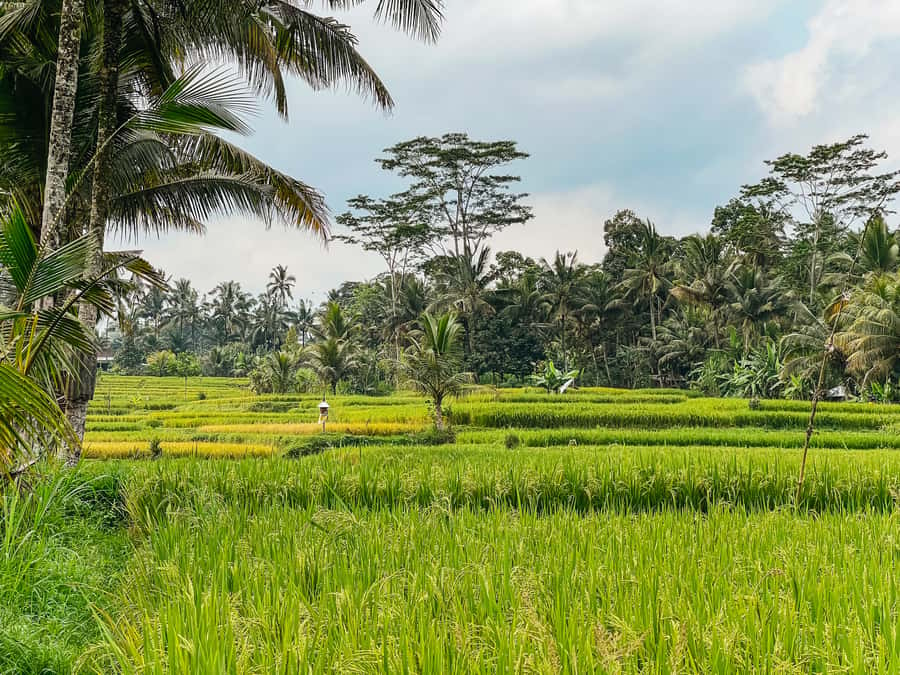
After the terrace walk, the tour swings through Ubud’s handicraft areas. This isn’t about shopping until you feel guilty. It’s about seeing how makers work and what products come from traditional methods.
The craft villages you pass through connect to:
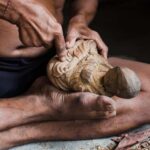
- wood-carved souvenirs
- silver jewelry
- colorful woven textiles
You’ll get context from your guide, and that changes how you shop if you choose to buy. Instead of grabbing a random item, you understand the skill and local business behind it. Several reviews mention the guides were proud and attentive when discussing local life, which helps you feel like you’re learning—not being sold to.
One smart approach for you: walk through first without buying. Ask one or two questions about the materials or the process. Then decide later if something genuinely appeals to you. The tour makes it easy to see the variety, so you can make a calmer purchase rather than an impulse one.



Safety and bike setup: helmets, hand signals, and brake time
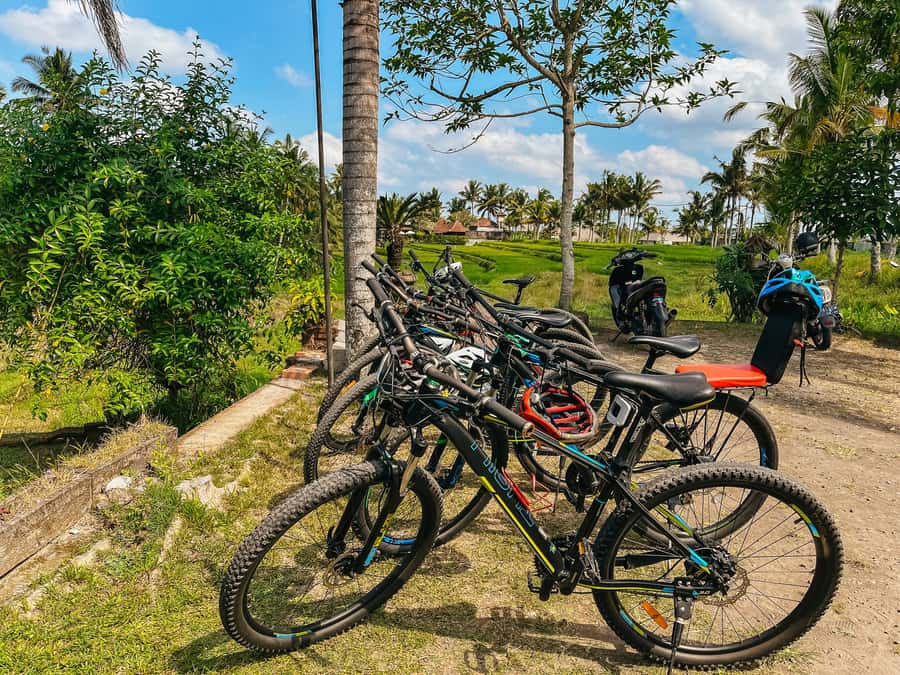
The bikes are a big deal here. People consistently praise the bike condition, and brakes get a lot of attention—because the ride is downhill for long stretches. Reviews also mention that bikes are well suited to the ride and that guides help keep the group controlled.
You should expect:
- a bike fitted for you
- helmets
- guidance on hand signals for riding together
- a traffic-management approach during road sections
- a car following the group, so it’s easier to manage belongings and comfort
Rain gear shows up too. If weather changes, some riders mention getting ponchos, which is helpful when tropical showers interrupt plans. One bonus detail: having a car nearby can make you feel safer even if you’re not planning to use it.
Road conditions: Most of the ride is on paved roads, and it’s designed to be manageable. Still, a few segments can feel tight with cars and motorcycles close by. This is not a reason to cancel. It’s a reason to take the ride like a shared road experience—stay alert, keep the gap, and follow your guide’s instructions.
Lunch back in Ubud: local food after a long coast
By the time you finish the downhill ride, you’re ready for a proper meal, not a sad snack. Lunch is included, and it’s served at a local restaurant in Ubud. Reviews often describe lunch as good local food, and dietary needs have been accommodated for some riders.
What you get matters less than the timing. Eating after a downhill day is smart. Your body may feel like it barely worked, but you still spent hours in sun, moving, and navigating. A solid meal helps you recover without turning the rest of your evening into a hunt for food.
Alcohol isn’t included—non-alcoholic meals and beverages are part of the food plan, and alcoholic drinks can be purchased at the restaurant if you want one. If you’re budgeting, this is worth knowing in advance.
How long is the tour, and what to plan for during the day
The tour runs about six hours total. That time includes pick-up, travel to the start, the ride itself, terrace and craft village stops, and the meal.
In terms of effort, don’t think of it as “training for cycling.” Think of it as:
- a downhill sightseeing day
- with a moderate amount of riding
- plus walking at a relaxed pace during cultural stops
The ride is often described as suitable for nearly everyone because pedaling is limited. Still, you do need basic balance and the willingness to brake often. If you’ve got knee issues or poor balance, you’ll want to check with the operator before booking. If your main goal is off-road biking or technical trails, this isn’t the right fit.
One more practical note: start thinking about sun protection early. Use sunscreen before the plantation and keep reapplying for your neck, arms, and hands.
Price and value: is $40 a fair deal in Bali?
At around $40 per person, the pricing makes sense when you look at what’s included. You’re getting:
- hotel pick-up and drop-off in Ubud
- air-conditioned minivan transport
- use of a bicycle and helmet
- entrance fees
- breakfast at the coffee plantation
- lunch (or dinner, depending on the day)
- driver/guide support
A lot of Bali day trips charge separately for transport, guides, and meals. Here, they’re bundled. You’re also getting more than one “type” of experience: farming culture (rice terraces and subak), local daily life (villages), and a food start (coffee plantation tasting). If you want Ubud but not the constant crowds, this structure adds up quickly.
One thing to factor: alcohol is not included. That’s normal, but if you like cocktails with lunch, your final cost will rise.
Overall, if you’re looking for a full day that mixes scenery with real cultural context—and you want it handled for you—this is strong value for the time.
Who this tour suits best (and who should choose something else)
This tour fits best if you want:
- an easygoing downhill bike day
- rural countryside views without technical trail pressure
- clear explanations of Balinese culture and farming systems
- a mix of food stops and cultural visits
It’s also a solid pick if you’re traveling solo or as a couple. Reviews mention solo riders had a great day, and some groups even got more personal guiding when the group size was small.
Where it might not fit:
- If you want true mountain biking trails, expect paved roads and managed riding, not rugged singletrack.
- If you hate any road riding near traffic, you should reconsider. There are short segments where cars and motorcycles feel close. Guides handle it, but you’re still sharing the road.
- If you’re expecting “no brakes needed,” you’ll be surprised. You will use brakes a lot.
Should you book this downhill rice terrace tour?
If your ideal Bali day is a calm mix of real rural life, UNESCO terraces, and a mostly-easy bike ride, I’d say yes. The best reason is the combination: coffee tasting and breakfast set the tone, the subak explanation gives the terraces meaning, and the downhill ride keeps things active without demanding technical biking skills.
Book it if you:
- want to get out of Ubud’s busiest areas for a few hours
- enjoy guides who answer questions and connect places to daily life
- like sightseeing that includes food, not just walking
Think twice if you:
- want extreme off-road biking
- dislike any exposure to road traffic, even with strong guide support
- have trouble handling long downhill braking with control
FAQ
FAQ
How long is the downhill bike tour?
The tour lasts about 6 hours.
Is hotel pick-up included?
Yes, pick-up and drop-off are included for hotels in the Ubud area. Pick-up from outside Ubud is possible for an additional fee.
Is the bike ride difficult?
It’s designed as an easy downhill roll for most riders, with mostly downhill riding and limited pedaling. You will still use your brakes often.
What meals are included?
Breakfast is included (at a coffee plantation), and lunch or dinner is included at the end in Ubud.
Do you provide a bike and safety gear?
You get the use of a bicycle, and the tour includes a driver/guide and guides who manage the ride. Helmets are mentioned in rider experiences.
Are alcoholic drinks included?
No. Alcoholic drinks are not included, but they are available to purchase.
What languages are the guides available in?
The live tour guide is available in English, Indonesian, French, Italian, and Spanish.